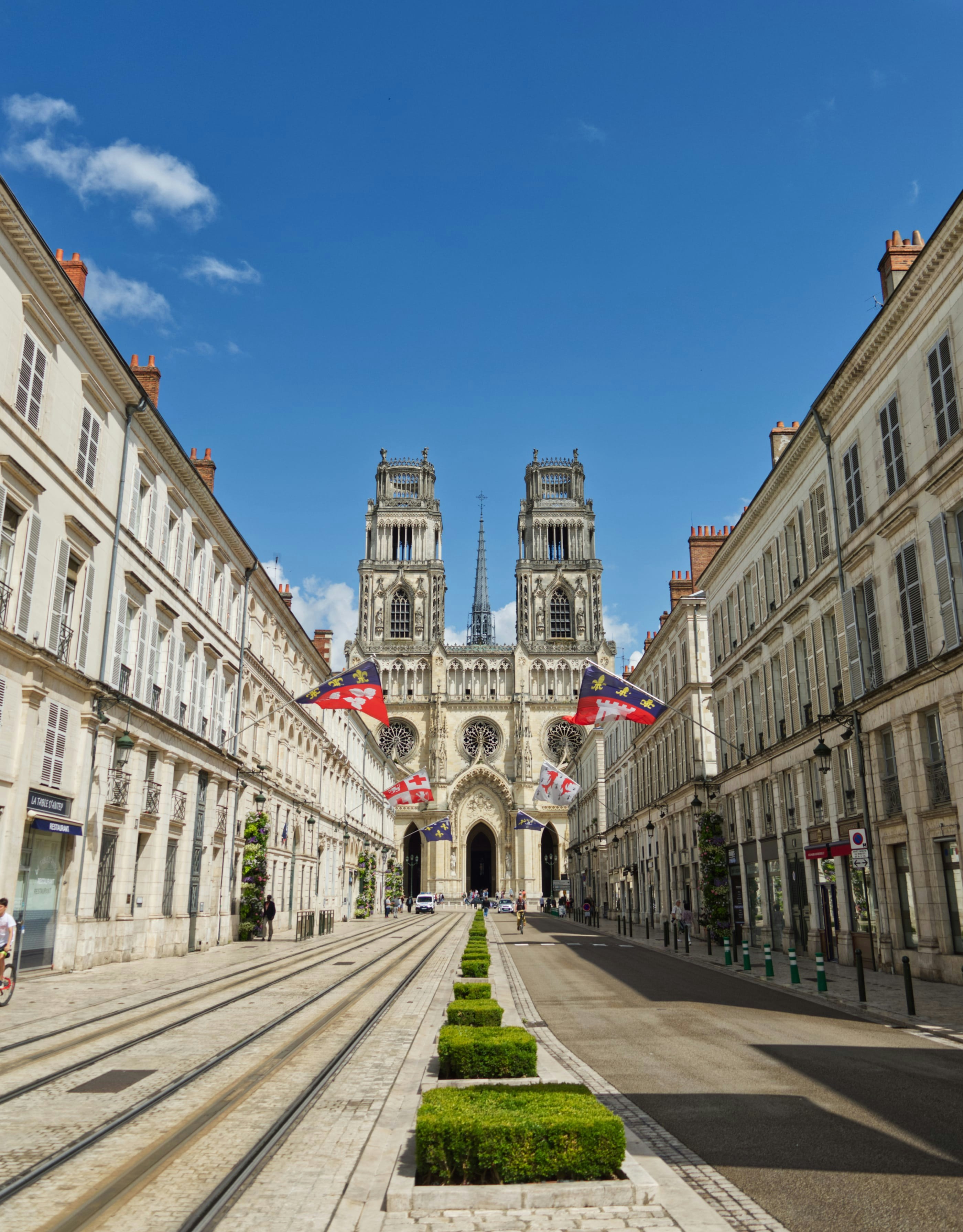
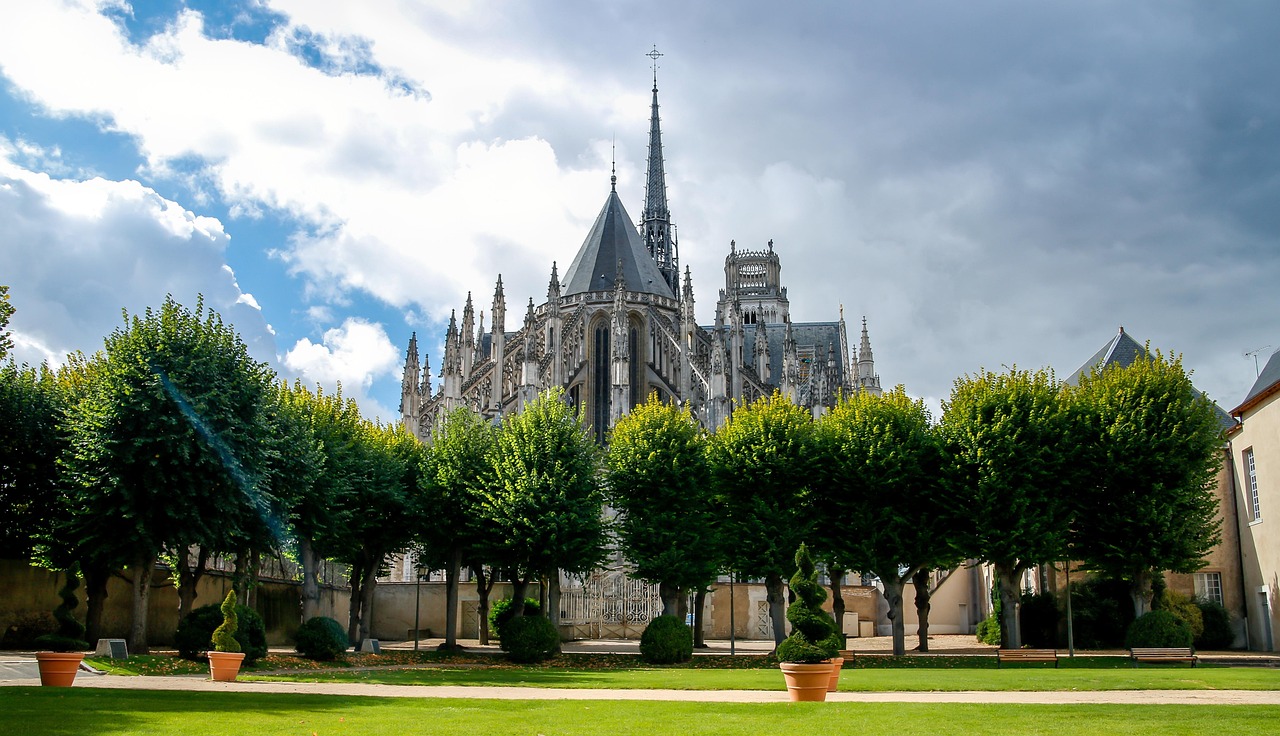
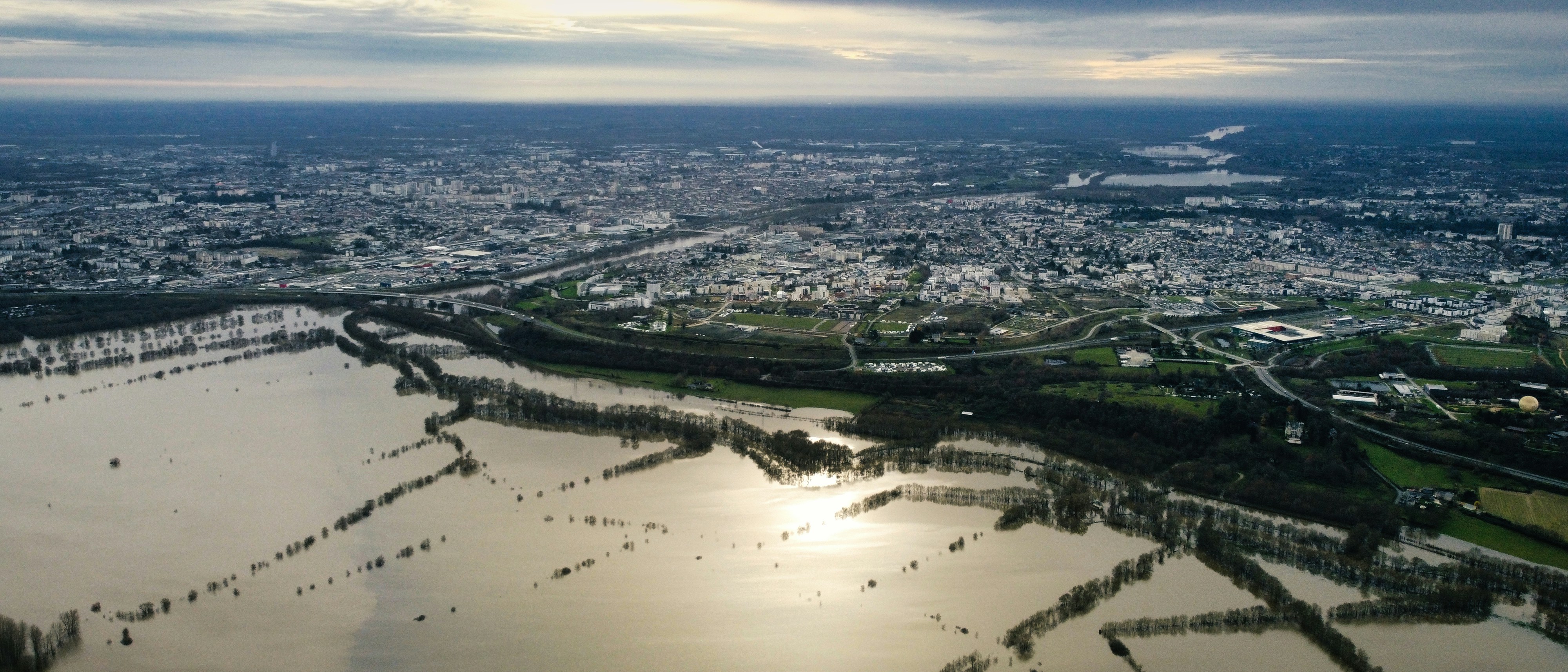
Orléans carries French history in its very name: it was here that Joan of Arc broke the English siege in 1429, turning this city on the Loire into a symbol of national liberation. The cathedral of Sainte-Croix, rebuilt by the kings of France over six centuries, rises with its neo-Gothic spires over a historic centre filled with restored Renaissance houses. Every May, the Festival de Jeanne d'Arc re-enacts the glorious episode with historical processions and ceremonies. The gardens of the Hôtel Groslot and the banks of the Loire offer wonderfully atmospheric walks. Orléans is also the gateway to the Orléanais wine region and an ideal starting point for cycling the Loire à Vélo route.
Auto
Giorno 2 — Orleans → Blois
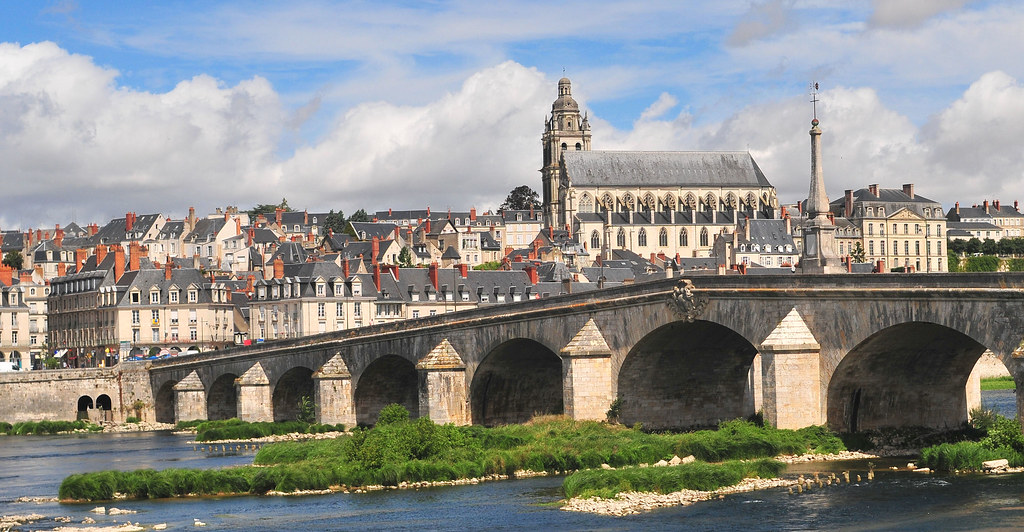
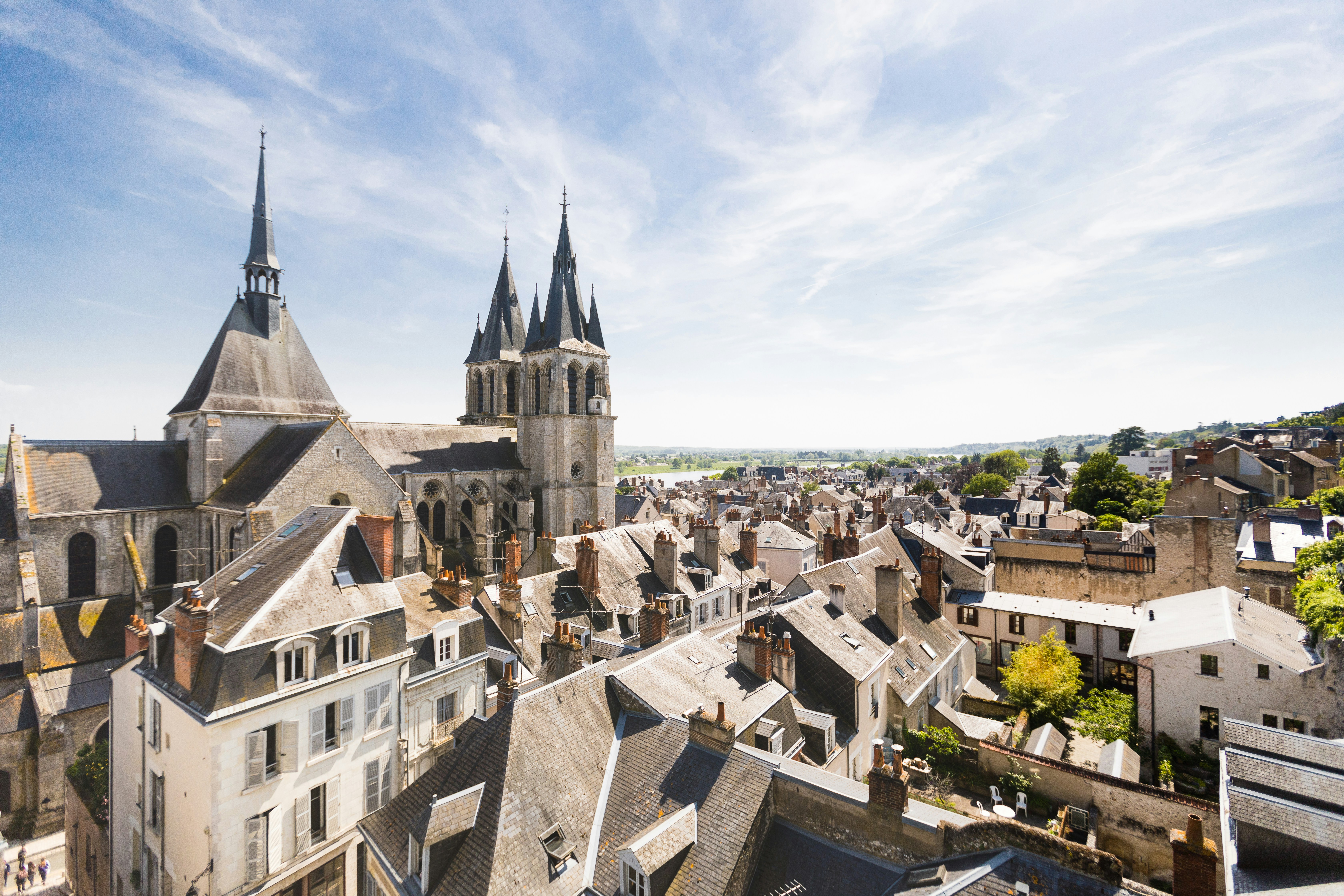
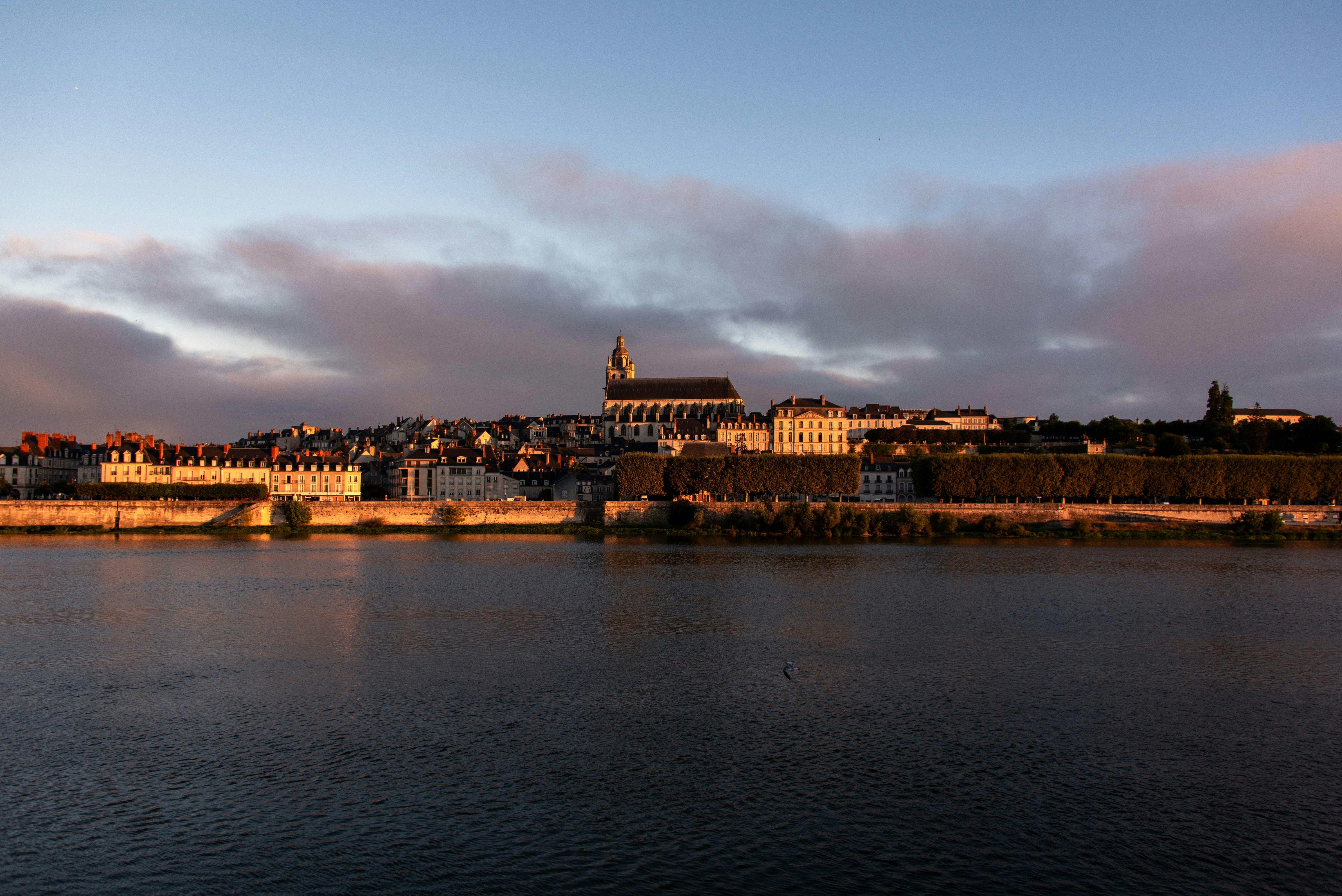
Blois unfolds across a series of limestone terraces descending to the Loire, a royal city that served as the residence of four French kings and the gateway to the châteaux of the Loire Valley, a UNESCO World Heritage Site. Its castle, which encompasses four architectural eras — medieval, Flamboyant Gothic, Renaissance and Classical — is one of the most captivating royal complexes in France. The famous spiral staircase of François I, the room where the Duke of Guise was assassinated and the painted salons narrate centuries of courtly history. The historic centre, with its climbing lanes, chocolate shops and Renaissance houses, is a delight to explore on foot. Blois is the ideal base for visiting Chambord, Cheverny and Chaumont.
Auto
Giorno 3 — Blois → Tours
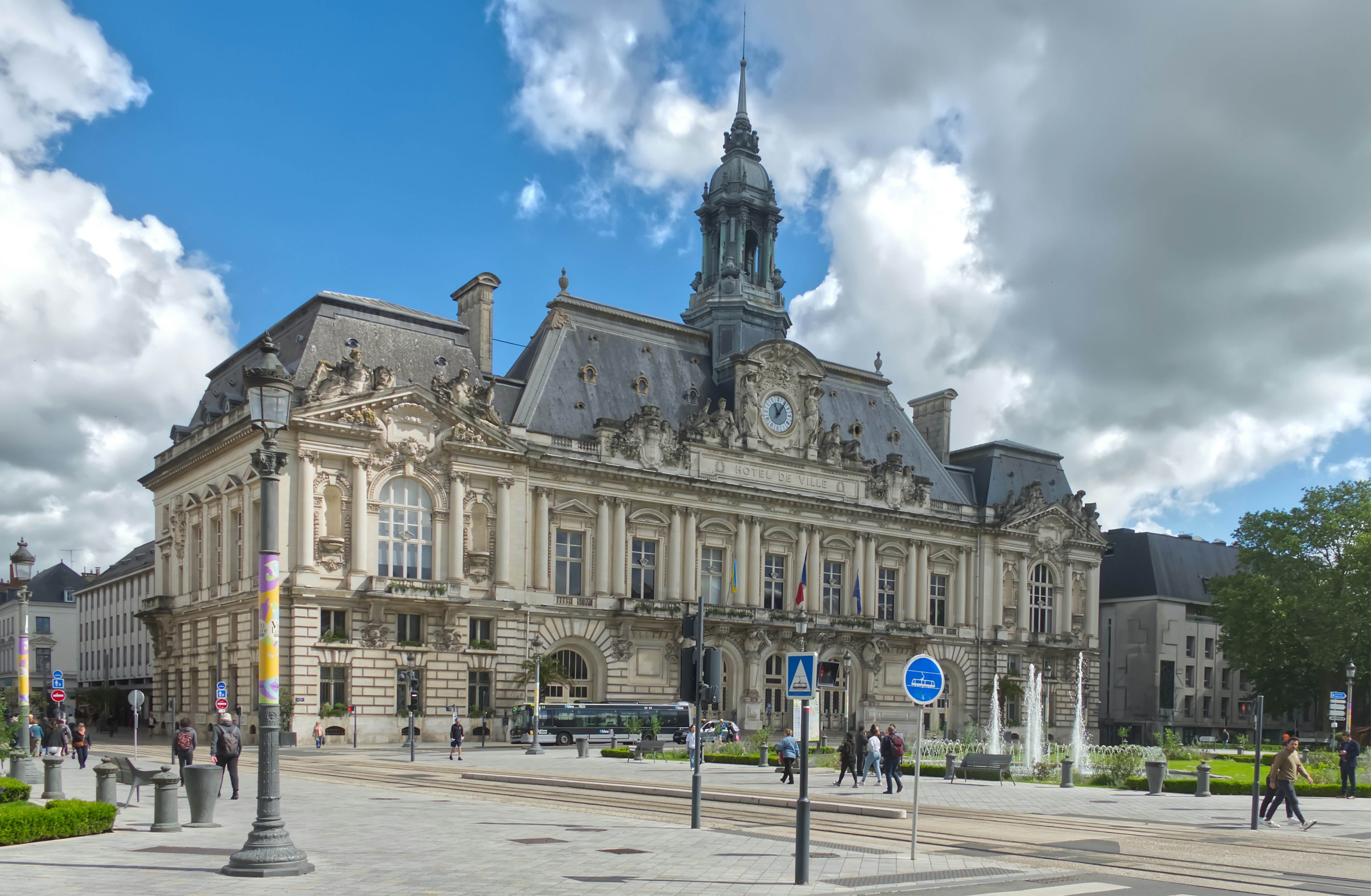
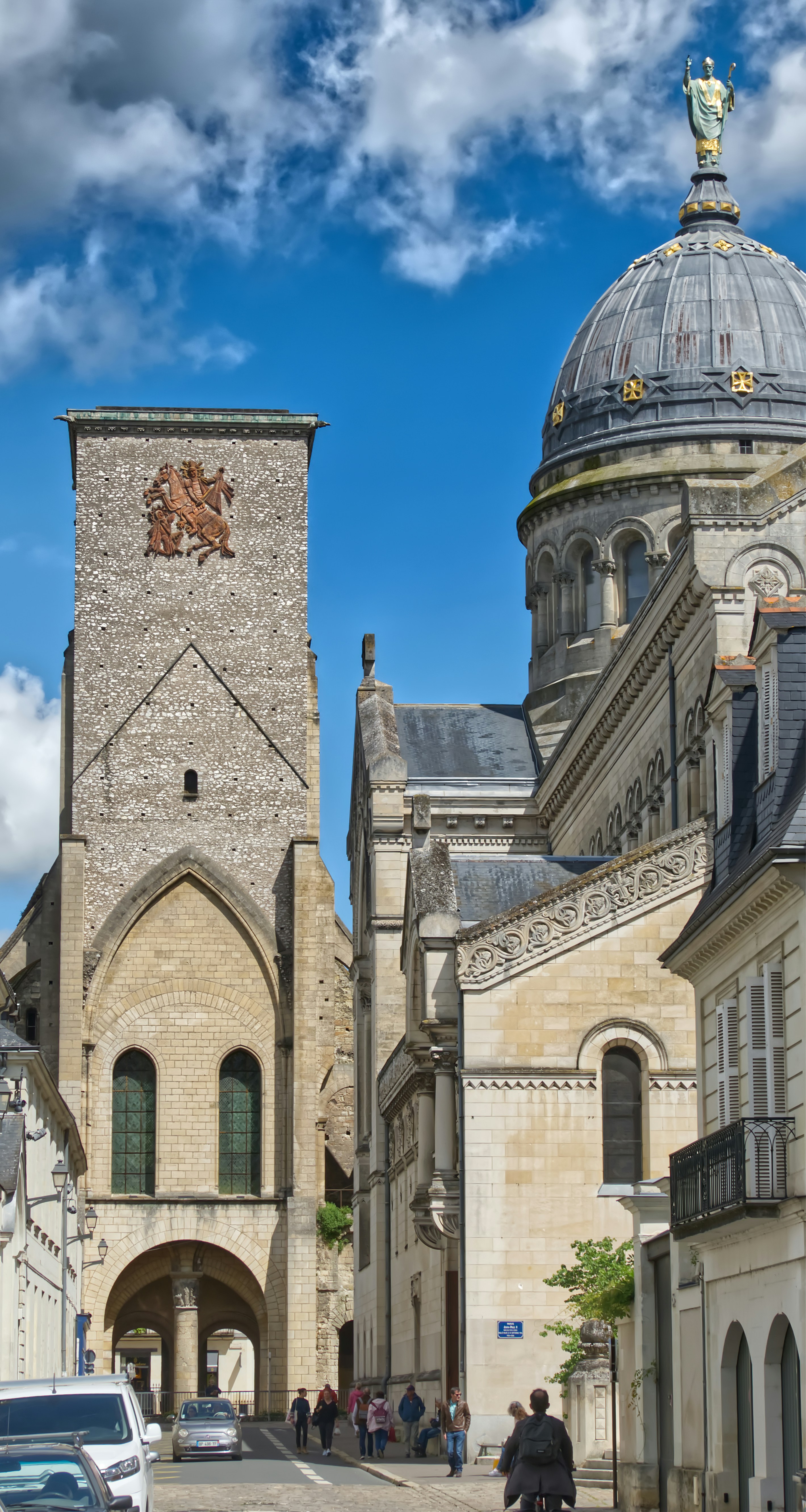
Tours occupies the geographical and cultural heart of the Loire Valley, the «Garden of France» declared a UNESCO World Heritage Site for its châteaux, vineyards and river landscapes. Roads from the city lead to Chambord, Chenonceau, Villandry and Amboise — the jewels of the French Renaissance that made this valley the favourite residence of the Valois kings. Tours itself deserves attention: the Place Plumereau, in the medieval Vieille-Tours quarter with its half-timbered houses, is the city's most animated evening gathering spot; the Cathédrale Saint-Gatien, in Flamboyant Gothic style with magnificent thirteenth-century stained-glass windows, rises at the far end of the centre. The wines of the Vouvray appellation (whites from chenin blanc) and Bourgueil (reds from cabernet franc) are tasted in caves carved into the tufa of the surrounding hills. Tours is the ideal base for exploring the Loire by bicycle along the Loire à Vélo route.
Auto
Giorno 5 — Tours → Saumur
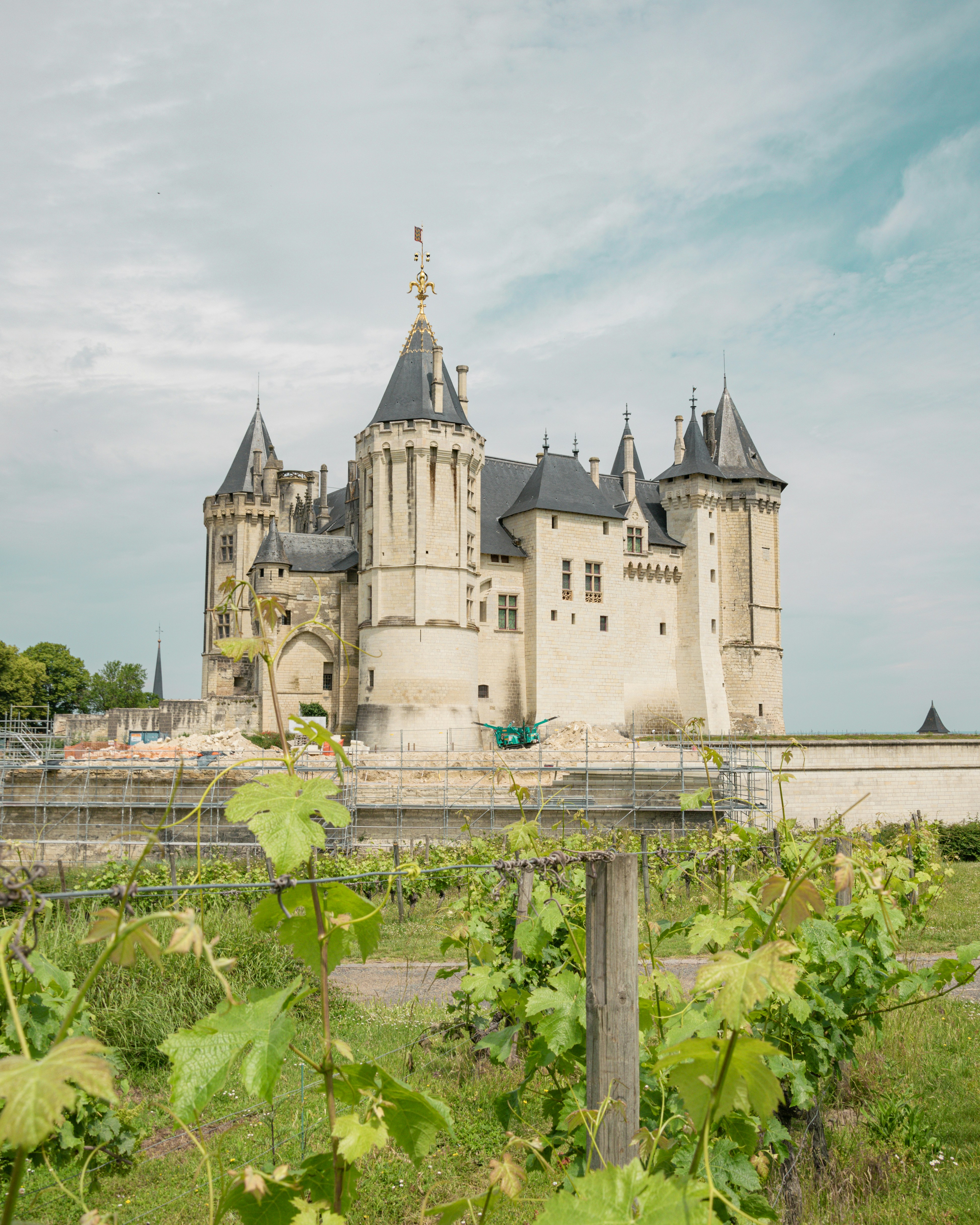
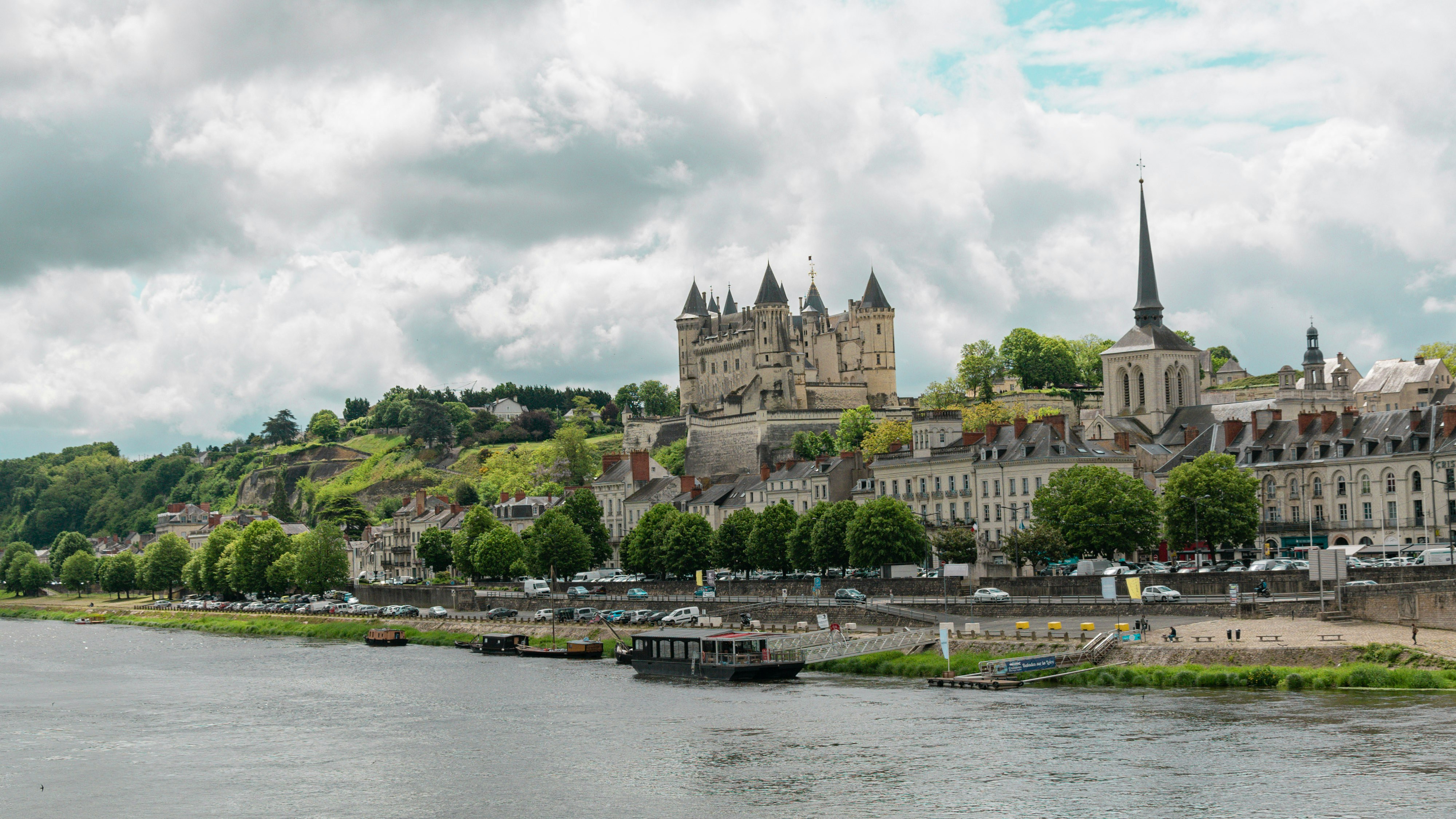
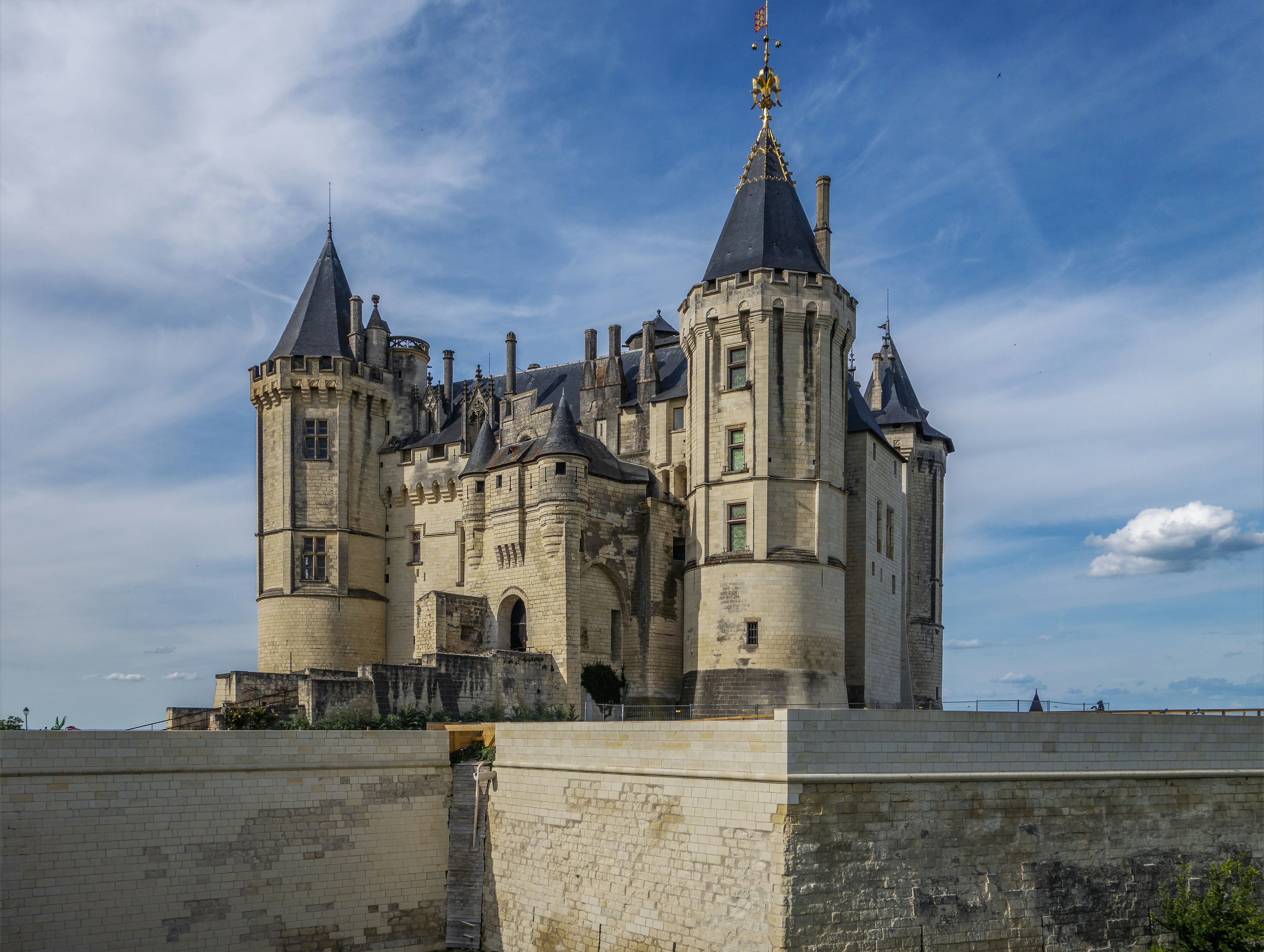
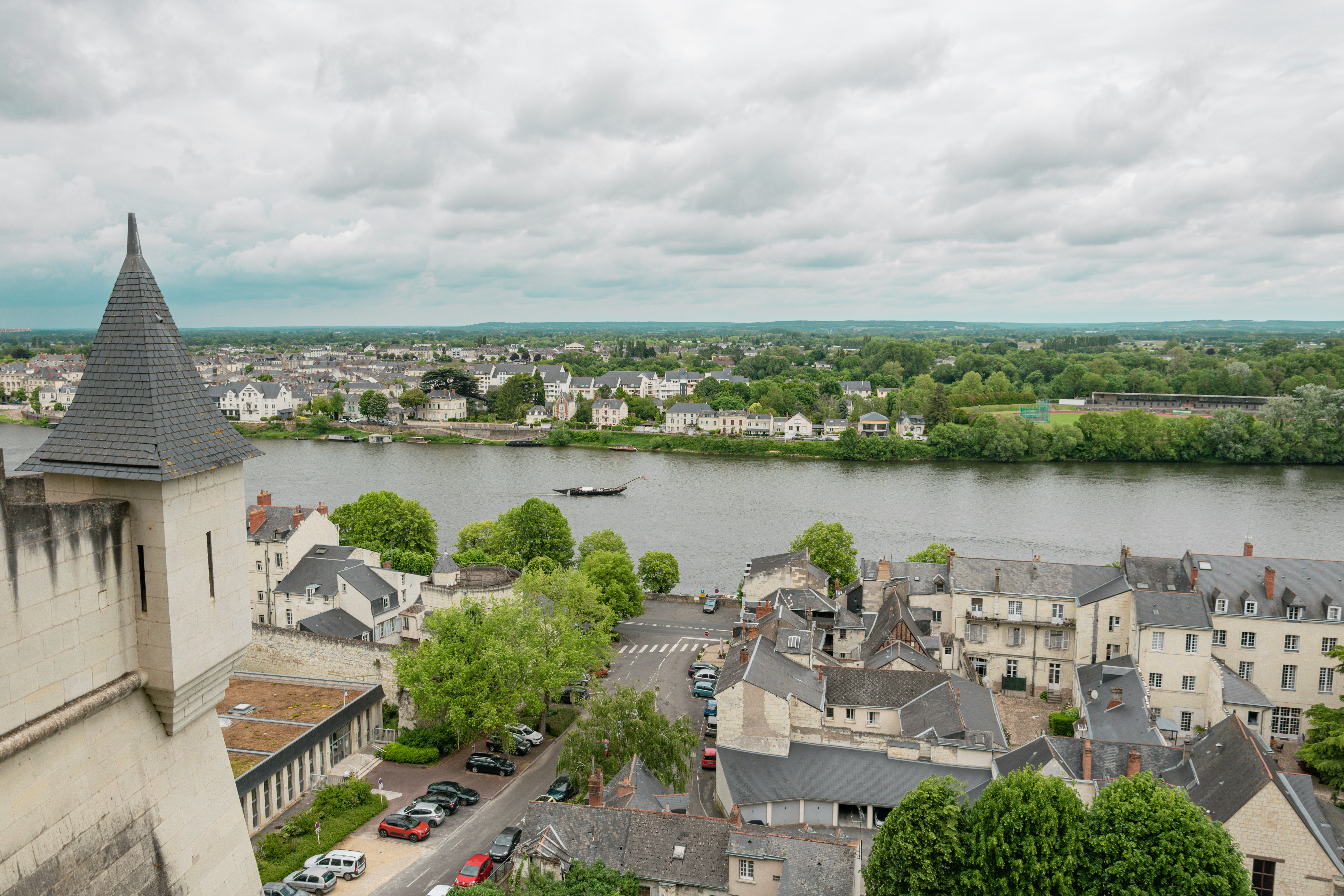
Saumur presents itself with its white château presiding over the slope above the Loire, one of the most elegant castles in the region, now home to a museum of decorative arts and a museum of the horse. The city is the world capital of equestrian arts thanks to the Cadre Noir, the elite military riding school that since 1814 has trained masters of haute école, housed at the École Nationale d'Équitation. The limestone subsoil — tuffeau — is honeycombed with kilometres of caves storing Saumur wines and the fresh, fragrant cabernet franc of Saumur-Champigny. Troglodyte dwellers have transformed the caves into unique homes, restaurants and museums. Saumur is a city that lives between sky and underground.
Auto
Giorno 6 — Saumur → Angers
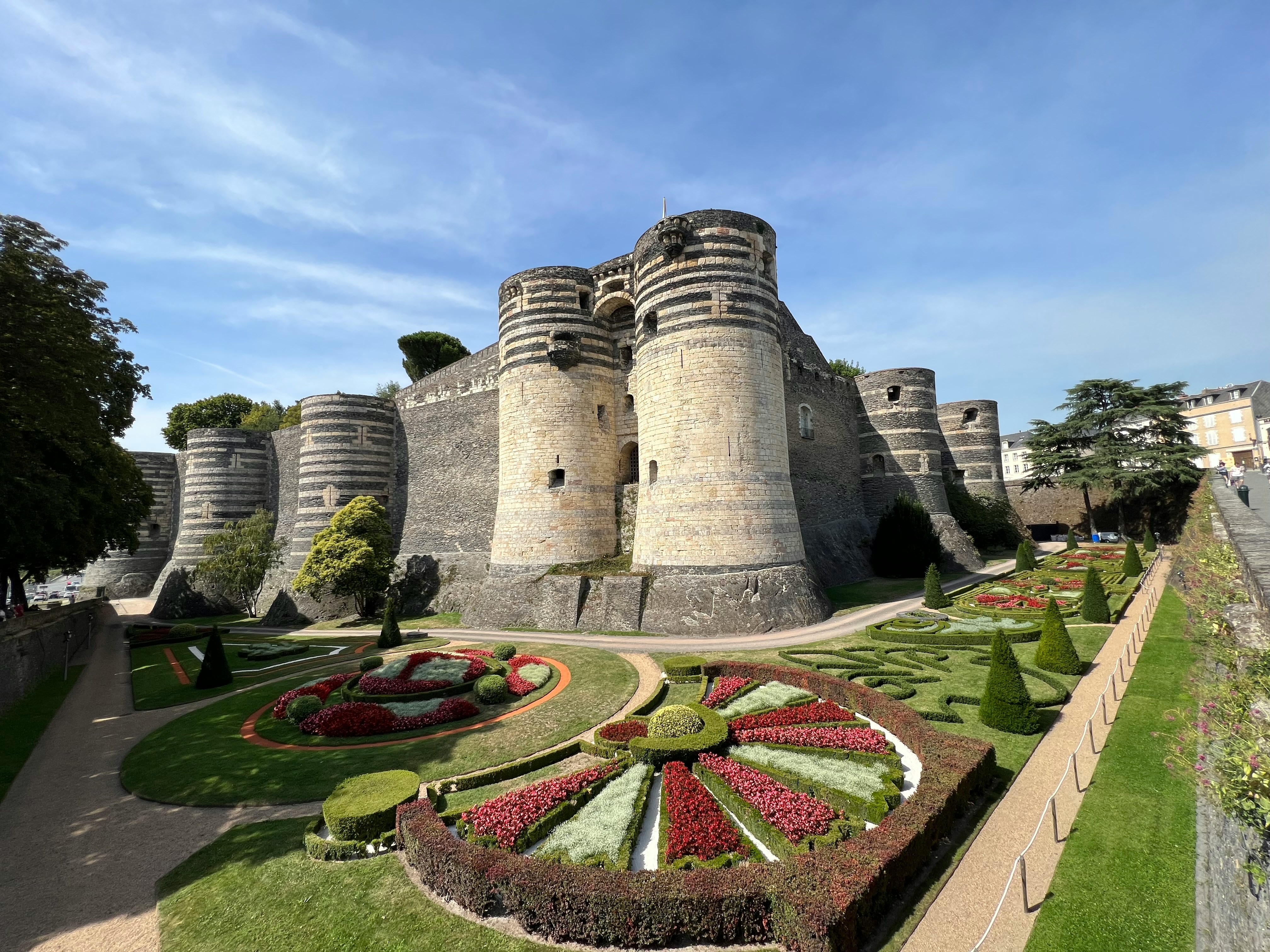
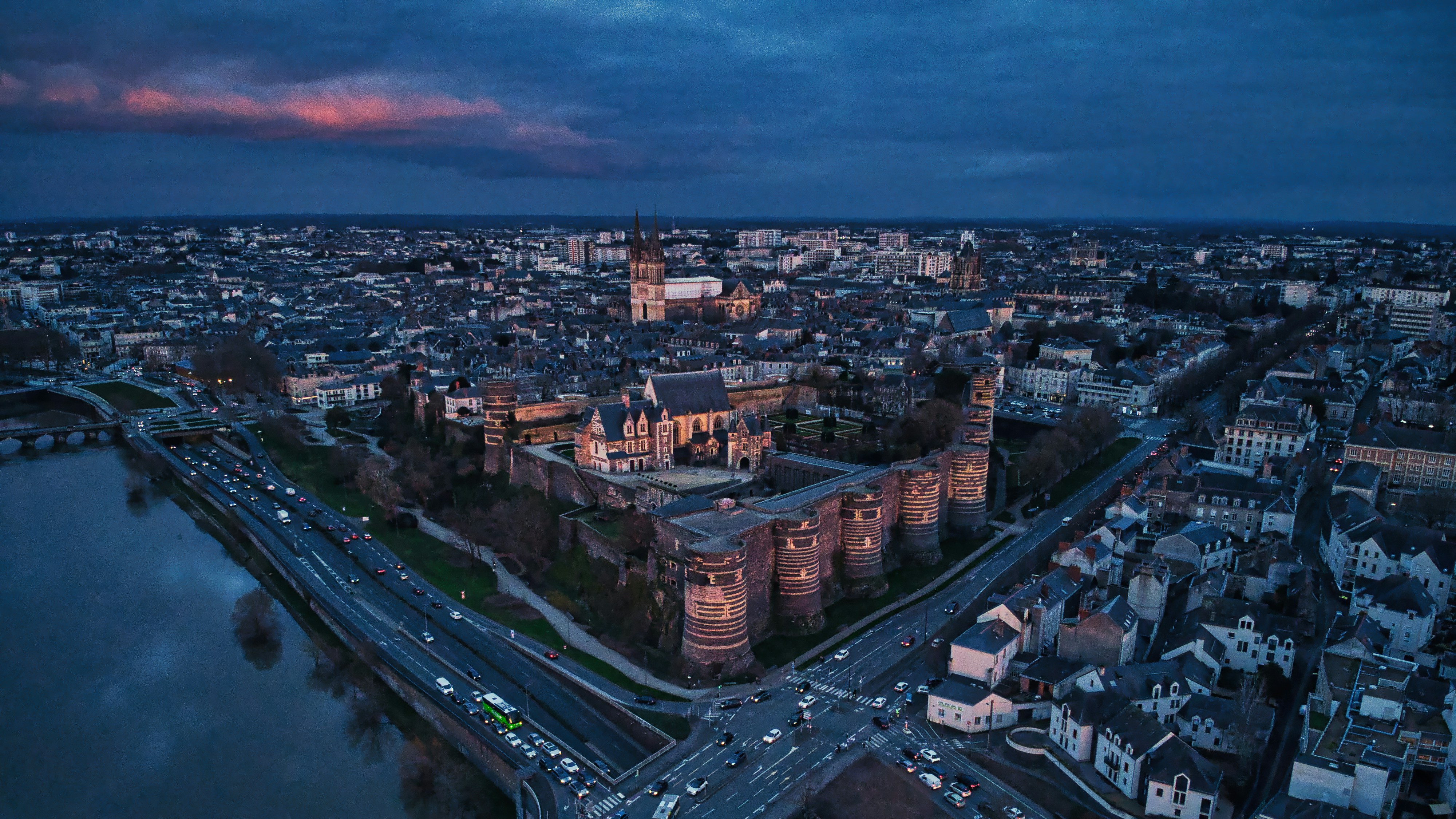
Angers is the gateway to the Loire Valley, a city defined by the formidable medieval castle of the Counts of Anjou, which dominates the Maine river with its slate-dark towers. Within its walls is kept the Tapestry of the Apocalypse, one of the largest surviving works of medieval tapestry in the world, woven in the fourteenth century and more than 100 metres long. The Angevin city is also the capital of Anjou wine and Cointreau, the celebrated orange liqueur produced here since 1849. The Doutre quarter, with its half-timbered houses and Romanesque churches, and the gardens sloping down to the river complete the urban scene. Angers is a city of tradition and flavour, ideal as a base for exploring the châteaux of the Loire.