Centro de Portugal Classic: Estremadura , Beiras and Ribatejo
Suggested Itineraries9 Giorni
Lisbon, Portugal
Obidos›Aveiro›Viseu›Coimbra›Tomar
Centro de Portugal Classic: Estremadura , Beiras and Ribatejo — NAAR
Itinerary
Giorno 1 — Obidos
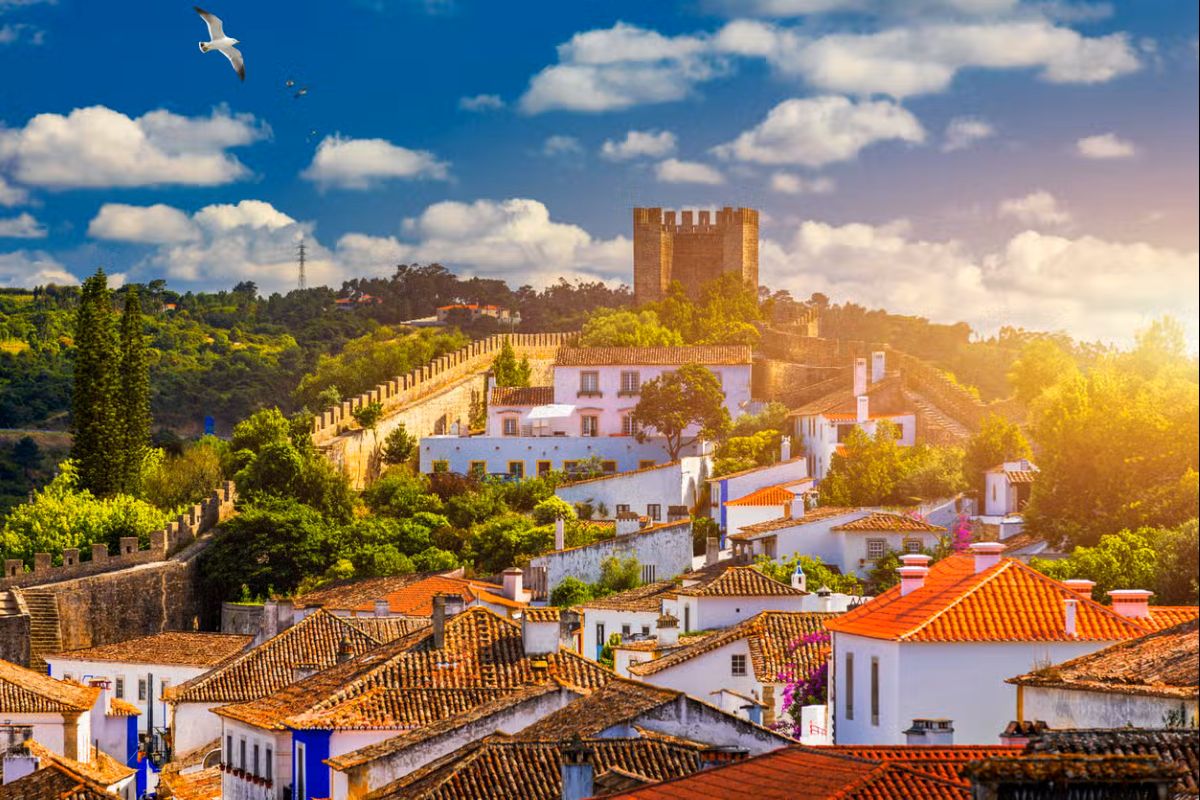
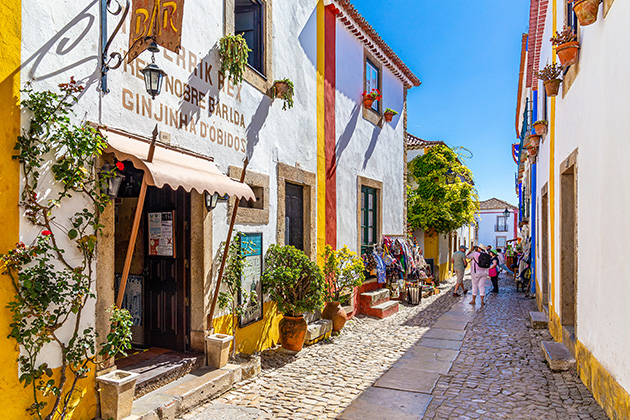
Óbidos is one of the most picturesque and best-preserved medieval towns in Portugal, enclosed by perfectly intact walls and dominated by a Moorish castle now converted into a pousada. Once part of the “Casa das Rainhas” (Queens’ Estate), it preserves a charming historic centre of whitewashed alleys adorned with bougainvillea and Manueline details, featuring the Igreja Matriz de Santa Maria and other historic churches of great value. Outside the walls lie the Aqueduct and the Santuário do Senhor Jesus da Pedra, while the village retains a romantic and timeless atmosphere. Today, Óbidos is also a lively cultural destination, renowned for its Chocolate Festival and Medieval Market, as well as for the traditional ginjinha served in a chocolate cup. Nearby are the scenic Peniche Peninsula and spectacular golf courses overlooking the Atlantic Ocean.
Auto
Giorno 3 — Obidos → Aveiro
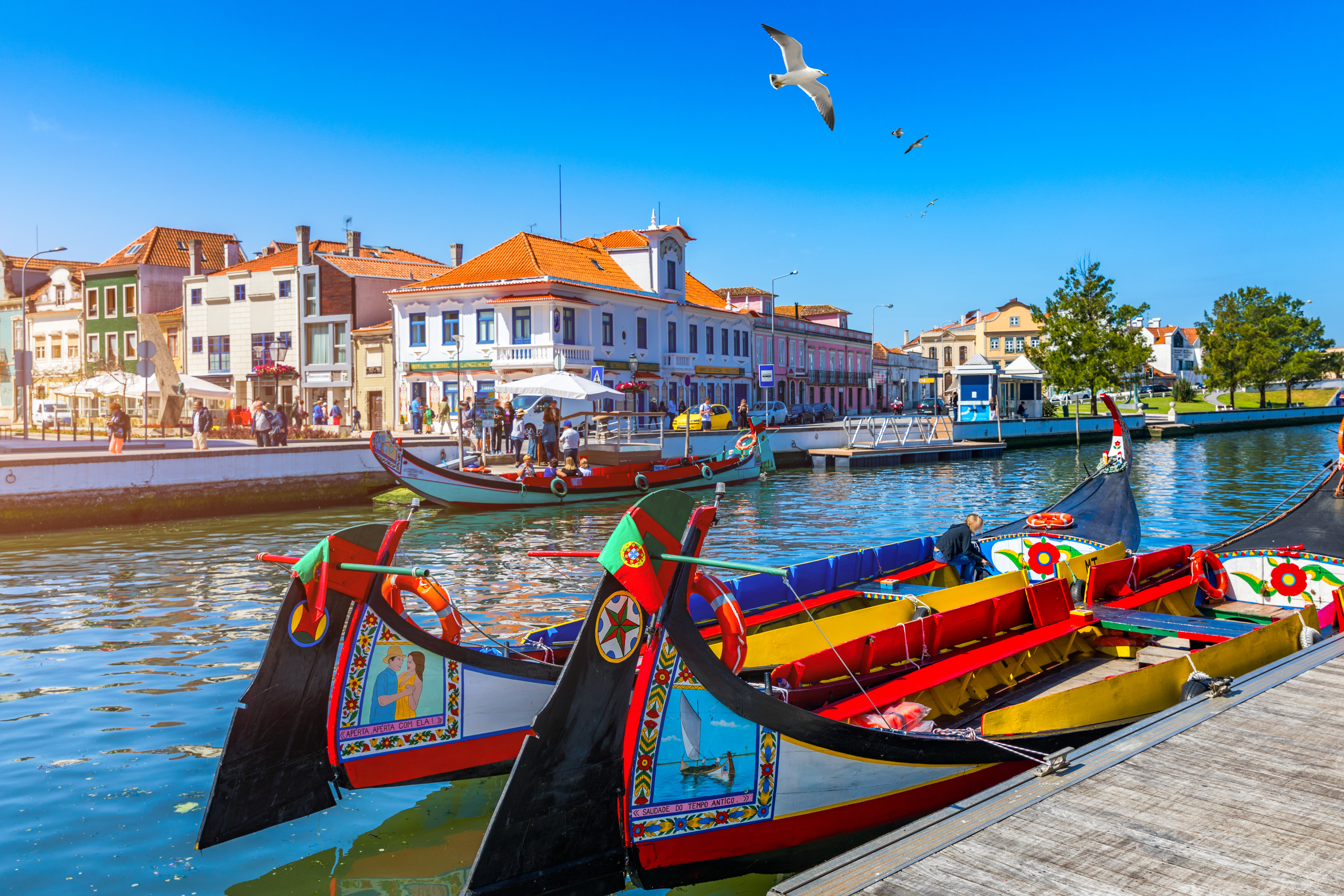
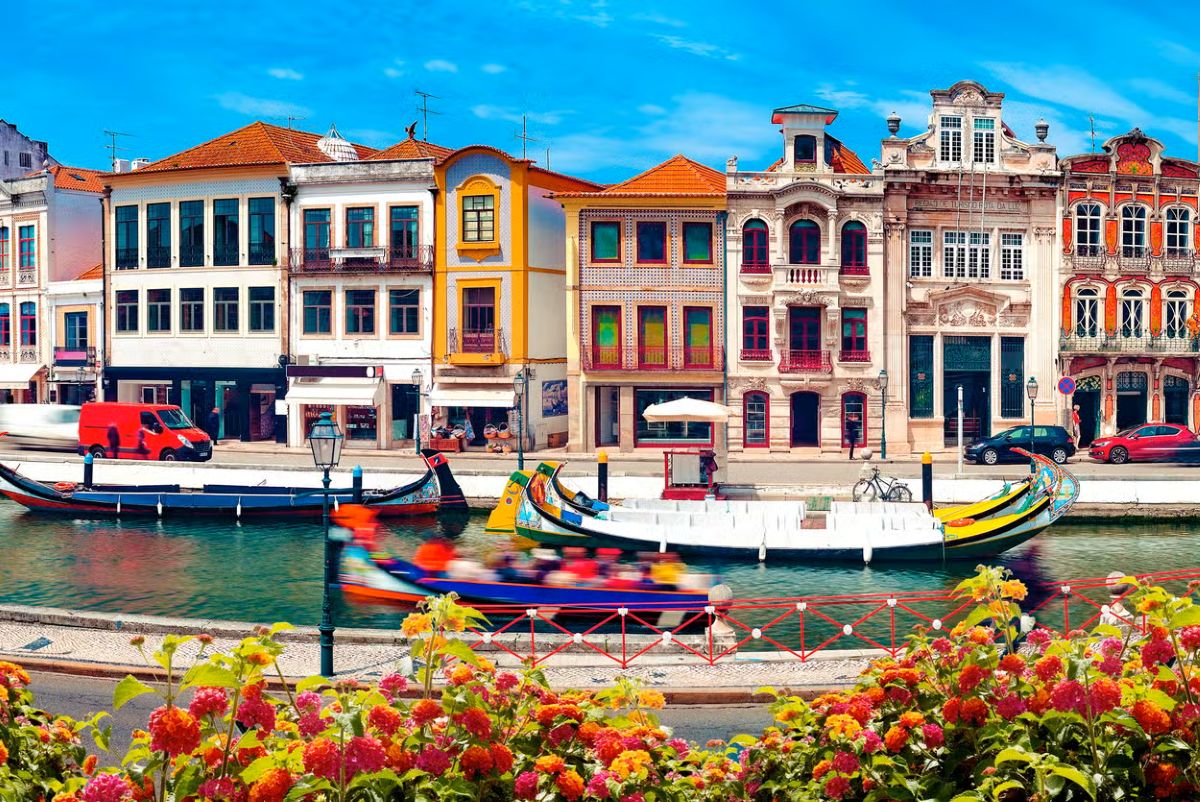
Aveiro is an elegant lagoon city crossed by the Ria de Aveiro, where the Vouga River meets the Atlantic Ocean, forming a network of canals navigated by traditional moliceiro boats. The city unfolds along the main canal, featuring Art Nouveau architecture, the Beira Mar district, the Fish Market and the Aveiro Museum housed in the former Convent of Jesus. Salt pans and the São Jacinto Dunes Nature Reserve complete a landscape where water, light and nature blend harmoniously.
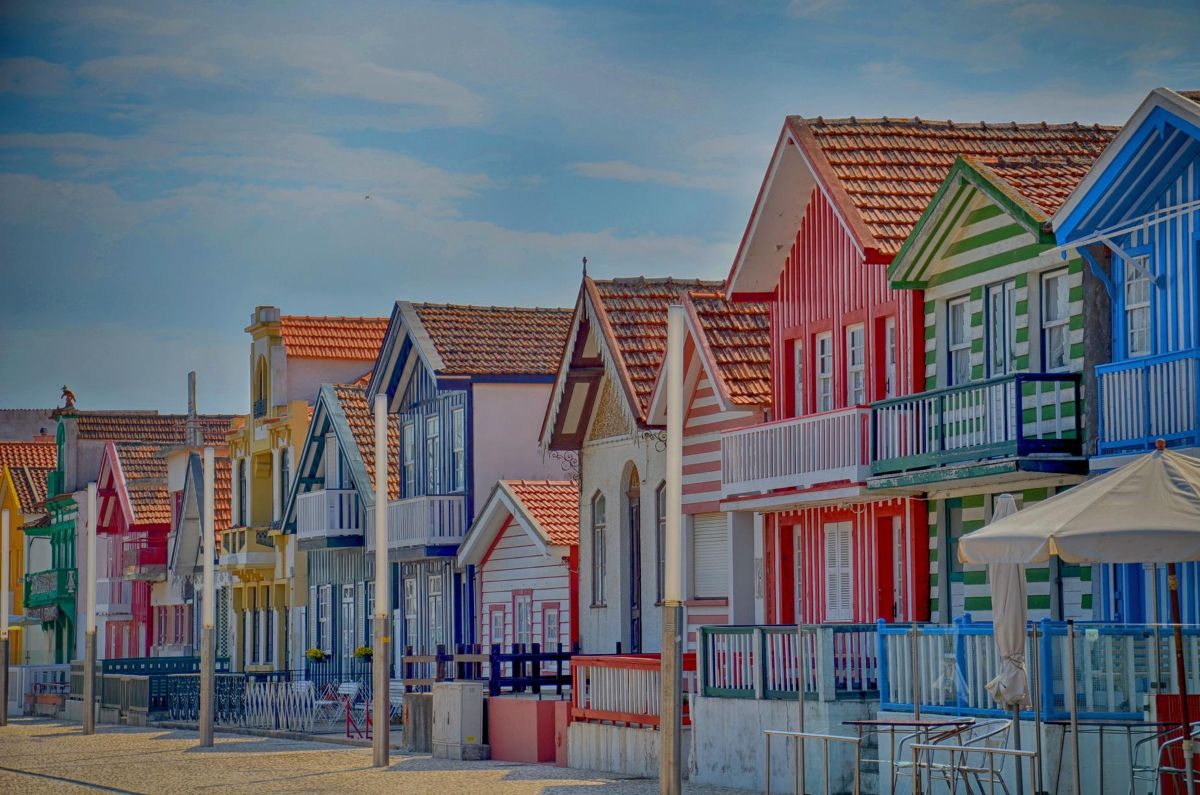
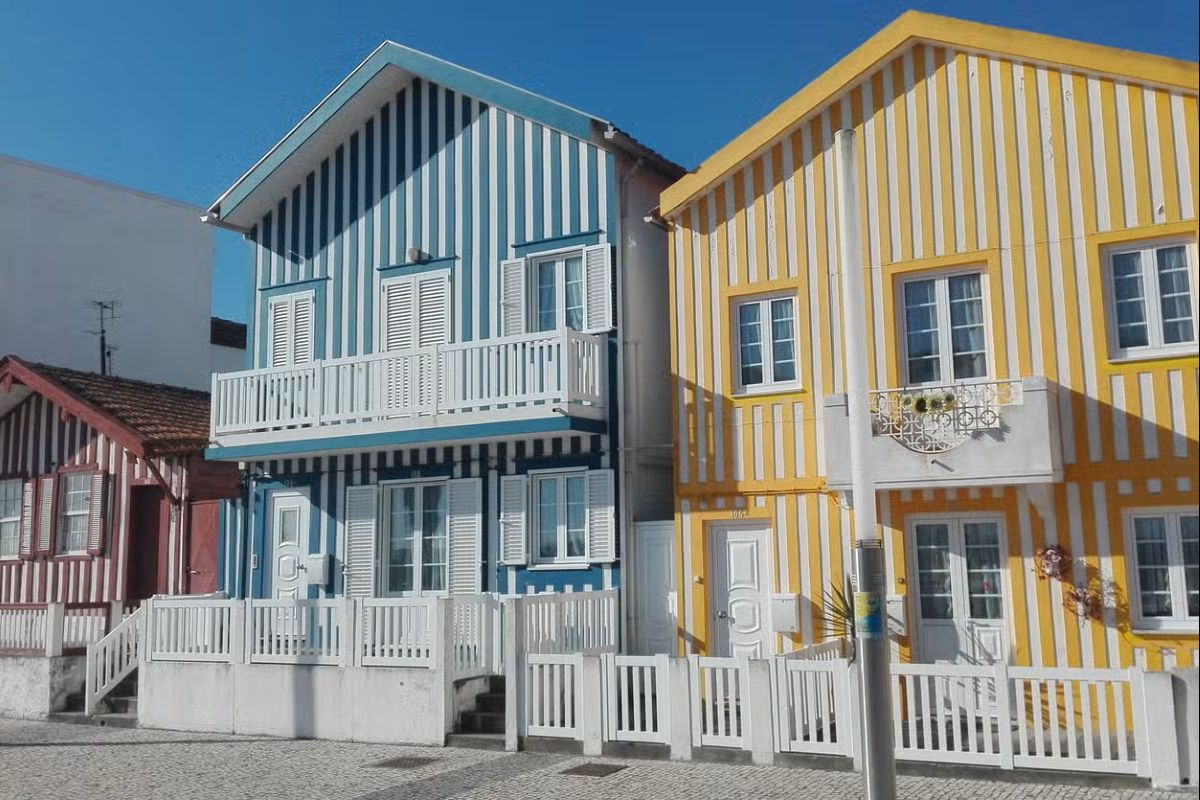
Just a short distance away lies Costa Nova, a historic seaside village overlooking both the lagoon and the ocean, famous for its iconic striped palheiros, originally fishermen’s shelters. Today it retains an authentic and vibrant atmosphere, where maritime tradition and seaside leisure come together in a distinctive coastal setting.
Auto
Giorno 4 — Aveiro → Viseu
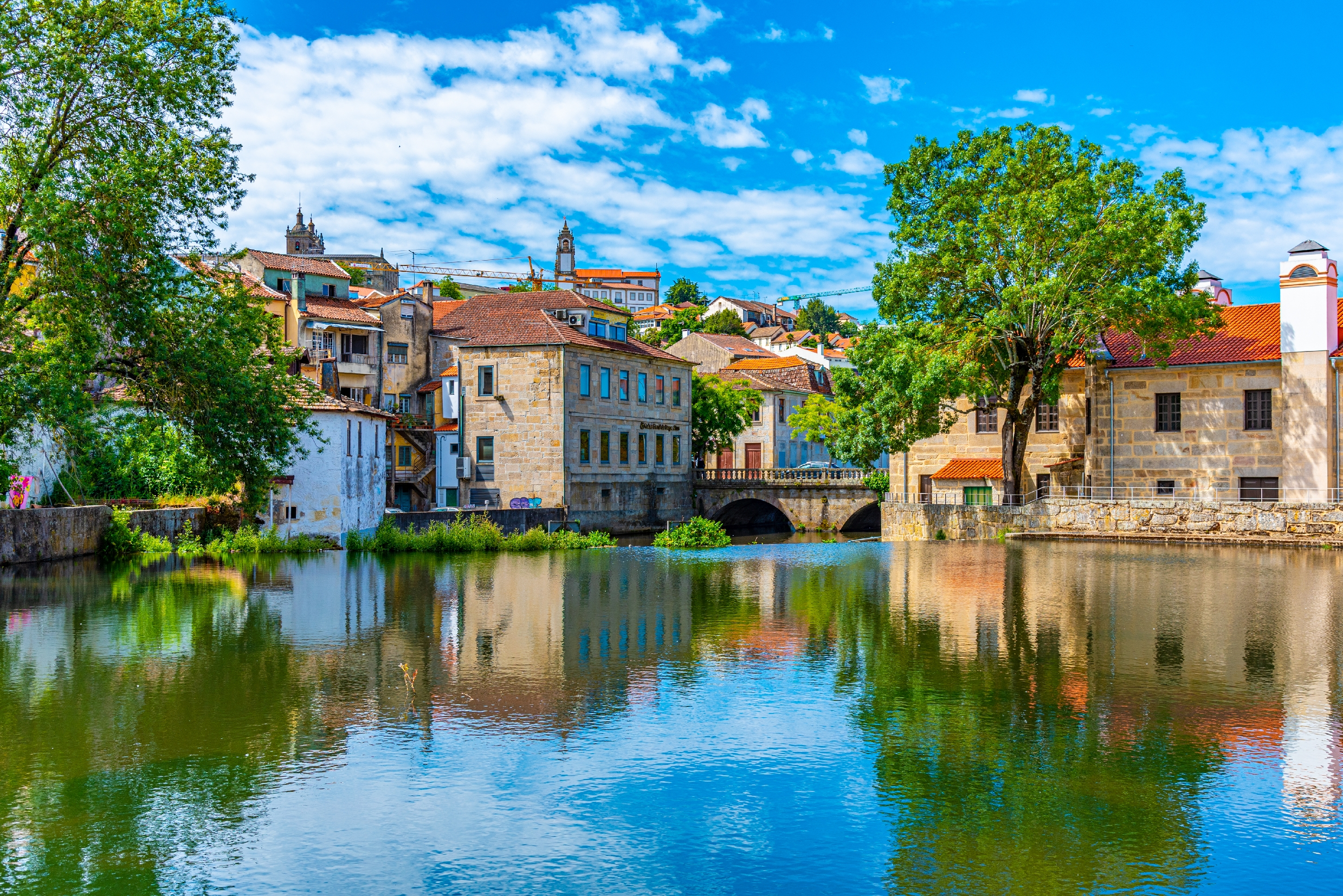
Viseu lies among the rolling hills of the Dão region, in a landscape of vineyards, forests and historic villages. Its old town preserves cobbled streets, elegant squares and monuments that reflect the city’s importance throughout the centuries. The cathedral and Renaissance buildings enhance the charm of a setting rich in history and culture. Viseu combines architectural heritage, wine traditions and a high quality of life in one of central Portugal’s most appealing destinations.
Auto
Giorno 5 — Viseu → Coimbra
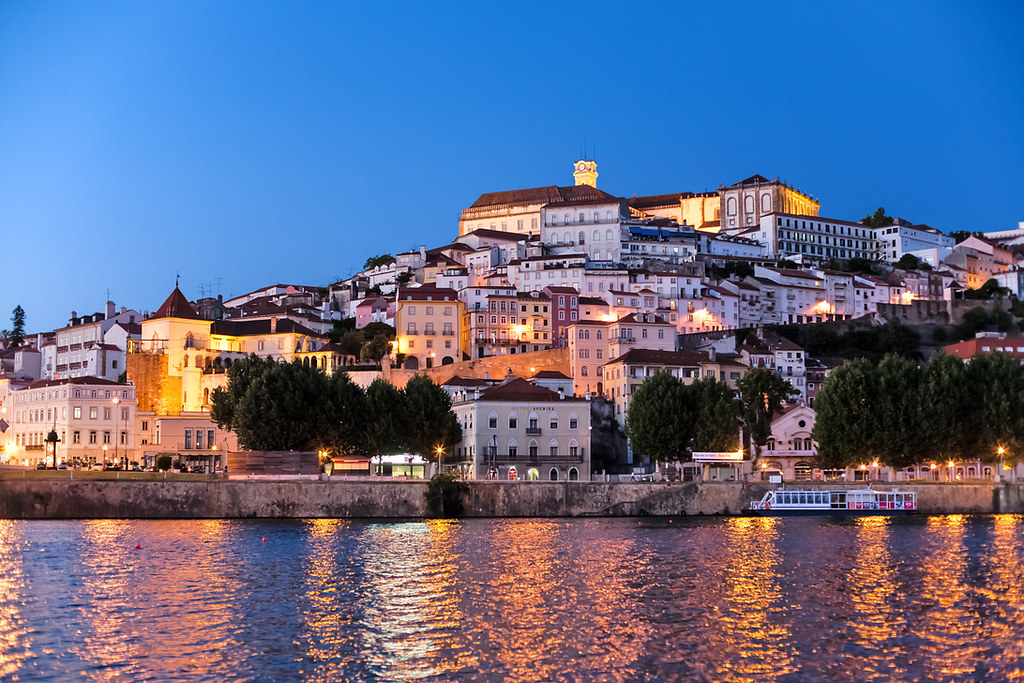
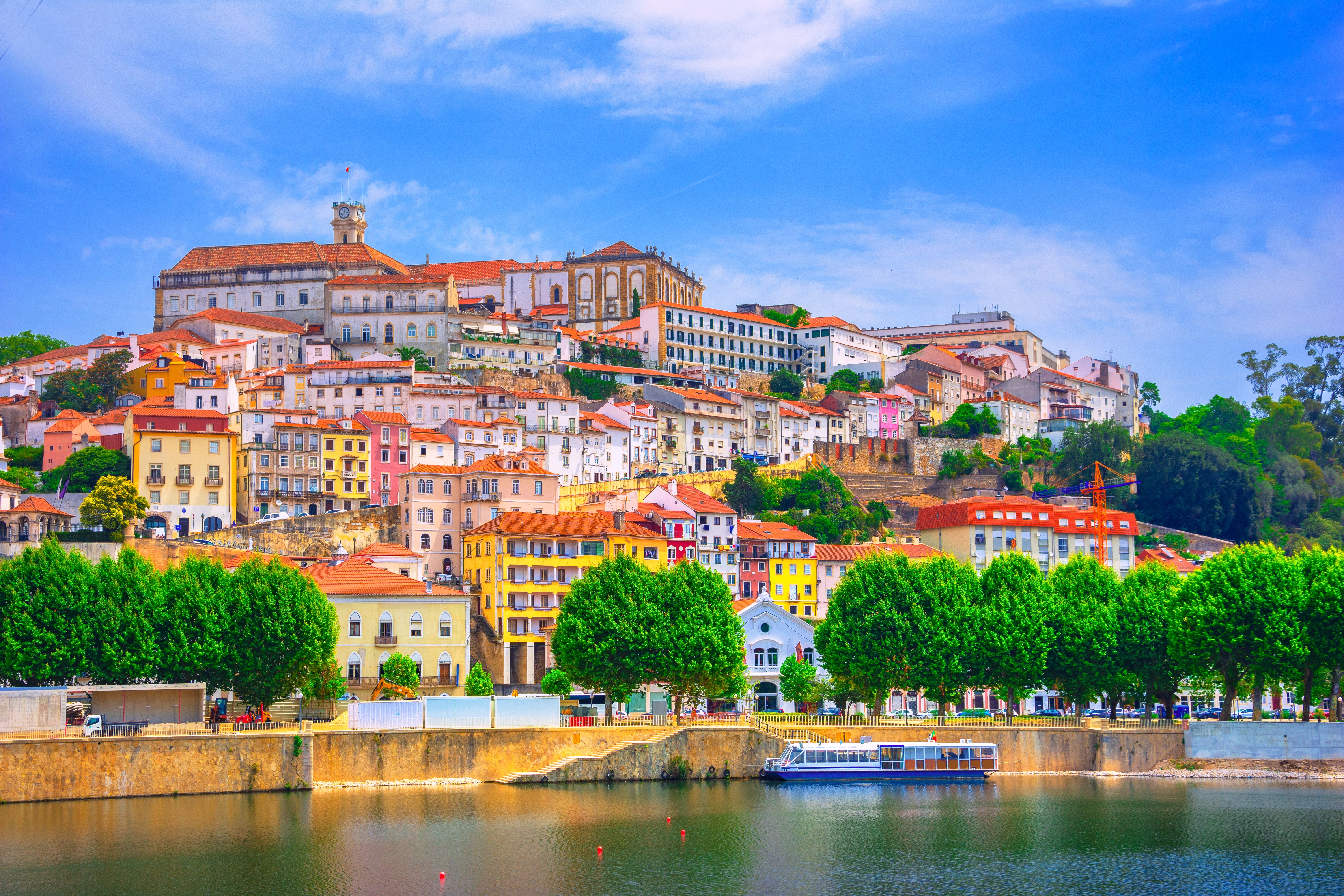
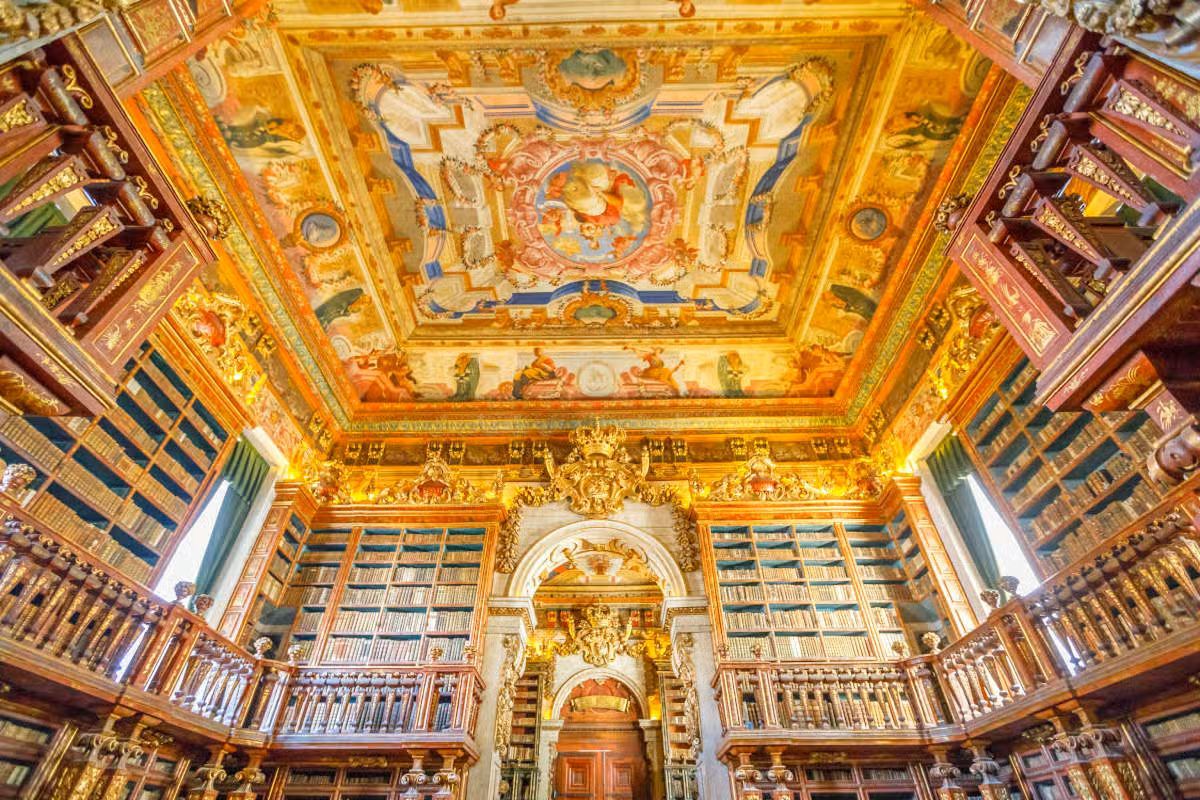
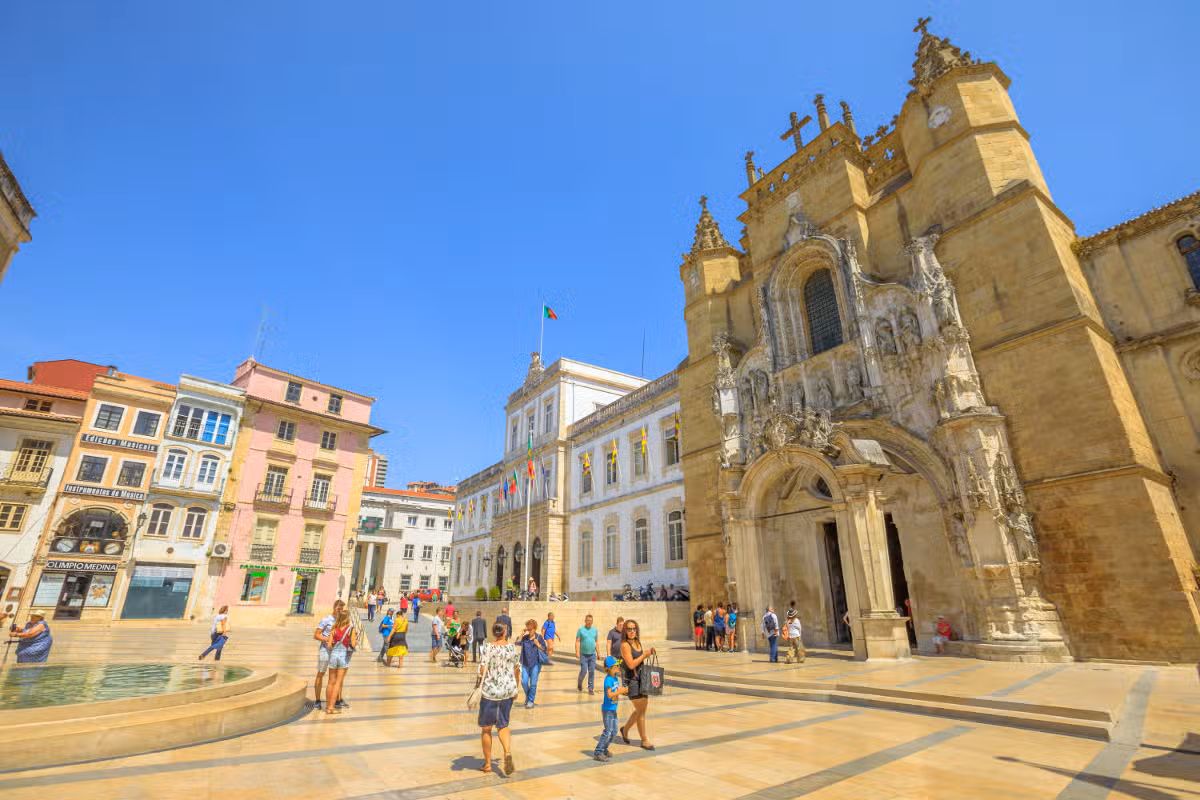
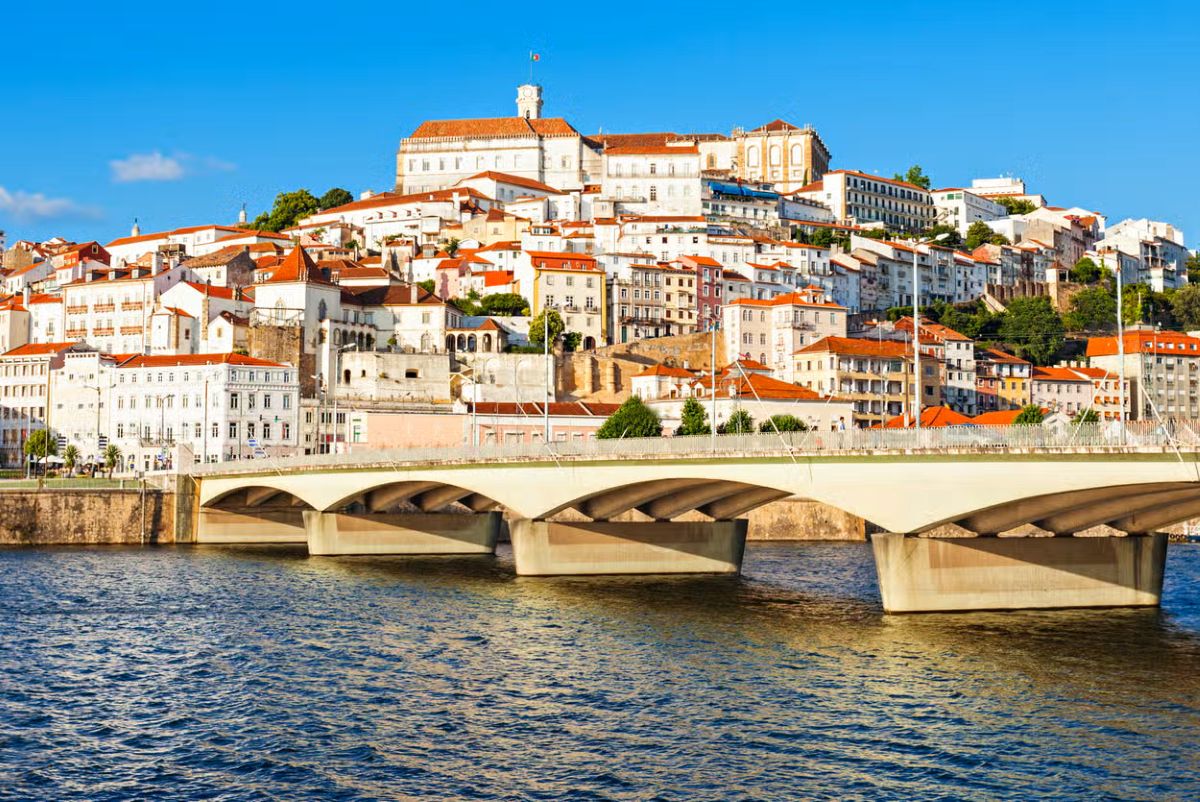
Overlooking the Mondego River, Coimbra is one of Portugal’s most fascinating historic and cultural cities. Once the capital of the kingdom and home to the prestigious University of Coimbra, a UNESCO World Heritage Site since 2013, the city preserves a unique atmosphere of medieval streets, stairways and historic academic buildings. At the heart of Coimbra lies the university complex on the Alta hill, featuring the renowned Joanina Library, the University Tower and the Pátio das Escolas. Other highlights include the Sé Velha cathedral, the Convent of Santa Clara-a-Velha and the Machado de Castro Museum. Coimbra is also famous for its academic traditions, student musical groups and the evocative Fado de Coimbra. Nearby attractions include the Roman ruins of Conímbriga, the schist villages of Serra da Lousã and the natural landscapes along the Mondego River.
Auto
Giorno 7 — Coimbra → Tomar
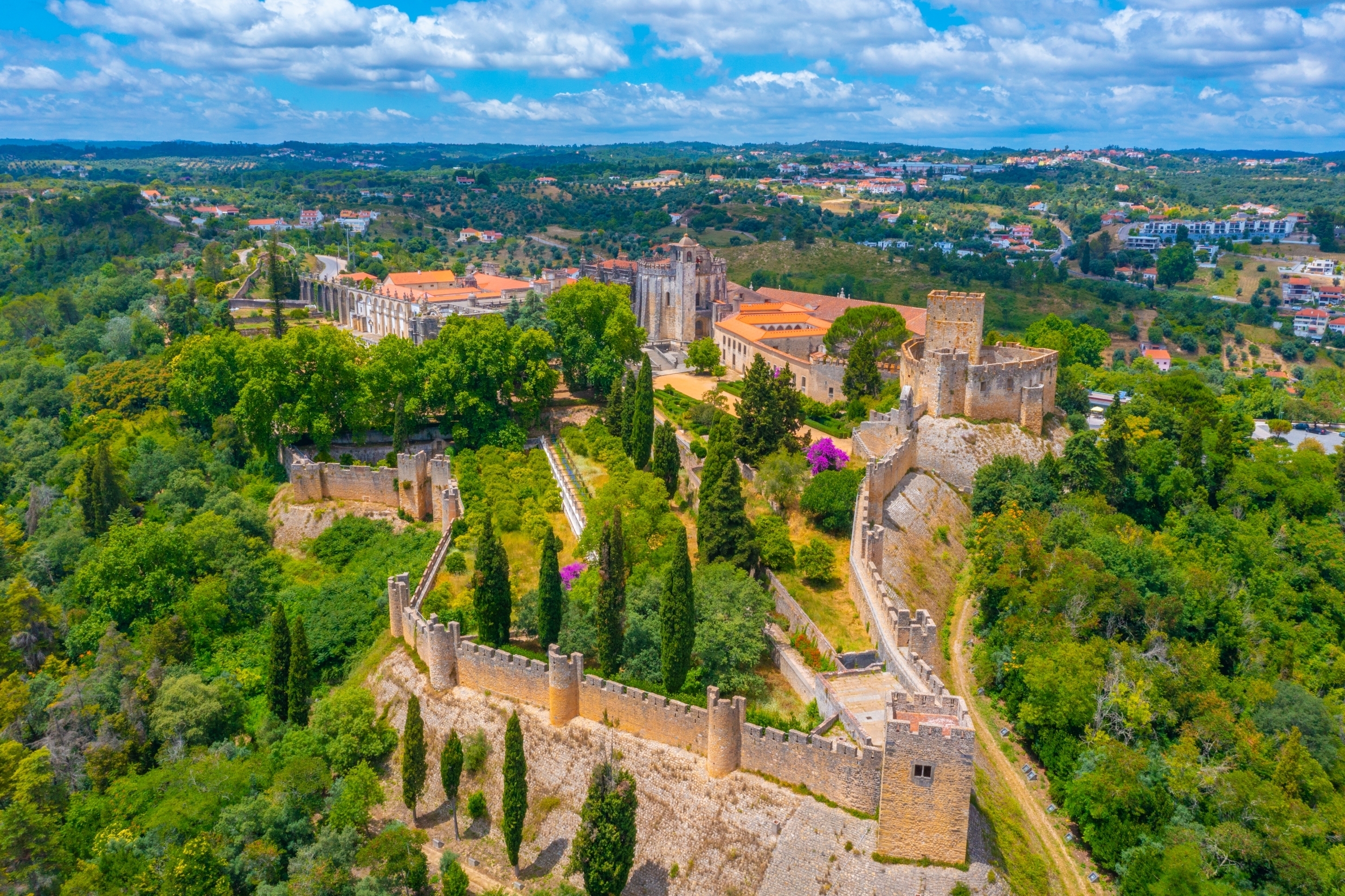
Tomar stands on the banks of the Nabão River and preserves a remarkable heritage closely linked to the Knights Templar. Dominated by the Convent of Christ, a UNESCO World Heritage Site, the town features cobbled streets, historic squares and monuments that reflect centuries of Portuguese history. Gardens, riverside areas and green spaces enhance its welcoming atmosphere. Tomar combines monumental heritage, tradition and nature in one of central Portugal’s most captivating settings.