Alentejo Classic: Heritage, Landscape & Alentejo Litoral — NAAR
Itinerary
Giorno 1 — Evora
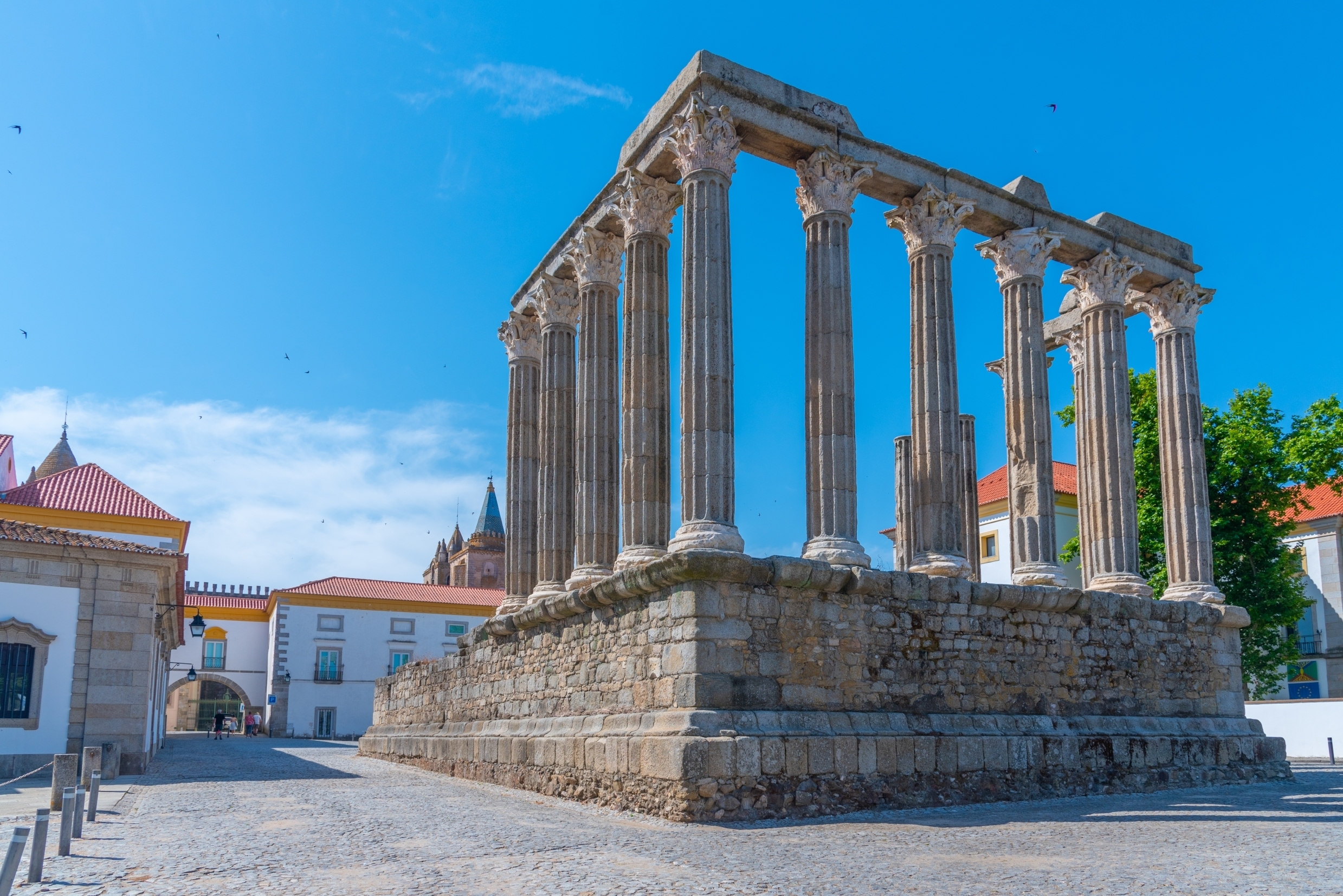
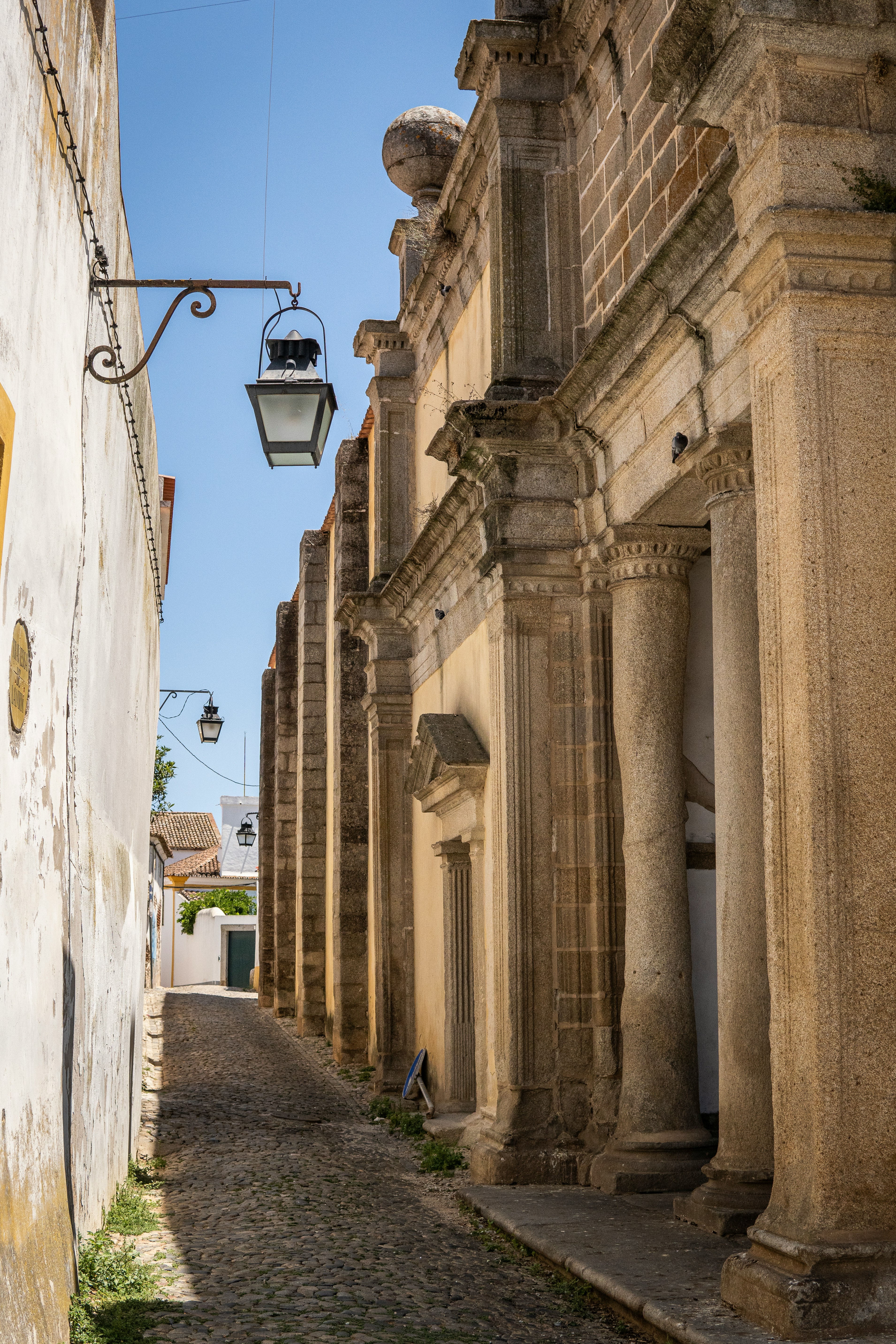
Located in the heart of the Alentejo, Évora is one of Portugal’s most important historic cities, and since 1986 its historic center has been a UNESCO World Heritage Site. Enclosed by medieval walls and surrounded by countryside dotted with olive trees and cork oaks, it preserves a compact atmosphere shaped by squares, narrow streets, and monuments that tell over two thousand years of history. The Roman heritage is represented by the Roman Temple, known as the Temple of Diana, while the Sé de Évora dominates the city skyline with its Gothic architecture. Nearby stands the Chapel of Bones, decorated with human bones taken from ancient cemeteries. The historic center is organized around Praça do Giraldo, the city’s main square and social hub, connected to a network of streets leading to palaces, convents, and museums. The University, founded in the 16th century, helps keep the city lively. Évora is also a key cultural and gastronomic reference in the Alentejo, known for olive oil, wines, and local traditions. Walking along the city walls at sunset reveals the authentic character of the town.
In the surroundings, you can visit the Cromeleque dos Almendres (about 15 km from Évora), one of the most important megalithic complexes in the Iberian Peninsula; Monsaraz (about 55 km), a medieval hilltop village overlooking the Alqueva Lake; Vila Viçosa (about 50 km), with its impressive ducal palace; and, about 100 km away, Elvas, a fortified city and UNESCO World Heritage Site, representing one of the finest examples of military architecture in Portugal.
Auto
Giorno 4 — Evora → Beja
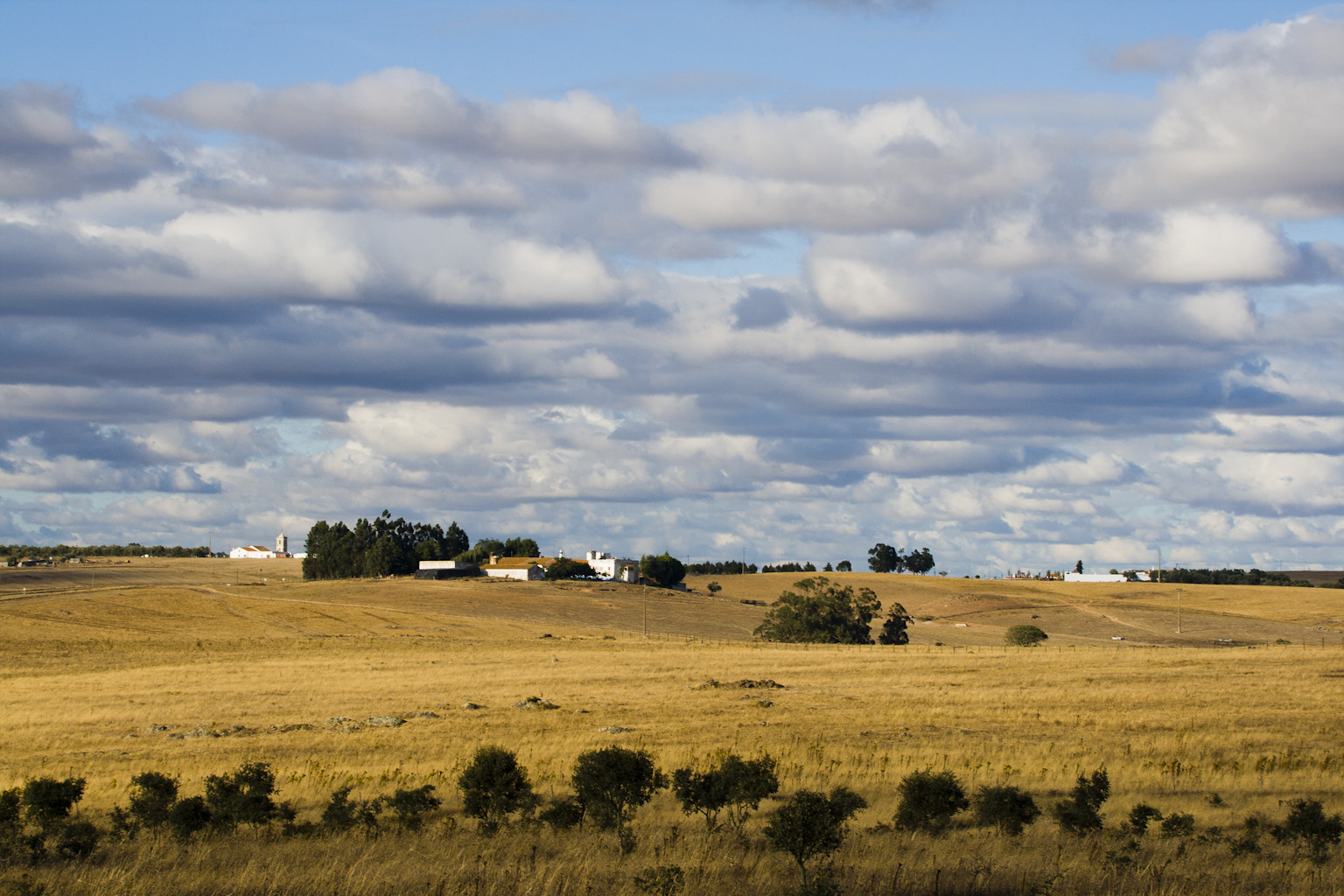
Beja stands in the heart of Baixo Alentejo, amid rolling plains dotted with olive groves and cereal fields that shape the region’s landscape. Known as Pax Julia during Roman times, it preserves a historic centre dominated by its castle and imposing medieval keep, one of the tallest in Portugal. Highlights include the Cathedral, the Rainha Dona Leonor Museum housed in the former Convent of Conceição, and the quiet streets enclosed by ancient walls. Local cuisine celebrates bread, olive oil and rural traditions. Beja offers an authentic introduction to the spirit of Alentejo.
Auto
Giorno 6 — Beja → Alentejo Litoral
The Alentejo Litoral stretches along Portugal’s western coast, between the Sado estuary and the Atlantic shoreline that extends from the dunes of Comporta to the wild beaches and cliffs of the Southwest Alentejo and Vicentine Coast Natural Park. The landscape is defined by dunes, pine forests, rice fields, and long unspoiled beaches, interspersed with small coastal towns and villages surrounded by nature. The region includes destinations such as Grândola, Alcácer do Sal, and Melides, as well as the iconic Comporta Coast, a symbol of slow and discreet tourism. It is a region where life moves at a gentle pace, shaped by protected nature, agricultural traditions, and a largely untouched coastline. The Alentejo Litoral stands out as one of Portugal’s last major coastal areas where tourism remains low-density and far from mass-market dynamics.