CANADA EAST - Ontario and Quebec: from Toronto to Toronto with Niagara and Algonquin
Suggested Itineraries15 Giorni
Toronto, Canada
Toronto›Niagara Falls›Huntsville›Pembroke›Montreal›Quebec City+4 Altro
Riepilogo del tour
Durata15 Giorni / 14 notti
ItinerarioToronto → Kingston
Tappe10 Destinazioni
Itinerario del Tour
Caricamento mappa...
CANADA EAST - Ontario and Quebec: from Toronto to Toronto with Niagara and Algonquin — NAAR
Itinerary
Giorno 1 — Toronto
Toronto, Canada's largest city, stretches along the shores of Lake Ontario with a skyline dominated by the soaring CN Tower, the metropolis's symbol, from whose top a dizzying panorama unfolds. Cosmopolitan and multicultural, the city is a mosaic of ethnic neighbourhoods such as Chinatown, Little Italy and Kensington Market, where cultures and flavours from around the world coexist. The centre pulses with life around Yonge Street, the Financial District and the Distillery District, with its Victorian brick buildings now home to galleries, cafés and shops. Among the attractions are the Royal Ontario Museum, the Art Gallery of Ontario and the modern lakefront, from which ferries depart for the Toronto Islands. The city is also an ideal base for reaching the nearby Niagara Falls. Dynamic, welcoming and ever-growing, Toronto is a metropolis open to the world, a showcase of Canadian diversity and modernity.
Auto
Giorno 2 — Toronto → Niagara Falls
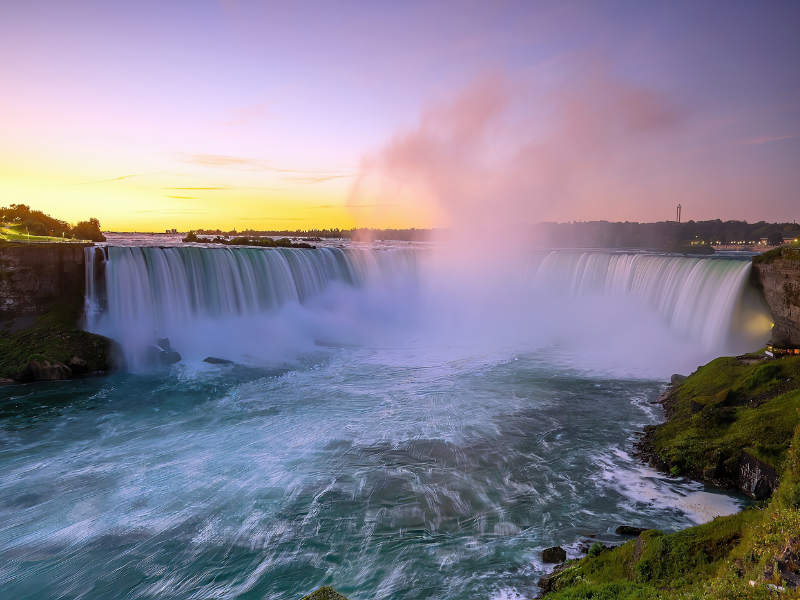
You follow the western coast of Lake Ontario. Niagara Falls, on the Canadian side, offers the most spectacular view of the famous Niagara Falls, among the most renowned and visited in the world. The imposing Horseshoe Falls plunge with power, creating clouds of spray and rainbows, in a scene of grandiose nature. Sightseeing boats carry visitors to the foot of the falls, while walkways and viewing terraces allow them to be admired from every angle, by day and night, when they are lit with light displays. The town that hosts them offers attractions, casinos, observation towers and a lively atmosphere. Nearby, the wine region and picturesque Niagara-on-the-Lake enrich the visit. Thrilling and overwhelming, Niagara Falls is one of North America's most iconic natural wonders, capable of leaving every visitor breathless.
Auto
Giorno 3 — Niagara Falls → Huntsville
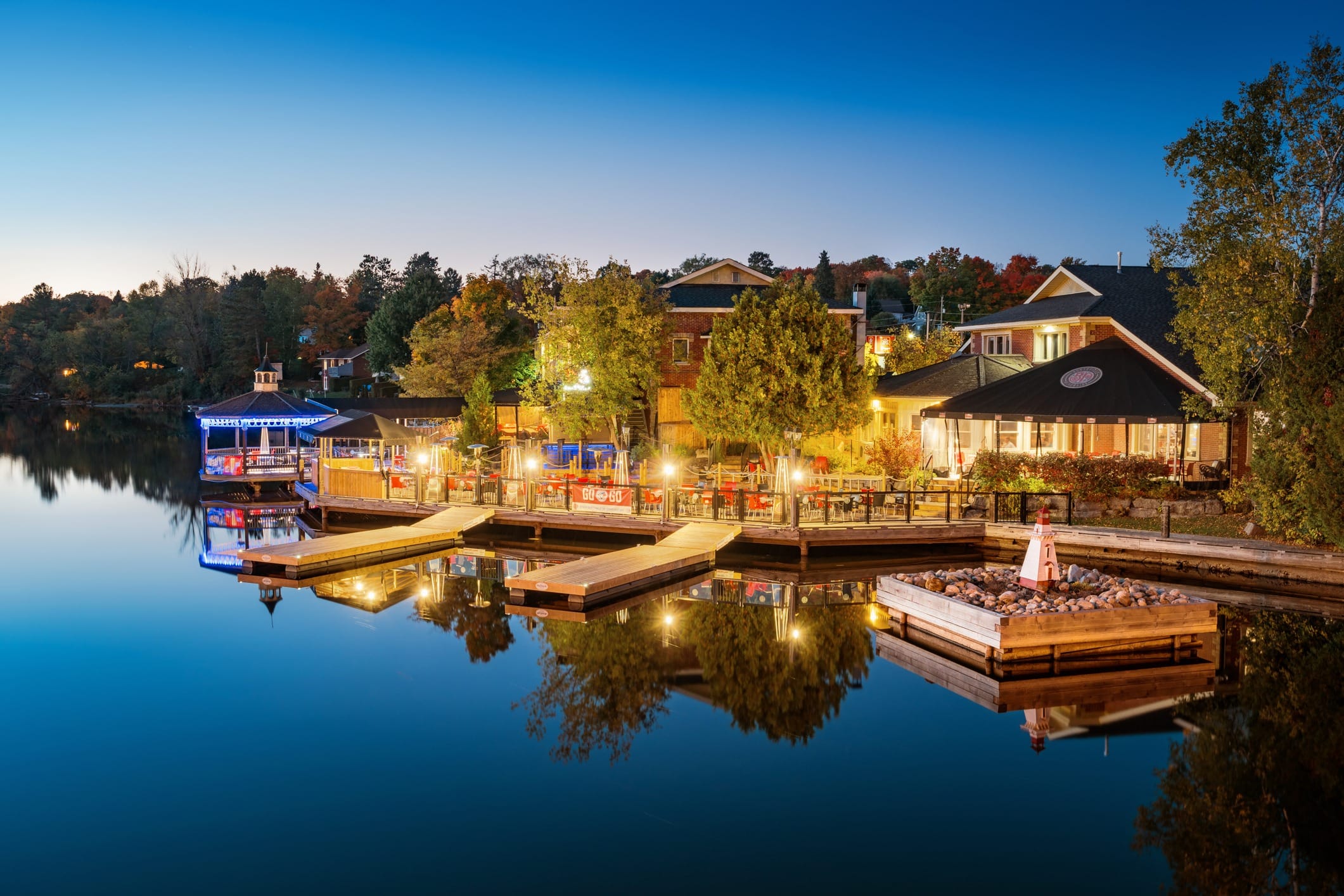
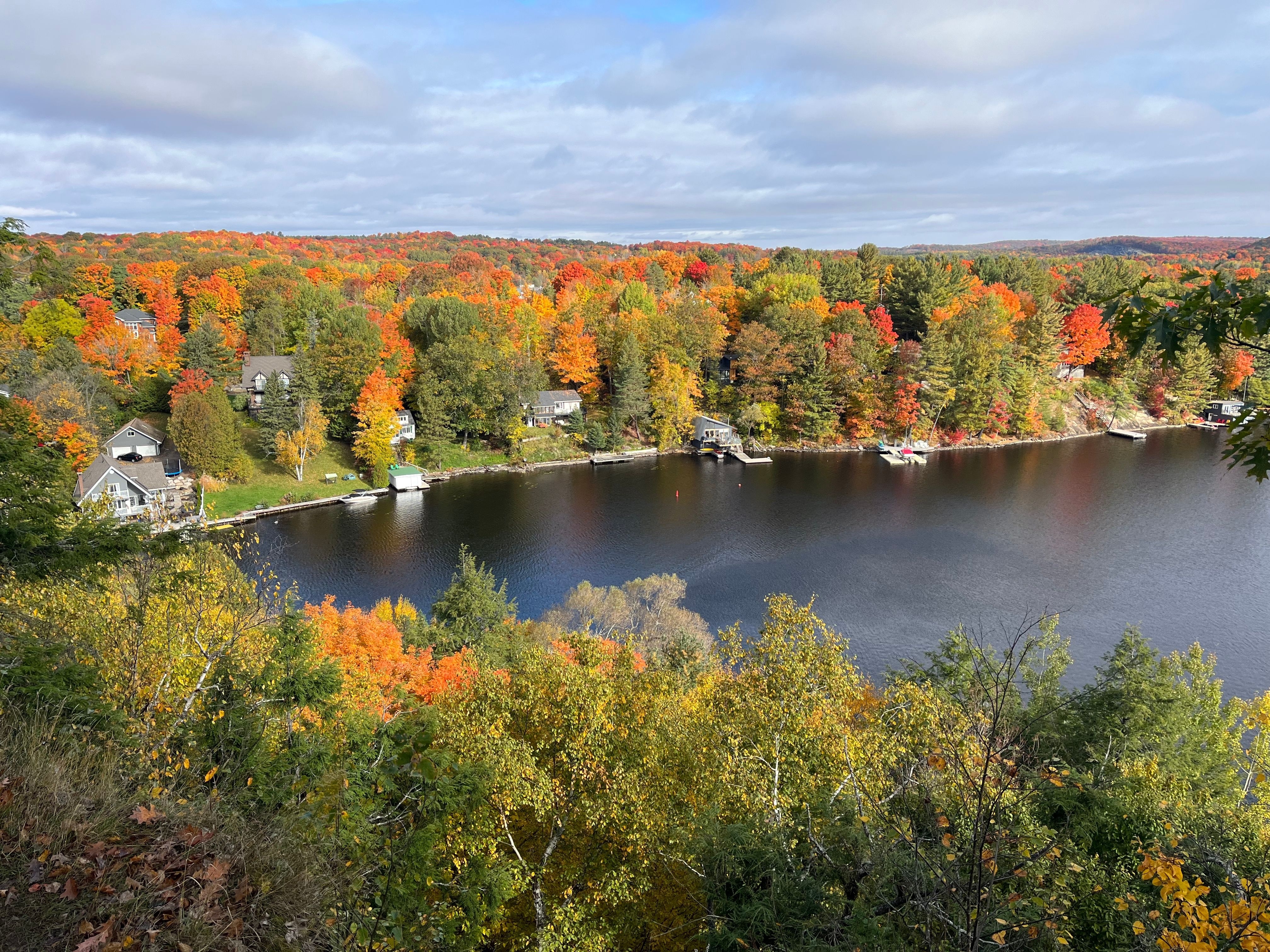
Leaving the spectacular Niagara Falls behind, your journey heads north through some of Ontario’s most diverse landscapes. A worthwhile first stop is Niagara-on-the-Lake, known for its historic charm, beautifully maintained gardens, and renowned wineries. Continuing north, you travel past the Greater Toronto Area before the scenery gradually changes into greener and more peaceful surroundings. A pleasant break can be made in Barrie, located on the shores of Lake Simcoe, where a scenic waterfront and attractive lake views await. Further north, dense forests, countless lakes, and the characteristic landscapes of the Muskoka region accompany your drive. You will eventually arrive in Huntsville, the heart of Muskoka and an ideal gateway to the beautiful Algonquin Provincial Park. Huntsville is the main town of the Muskoka region in Ontario, famous for its many lakes, forests and landscapes that make it one of the most beloved holiday destinations in eastern Canada. Surrounded by lush nature, it is the gateway to the famous Algonquin Provincial Park, a vast reserve of lakes and woods ideal for canoeing, hiking and wildlife viewing, particularly spectacular in autumn when the maples blaze with colour. The town offers a charming centre, art galleries and a relaxed atmosphere. The area's lakes are dotted with cottages and resorts where you can spend holidays in contact with nature. Between water, woods and autumn foliage, Huntsville is an ideal destination for those seeking relaxation and outdoor activities, the heart of the picturesque Muskoka lake region.
Auto
Giorno 5 — Huntsville → Pembroke
Pembroke is an Ontario town stretched along the banks of the Ottawa River, in the scenic Ottawa Valley on the Québec border. Nicknamed the city of murals for the large paintings that decorate the downtown buildings and tell its history, it is a pleasant base for exploring the region. Its position makes it a gateway to the famous Algonquin Provincial Park, a temple of Ontario wilderness, and to the Ottawa River, renowned for rafting among its rushing rapids. The surroundings offer forests, lakes and nature rich in wildlife, spectacular in autumn. Between murals, river and wild parks, Pembroke offers the authentic charm of the Ottawa Valley.
Auto
Giorno 6 — Pembroke → Montreal
Recommended activities for your free day in Montreal: a walking tour of the city’s Old Port, or bike rental to explore the extensive cycling paths and the Formula 1 circuit. You may visit the Montreal Museum of Fine Arts or the Montreal Botanical Garden and Biodome, or enjoy shopping in the boutique and shopping mall district along St. Catherine Street.
Auto
Giorno 7 — Montreal → Quebec City
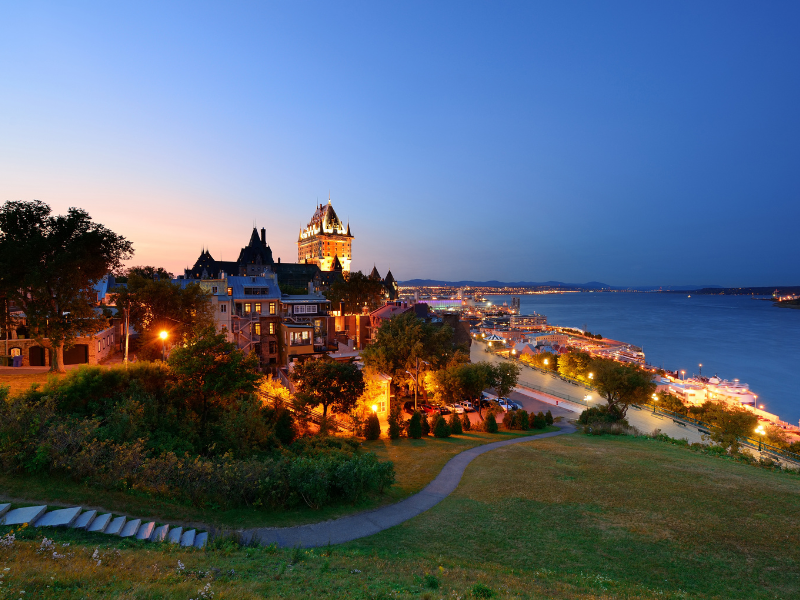
Arriving in Quebec from Montreal, the difference between the two cities is striking: while Montreal appears international, dynamic, and progressive, Quebec is tied to its religious and military past. Québec City, capital of the eponymous province, is the most European city in North America, the only one north of Mexico to have kept its fortified walls, recognised as a UNESCO World Heritage Site. Set on a promontory above the St Lawrence River, it is dominated by the unmistakable silhouette of the Château Frontenac, a sumptuous hotel towering over Vieux-Québec. The cobbled streets of the old town, divided into Haute-Ville and Basse-Ville, enchant with their stone houses, boutiques, cafés and Francophone atmosphere, especially magical under winter snow. The Petit-Champlain district, among the oldest on the continent, and Place Royale preserve the charm of New France. The Terrasse Dufferin offers scenic walks over the river, while the gastronomy celebrates Québec cuisine. Romantic, historic and uniquely characterful, Québec City is a city to be explored on foot, among fortifications, alleys and old-world atmospheres.
Auto
Giorno 9 — Quebec City → Ile-aux-Coudres
Île aux Coudres is a charming island in the St Lawrence River, reachable by ferry from the Charlevoix shore, with a rural and timeless charm. Named by the explorer Jacques Cartier for the hazel trees growing there, it preserves authentic traditions tied to the river and the land, with old water and windmills, chapels and period houses. The island is pleasantly explored by bicycle along quiet roads facing the great river, amid views of the Charlevoix mountains and spectacular sunsets over the water. Its serene atmosphere, culinary specialities and seafaring heritage make it an enchanting destination. Between mills, cycling and river, Île aux Coudres offers a journey into the rural Québec of bygone days.
Auto
Giorno 10 — Ile-aux-Coudres → St Alexis-des-Monts
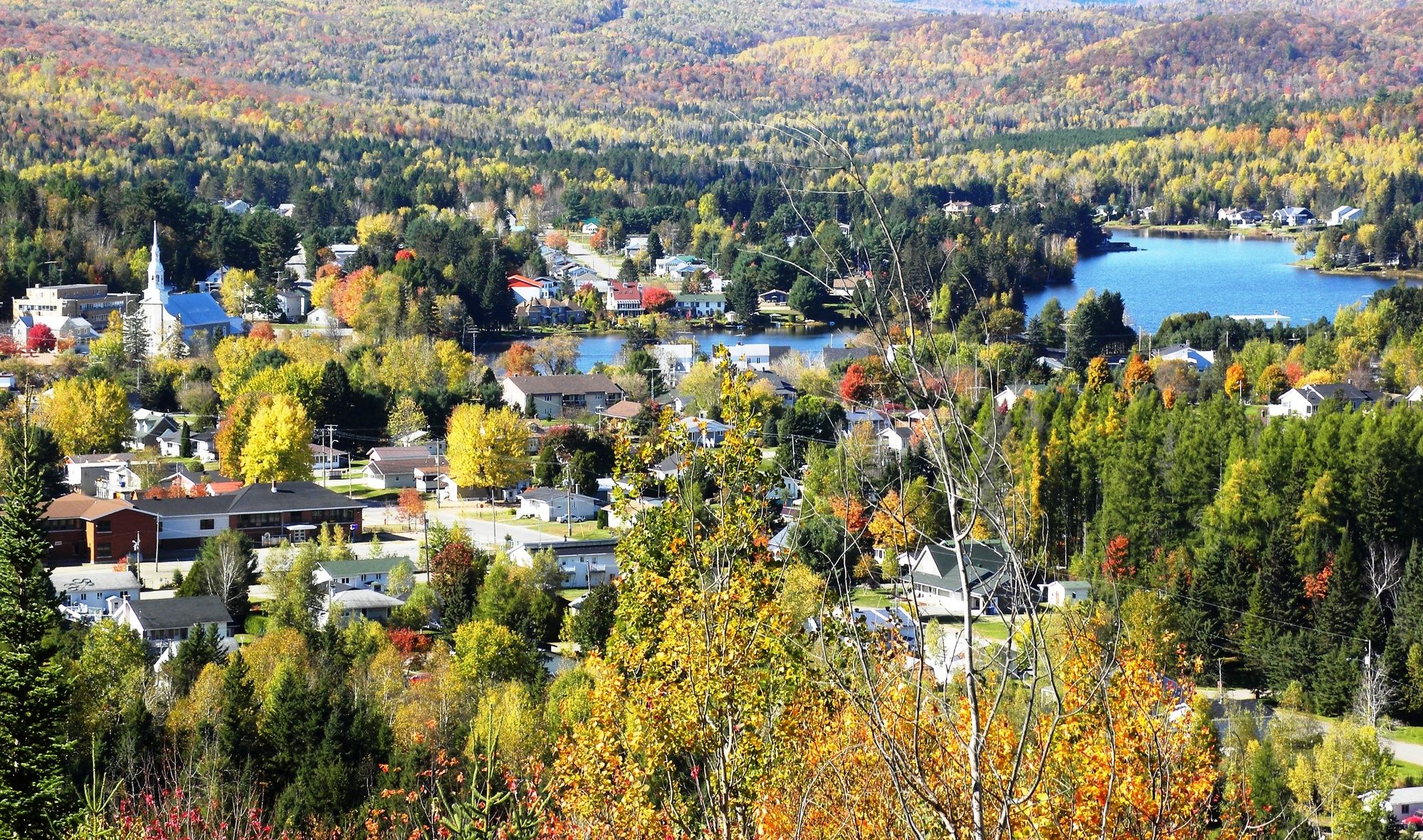
Saint-Alexis-des-Monts is a quiet Québec village immersed in the forests of the Mauricie region, surrounded by boundless nature of lakes, rivers and wooded hills. A renowned retreat for nature lovers, it is famous for its inns and lodges set in the woods, where you can relax in contact with the Québec wilderness. The land lends itself to canoeing, fishing, hiking and, in winter, cross-country skiing and snowmobiling among snowy landscapes. The deep calm, crystalline lakes and starry skies make it an ideal destination for those seeking peace and adventure. Between forests, lakes and warm hospitality, Saint-Alexis-des-Monts offers the authentic charm of the Mauricie nature.
Auto
Giorno 12 — St Alexis-des-Monts → Ottawa
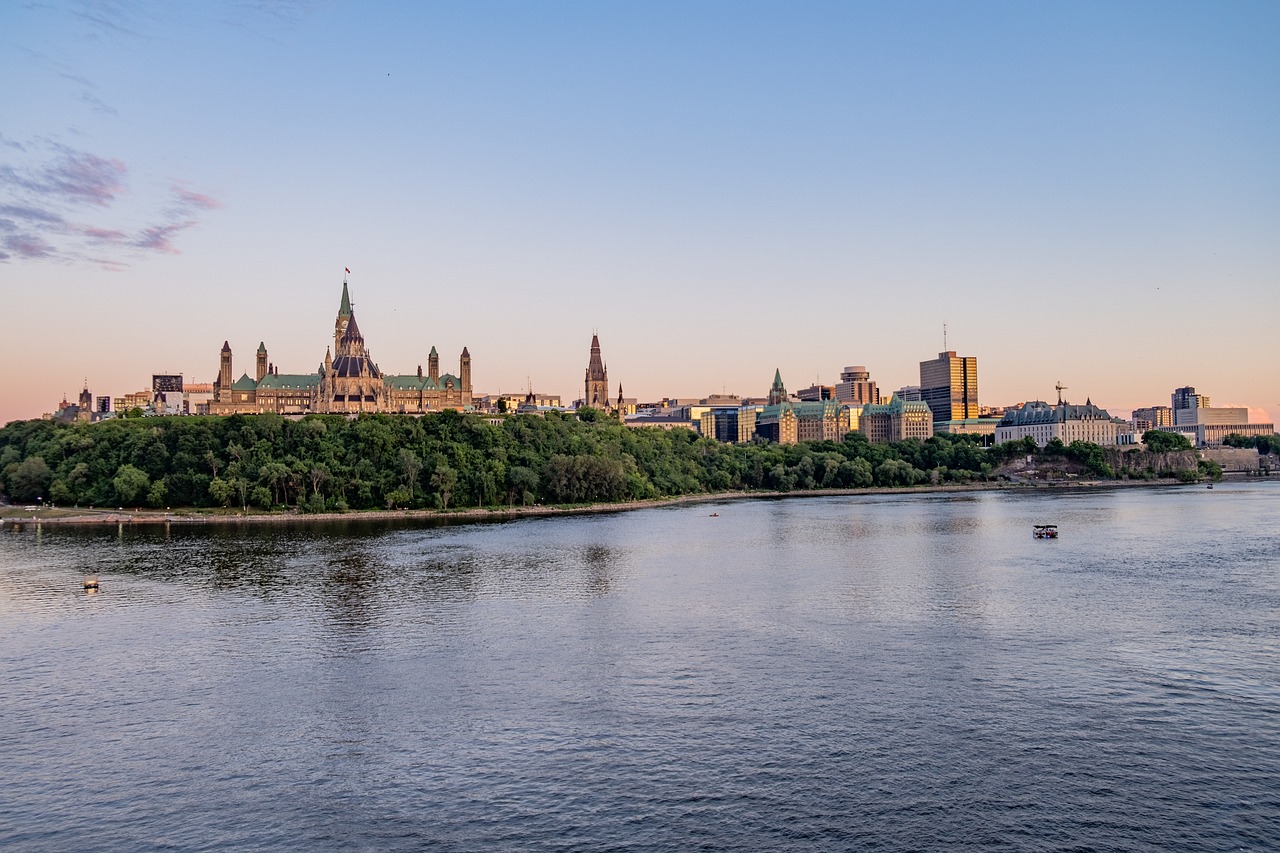
Ottawa, Canada's capital, lies on the banks of its namesake river, on the border between Ontario and Québec, and is an elegant, orderly city rich in museums and national monuments. Its symbol is Parliament Hill, with the majestic neo-Gothic Parliament buildings and the Peace Tower dominating the river. The Rideau Canal, recognised as a UNESCO World Heritage Site, crosses the city and in winter becomes the world's longest ice-skating rink. Ottawa hosts some of the country's most important museums, from the National Gallery of Canada to the Canadian Museum of History across the river. The lively ByWard Market offers fresh produce, restaurants and bars. Bilingual and cosmopolitan, rich in green spaces and cultural life, Ottawa is a human-scale capital where history, politics and culture meet in a refined and welcoming atmosphere.
Auto
Giorno 13 — Ottawa → Kingston
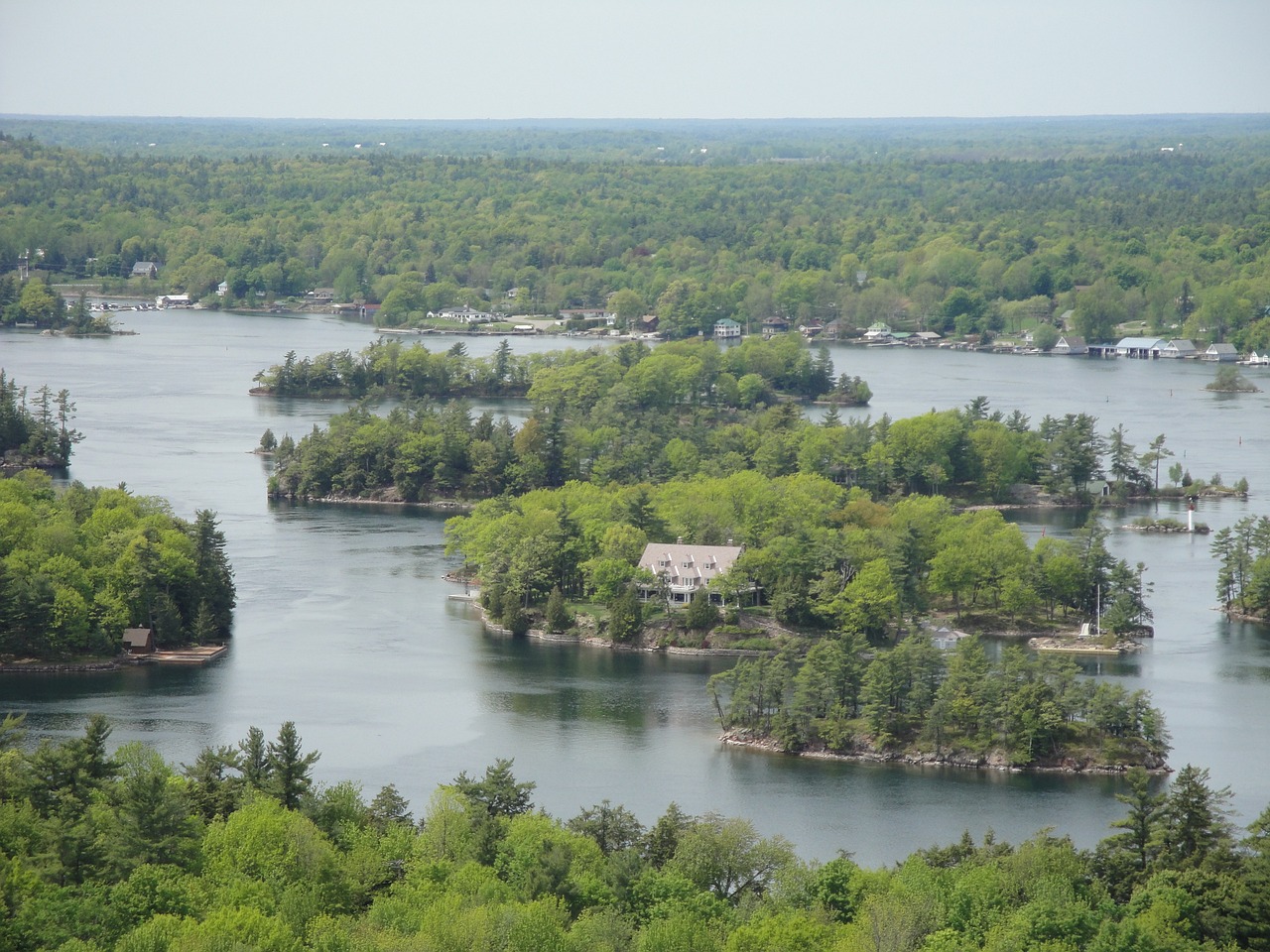
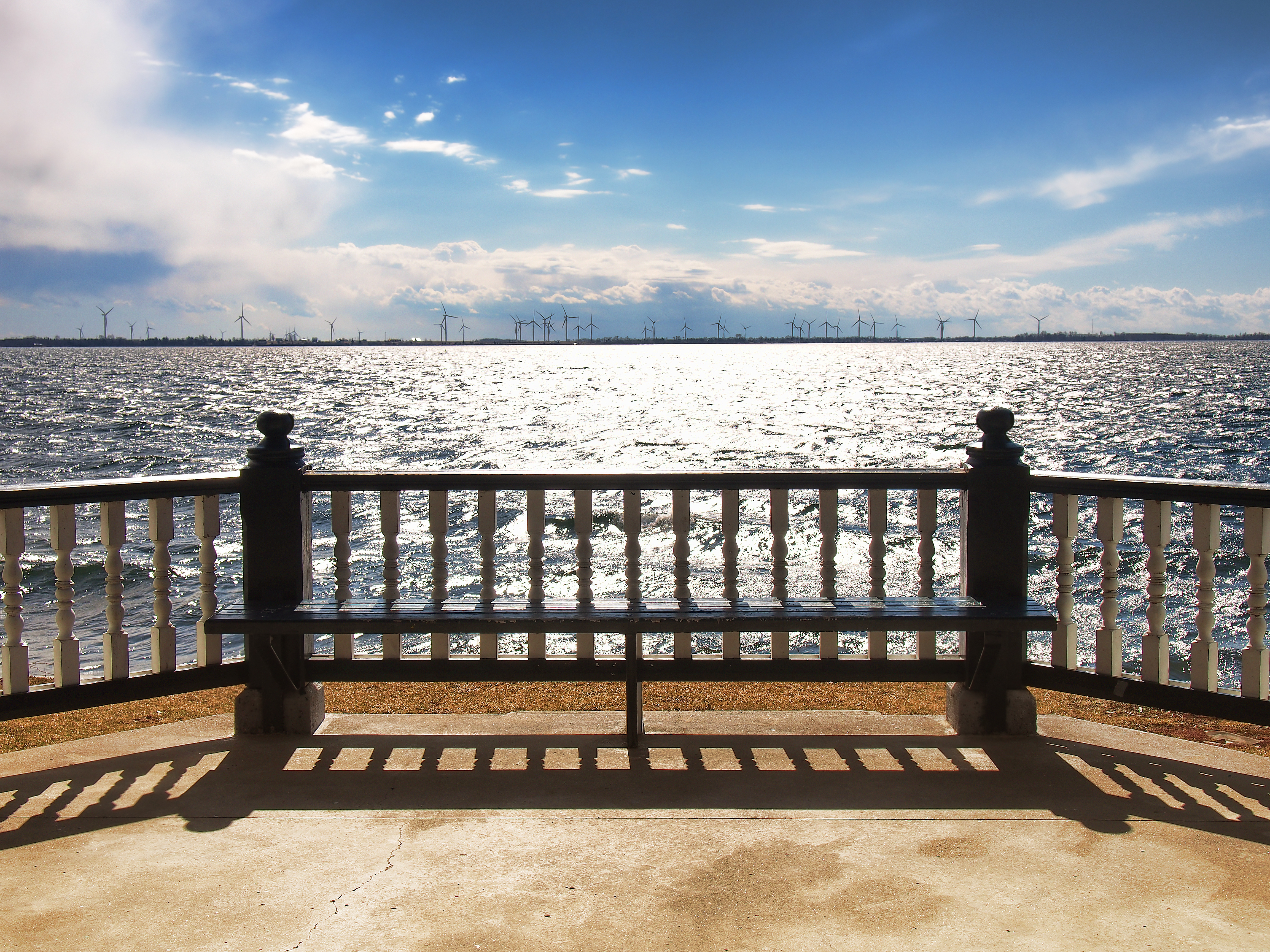
The route from Ottawa to Kingston runs along the scenic Trans-Canada Highway 401 and offers a fascinating combination of nature and history. The approximately 200-kilometer journey passes through beautiful rural areas, skirting idyllic lakes and rivers. In Kingston, travelers can visit the historic downtown area, filled with impressive attractions such as Fort Henry and Queen's University. Along the way, it is worth stopping at the Rideau Canal, a UNESCO World Heritage Site, and picturesque villages along the way. Kingston is an elegant historic city in Ontario, located on the shores of Lake Ontario where the St Lawrence River begins, at the entrance to the famous Thousand Islands archipelago. Once Canada's first capital, it preserves numerous limestone buildings that earn it the nickname "Limestone City", including the city hall and Fort Henry, an imposing fortress designated a UNESCO World Heritage Site along with the Rideau Canal. The city boasts a lively university life, a charming historic centre rich in restaurants and cafés, and a picturesque lakefront. From Kingston, cruises set off among the Thousand Islands, scattered with islets and mansions. Its refined atmosphere and historic heritage make it a fascinating stop. Between history, lake and fortifications, Kingston is one of Ontario's most charming cities, ideal for lovers of heritage and river landscapes.
_20260331114347.png)
_20260331114347.png)
_20260331114555.png)
_20260331114555.png)
_20260331114555.png)
_20260528121235.png)
_20260528121235.png)
_20260528121235.png)

_20260512154556.png)
_20260512154556.png)
_20260512154556.png)
