The Way of St. James: a millennia-old history — NAAR
1 / 6
The Way of St. James: a millennia-old history
Suggested Itineraries8 Giorni
Pamplona, Spain
Pamplona›Burgos›Leon›Ponferrada›Lugo›Santiago de Compostela
Itinerary
Giorno 1 — Pamplona
Capital of Navarre, Pamplona is a lively and welcoming city, famed worldwide for the Festival of San Fermín, when each July the encierro, the running of the bulls through the streets of the old town, turns the city into a burst of colour and emotion, immortalised in the pages of Ernest Hemingway. Beyond the festival, Pamplona has an intimate charm: its medieval core guards the Catedral de Santa María la Real, with its elegant Gothic cloister, and the mighty walls that encircle the city. The Plaza del Castillo, ringed by historic cafés, is the city's living room. A stage on the Camino de Santiago, Pamplona blends tradition, fine Basque-Navarrese cuisine and human warmth, inviting you to discover the authentic heart of northern Spain.
Auto
Giorno 2 — Pamplona → Burgos
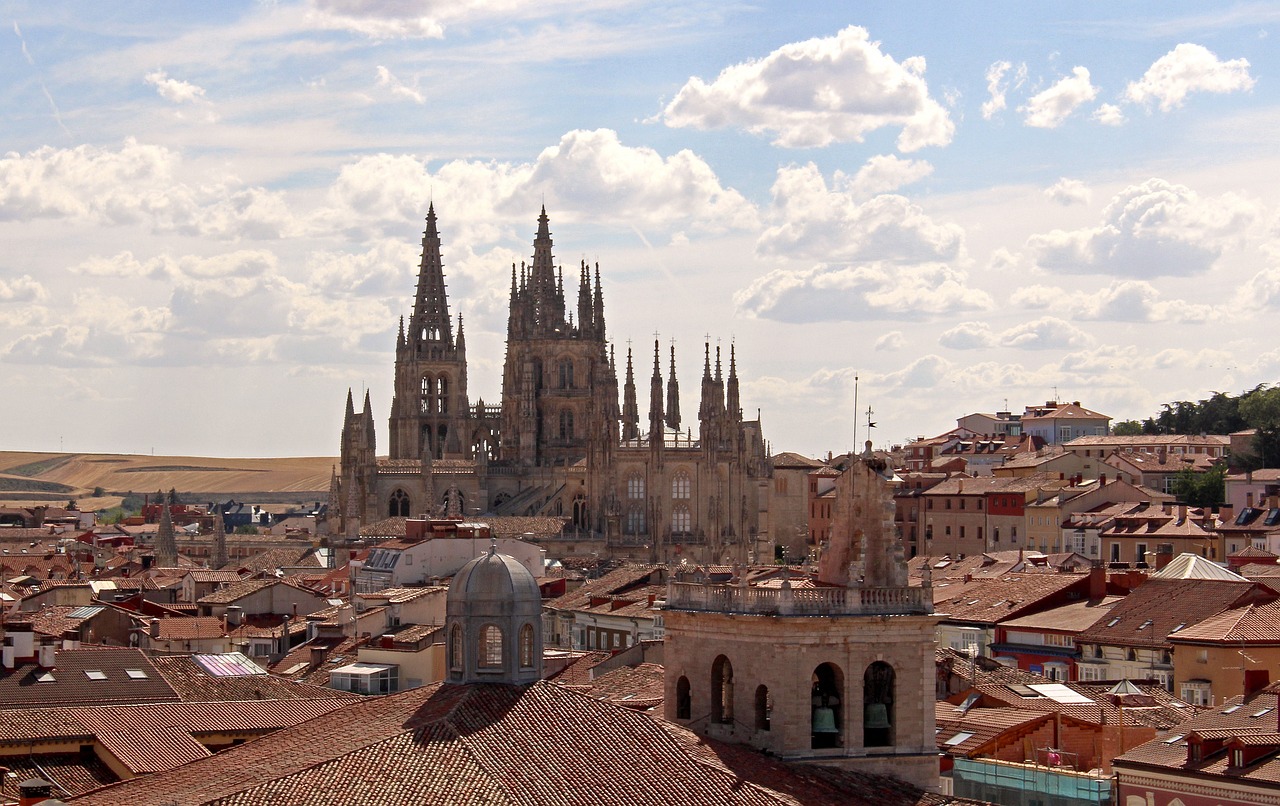
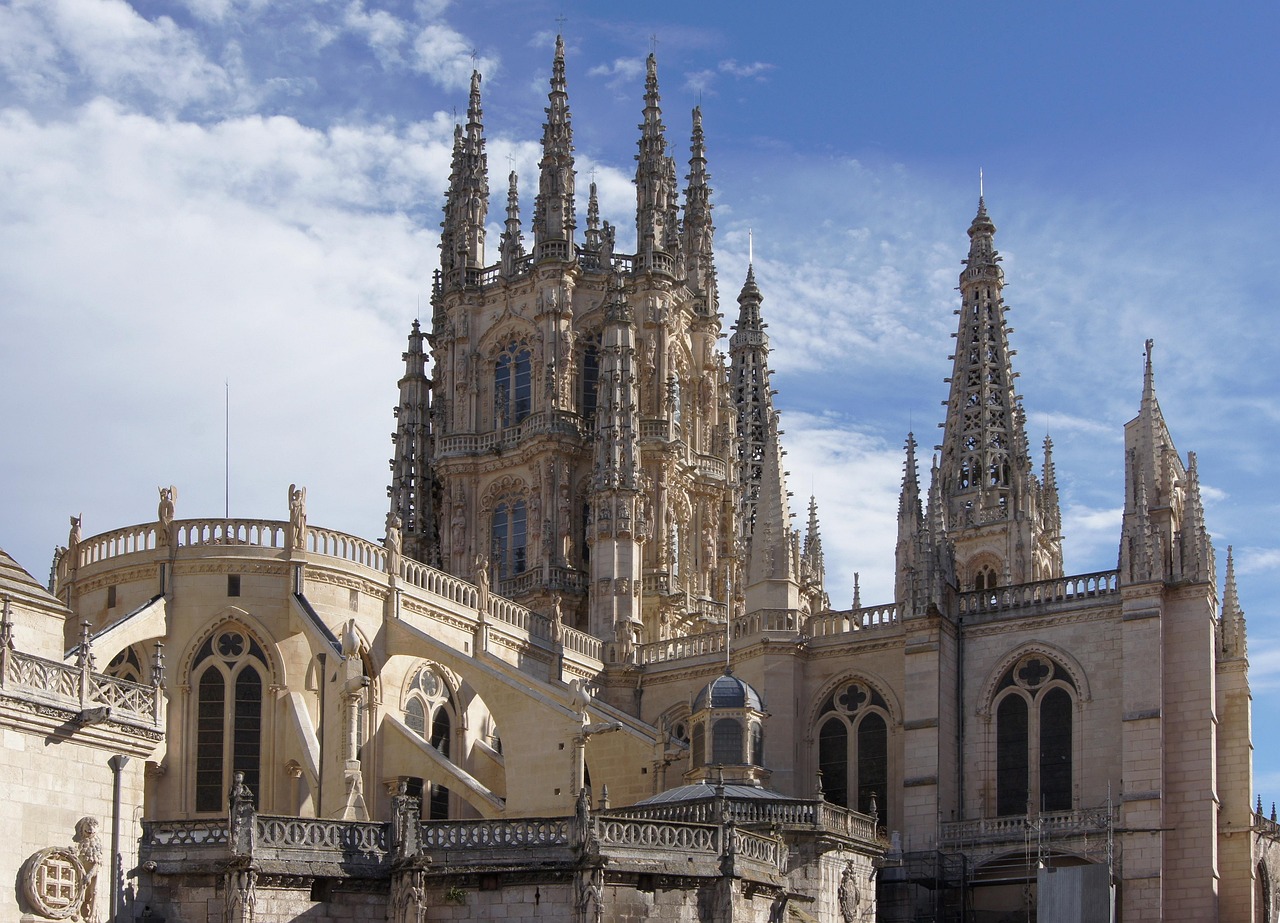
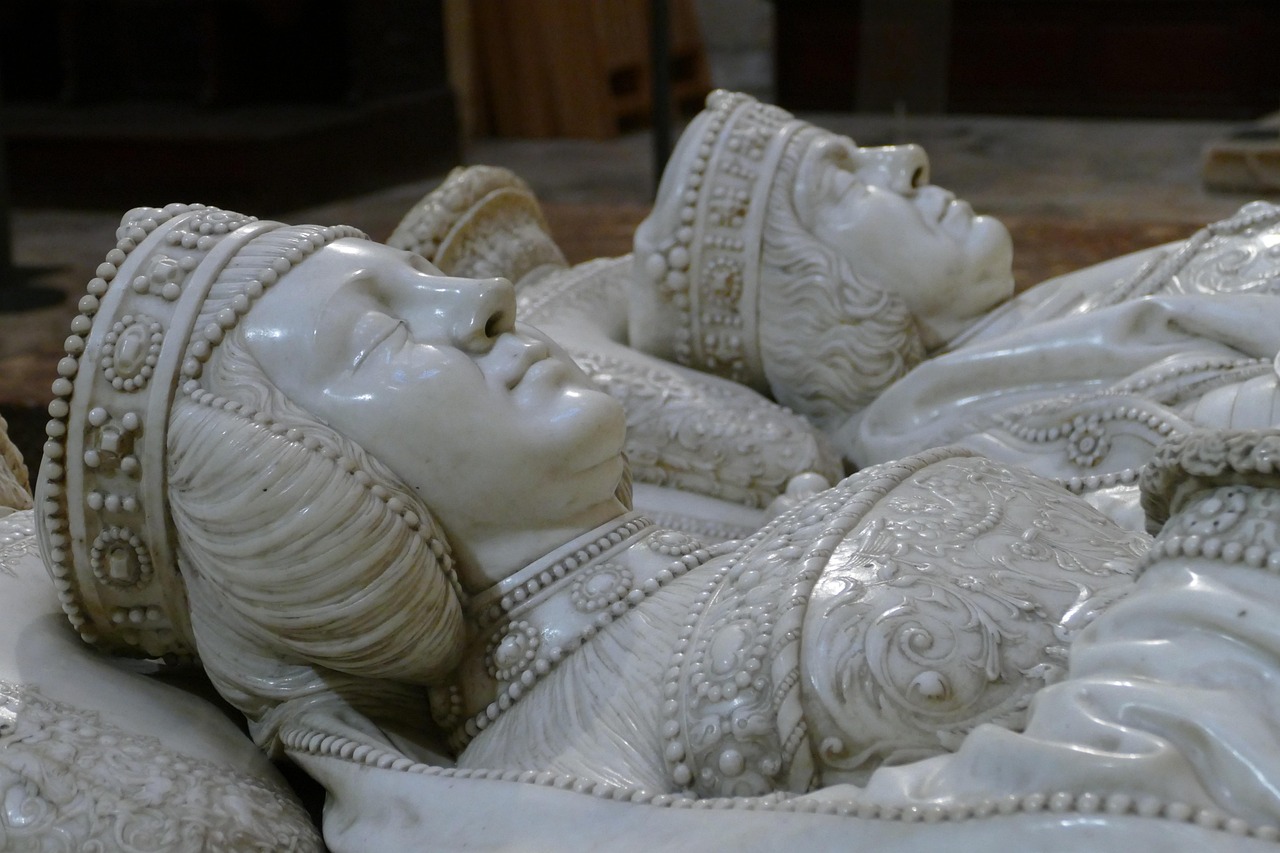
Gothic spires and ancient Castilian stone mirror themselves in the Arlanzón at Burgos, a noble city of Castile and León, a former capital and a key stage on the Camino de Santiago. Its emblem is the magnificent Catedral de Santa María, a masterpiece of Spanish Gothic and a UNESCO World Heritage Site, which guards the tomb of the national hero El Cid Campeador. From the monumental centre, passing beneath the Arco de Santa María, one reaches the Plaza Mayor and the tree-lined avenues along the river. Just outside town stand the Monastery of Las Huelgas and the Cartuja de Miraflores, treasures of Gothic art. Renowned for its gastronomy, from morcilla to roast lamb, Burgos invites you to discover authentic Spain, amid history, faith and flavours.
Auto
Giorno 4 — Burgos → Leon
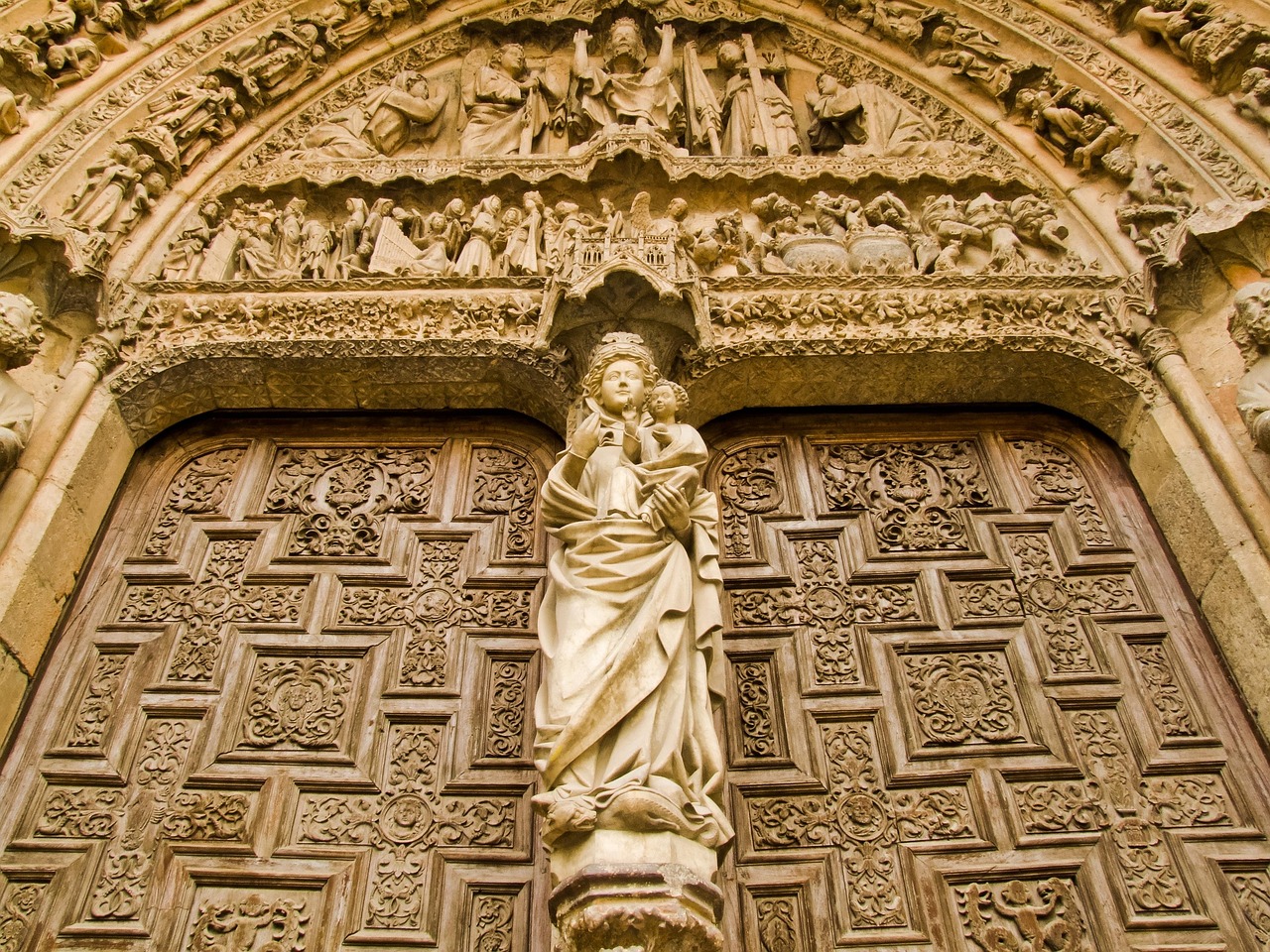
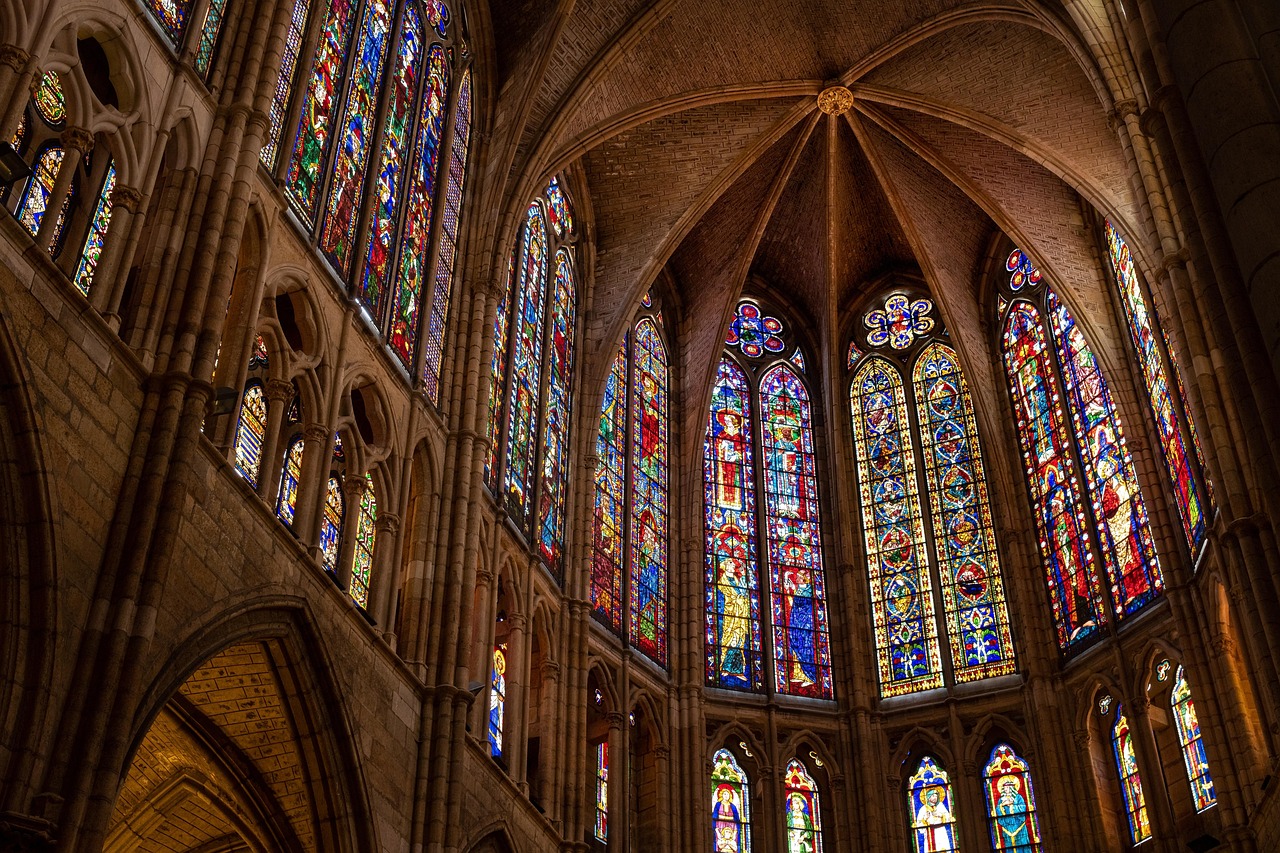
León rises along the Camino de Santiago, in the heart of Castile and León, an elegant city that guards one of Spain's most extraordinary Gothic legacies. Its emblem is the majestic Catedral de Santa María, a Gothic masterpiece celebrated for its medieval stained-glass windows, a sweep of light and colour among the most admired in Europe. Nearby stands the Real Colegiata de San Isidoro, with its frescoed Panteón Real, hailed as the "Sistine Chapel of the Romanesque". Among the city's modernist gems is the Casa Botines, the work of Antoni Gaudí. The streets of the Barrio Húmedo come alive at dusk, amid tapas bars and a lively atmosphere. A precious stop along the Camino, León blends art, history and warmth into an authentic experience.
Auto
Giorno 5 — Leon → Ponferrada
A peaceful town in the valleys of the Bierzo, along the Camino de Santiago, Ponferrada is a city in Castile and León dominated by the mighty Castillo de los Templarios, a medieval fortress raised by the Knights Templar to guard pilgrims bound for Compostela. The old town holds cobbled lanes, the Basílica de la Encina and views over the river Sil. Surrounded by vineyards and the valleys of El Bierzo, a land of robust wines and verdant landscapes, Ponferrada invites you to pause amid history, faith and authentic flavours.
Auto
Giorno 6 — Ponferrada → Lugo
Lugo rises in the green heart of Galicia with its deep Roman roots, renowned for its extraordinary walls, the only ones in the world to preserve their entire Roman circuit and, for this reason, a UNESCO World Heritage Site. Stretching over two kilometres and walkable along their parapet path, the walls embrace a lively historic centre dominated by the Catedral de Santa María and animated by squares and taverns. Founded as Lucus Augusti, the city also holds remains of Roman baths and mosaics, while its culinary tradition of octopus and Ribeira Sacra wines makes it a flavourful stop along the Camino Primitivo. To walk its walls at sunset is to cross two thousand years of history in a single glance.
Auto
Giorno 7 — Lugo → Santiago de Compostela
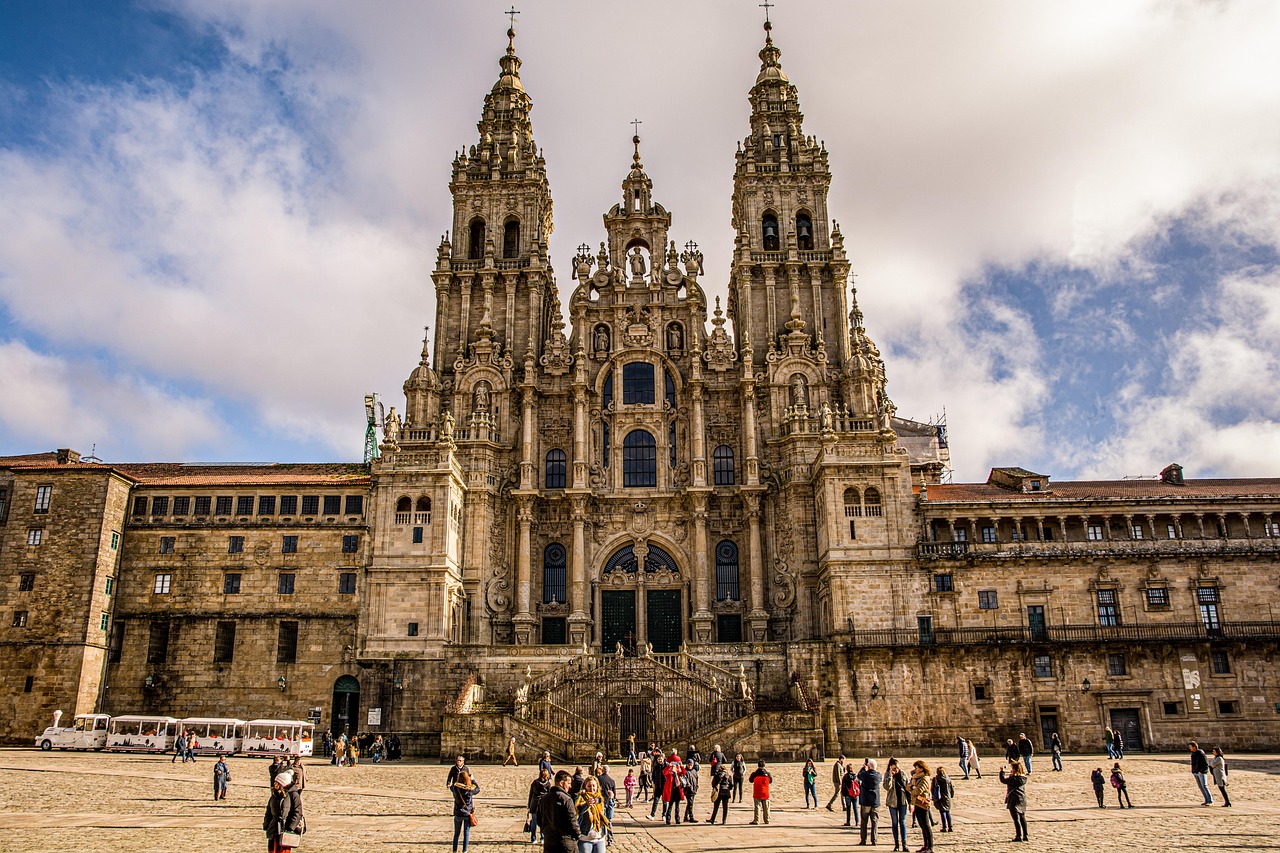
Capital of Galicia, Santiago de Compostela is one of the most important sacred cities in Europe, the final destination of the Camino de Santiago walked for centuries by pilgrims from every corner of the world. Its magnificent historic centre, a UNESCO World Heritage Site, is a weave of paved streets, arcades and granite squares, often gleaming with rain. Its beating heart is the majestic Cathedral, a Romanesque masterpiece with its sumptuous baroque Obradoiro façade, which by tradition holds the relics of the apostle James. Around it open solemn squares such as the Praza do Obradoiro and the Praza da Quintana, amid convents, palaces and the ancient university. Its lively streets invite you to discover Galician cuisine, from octopus "a feira" to Albariño wines, set against the vibrant atmosphere of a young, cosmopolitan city. Between spirituality, history and Galician warmth, Santiago welcomes all who arrive as if at the end of a journey.