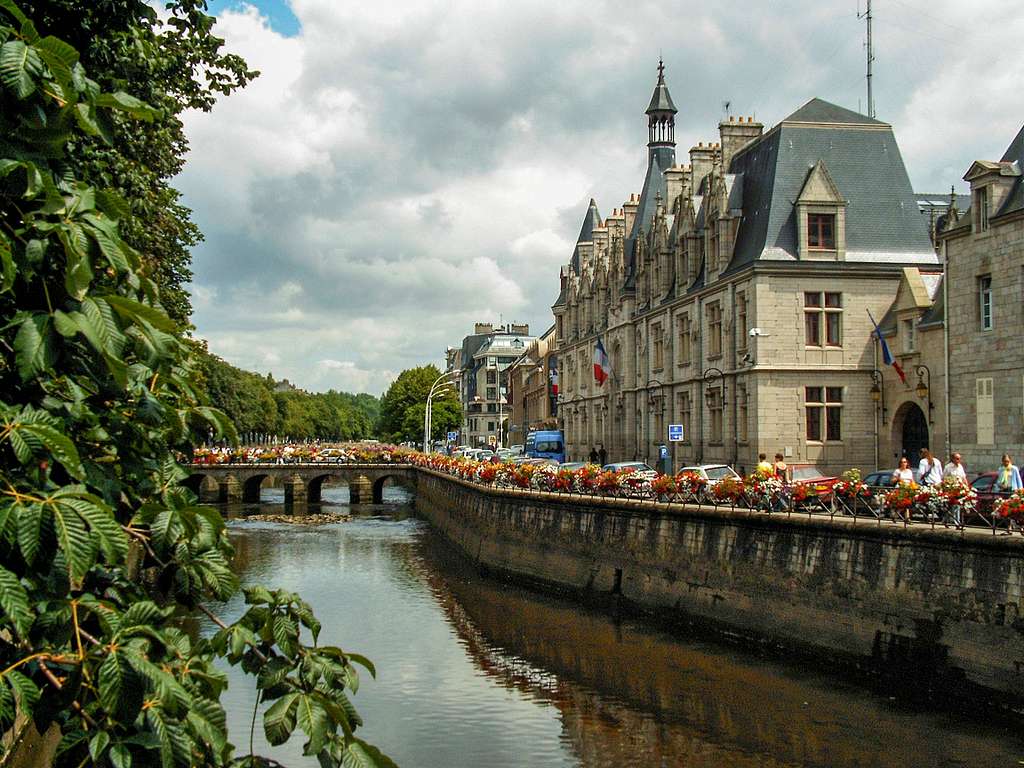
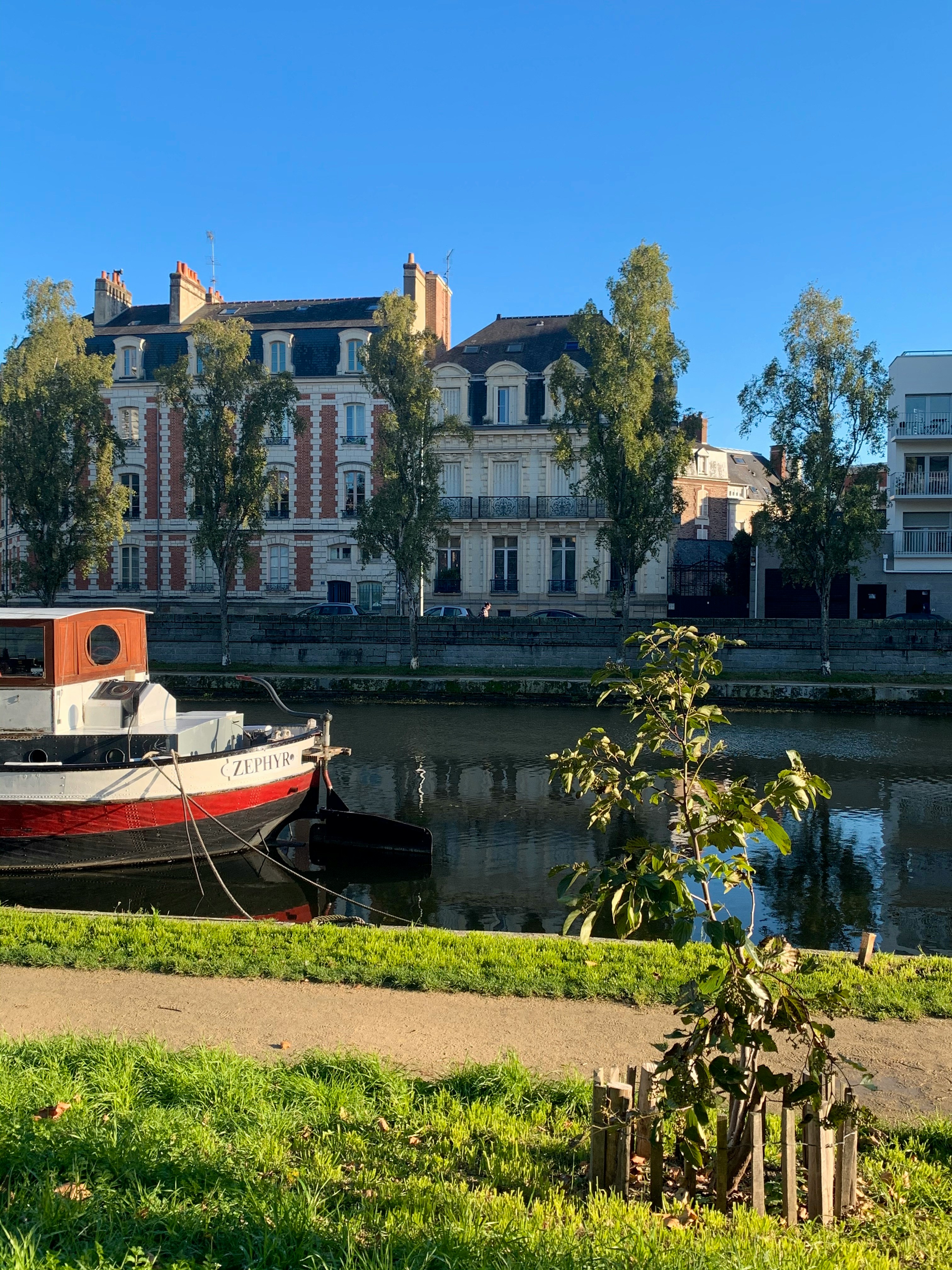
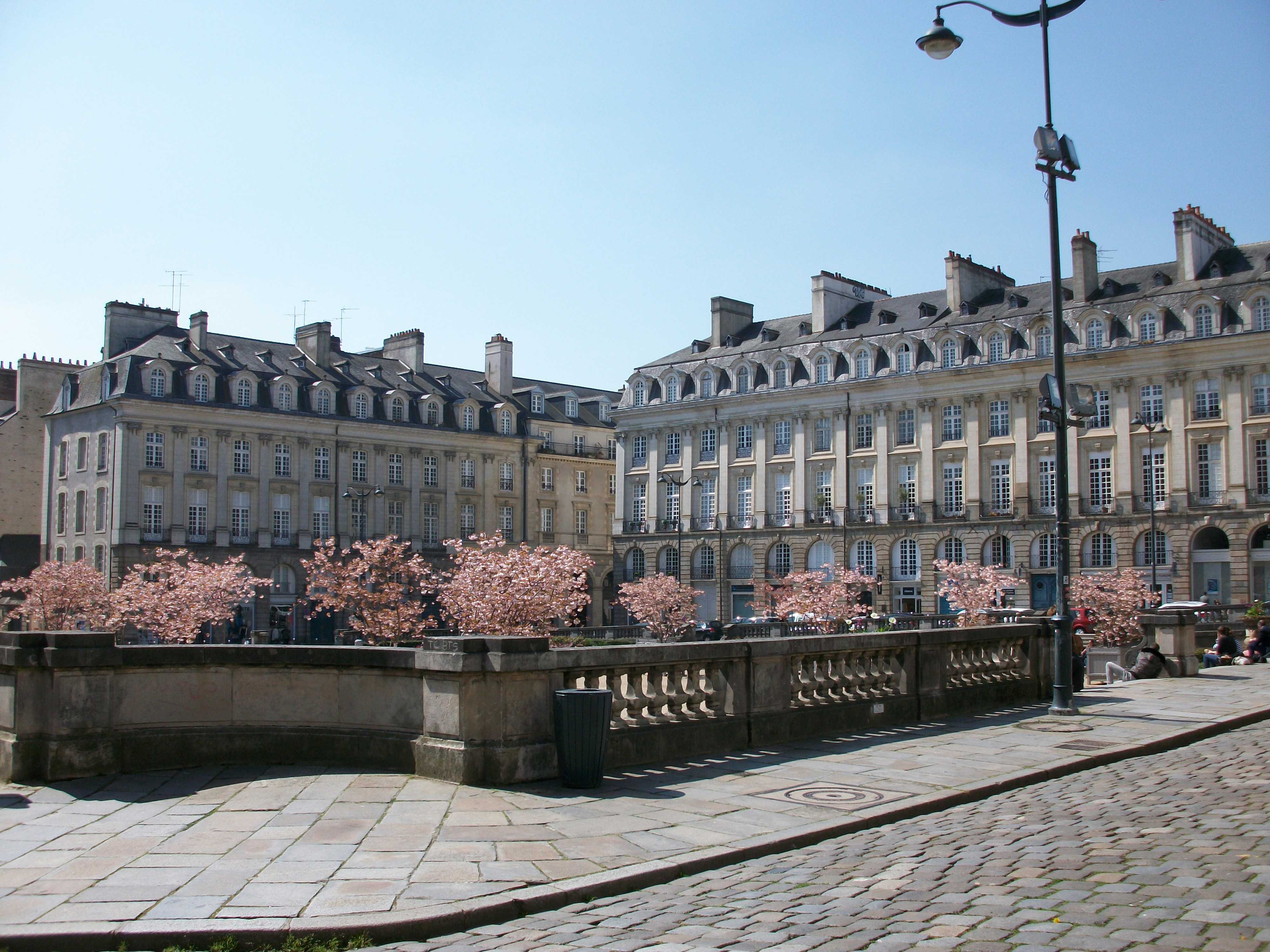
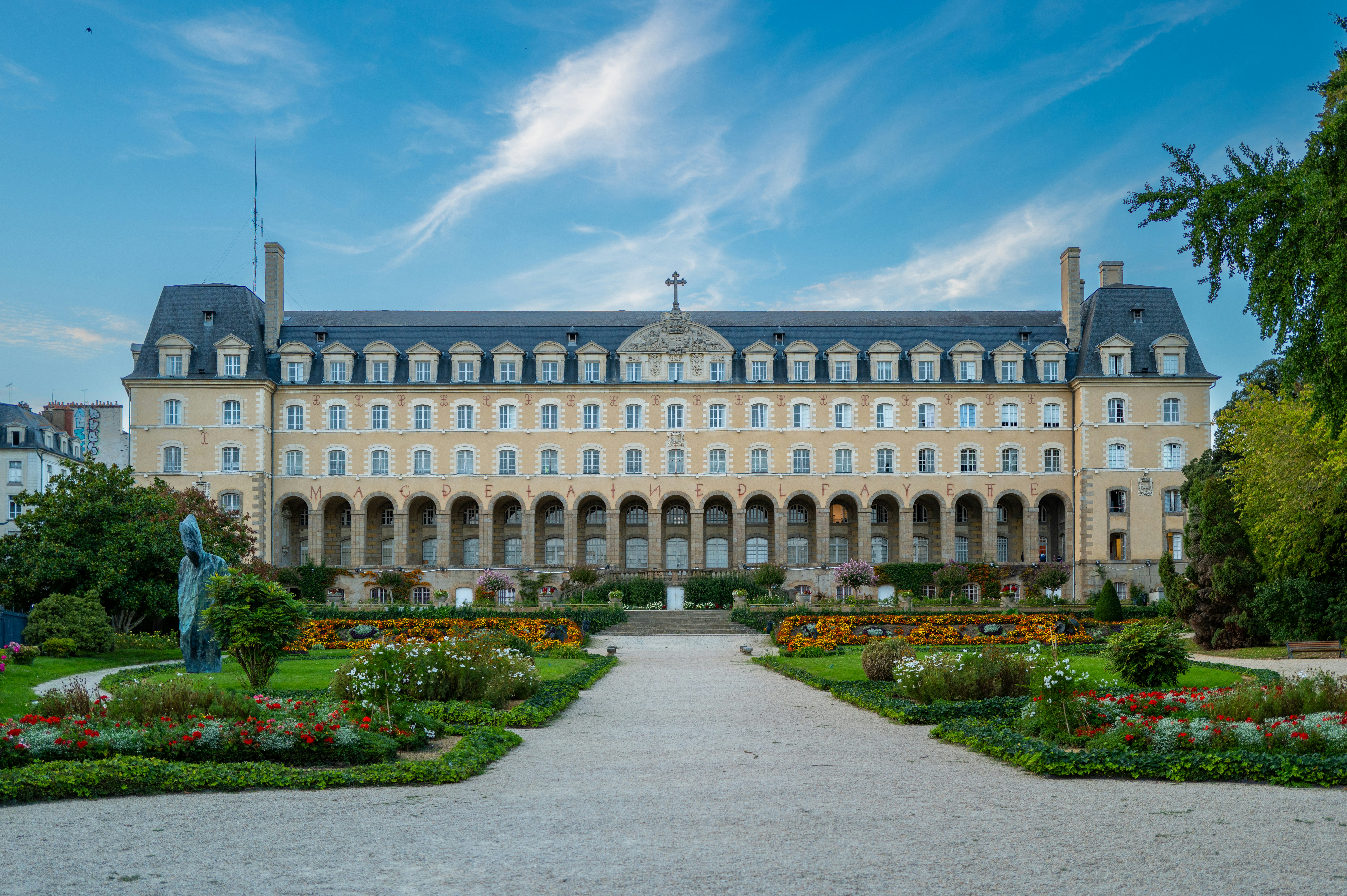
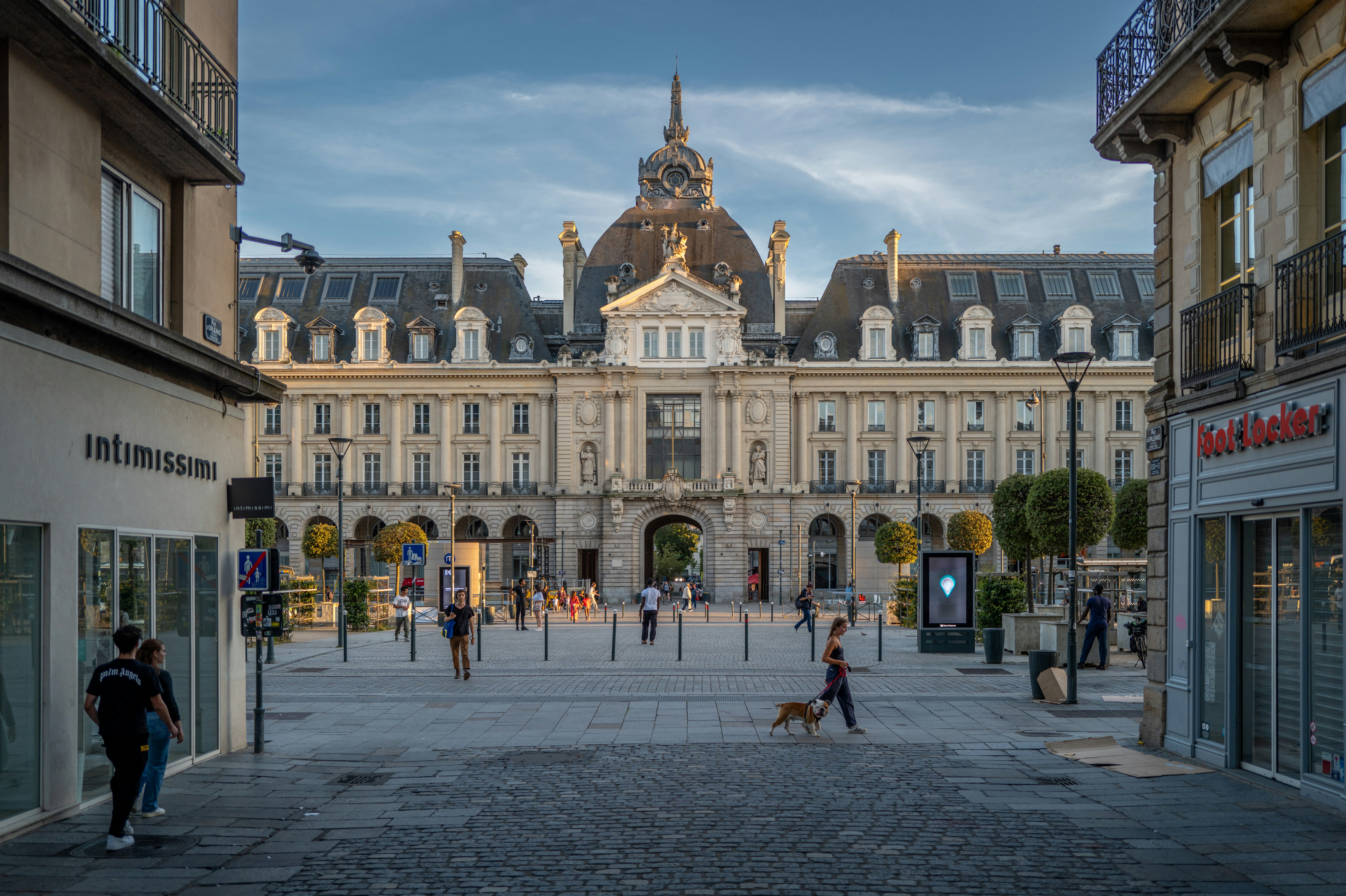
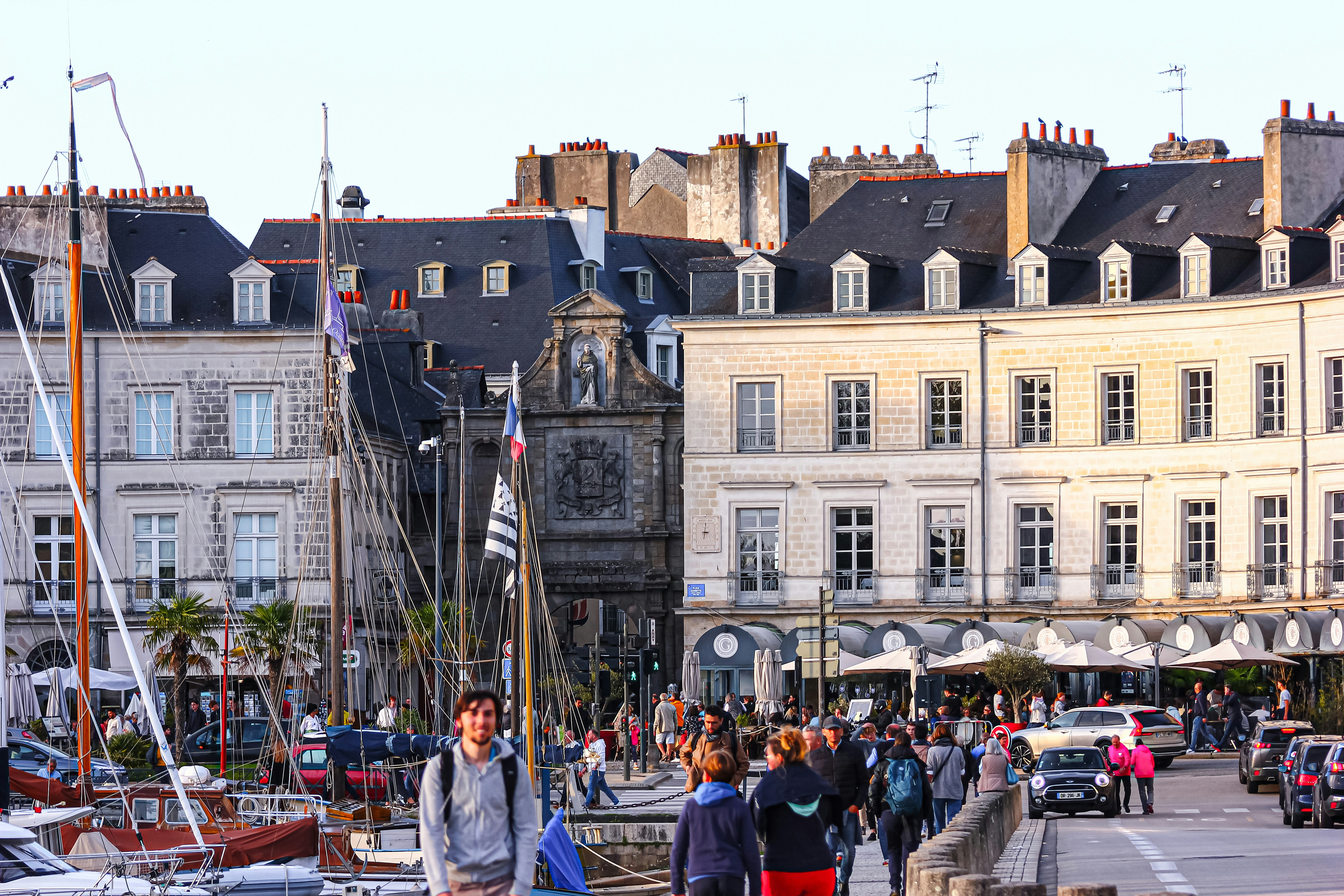
Vannes, with its intact medieval walls and canals brushing the ancient towers, is the heart of a Breton territory of extraordinary geographical complexity. The Gulf of Morbihan — an inland sea dotted with over sixty islands — creates a protected ecosystem where the light shifts with every tide and sailing boats glide past megaliths and fishing villages. The Quiberon peninsula closes this landscape to the south with its wild Atlantic beaches to the west and the calm waters of the Côte Sauvage. Oysters, buckwheat galettes and craft cider mark the rhythm of meals, while the megalithic sites of Carnac — just a few kilometres to the east — bear witness to six thousand years of human presence.
Auto
Giorno 5 — Quimper e Cornouaille → Brest
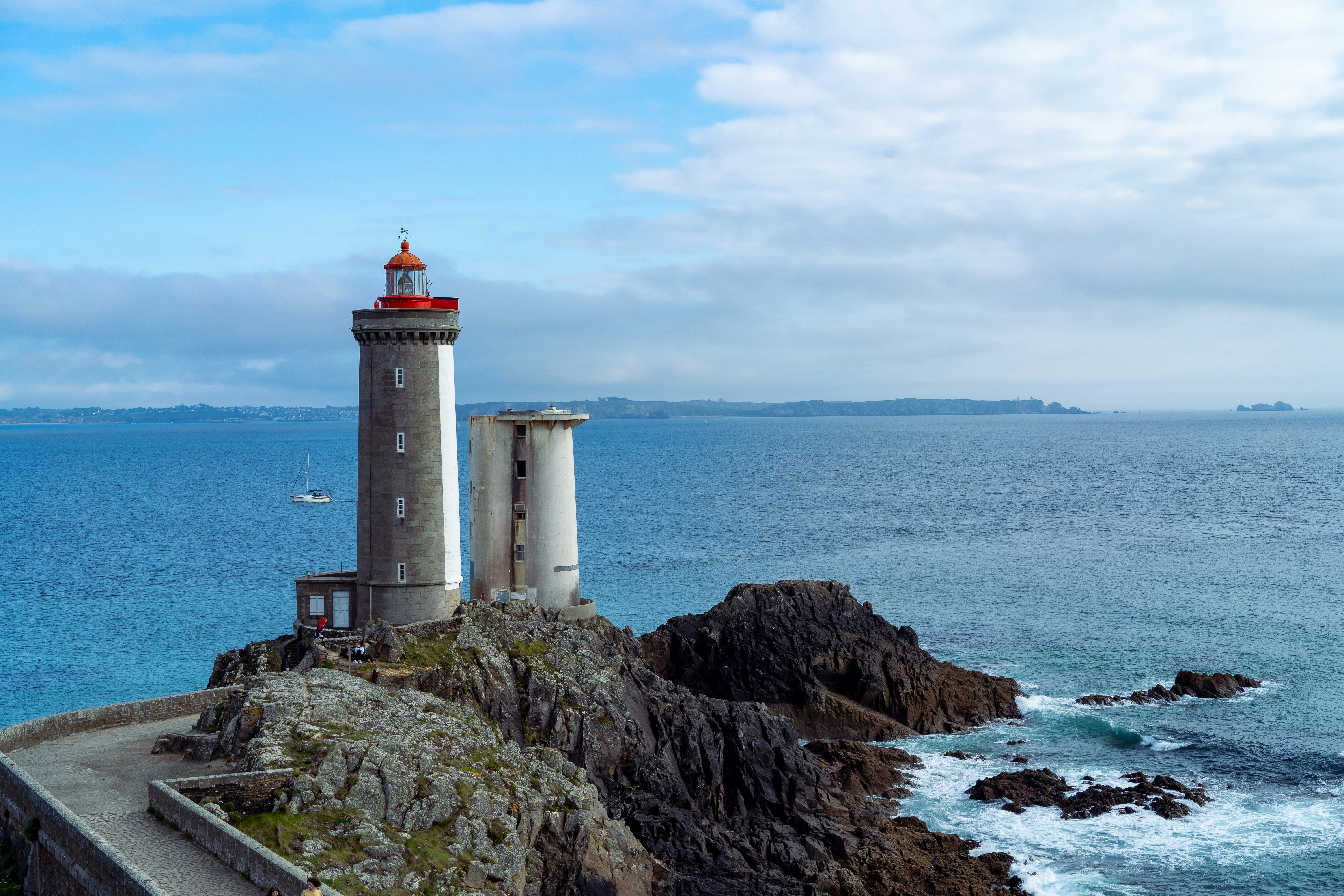
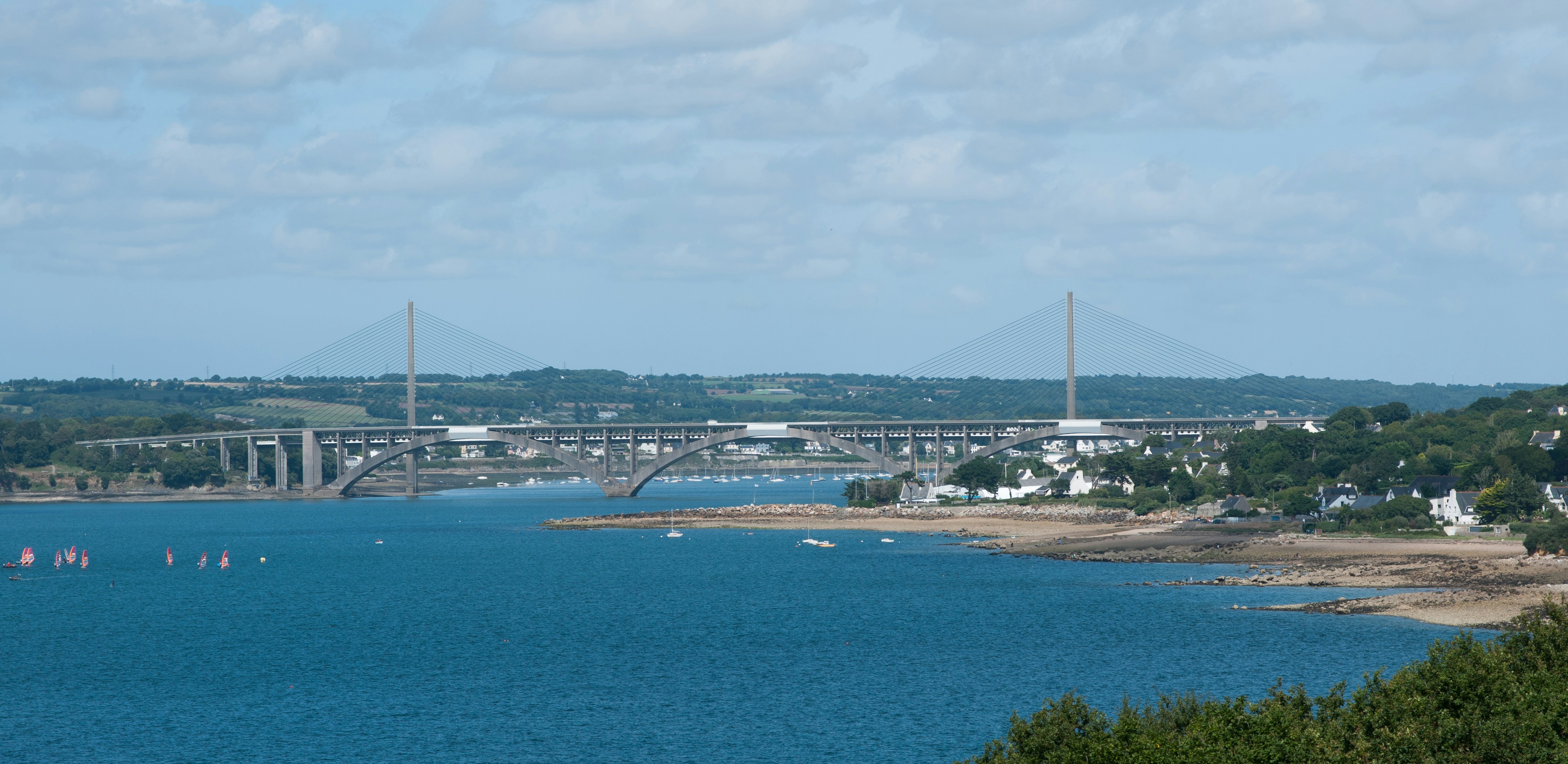
Brest and the far tip of Finistère occupy the western extremity of Brittany, where the land yields to the Atlantic wind and the jagged coastline of cliffs and lighthouses marks the end of the known world. Brest is a dynamic port city rebuilt after the war around its great military and commercial harbour, with the modern Plateau district and Océanopolis, one of Europe's largest aquariums. The Pointe du Raz, the Crozon cliffs and the island of Ouessant offer landscapes of extraordinary power. The markets overflow with seafood, lobster and salted-butter crêpes. This corner of France is for those who love wild nature, maritime tradition and sunsets over the Atlantic.
Auto
Giorno 6 — Brest → Roscoff
Roscoff is a Breton port in northern Finistère, known for its ferries to Ireland and Wales and for the celebrated oignons roses — the pink onions grown in the sandy soils around the town. The historic centre preserves fine Renaissance granite houses and a church with an elaborate bell tower typically Breton in style. The Channel, with its strong tides and shifting colours, is the true protagonist of the landscape. A lively, maritime and authentic corner of Brittany.
Auto
Giorno 7 — Roscoff → Saint Malo
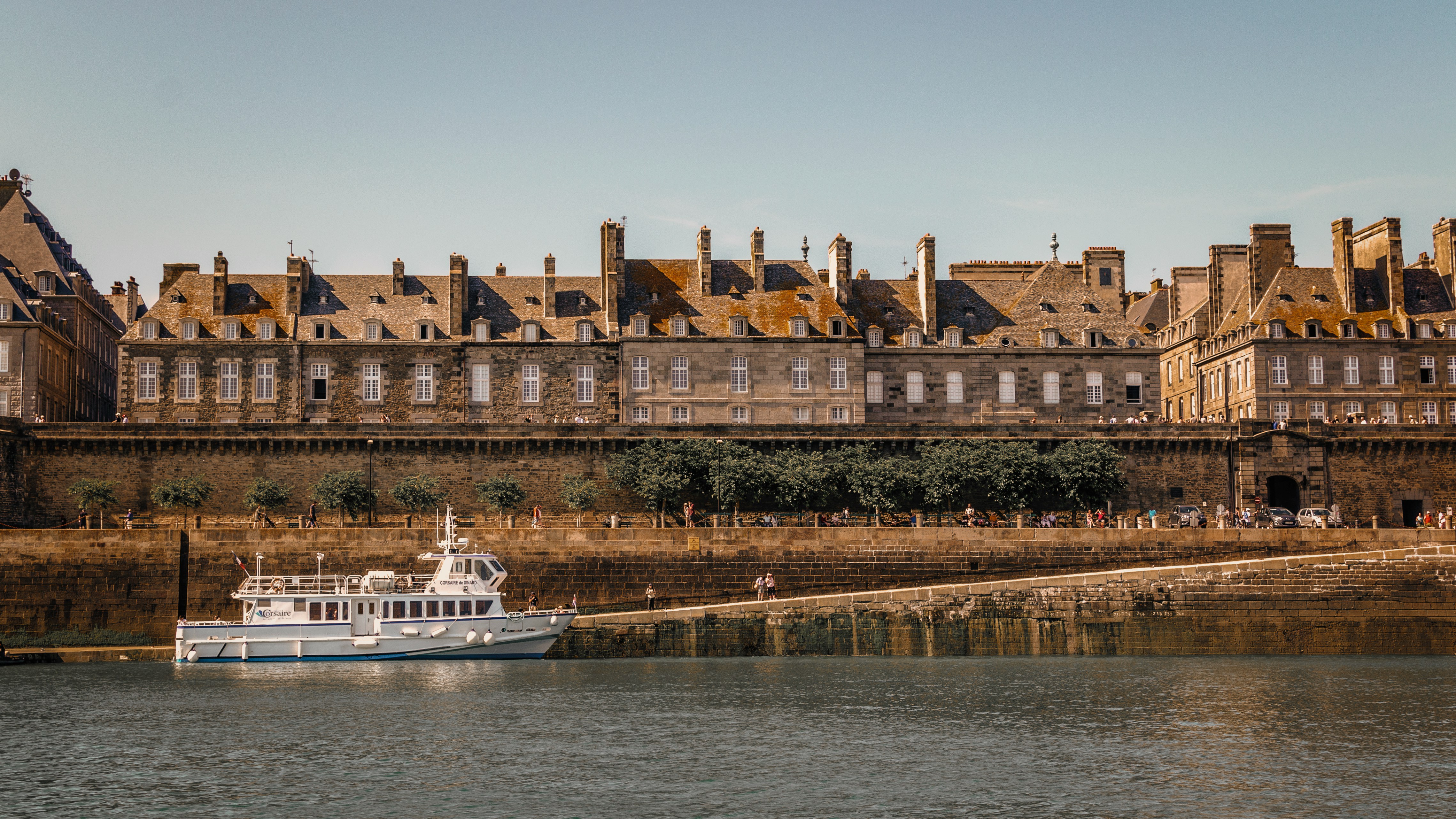
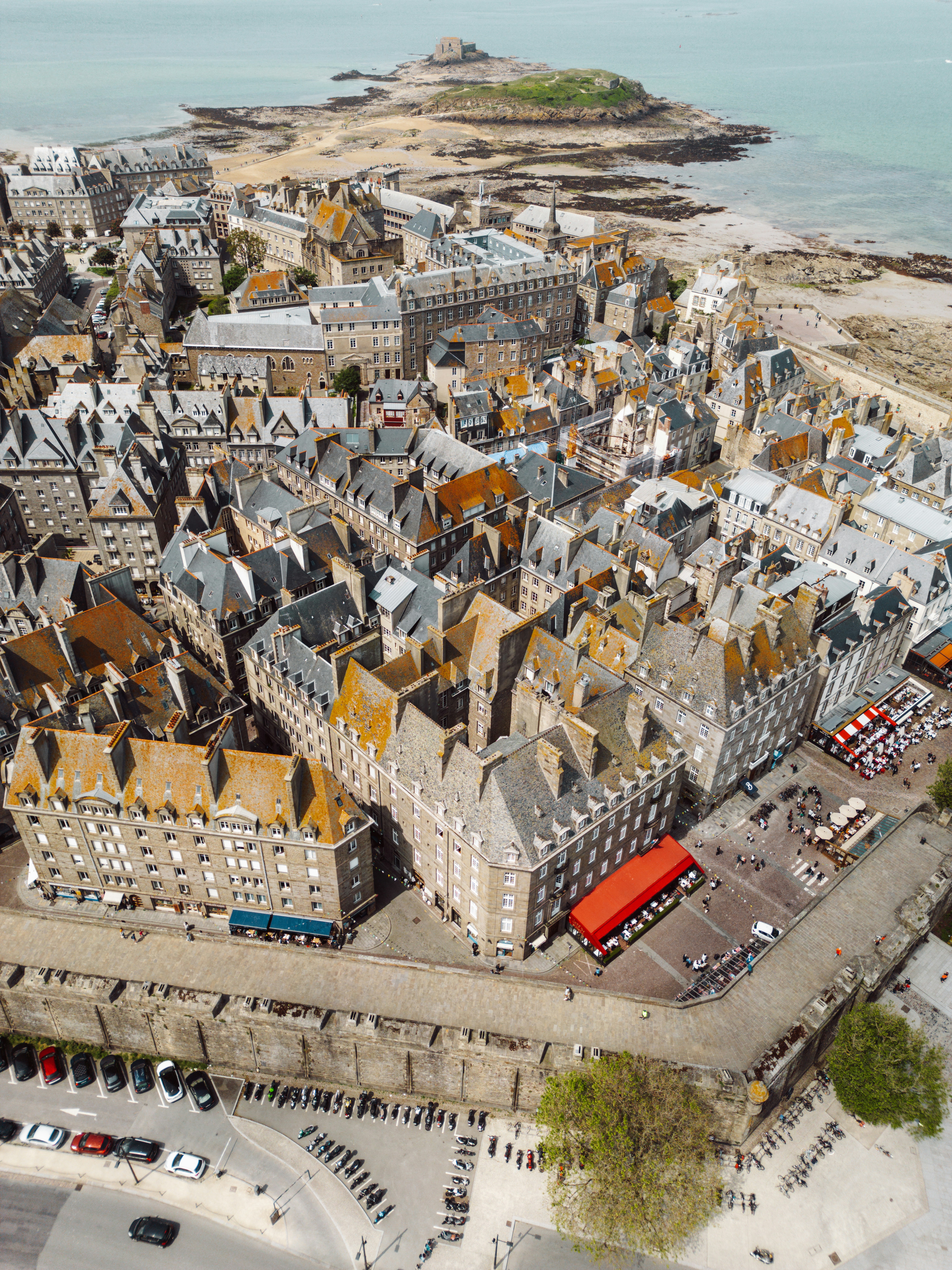
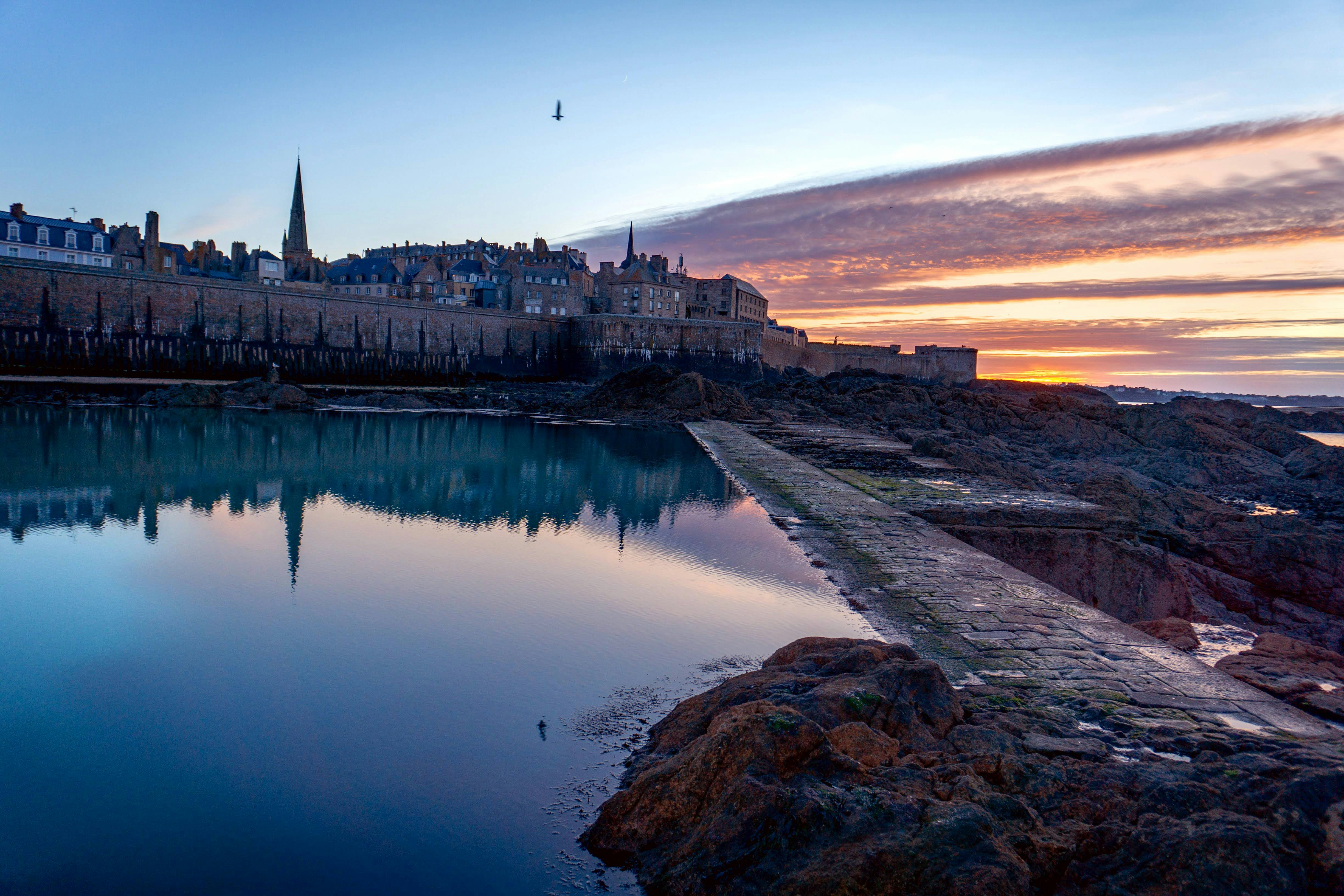
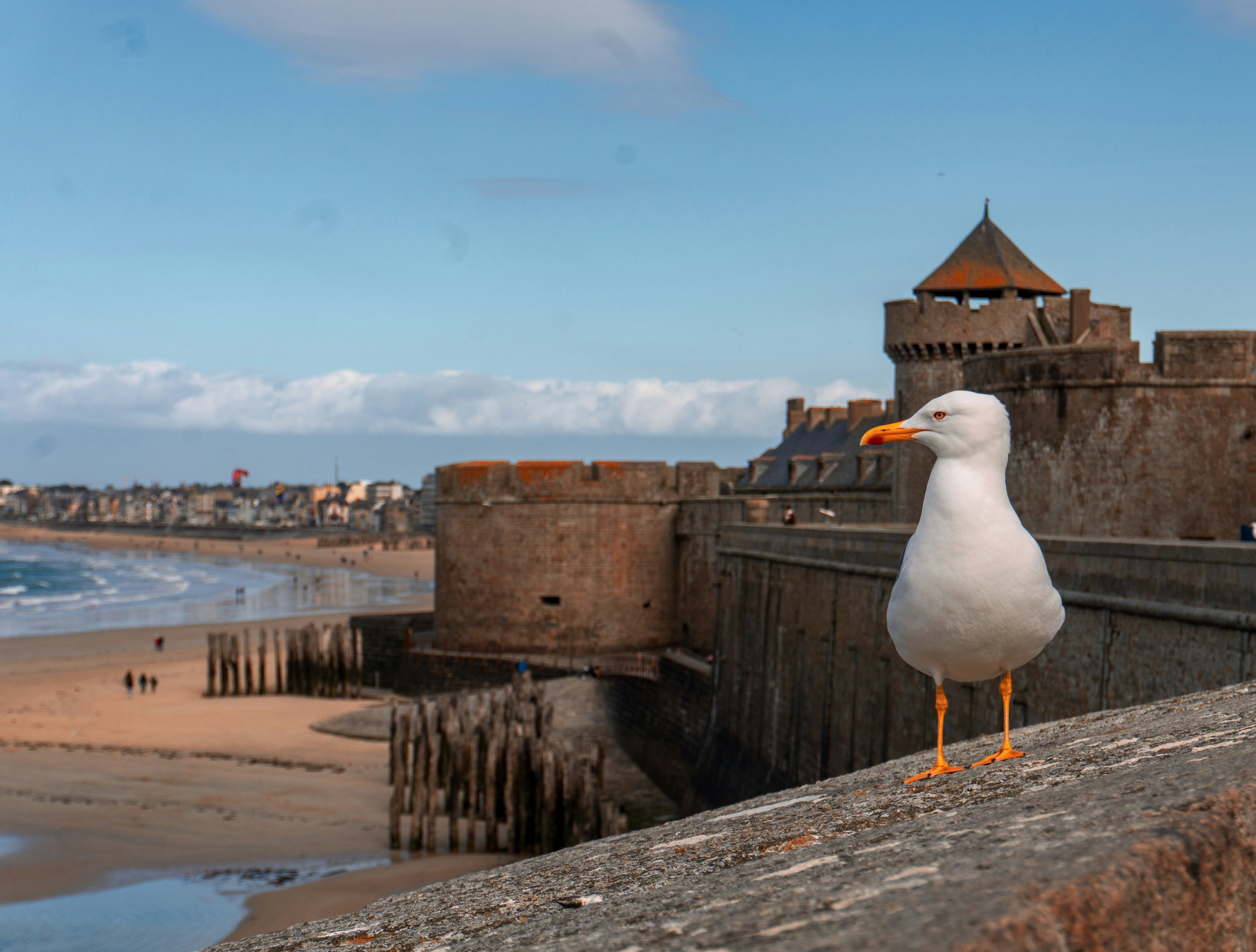
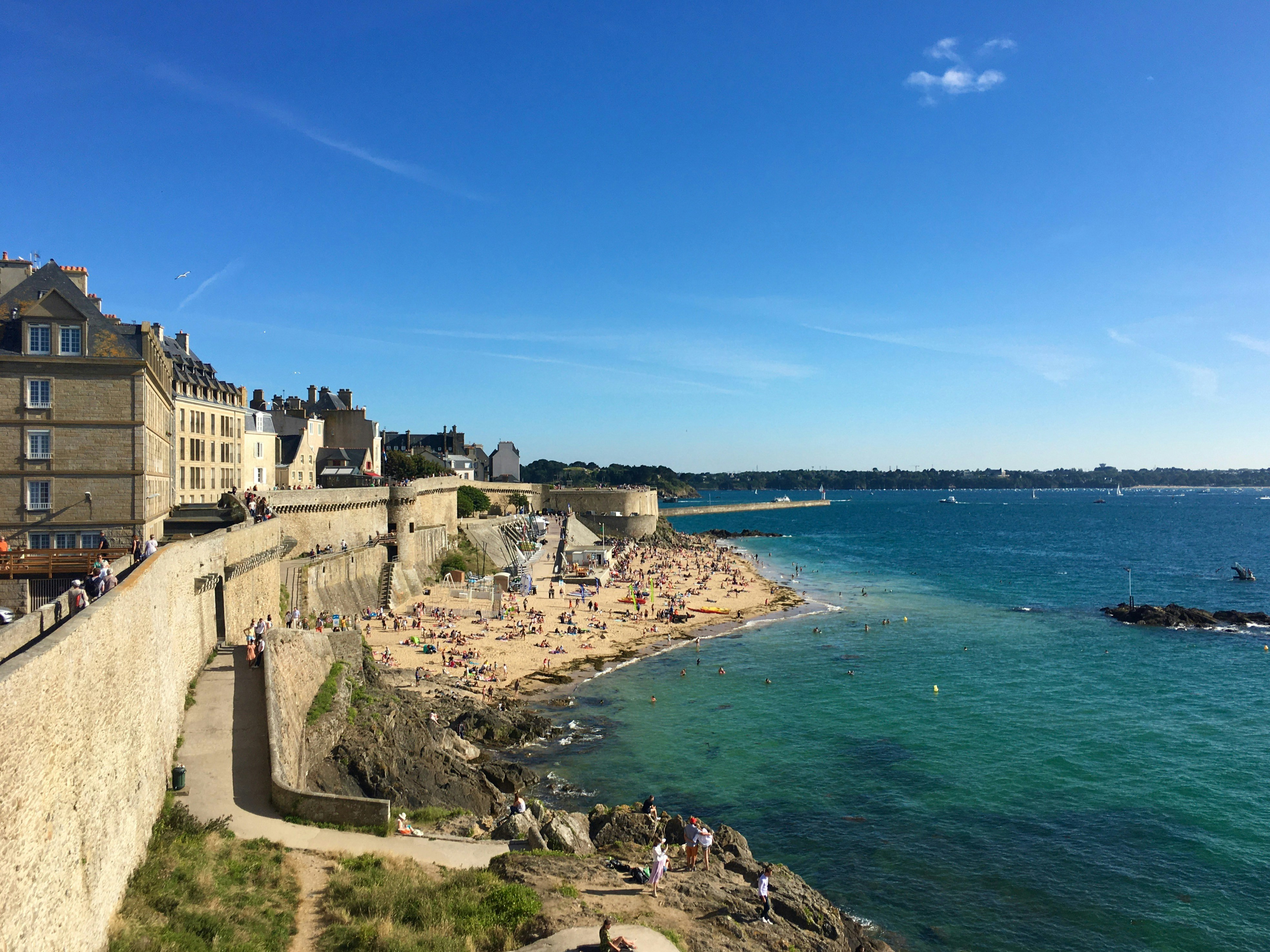
Saint-Malo thrusts into the Atlantic like a living fortress: the tall granite walls encircling the old city — the intra-muros — were built to defend the port of the corsairs who sailed from here under letters of marque from the King of France. Walking the ramparts means taking in with a single glance the open sea, the islands scattered across the bay, and the white-sand beaches revealed at low tide. Outside the walls, the Sillon beach and the Liberty casino trace an elegant seaside promenade. The Breton hinterland is easily reached: Cancale, a few kilometres away, is the capital of the Breton oyster; Dinard, across the estuary, preserves the Belle Époque villas of English families who spent their summers here. The raw, wild character of this coast — the highest tides in Europe, wind-carved cliffs — makes Saint-Malo and its surroundings a landscape experience before it is a historical one.
Auto
Giorno 9 — Saint Malo → Rennes
Rennes balances with elegance the weight of Breton history and the vitality of a university city: the old centre preserves hundreds of warm-coloured medieval half-timbered houses, concentrated around the squares of the Parlement de Bretagne — the seventeenth-century palace that is the region's most important monument — and the Place des Lices. The Saturday morning market on Place des Lices, one of the largest and oldest in France, is a gathering of Breton producers of galettes, cider, Armorican cheeses and seafood. Student life — the city has over seventy thousand students — animates the Colombier and Sainte-Anne quarters late into the night, with bars, Breton music concerts and festivals. The Musée des Beaux-Arts holds works by Rubens, Chardin and Picasso. Rennes is the natural starting point for exploring Brittany: an hour away lie Mont-Saint-Michel, the Forest of Brocéliande (the wood of Arthurian legend) and the coasts of Finistère.