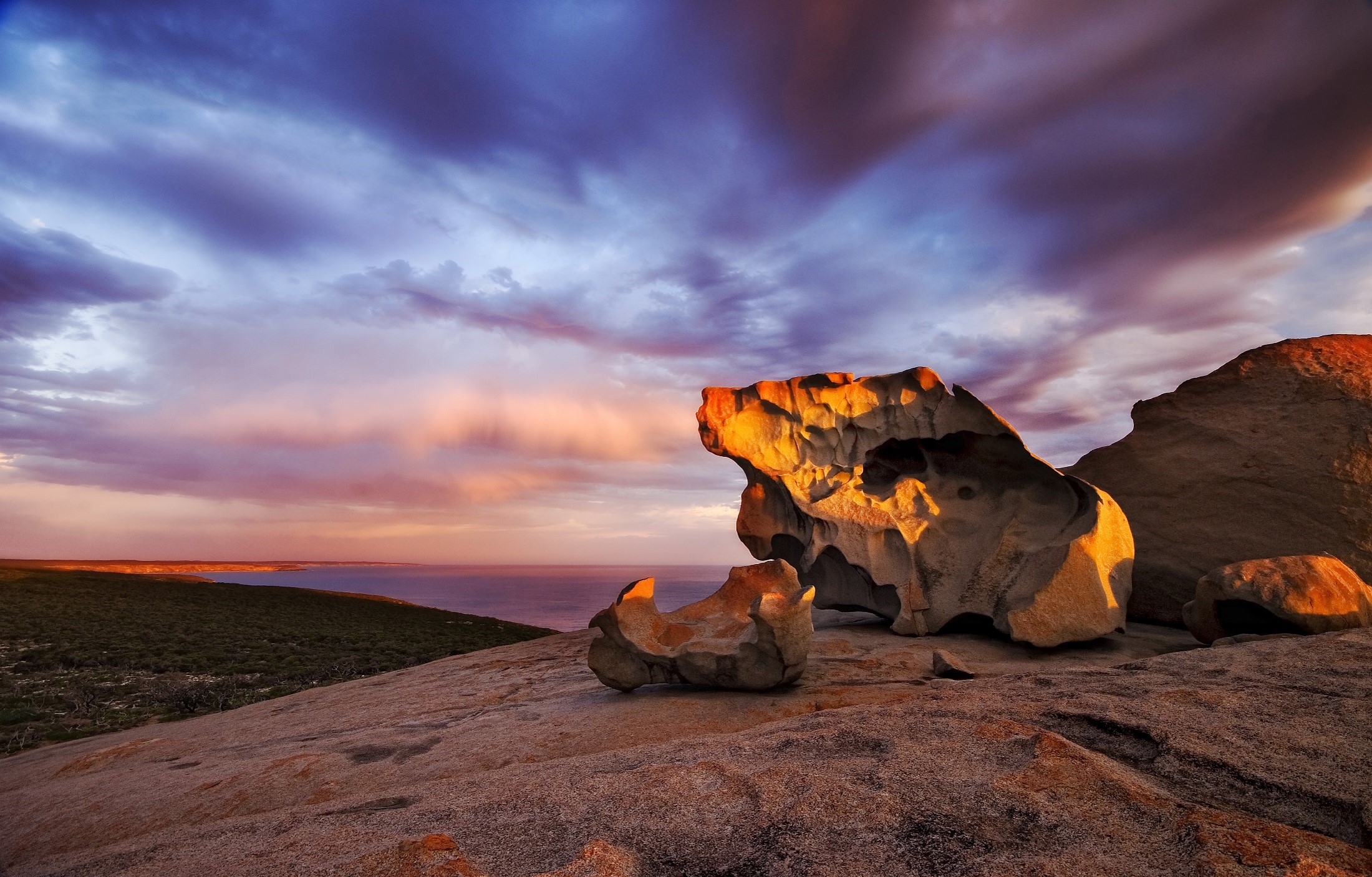
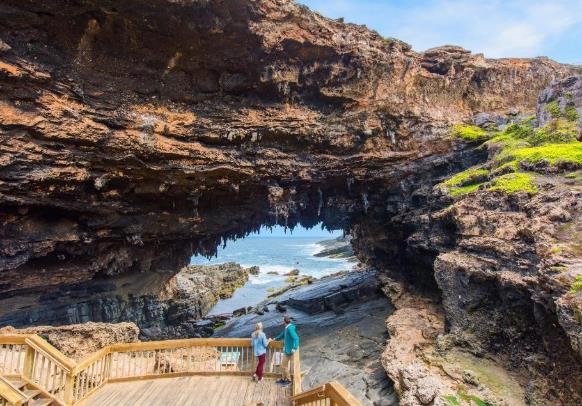
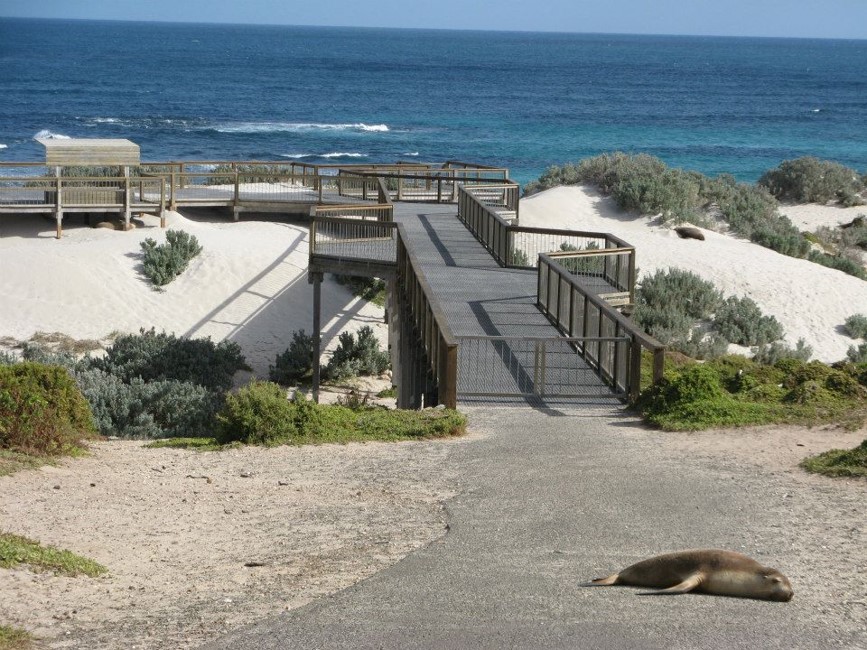
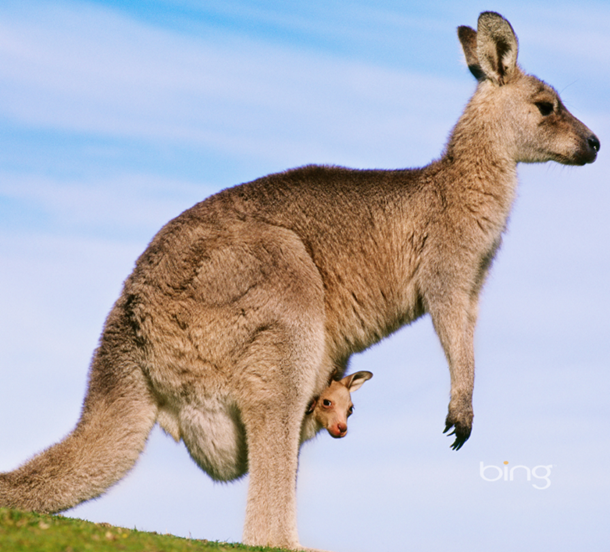
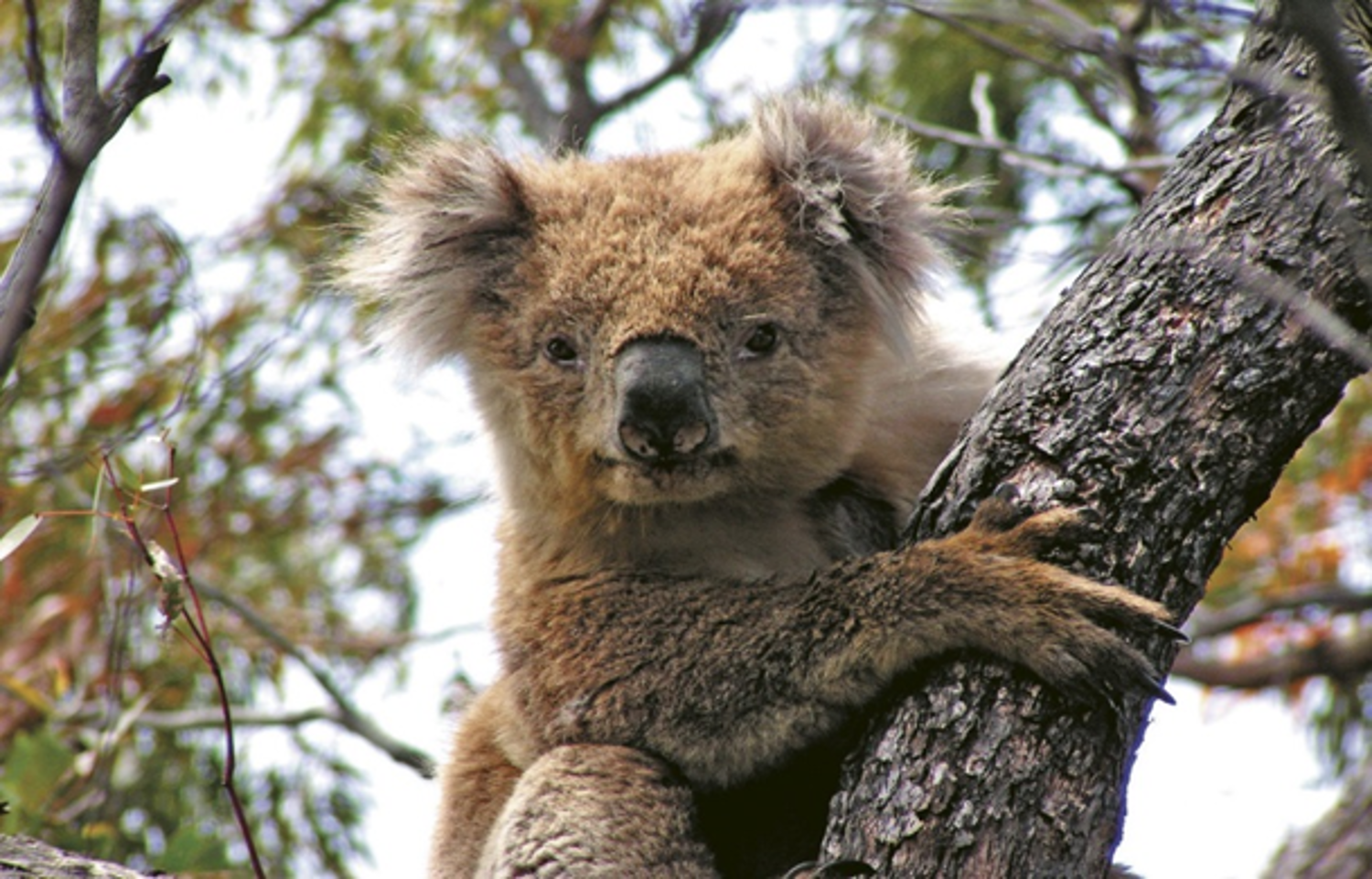
Kangaroo Island stretches off the southern coast of Australia, the continent's third-largest island and a genuine wildlife sanctuary, reached by ferry from Cape Jervis. Sea lions, koalas, echidnas and kangaroos roam freely across landscapes of dunes, eucalyptus forests, lagoons and wind-battered cliffs. Along the coast, the granite Remarkable Rocks, sculpted by time into surreal ochre shapes, and the natural span of Admirals Arch in Flinders Chase National Park rank among the island's most iconic sights. At Seal Bay you walk the beach among colonies of Australian sea lions, while the crystalline waters of Vivonne Bay and Stokes Bay invite swimming and snorkelling. Inland, fine local produce — Ligurian honey, cheeses, oysters and boutique wineries — makes Kangaroo Island as much a culinary destination as a natural one. An island where nature still sets the pace.
Auto
Giorno 3 — Kangaroo Island → Mt Gambier
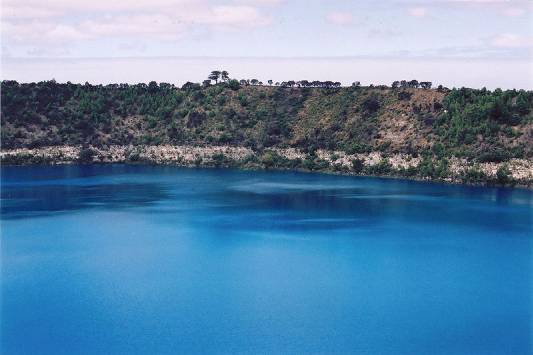
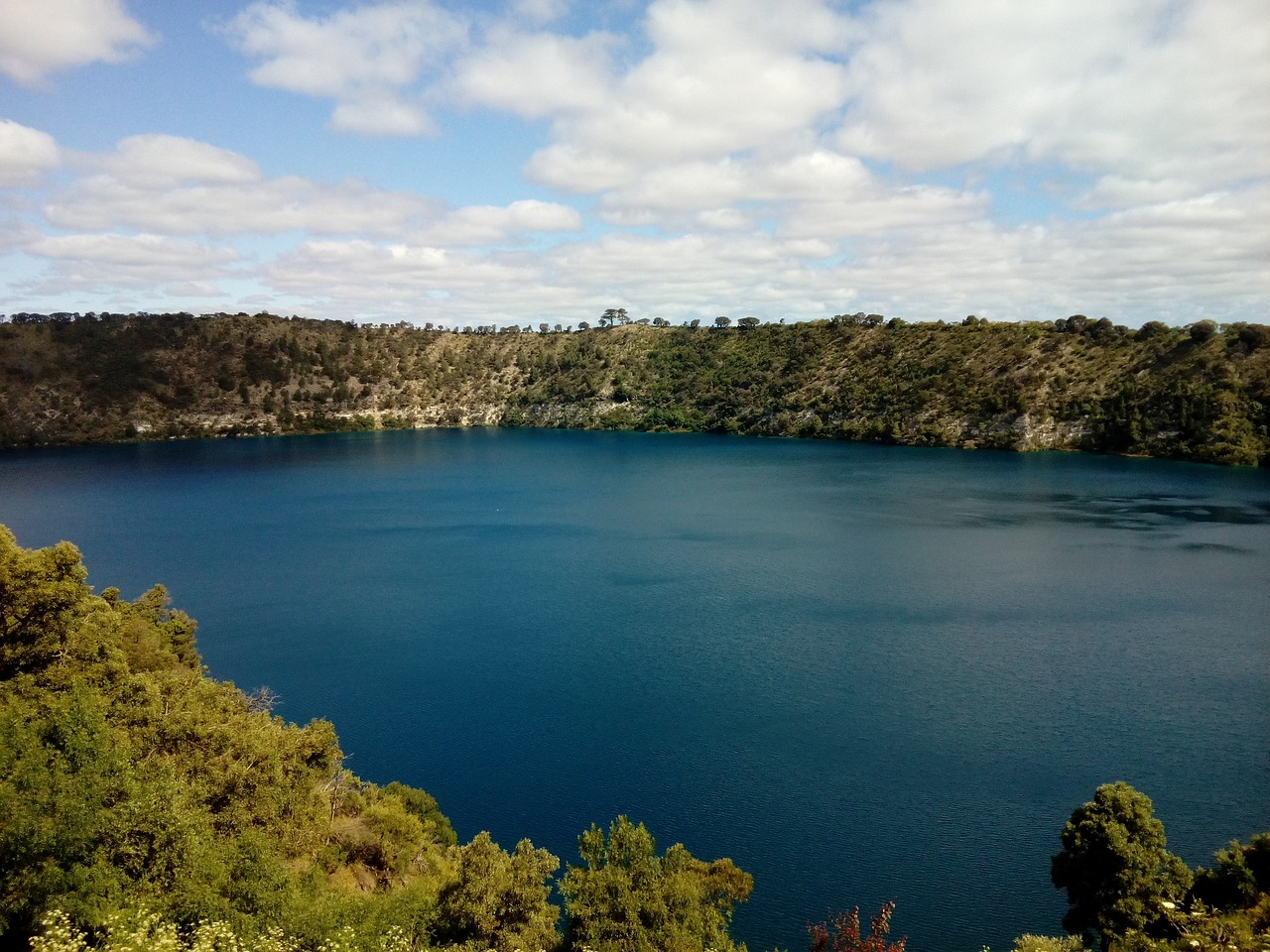
Long day of transfer to Mt Gambier. Departure in the early morning with the ferry to Cape Jervis. Arrival and continuation along the Fleurieu Peninsula and the Princess Highway to Mt Gambier. Arrival in the evening. (Approximately 550km / 7 hours + ferry). The gem of Mount Gambier is the Blue Lake, a lake formed from an ancient dormant crater, which is particularly vibrant blue in the summer months. Built on the slopes of an ancient dormant volcano, Mount Gambier is the main city of south-eastern South Australia, midway between Adelaide and Melbourne. Its emblem is the Blue Lake, a crater that turns an intense cobalt blue each summer before fading to grey in winter, one of the country's most striking natural phenomena. All around lies a landscape of volcanic lakes, sinkholes and underground caves such as the Umpherston Sinkhole, a sunken garden set within a collapsed cavern. The surrounding region blends forests, farmland and ocean-facing coast. Mount Gambier is an ideal stop on the journey between the two cities, for lovers of geology, nature and discoveries beyond the well-worn routes.
Auto
Giorno 4 — Mt Gambier → Apollo Bay
A day dedicated to discovering one of the most beautiful scenic roads in the world: the Great Ocean Road. Continuing through Port Fairy and the spectacular Port Campbell National Park. Arrival in Apollo Bay in the evening. (Approximately 350km / 5 hours).
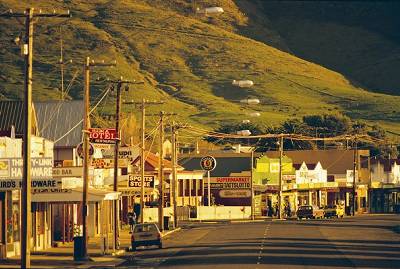
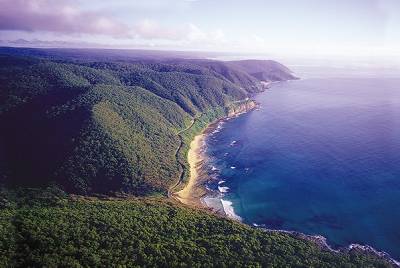
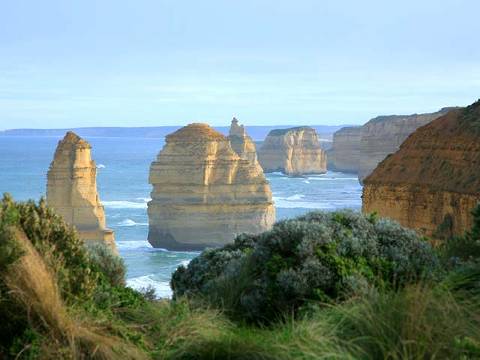
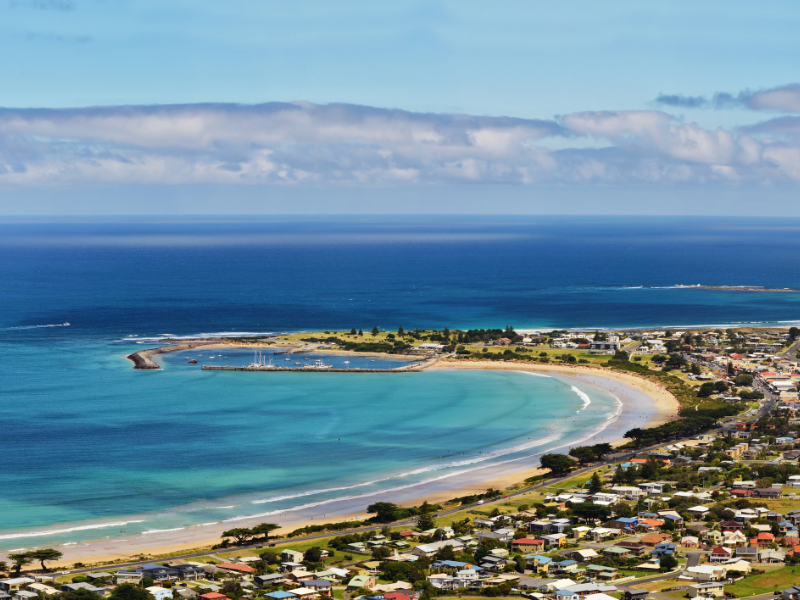
The Great Ocean Road was built in the first half of the twentieth century, it is 285 km long and runs along a spectacular stretch of coastline, particularly in the Shipwreck Coast, marked by the impressive rock formations known as the "Twelve Apostles", once less nobly called "The Sow and Piglets". Descend into the cave where the only two survivors of the most dramatic shipwreck along the coast of the state of Victoria sought shelter, the wreck of the ship Loch Ard towards the end of the 1800s. Continue on to the remains of the London Bridge and the Grotto. Along this route, you also venture into the beautiful rainforest of the Great Otway National Park, with towering trees, tree ferns, waterfalls, and lakes. Apollo Bay stretches along a crescent-shaped bay on the Great Ocean Road, where the green hills of the Otway Ranges meet the waters of the Southern Ocean. Once a whaling village, today it is a laid-back seaside town beloved for its broad beaches, working fishing harbour and cuisine built around fresh fish and shellfish. Behind it opens the Great Otway National Park, a realm of temperate rainforest, hidden waterfalls and ancient tree ferns, threaded with trails such as the one leading to Triplet Falls. The surrounding coast is ideal for spotting wild koalas among the eucalypts and, in the winter months, migrating whales. Apollo Bay is a serene stop where nature and sea blend together.
, Australia_20260515150139.png)
_20260515141514.png)
_20260515141514.png)
, Australia (2)_20260515150139.png)