Giorno 2 — Anchorage → Denali
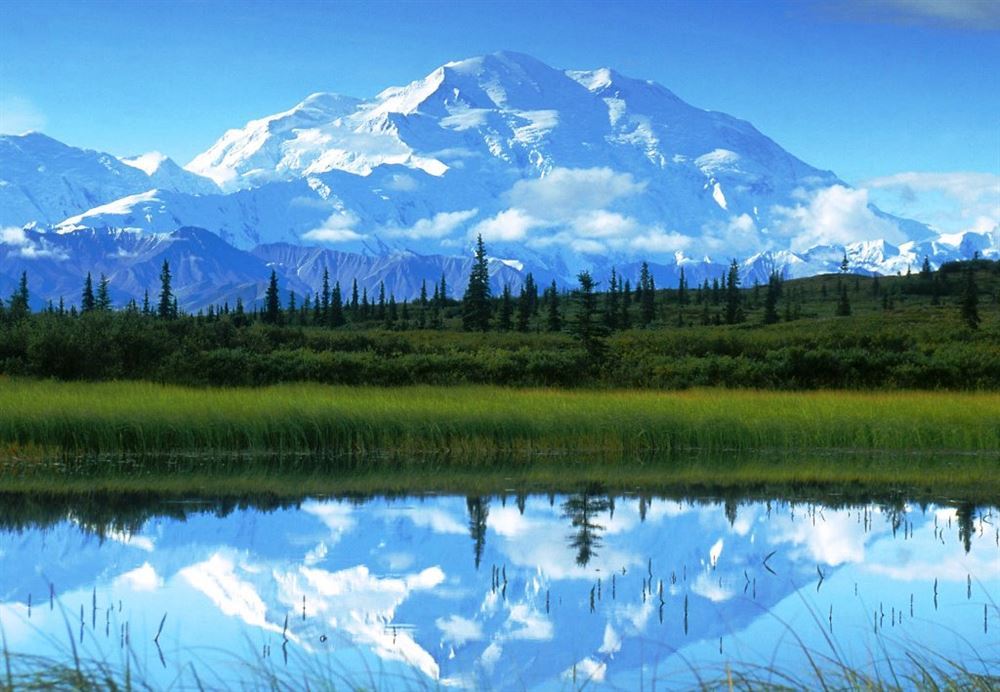
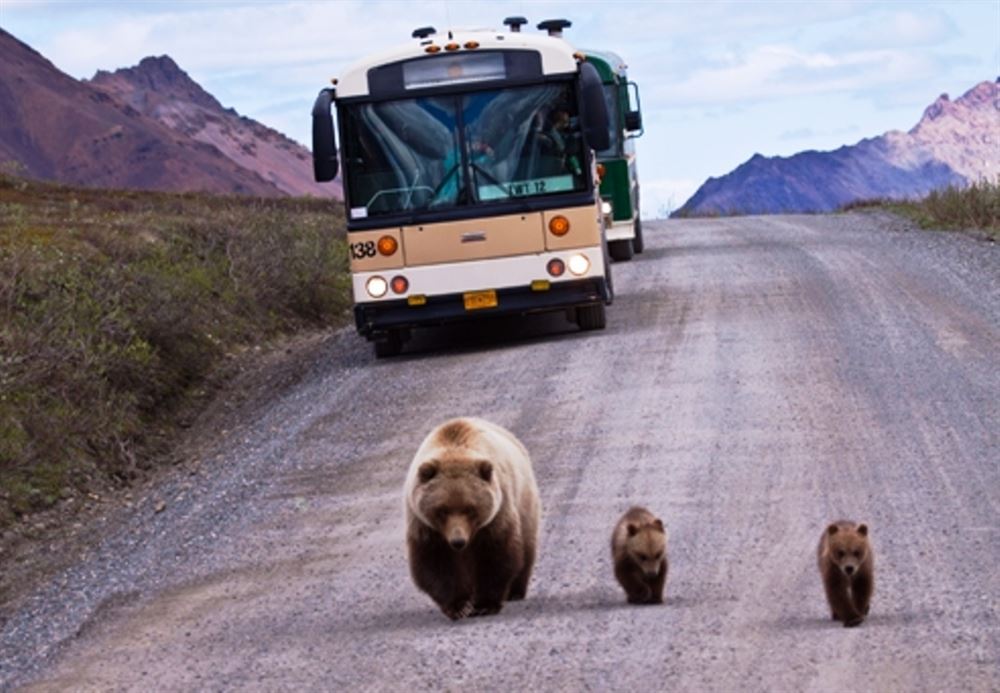
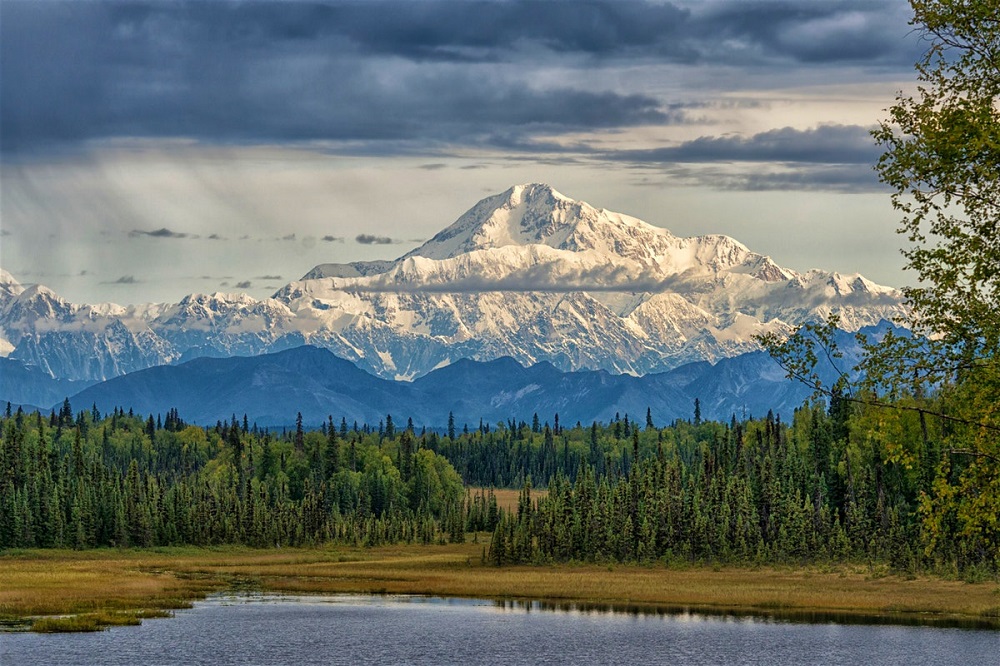
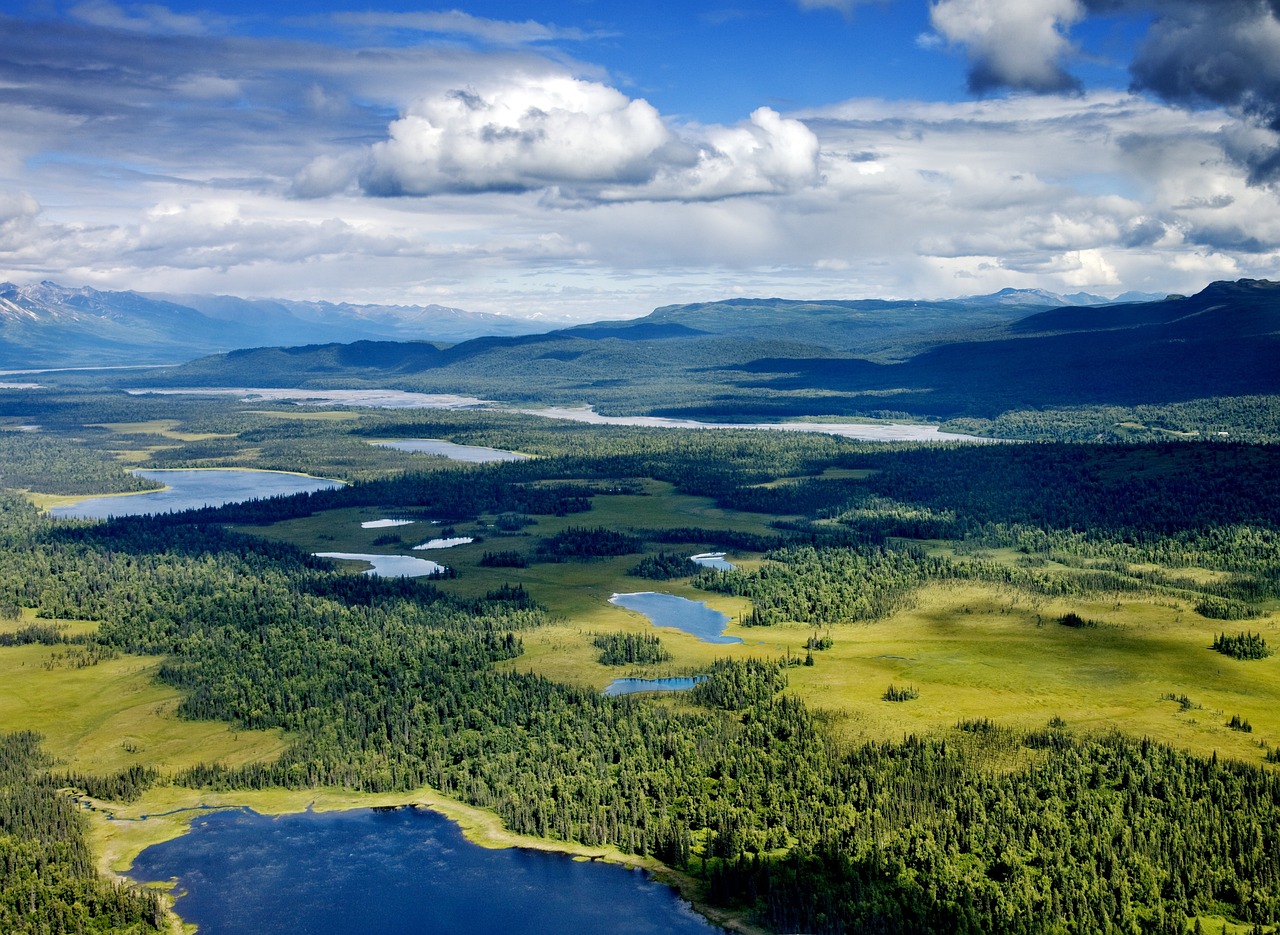
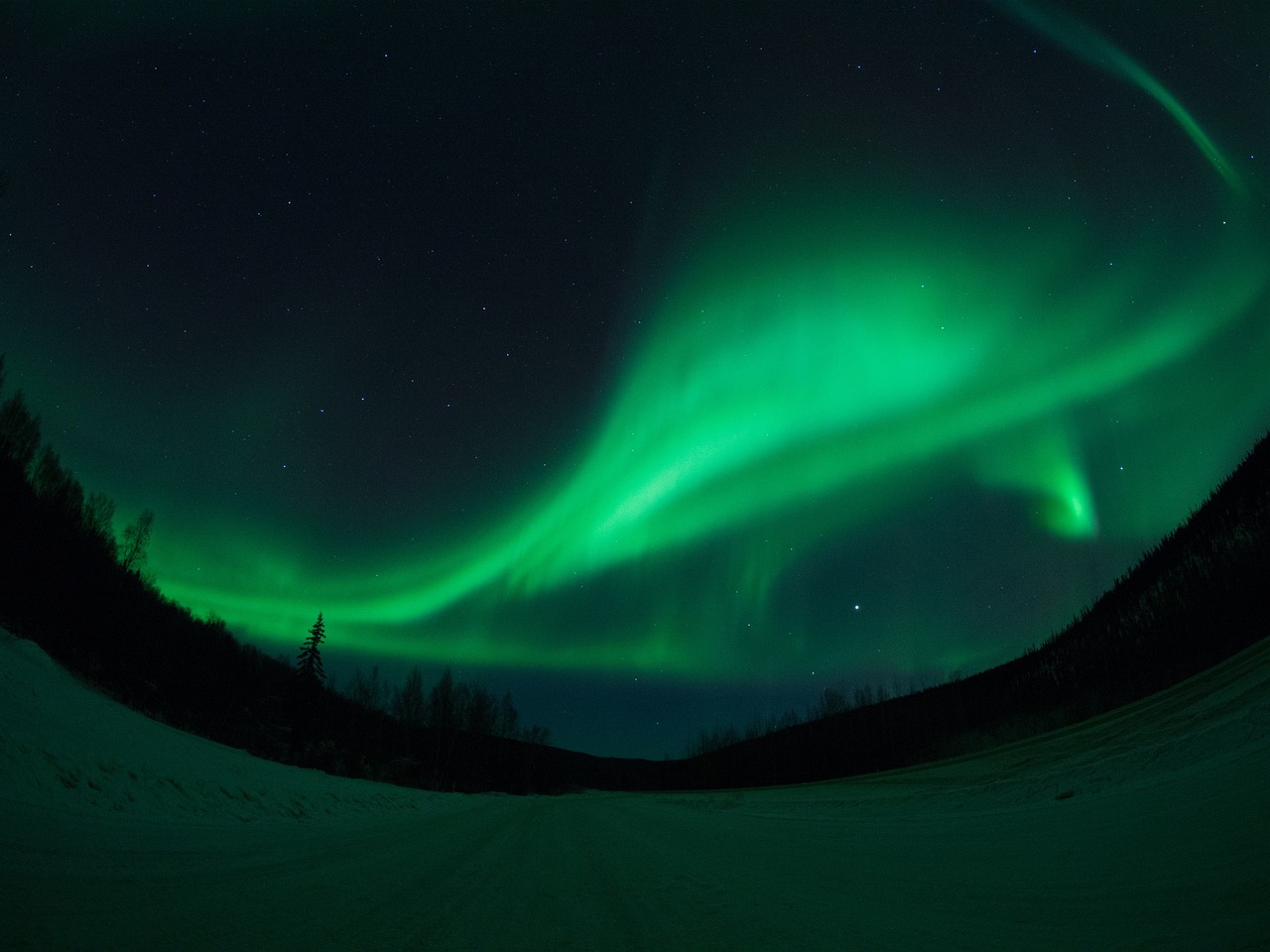
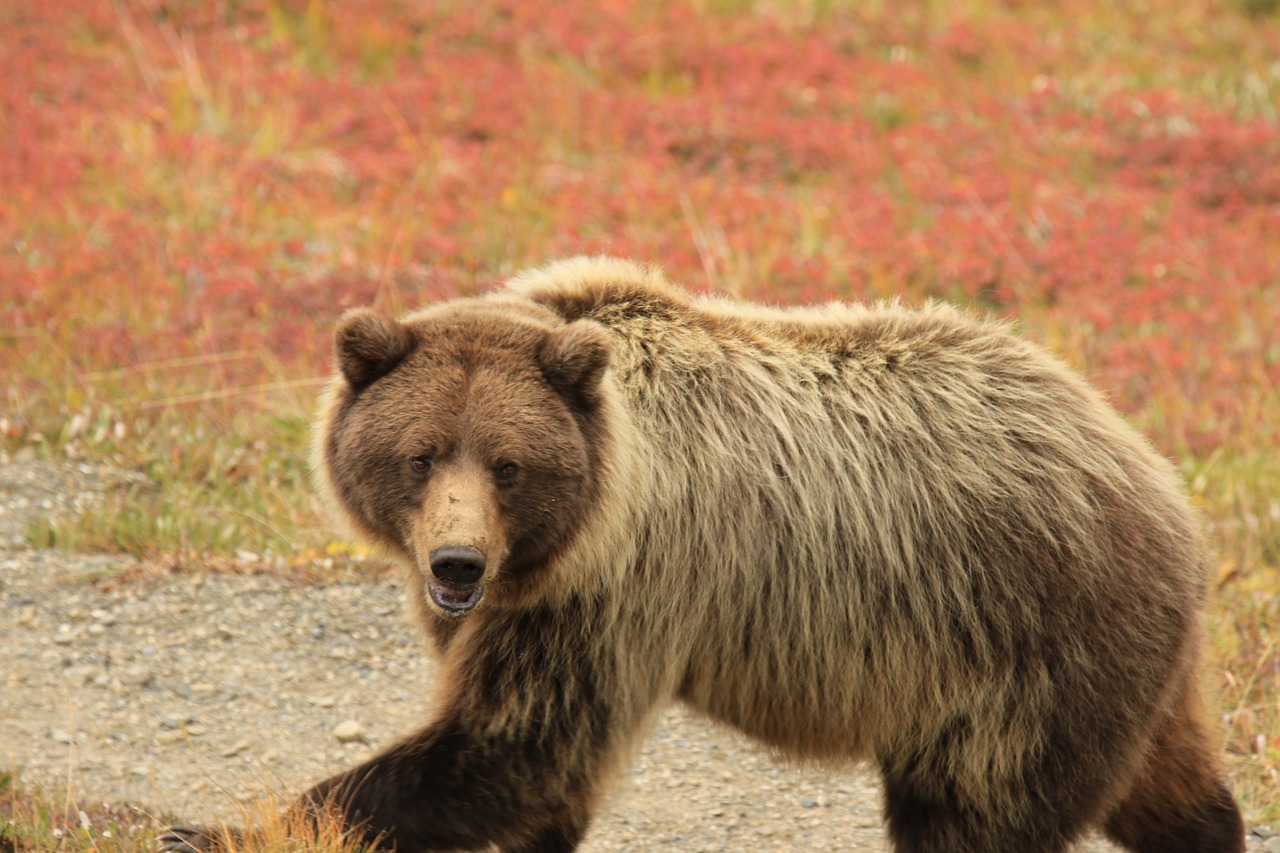
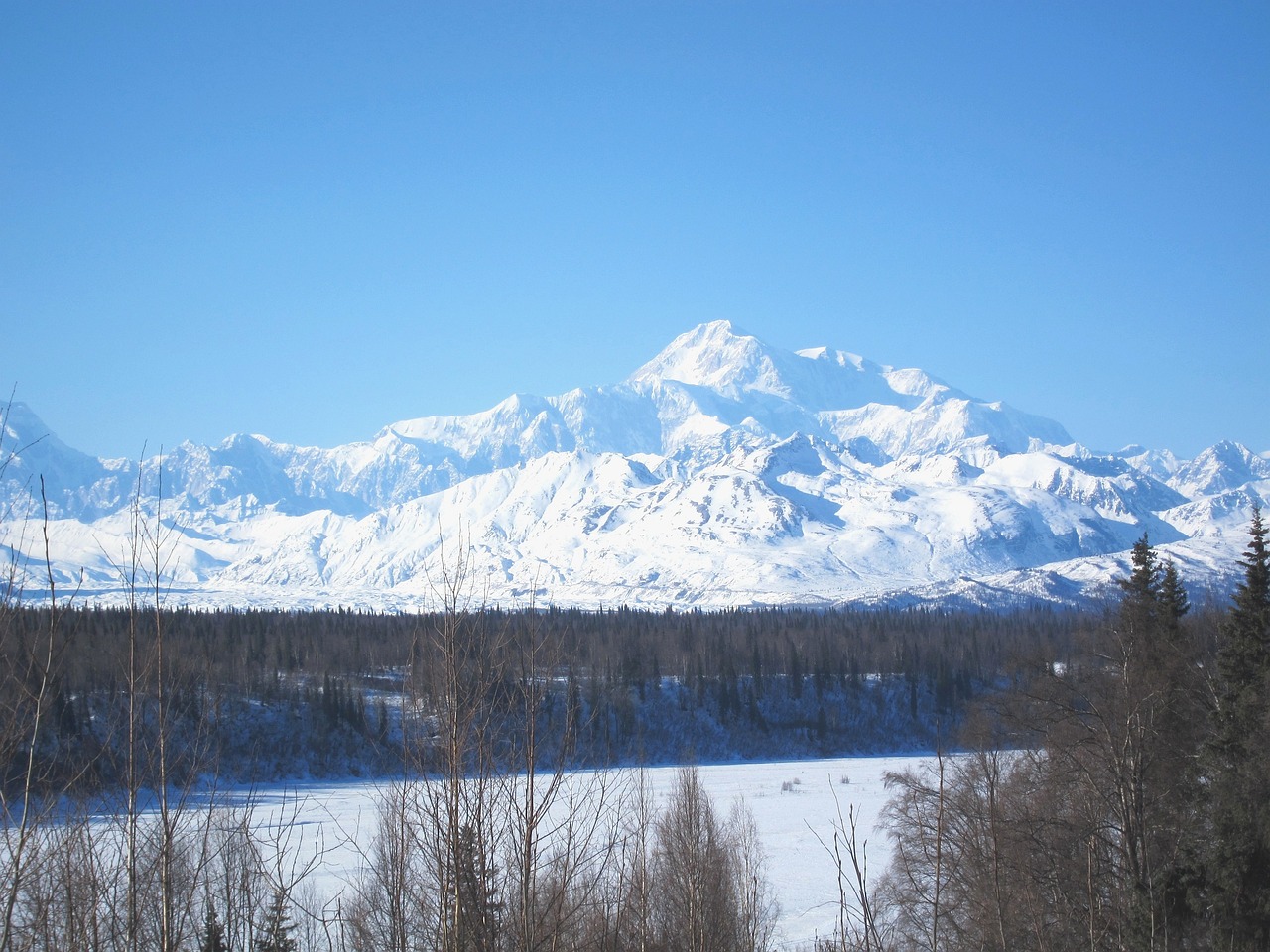
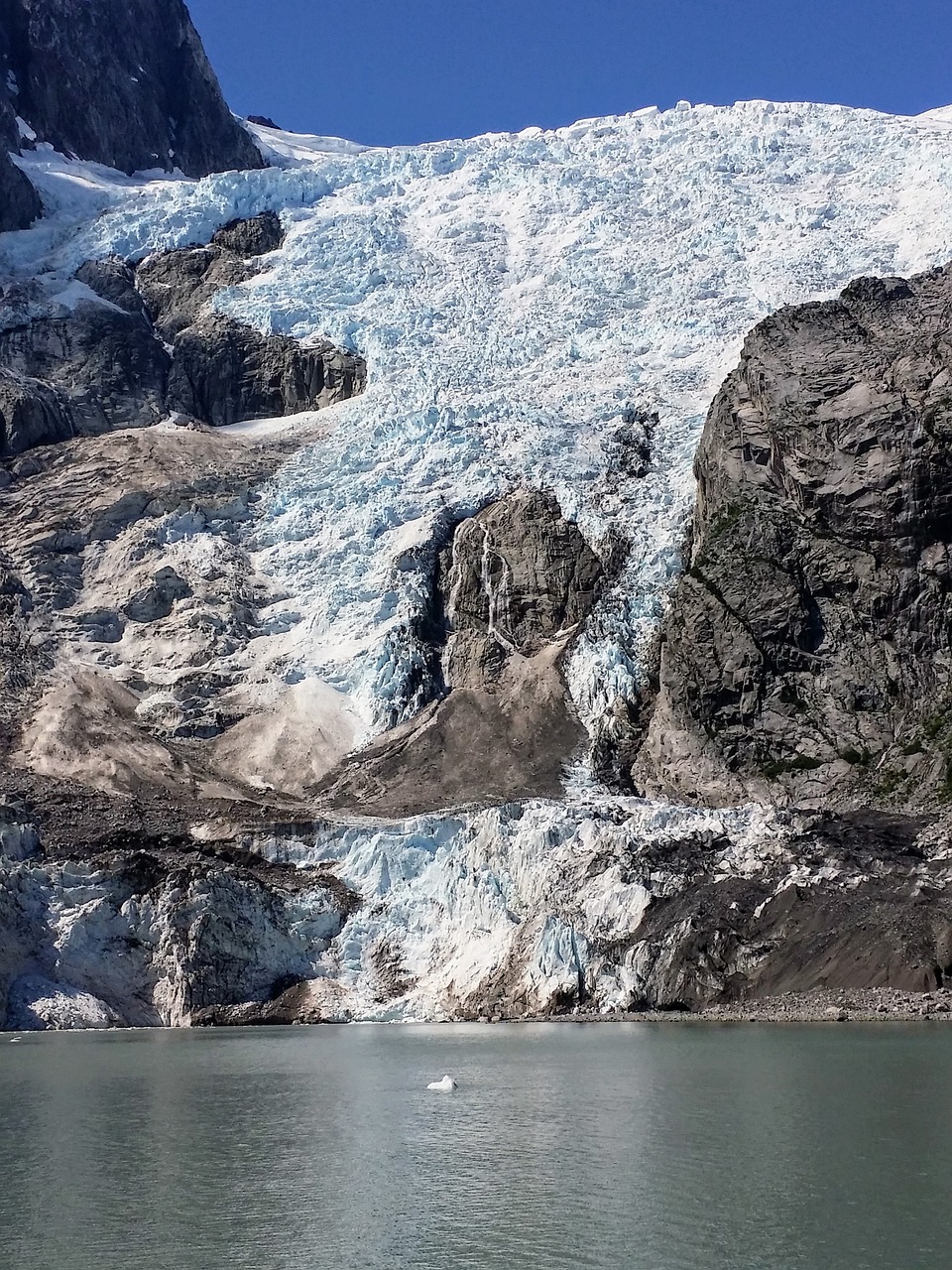
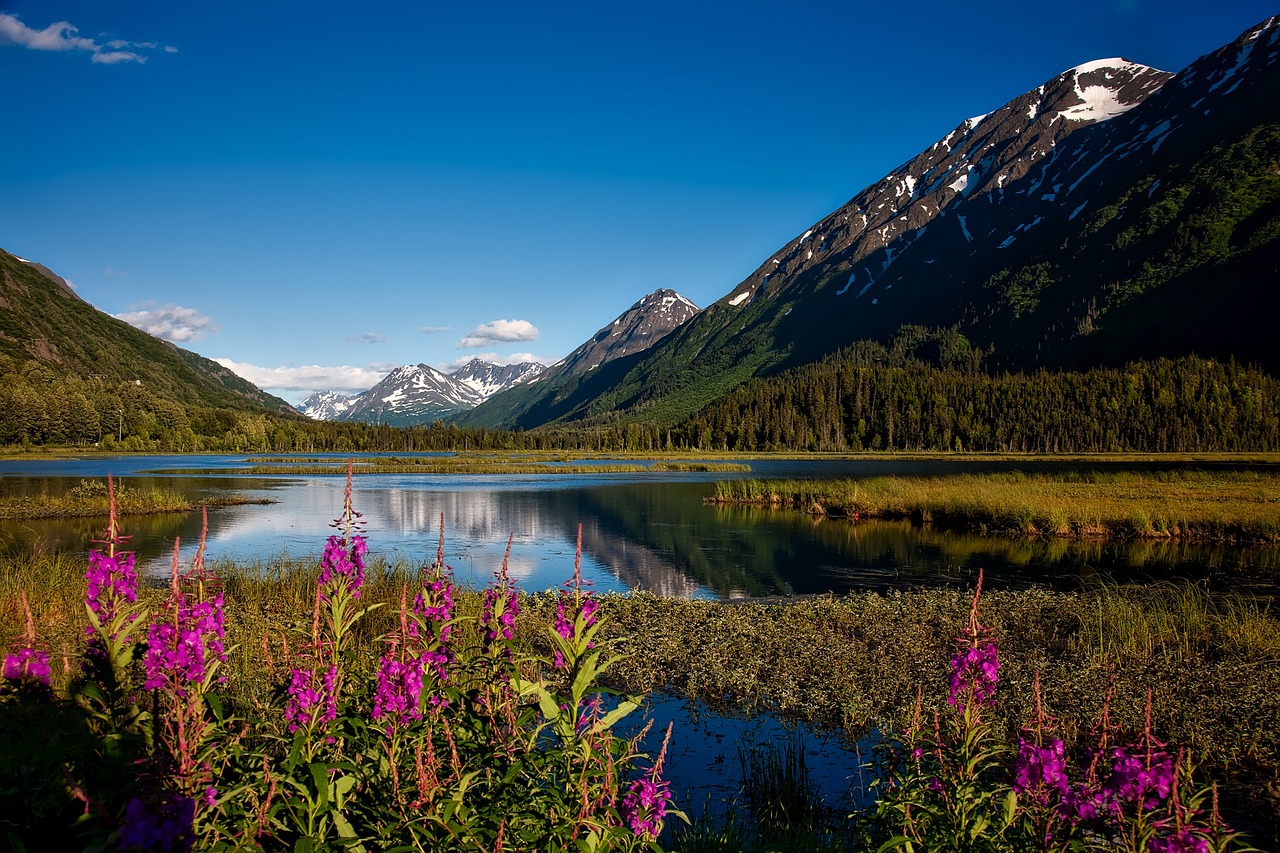
The journey from Anchorage to Denali National Park follows the scenic Parks Highway (Alaska Route 3) and covers approximately 240 miles (about 380 km). Travel time is usually 4 to 5 hours, depending on traffic and weather conditions. The road is fully paved and well maintained, offering classic Alaskan landscapes such as vast boreal forests, river valleys, open tundra, and mountain ranges. Along the way, you pass small towns including Wasilla, Willow, and Cantwell, and on clear days you may catch your first glimpse of Mount Denali, North America’s highest peak. There are several scenic viewpoints and frequent opportunities to spot wildlife, particularly moose, especially in the early morning or evening hours. This route is considered one of Alaska’s most beautiful drives and is an integral part of the overall travel experience rather than just a transfer. Denali immediately conjures the image of Alaska's wilderness, dominated by the mountain of the same name which, at 6,190 metres, is the highest peak in North America. Denali National Park and Preserve protects a vast expanse of tundra, forests, glacial rivers and mountain ranges, home to grizzly bears, moose, caribou, wolves and Dall sheep. A single road runs through the heart of the park, and shuttle buses allow visitors to venture deep into the landscape, spotting wildlife in its natural habitat. Adventure seekers can enjoy hiking, scenic flights over the glaciers, white-water rafting and guided excursions, while on clear northern nights it is sometimes possible to admire the northern lights. An unmissable stop on any journey through the Far North, Denali offers an authentic and majestic encounter with untamed nature.