Giorno 4 — Guimaraes → Douro Valley
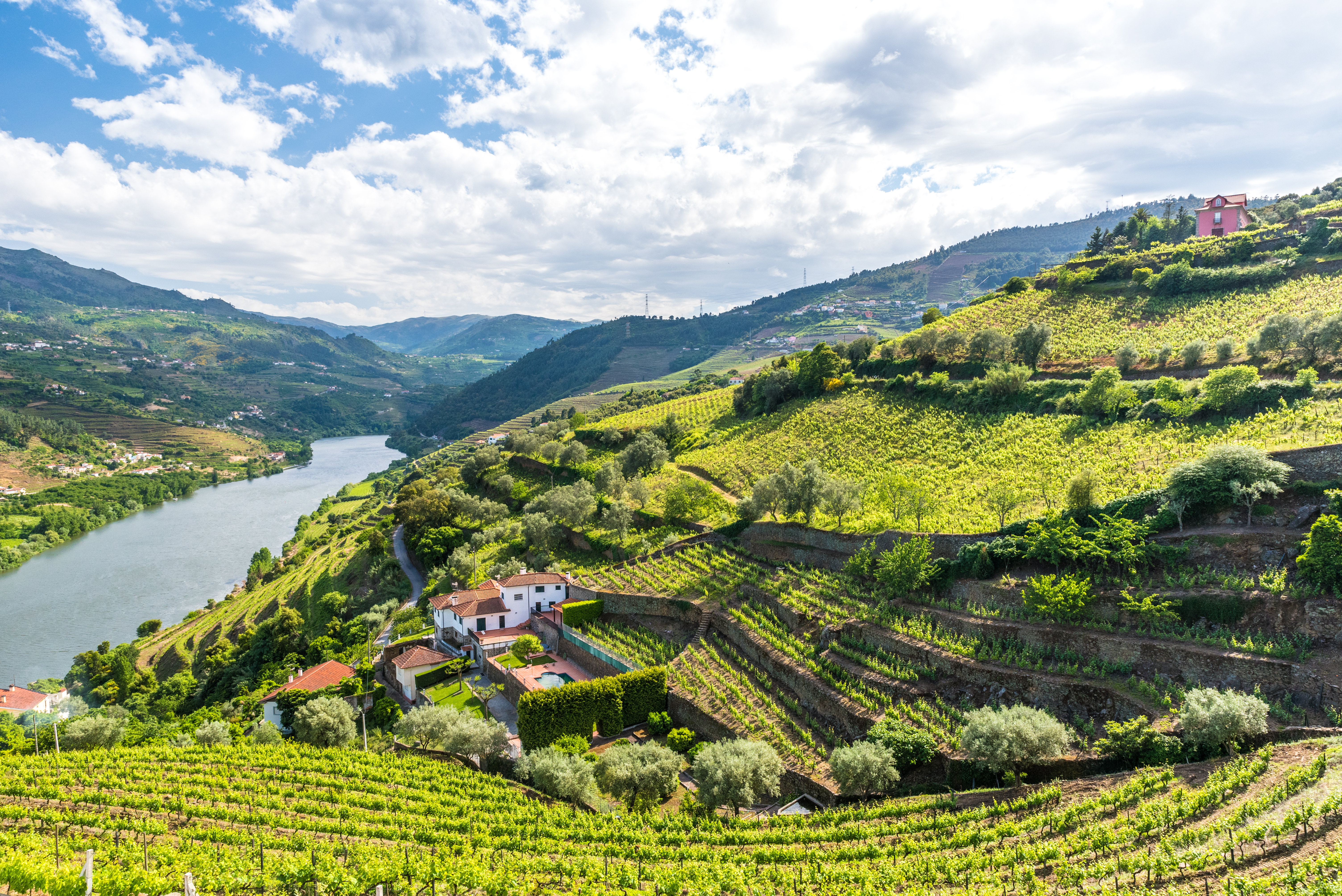
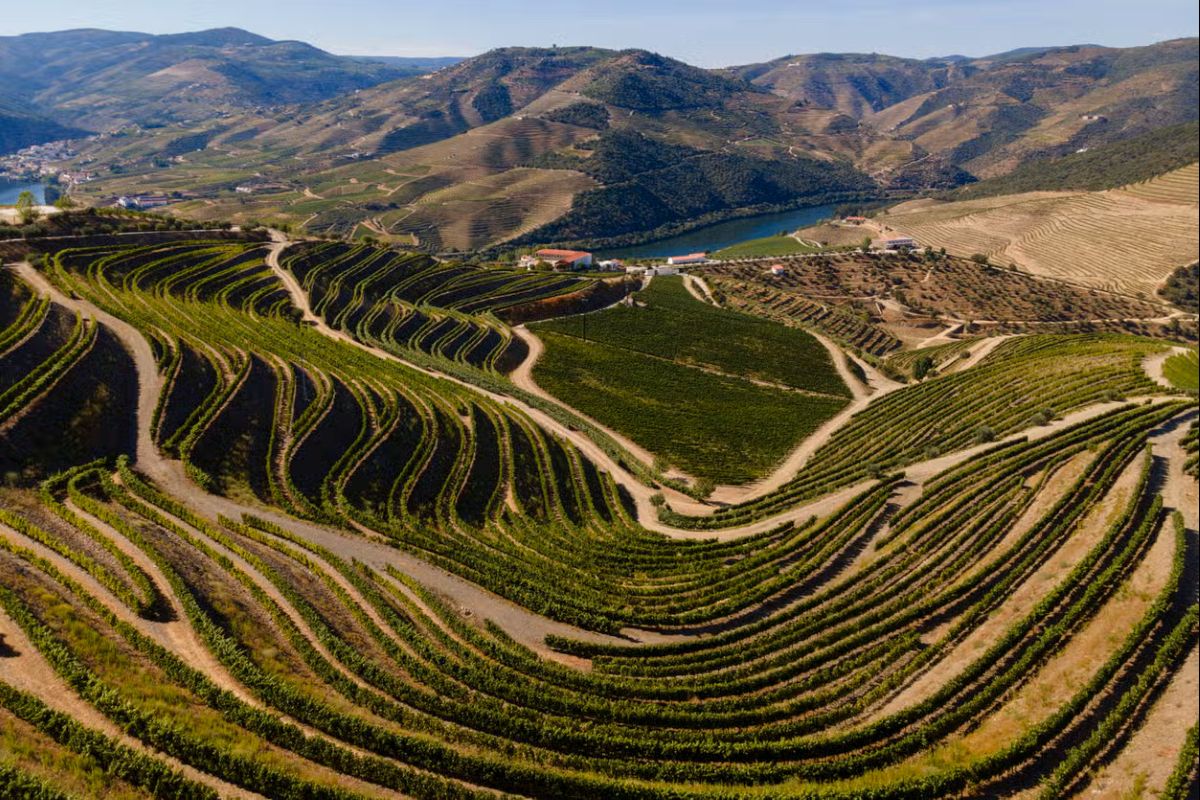
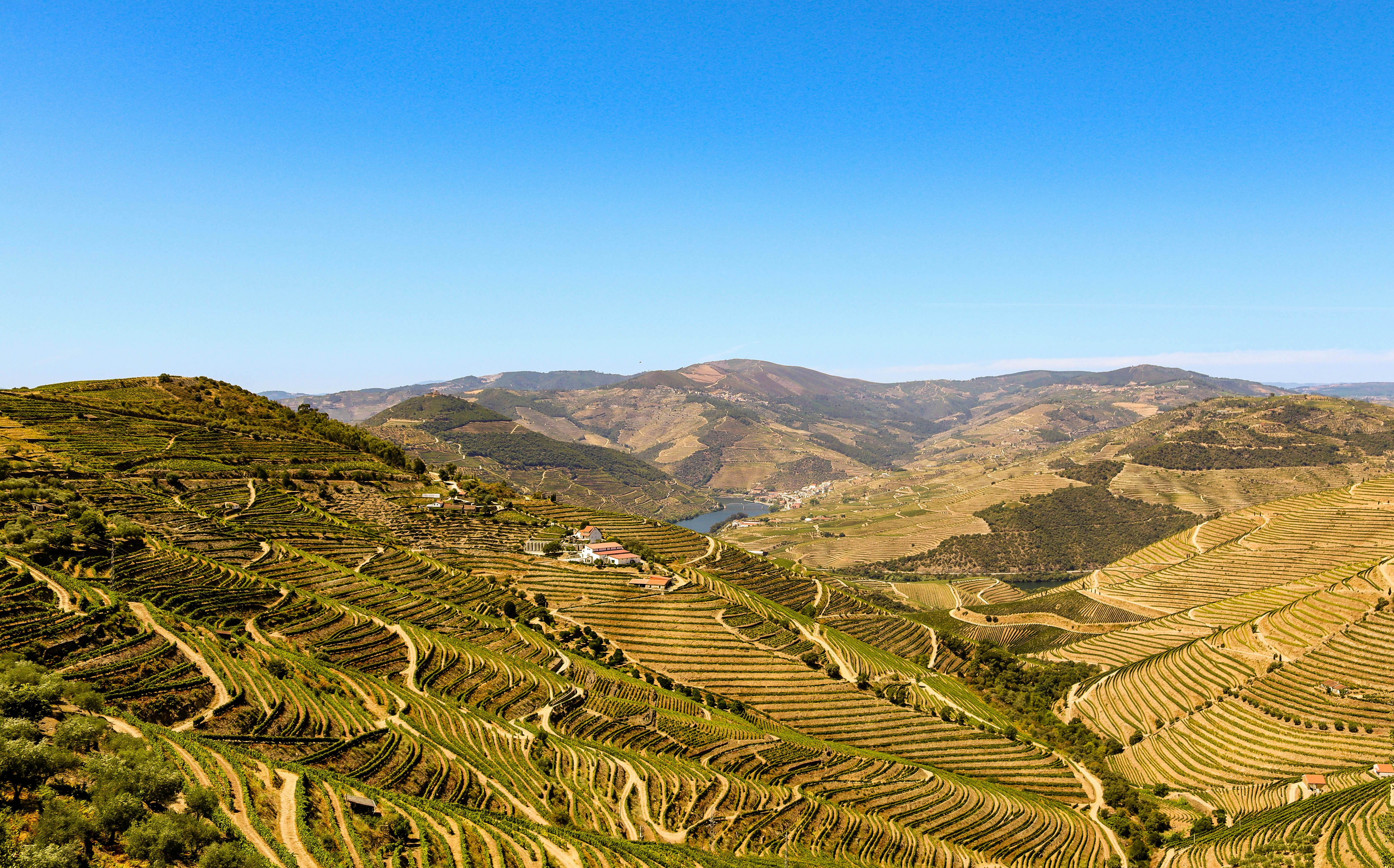
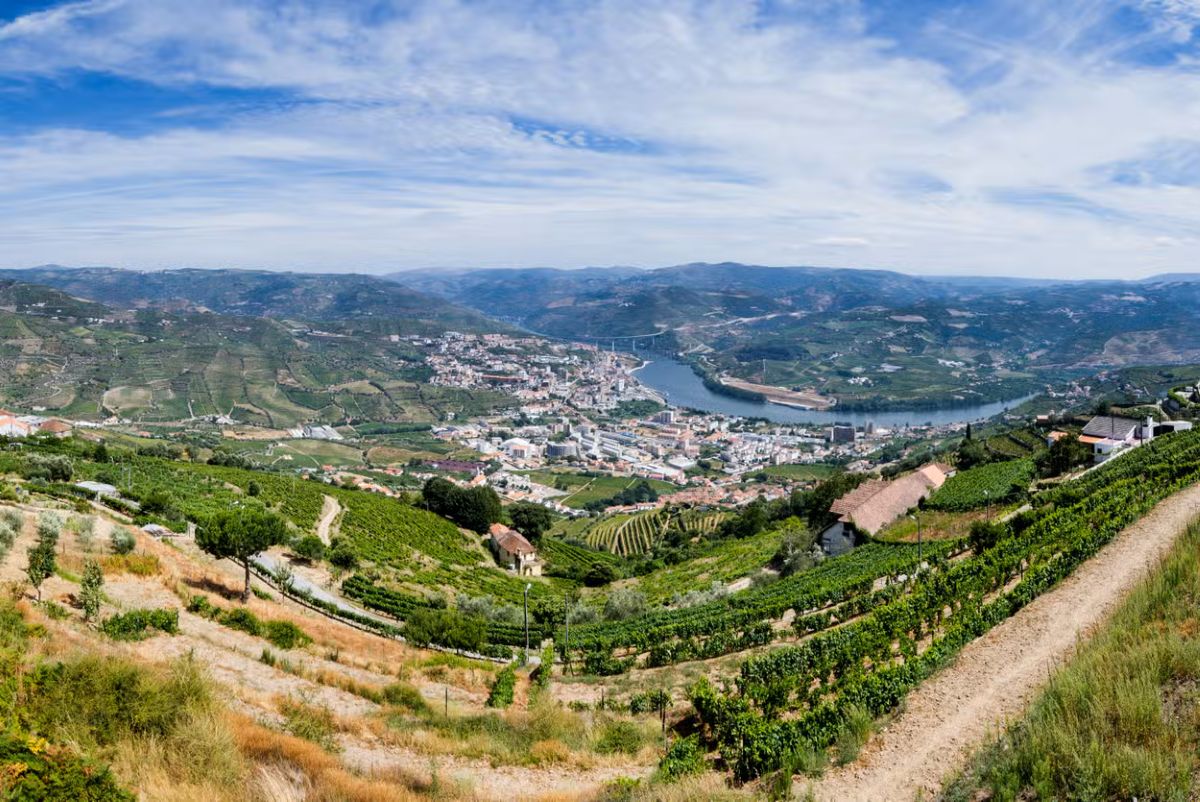
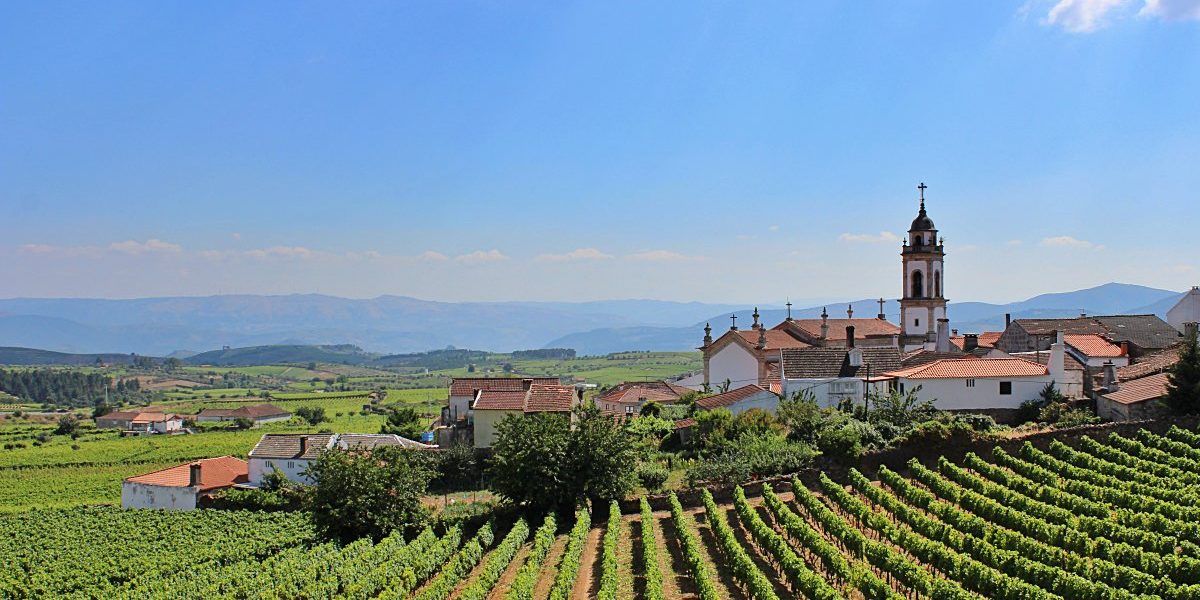
The Douro Valley is one of Portugal’s most iconic landscapes, where the river carves a natural corridor between terraced vineyards, steep hills, and historic villages. A UNESCO World Heritage Site, it is also one of the world’s oldest wine regions, renowned for Port wine and Douro wines. Shaped over centuries by nature and human work, the landscape extends along the river from Porto to the eastern border with Spain.
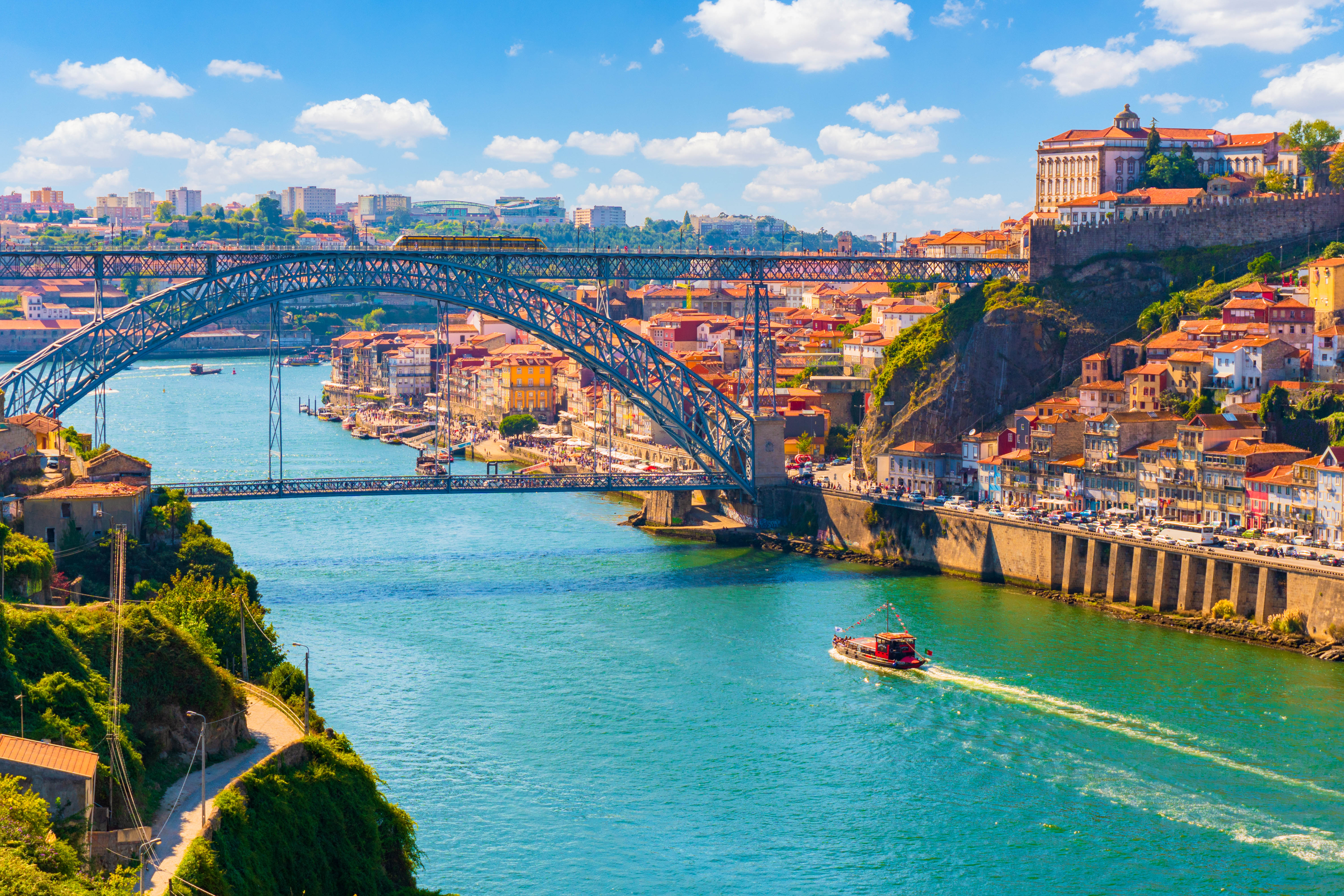
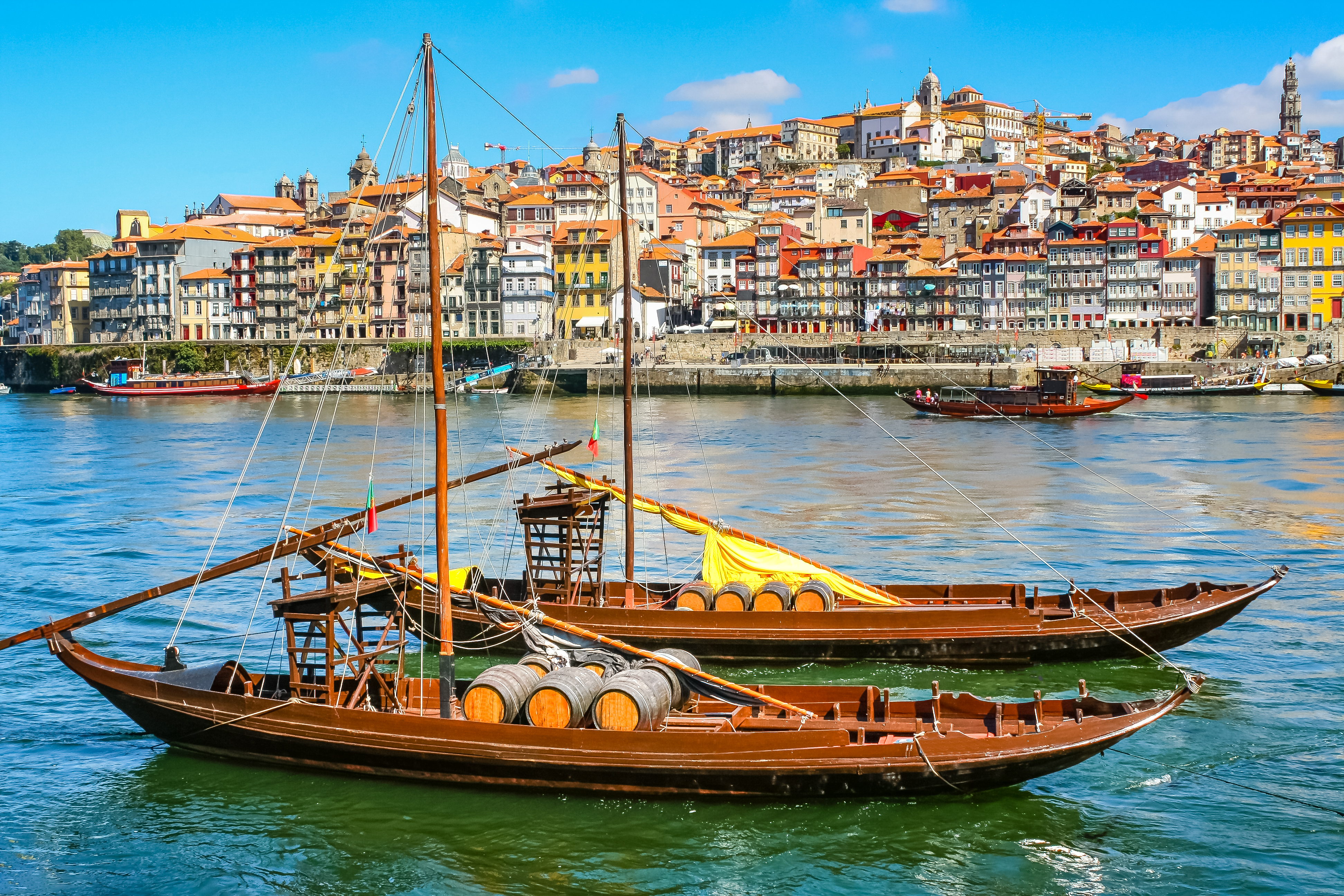
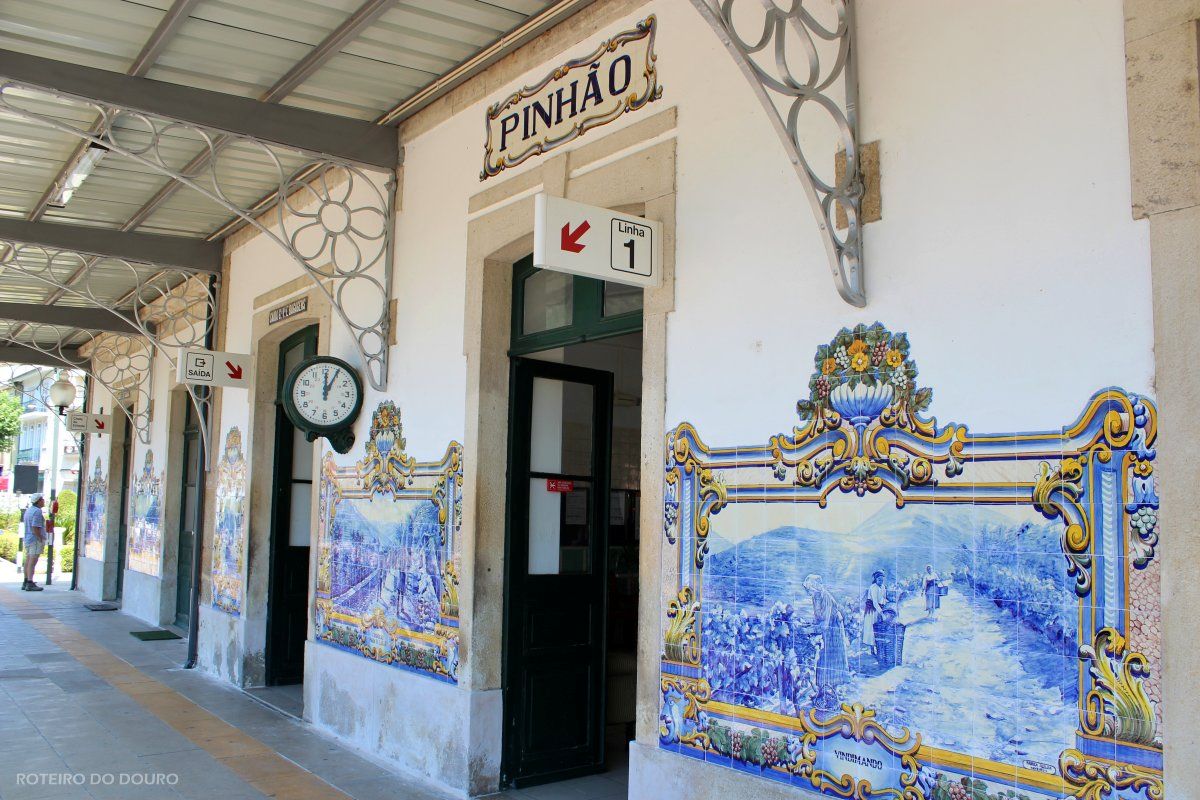
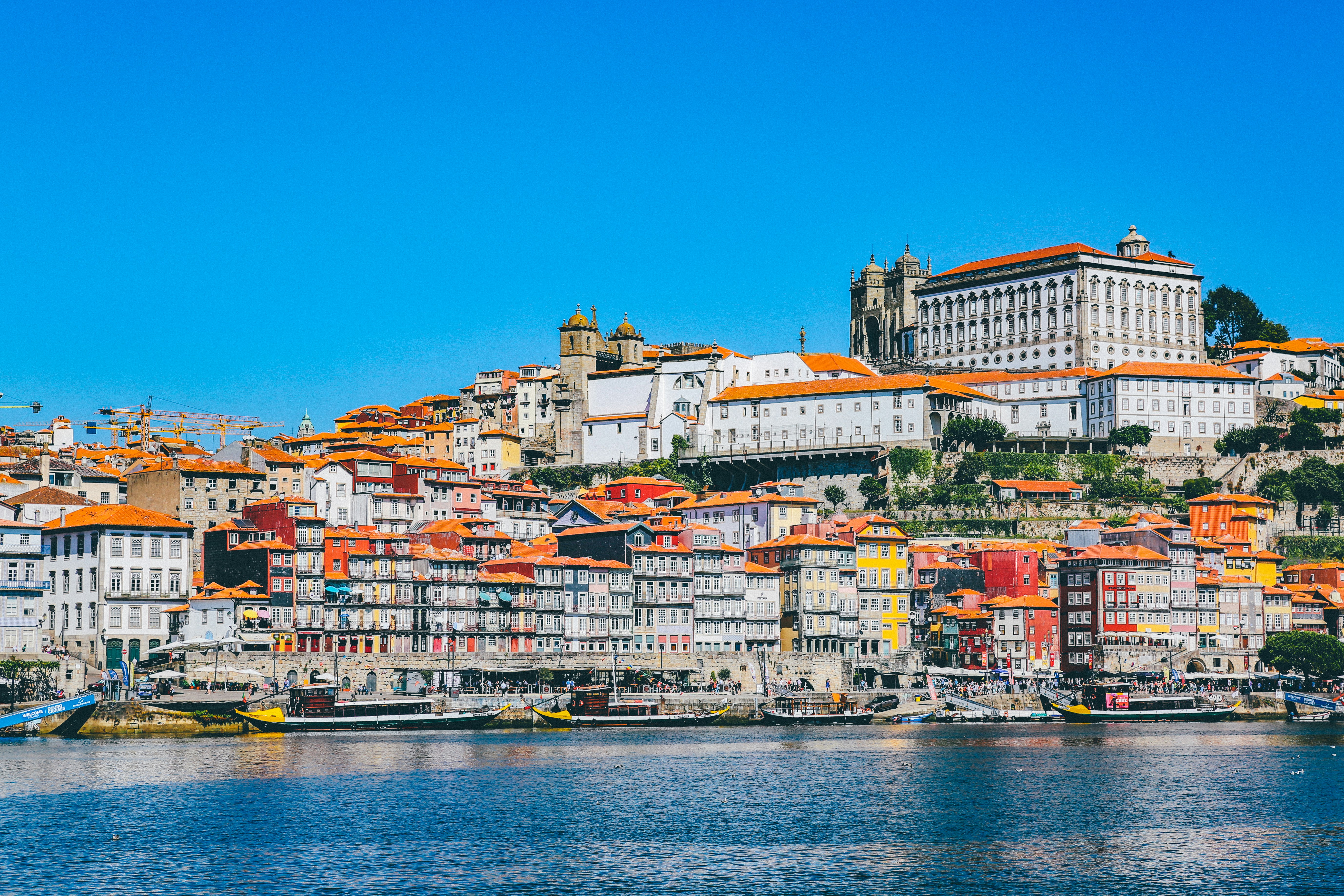
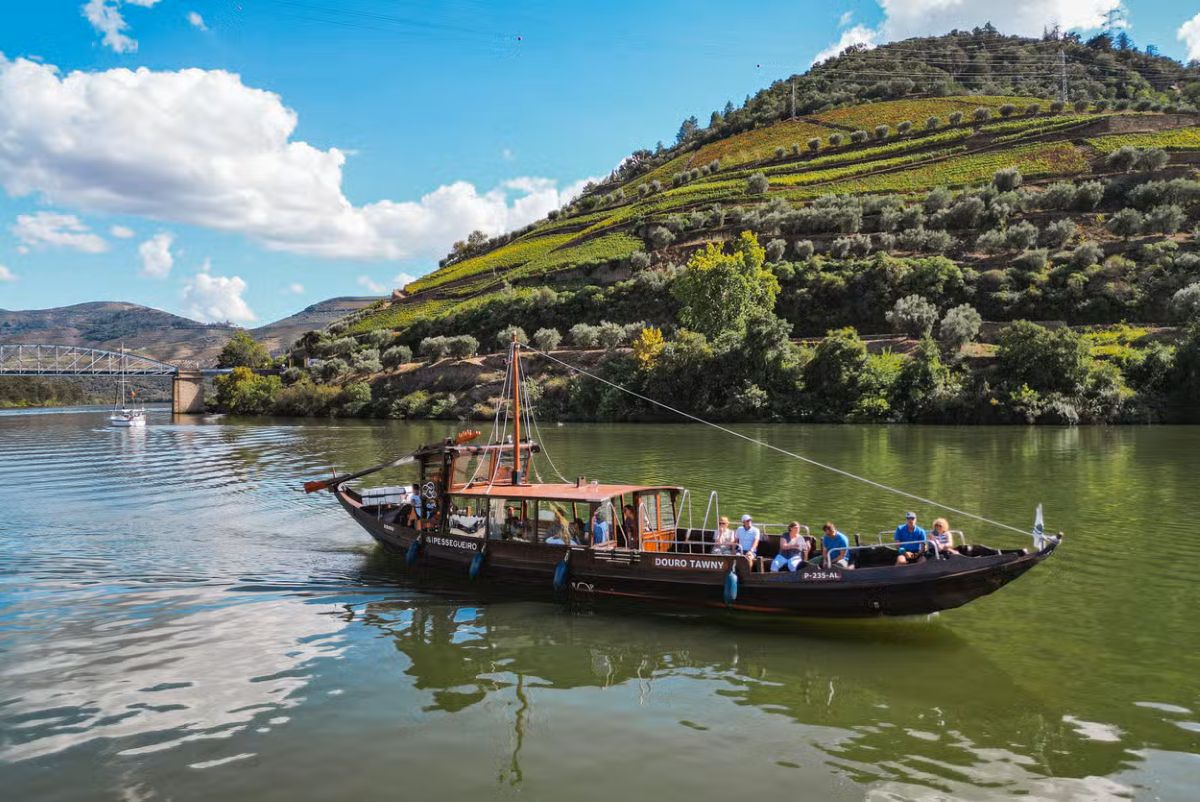
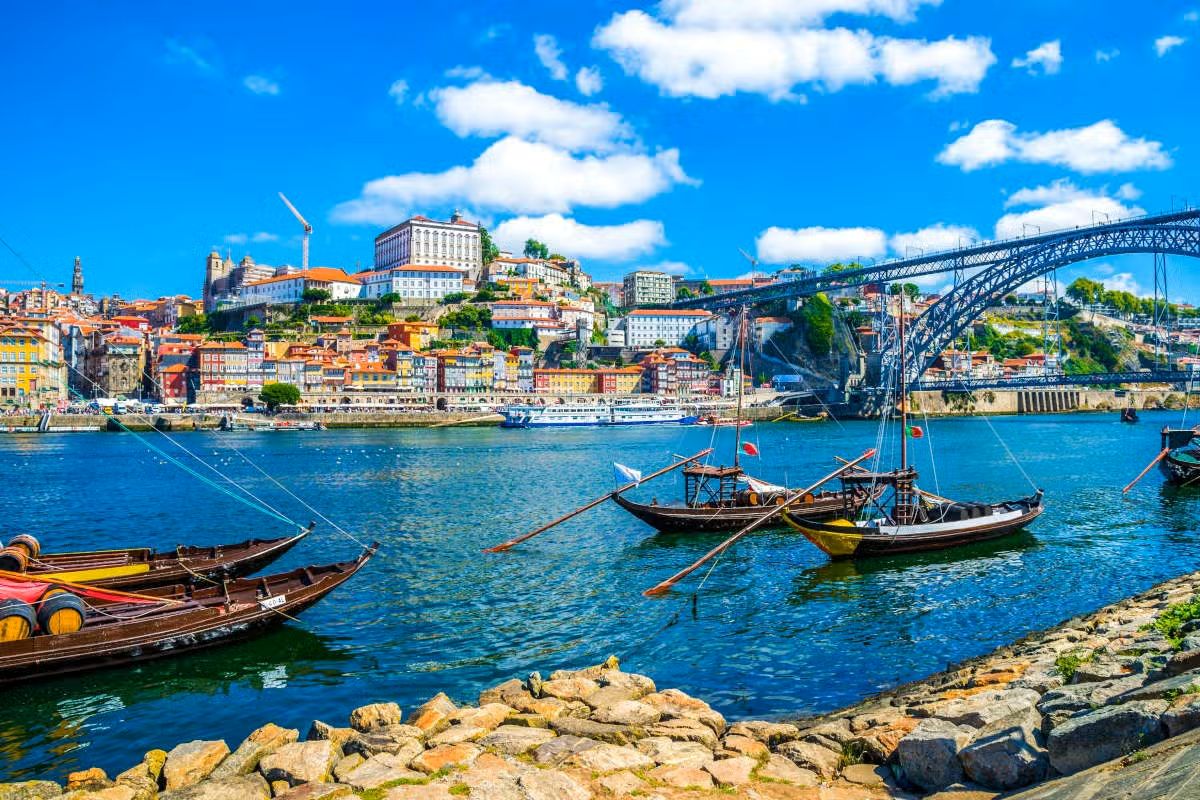
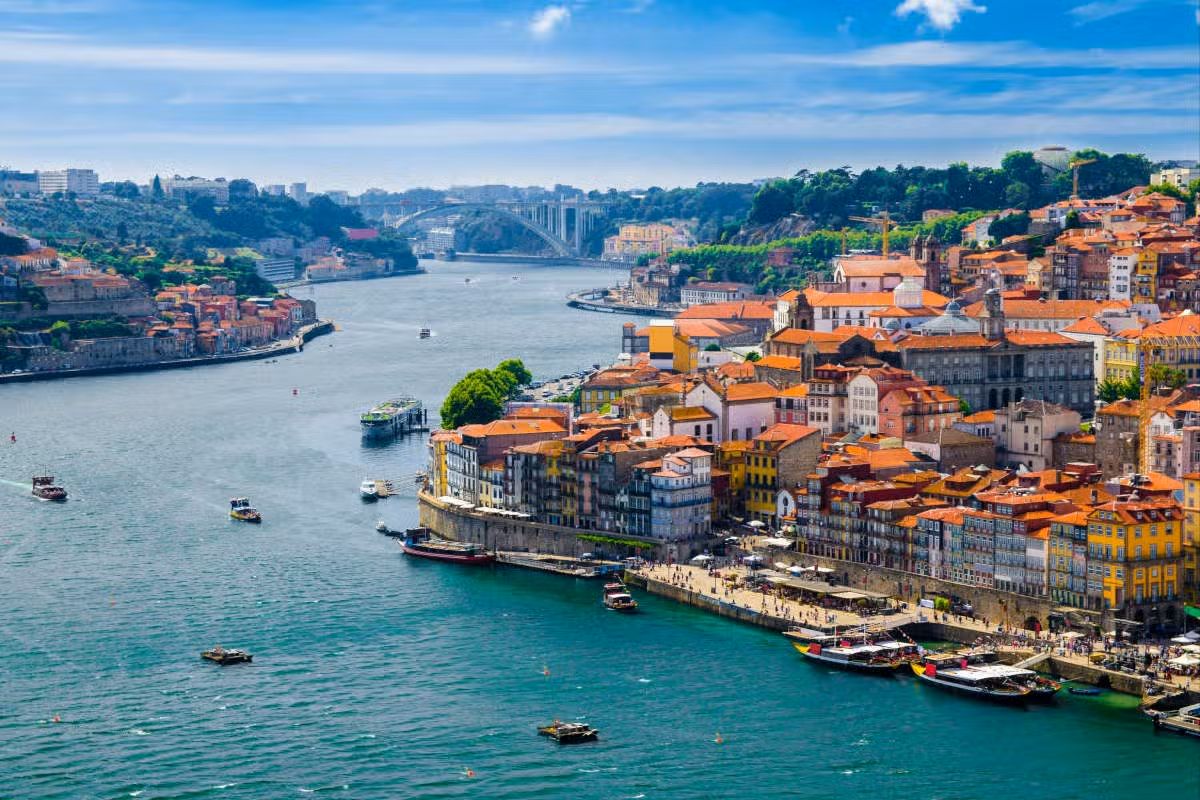
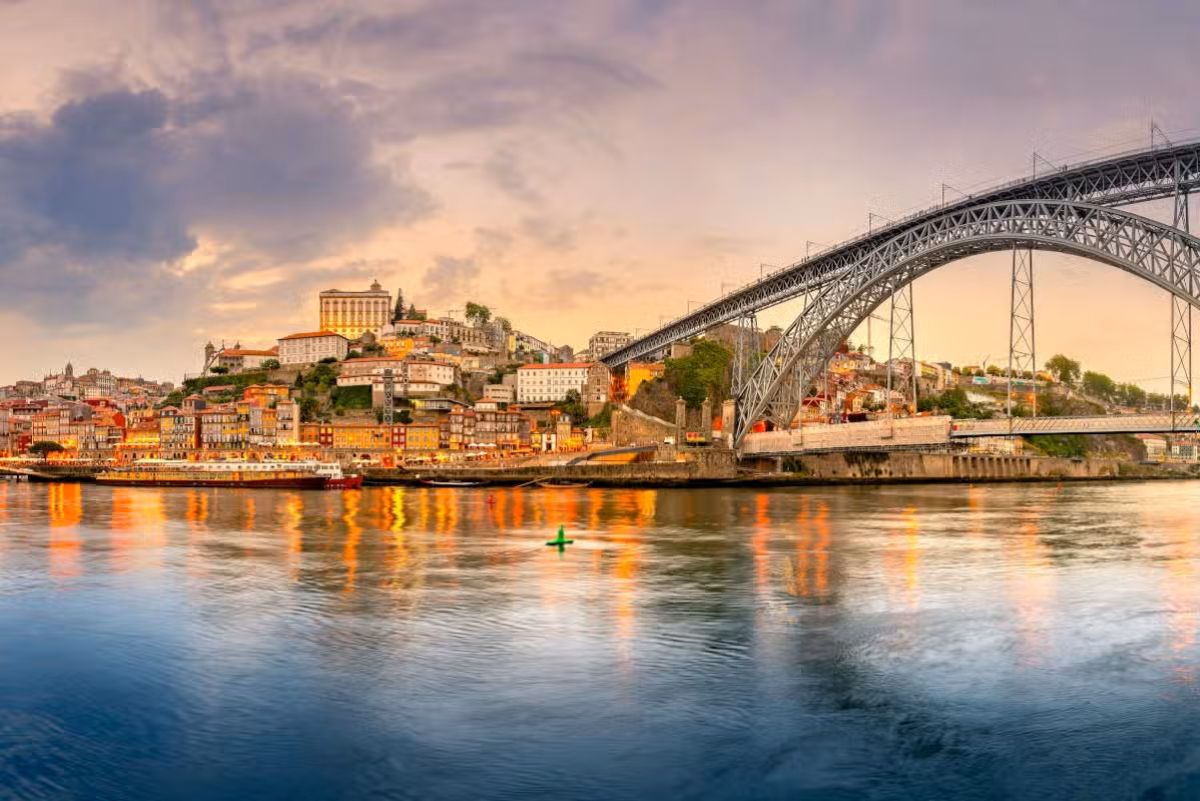
The journey often begins in Vila Nova de Gaia, home to historic Port wine cellars and the traditional navigations of the barcos rabelos, once used to transport wine barrels along the river. Upstream, towns such as Peso da Régua, a key wine centre, and Pinhão, known for its azulejo-covered railway station, define the heart of the region. Scenic routes like the EN222 road and the Douro railway line offer continuous views over vineyards and river bends.
Notable viewpoints such as São Leonardo da Galafura, Casal de Loivos, and São Salvador do Mundo provide sweeping panoramas over the river gorges. Further east, toward Barca d’Alva, the landscape becomes wilder as it enters the Douro International Natural Park, a protected border area marked by cliffs and rich biodiversity.
Douro culture is deeply connected to viticulture and historic quintas, where wine production and rural traditions continue. The gastronomy is simple and authentic, based on local ingredients and regional recipes that accompany the area’s wines. River cruises, scenic trains, and vineyard routes allow visitors to experience the valley from multiple perspectives. It is advisable to check official sources for train and navigation timetables and frequencies, as well as cellar opening times.