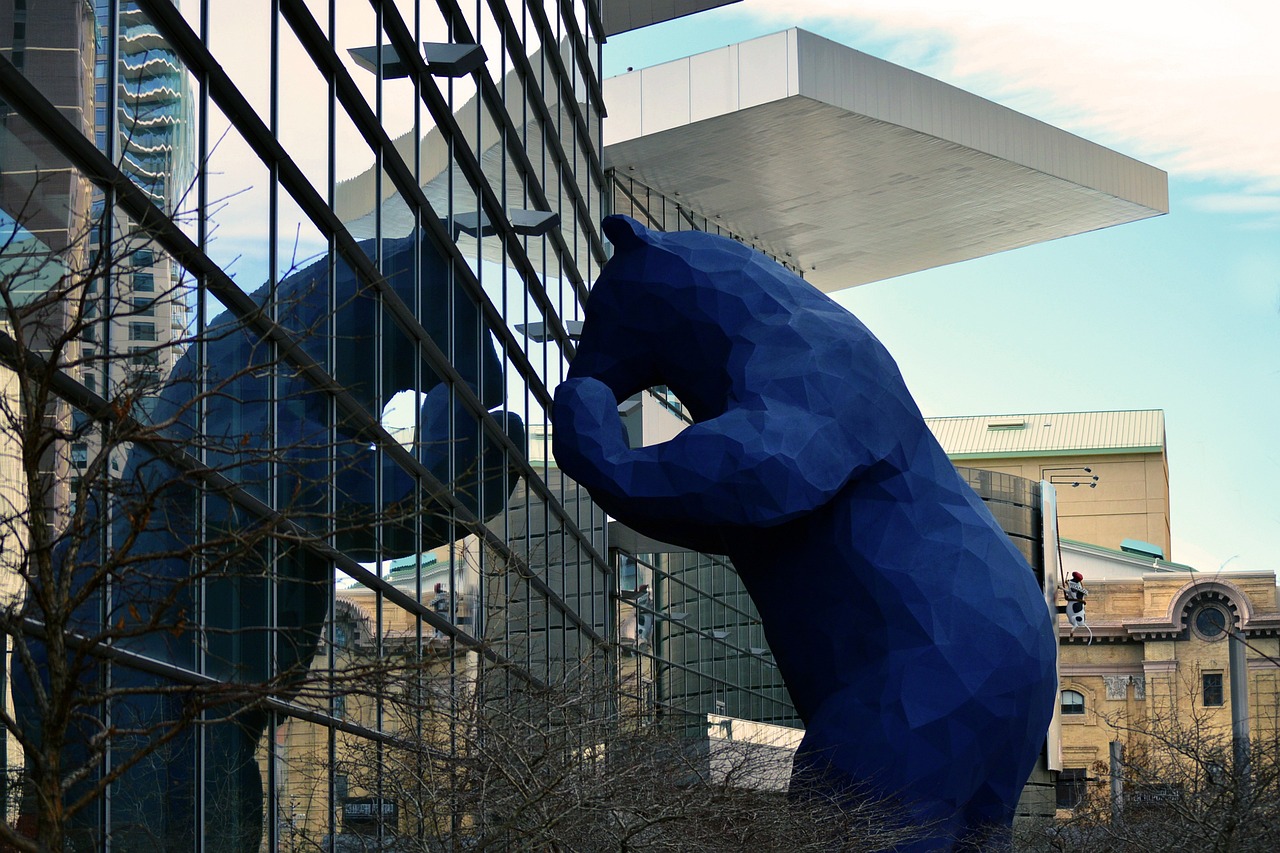
Founded in 1859 by gold seekers from Kansas and Georgia, Denver marks the boundary between the Great Plains and the Rocky Mountains that provide a splendid backdrop. A university town and the capital of American craft beer, it is called the 'Mile High City' because it is located exactly one mile (about 1600 meters) high, as noted on the 13th step of its Capitol building. Modern and youthful, it has trendy neighborhoods for all tastes and is pleasant to explore on foot, featuring diverse architectures ranging from Victorian to postmodern, along with art, history, culture, shopping, and a vibrant nightlife.
Car
Day 2 — Denver → Cheyenne
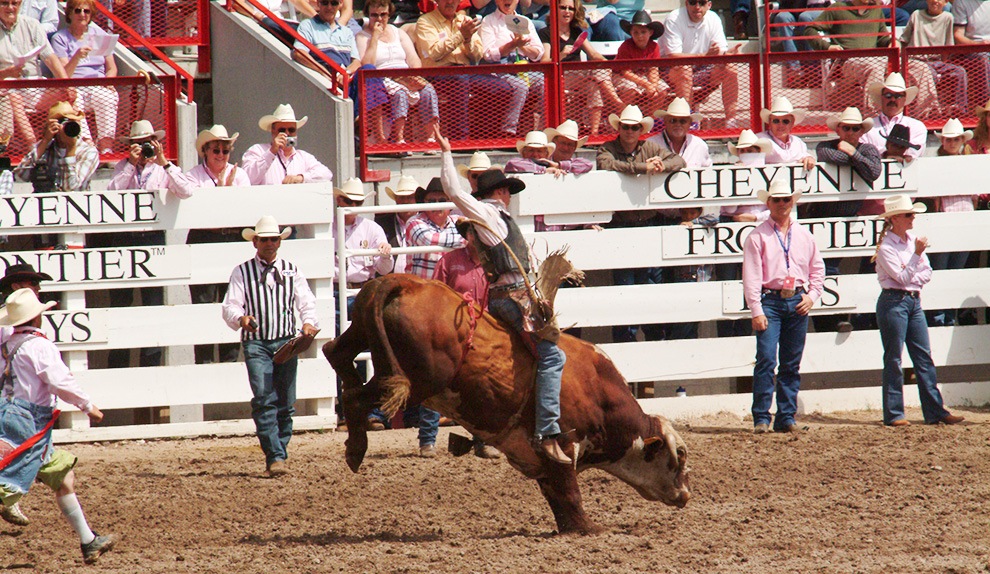
Cheyenne marks the gateway to the great expanses of the north, with the Rocky Mountains in the distance and an endless horizon. The builders of the Union Pacific Railroad arrived here in 1867 and found an outpost of gamblers and gunmen, known as ‘Hell on Wheels’. The railway terminal can still be seen here, to the east of the city, while to the west are the military installations that housed the first intercontinental missile base in 1957. The cowboy atmosphere is tangible and authentic, in clothing stores such as the large Wrangler store in the main square and in the numerous honky-tonk bars, but above all during Cheyenne Frontier Days, a 9-day festival with the largest outdoor rodeo in America, which takes place every year at the end of July and attracts thousands of people to attend concerts by country music stars, parades, wagon races and air shows.
Car
Day 3 — Cheyenne → Hot Springs (SD)
The town of Hot Springs is worth a visit for its oldest attraction, the Evans Plunge Mineral Springs water park, and for the nearby Mammoth Site, an ancient karst sinkhole where the fossilized remains of over 61 mammoths have been discovered.
Car
Day 4 — Hot Springs (SD) → Rapid City
At the entrance of the scenic region of the Black Hills, Rapid City was born as a camp during the gold rush. Renowned for shopping at Prairie Edge, a magnificent store of authentic Native American art, and RCC Western Stores, one of the largest and oldest western merchandise stores in the nation.
Car
Day 6 — Rapid City → Billings
Billings is the largest city in the state of Montana. Surrounded by seven mountain ranges, it allows you to explore the surrounding wilderness, visit museums that trace the history and culture of the Old West, as well as the Moss Mansion, designed by the same architect responsible for the construction of the Waldorf Astoria and Plaza hotels in New York.
Car
Day 7 — Billings → Cody
Charming town with a wild west atmosphere, its main attractions are the Buffalo Bill Historical Center, the most comprehensive museum of the old west, and the rodeo that takes place every evening from June to August.
Car
Day 8 — Cody → Yellowstone National Park
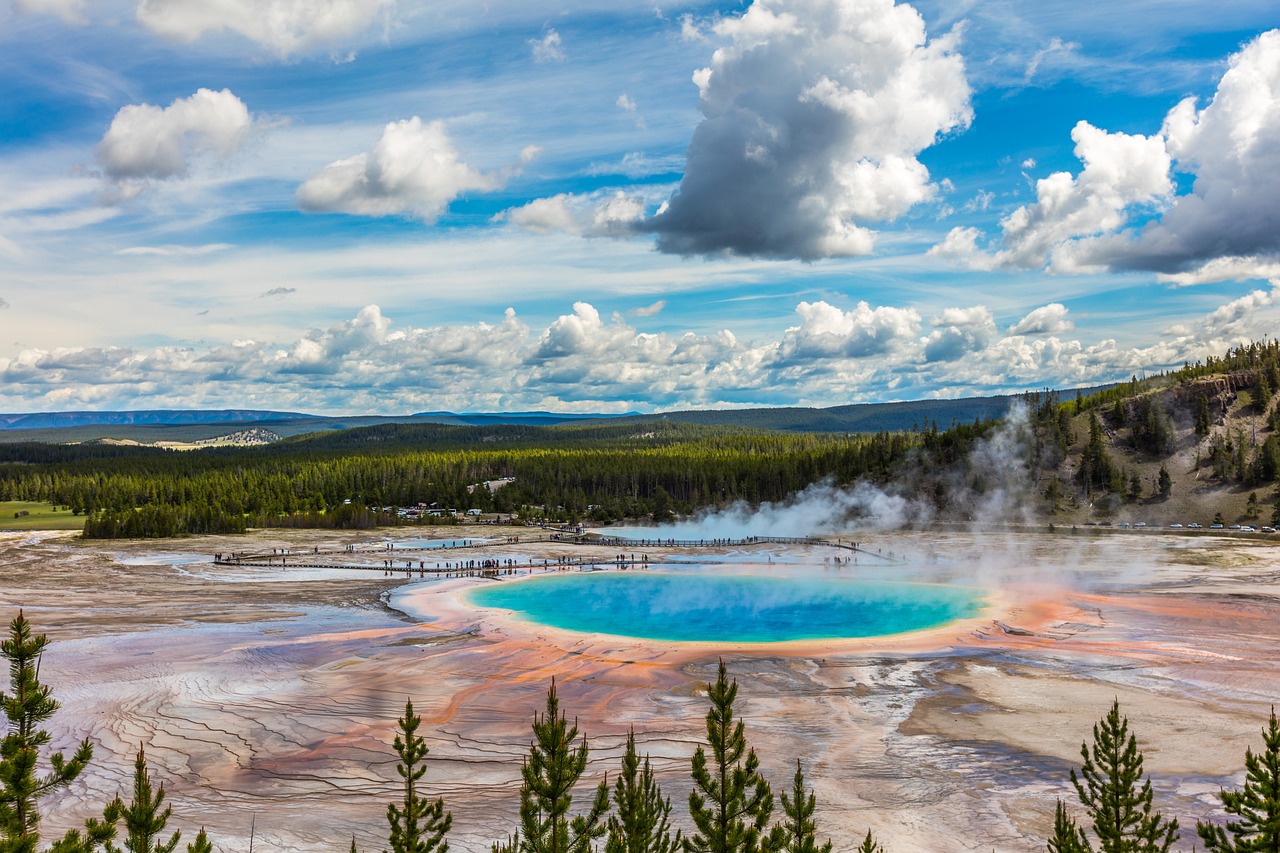
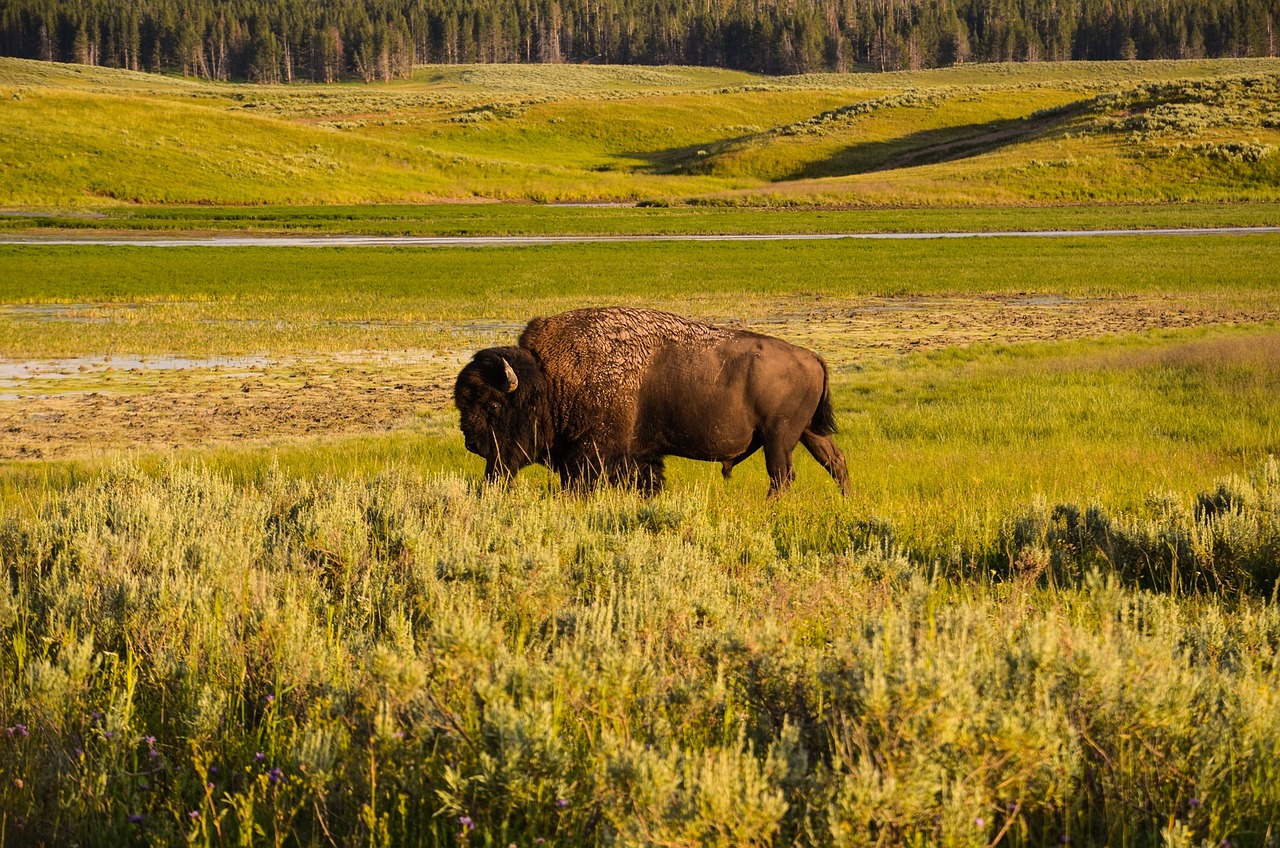
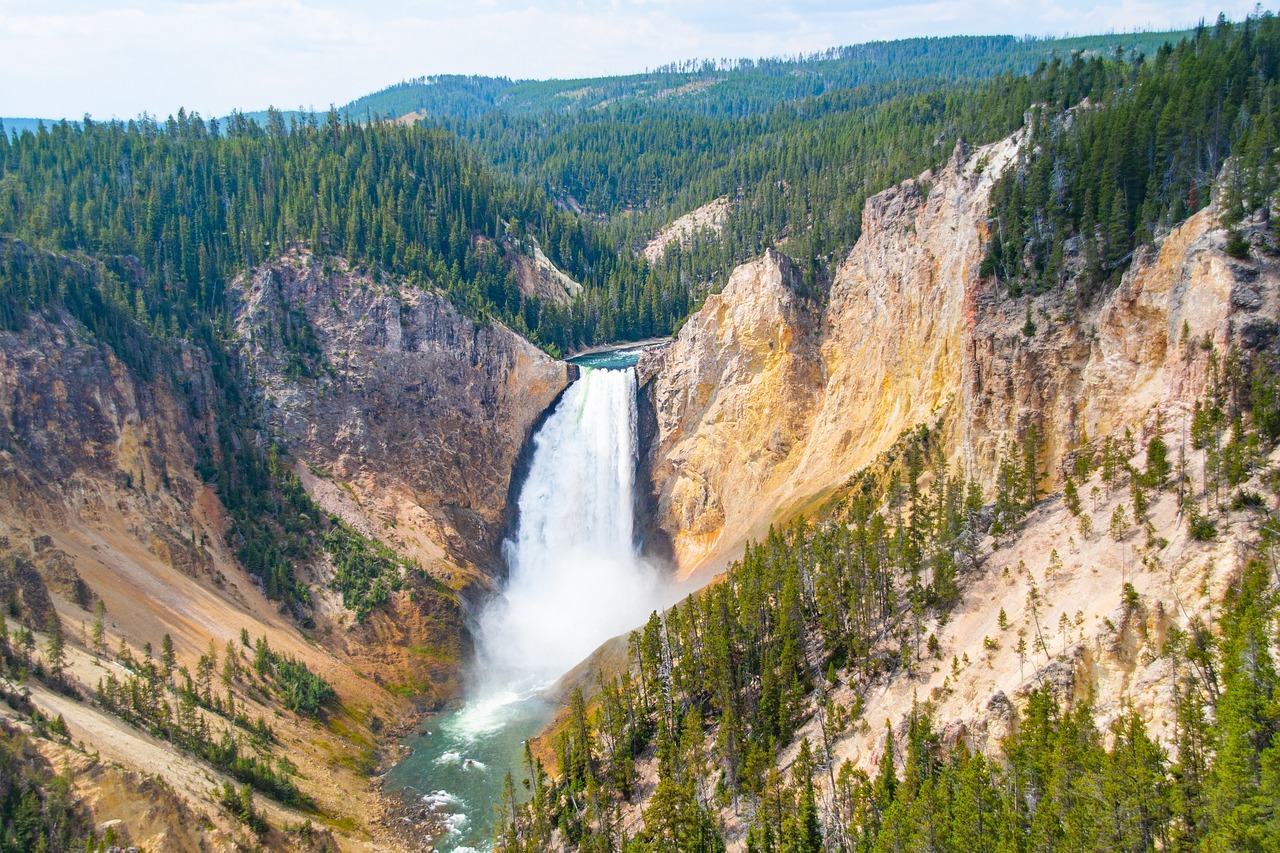
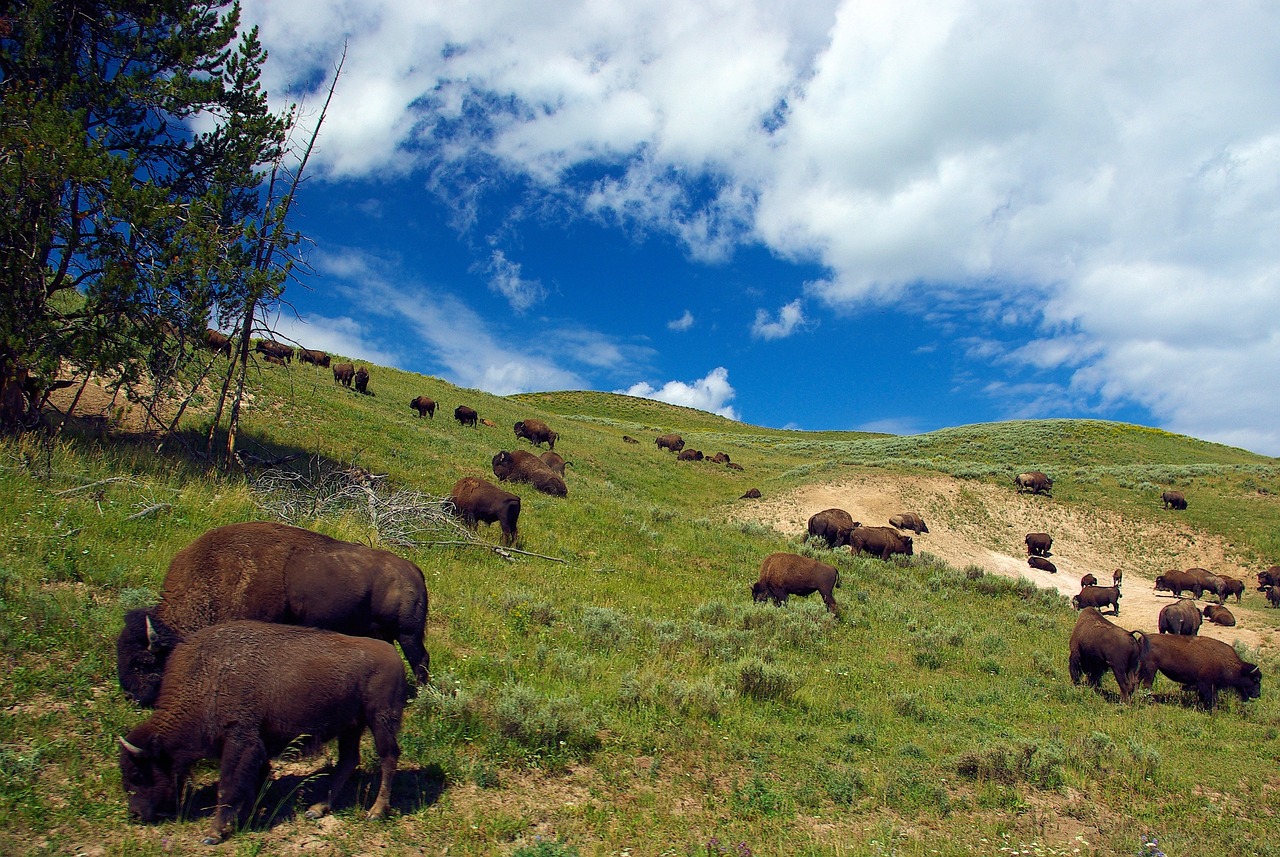
Continue along the Buffalo Bill Cody Scenic Byway, down the Shoshone river and through the tallest mountains and forests in Wyoming. An outstanding variety of landscapes will unfold before you: vast fields of wild sage, forests of firs, and glaciers, where moose, deer, mountain goats, grizzlies and brown bears roam free. Yellowstone is one of the largest parks in the USA, and the oldest national park in the world (it was opened in 1872). What truly makes it unique, though, is its enormous central area, which is in fact the huge caldera of a dormant volcano (the last eruption dates back to 640,000 years ago). Thousands of geysers outburst in the caldera, and several other geothermal features can be seen there – hot springs, mudpots, acid lakes. The area is also home to many animal species, including bears, wolves, bison, moose, deer, cougars and coyotes.
Car
Day 9 — Yellowstone National Park → Jackson Hole
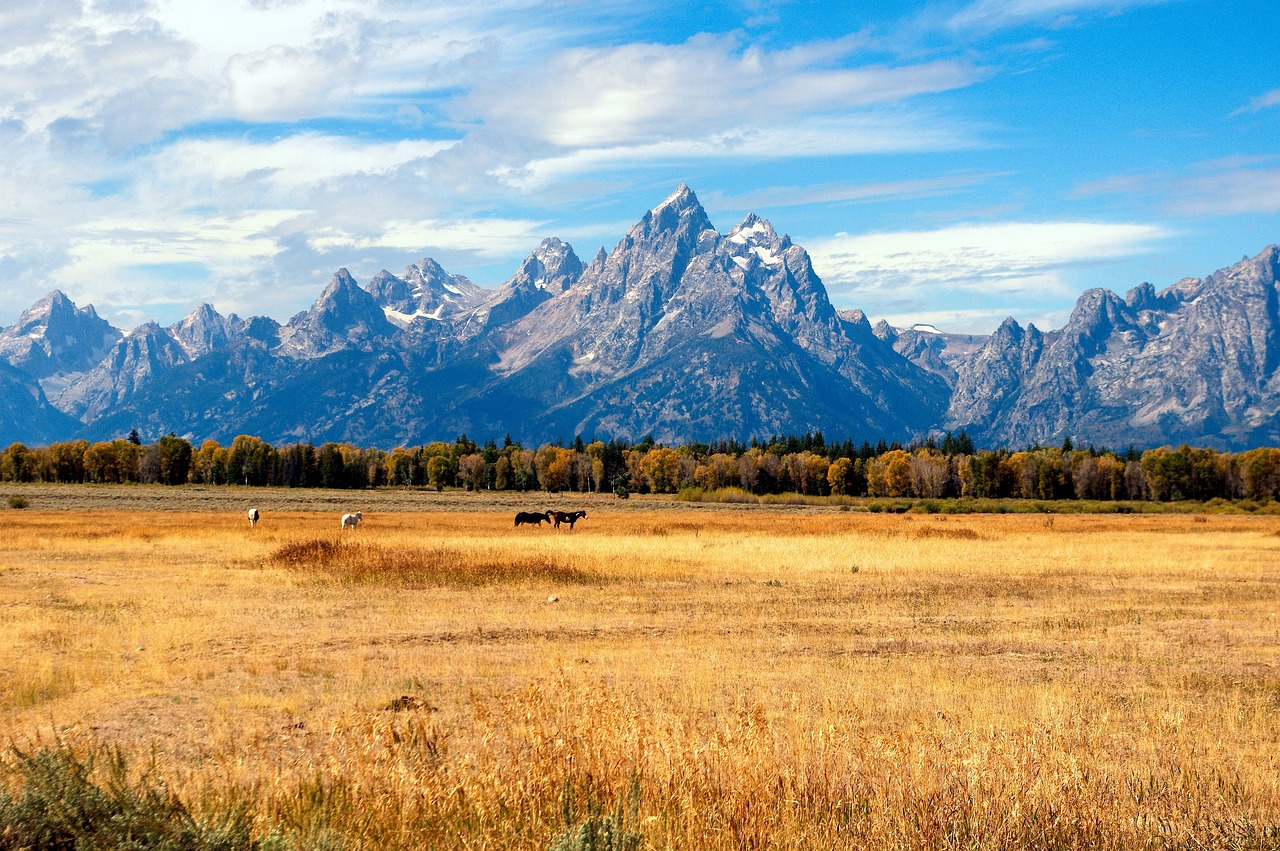
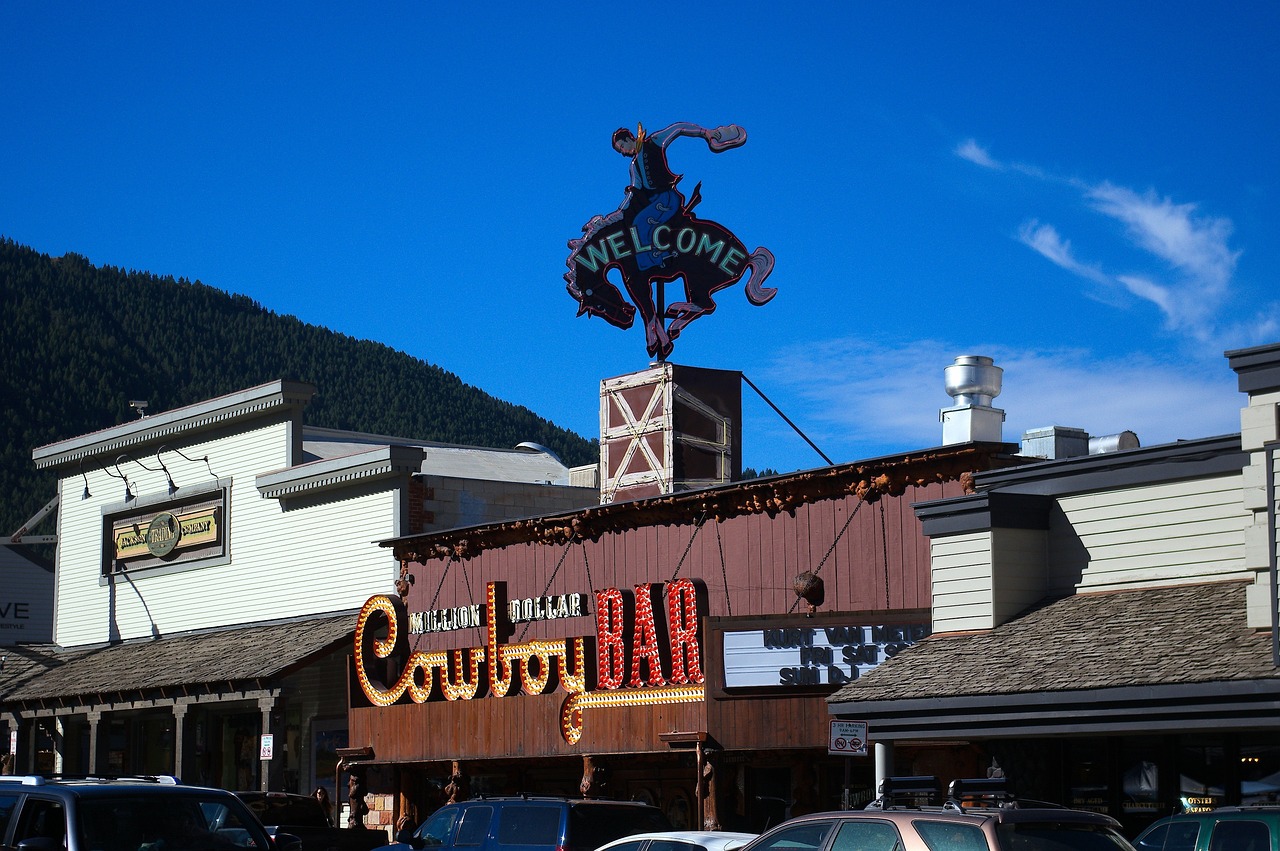
The landscape between Yellowstone and Jackson Hole is marked by the magnificent Teton mountains, rising sheer from the flat, large prairie, amidst lakes, waterfalls and forests where moose and bison roam free. The tallest peak of the range is Grand Teton, with a height of more than 4,000 m. Jackson is the typical base-camp for visiting Yellowstone and Grand Teton. This lovely, Old Western town has turned into a popular winter and summer resort for hipster youth; it offers several sushi bars and fashionable clubs.
Car
Day 10 — Jackson Hole → Salt Lake City
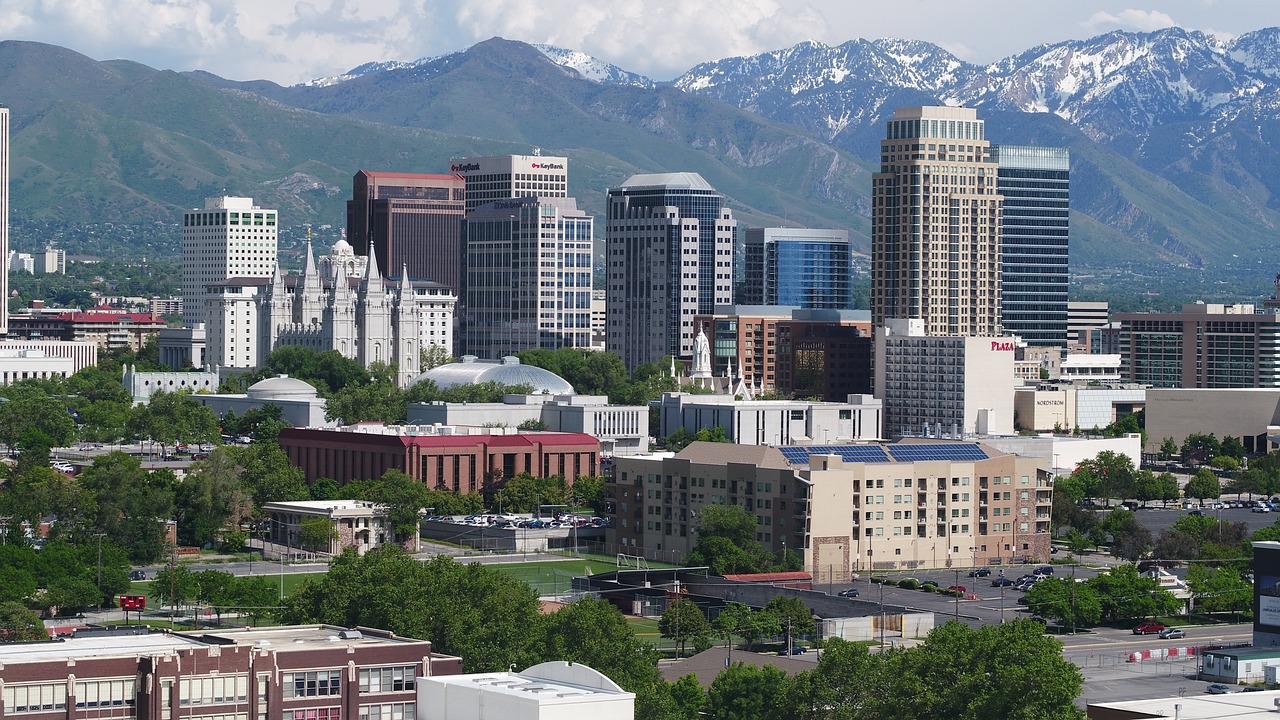
Today’s stop will be by the Continental Divide, separating the watersheds that drain into the Pacific Ocean from those that drain into the Atlantic Ocean. Salt Lake City is the vibrant, urban heart of Utah. Nestled within a valley, at an elevation of 1320 m above sea level, the capital city of Utah is surrounded by the peaks of the Wasatch Mountains. Founded by Mormons in 1847, It hosted the 2002 Olympic Winter Games. Start your visit in the historic and spiritual heart of Salt Lake City, Temple Square. Nearby you’ll find a variety of eateries and bars, and you can shop at City Creek Center, which boasts more than 100 stores and restaurants. You should not miss the Campus district.
A quick trip on TRAX, SLC’s light rail system, takes you from city center to the University of Utah campus district, home to Red Butte Garden and Arboretum and the Natural History Museum of Utah.
Car
Day 11 — Salt Lake City → Moab
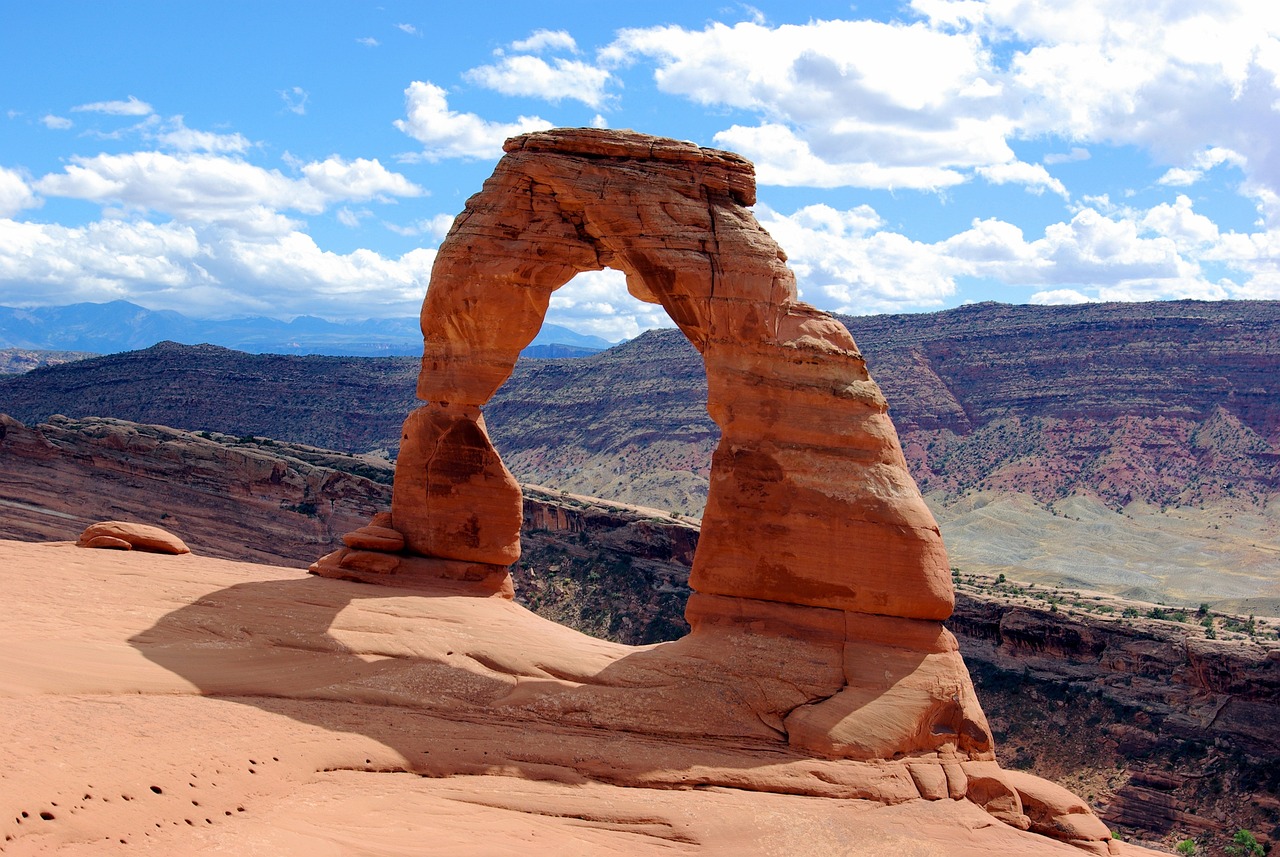
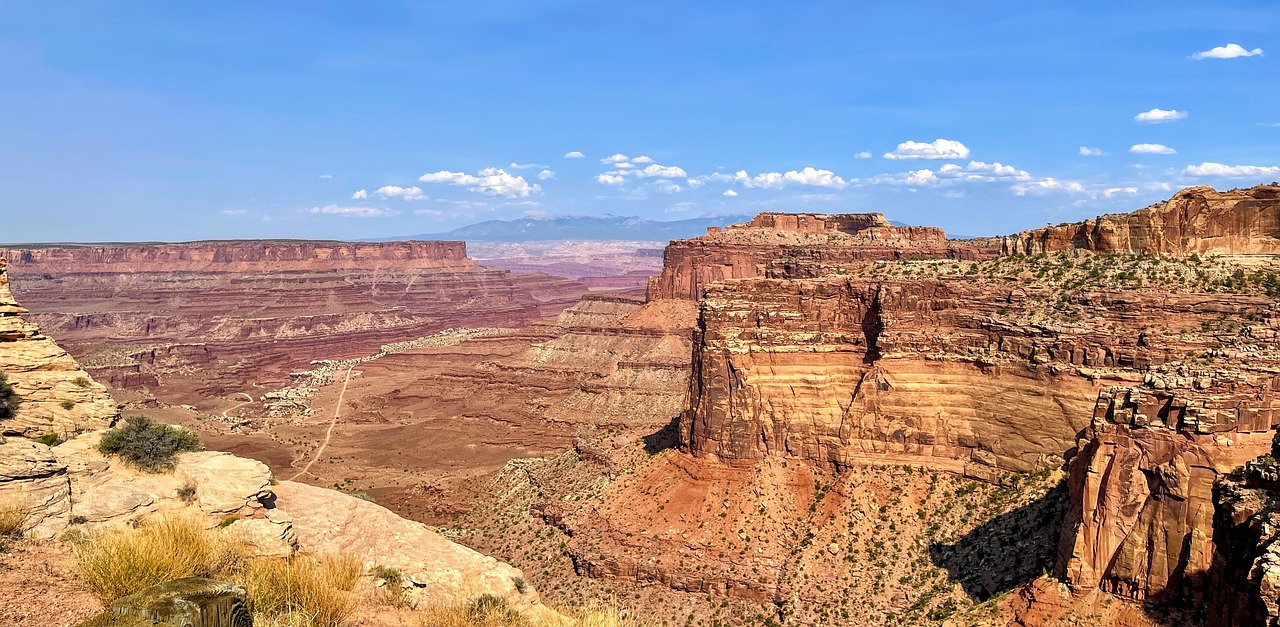
The village of Moab stands at the very heart of the canyon region. Moab is the starting point to explore the national parks of Arches and Canyonlands, or to go rafting down the rapids of the Colorado river.