Giorno 6 — Merida → Evora
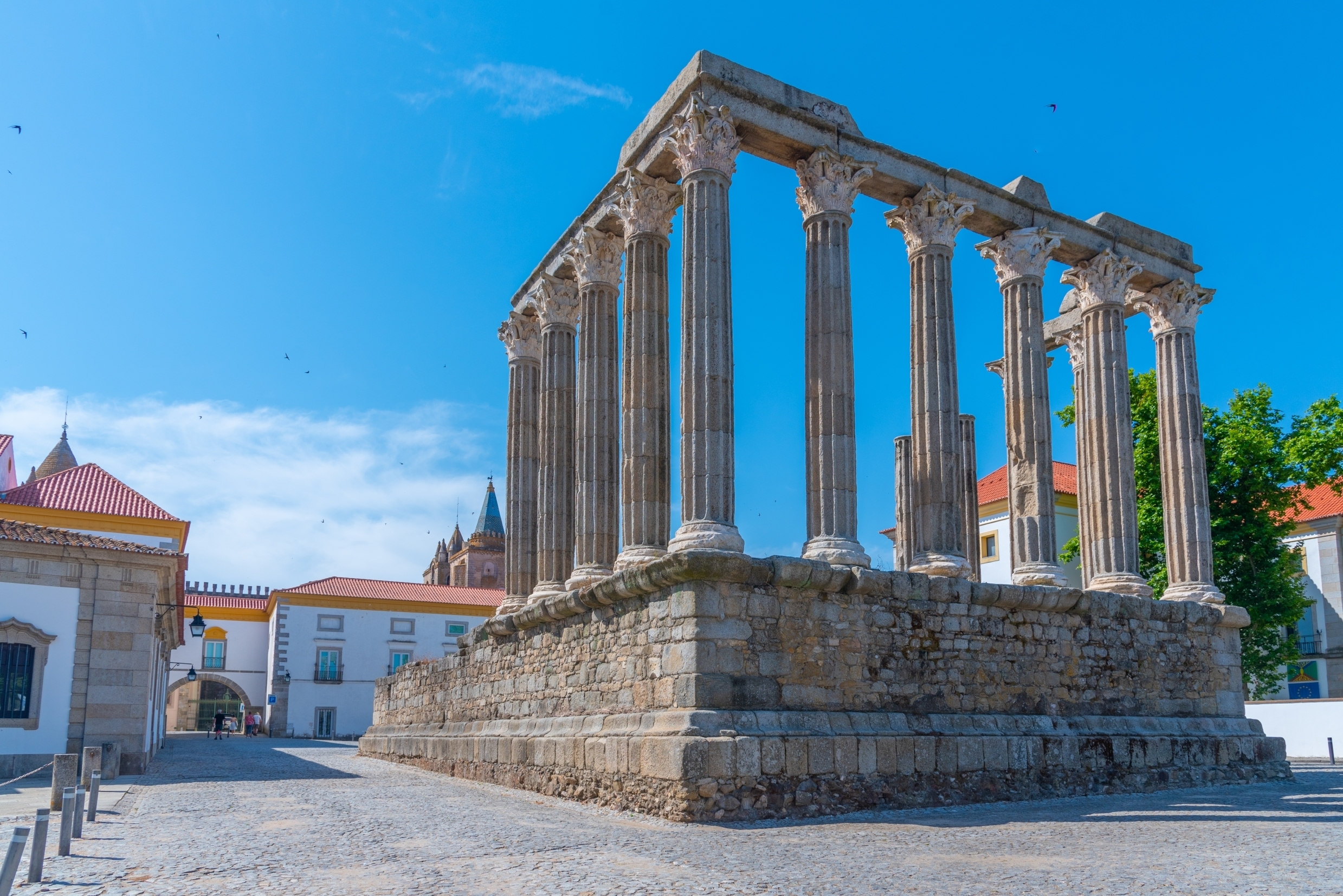
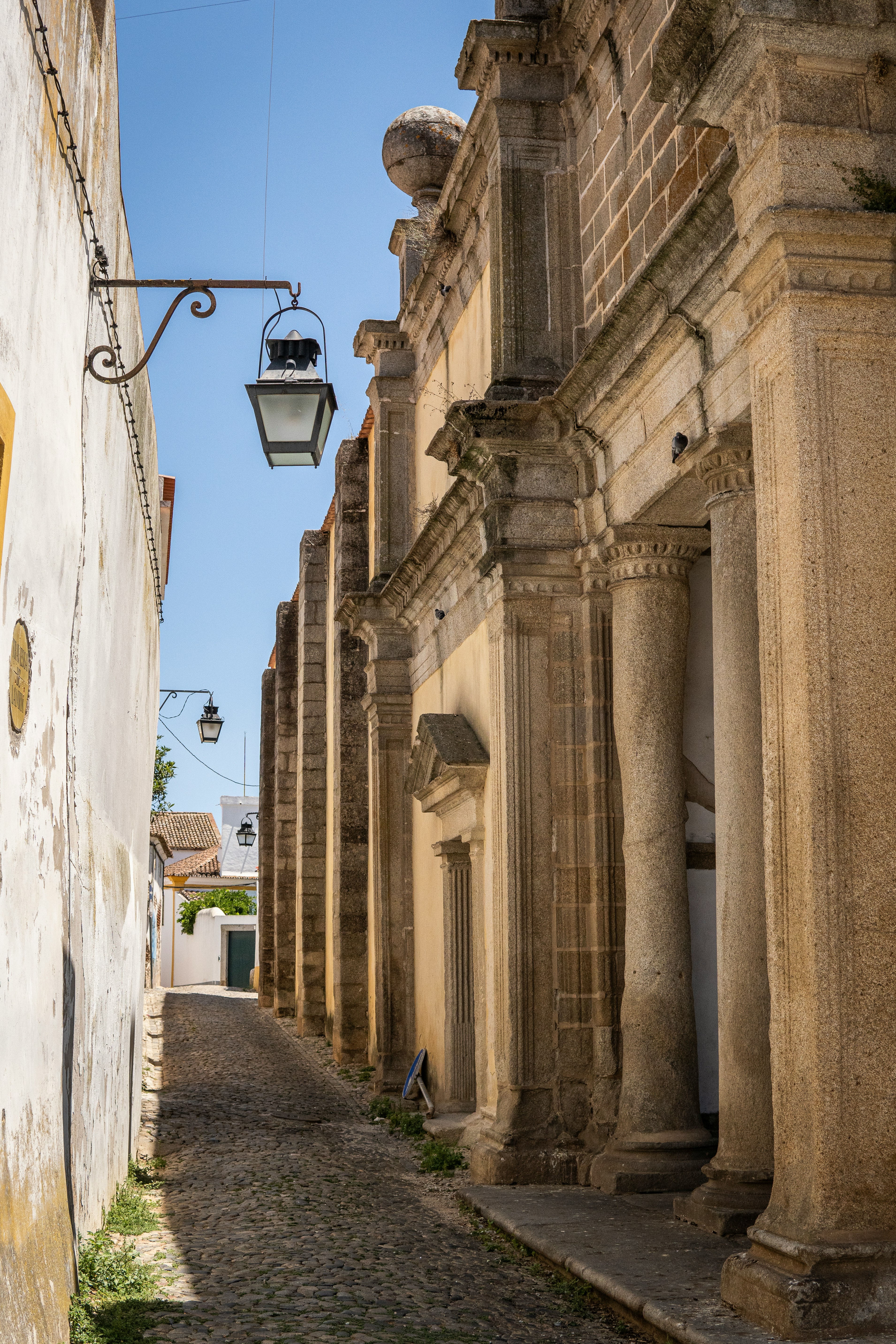
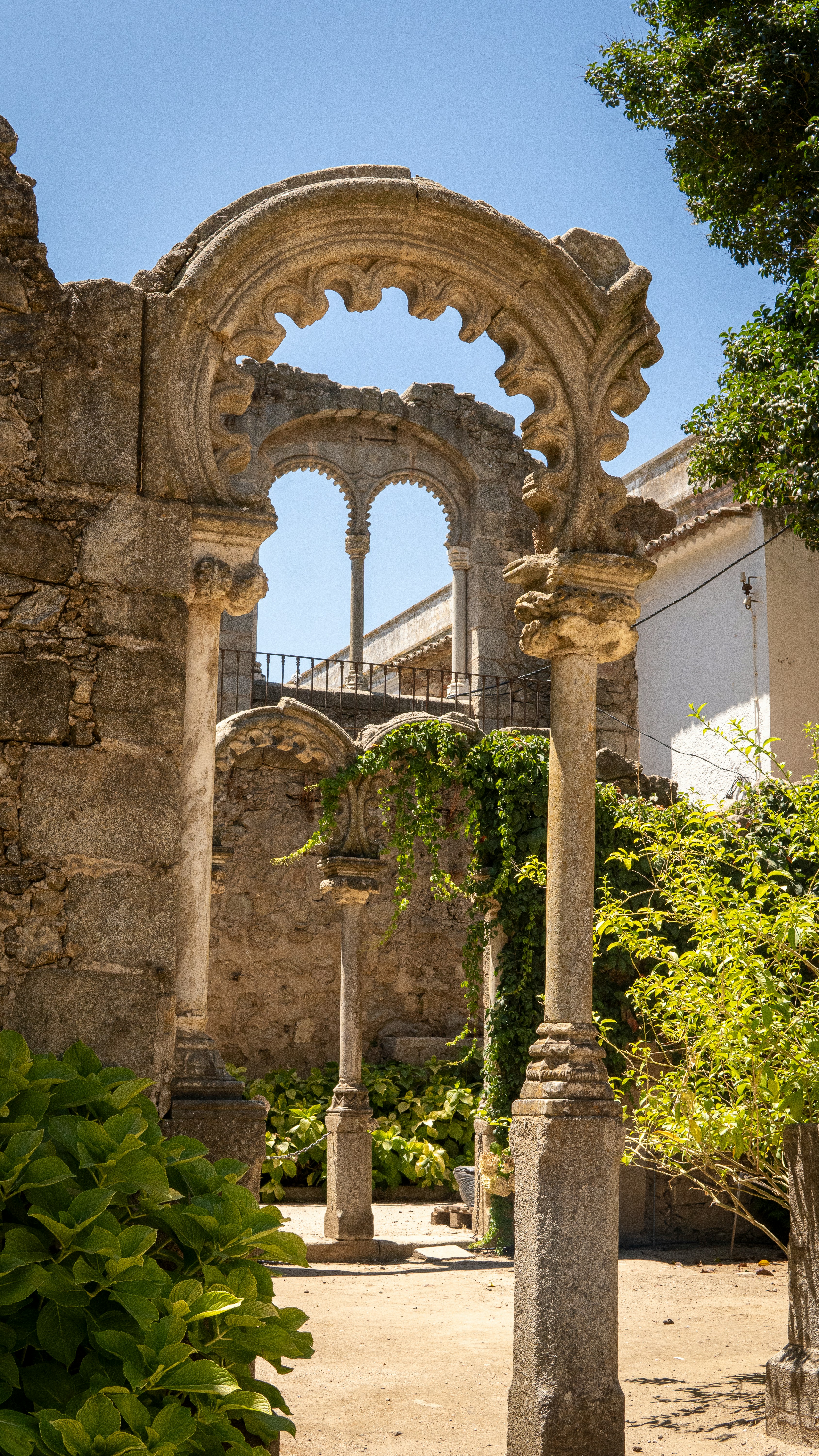
Located in the heart of the Alentejo, Évora is one of Portugal’s most important historic cities, and since 1986 its historic center has been a UNESCO World Heritage Site. Enclosed by medieval walls and surrounded by countryside dotted with olive trees and cork oaks, it preserves a compact atmosphere shaped by squares, narrow streets, and monuments that tell over two thousand years of history. The Roman heritage is represented by the Roman Temple, known as the Temple of Diana, while the Sé de Évora dominates the city skyline with its Gothic architecture. Nearby stands the Chapel of Bones, decorated with human bones taken from ancient cemeteries. The historic center is organized around Praça do Giraldo, the city’s main square and social hub, connected to a network of streets leading to palaces, convents, and museums. The University, founded in the 16th century, helps keep the city lively. Évora is also a key cultural and gastronomic reference in the Alentejo, known for olive oil, wines, and local traditions. Walking along the city walls at sunset reveals the authentic character of the town.
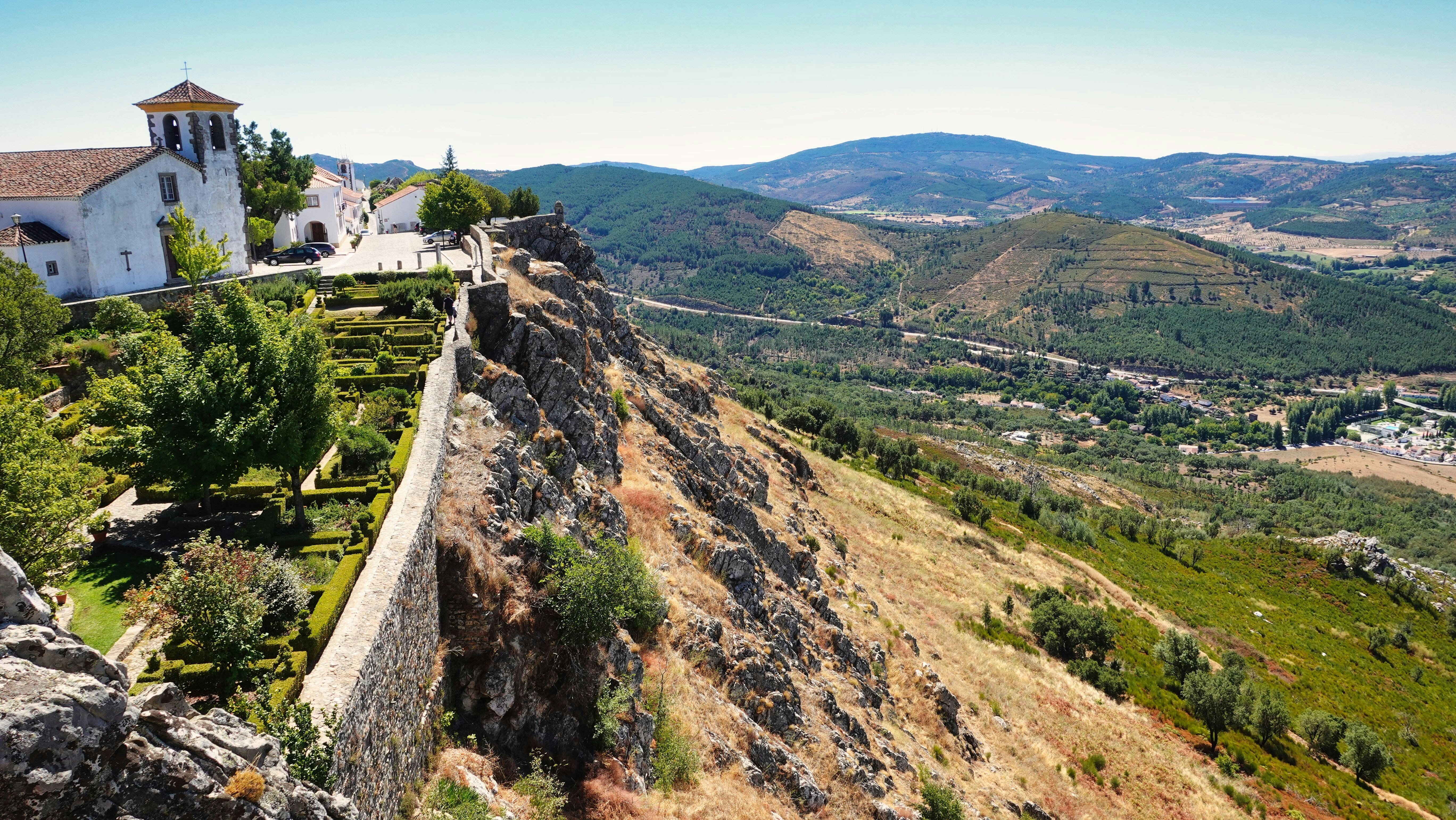
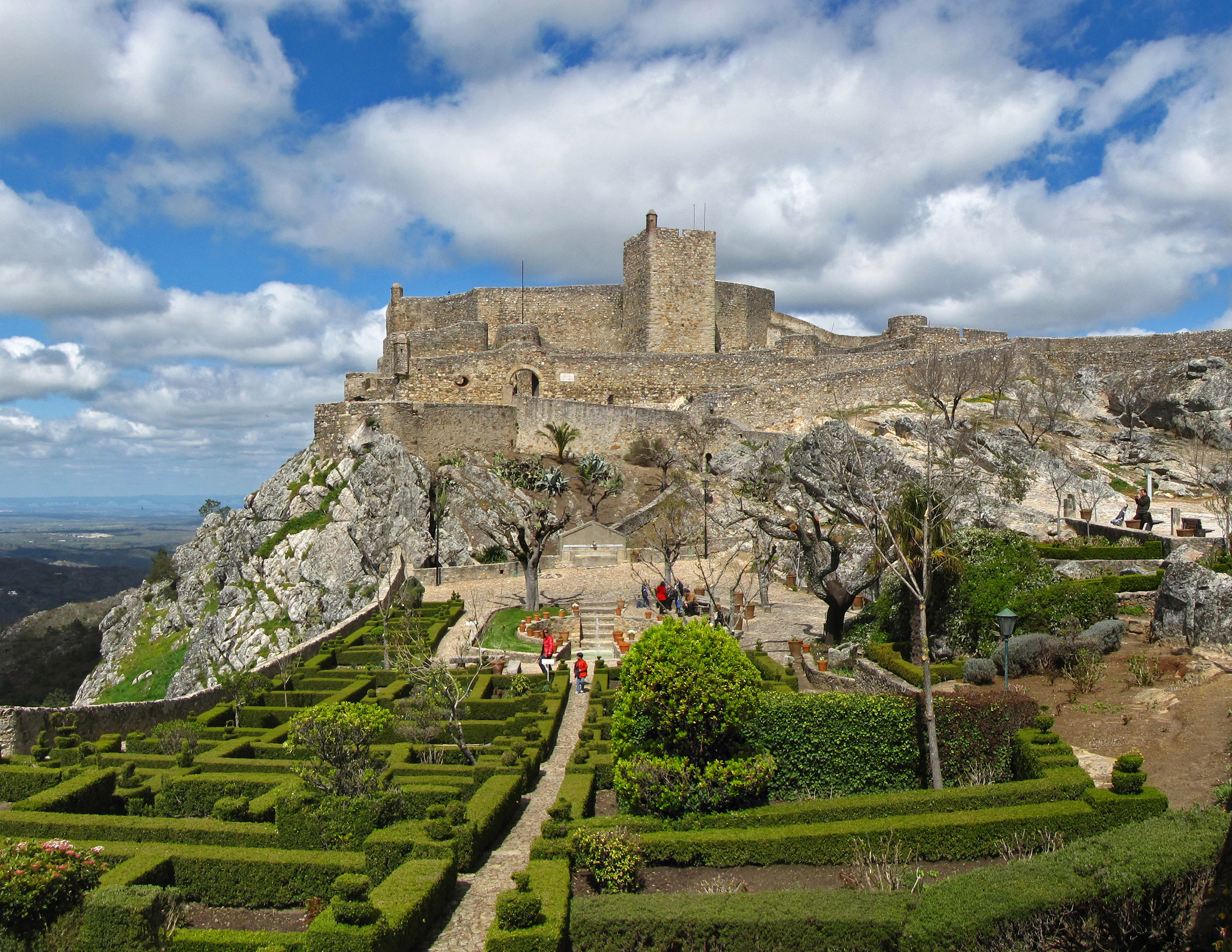
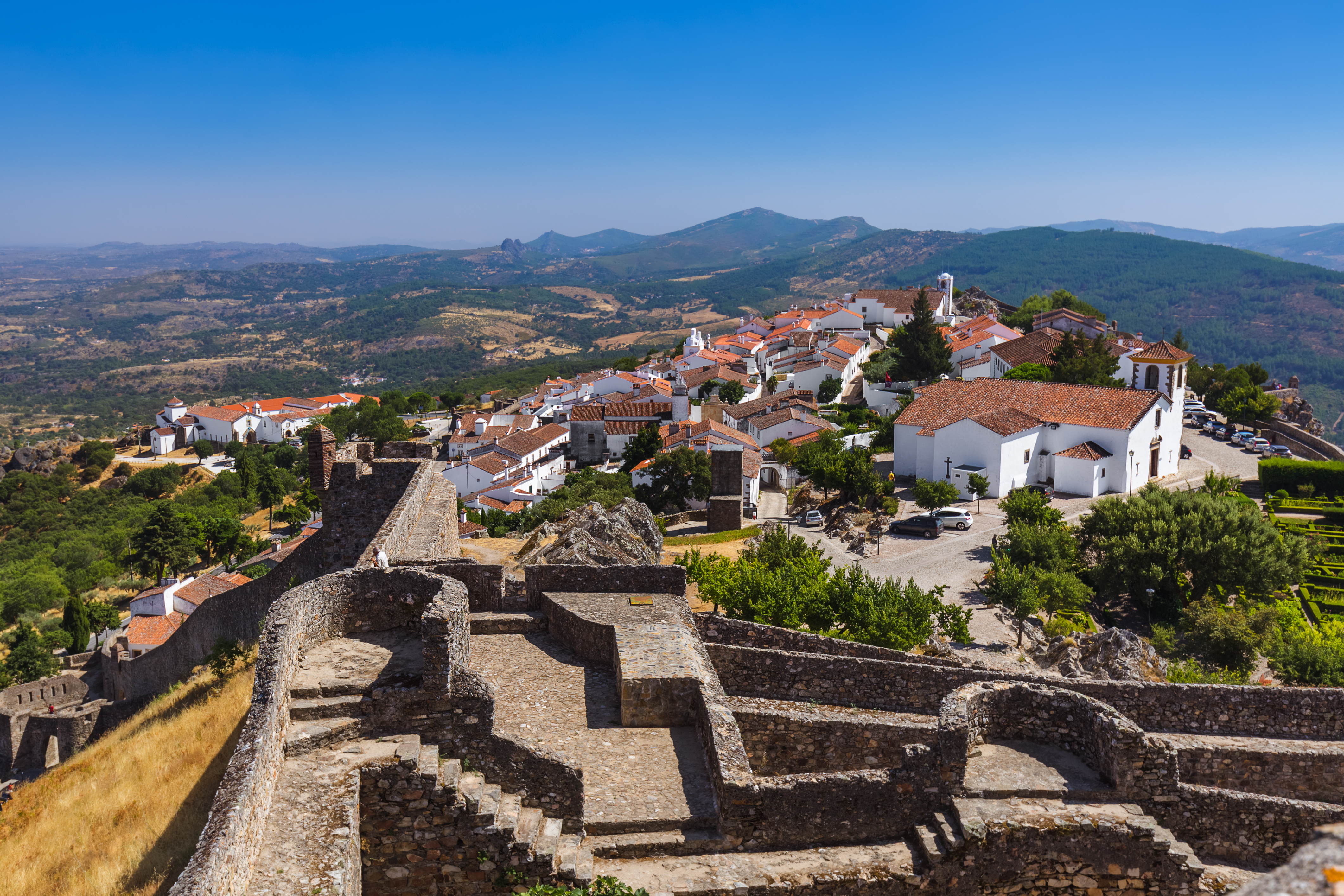
In the surroundings, you can visit the Cromeleque dos Almendres (about 15 km from Évora), one of the most important megalithic complexes in the Iberian Peninsula; Monsaraz (about 55 km), a medieval hilltop village overlooking the Alqueva Lake; Vila Viçosa (about 50 km), with its impressive ducal palace; and, about 100 km away, Elvas, a fortified city and UNESCO World Heritage Site, representing one of the finest examples of military architecture in Portugal.
_20251106124100.jpg)
_02_20251106124023.jpg)