Quito›Salcedo›Lasso›Patate›Riobamba›Cuenca+1 Altro
Cultural and natural Ecuador with car — NAAR
Itinerary
Giorno 1 — Quito
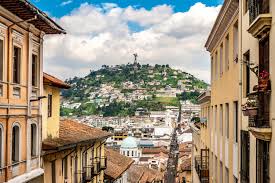
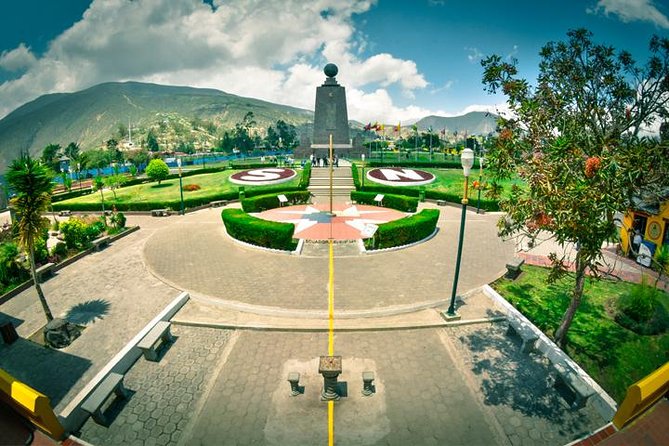
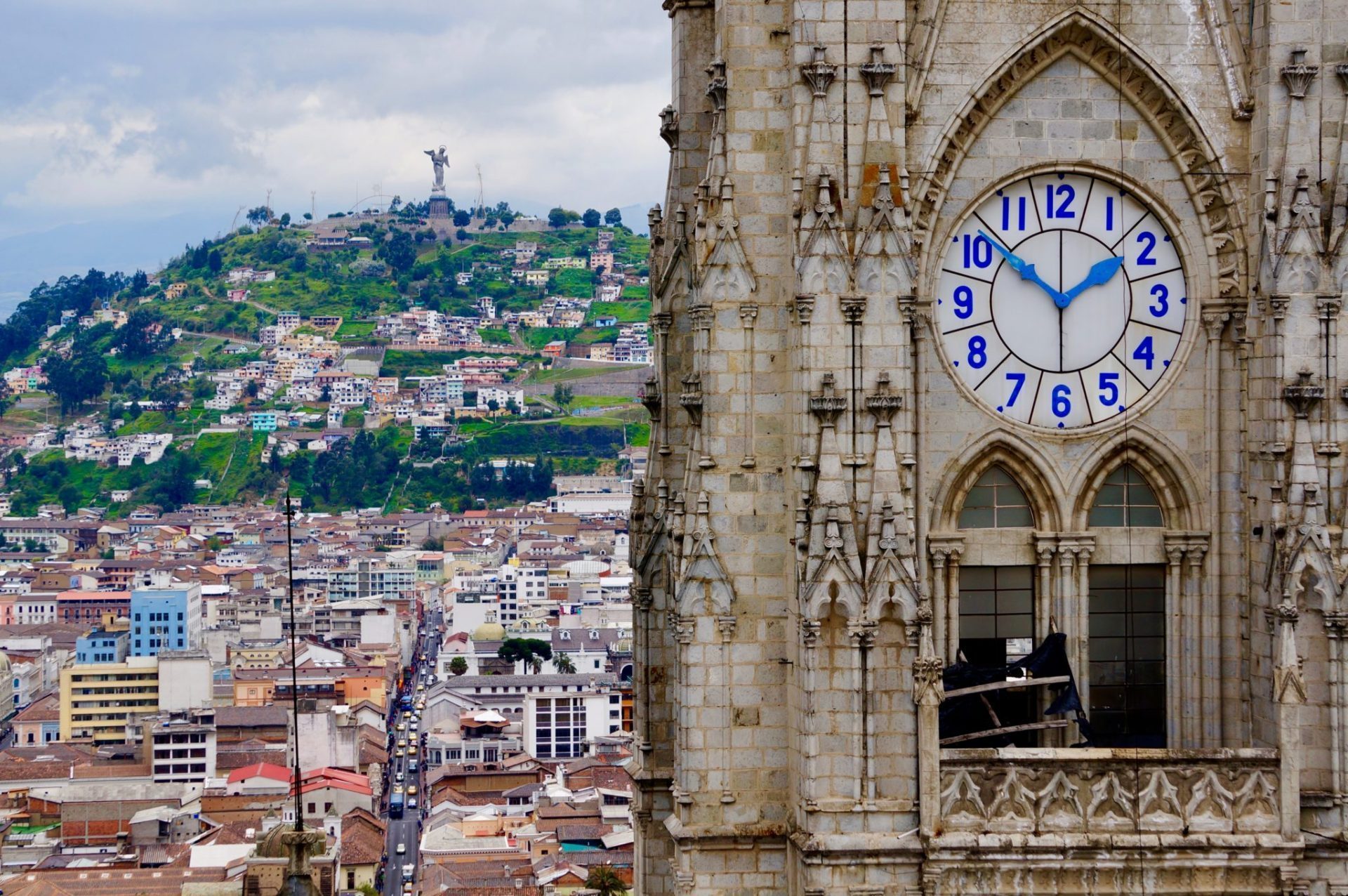
Quito stands at almost 2,850 metres in the Ecuadorian Andes, spread across a broad green valley overlooked by snow-capped volcanic cones, and proudly holds the title of the world's first city designated a UNESCO World Heritage Site, in 1978. Its historic centre — the best preserved in all of Latin America — is a maze of cobbled streets, baroque squares and gilded churches whose interiors never fail to impress. The Plaza Grande, the beating heart of the colonial city, is framed by the Palacio de Carondelet, seat of government, and the Catedral Metropolitana; nearby, the church of La Compañía de Jesús displays a façade and nave smothered in gilded stucco considered among the most opulent on the continent. The La Ronda neighbourhood, with its brightly painted houses and small craft workshops, is the perfect place to sip a chicha de jora or catch an evening serenade. Climbing to the Cruz del Papa — or taking the Teleférico cable car, which reaches 3,950 metres on Volcán Pichincha in just minutes — rewards visitors with one of the most spectacular panoramas in the Americas: the city below, Andean peaks all around and the equator within reach. About forty kilometres to the north lies the Mitad del Mundo monument marking the equatorial line, alongside the Museo Intiñan dedicated to pre-Columbian cultures. Quito is also the ideal starting point for exploring Otavalo's indigenous markets, the Papallacta hot springs on the Andean plateau, and of course for boarding a flight to the Galápagos. Quiteño cuisine is well worth the attention: locro de papa soup with fresh cheese, fried empanadas de viento and sierra ceviche are essential stops in the restaurants of the historic centre. A city that knows how to make itself loved, between colonial history and crisp mountain air.
Auto
Giorno 3 — Quito → Lasso
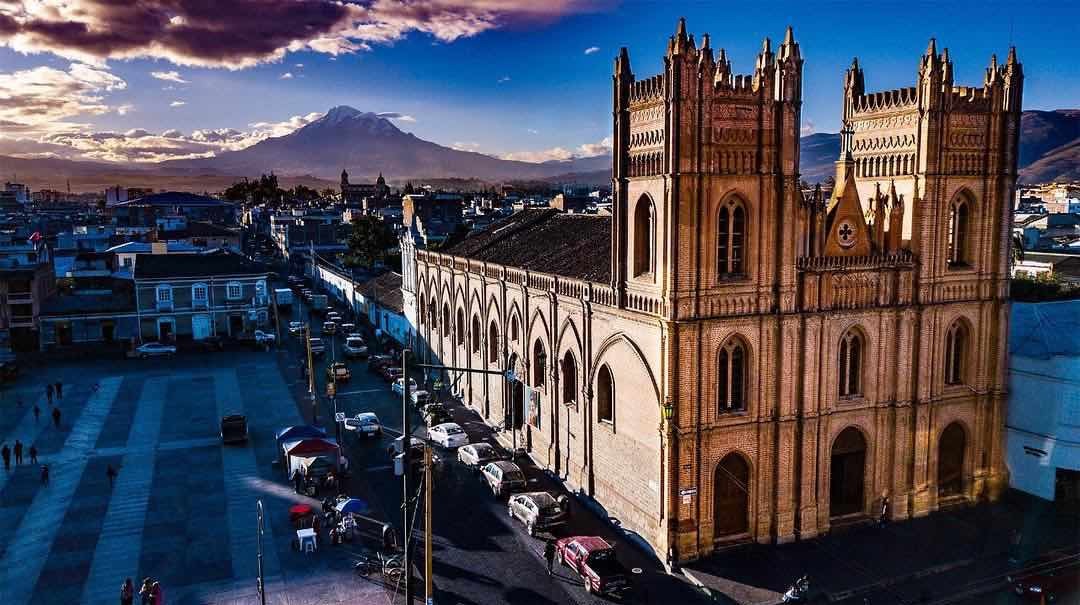
Lasso is a small agricultural settlement in the Ecuadorian sierra, located in Cotopaxi province along the Avenida de los Volcanes, the historic "Avenue of the Volcanoes" that crosses the Andean highlands between Quito and Riobamba. Its name is associated with the region's great traditional haciendas — farmsteads converted into elegant rural lodges that offer an immersion in Andean countryside life among green pastures, herds of llamas and alpacas, and volcanic peaks such as Cotopaxi in the background. It is a destination for those who enjoy rural tourism and horseback riding on the high-altitude plains, or who simply want to pause on the route between Quito and the southern part of the country. The hospitality of the local haciendas, some of which date back to the Spanish colonial period, is Lasso's true strong suit. Salcedo is a quiet Andean town in Cotopaxi province, at around 2,650 metres, situated along the route between Latacunga and Ambato on the Ecuadorian plateau. It is known above all for its celebrated helado de fruta (artisan fruit ice cream), considered one of the country's best and produced here by traditional methods. The town makes a pleasant stop for those travelling the Avenida de los Volcanes, with views of the surrounding Andean peaks and a local market that reflects daily life in the Ecuadorian sierra. The nearest main town is Latacunga, some twenty kilometres away.
Auto
Giorno 4 — Salcedo → Patate
Patate is a small agricultural village in Tungurahua province, in the central-eastern sierra of Ecuador, at around 2,000 metres in the fertile valley of the Río Patate. The area is known for the production of strawberries, table grapes and other tropical fruits cultivated in the microclimates of the Andean canyons, and for striking views of Tungurahua volcano glimpsed between the clouds. It is a stop or agritourism destination, ideal for travellers following the route between Baños and Riobamba who want to explore Andean countryside away from the busiest circuits. The nearest main town is Ambato, about 20 kilometres to the west.
Auto
Giorno 5 — Patate → Riobamba
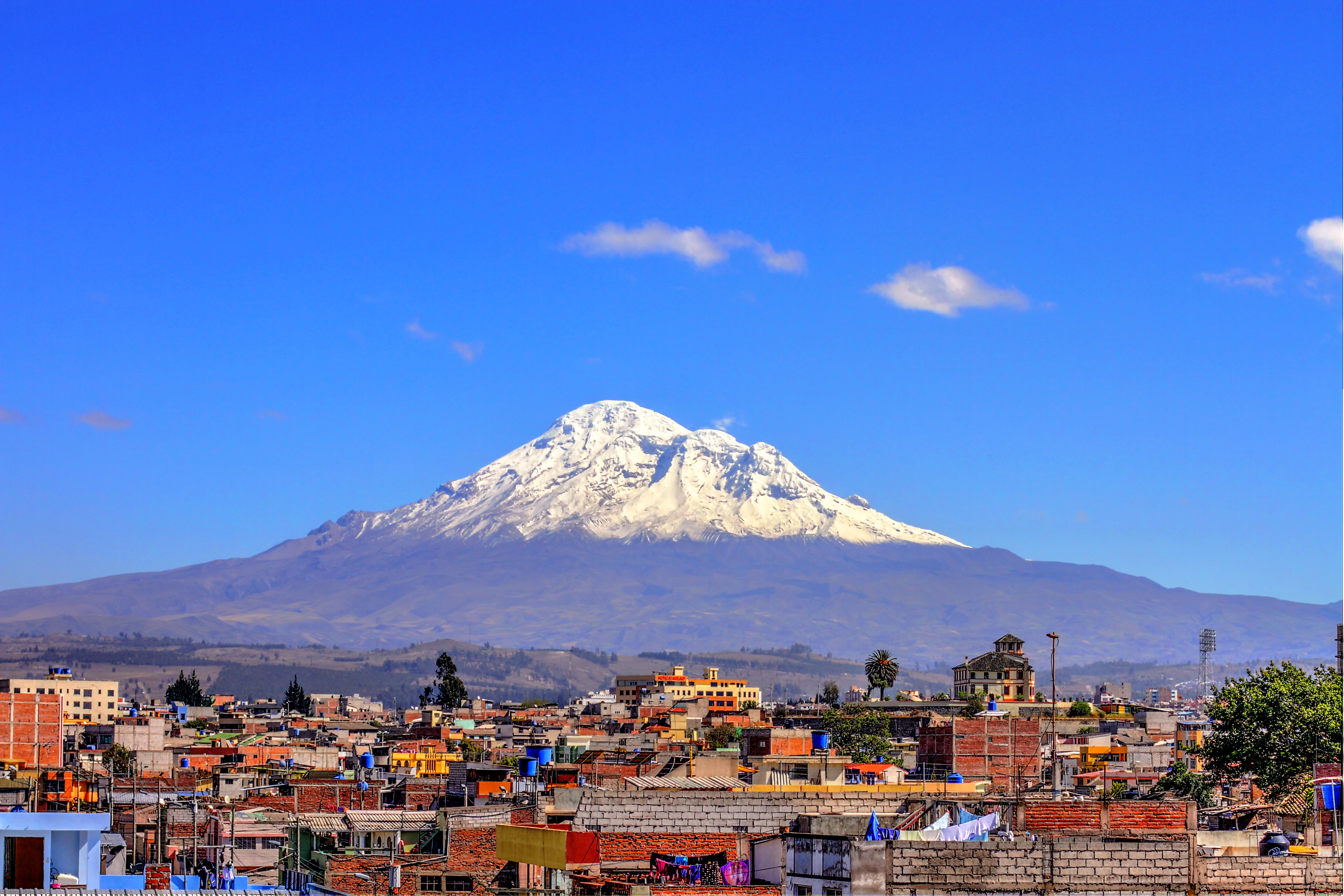
Riobamba commands the heart of the Ecuadorian Andean plateau at 2,750 metres, ringed by a circle of imposing volcanoes — Chimborazo, Tungurahua, El Altar and Sangay — which make its mountain scenery among the most spectacular in South America. The city is known as the "Sultana de los Andes" and is the departure point for the celebrated Nariz del Diablo (Devil's Nose) train ride: the historic railway that descends dramatically via a series of zigzag switchbacks towards the town of Alausí, considered one of the most scenic rail routes on the entire continent. Riobamba is also the provincial capital of Chimborazo and boasts a fine central square with its cathedral and the Museo de Piedra, which houses colonial sculptures. The Saturday market offers typical highland products such as hornado (roast pork) and yamor (a maize-based drink). The summit of Chimborazo — the point on the Earth's surface closest to the Sun due to the planet's oblate shape — is accessible via a high-altitude trekking route.
Auto
Giorno 6 — Riobamba → Cuenca
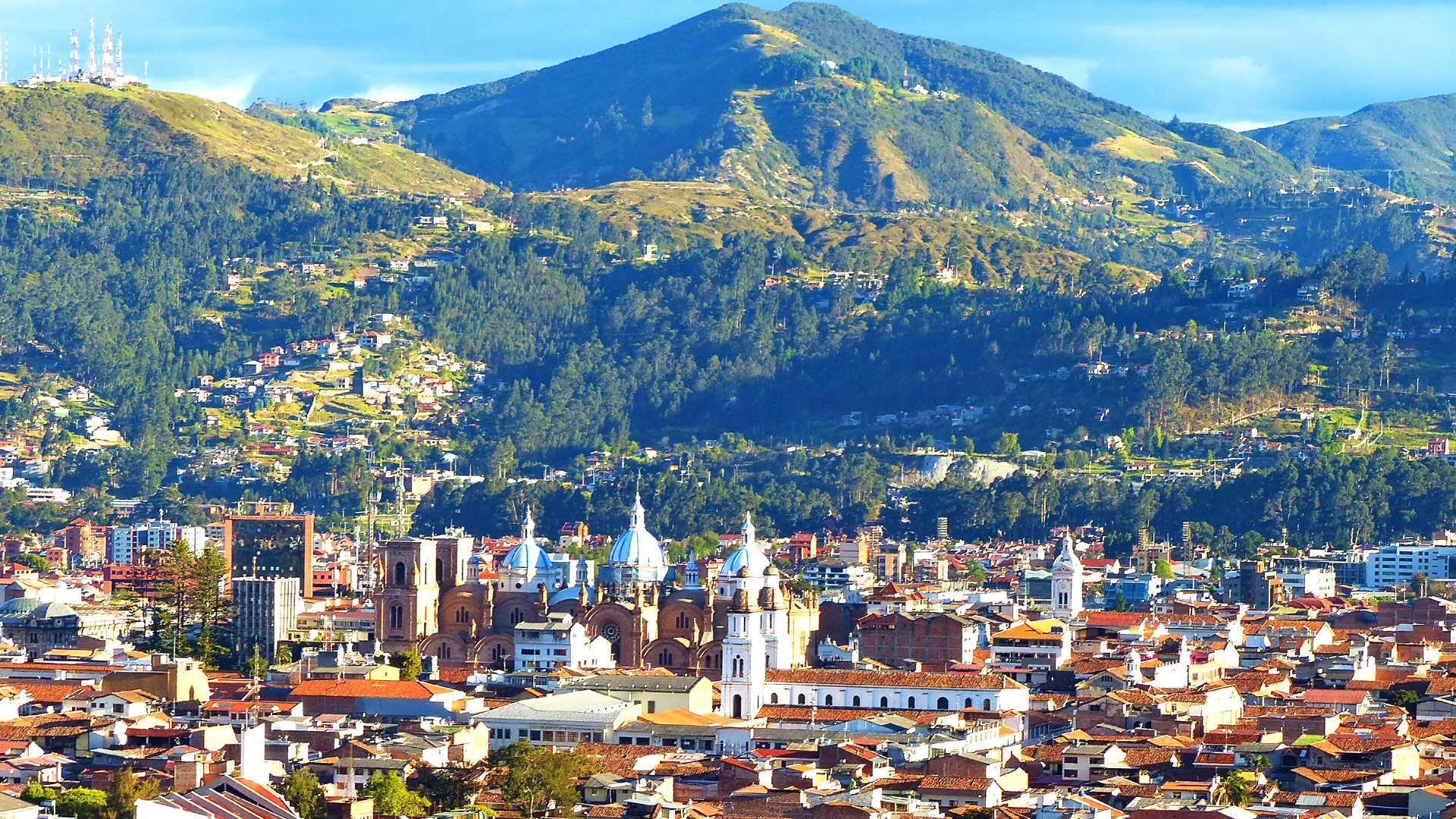
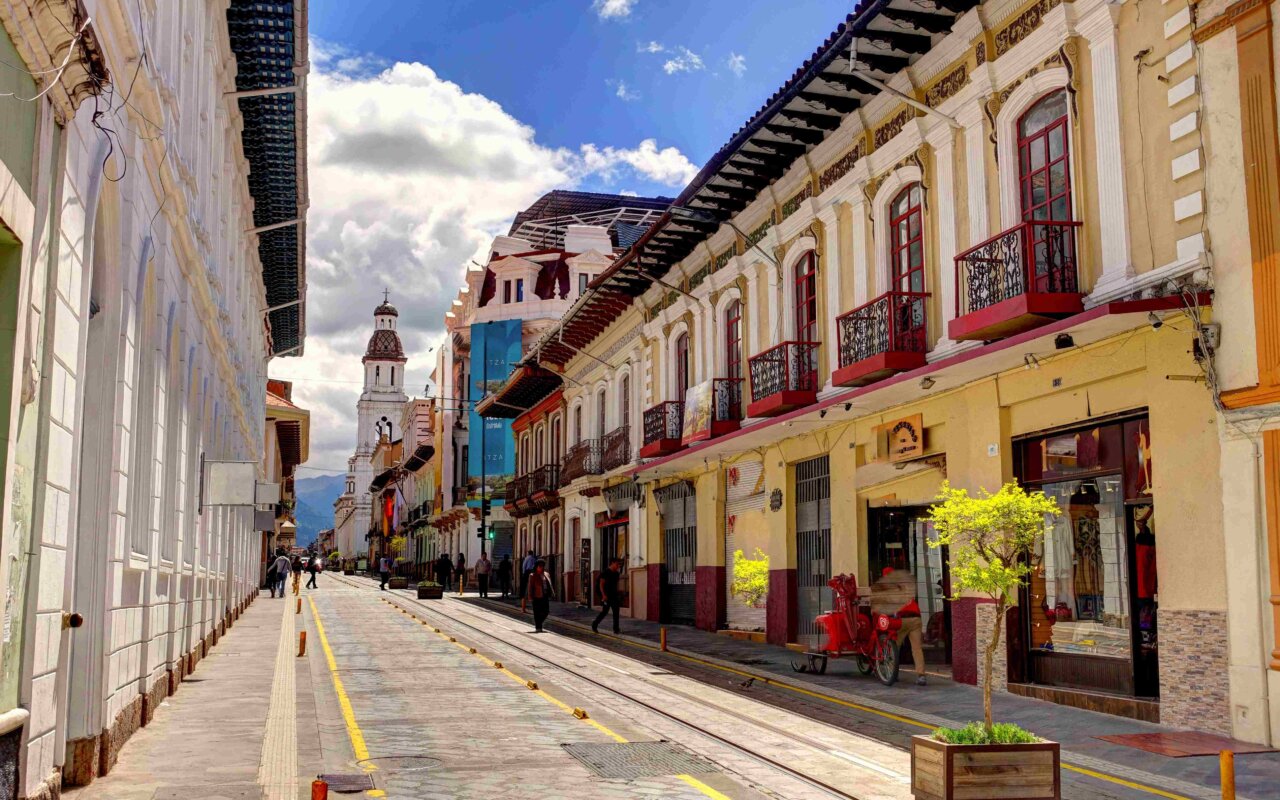
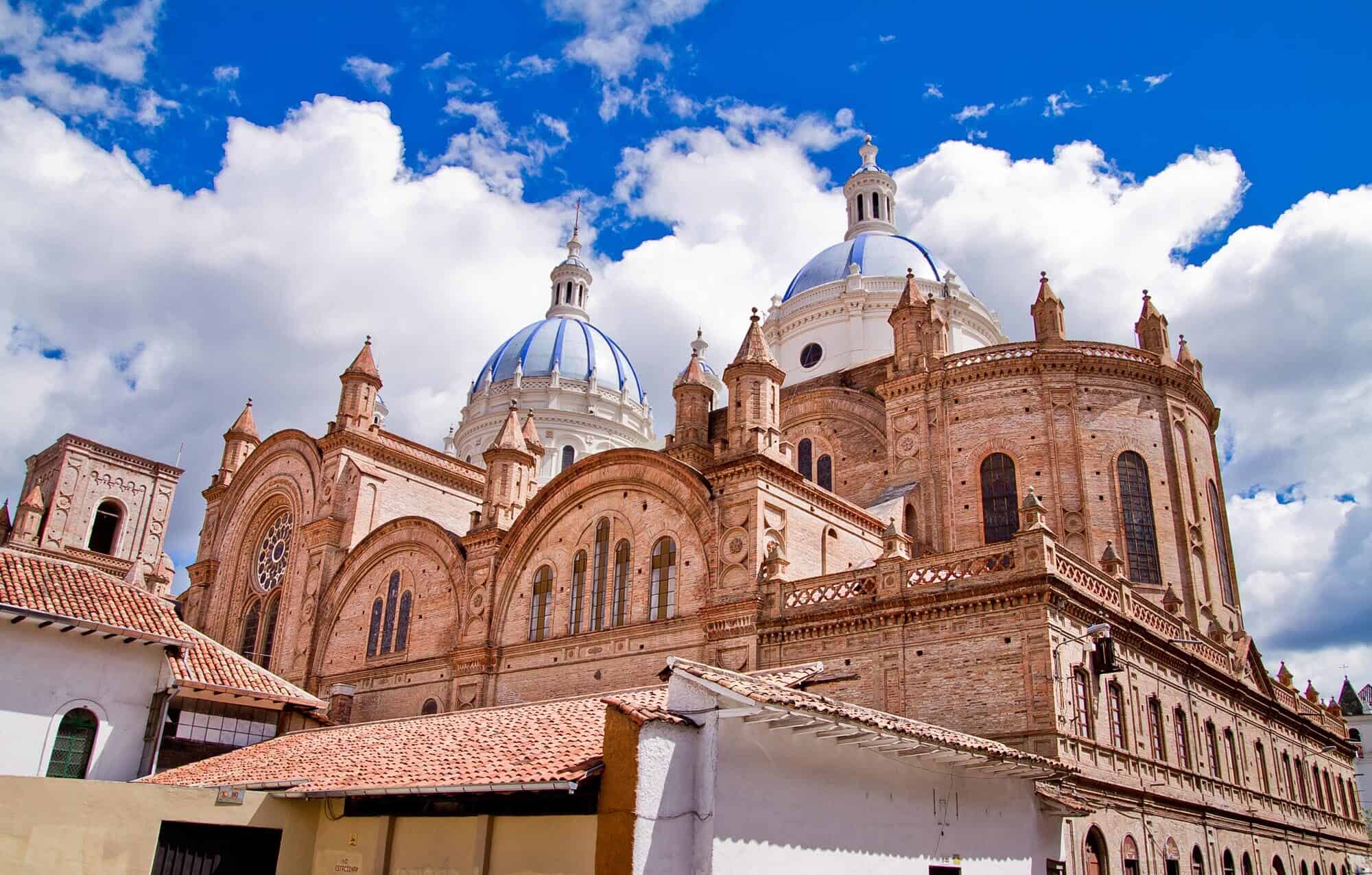
Cuenca spreads across an Andean plateau at 2,560 metres in southern Ecuador, watered by four rivers — the Tomebamba, Yanuncay, Machángara and Tarqui — and declared a UNESCO World Heritage Site for its colonial historic centre, one of the best preserved on the continent. The turquoise domes of the Catedral de la Inmaculada Concepción, known locally as the "Catedral Nueva", have become the city's visual symbol; nearby, the Catedral Vieja now houses the Museum of Religious Art. The flower markets at the Plaza de las Flores fill the air with fragrance every morning, while craft workshops lining the streets of the centre produce the famous toquilla straw hats, known worldwide as "Panama hats" though they originate right here in Ecuador. Cuenca also has the highest concentration of museums per capita of any Ecuadorian city, including the Pumapungo, which incorporates the remains of the Inca Todos Santos baths. An elegant and liveable city, chosen by many expats and slow travellers as their base in South America.
Auto
Giorno 8 — Cuenca → Guayaquil
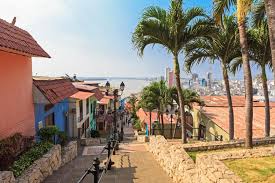
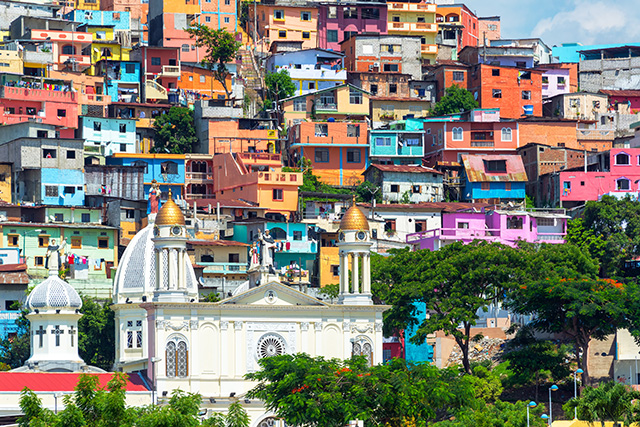
Guayaquil is Ecuador's most populous city and the country's main commercial port, set along the Río Guayas a short distance from the Pacific coast. The Malecón 2000, the waterfront promenade redeveloped in the early 2000s, is the heart of city life: visitors stroll past fountains, tropical gardens, monumental sculptures and the Museo Antropológico y de Arte Contemporáneo (MAAC). The historic barrio of Las Peñas, climbing up Cerro Santa Ana hill, is the most picturesque neighbourhood in the city, with its brightly painted houses, numbered stairways and seafood restaurants serving the celebrated encebollado broth and the classic Ecuadorian coastal ceviche de camarones. The top of Cerro Santa Ana offers a sweeping view of the Guayas, its river islands and modern Guayaquil below. As the gateway to the Galápagos, Guayaquil is a necessary stop for anyone visiting Ecuador, and rewards those who linger an extra day with pleasant surprises.