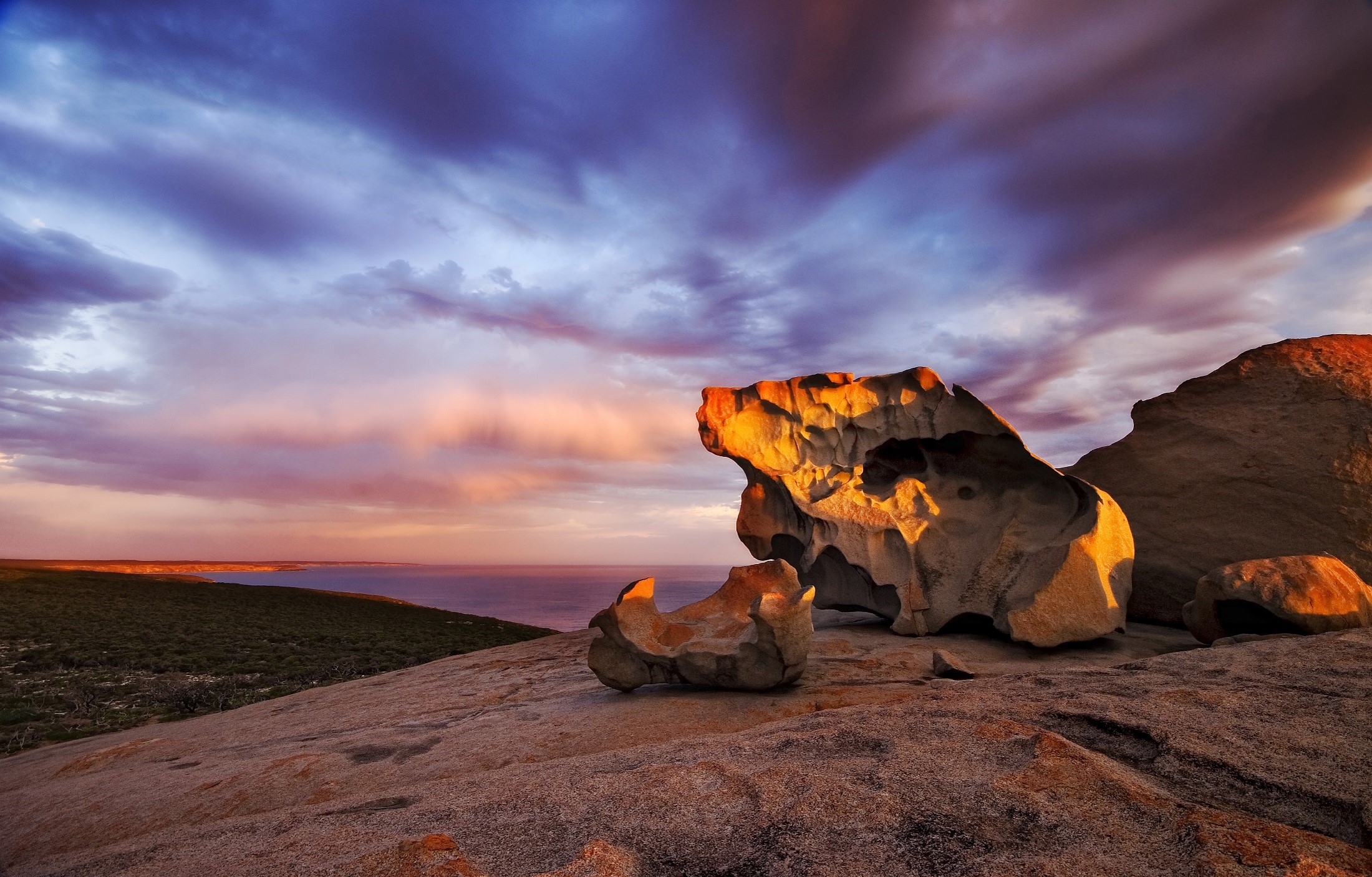
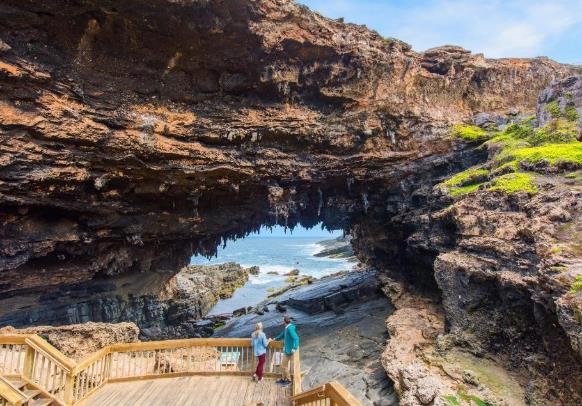
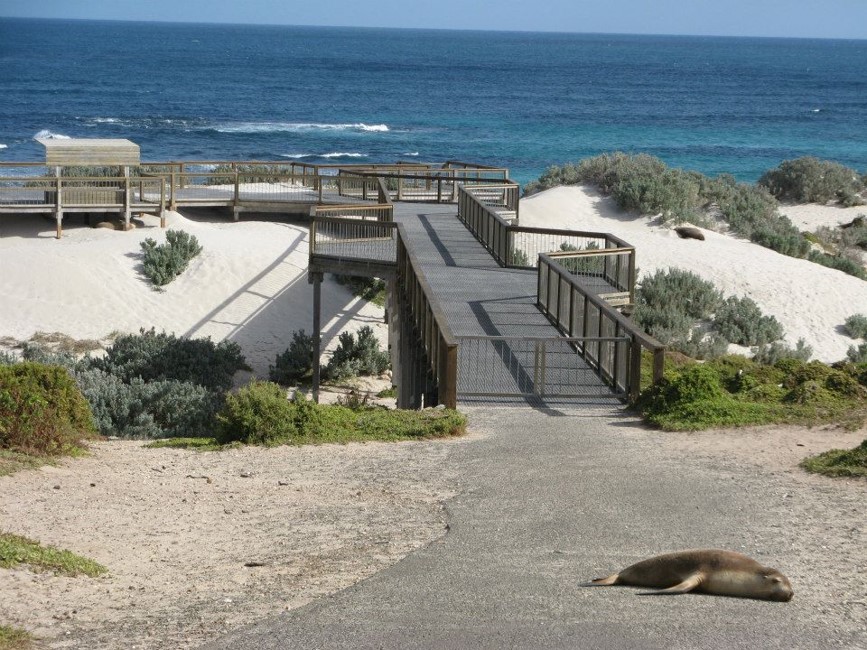
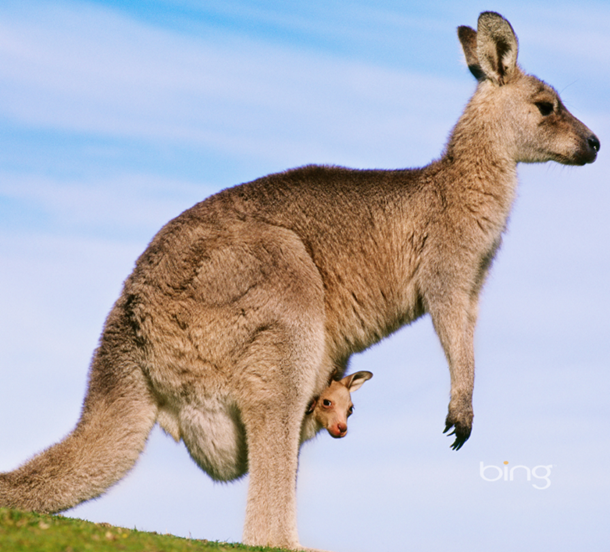
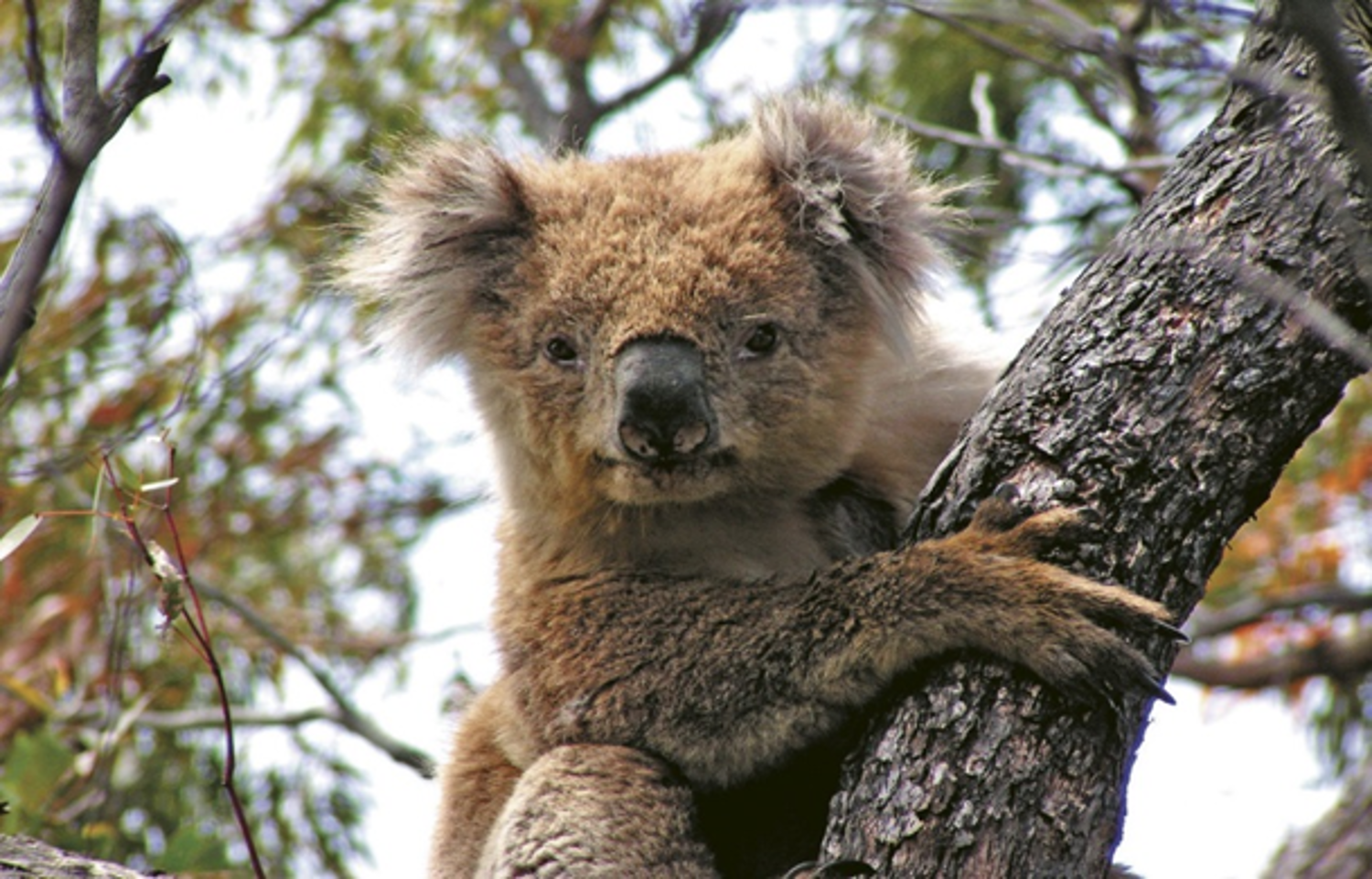
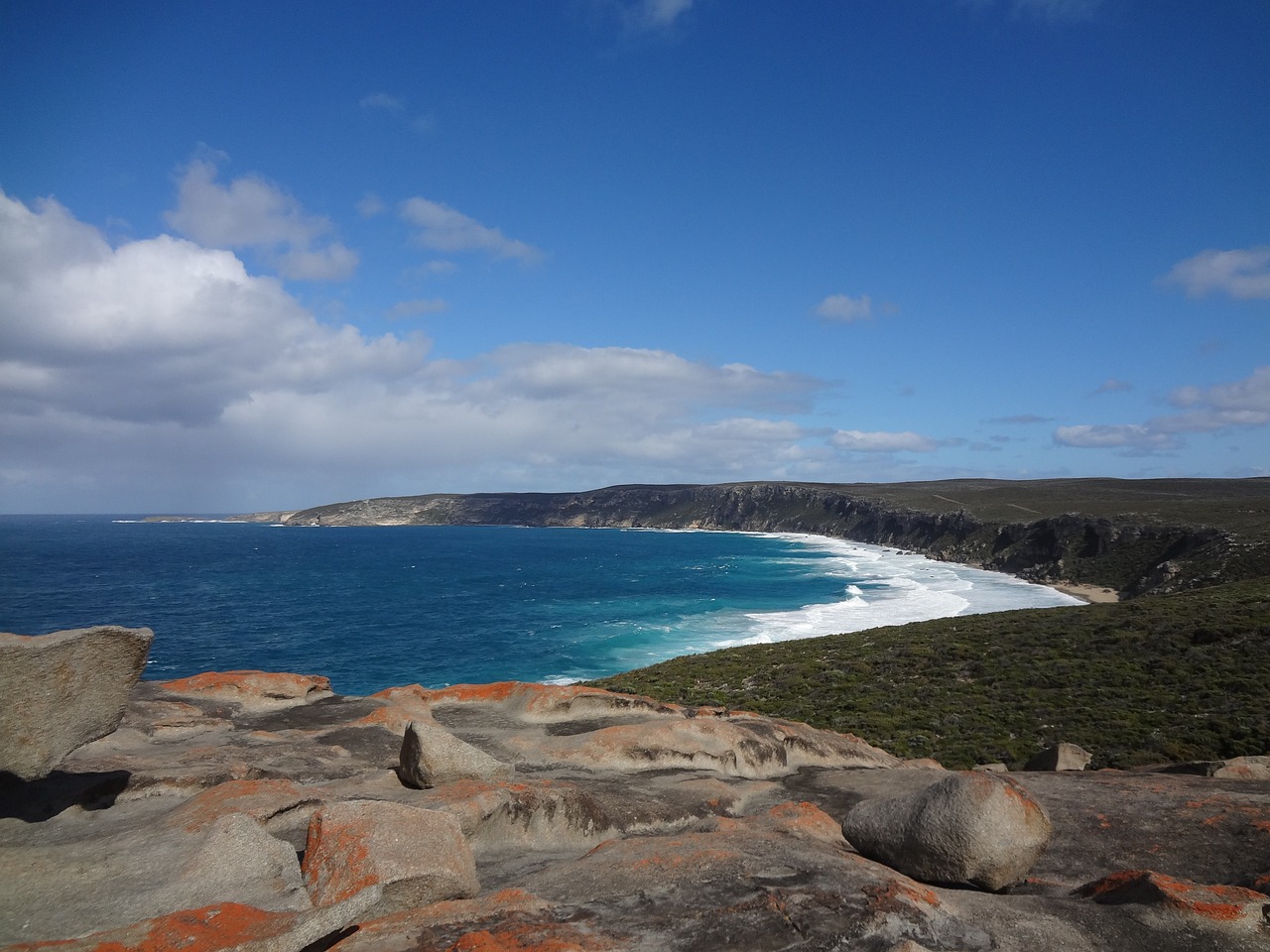
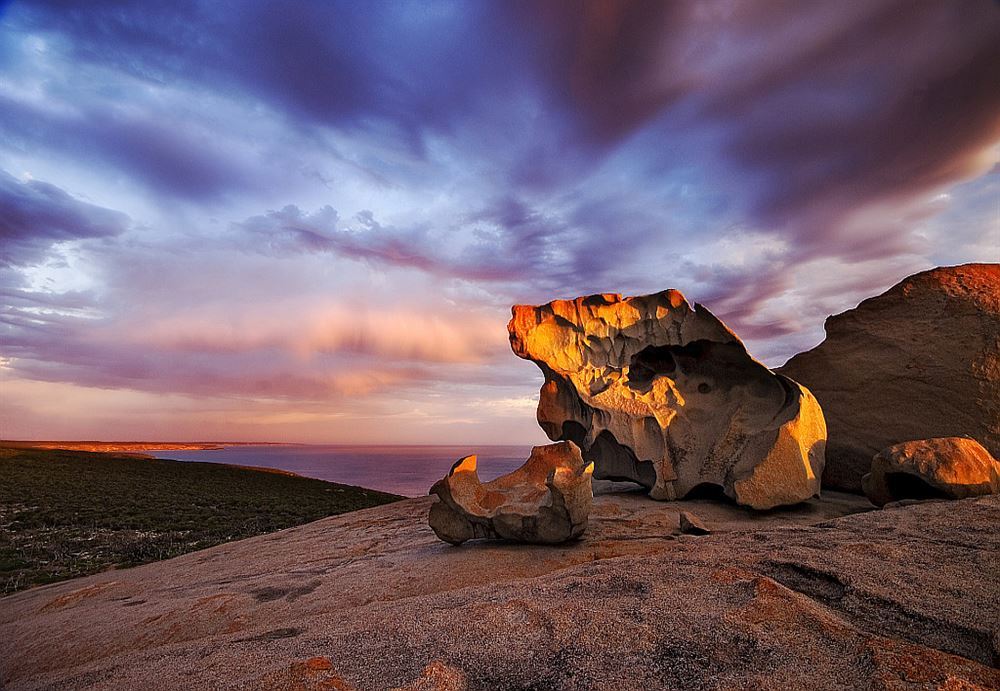
Kangaroo Island stretches off the southern coast of Australia, the continent's third-largest island and a genuine wildlife sanctuary, reached by ferry from Cape Jervis. Sea lions, koalas, echidnas and kangaroos roam freely across landscapes of dunes, eucalyptus forests, lagoons and wind-battered cliffs. Along the coast, the granite Remarkable Rocks, sculpted by time into surreal ochre shapes, and the natural span of Admirals Arch in Flinders Chase National Park rank among the island's most iconic sights. At Seal Bay you walk the beach among colonies of Australian sea lions, while the crystalline waters of Vivonne Bay and Stokes Bay invite swimming and snorkelling. Inland, fine local produce — Ligurian honey, cheeses, oysters and boutique wineries — makes Kangaroo Island as much a culinary destination as a natural one. An island where nature still sets the pace.
Auto
Giorno 3 — Kangaroo Island → Victor Harbor
Victor Harbor sits on the shores of Encounter Bay, on the Fleurieu Peninsula, just over an hour from Adelaide and facing the Southern Ocean. A seaside town of Victorian charm, it is famous for its historic horse-drawn tram that links the mainland to Granite Island along a causeway suspended over the water. From May to October its waters become a prime spot for watching southern right whales, while year-round the beaches, cliffs and coastal trails invite long walks. Nearby, the vineyards of the Fleurieu and the region’s villages round out the experience. Victor Harbor blends sea, wildlife and old-world charm.
Auto
Giorno 4 — Victor Harbor → Barossa Valley
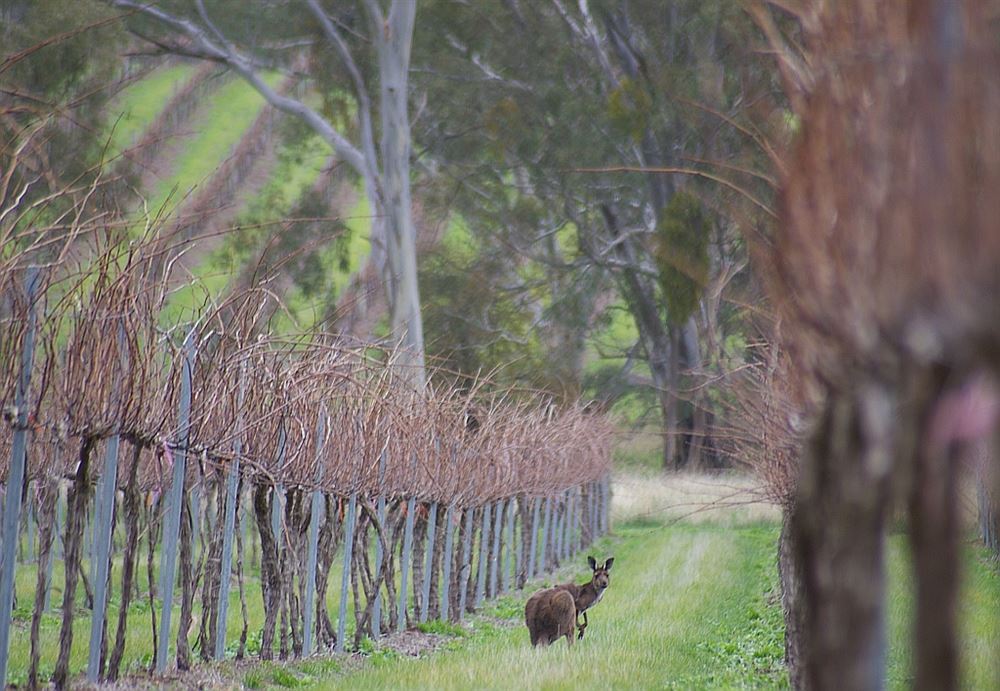
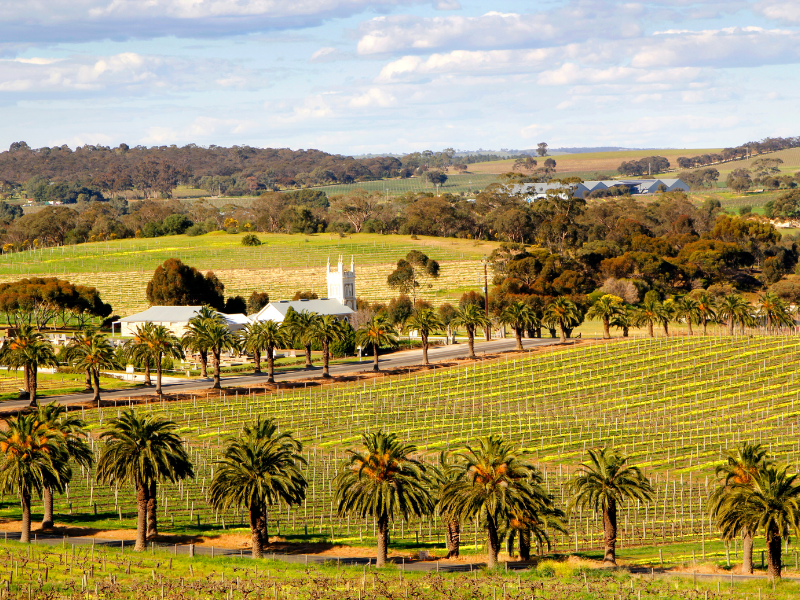
One of Australia’s most renowned wine regions, the Barossa Valley stretches just over an hour north-east of Adelaide, in South Australia. Its gentle hills are home to some of the oldest vines in the world and a winemaking tradition brought here by German settlers in the 19th century, still alive in village names such as Tanunda and Angaston. Among historic and modern cellars, the valley is the heartland of Australian Shiraz, to be tasted alongside refined cuisine that celebrates local produce. Farmers’ markets, artisan bakeries and signature restaurants complete a sensory experience. The Barossa is a must for lovers of wine, fine food and rural landscapes.
Auto
Giorno 6 — Barossa Valley → Flinders Ranges National P
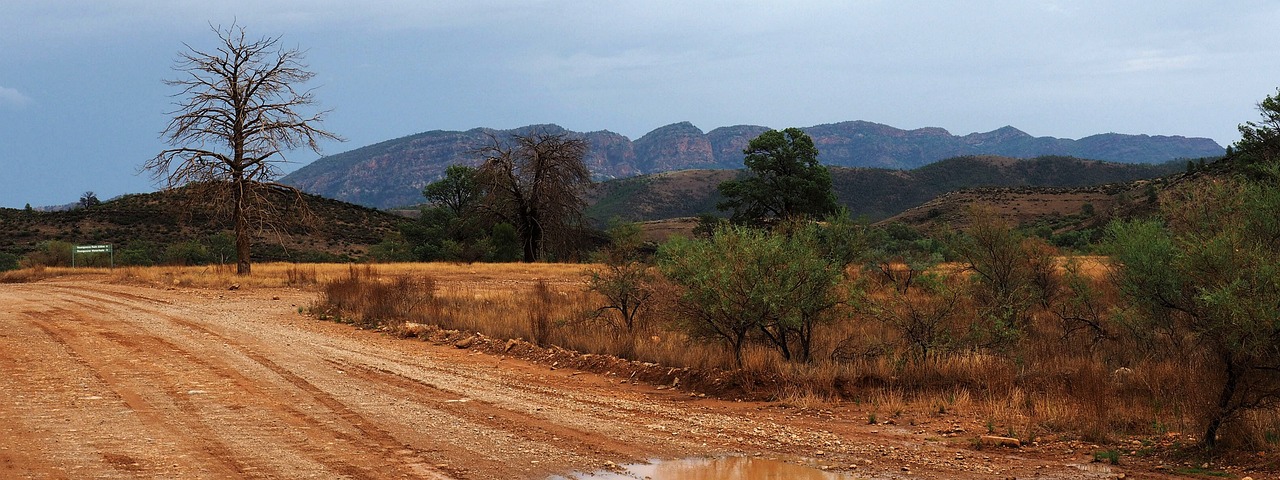
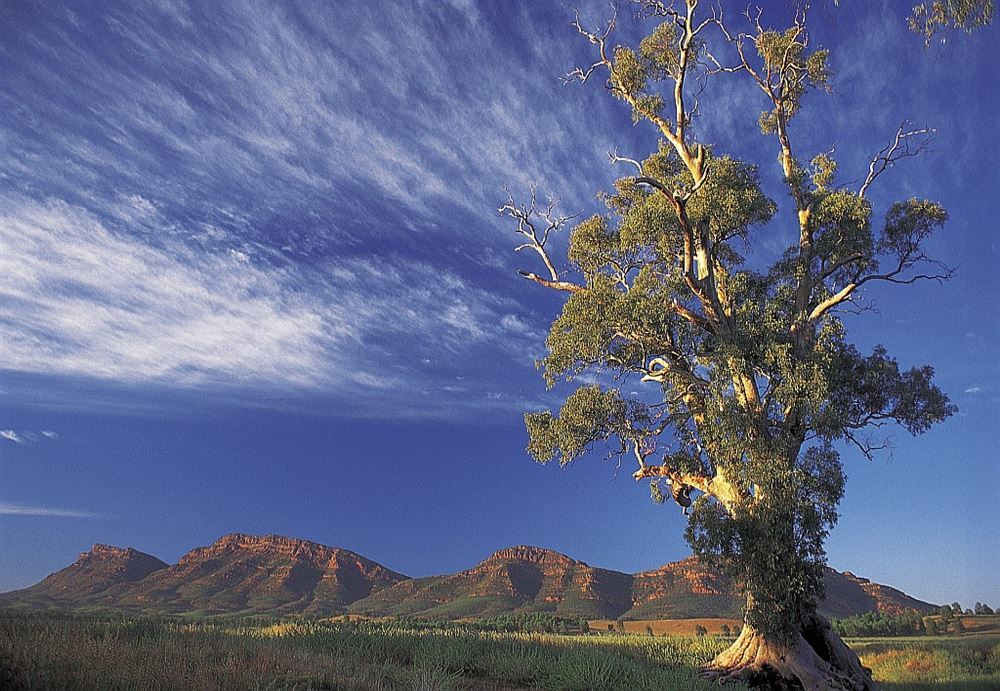
(5 hours / about 410 km). Continuing north, through the countryside, until the landscape becomes more rugged and wild. Stop in the small town of Hawker, with its characteristic late 19th-century buildings, before continuing towards the Flinders Ranges. Mountain ranges hundreds of millions of years old, the Flinders Ranges rise from the South Australian outback in a succession of reddish ridges, deep gorges and plains dotted with eucalyptus. At the heart of the region lies Wilpena Pound (Ikara), a spectacular natural amphitheatre of mountains enclosing a valley sacred to the Adnyamathanha people. Trails cross primeval landscapes where kangaroos, emus and wedge-tailed eagles roam undisturbed, while the rocks reveal some of the oldest fossils on Earth. At sunset the walls glow ochre and purple, and the nights offer star-filled skies without equal. The Flinders Ranges are the Australian interior in its purest, most silent form.
Auto
Giorno 8 — Flinders Ranges National P → Clare Valley
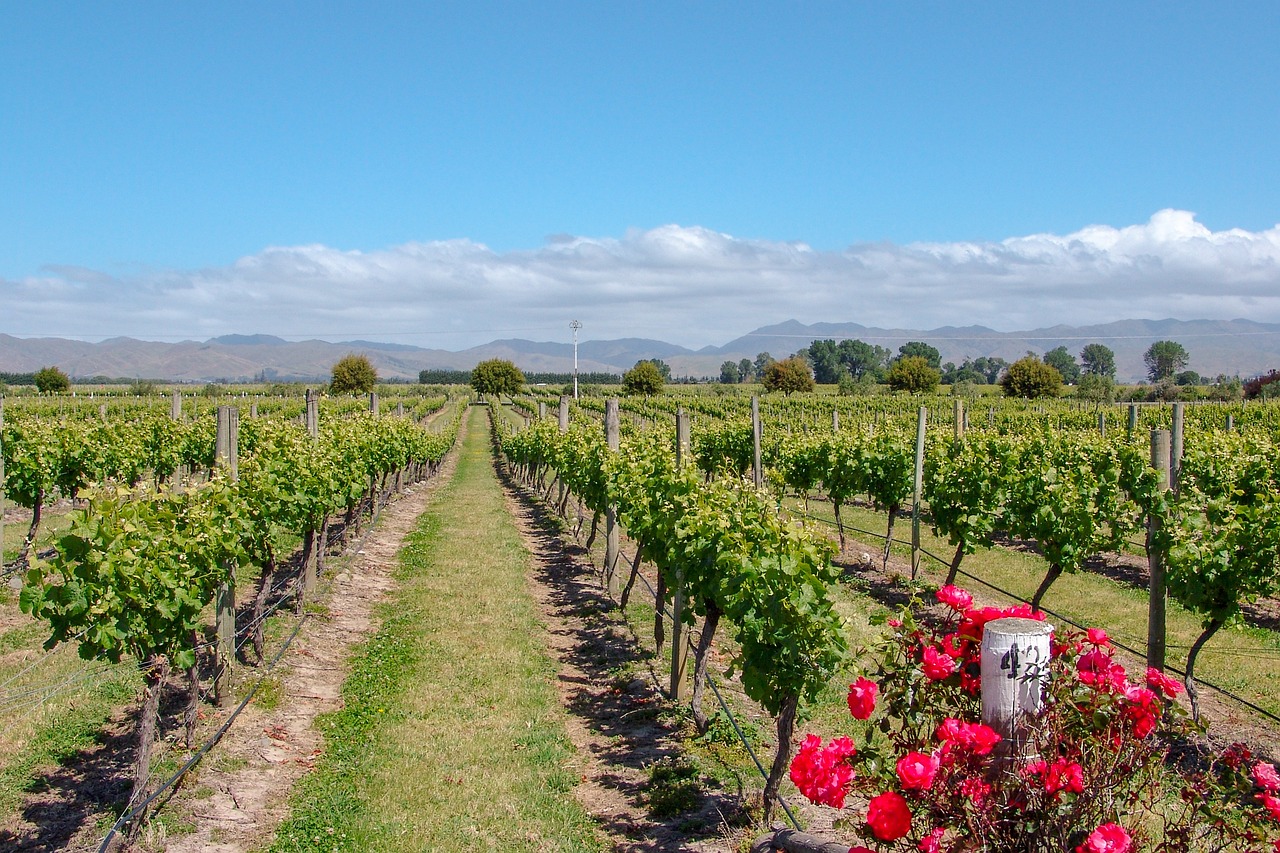
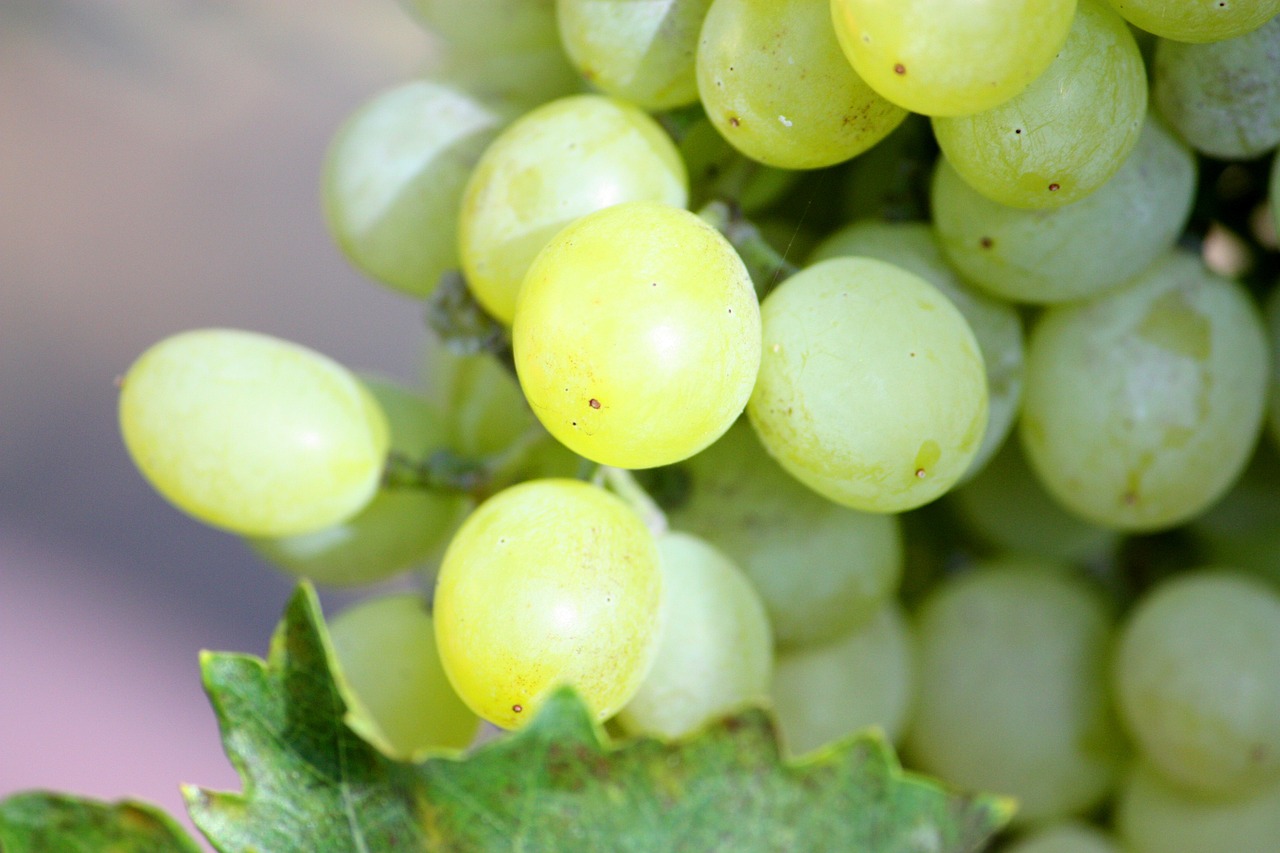
The Clare Valley unfolds north of Adelaide among rolling hills and sun-drenched rows of vines, guardian of a long winemaking tradition and celebrated as one of the world’s finest regions for Riesling. Its historic cellars, many founded by German and Irish settlers in the nineteenth century, alternate with picturesque villages such as Mintaro and evocative Sevenhill, where Jesuits have made wine since 1851. The Riesling Trail, a cycling path along a former railway line, invites visitors to explore the valley between tastings. The Clare Valley is an ideal destination for lovers of wine, rural landscapes and genuine hospitality.
_20260521140145.png)
_20260521140146.png)