Giorno 2 — Lima → Cuzco
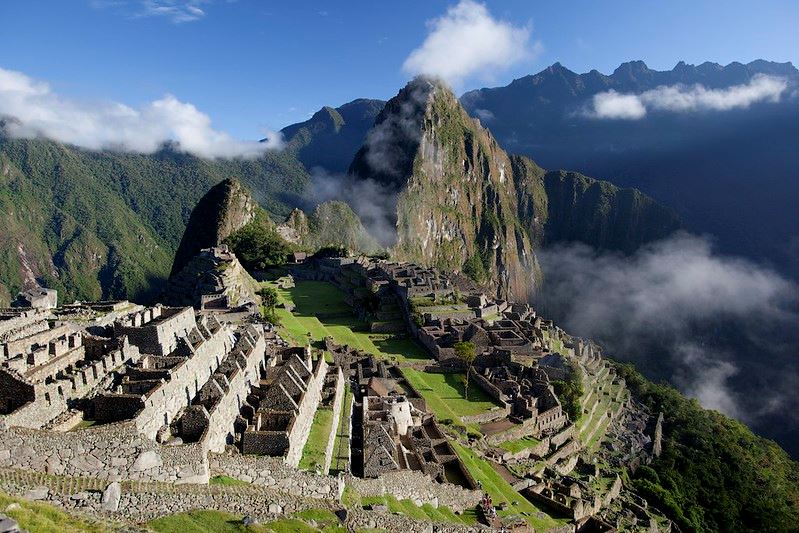
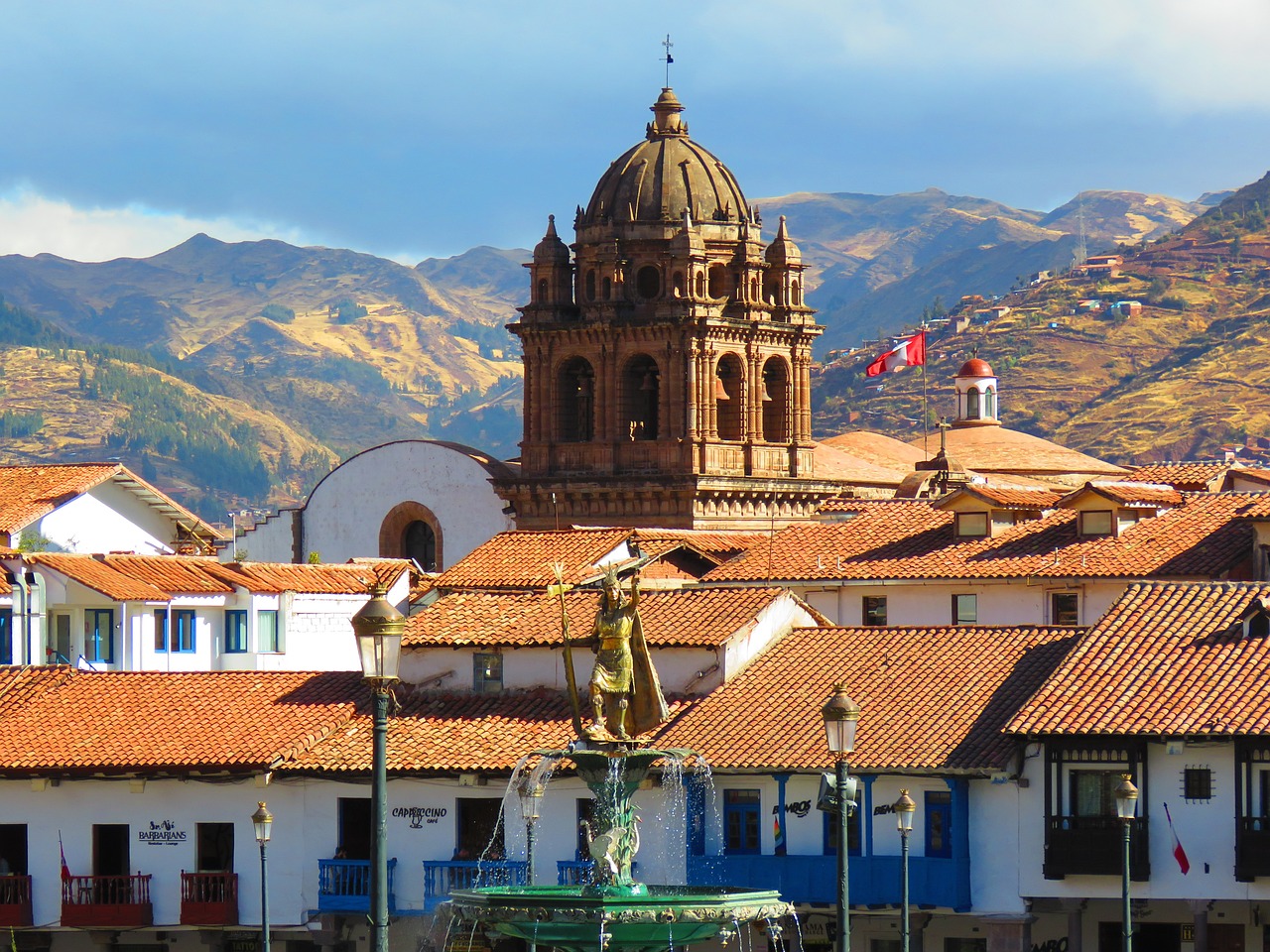
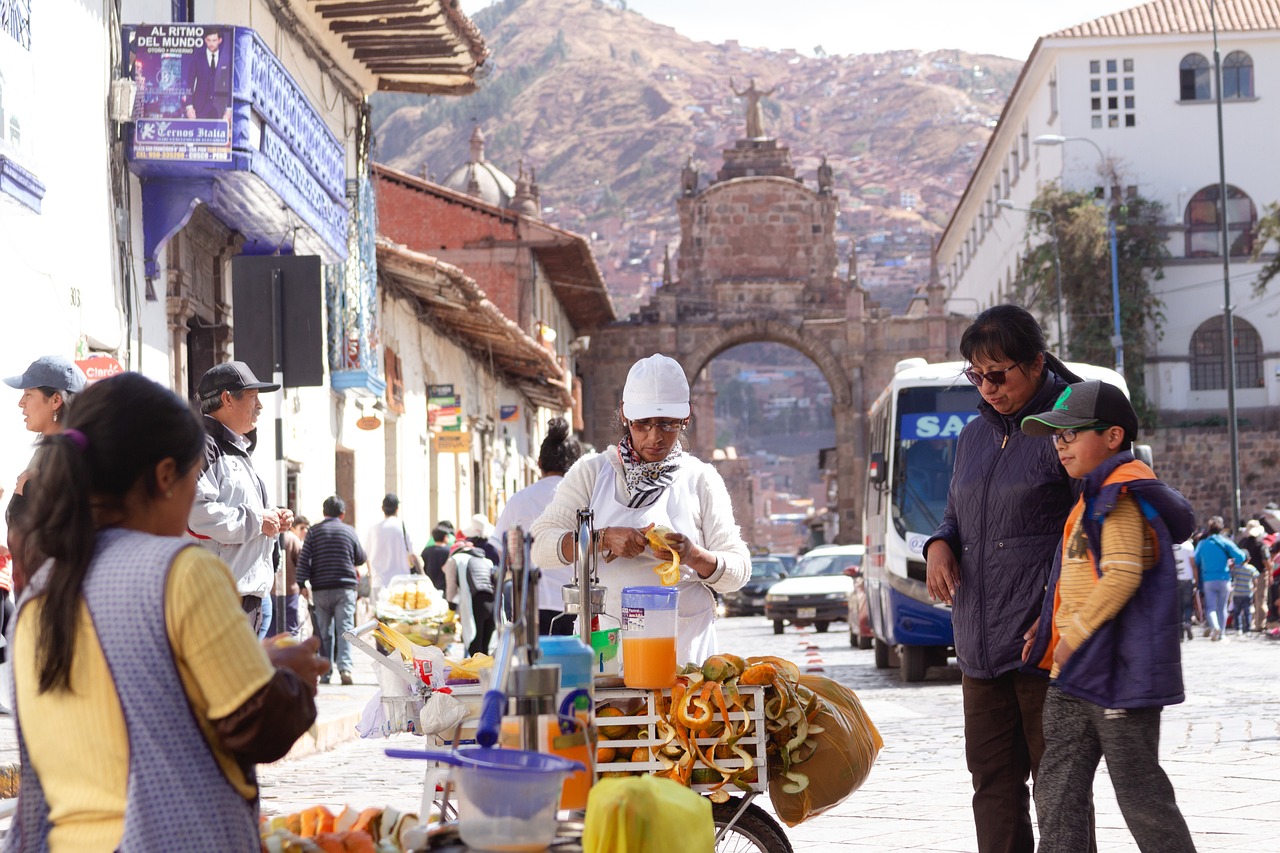
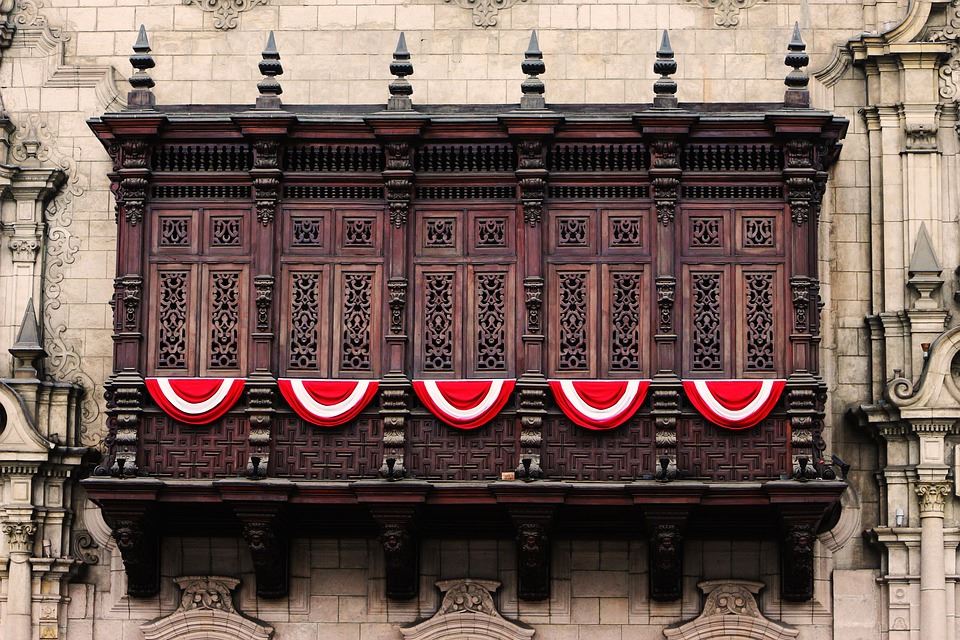
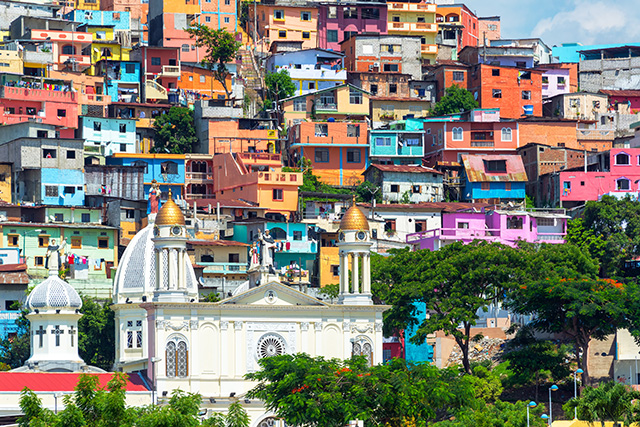
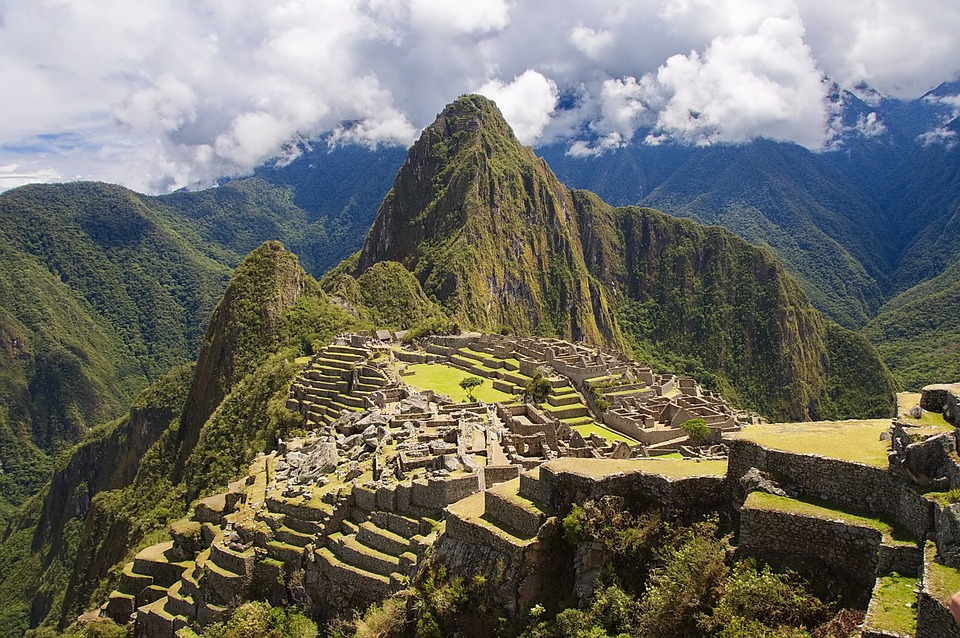
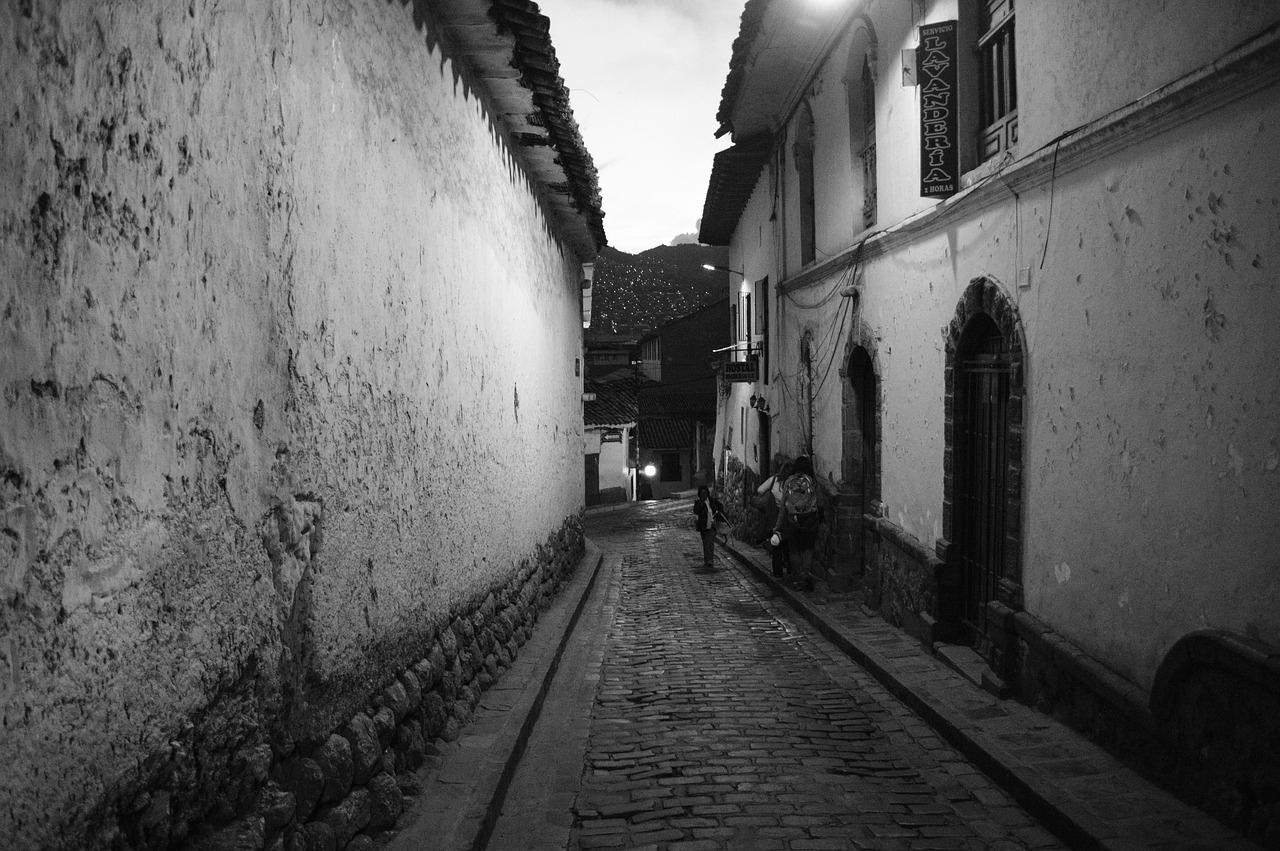
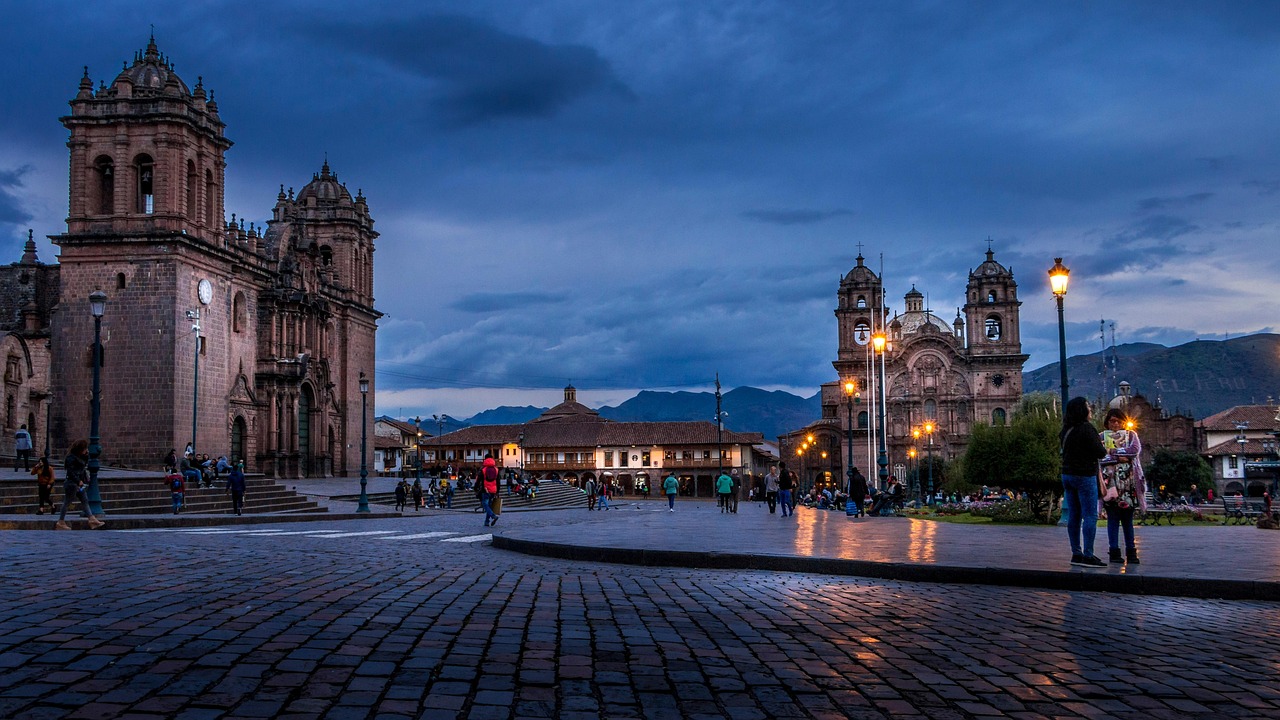
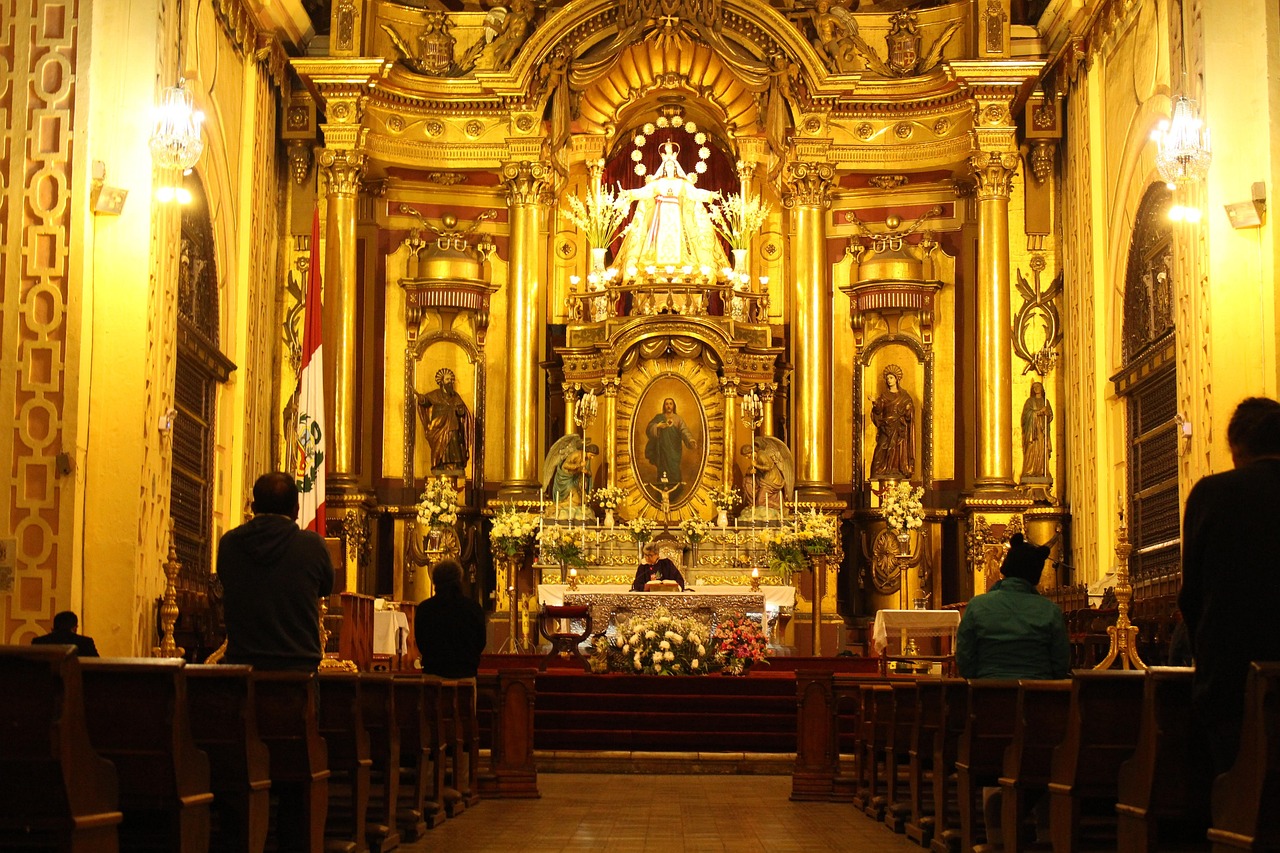
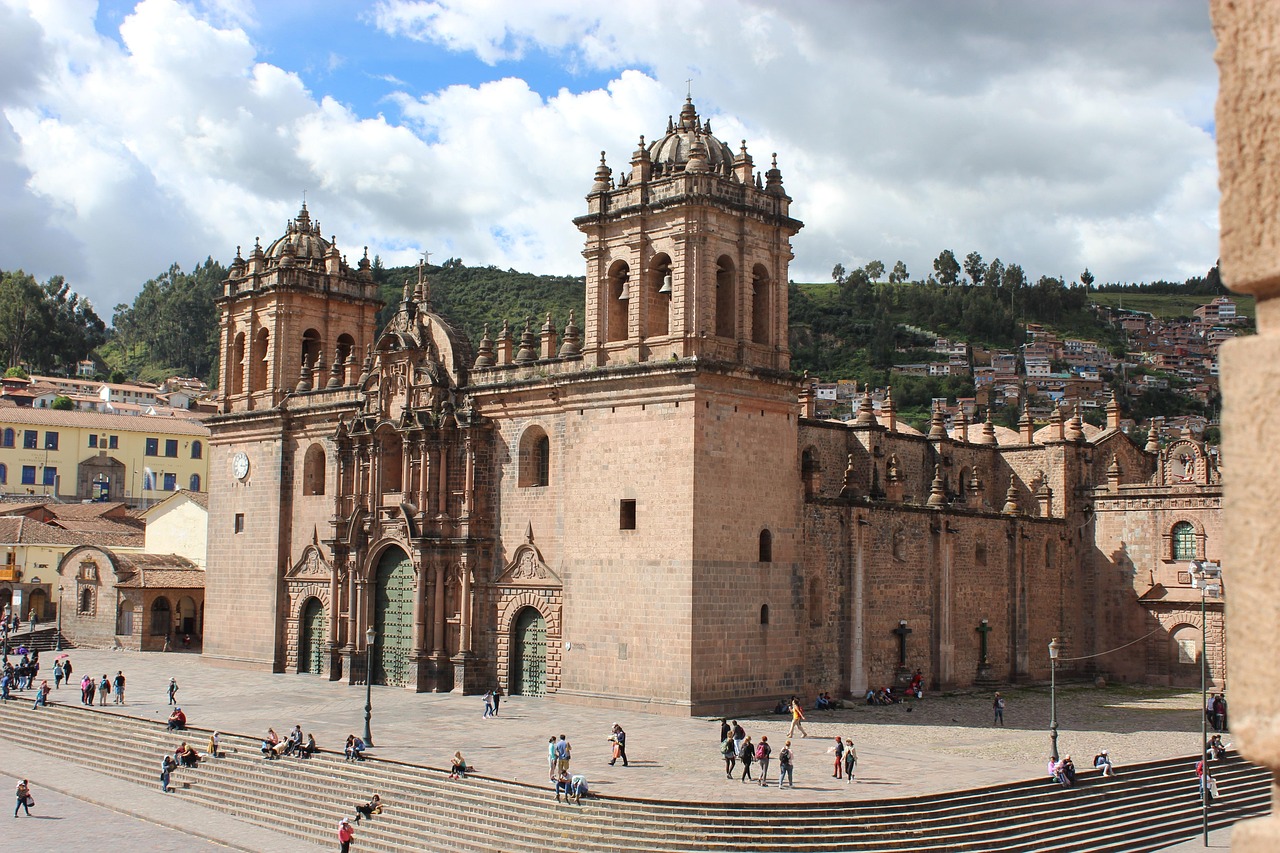
Once the capital of the Inca Empire, Cuzco unfolds at over 3,400 metres above sea level among the mountains of the Peruvian Andes, holding within its very name — Qosqo, "the navel of the world" — the sacred role it played for centuries. A UNESCO World Heritage Site, the city is a living palimpsest in which mighty Inca walls, perfectly fitted without mortar, form the foundations of Spanish colonial palaces and churches. Its beating heart is the Plaza de Armas, dominated by the Cathedral and the Iglesia de la Compañía de Jesús, surrounded by arcades, cafés and craft workshops. Nearby, the Qorikancha — the Temple of the Sun, once clad in sheets of gold — bears witness to the architectural genius of the Inca, upon which the conquistadors built the convent of Santo Domingo. Climbing toward the San Blas quarter, cobbled lanes, flower-filled balconies and artists' studios reveal the city's most intimate soul, while the famous alley of Hatun Rumiyoc guards the legendary twelve-angled stone. On the heights above Cuzco rises the ceremonial fortress of Sacsayhuamán, with its enormous megalithic blocks, an ideal starting point to explore the Sacred Valley of the Incas. From here you reach the sites of Pisac, Ollantaytambo and Chinchero, with their colourful markets and agricultural terraces carved into the mountains, and above all Machu Picchu, the mythical lost city among the clouds. Cuzco is also a sensory experience: markets such as San Pedro are fragrant with corn, Andean potatoes and tropical fruits, while local cuisine offers dishes such as cuy, alpaca and chicha de jora. Amid ancestral ceremonies, festivals like Inti Raymi and a spirituality that still pervades the streets, Cuzco welcomes the traveller into a journey out of time, where Inca history and colonial heritage coexist beneath the clear Andean sky.