Giorno 3 — Waterberg → Etosha National Park
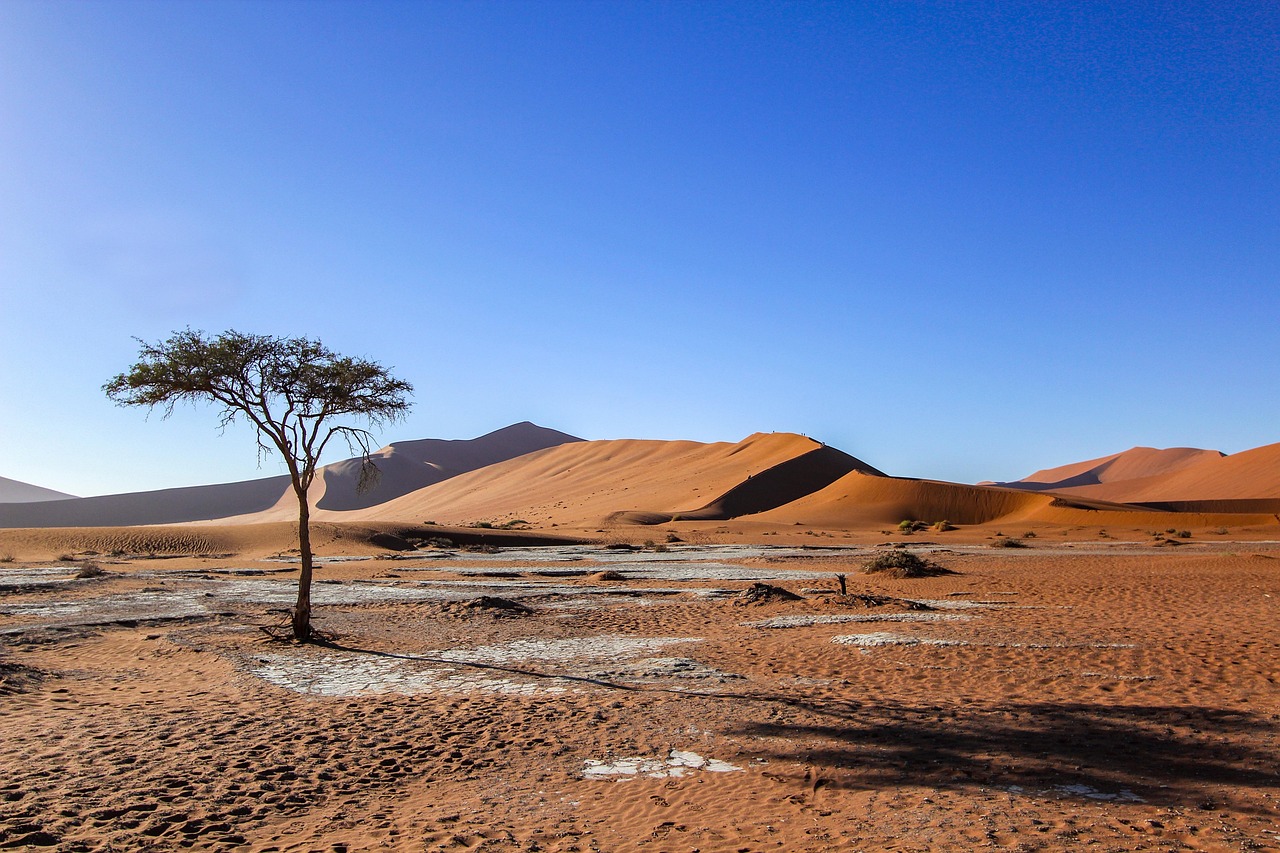
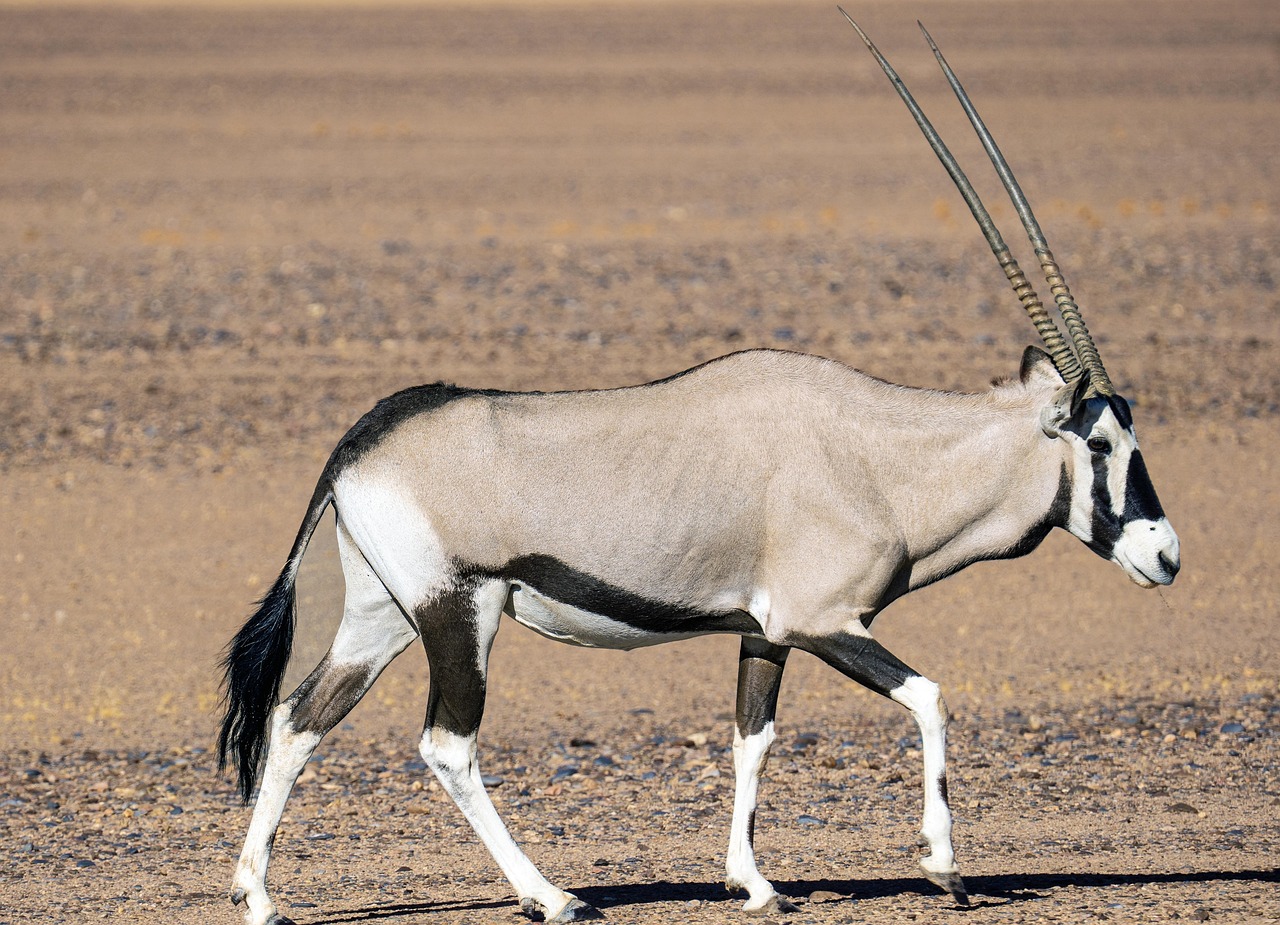
Etosha National Park is one of the great wildlife sanctuaries of southern Africa and Namibia's premier nature reserve, stretching across more than 22,000 square kilometres around a vast white salt pan — the Etosha pan — visible even from space. The name Etosha means 'great white place' in the Ovambo language, perfectly describing this ancient dried lake bed that, in the dry season, becomes the focal point around which the park's entire wildlife concentrates. Elephants, lions, leopards, cheetahs, wildebeest, zebras, oryx and the extremely rare black rhinoceros approach the waterholes in the morning and evening hours, making game drives here among the most productive on the continent. The park is divided into three main areas accessible from the official camps of Okaukuejo, Halali and Namutoni, each with a floodlit waterhole where animals can be watched at night from comfortable viewing terraces. Okaukuejo houses the park headquarters and an iconic waterhole frequented by black rhinos with remarkable regularity. Namutoni, at the eastern end, features Fort Namutoni, a restored former German colonial fortress dating from 1902, converted into a lodge. The vegetation alternates between mopane woodlands, open grasslands and salt flats along the edges of the pan, creating landscapes of stark, almost lunar beauty. The best season for wildlife is June to October, when rainfall is absent and animals gather at the waterholes. Etosha is accessible by private car or on organised safaris from Windhoek or Swakopmund, and is an unmissable experience for anyone visiting Namibia.
_20260225162837.png)

