Self Drive throught the North of Chile - from Calama to Arica - 8 days — NAAR
1 / 5
Self Drive throught the North of Chile - from Calama to Arica - 8 days
Self Drive Tours8 Giorni
Calama, Chile
San Pedro de Atacama›Iquique›Valle de Codpa›Putre›Arica
Itinerary
Giorno 1 — San Pedro de Atacama
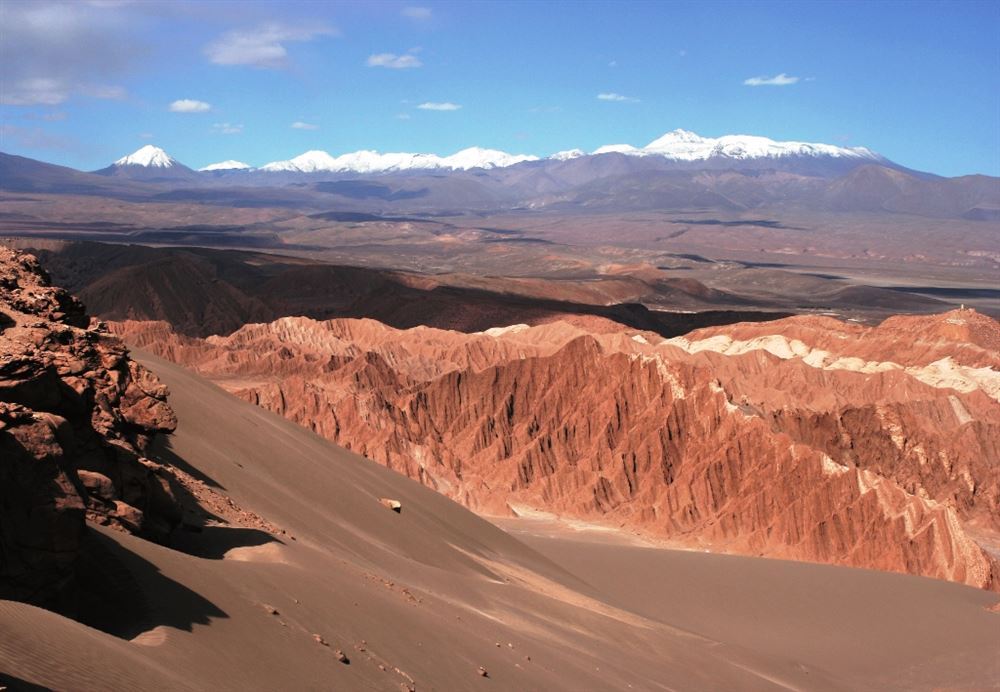
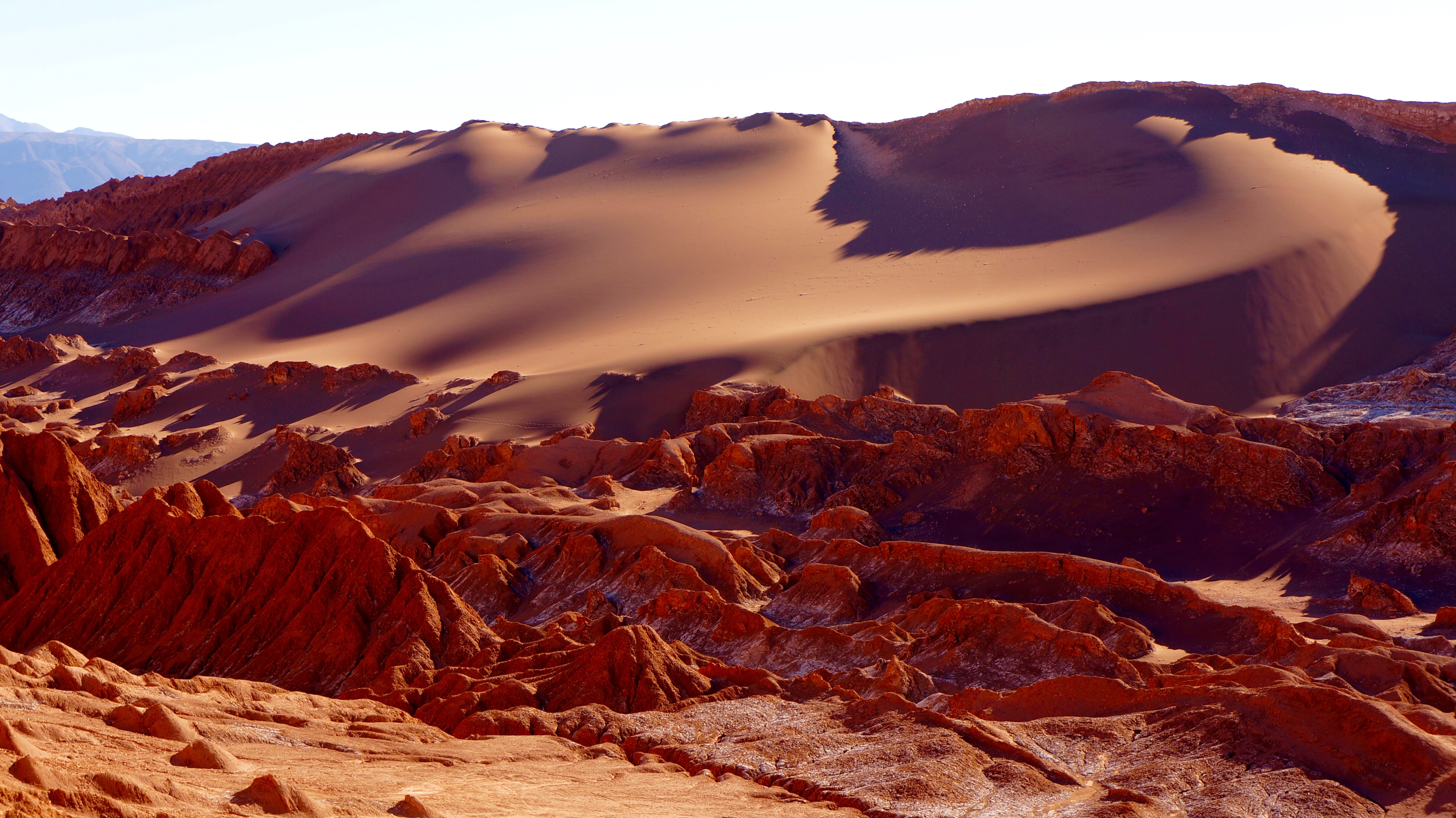
San Pedro de Atacama is the exploratory heart of the driest desert in the world: an ochre adobe village at 2,400 metres in the Antofagasta region, surrounded by volcanoes, salt flats and lagoons of unreal chromatic beauty. The Plaza de Armas with its colonial church in volcanic stone is the centre of a community that coexists with dozens of adventure operators, establishing itself as one of the most vibrant exploration tourism hubs in South America. Dawn at the Valle de la Luna — a lunar landscape of dunes and salt formations bathed in pink light — is one of the continent's most extraordinary visual experiences; at sunset the sky turns orange and violet, and the silence of the desert becomes absolute. The Salar de Atacama, a few kilometres away, hosts colonies of pink flamingos reflected in the still saline waters like a mirror. Nearby, the El Tatio geysers are active at dawn at over 4,300 metres, where steam rises into the freezing Puna air in a breathtaking spectacle. The altiplano lagoons of Miscanti and Miñiques, at around 4,100 metres, display colours ranging from pale blue to deep turquoise, framed by volcanic cones. The Museo Arqueológico R. P. Gustavo Le Paige holds an extraordinary collection of Atacameño cultural artefacts, including mummies perfectly preserved by the extreme dryness. San Pedro is also a privileged haven for stargazers: the Atacama's night sky, with its exceptional transparency and absence of light pollution, is among the most star-filled on Earth, and several facilities offer guided observations of the southern constellations. After excursions, the dusty village streets come alive with travellers seeking local crafts, Andean cuisine and a good pisco sour.
Altro
Giorno 4 — San Pedro de Atacama → Iquique
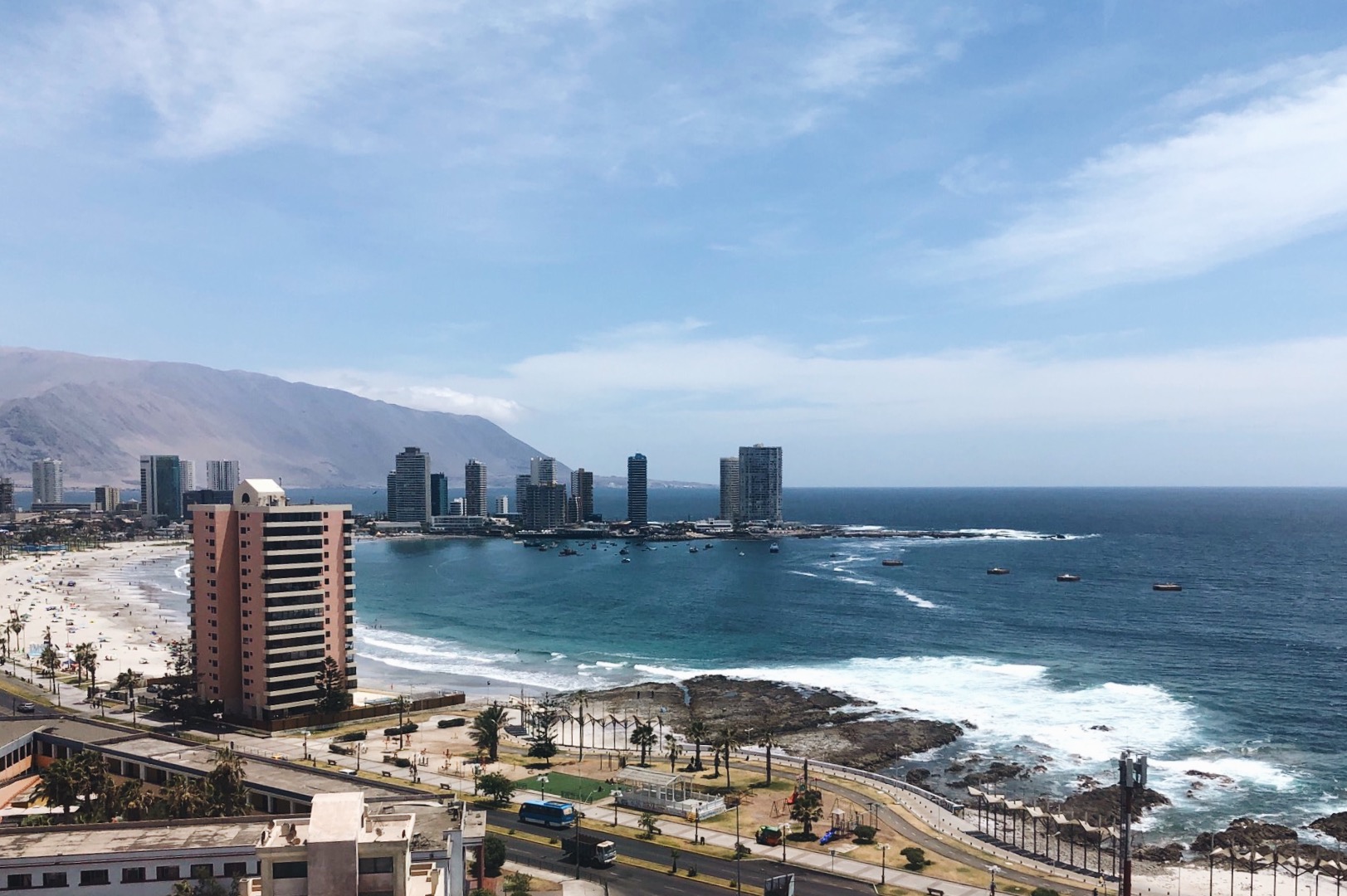
Iquique faces the Pacific Ocean in the Atacama desert, at the foot of a hundred-metre cliff that separates the coast from the Andean desert plateau: a cosmopolitan seaside city with an identity shaped by the sodium nitrate boom between 1880 and 1920. The historic Baquedano neighbourhood, with its Georgian wooden houses, clock tower and shaded arcades, is a living monument to that golden era and ranks among Chile's finest examples of nitrate-era architecture. The Cavancha waterfront is the most popular beach, ideal for swimming and surfing thanks to the constant swells generated by the open ocean. Iquique is indeed one of the world's most sought-after paragliding destinations: the updrafts created by the cliff allow for long flights with views over the city and the ocean. To the north lies the Reserva Nacional Pampa del Tamarugal, with the Pintados geoglyphs — figures drawn into the ground by pre-Columbian cultures — and the small desert oasis of Pica with its thermal waters. Iquique's duty-free Zona Franca attracts shoppers from across Chile. The gastronomy bears a strong Peruvian influence and draws on the ocean's bounty: ceviches, chupe de mariscos and humitas are the most beloved dishes.
Auto
Giorno 5 — Iquique → Valle de Codpa
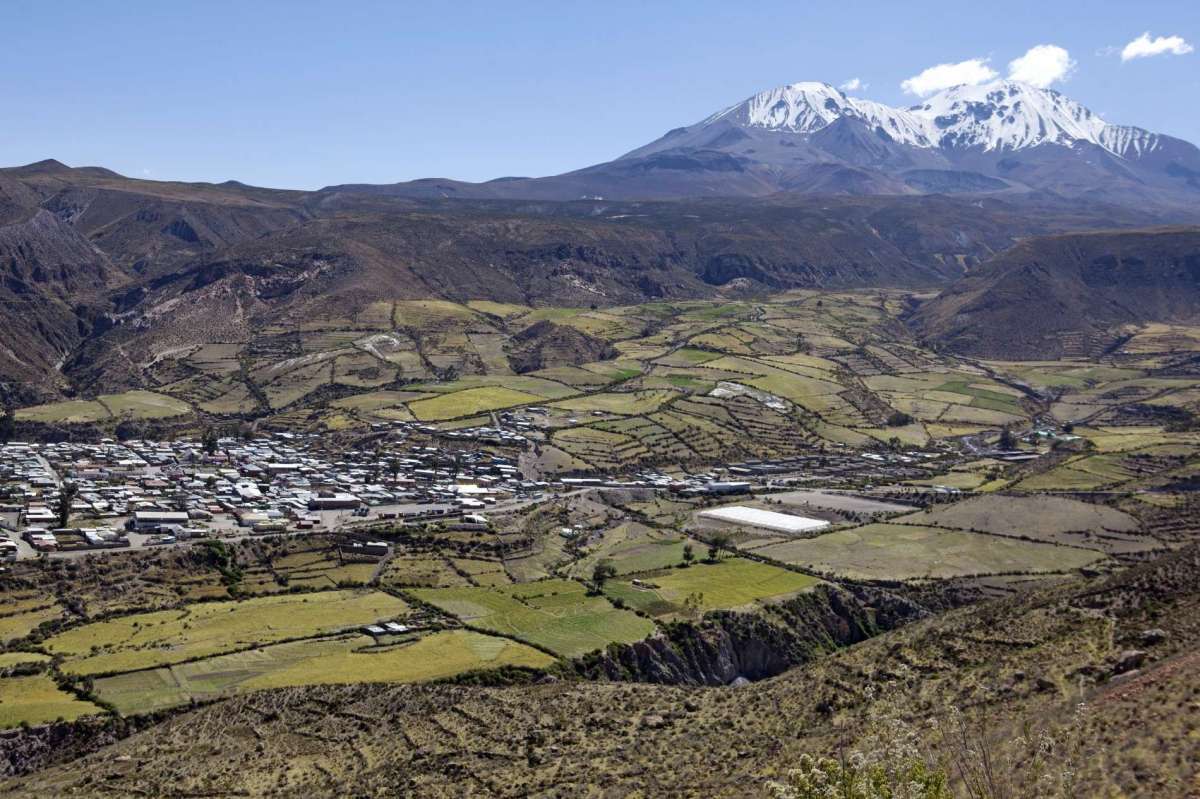
The Codpa Valley is a green oasis in the middle of the Atacama desert, in the Arica y Parinacota region, where a small river has allowed the survival of an Aymara village surrounded by vineyards, orchards and terraces cultivated using pre-Columbian techniques. The village of Codpa, with its colonial church and dusty streets, is a microcosm of Andean rural life virtually unchanged over time. The valley produces the País grape used to make local artisan pisco, and a visit to the Pisquería Codpa winery is an authentic experience. The landscape of ochre canyons, intense blue sky and green olive groves holds a quiet, understated beauty. An ideal retreat for those seeking authenticity far from mass tourism.
Auto
Giorno 6 — Valle de Codpa → Putre
Putre is a small Andean village in the Arica y Parinacota region, at 3,500 metres above sea level at the foot of the Taapaca volcano, surrounded by a landscape of puya, queñoa and wild llamas. The gateway to Lauca National Park and the Reserva Nacional Las Vicuñas, it is the logistical base for acclimatising to altitude before ascending to the Andean plateau where the Cotacotani lakes, Lago Chungará and the Parinacota volcano at nearly 6,400 metres are found. The village retains an authentic Aymara indigenous atmosphere, with dirt streets, low stone houses and a seventeenth-century colonial church. The night sky at this altitude, free from light pollution, is extraordinarily clear. An ideal stop for those travelling to the Andean plateau of northern Chile.
Auto
Giorno 7 — Putre → Arica
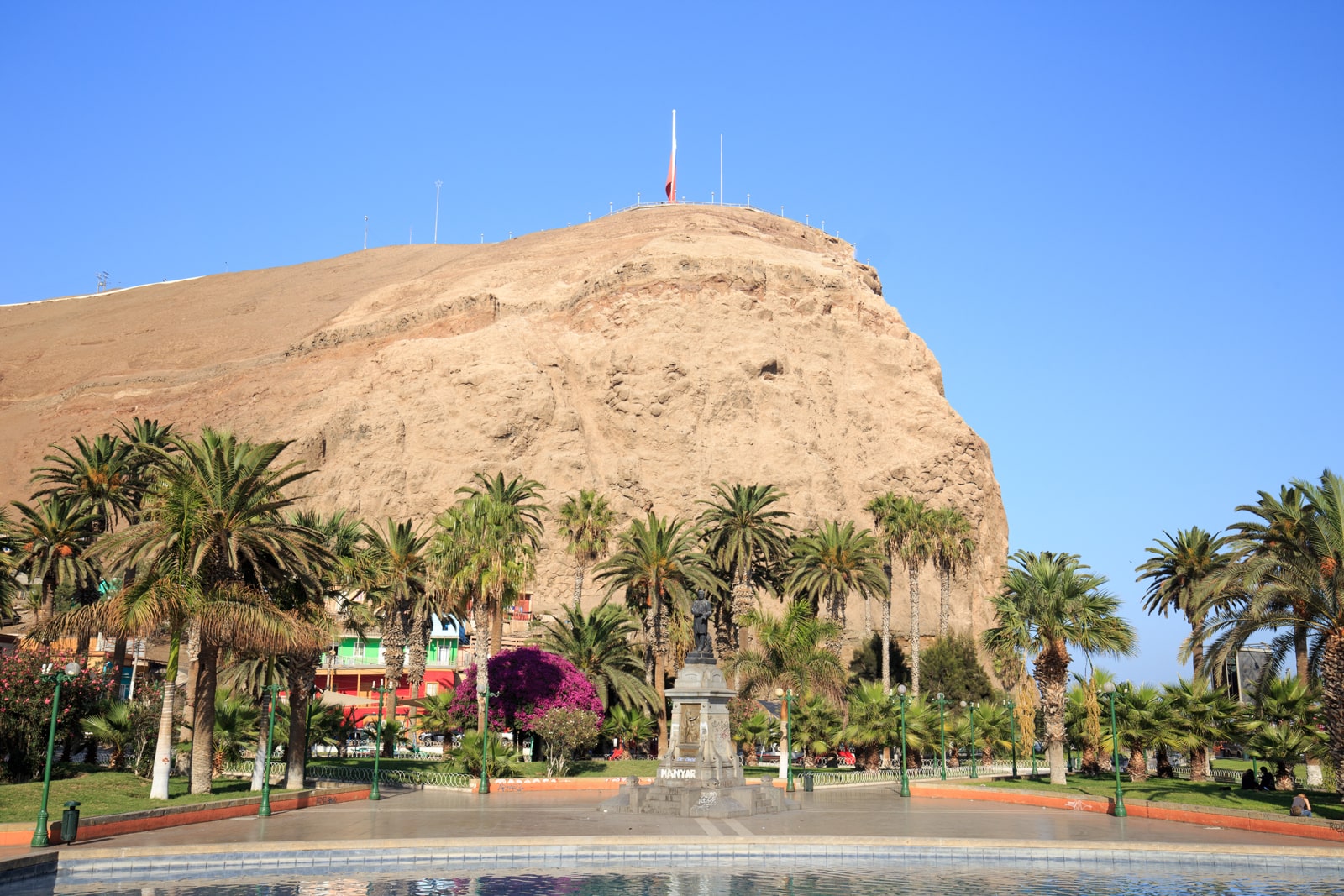
Arica sits at the far north of Chile, just a few kilometres from the Peruvian border, wedged between the Pacific and the cliffs of the Atacama desert in a mild climate year-round that earns it the title of «the city of eternal spring». The Morro de Arica, a rocky promontory rising 110 metres above the sea, is the city's symbol and home to the Museo de las Armas, with relics from the Battle of the Morro in 1880. The Catedral de San Marcos, designed by Gustave Eiffel and prefabricated in Paris in 1875, is the historic centre's main attraction. The beaches of El Laucho and La Lisera offer calm waters for swimming, while the waves of Playa Chinchorro and Corazones attract surfers from across the Pacific. Arica is the departure point for Lauca National Park on the Andean plateau at over 4,500 metres, with the Parinacota volcano, the Cotacotani lagoons and Lago Chungará, one of the most beautiful high-altitude lakes in the world.