Southern Honshu and Shikoku: onsens, art, and temples
Suggested Itineraries8 Giorni
Kyoto, Japan
Kinosaki›Okayama›Takamatsu›Kotohira›Oboke
Southern Honshu and Shikoku: onsens, art, and temples — NAAR
Itinerary
Giorno 1 — Kinosaki
Kinosaki Onsen enchants with its retro atmosphere, set along a canal lined with weeping willows and stone bridges in the northern part of Hyogo, a short distance from the Sea of Japan. This elegant hot-spring town has made its seven public baths (soto-yu) the heart of the experience: guests stroll from one spring to the next wrapped in yukata and wearing geta clogs, in a scene unchanged for centuries. The lanes are lined with traditional ryokan, little shops and inns serving the prized Tajima crab, the winter speciality of this stretch of coast. A cable car climbs to the mountaintop for views over the bay, while nearby lie beaches and the Onsen-ji temple. Kinosaki is the ideal retreat for those wishing to savour the most authentic Japan, between warm waters and old-world charm.
Treno
Giorno 2 — Kinosaki → Okayama
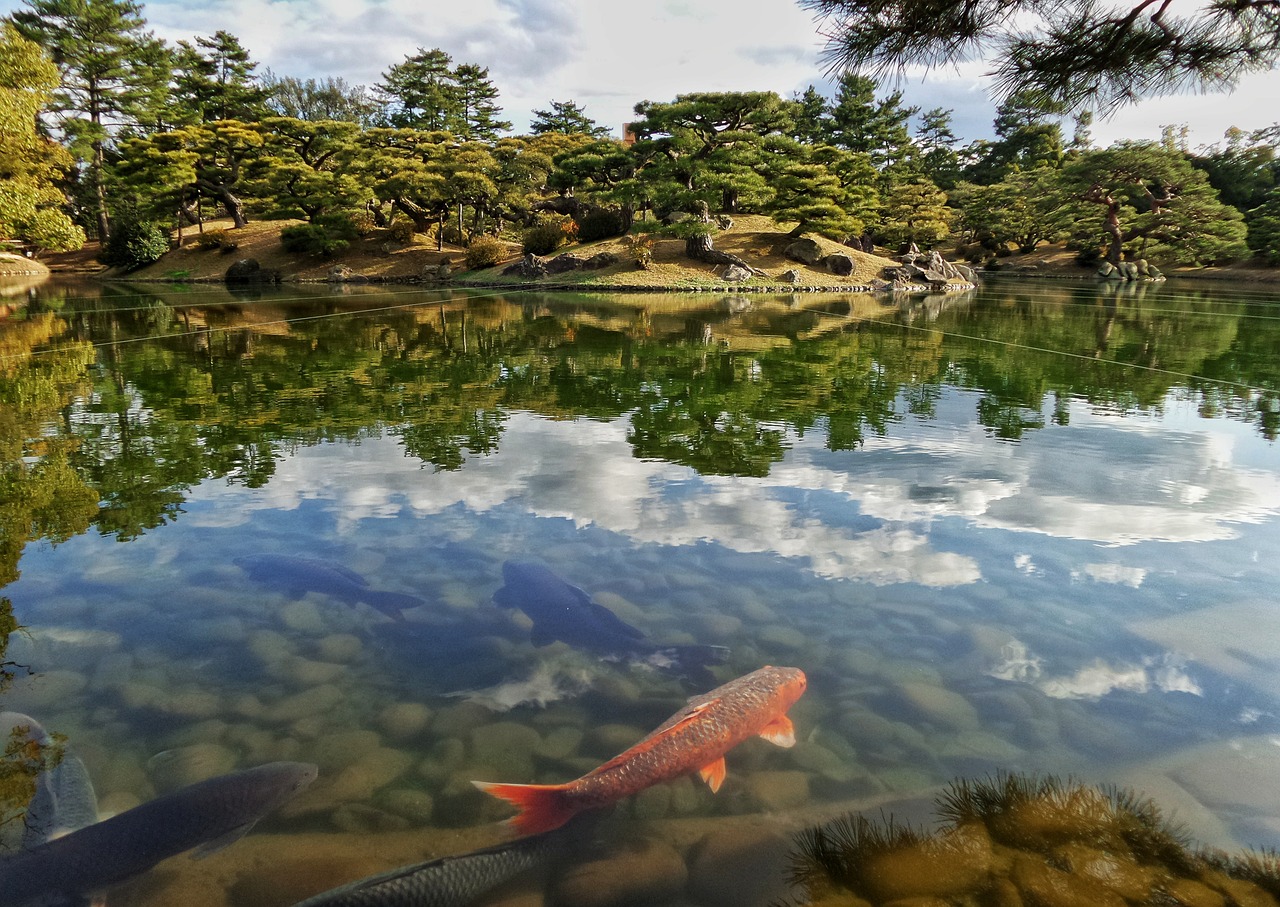
Okayama lies in western Japan and is known above all for Korakuen, one of the country's three finest landscape gardens, where ponds, streams and artificial hills are arranged in full view of Okayama Castle, nicknamed the "Crow Castle" for its black walls. The city is tied to the legend of Momotaro, the hero born from a peach, celebrated in statues and traditional sweets. From here, excursions reach nearby Kurashiki, with its picturesque canal quarter and elegant historic storehouses, and the islands of the Seto Inland Sea, accessible along the scenic Shimanami Kaido cycling route. A mild climate and seafood cuisine make Okayama a pleasant and authentic base.
Treno
Giorno 4 — Okayama → Takamatsu
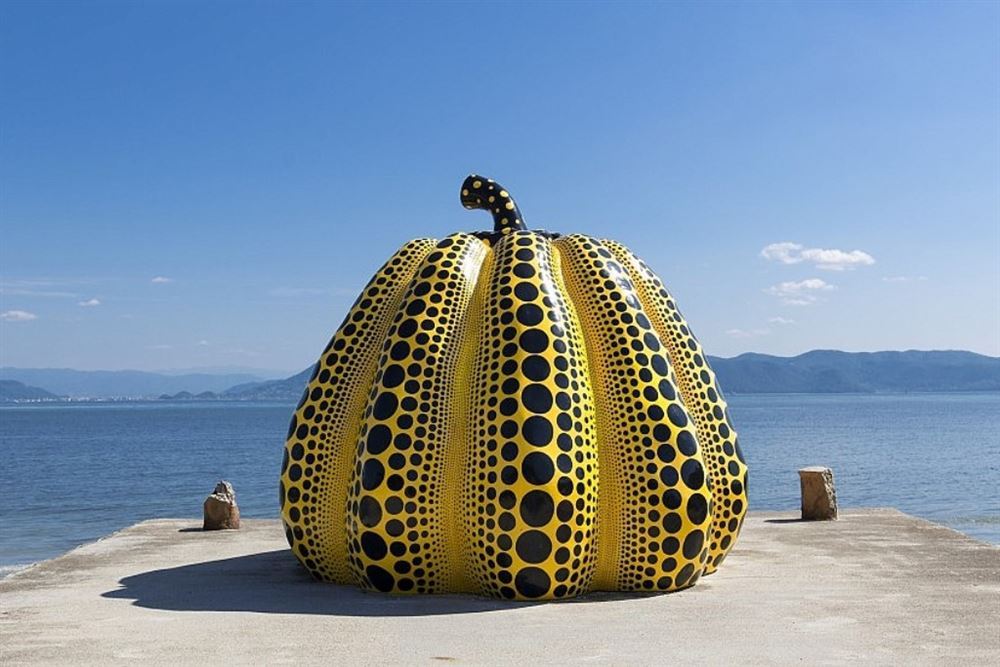
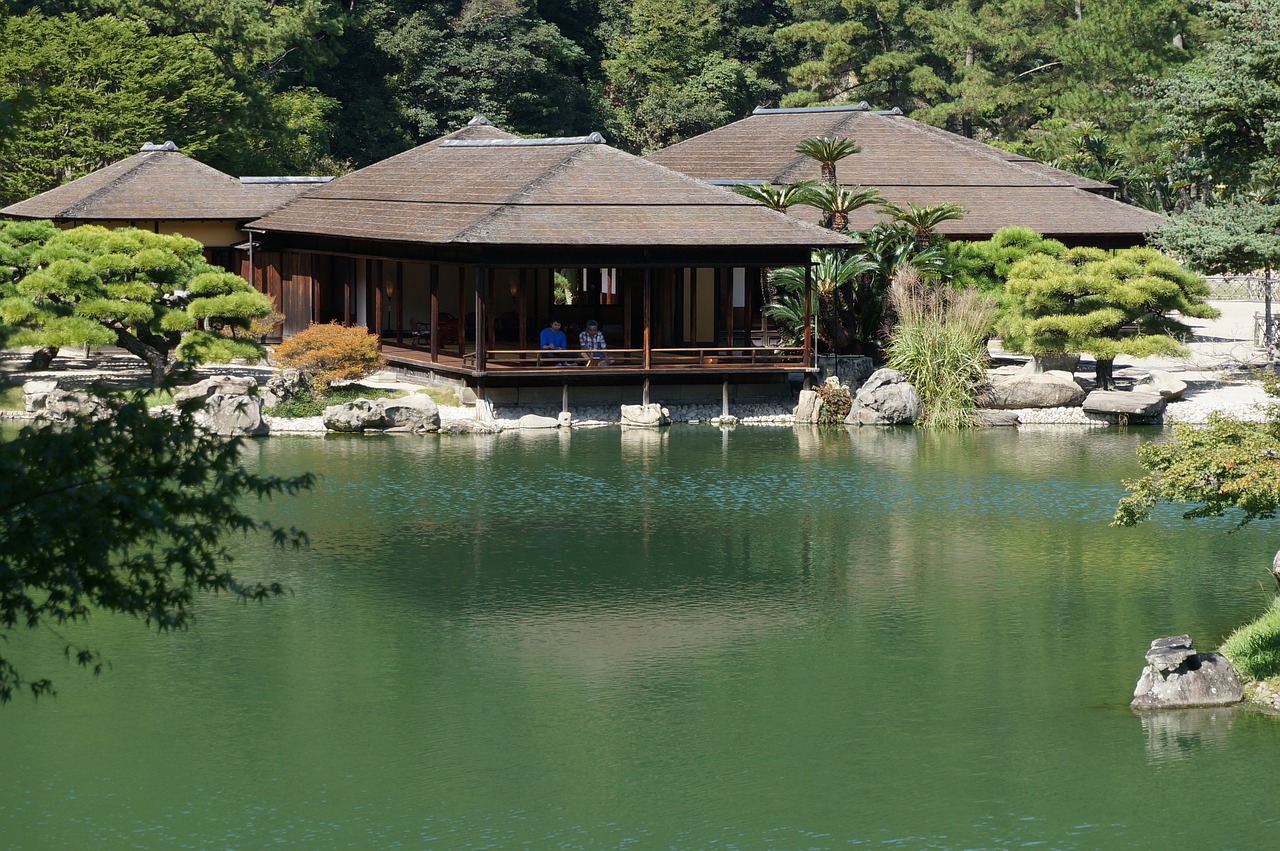
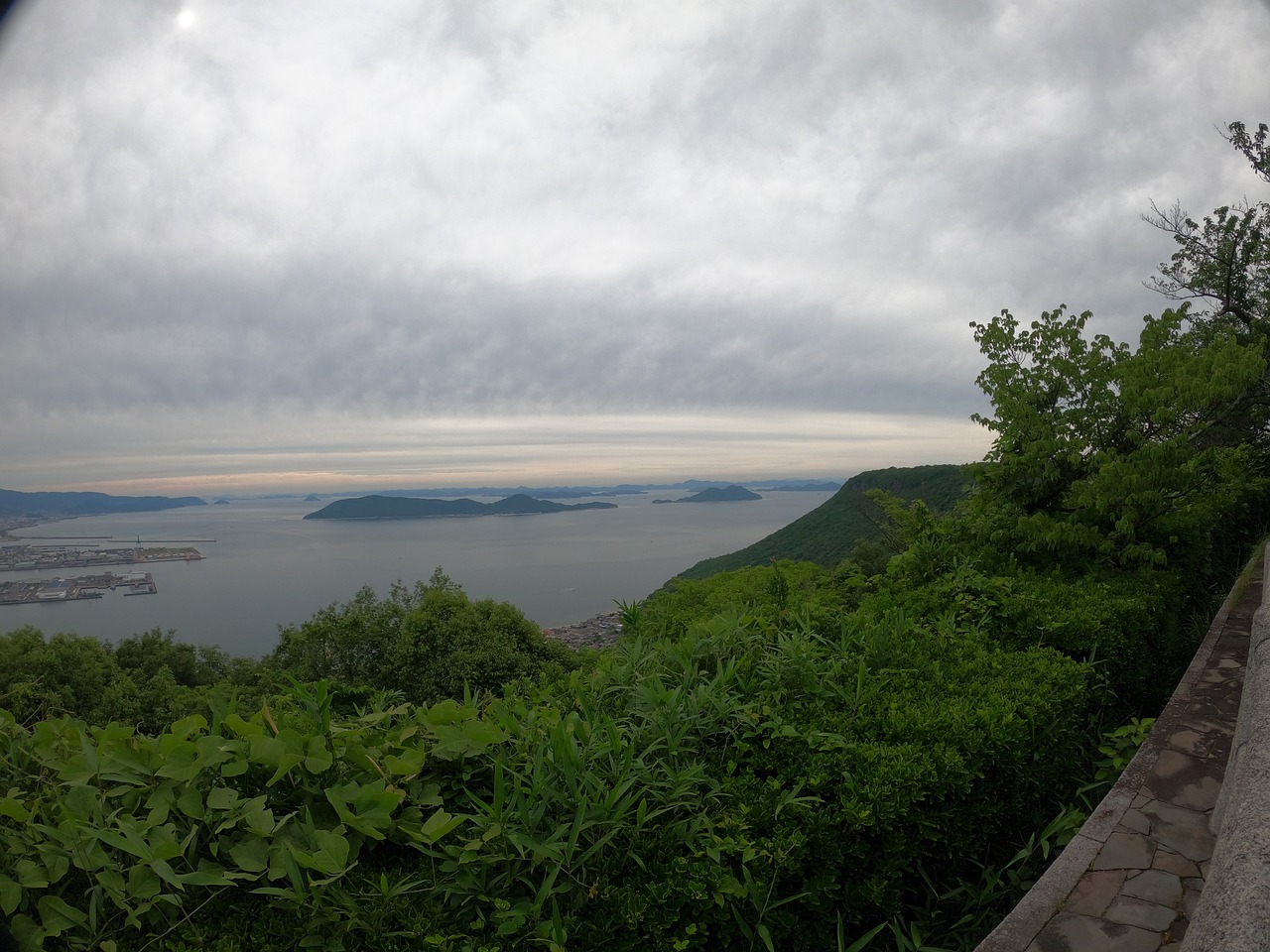
Takamatsu faces the Seto Inland Sea, the main port of Shikoku island and the gateway to one of Japan's most captivating archipelagos. The city is home to the magnificent Ritsurin Kōen, one of the country's finest landscape gardens, with ponds, bridges and tea pavilions framed by Mount Shiun. From its harbour ferries set sail for the famous art islands of Naoshima and Teshima, where contemporary museums and installations converse with the seascape. Takamatsu is also renowned for its sanuki udon, thick wheat noodles served in countless local shops. Between gardens, sea and creativity, Takamatsu is the perfect base for exploring Shikoku and its islands.
Treno
Giorno 5 — Takamatsu → Kotohira
Kotohira rises at the foot of Mt Zōzu, in Kagawa Prefecture on the island of Shikoku. The town owes its fame to Kompira-san (Kotohira-gū), an ancient shrine of sailors reached by climbing 785 stone steps lined with shops and tea houses. From the top, the view sweeps across the Sanuki plain to the Seto Inland Sea. Below, one of Japan’s oldest kabuki theatres, hot springs and the renowned Sanuki udon round off a visit blending spirituality and local flavours.
Treno
Giorno 6 — Kotohira → Oboke
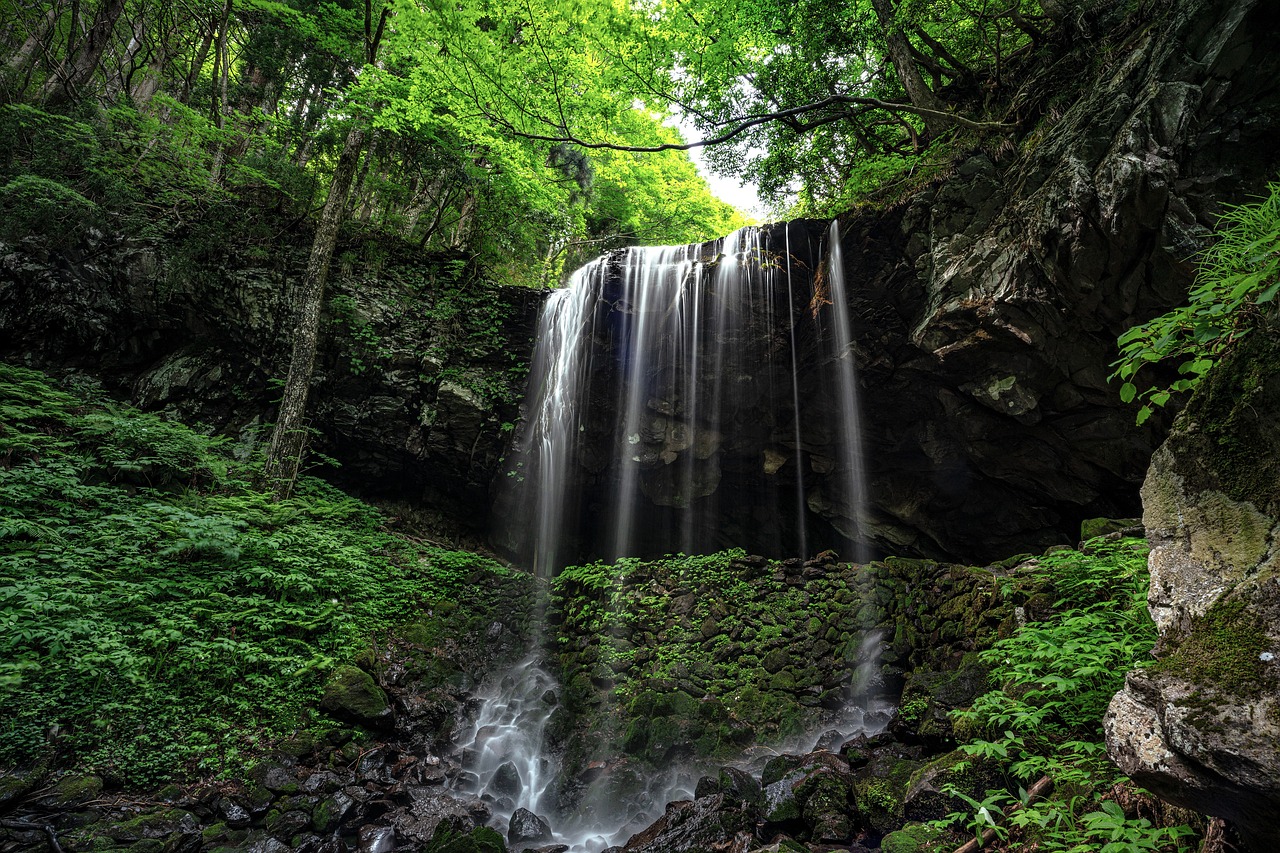
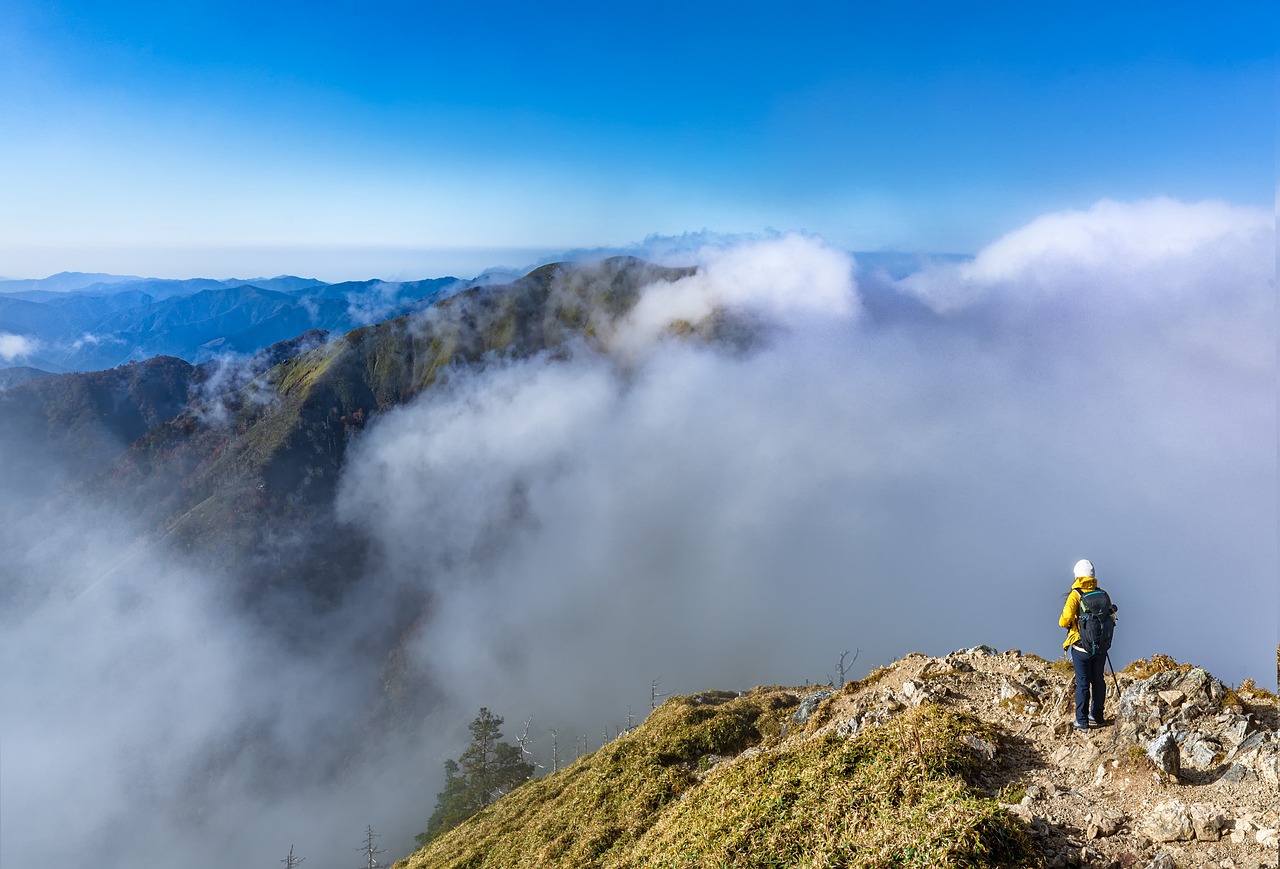
Oboke lies along the gorges carved by the Yoshino River, in the mountainous heart of Shikoku island. The sheer rock walls and emerald waters of the Oboke Gorge (“great dangerous step”) can be explored aboard small sightseeing boats, gliding past rapids and smoothly sculpted stone. A natural gateway to the remote Iya Valley, Oboke offers wild landscapes and the authentic atmosphere of rural Japan, where nature still sets the rhythm of the journey.