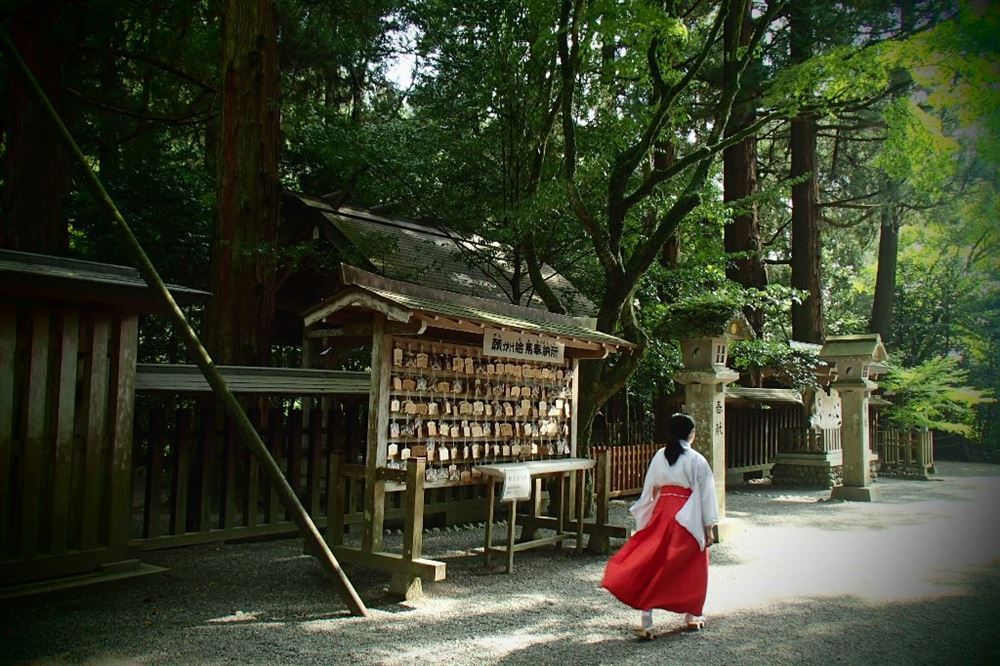
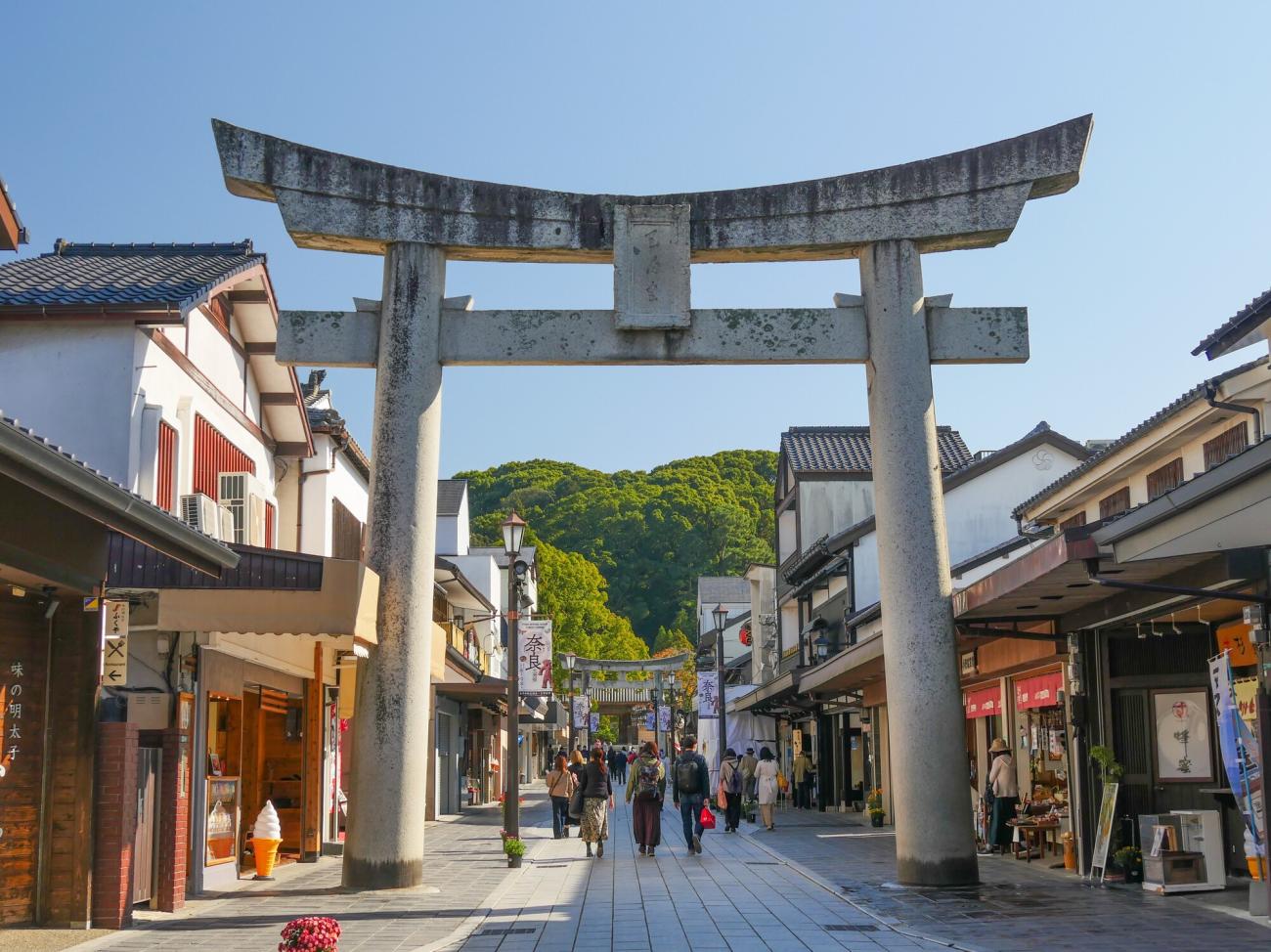
Fukuoka, the main city of Kyūshū island, blends the energy of a modern metropolis with the welcoming soul of a seaside port. The Hakata district is its historic and culinary heart, famous for its yatai, the evening food stalls along the river where you savour tonkotsu ramen with its creamy pork broth, the city's true signature. Among skyscrapers and shopping centres you discover ancient temples such as Tōchō-ji and shrines set in greenery, while Ōhori Park offers a lake and a traditional garden for quiet moments. City beaches and the nearby hot springs of Kyūshū add variety to a stay. Fukuoka is Japan's southern gateway — lively, food-loving and surprisingly relaxed.
Treno
Giorno 2 — Fukuoka (Hakata) → Nagasaki
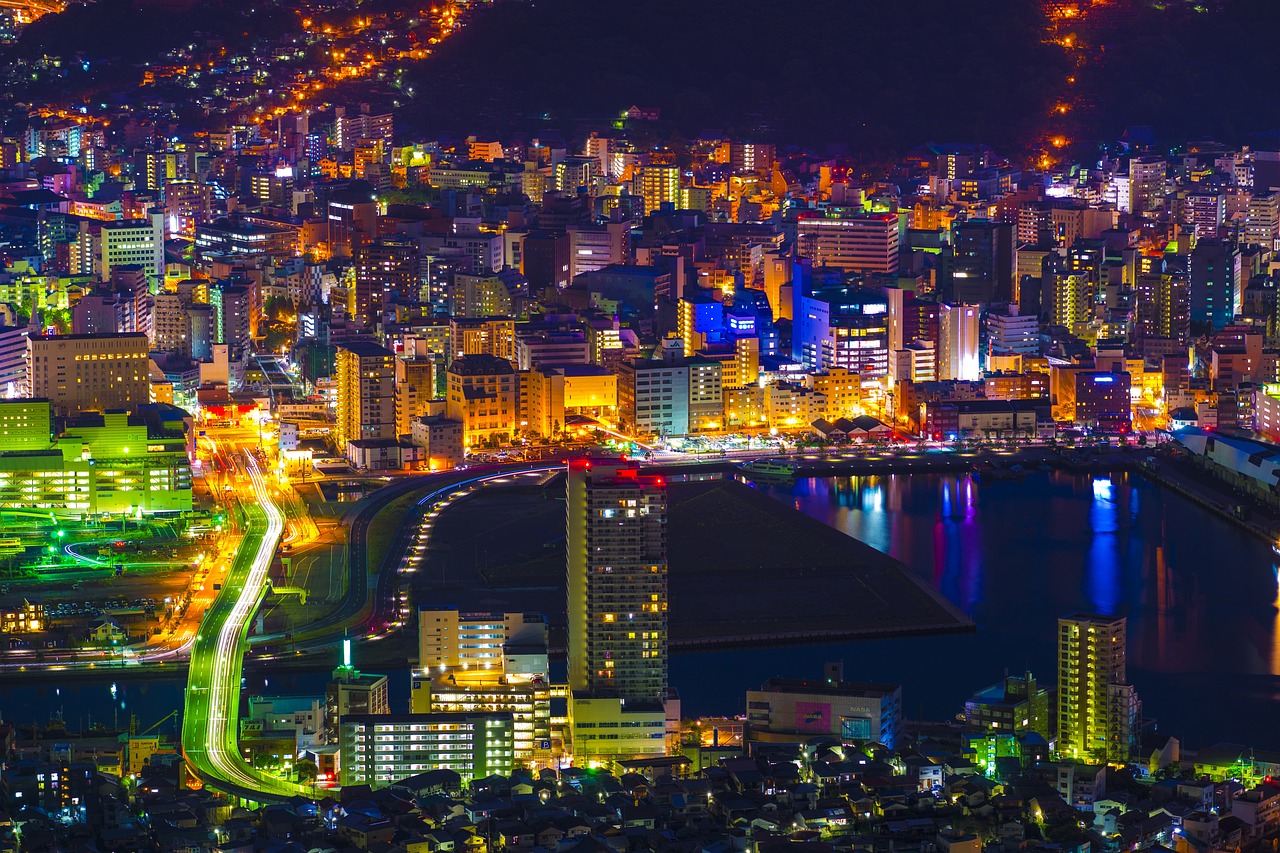
Nagasaki rises across an amphitheatre of hills facing the sea, a port city with a cosmopolitan character forged by centuries of exchange with Portugal, China and the Netherlands. Glover Garden preserves elegant colonial residences, while the nearby Oura Church, the oldest Christian church in Japan, recalls the long history of its missionaries. In the Shinchi district, the country's oldest Chinatown is fragrant with champon, the local noodle soup, and castella, the soft sponge cake of Portuguese origin. The Peace Park, the hypocentre of the 1945 explosion and the Atomic Bomb Museum hold the city's memory and its message of peace. From Mount Inasa unfolds one of the most spectacular night panoramas in Japan, while offshore lies Gunkanjima (Hashima), the abandoned factory island, now a UNESCO World Heritage Site. Nagasaki reveals itself step by step, between history, faith and flavours found nowhere else.
Treno
Giorno 3 — Nagasaki → Kumamoto
Dominated by one of Japan's most imposing castles, Kumamoto rises in the heart of Kyushu island, in a region of volcanoes and fertile waters. The majestic Kumamoto-jo, with its curving walls and black keeps, is the city's emblem, now restored after the 2016 earthquake. Nearby lies Suizenji Jojuen, a refined stroll-style garden that recreates in miniature the landscapes of the Tokaido road, with a pond and a small hill evoking Mount Fuji. Kumamoto is also the gateway to Mount Aso, one of the world's largest active craters, and to the region's hot springs. The local cuisine offers forthright specialities such as basashi (horse sashimi) and karashi-renkon sweets. Kumamoto combines samurai history, volcanic nature and the warmth of the South in a single, captivating destination.
Auto
Giorno 5 — Kumamoto → Kurokawa
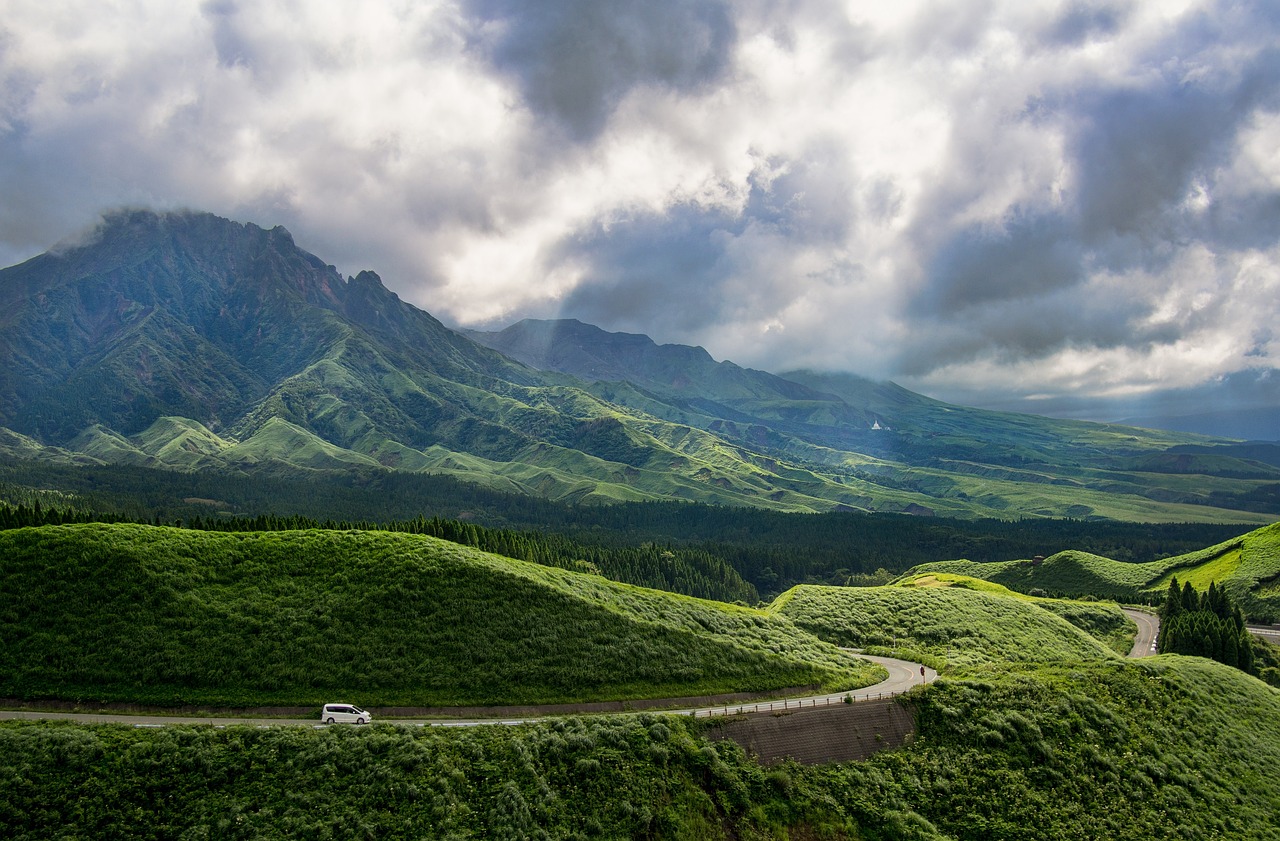
Kurokawa Onsen nestles among the Aso mountains, in the volcanic heart of Kyushu, and is regarded as one of Japan’s most enchanting hot-spring villages. Its wooden ryokan line the Tanoharu river, each with its own rotenburo, the open-air thermal bath set amid nature. A wooden pass lets guests hop from one bath to another, an experience that sets the rhythm of a stay made of steaming waters and stillness. In the evening the lantern-lit lanes glow softly, while the deliberate absence of large hotels and neon signs preserves an authentic, intimate atmosphere. An ideal destination for those seeking relaxation, tradition and the warmth of Japanese hot springs.
Treno
Giorno 6 — Kurokawa → Beppu - Oita
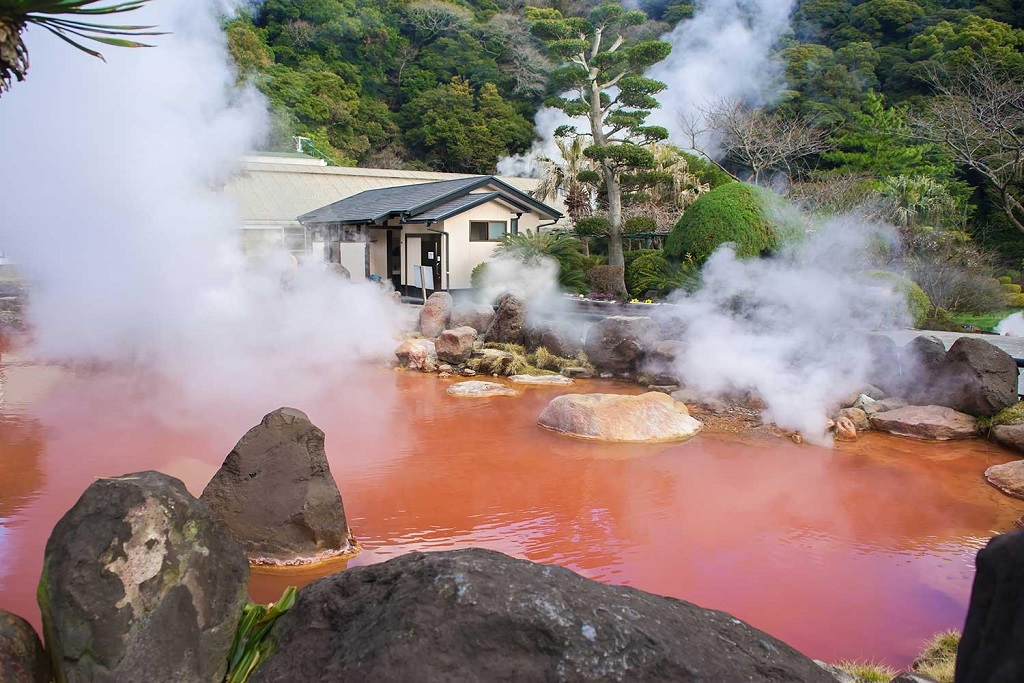
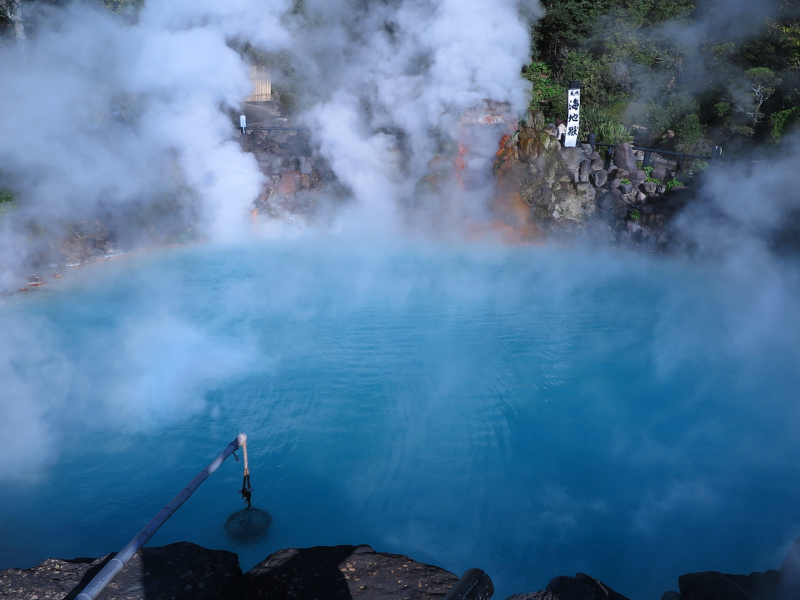
Beppu lies along the eastern coast of Kyushu, overlooking its namesake bay and celebrated as Japan’s hot-spring capital: its volcanic subsoil produces a volume of thermal water second only to Yellowstone. The town’s most spectacular face is the jigoku, the “seven hells”, sources of astonishing colour explored along a trail of steam and bubbling mud, from the milky turquoise of Umi Jigoku to the iron red of Chinoike Jigoku. Between dips, traditional onsen and the hot-sand baths of Beppu Beach set the slow rhythm of a stay, while from the plateau of Mount Tsurumi, reached by ropeway, the gaze sweeps over the bay to the island of Shikoku on the horizon. Nearby, neighbouring Oita guards temples and a cuisine of the freshest fish and the celebrated toriten, chicken tempura. Beppu is a stopover that blends geothermal nature with genuine relaxation.

_20260505144940.png)
_20260505144940.png)
_20260505144906.png)

