Ise-Shima Peninsula - Nature, shrines, and ancient traditions — NAAR
Itinerary
Giorno 1 — Nagoya
Nagoya rises in Japan's industrial heartland, the country's fourth-largest city and capital of the Chūbu region, set midway between Tokyo and Kyoto along the historic Tōkaidō route. Its emblem is Nagoya Castle, an imposing keep crowned by two golden shachihoko, while the Atsuta Shrine safeguards one of the emperor's sacred imperial regalia. Lovers of innovation find in the Toyota Commemorative Museum and the Ōsu district — with its lively maze of shops and temples — two complementary faces of the city. Local cuisine is a genuine institution: Nagoya-kōchin chicken, miso katsu and hitsumabushi eel speak of a proud, flavourful culinary tradition. An ideal base for reaching the alpine valleys of Takayama and the historic farmhouses of Shirakawa-gō, Nagoya blends technological modernity with deep roots in a balance that is quintessentially Japanese.
Treno
Giorno 2 — Nagoya → Ise
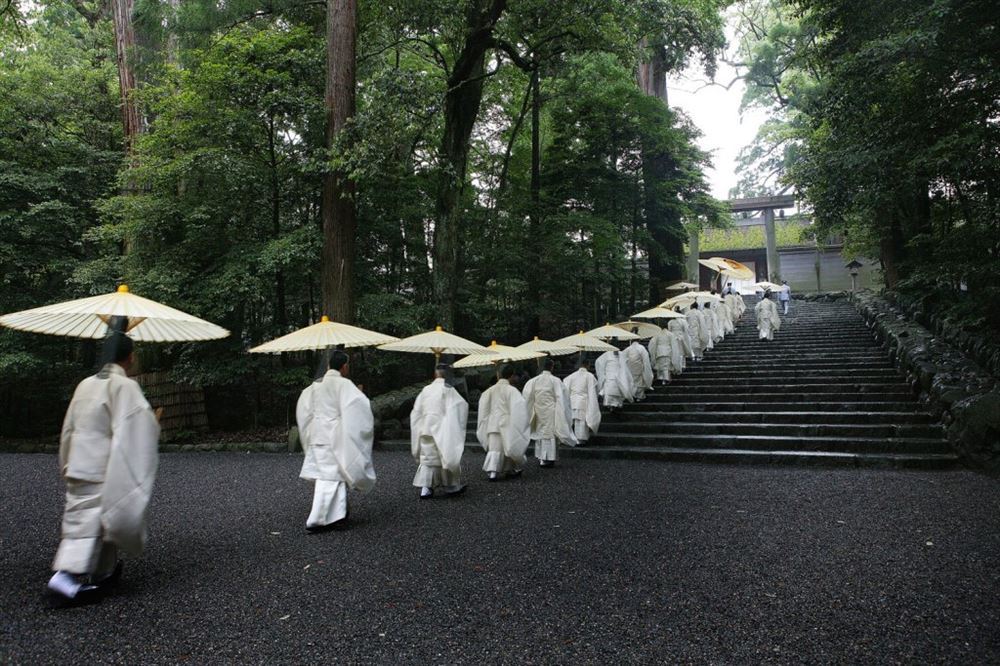
Ise is home to Shinto’s holiest sanctuary, the Ise Jingū, a complex of timber buildings set within an ancient forest and dedicated to the sun goddess Amaterasu. Rebuilt every twenty years according to a centuries-old tradition, the shrine has drawn pilgrims for more than a millennium. Along the approach, the Okage Yokochō district recreates the atmosphere of the Edo period with shops, inns and specialities such as Ise udon and rice sweets. Nearby, the Meoto Iwa or wedded rocks rise from the sea, joined by a sacred rope. A destination weaving together spirituality, nature and tradition.