POLINESIA FRANCESE (Papeete+Moorea+Bora Bora+Rangiroa) — NAAR
Itinerary
Giorno 1 — Papeete (Tahiti)
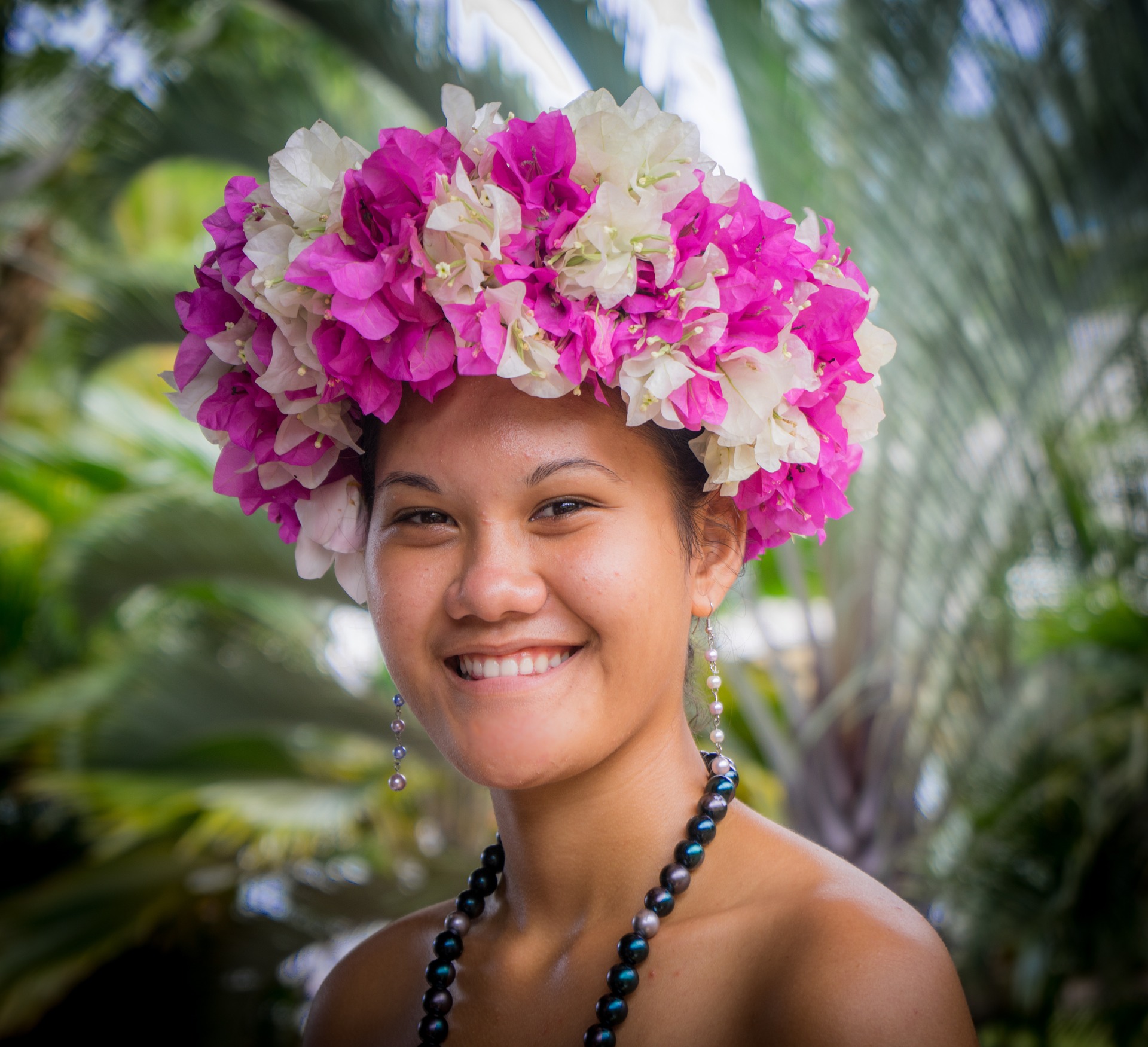
Papeete is the vibrant capital of French Polynesia, set on the coast of Tahiti in the Society Islands archipelago, and serves as the main gateway for travellers exploring this corner of the South Pacific. The city comes alive along its waterfront, the Front de Mer, where market stalls, restaurants and cafés create a mosaic of Polynesian, French and Chinese cultures that blends seamlessly in the covered Marché de Papeete, the authentic beating heart of local life. Here visitors find garlands of tiaré flowers, tropical fruit, brightly coloured pareos and the famous Monoi scented oils, a cherished symbol of Polynesian tradition. The harbour welcomes cruise ships and ferries linking Papeete to the surrounding islands, while the Faa'a district is home to the international airport that serves as a hub for all intercontinental flights. Nightlife is livelier here than anywhere else in Polynesia: bars, piano lounges and the traditional roulottes — food trucks that gather every evening on the quayside — ensure Papeete never fully sleeps. A few kilometres from the centre stands the Museum of Tahiti and the Islands (Musée de Tahiti et des Îles), tracing Polynesian history from pre-European settlement to the present day through ethnographic, natural history and art collections of great significance. On the hills surrounding the city, the Belvédère viewpoint offers sweeping views over Tahiti Nui and, on clear days, the outline of Moorea rising beyond the channel. Papeete is also the ideal starting point for excursions into Tahiti's lush interior, through verdant valleys, waterfalls and vanilla plantations. Those seeking the ultimate beach paradise will soon move on to Bora Bora or Moorea, but Papeete remains the administrative and cultural soul of French Polynesia — a place where Pacific modernity and tradition coexist in a genuinely surprising way.
Volo
Giorno 2 — Papeete (Tahiti) → Moorea
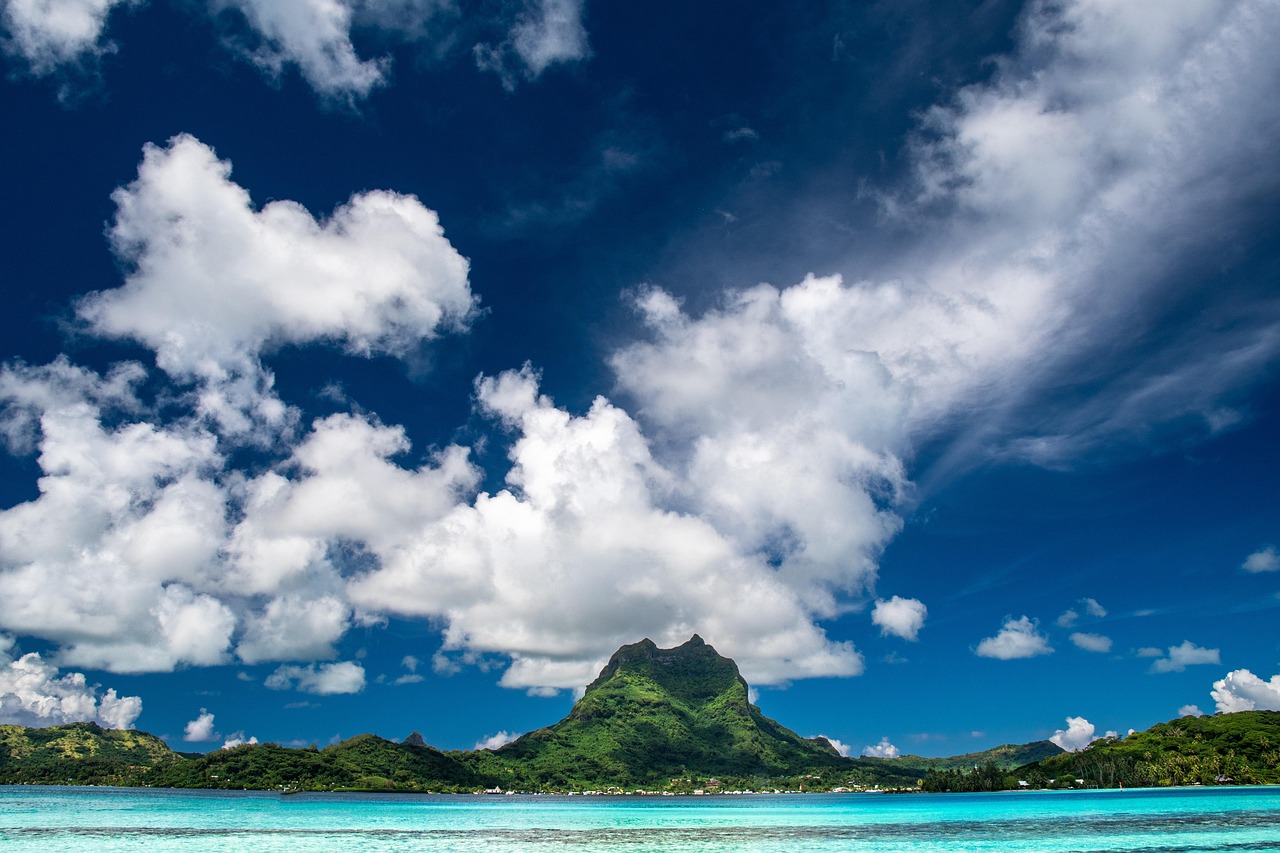
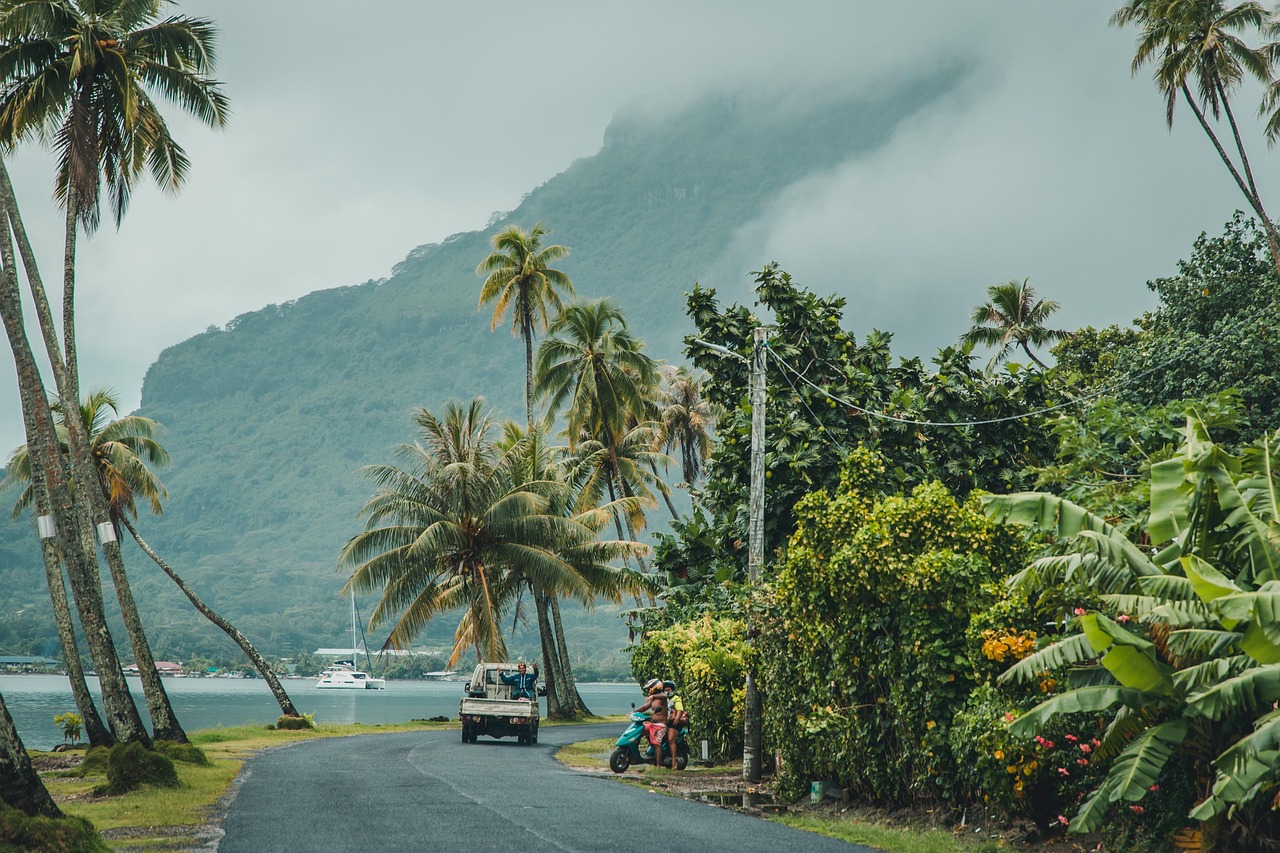
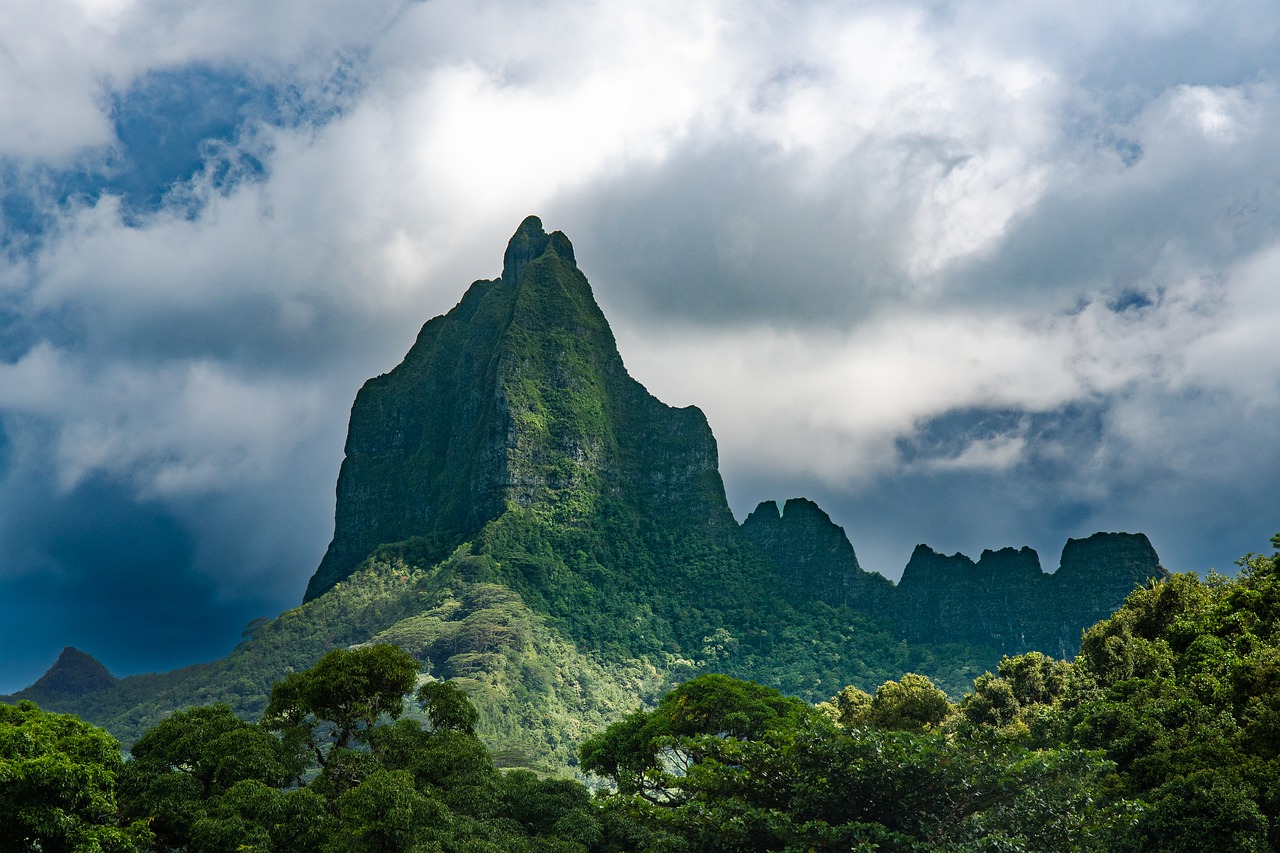
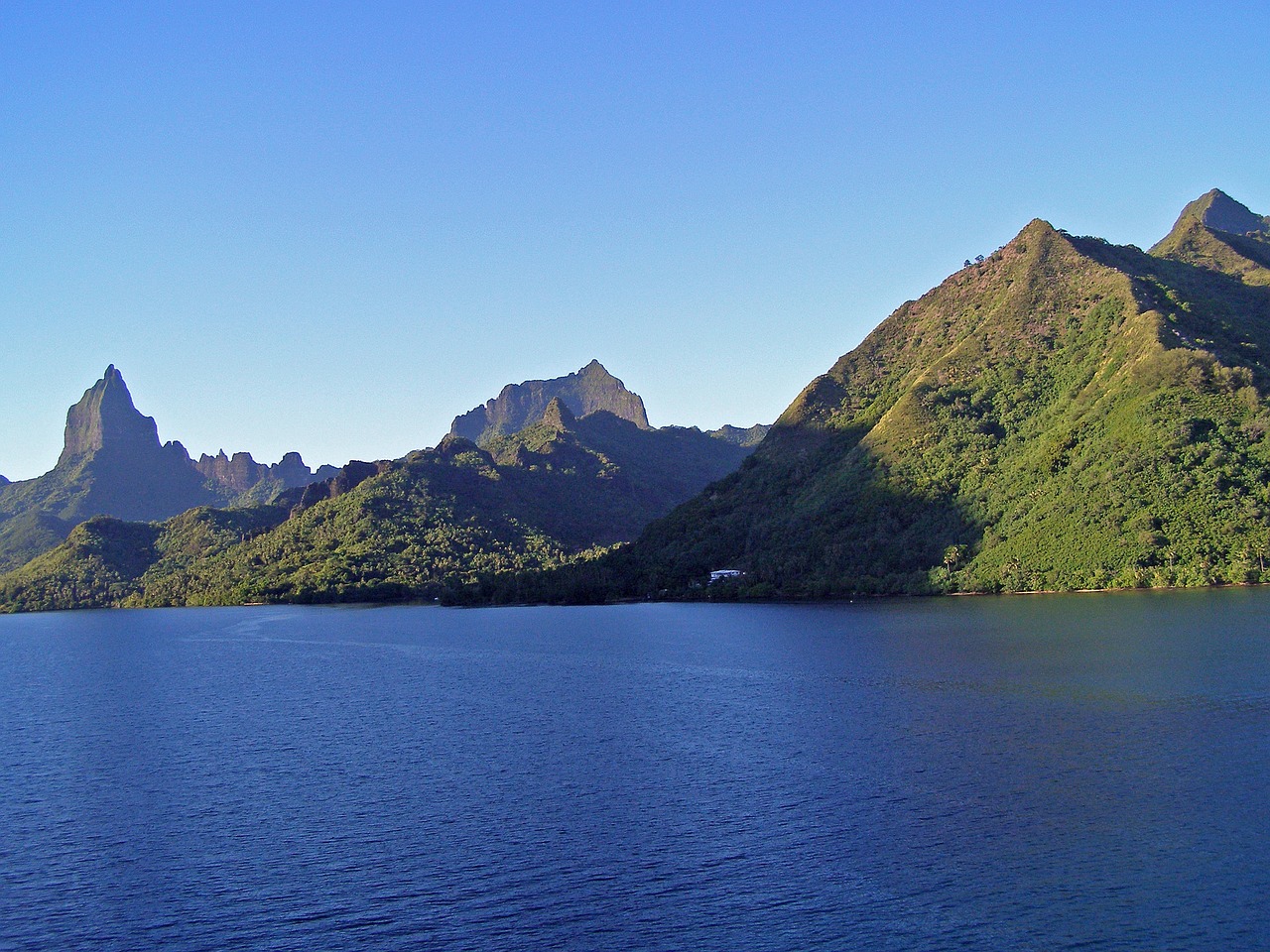
Moorea rises just seventeen kilometres from Tahiti, yet its character is entirely its own: a volcanic island vaguely heart-shaped, with jagged peaks reaching 1,207 metres at Mont Tohiea, cradling two spectacular bays — Baie de Cook and Baie d'Opunohu — that appear carved into the jungle by a single axe-blow. Reachable by a thirty-minute fast ferry from Papeete, Moorea is often chosen by travellers who want to combine the logistical ease of Tahiti with the natural beauty of a still relatively unspoilt island. The lagoon is extraordinary: the waters of Baie de Cook are a celebrated spot for swimming with dolphins and manta rays, while snorkelling and diving along the inner reef bring encounters with lemon sharks and barracuda. On land there are pineapple plantations — Moorea is famous for its exceptionally sweet pineapples — tropical fruit distilleries and Distillerie Rotui, producer of the pineapple and passion fruit juice found in resorts throughout Polynesia. The interior can be explored by jeep tour or quad bike along the Belvédère Road, which climbs to a viewpoint overlooking both bays and the channel towards Tahiti. Moorea offers dream resorts with overwater bungalows as well as more intimate family guesthouses, making it one of the most versatile destinations in French Polynesia, suited to couples, families and independent travellers in search of nature, adventure and relaxation.
Volo
Giorno 5 — Moorea → Bora Bora
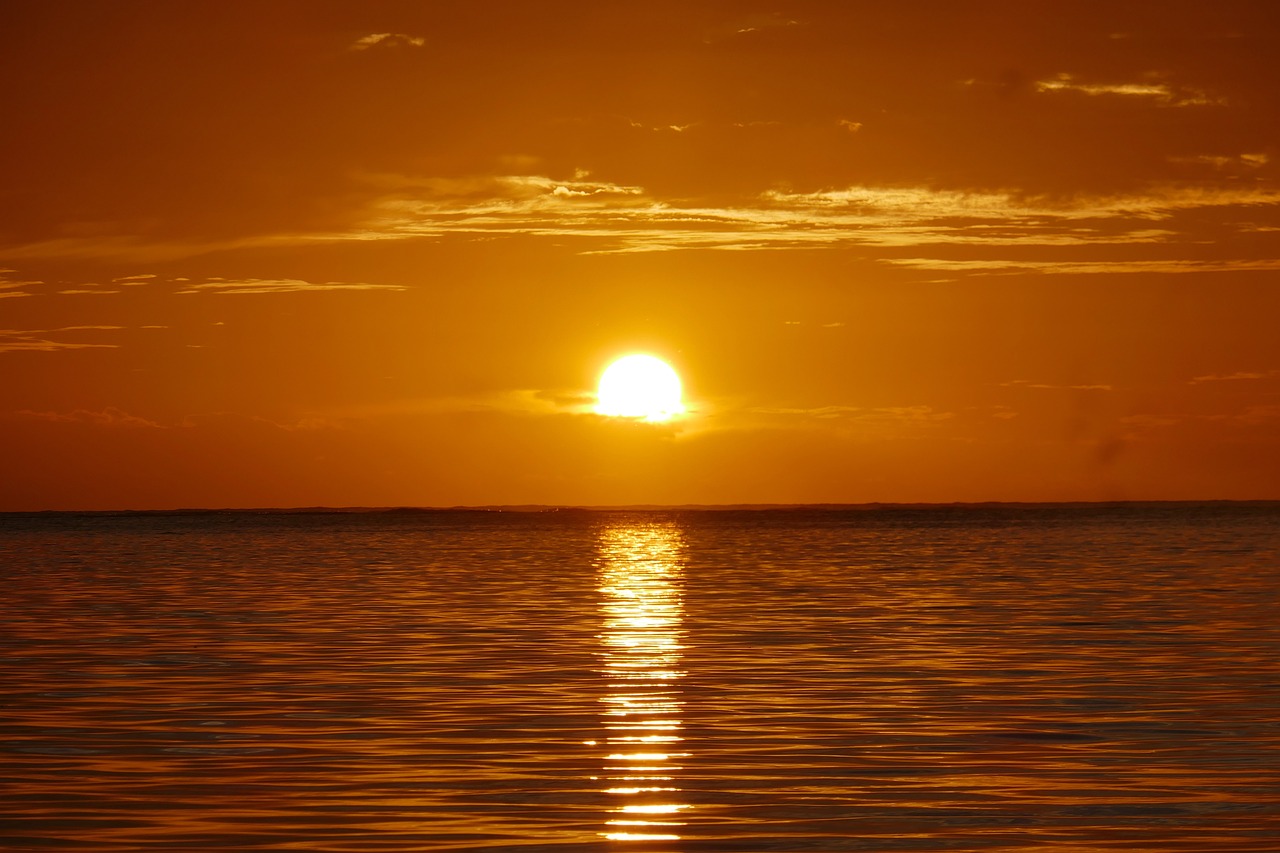
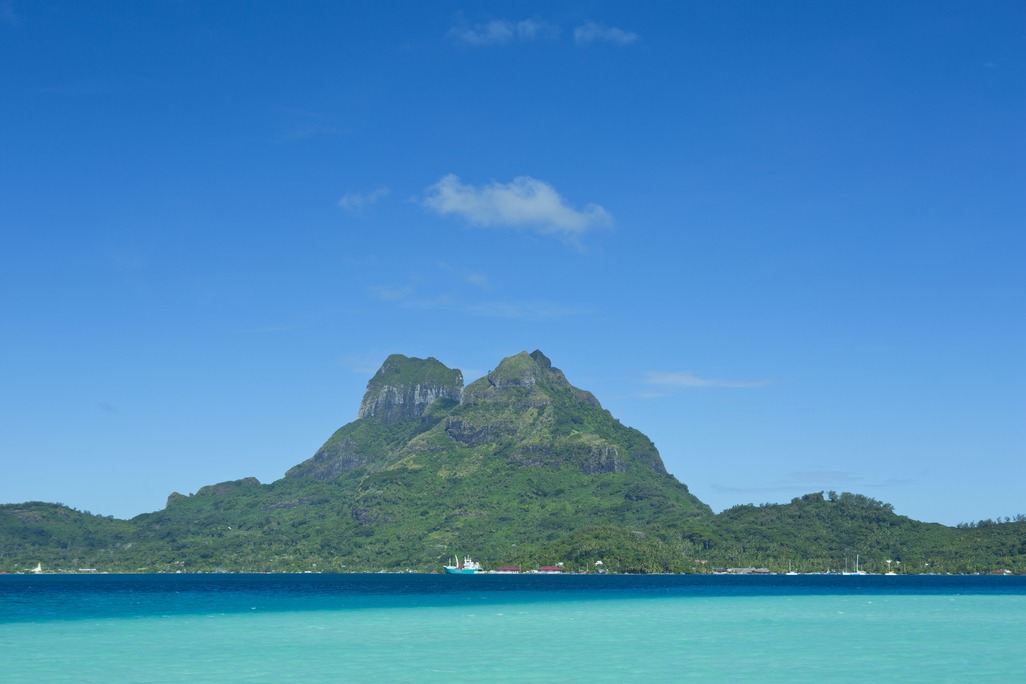
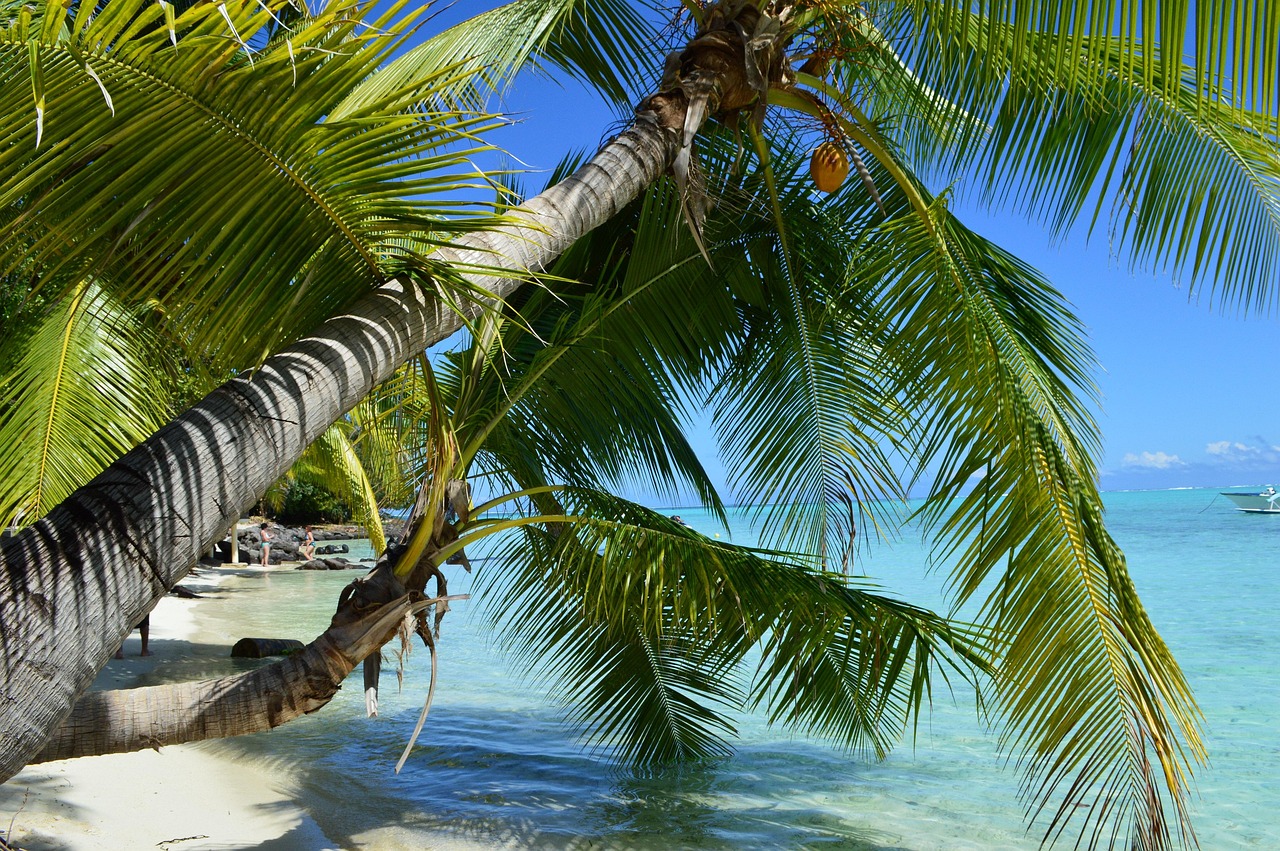
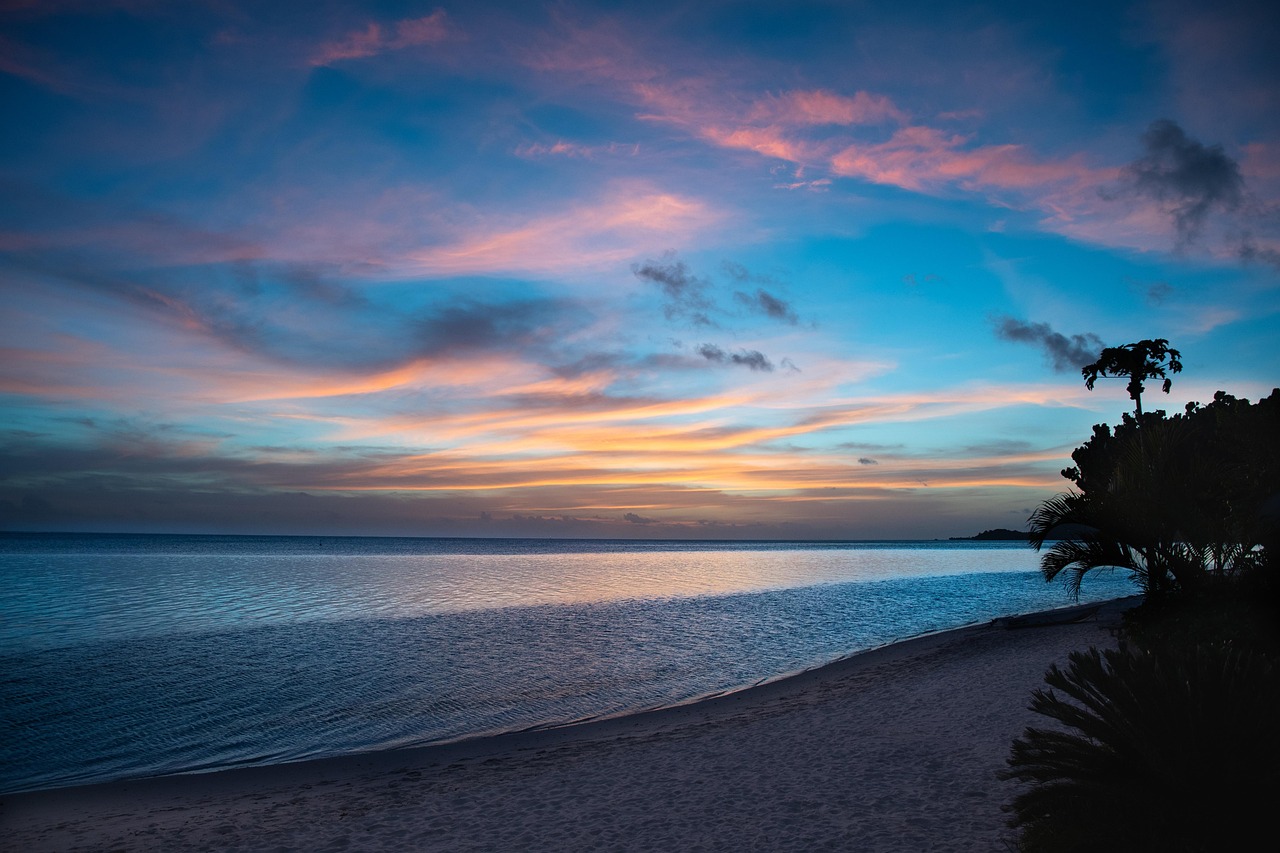
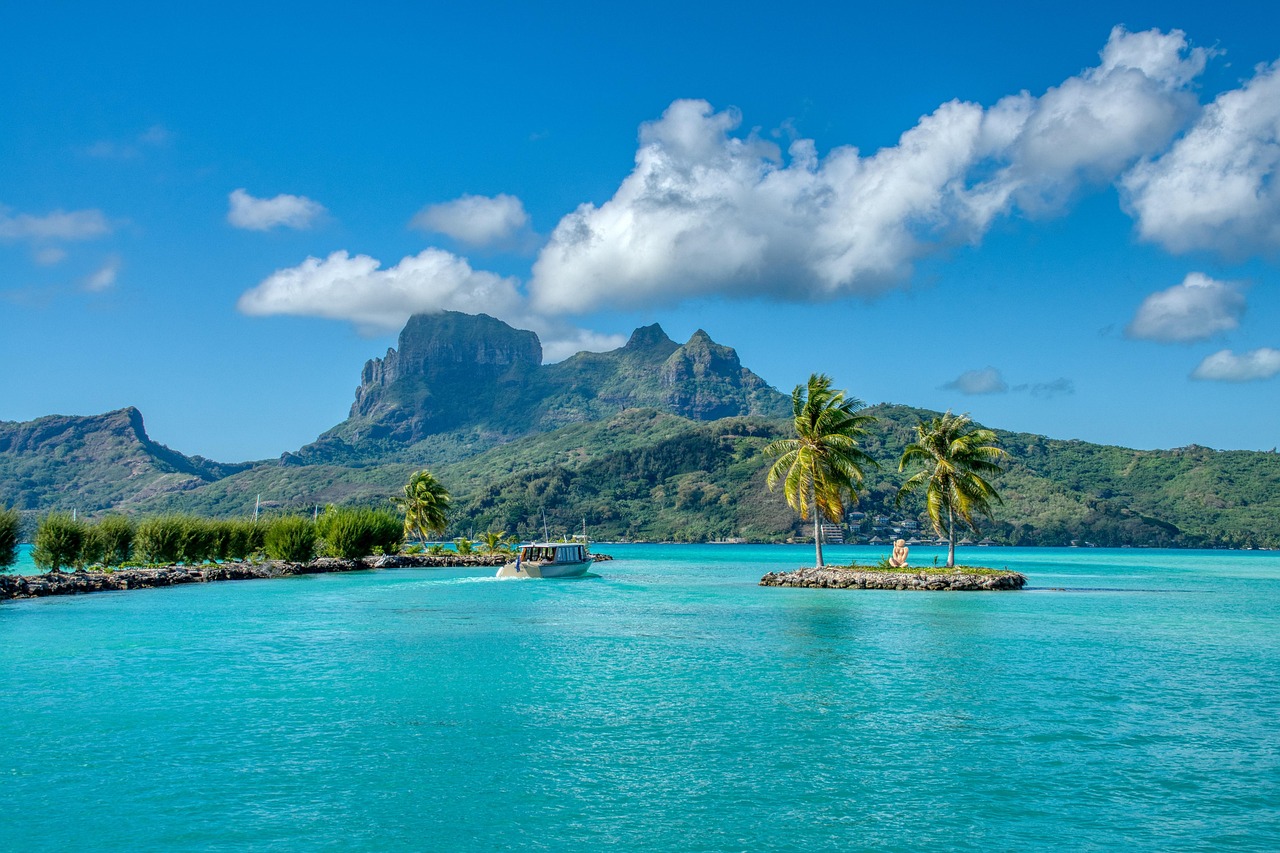
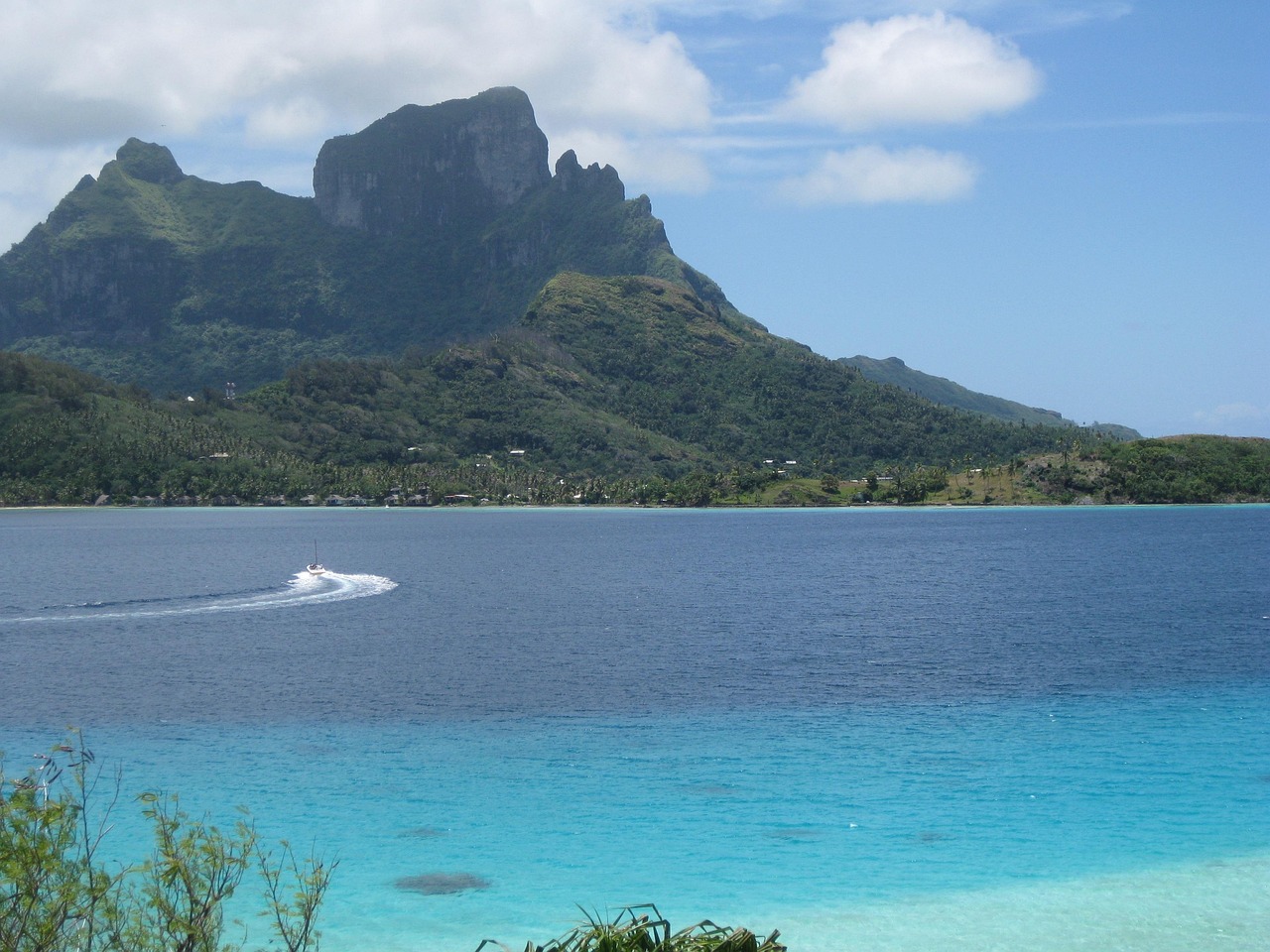
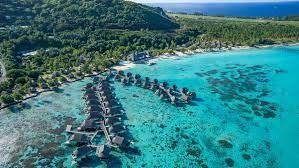
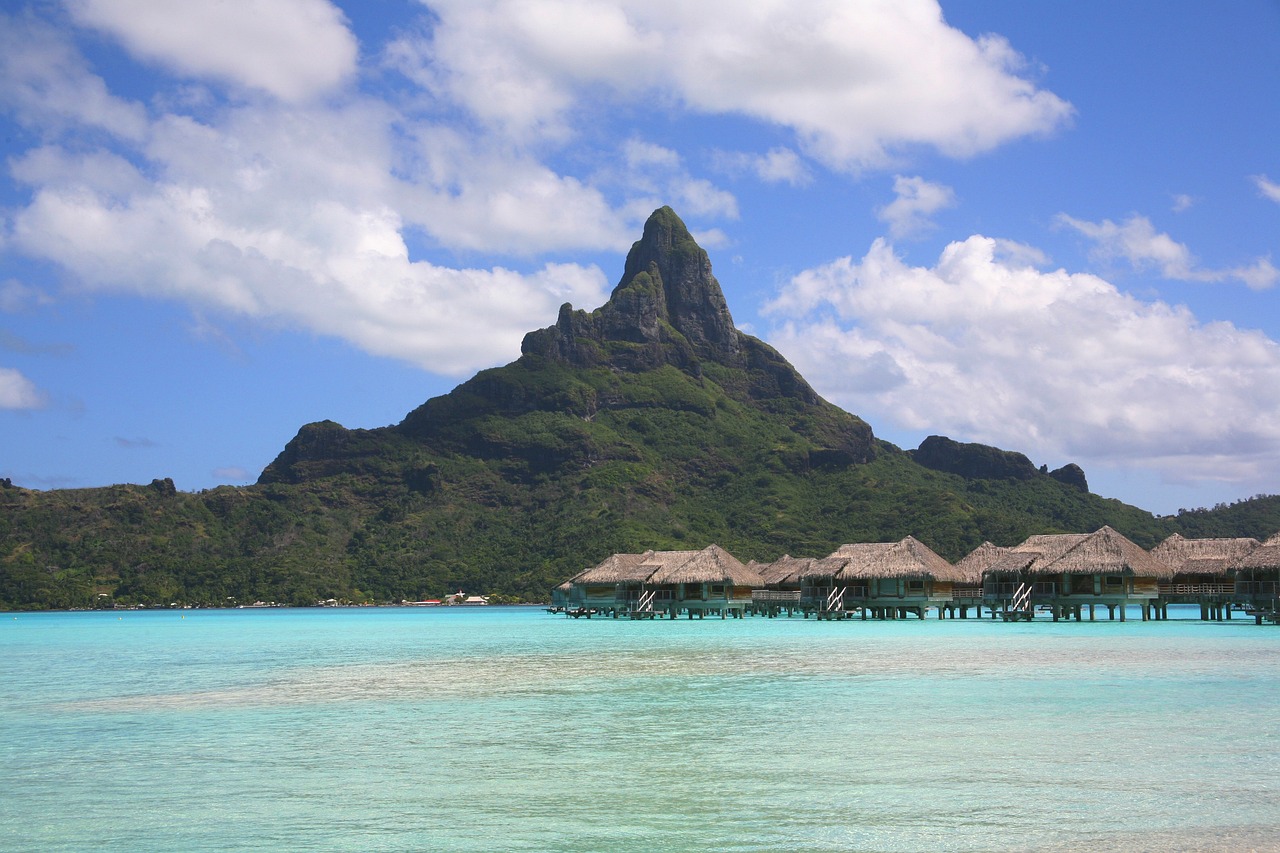
Bora Bora is universally regarded as one of the most beautiful islands in the world, its impossibly coloured lagoon — ranging from turquoise to emerald green — embracing a central volcanic peak, Mont Otemanu, which rises 727 metres above a dense cloak of vegetation. Part of the Society Islands archipelago, the island is encircled by a coral reef that encloses calm, transparent waters where the famous overwater bungalows stand — an iconic invention that has become the global symbol of romantic luxury in the Pacific. The outer reef and its passes offer exceptional snorkelling and diving, with manta rays, blacktip reef sharks, barracuda and shoals of tropical fish filling the lagoon. Bora Bora is the preferred destination for honeymoons and romantic celebrations: almost every resort has its own private jetty, floating spa and glass-floored restaurant above the water. The small town of Vaitape, on the western side of the island, is home to black pearl boutiques and restaurants serving Franco-Polynesian cuisine of fresh fish, coconut milk and locally grown vanilla. By bicycle or quad bike it is possible to circumnavigate the main island and reach the motus — the sandy islets of the coral reef — where some of the most exclusive resorts are found. Sunset seen from Matira Point, the only public beach on Bora Bora, with the silhouette of Mont Otemanu etched against an orange-pink sky, is one of the most unforgettable images in the entire South Pacific.
Volo
Giorno 9 — Bora Bora → Rangiroa
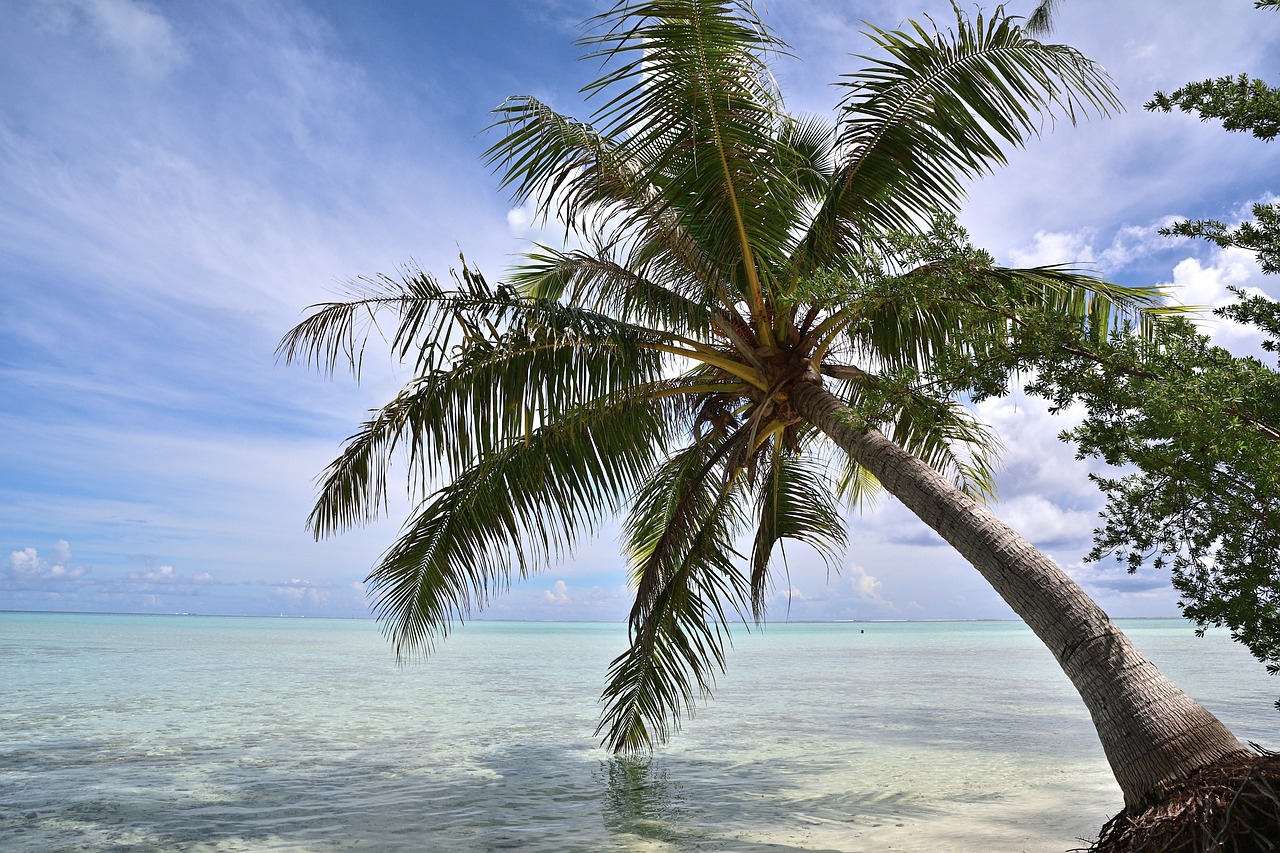
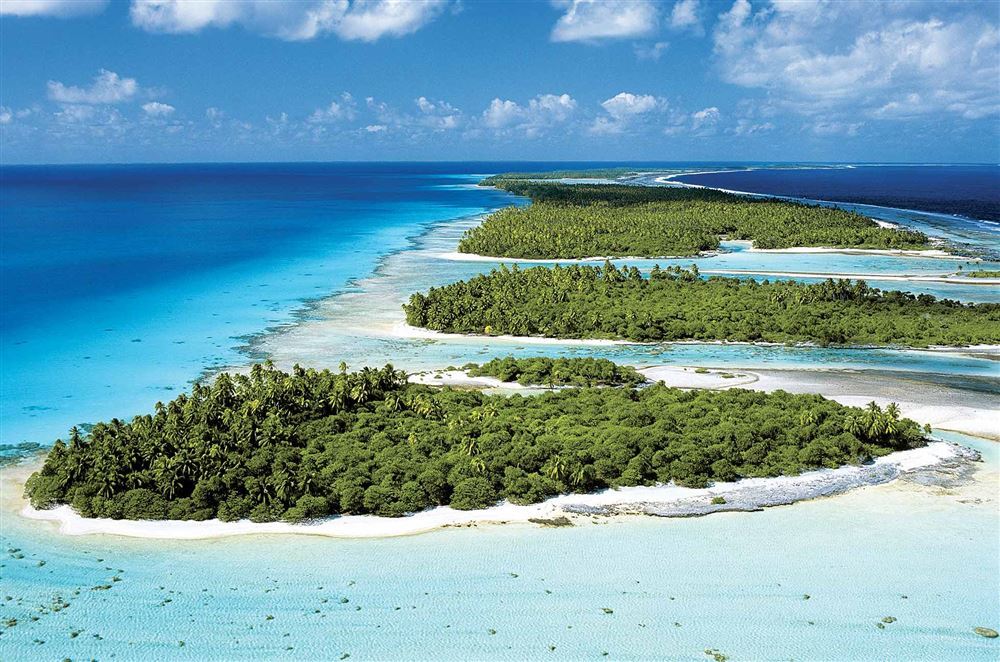
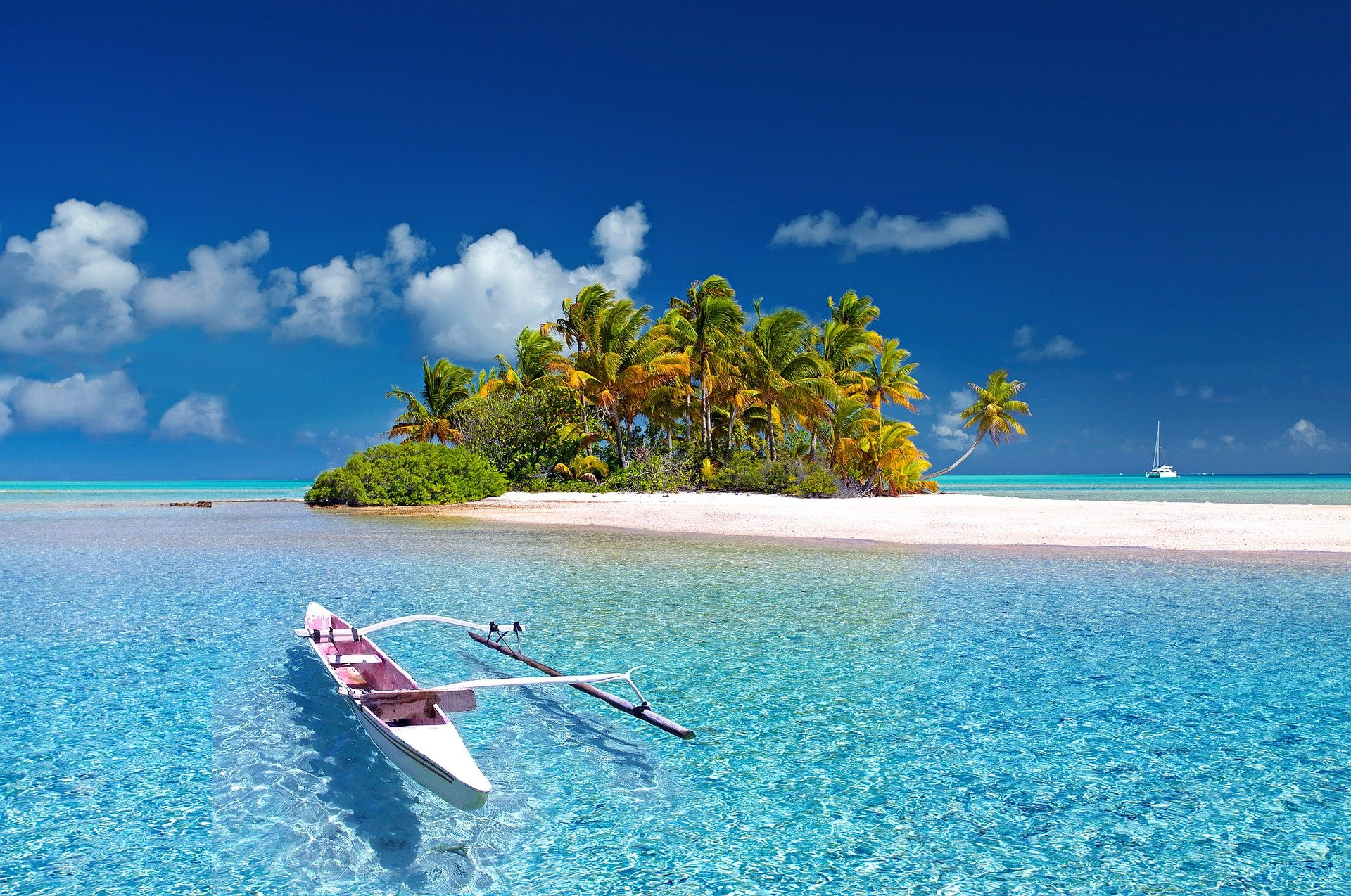
Rangiroa is the second-largest atoll in the world and the vastest in the Tuamotu archipelago, a ring of coral land stretching more than two hundred kilometres around a lagoon so immense it resembles an inland sea. Its crystal-clear waters are among the most celebrated on earth for diving: the passes of Tiputa and Avatoru are famous for currents that funnel pods of bottlenose dolphins, grey and hammerhead sharks, eagle rays and entire schools of fish past the reef. Rangiroa is a pilgrimage site for experienced divers, yet it also offers excellent snorkelling and the chance to swim in «la piscine» — a sheltered secondary lagoon of flat, shallow water teeming with colourful reef fish. The villages of Avatoru and Tiputa are the main inhabited centres of the atoll, where fresh fish and Polynesian dishes are served in small local restaurants. Small family-run wineries produce wine from grapes grown on coral soil — a unique enological curiosity found nowhere else in the world. A stay at Rangiroa is total immersion in the simplicity of the Pacific, far removed from mass tourism.
_20240806124811.jpg)
_20240806124811.jpg)
_20240806124811.jpg)