CANADA EAST - Ontario and Quebec by Train: Toronto to Montreal — NAAR
Itinerary
Giorno 1 — Toronto
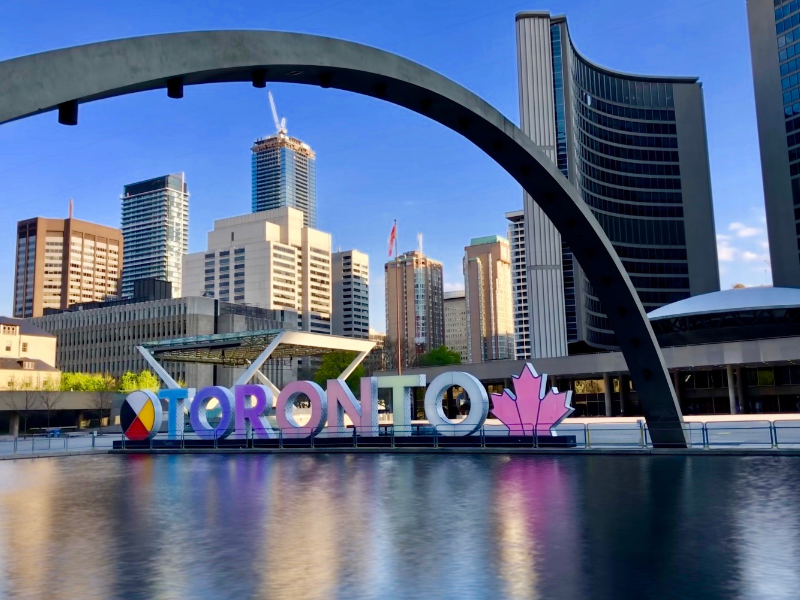
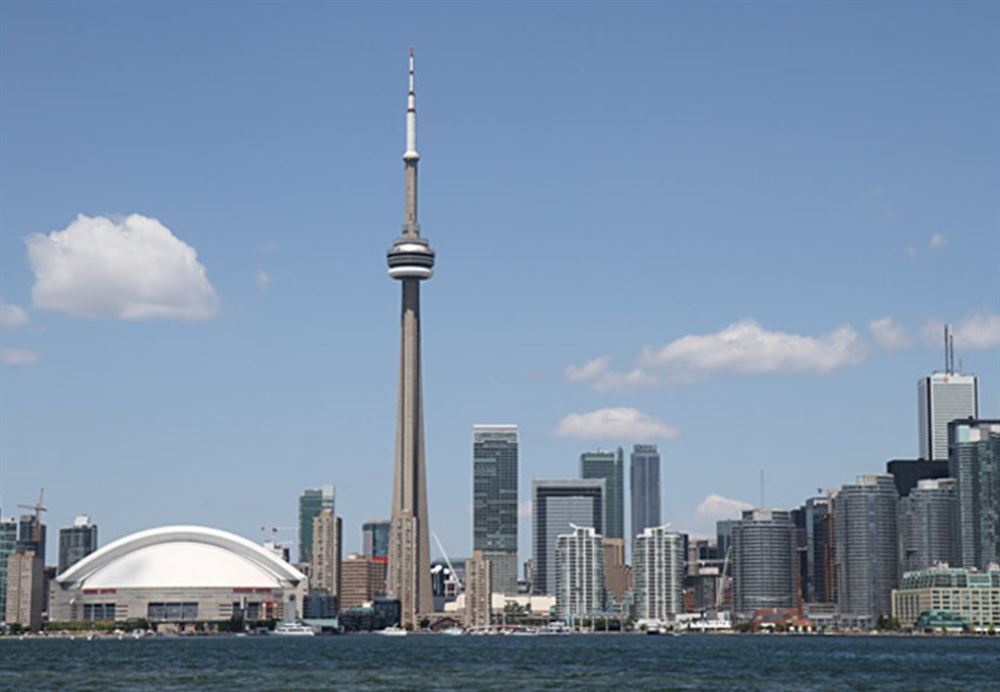
Toronto, Canada's largest city, stretches along the shores of Lake Ontario with a skyline dominated by the soaring CN Tower, the metropolis's symbol, from whose top a dizzying panorama unfolds. Cosmopolitan and multicultural, the city is a mosaic of ethnic neighbourhoods such as Chinatown, Little Italy and Kensington Market, where cultures and flavours from around the world coexist. The centre pulses with life around Yonge Street, the Financial District and the Distillery District, with its Victorian brick buildings now home to galleries, cafés and shops. Among the attractions are the Royal Ontario Museum, the Art Gallery of Ontario and the modern lakefront, from which ferries depart for the Toronto Islands. The city is also an ideal base for reaching the nearby Niagara Falls. Dynamic, welcoming and ever-growing, Toronto is a metropolis open to the world, a showcase of Canadian diversity and modernity.
Treno
Giorno 3 — Toronto → Ottawa
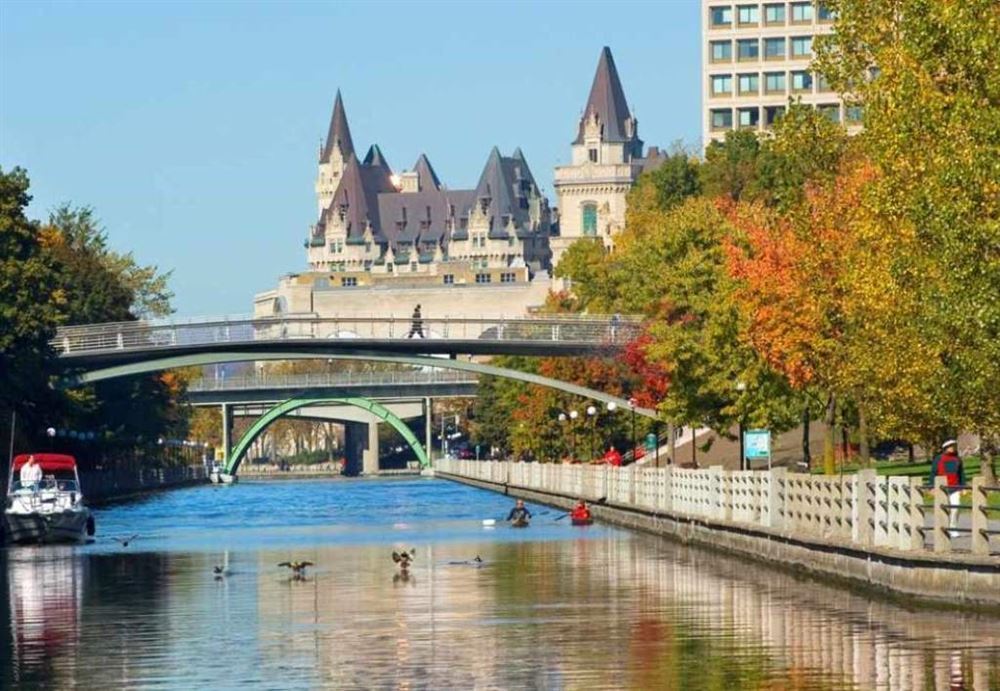
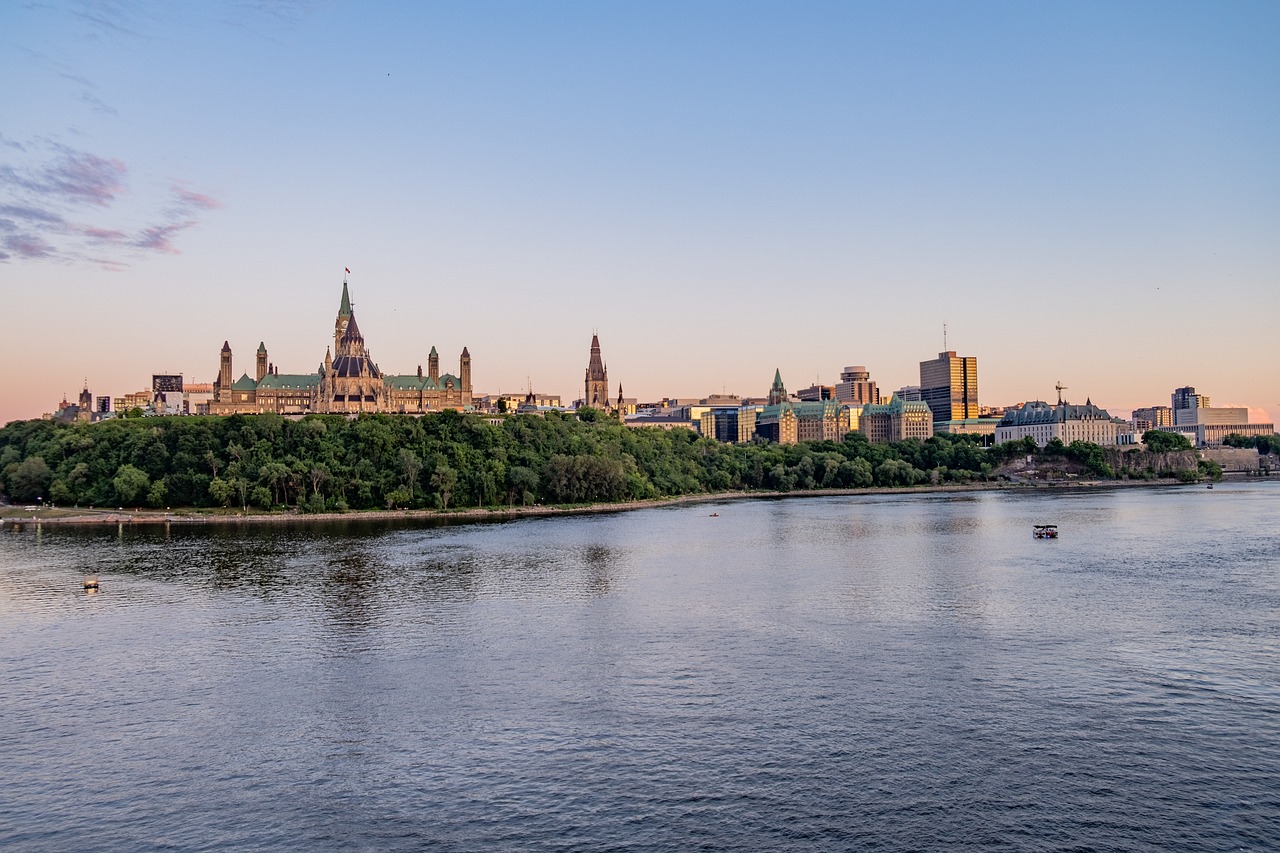
We travel along the entire north coast of Lake Ontario, and follow the course of the St. Lawrence. The great river offers remarkable views, particularly in the 1000 Islands region. Ottawa, Canada's capital, lies on the banks of its namesake river, on the border between Ontario and Québec, and is an elegant, orderly city rich in museums and national monuments. Its symbol is Parliament Hill, with the majestic neo-Gothic Parliament buildings and the Peace Tower dominating the river. The Rideau Canal, recognised as a UNESCO World Heritage Site, crosses the city and in winter becomes the world's longest ice-skating rink. Ottawa hosts some of the country's most important museums, from the National Gallery of Canada to the Canadian Museum of History across the river. The lively ByWard Market offers fresh produce, restaurants and bars. Bilingual and cosmopolitan, rich in green spaces and cultural life, Ottawa is a human-scale capital where history, politics and culture meet in a refined and welcoming atmosphere.
Treno
Giorno 4 — Ottawa → Quebec City
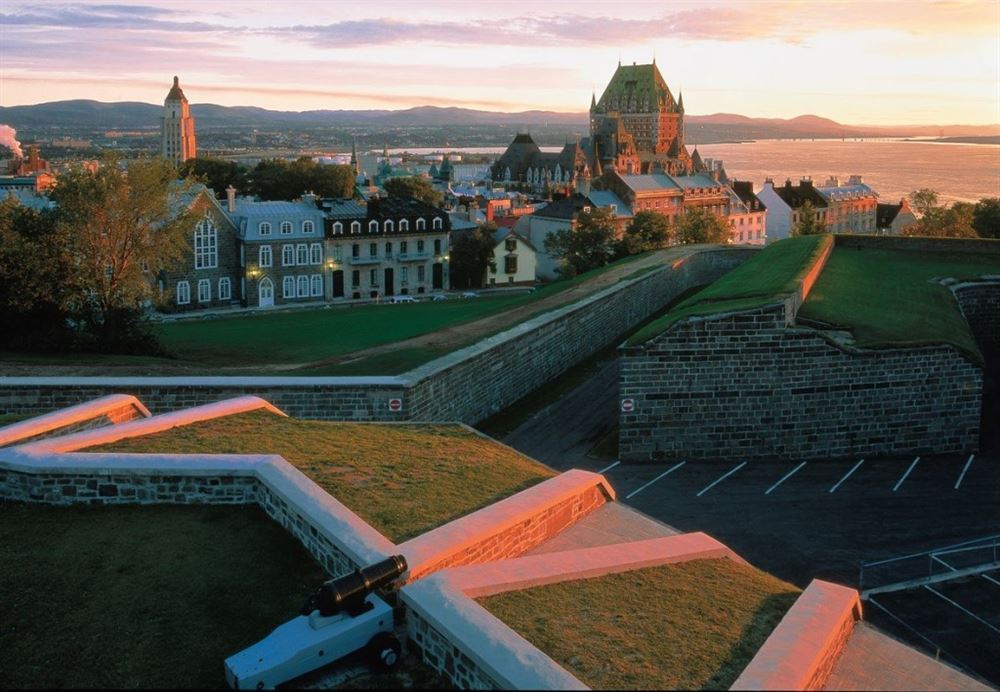
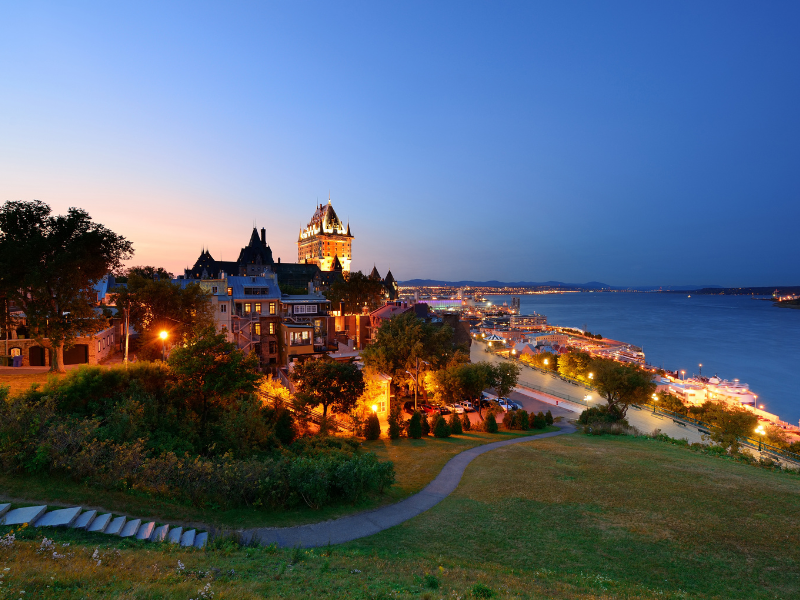
Québec City, capital of the eponymous province, is the most European city in North America, the only one north of Mexico to have kept its fortified walls, recognised as a UNESCO World Heritage Site. Set on a promontory above the St Lawrence River, it is dominated by the unmistakable silhouette of the Château Frontenac, a sumptuous hotel towering over Vieux-Québec. The cobbled streets of the old town, divided into Haute-Ville and Basse-Ville, enchant with their stone houses, boutiques, cafés and Francophone atmosphere, especially magical under winter snow. The Petit-Champlain district, among the oldest on the continent, and Place Royale preserve the charm of New France. The Terrasse Dufferin offers scenic walks over the river, while the gastronomy celebrates Québec cuisine. Romantic, historic and uniquely characterful, Québec City is a city to be explored on foot, among fortifications, alleys and old-world atmospheres.
Treno
Giorno 6 — Quebec City → Montreal
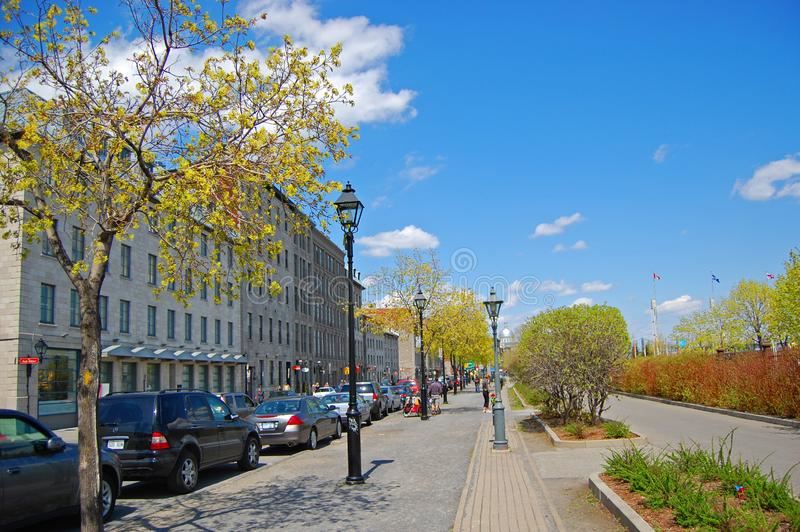
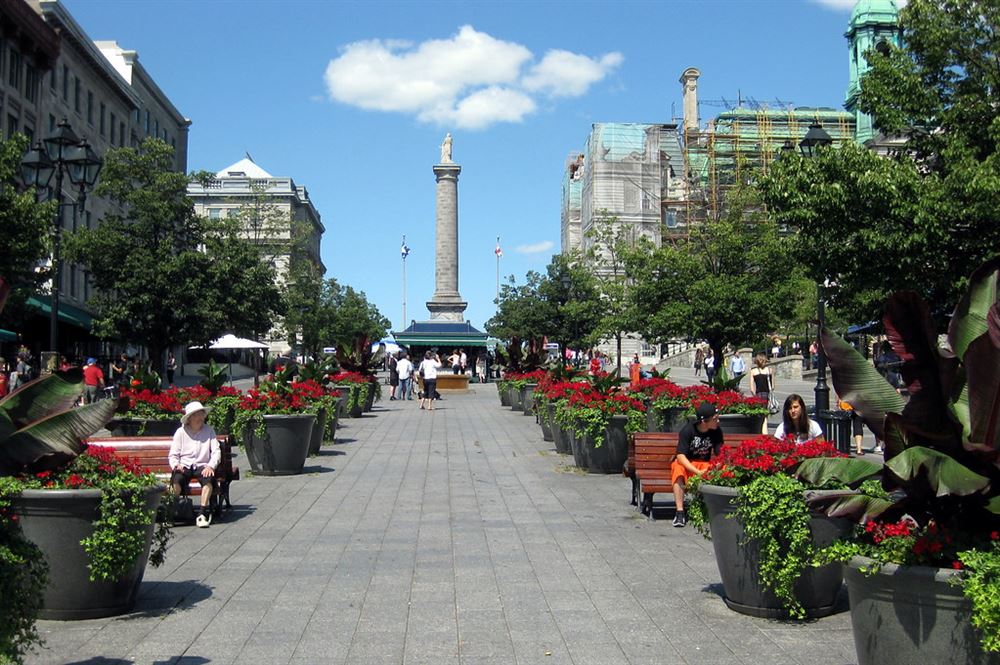
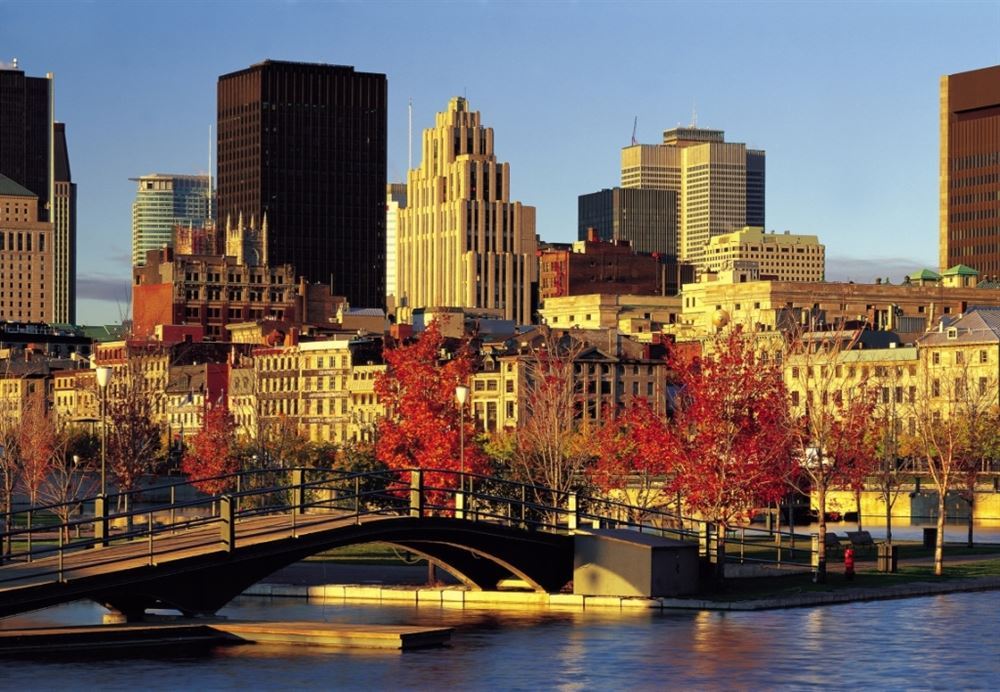
The journey from Quebec City to Montreal offers an experience through the beautiful Quebec countryside. Along Autoroute 20 or Autoroute 40, the main highways linking the two cities, we pass through various landscapes, from green hills to open plains, with the St. Lawrence River accompanying much of the journey. Arriving in Montréal, the difference between the two cities is striking: so much Quebec is tied to its religious and military past, so much Montréal appears international, dynamic and progressive. Recommended activities for your free day in Montreal: a walking tour of the city’s Old Port, or bike rental to explore the extensive cycling paths and the Formula 1 circuit. You may visit the Montreal Museum of Fine Arts or the Montreal Botanical Garden and Biodome, or enjoy shopping in the boutique and shopping mall district along St. Catherine Street.
_20260331114347.png)
_20260331114347.png)
_20260331114555.png)
_20260331114555.png)
_20260331114555.png)
_20260512154556.png)
_20260512154556.png)
_20260512154556.png)
_20260512154557.png)
_20260512154557.png)
_20260512154557.png)