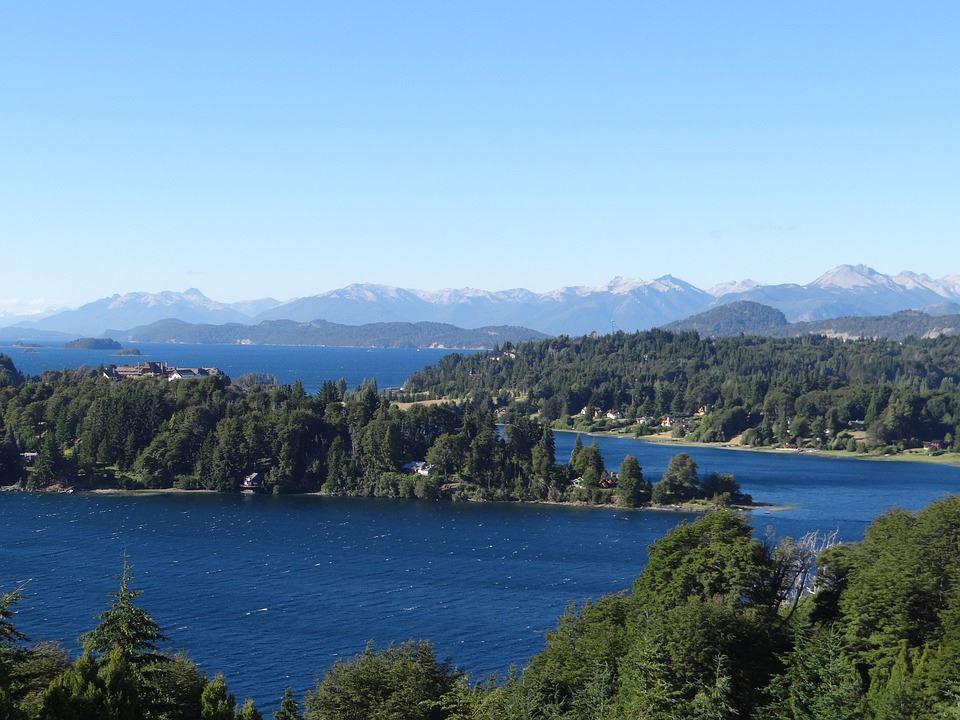
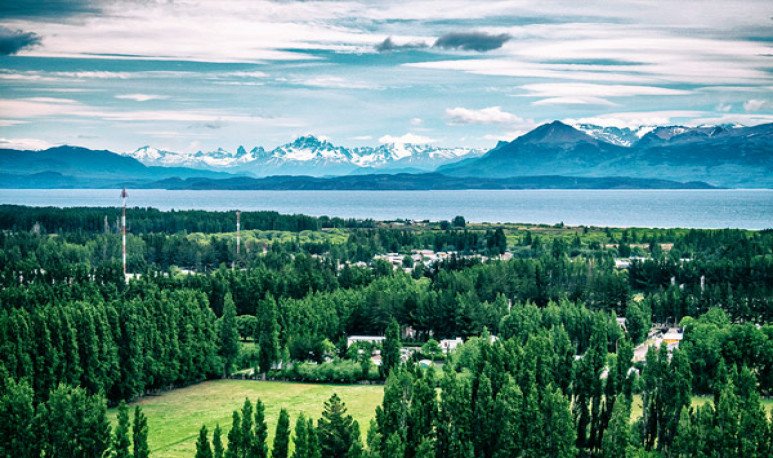
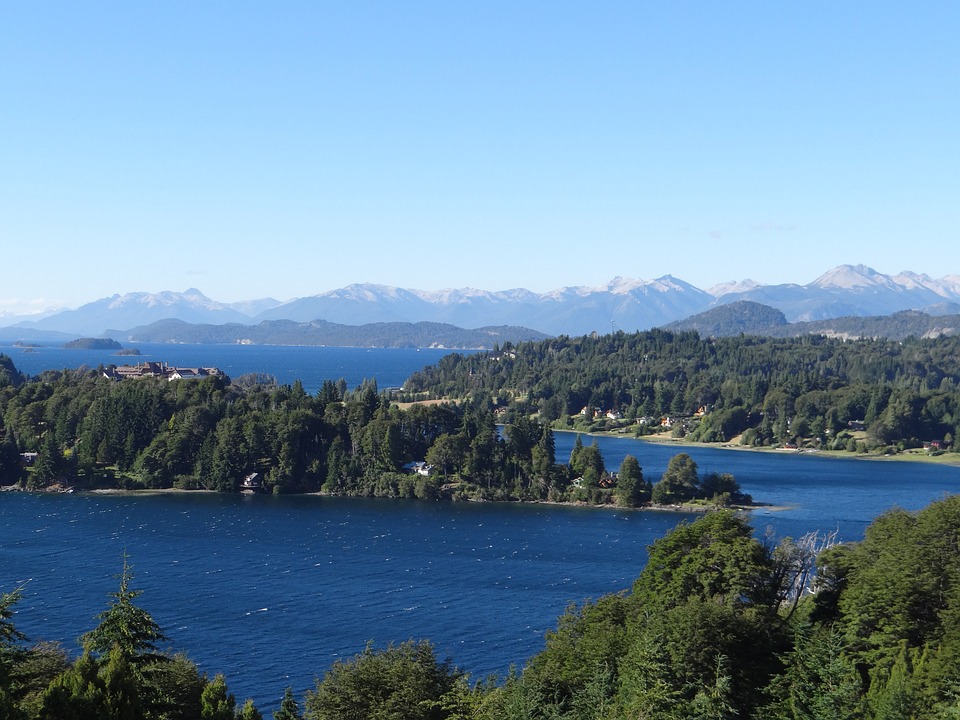
San Carlos de Bariloche is the main destination of the Argentine Andean Patagonia, spread along the southern shore of Lago Nahuel Huapi, with the Andes framing it from behind in an alpine panorama that recalls — not coincidentally — the Swiss and Bavarian landscapes that inspired the first European settlers. The city is a reference point for outdoor tourism in every season: skiing and snowboarding at the Cerro Catedral resort in winter, trekking and lake navigation in summer.
Parque Nacional Nahuel Huapi, of which Bariloche is the main gateway, is one of Argentina's oldest national parks and protects a territory of emerald-hued glacial lakes, coihue and ciruela forests, snowy peaks and volcanoes. The Circuito Chico, driveable by car or bicycle, passes through Colonia Suiza, Bahía López and Cerro López with views of the main lakes in the area. The lake-to-lake navigation towards Puerto Blest and the Cántaros waterfall is among the most evocative excursions.
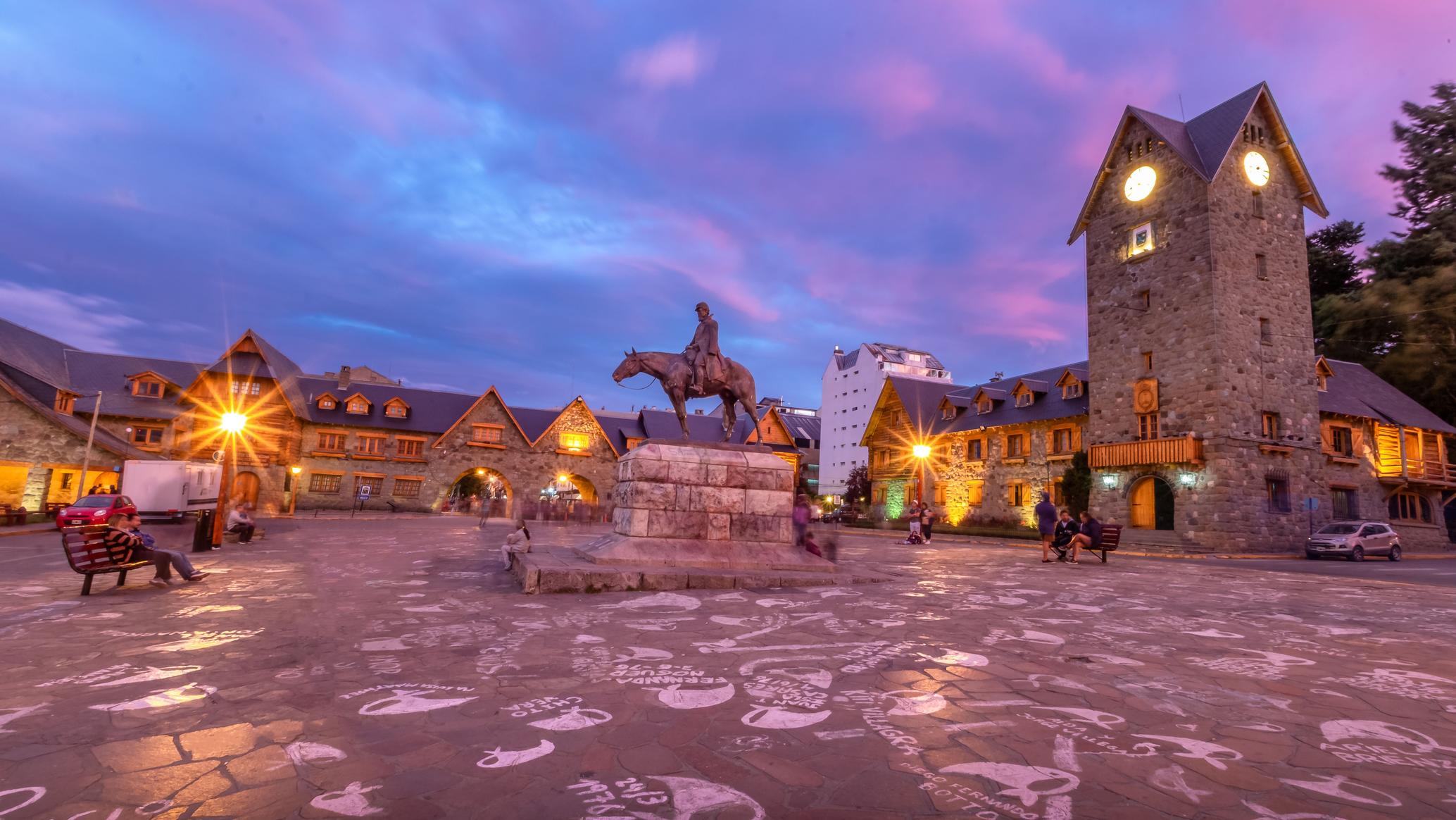
Bariloche is also famous throughout Argentina for its cioccolaterías: a Swiss and German legacy that has transformed the city into a centre of artisan chocolate production. The civic centre in volcanic basalt stone, with its clock tower reminiscent of an alpine chalet, is the heart of urban life. Meat restaurants, craft breweries and cafés with central European pastries round out the gastronomic offer.
Auto
Giorno 3 — San Carlos de Bariloche → Esquel
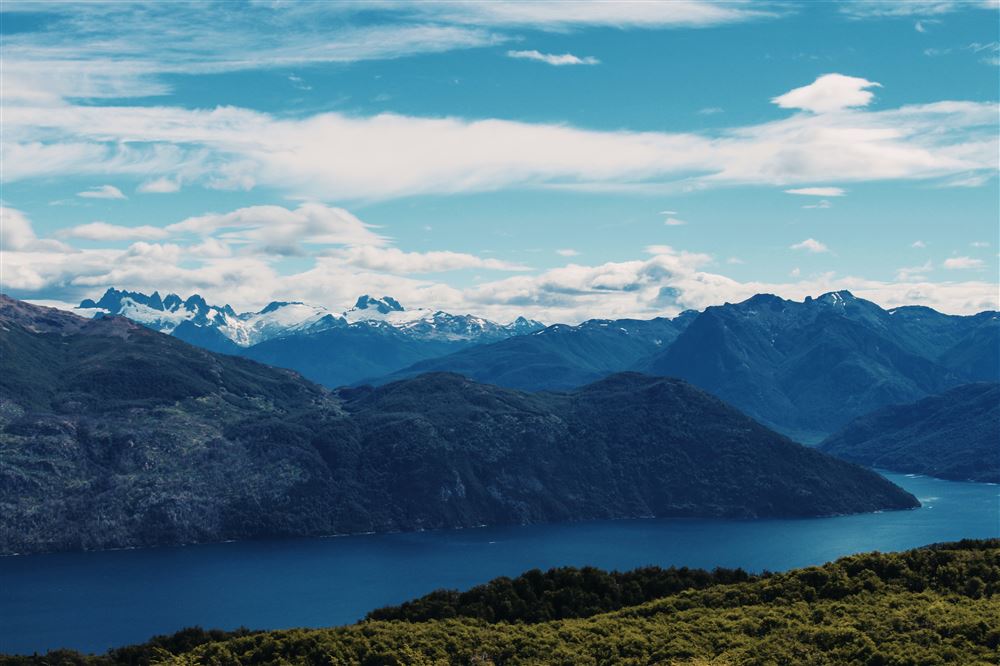
Esquel is a small Andean Patagonian city in the province of Chubut, known primarily as the gateway to Parque Nacional Los Alerces, declared a UNESCO World Heritage Site in 2017, where specimens of alerce — the Patagonian cypress — thousands of years old still grow. The city is also renowned for La Trochita, the narrow-gauge Patagonian train that crosses a stretch of Patagonian steppe in original 1920s carriages, made famous by Paul Theroux in «The Old Patagonian Express».
The intensely turquoise lakes of the National Park are among the most beautiful in Patagonia and lend themselves to fly-fishing, kayaking and hiking through forests of coihue and alerce. Esquel has a quiet and authentic character, far from the bustle of the region's more touristic destinations.
Auto
Giorno 7 — Rio Mayo → Los Antiguos
Los Antiguos is a small town in the province of Santa Cruz, on the Argentine shore of Lago Buenos Aires — the second-largest lake in South America, shared with Chile where it is called Lago General Carrera. Located in a microzone favoured by a temperate climate, the town is known as the «national cherry capital» for the cherry orchards that blossom in spring and produce their fruit in December and January. It offers a quiet base for exploring the Patagonian plateau and the Chilean border, with excursion possibilities towards the rock paintings of the Cueva de las Manos (a few hours by road).
Auto
Giorno 9 — Los Antiguos → Lago Posadas
Lago Posadas is a remote lake in the Patagonian province of Santa Cruz, reachable along long unpaved roads through the continental interior. Its waters change colour with the light — from turquoise to emerald green — in a landscape of windy steppes, Patagonian plateau and Andean peaks in the background. It is a destination for travellers seeking solitude, untouched nature and the sense of adventure that only places forgotten by the map can provide.
Auto
Giorno 11 — Lago Posadas → Gobernador Gregores
Gobernador Gregores is a small centre in southern Patagonia in the province of Santa Cruz, located in the steppe interior around 270 kilometres from the Atlantic coast. It is primarily a service base for the region and a stopping point along routes towards Parque Nacional Perito Moreno and the remote territories of the Patagonian plateau. The surrounding landscape is typical of deep Patagonia: steppes, canyons and an immense sky.
Auto
Giorno 12 — Gobernador Gregores → El Chalten
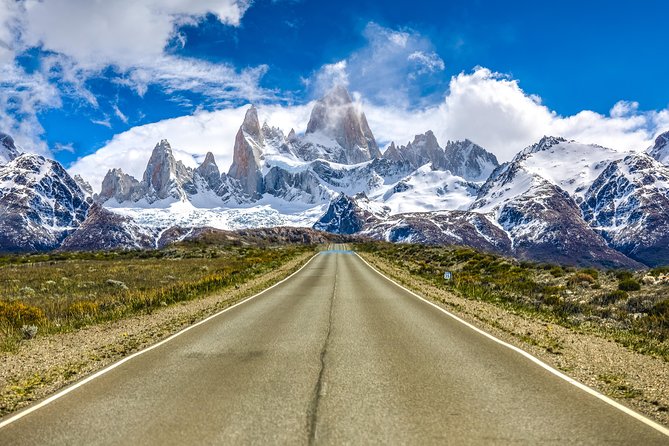
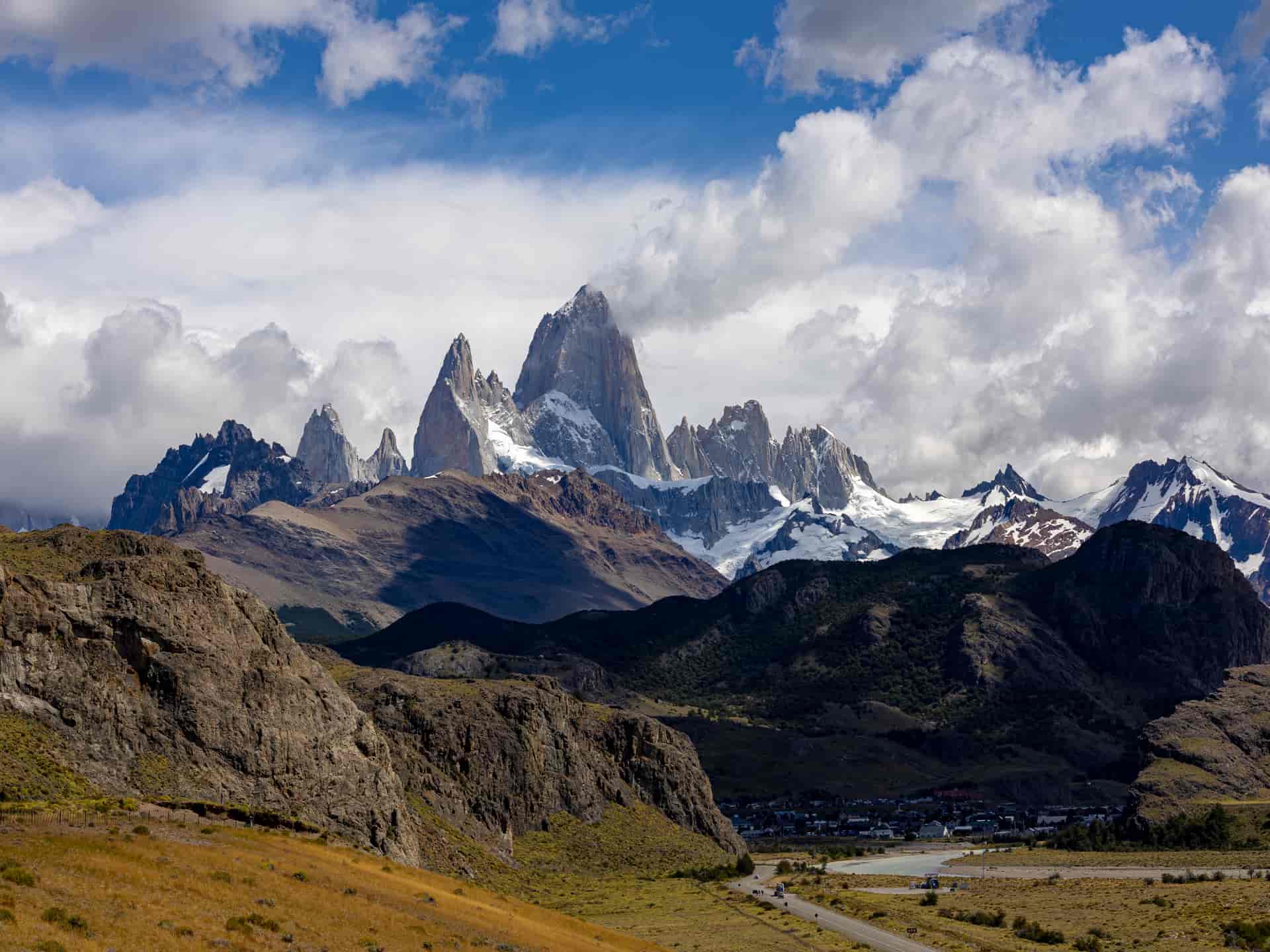
El Chaltén is a small Patagonian village founded as recently as 1985, yet already consecrated as Argentina's trekking capital. Located within Los Glaciares National Park, at the foot of the Fitz Roy massif — the granite spire that towers above the village at 3,405 metres with its unmistakable silhouette — the settlement provides direct access to trails of great beauty, with no special permits or mandatory guides required.
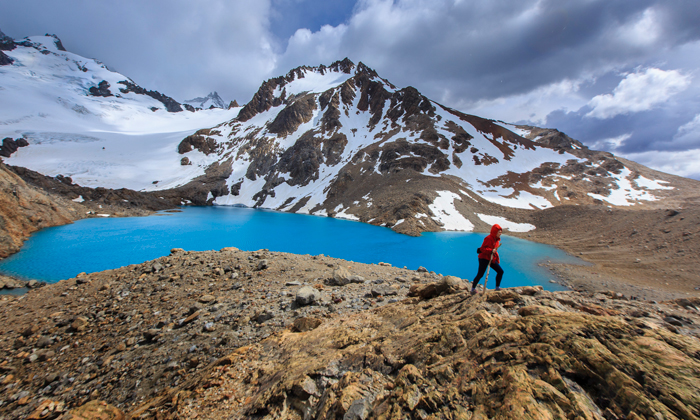
The trek to Laguna de los Tres, culminating in the descent to the glacial lake at the base of Fitz Roy, is among the most scenically dramatic day hikes in the entire southern cone. The route to Laguna Torre, meanwhile, offers views of Cerro Torre, the vertical ice tower considered one of the most difficult and legendary climbs in the history of mountaineering. El Chaltén is also a starting point for multi-day traverses and for technical climbers tackling the walls of these extraordinary rock monoliths.
The village has an informal, community-minded atmosphere, with hostels, small hotels, craft breweries and restaurants serving excellent Patagonian meat. It is reached from El Calafate in around three hours by road, and the ideal season runs from November to March.
Auto
Giorno 14 — El Chalten → El Calafate
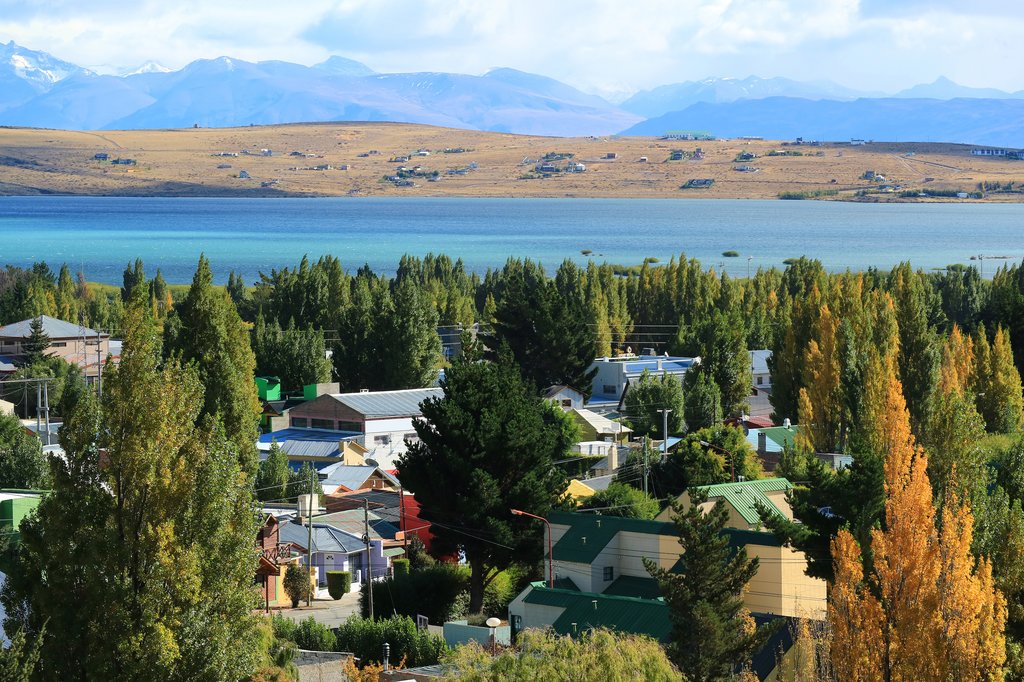
The transfer from El Chaltén to El Calafate is a journey through some of the most spectacular landscapes in Argentine Patagonia. Along the way, you cross the Patagonian steppe, with its vast open spaces, shimmering lakes, and towering mountains rising on the horizon. One of the highlights of the trip is passing through Los Glaciares National Park. El Calafate is the prime gateway for exploring Los Glaciares National Park, a UNESCO World Heritage Site that holds some of the most imposing ice masses outside the polar regions. The small town sits on the southern shore of Lago Argentino, in the heart of southern Patagonia, surrounded by wind-swept steppe and a horizon of snow-capped peaks.
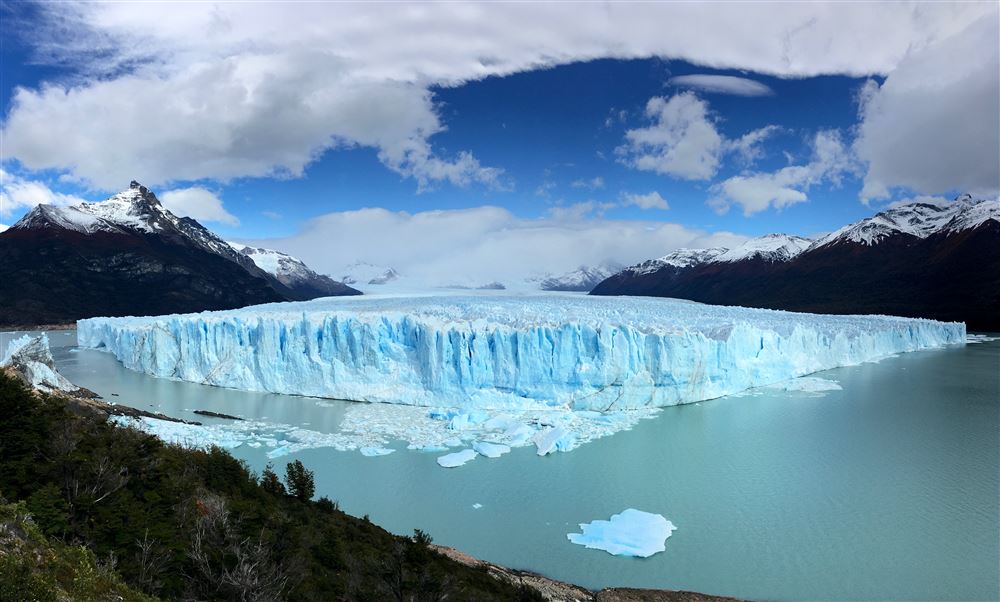
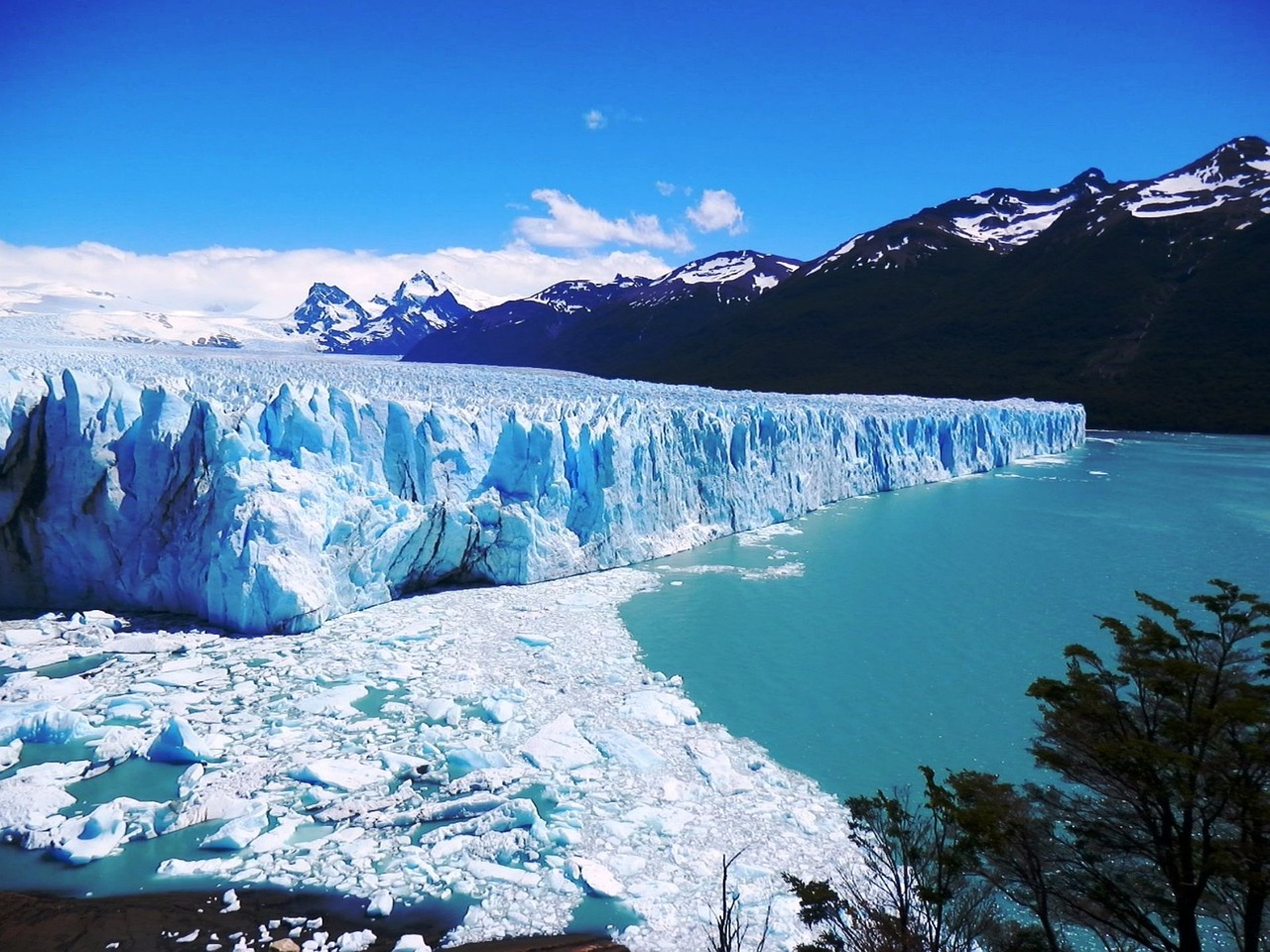
The undisputed star is Glaciar Perito Moreno: a wall of blue ice up to seventy metres high that advances slowly across the lake, producing thunderous cracks as enormous seracs break off and plunge into the water. The park's walkways allow close-range viewing; those seeking a more immersive experience can tackle the mini-trekking option, walking directly on the glacier's surface with crampons. El Calafate also provides access to the Upsala and Spegazzini glaciers, reachable by lake aboard catamarans that glide among icebergs.
The town itself, despite its tourist vocation, retains an informal and welcoming atmosphere, with restaurants specialising in Patagonian lamb grilled over open fire, artisan chocolate shops and local craft stores. The best season runs from October to March, when days stretch to twenty hours of light and temperatures remain mild.