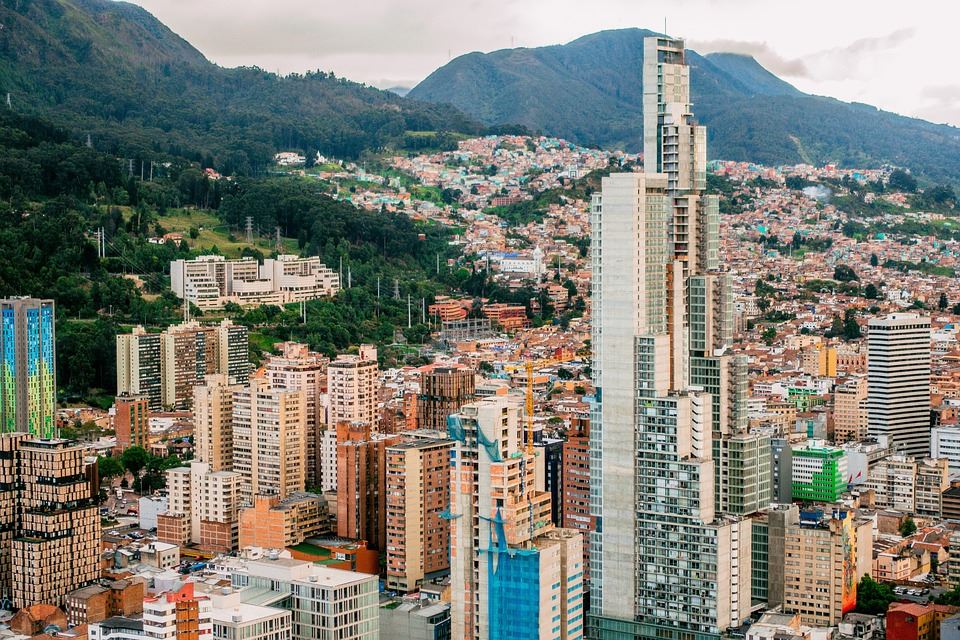
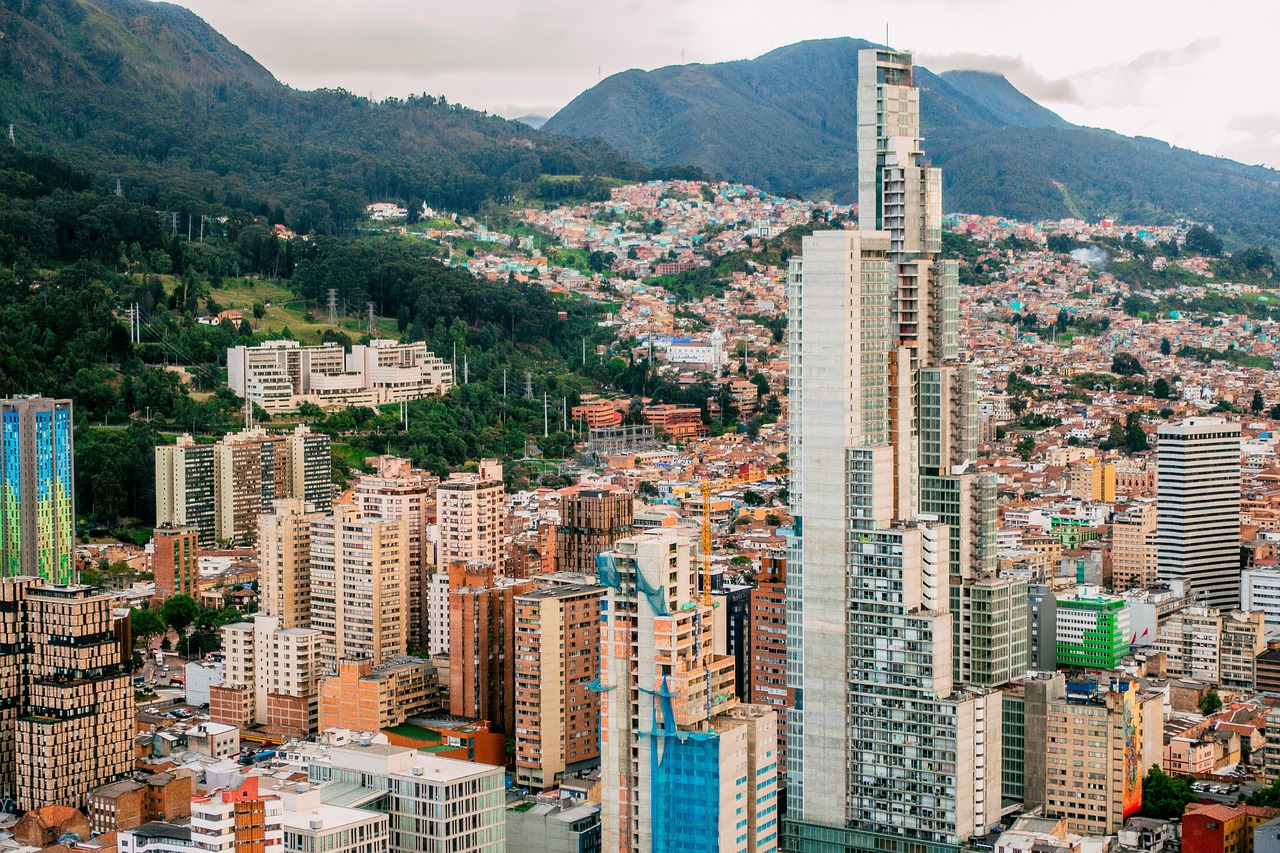
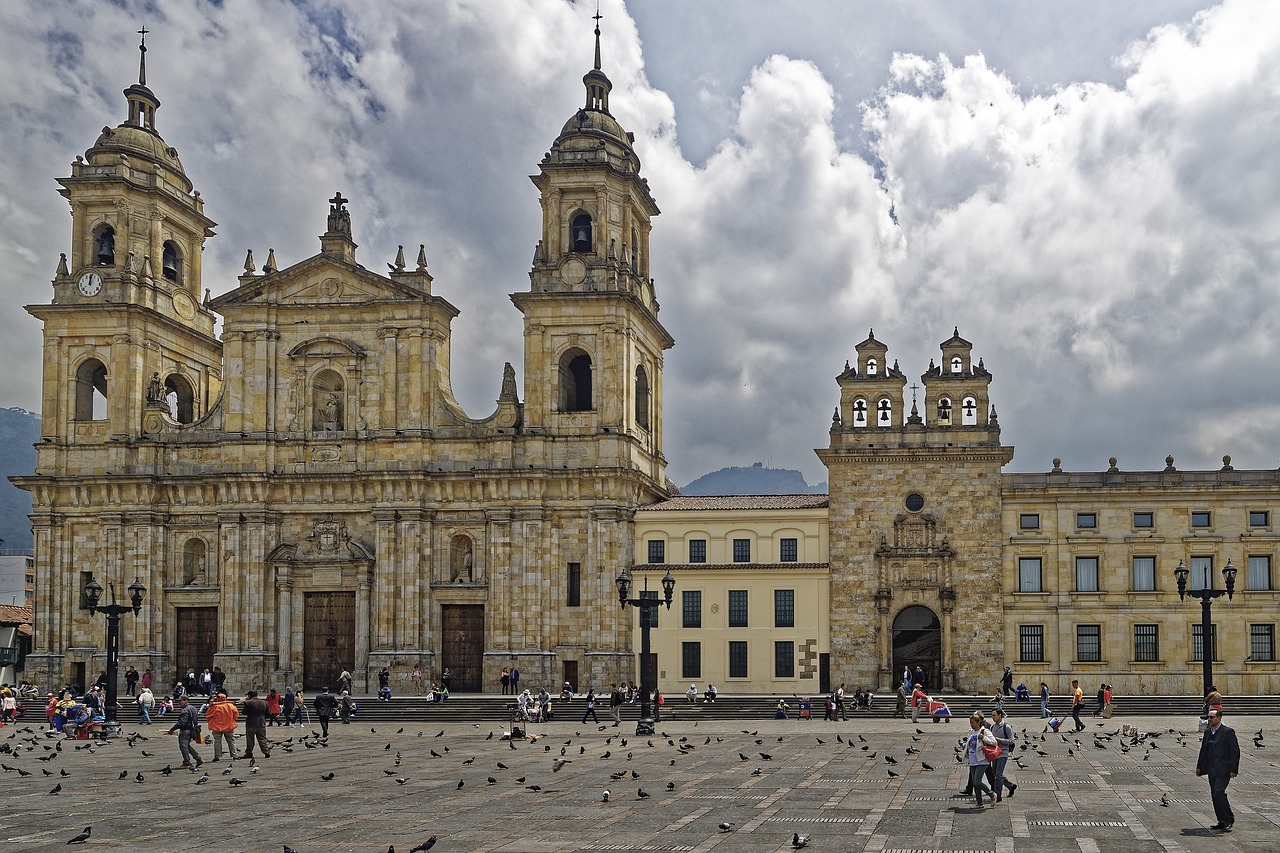
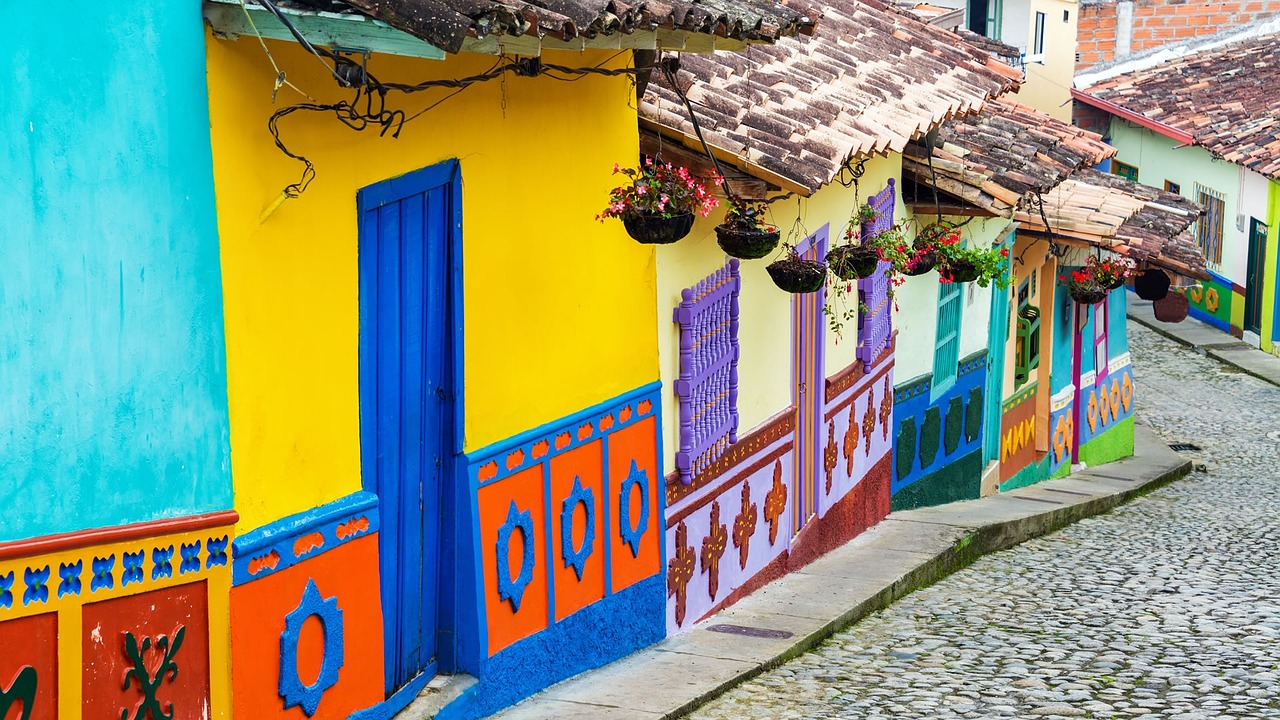
Bogotá rises at 2,600 metres on the Andean plateau, a vast and contrasting metropolis that is Colombia's political, cultural and economic heart. Its historic core is La Candelaria, a maze of cobbled streets and brightly coloured colonial houses where museums, universities and literary cafés cluster. At its centre lies Plaza de Bolívar, framed by the Catedral Primada, the Palace of Justice and the Capitolio Nacional. A short walk away stands the famed Museo del Oro, home to an extraordinary collection of pre-Columbian goldwork, and the Museo Botero, which gathers the rotund works of the great Colombian artist. Monserrate hill, reached by funicular, rewards visitors with a spectacular view over the sprawling city at the foot of the Andes. Bogotá is also dynamic and modern: the Zona G is full of fine dining, the Zona Rosa of nightlife, while on Sundays the ciclovías close the streets to traffic for cyclists and families. The cuisine ranges from ajiaco, the capital's chicken-and-potato soup, to specialities from across the country that converge here. Between altitude, art and creative energy, Bogotá reveals itself as a complex and captivating capital, the gateway to all of Colombia.
Auto
Giorno 3 — Bogota → Villa de Leyva
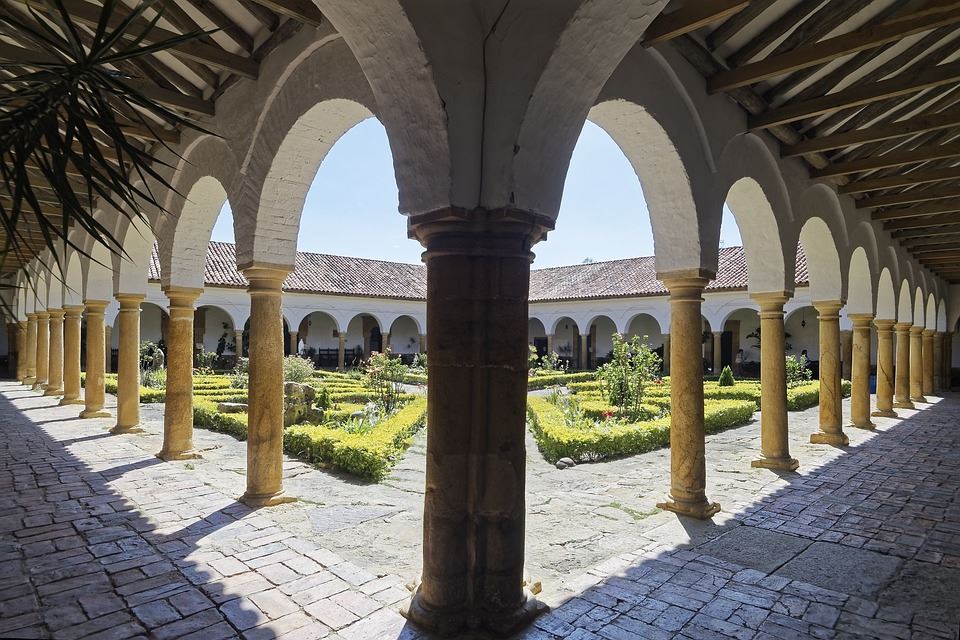
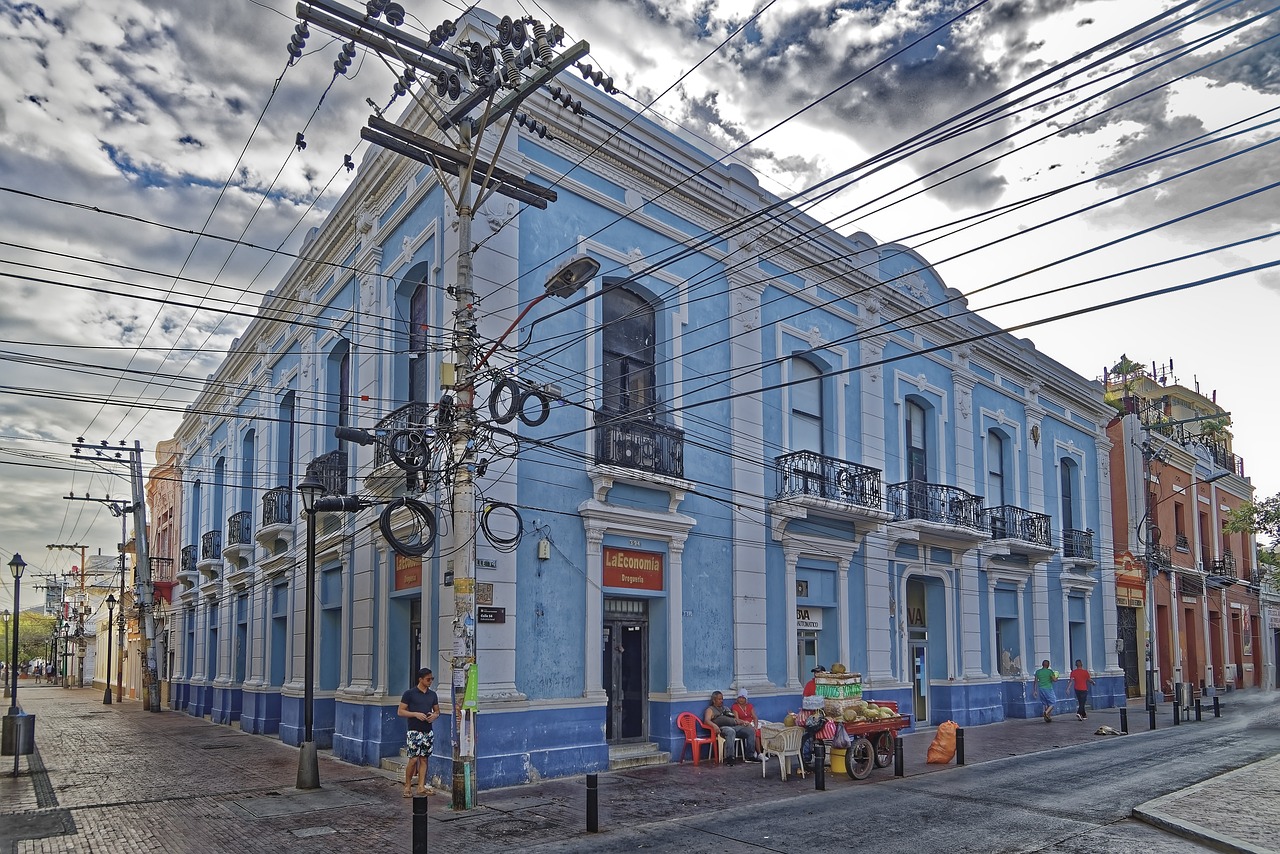
Villa de Leyva is one of Colombia's best-preserved colonial villages, set in an arid valley of the Andean plateau a few hours from Bogotá. Its heart is the Plaza Mayor, one of the largest cobbled squares in South America, framed by whitewashed houses with timber doorways and a colonial church. The town's streets, unchanged over the centuries, are home to craft workshops, cafés and restaurants. Nearby lie palaeontological sites rich in fossils, vineyards, monasteries and striking desert formations. The dry climate and clear skies make Villa de Leyva a beloved destination for relaxing escapes from the capital. Between white stone and an old-world atmosphere, it is a true colonial treasure.
Volo
Giorno 4 — Villa de Leyva → Medellin
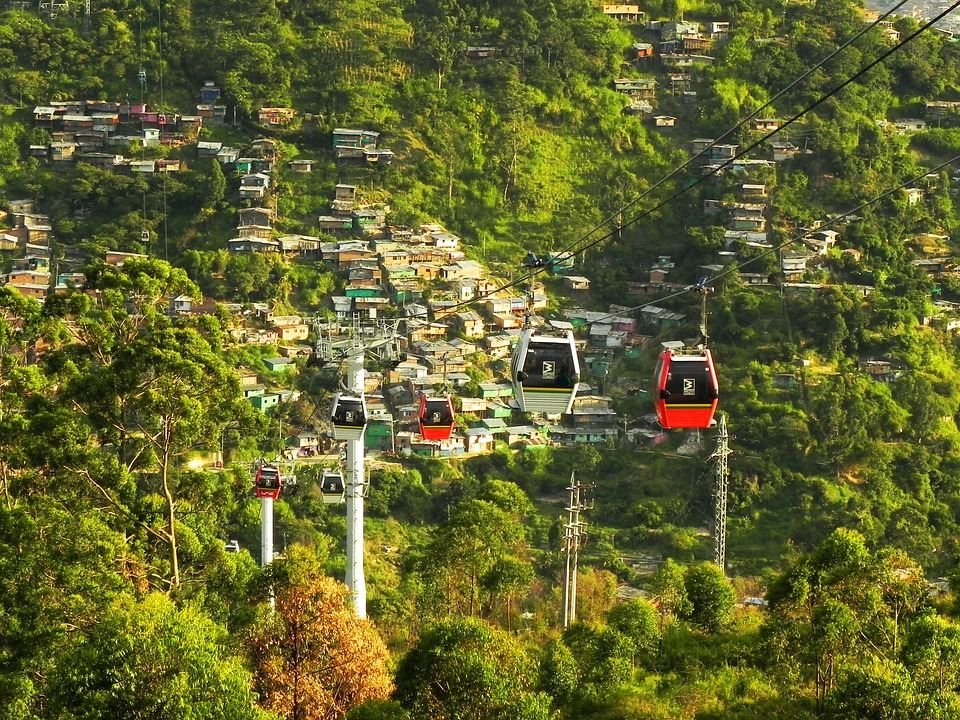
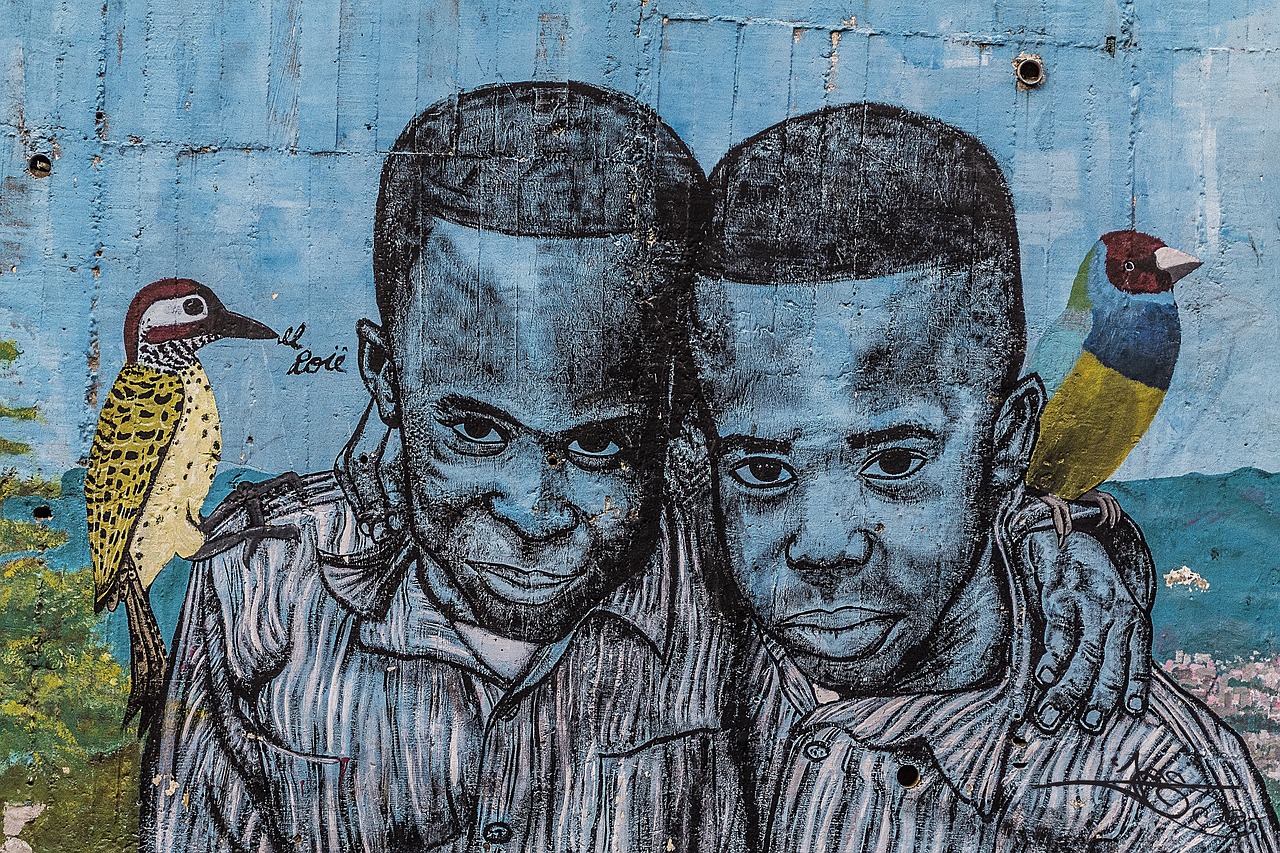
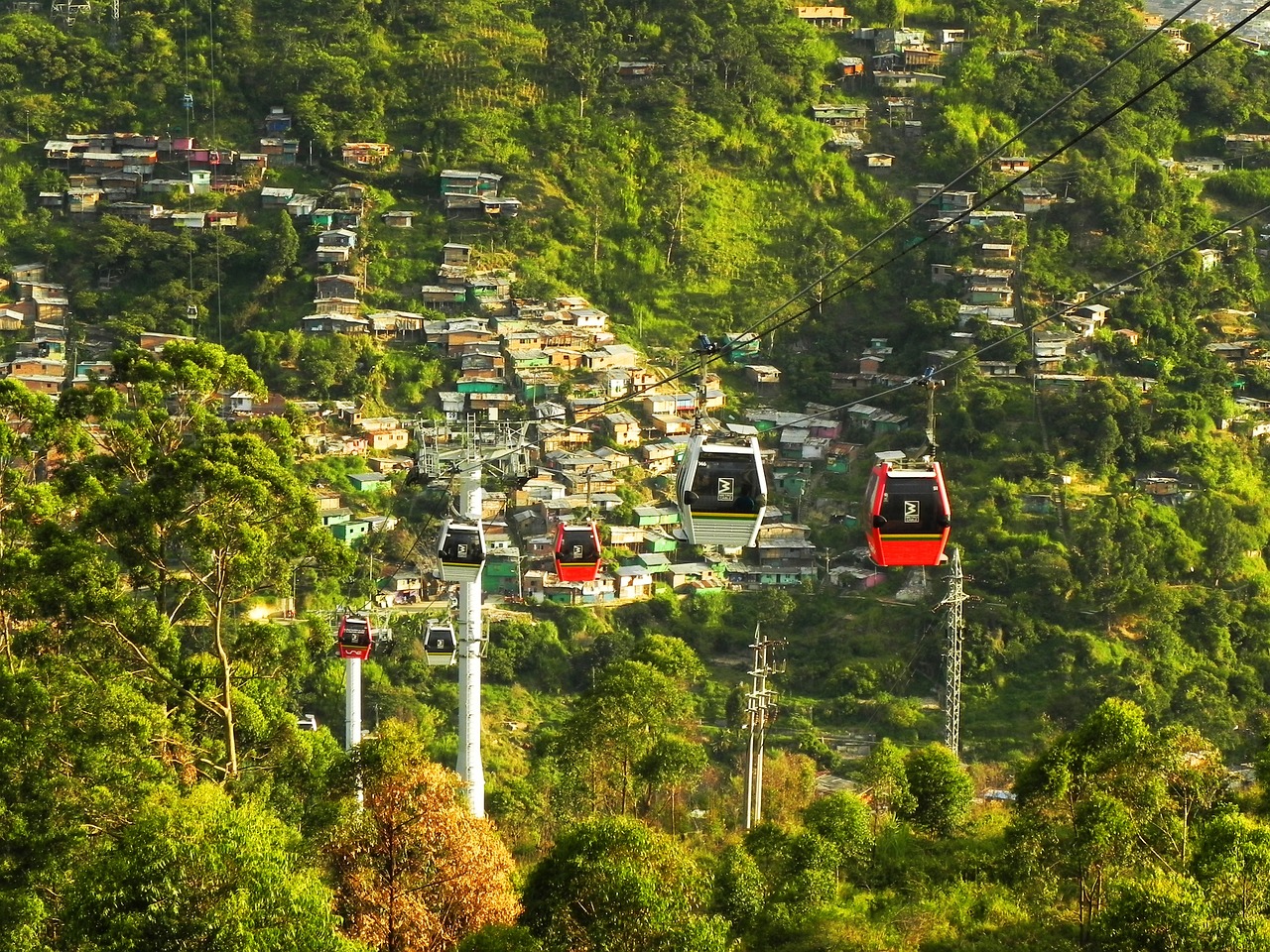
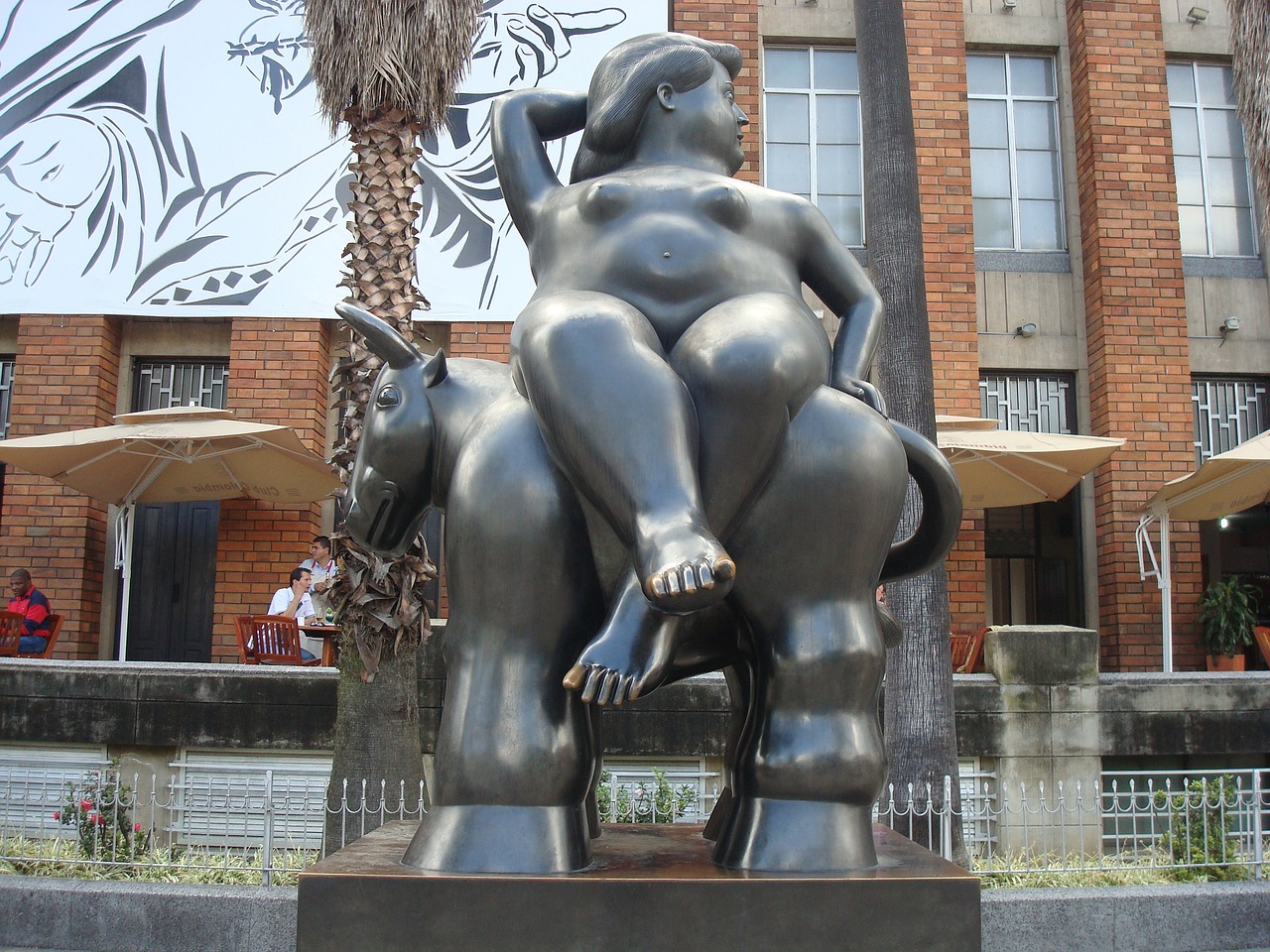
Medellín nestles in a verdant Andean valley, nicknamed the "city of eternal spring" for its mild year-round climate. Once marked by a difficult reputation, it is today a symbol of urban transformation and creativity across Latin America. Its Metro and Metrocable cable-car system, linking the hillside districts, has revolutionised mobility and social inclusion: riding up to Comuna 13 reveals a neighbourhood reborn through murals, outdoor escalators and a vibrant art scene. Downtown, Plaza Botero displays the monumental sculptures of master Fernando Botero in the open air, beside the Museo de Antioquia. El Poblado is the hub of restaurants, bars and nightlife, while the Jardín Botánico and Parque Arví offer green breathing space. Medellín is also an ideal base for excursions nearby, from the colourful towns of Antioquia to coffee farms. With its unstoppable energy and the warmth of its paisa people, the city tells one of the continent's most remarkable stories of renewal.
Volo
Giorno 7 — Medellin → Santa Marta
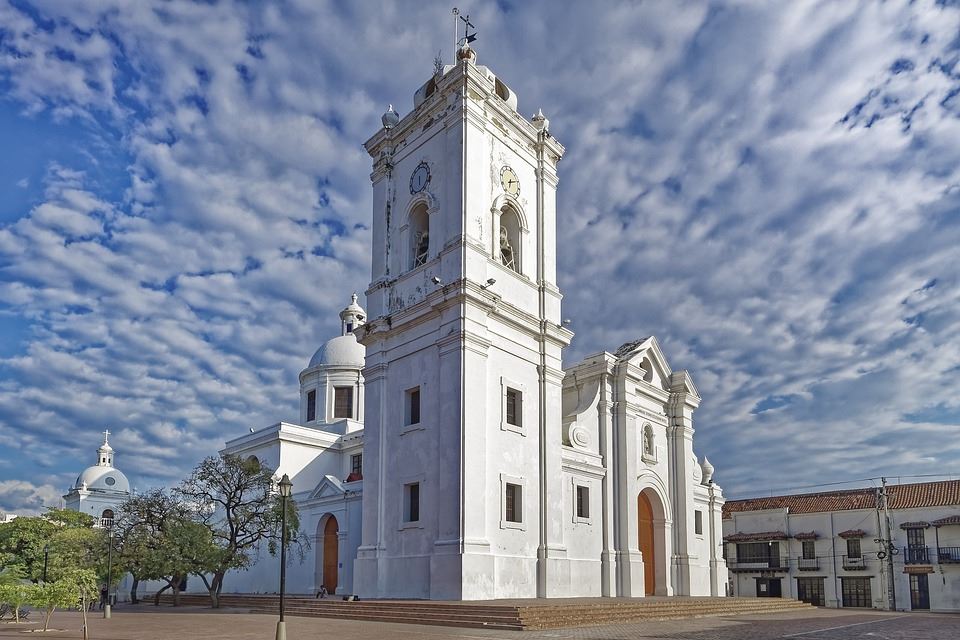
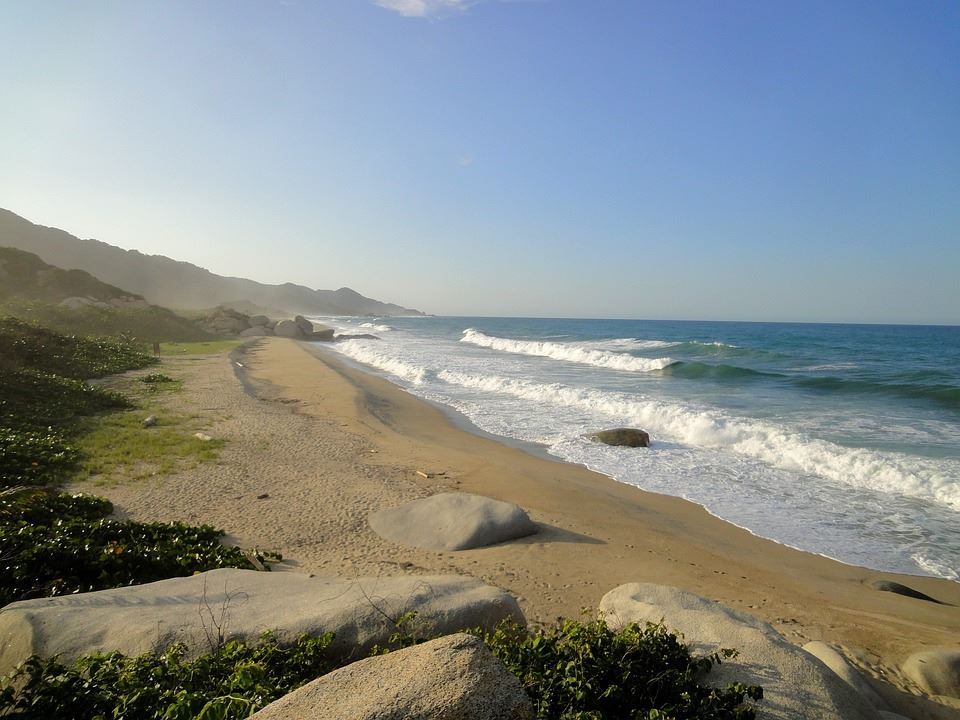
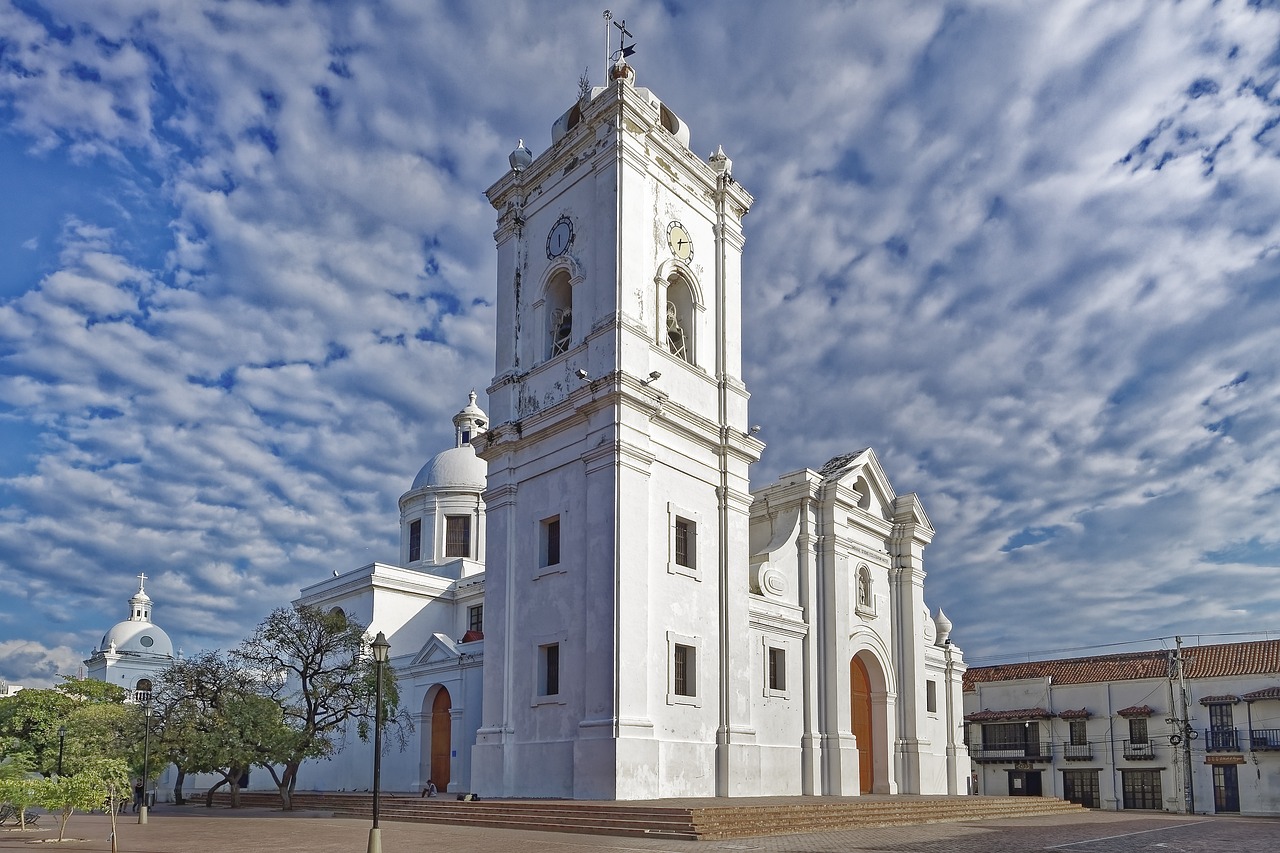
Santa Marta is the oldest continuously inhabited city in Colombia, founded on the Caribbean coast at the foot of the Sierra Nevada, the world's highest coastal mountain range. Its seafront and compact old town make an ideal base for exploring a region of extraordinary natural variety. A few kilometres away lies Tayrona National Park, with beaches framed by jungle, while the indigenous villages of the Sierra preserve age-old traditions. The El Rodadero district offers serviced beaches and seaside life, while nearby Minca, up in the hills, draws nature lovers, birdwatchers and coffee enthusiasts. Santa Marta is also the starting point for the trek to the Ciudad Perdida, the ancient stone city hidden in the forest. Between sea, mountains and history, it is one of the most captivating gateways to the Colombian Caribbean.
Auto
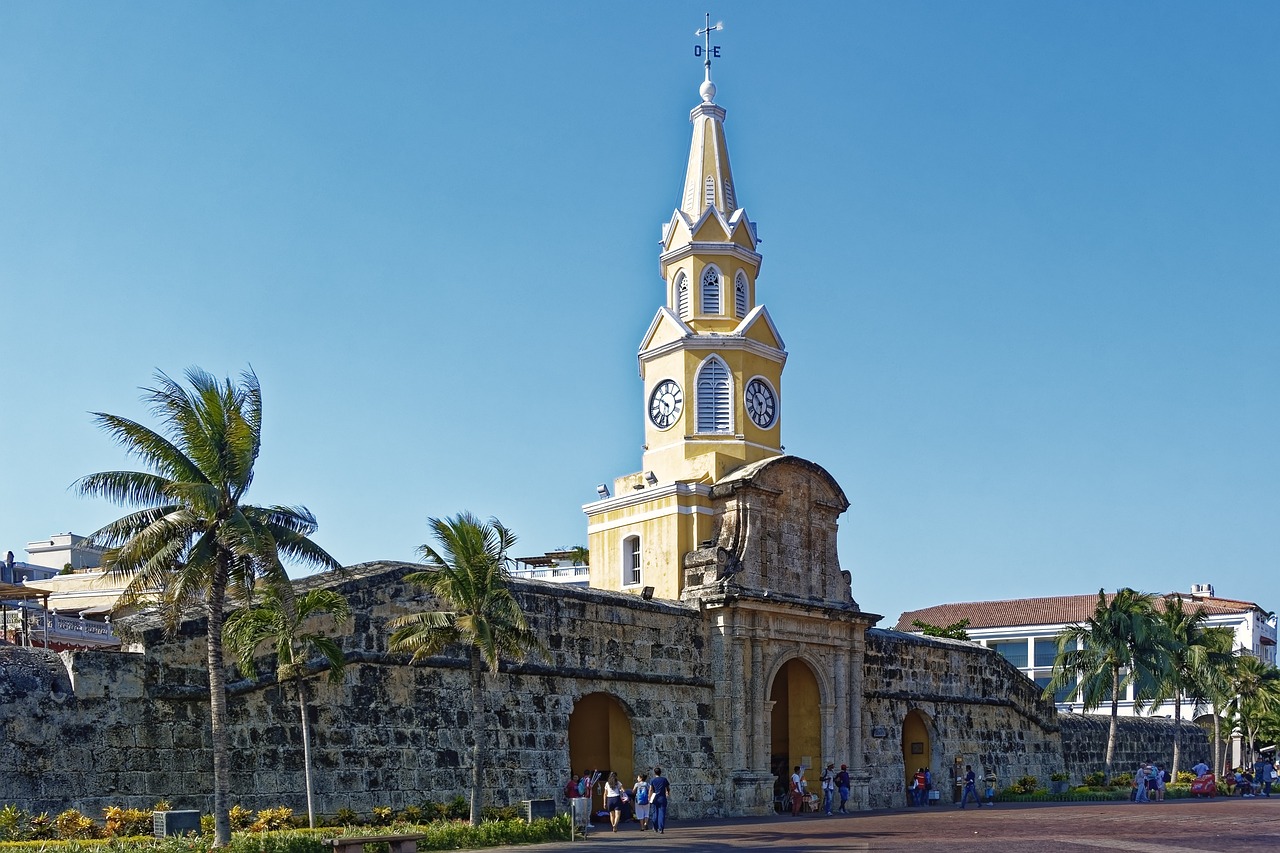
Giorno 10 — Santa Marta → Cartagena de Indias
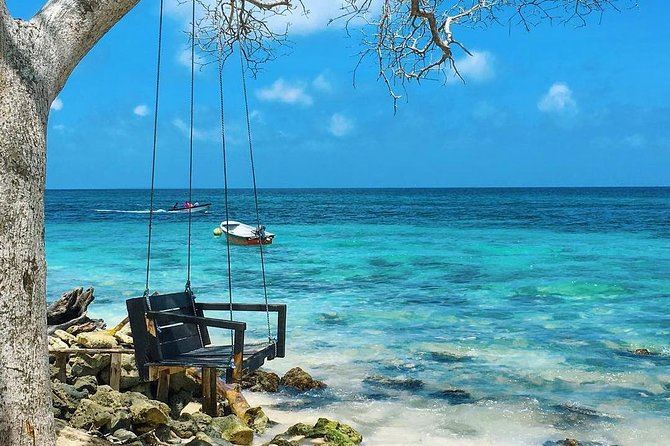
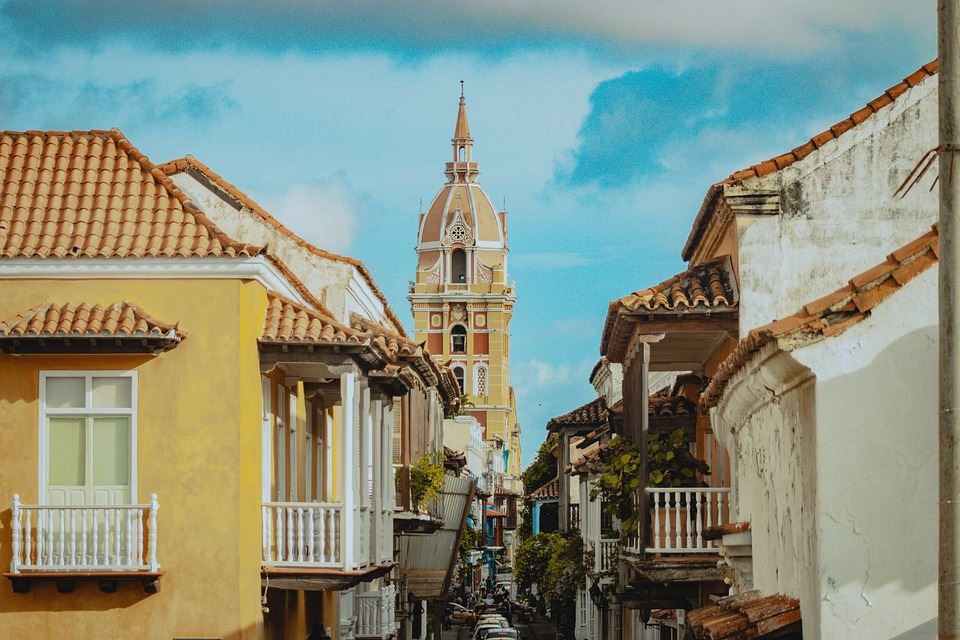
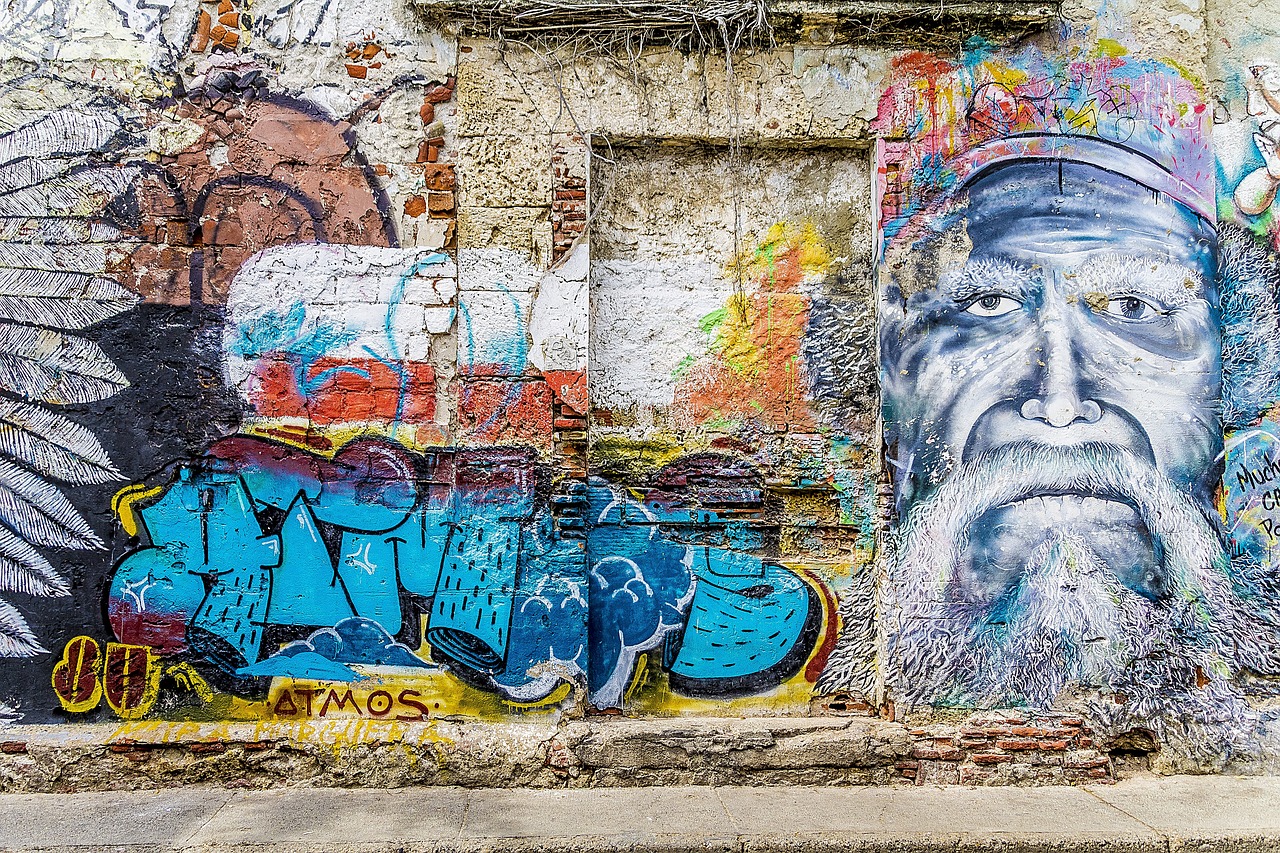
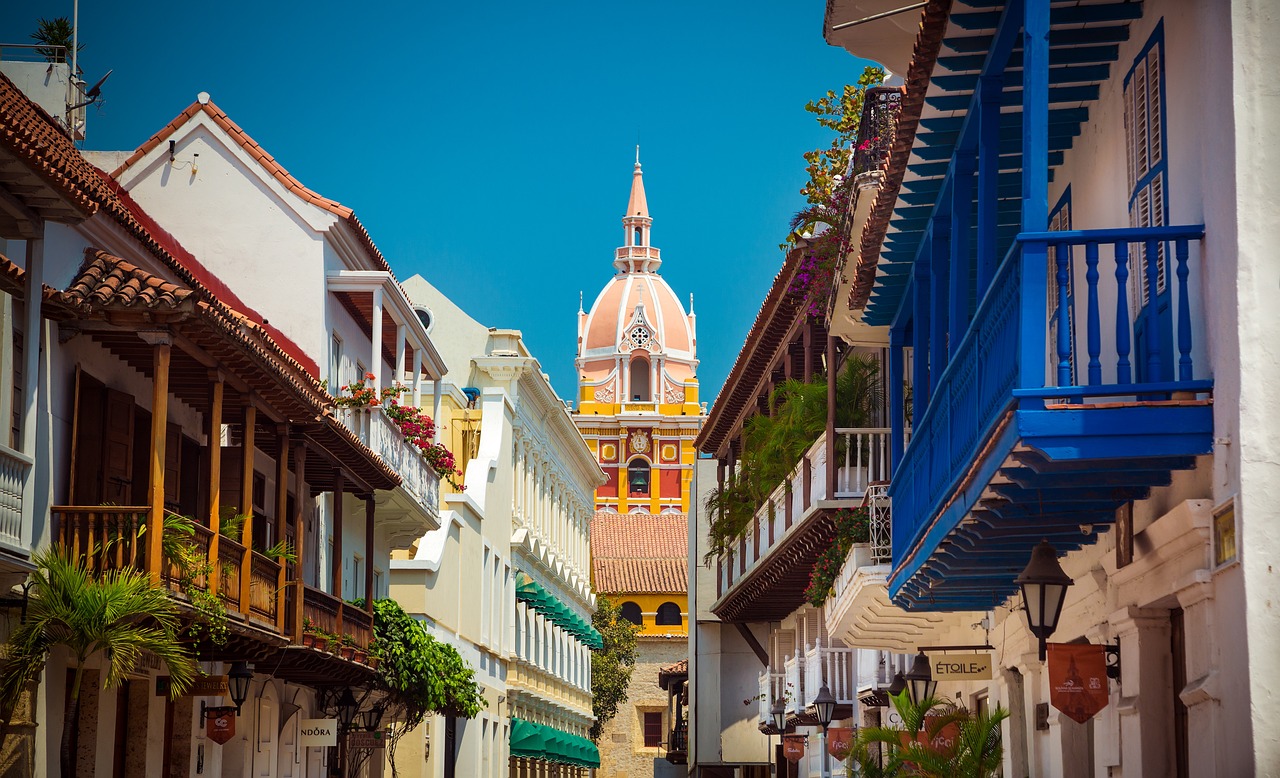
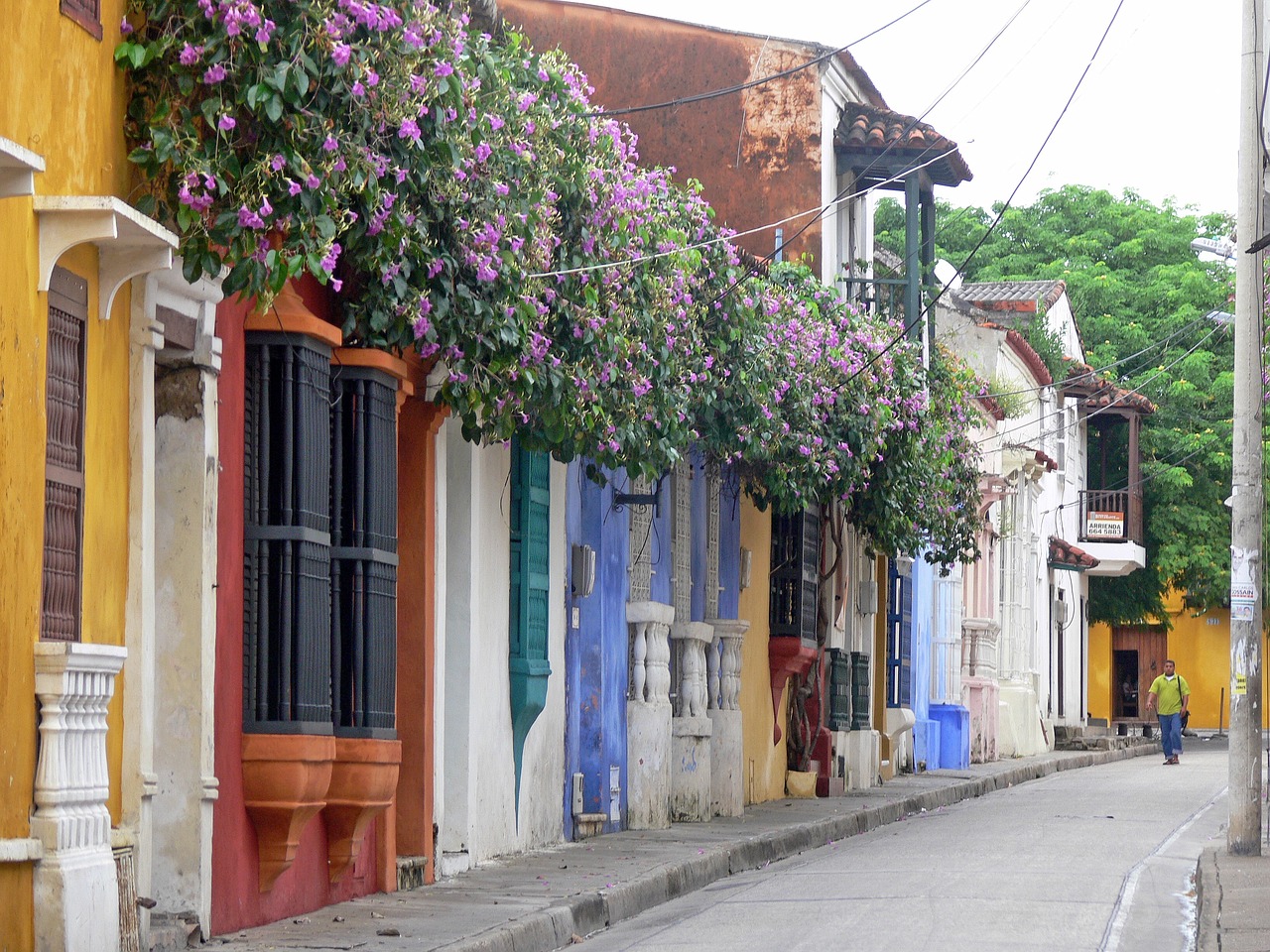
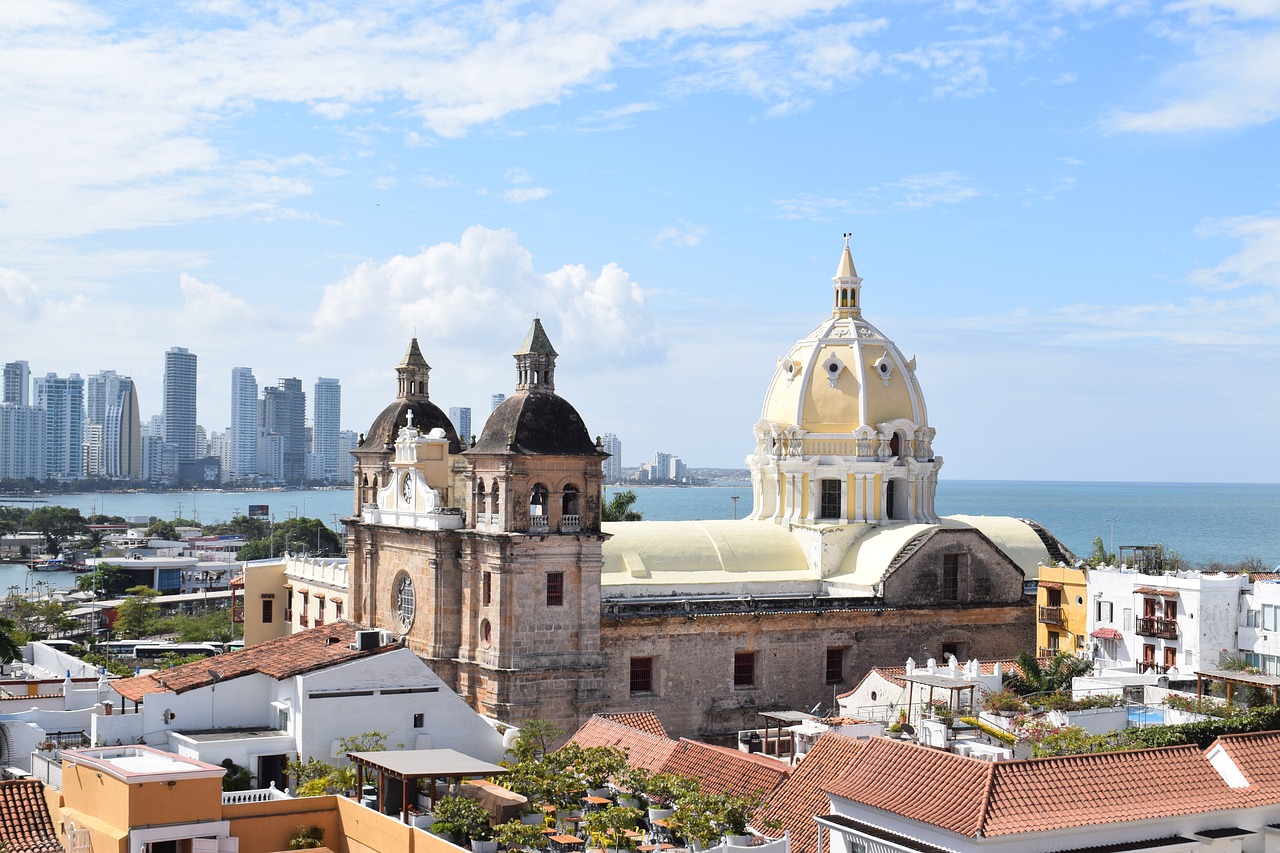
The route follows the coastal road that crosses cities, villages, and tropical landscapes along the Caribbean coast. Cartagena de Indias unfolds along Colombia's Caribbean coast as one of Latin America's best-preserved colonial cities, a fortified port that for centuries guarded Spain's New World treasures. Its heart is the Ciudad Amurallada, a walled old town enclosed by mighty limestone ramparts now strolled at sunset, when the sky glows orange over the Caribbean Sea. Within the Centro Histórico, a UNESCO World Heritage Site, pastel mansions with timber balconies spill over with bougainvillea, shady squares such as Plaza Santo Domingo and Plaza de los Coches invite a pause, and stern colonial churches line the streets. The Getsemaní district, once working-class and now the city's creative soul, throbs with murals, salsa bars and courtyards alive late into the night. The skyline is dominated by Castillo San Felipe de Barajas, the largest Spanish fortress in the Americas, while La Popa hill offers sweeping views over bay and islands. Cartagena is also a gateway to beaches, from the high-rise strand of Bocagrande to the crystalline waters of the Islas del Rosario, reached by boat for days of sea and snorkelling. The cuisine blends Caribbean and African flavours, from coconut seafood to the arepas de huevo sold on street corners. With its music, warmth and timeless architecture, Cartagena remains one of the continent's most seductive destinations.