Nouvelle-Aquitaine: Bordeaux and the Arcachon Basin, the Dordogne and Périgord, Cognac and Charente, La Rochelle and Île de Ré — NAAR
Itinerary
Giorno 1 — Bordeaux
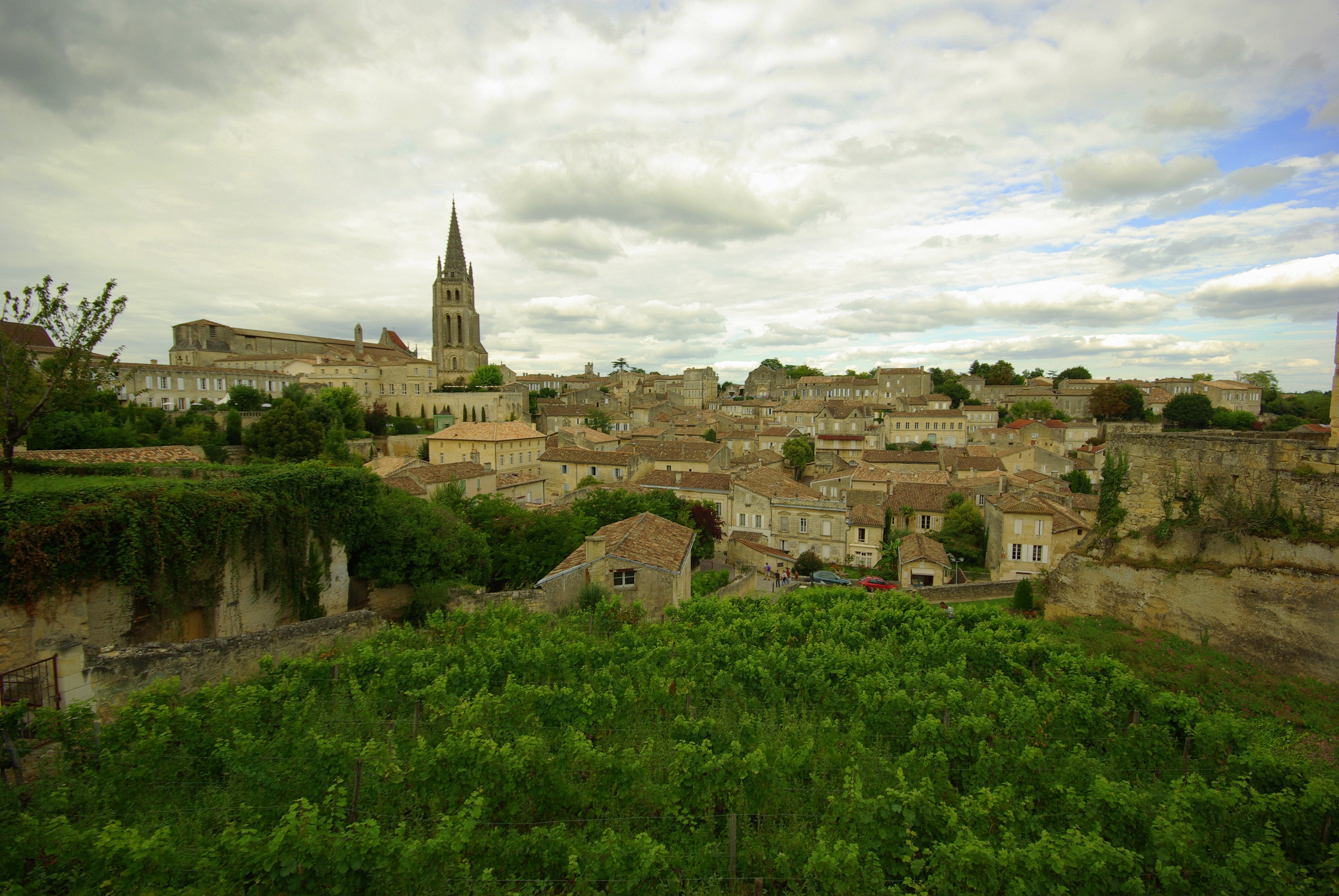
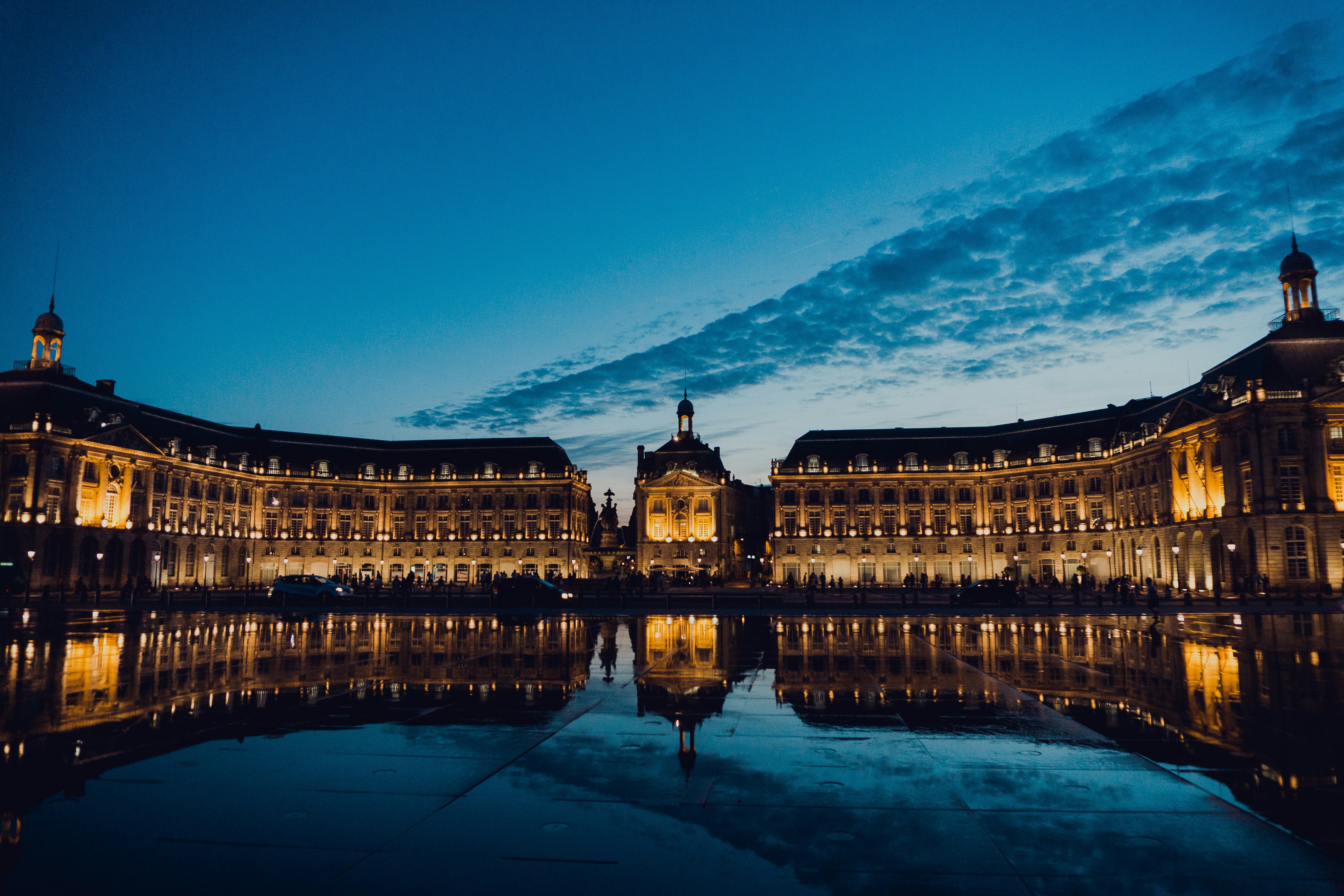
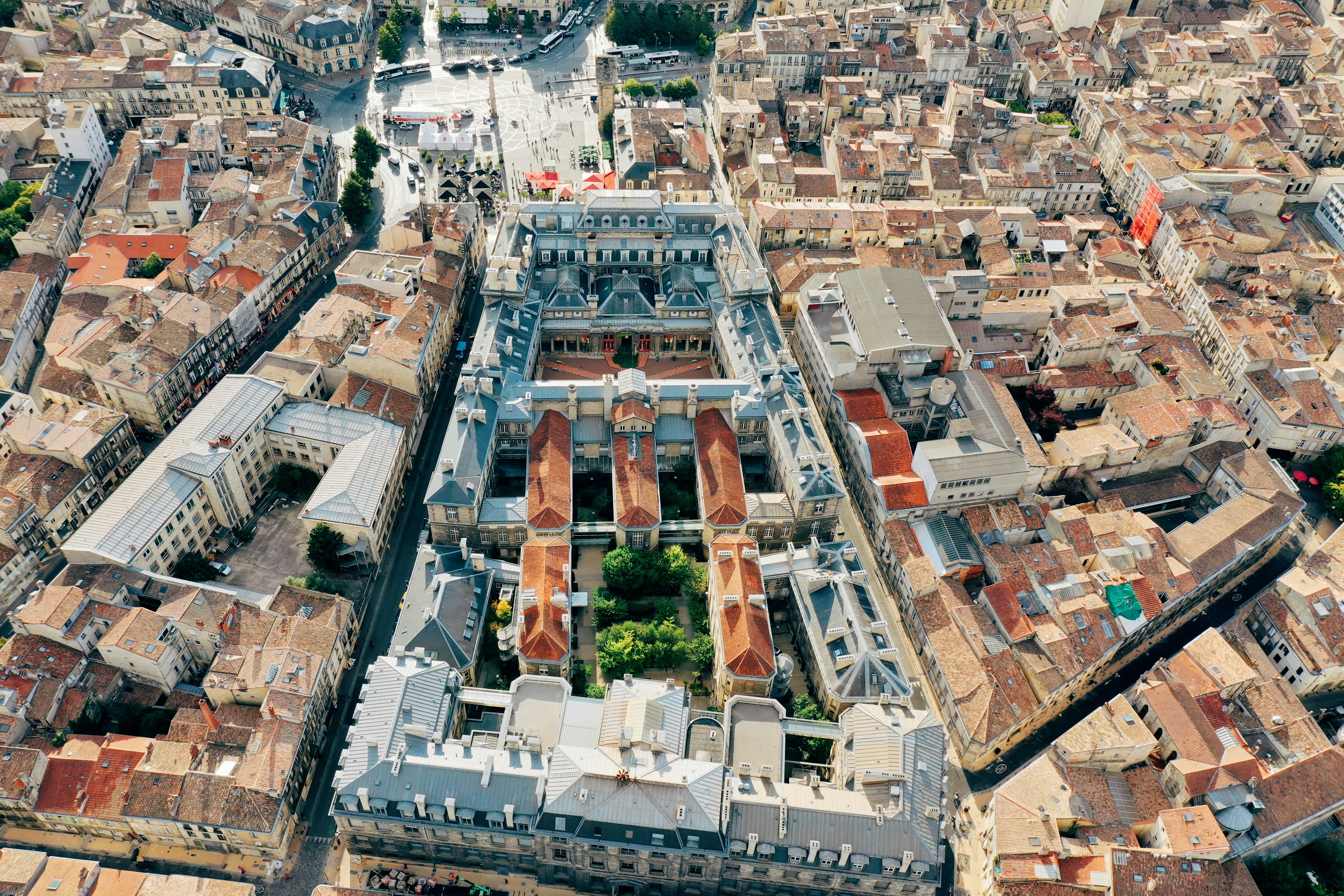
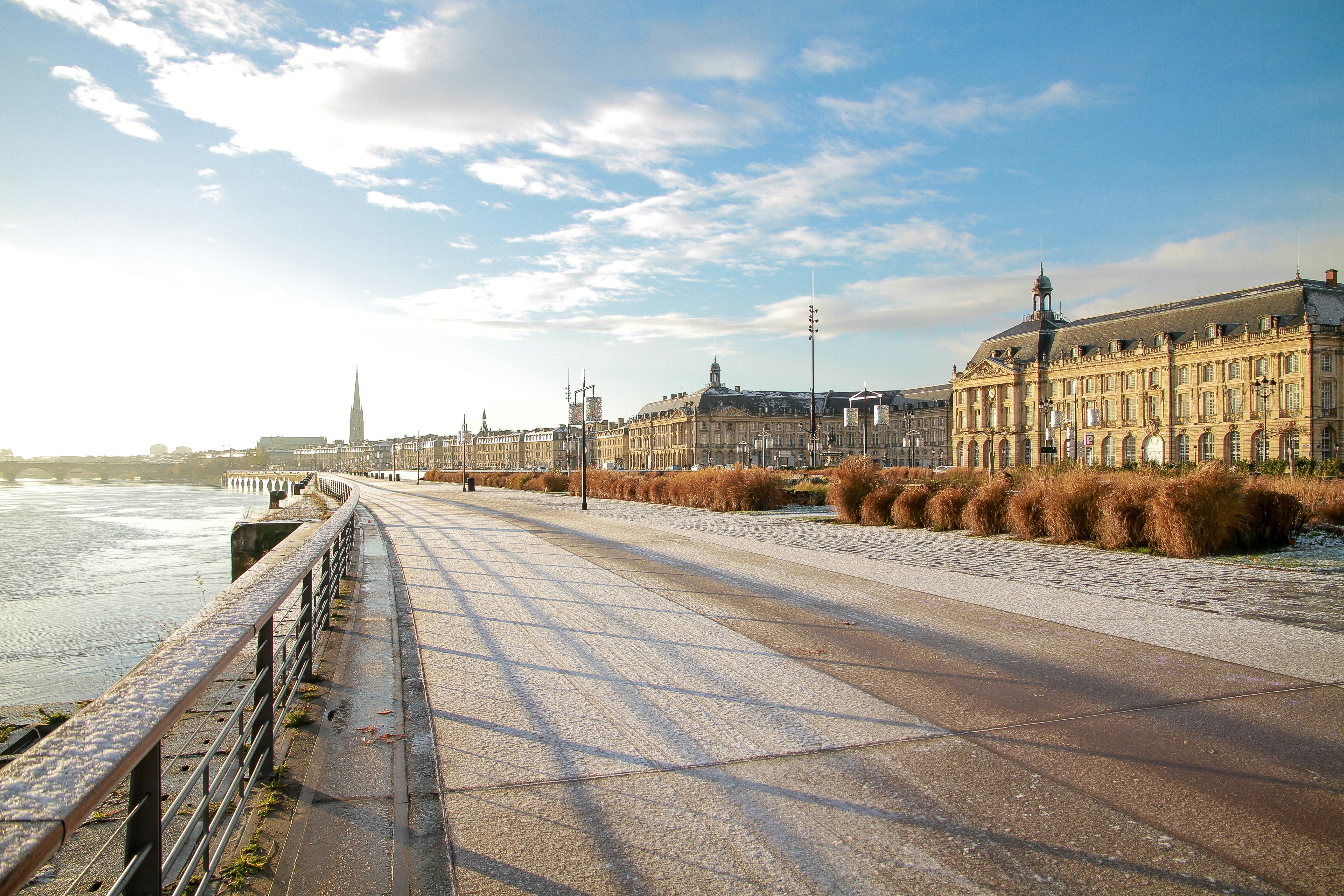
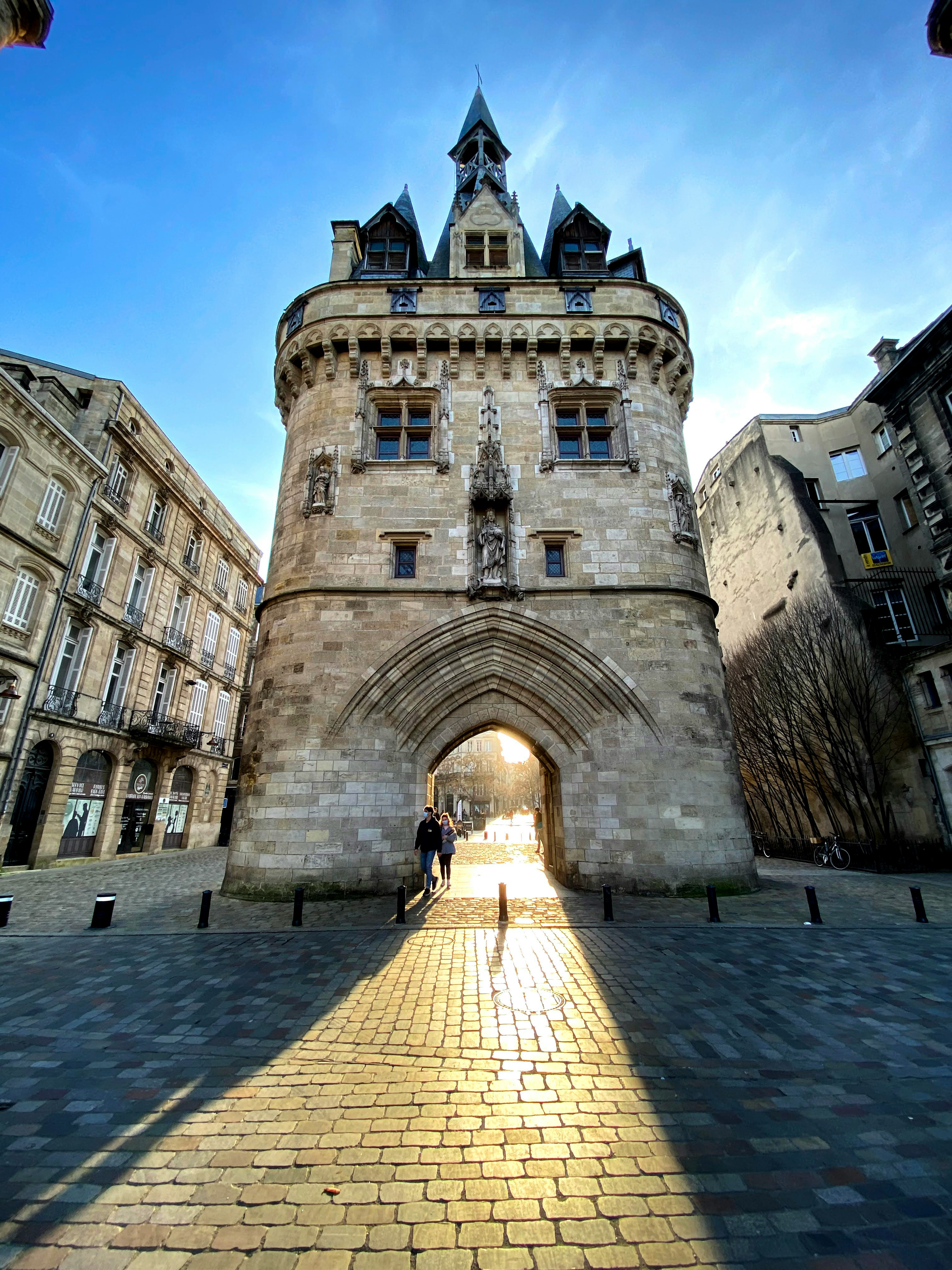
Bordeaux has built its identity on wine with the same ambition with which it built its eighteenth-century quais: the result is a city inscribed on the UNESCO World Heritage List for its architectural ensemble, where neoclassical arcades are mirrored in the Garonne in a magnificent play of light. The Place de la Bourse and the Miroir d'Eau — the world's largest reflecting pool, mirroring the façades of the nineteenth-century stock exchange — are the city's defining image. But Bordeaux is also a labyrinth of medieval lanes, markets (Marché des Capucins, the city's «belly»), wine shops and bar à vins where the great reds of Médoc, Pomerol and Saint-Émilion are poured. The Cité du Vin, a bold and scenic museum-monument dedicated to the world's wine cultures, overlooks the river. Letting oneself drift downstream on a Garonne boat at sunset is the most eloquent way of understanding why Bordeaux has become one of Europe's most coveted destinations.
Auto
Giorno 3 — Bordeaux → Sarlat-la-Canéda
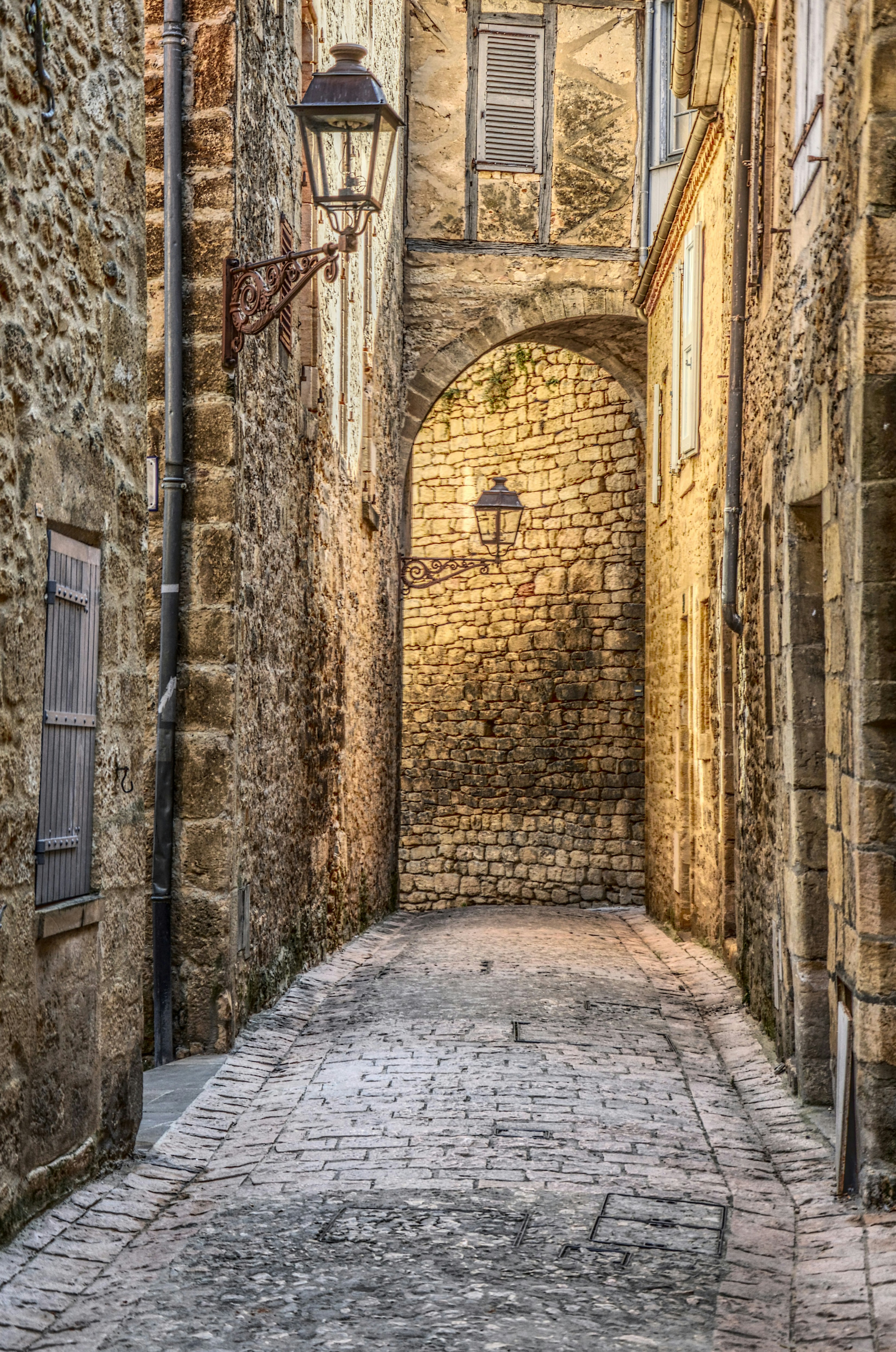
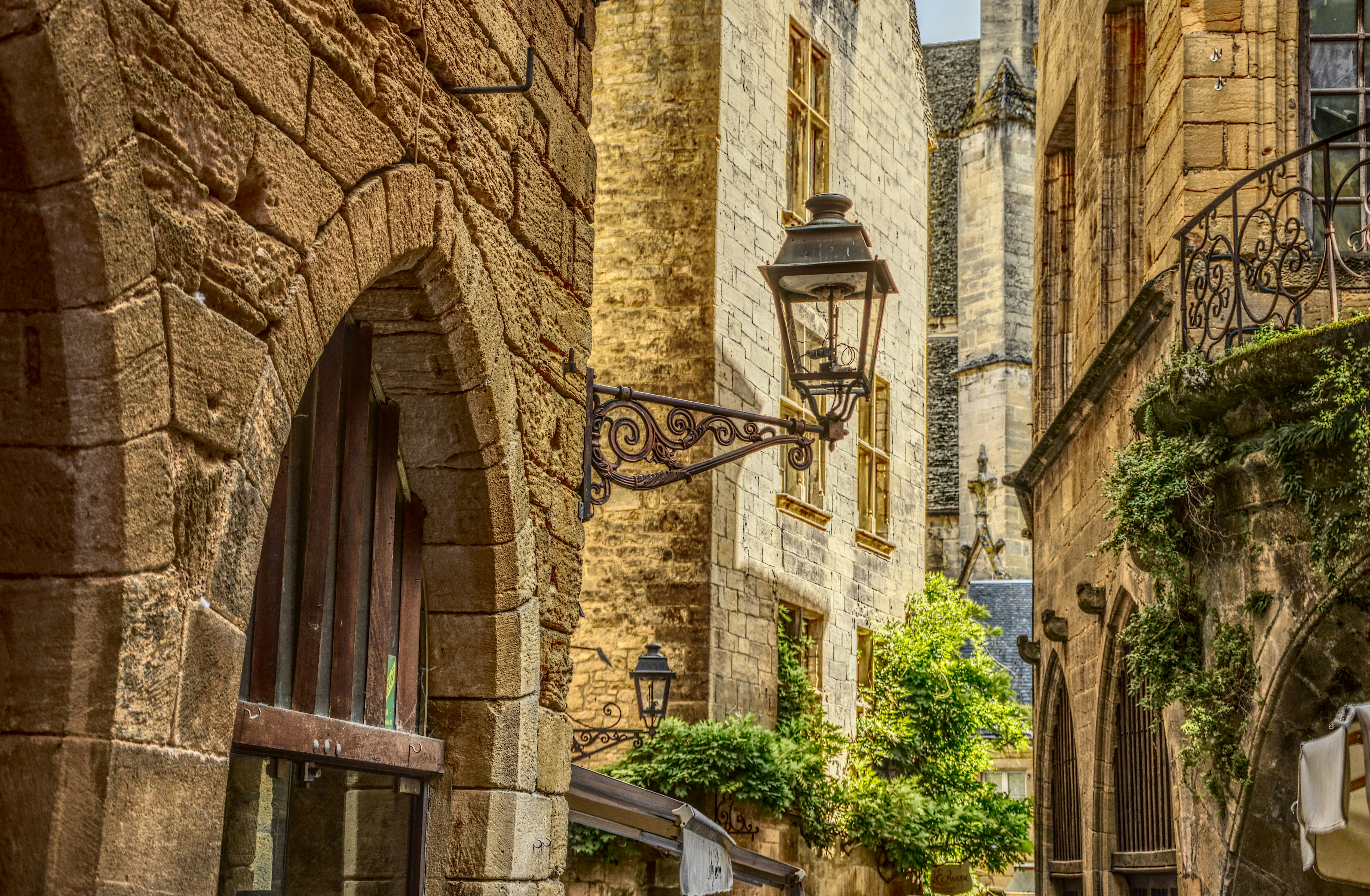
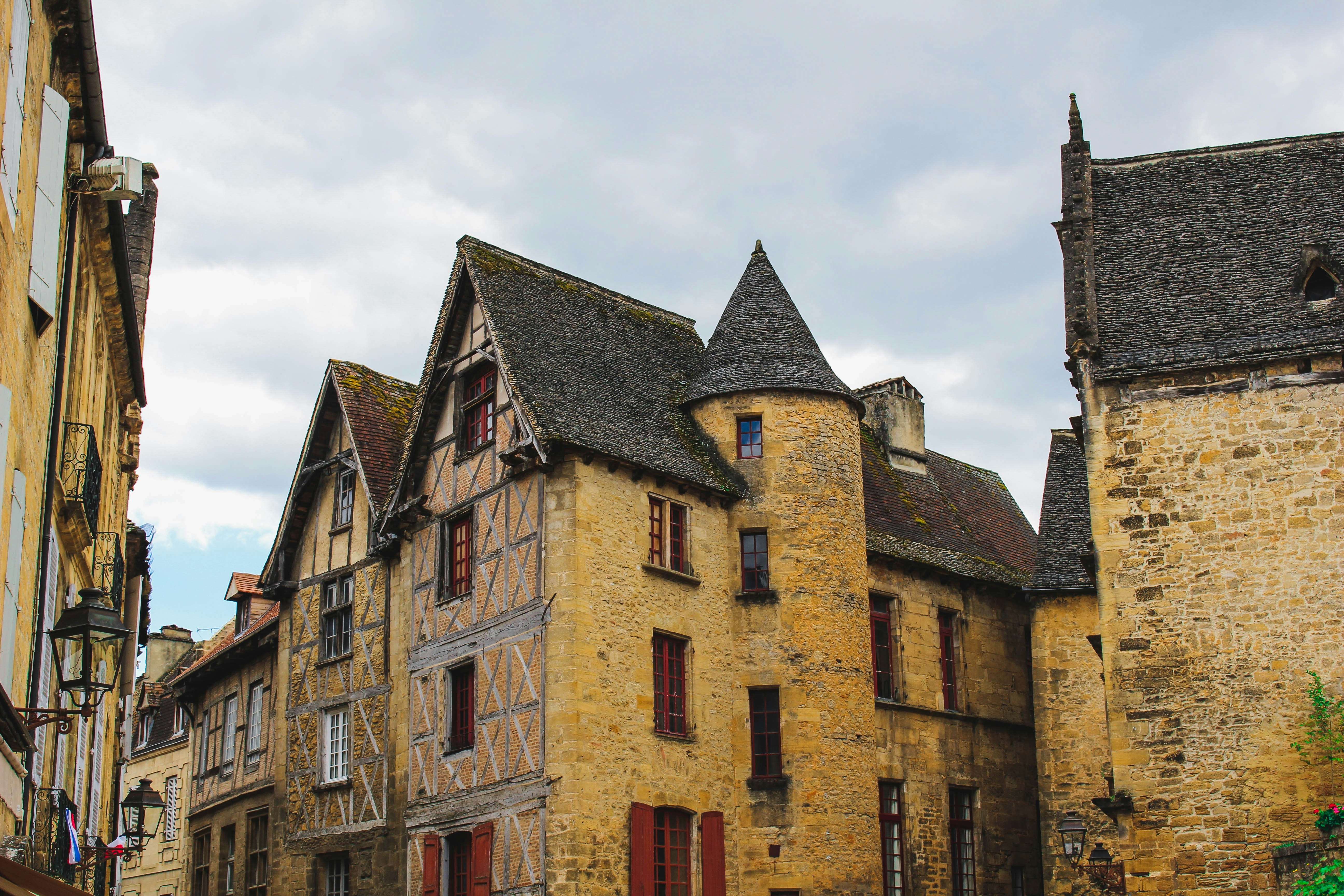
Sarlat-la-Canéda preserves the best-maintained medieval centre in the Périgord — perhaps in all of France: the golden-stone streets of the Périgord noir wind between fifteenth- and sixteenth-century hôtels particuliers, Romanesque churches and squares where every Saturday one of the country's most celebrated gastronomic markets takes place. Foie gras, black Périgord truffle, walnuts and Bergerac wine are the stars of a cuisine that speaks of rich soil and ancient rural traditions. Around the town, the Dordogne Valley is a landscape of medieval castles (Beynac, Castelnaud, La Roque-Gageac), stone villages clinging to cliffs and canoes gliding silently on the green river. The Lascaux cave — with its Palaeolithic paintings among the most important in the world, now visitable at the Lascaux IV centre — is a short distance away: a journey back in time that goes far beyond the Middle Ages.
Auto
Giorno 5 — Sarlat-la-Canéda → Cognac
Cognac is the name of both a spirit and a city: this small town on the banks of the Charente in Nouvelle-Aquitaine is the world capital of the brandy that bears its name, produced here according to methods codified over centuries. The historic maisons — Hennessy, Martell, Rémy Martin, Courvoisier — open their chais to the public for tasting tours among oak barrels and archives of excellence. The black mould that forms on the buildings — the «part des anges» that evaporates during ageing — gives the facades a dark, almost mysterious patina. The Château des Valois, birthplace of Francis I, and the historic centre with its half-timbered houses complete the visit. Cognac is a city that smells of distilled spirit and history.
Auto
Giorno 7 — Cognac → La Rochelle
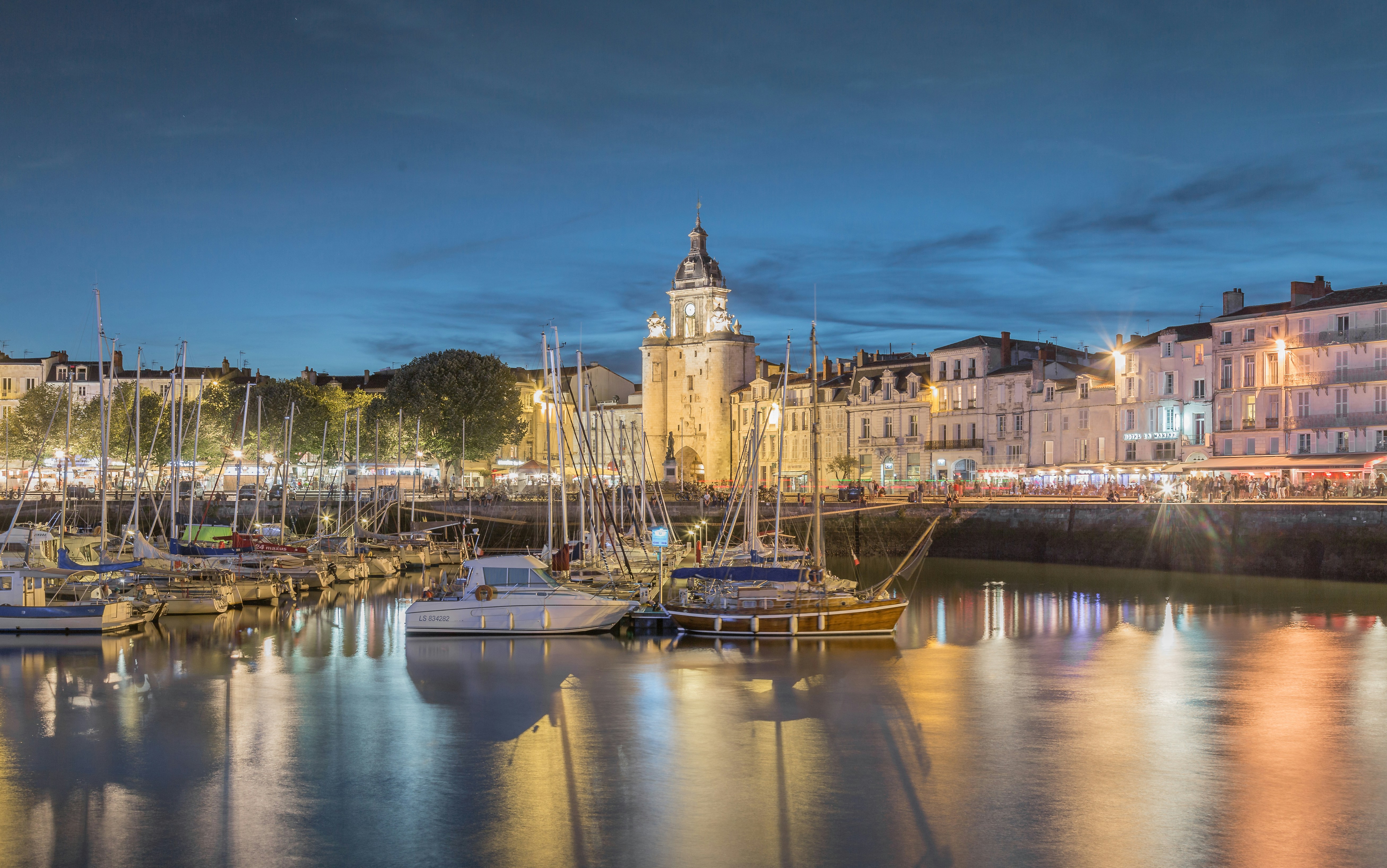
La Rochelle faces the Atlantic with the confidence of those who know how to navigate: the three medieval towers guarding the entrance to the Vieux-Port — Tour Saint-Nicolas, Tour de la Chaîne and Tour de la Lanterne — are the symbol of a city that has been a mercantile power, a Huguenot refuge and a naval base. The arcades lining the old city centre allow one to stroll sheltered even in Norman rain, while the quayside restaurants overlooking the water serve platters of fresh seafood and moules marinières. The Aquarium de La Rochelle is one of the largest in Europe. The Île de Ré, reached by a long bridge, offers salt marshes, fishing villages with white houses and blue shutters, and cycle paths through the dunes — an island best explored slowly by bicycle, with the Atlantic wind in one's hair.
Altro
Giorno 9 — La Rochelle → Pauillac & Medoc
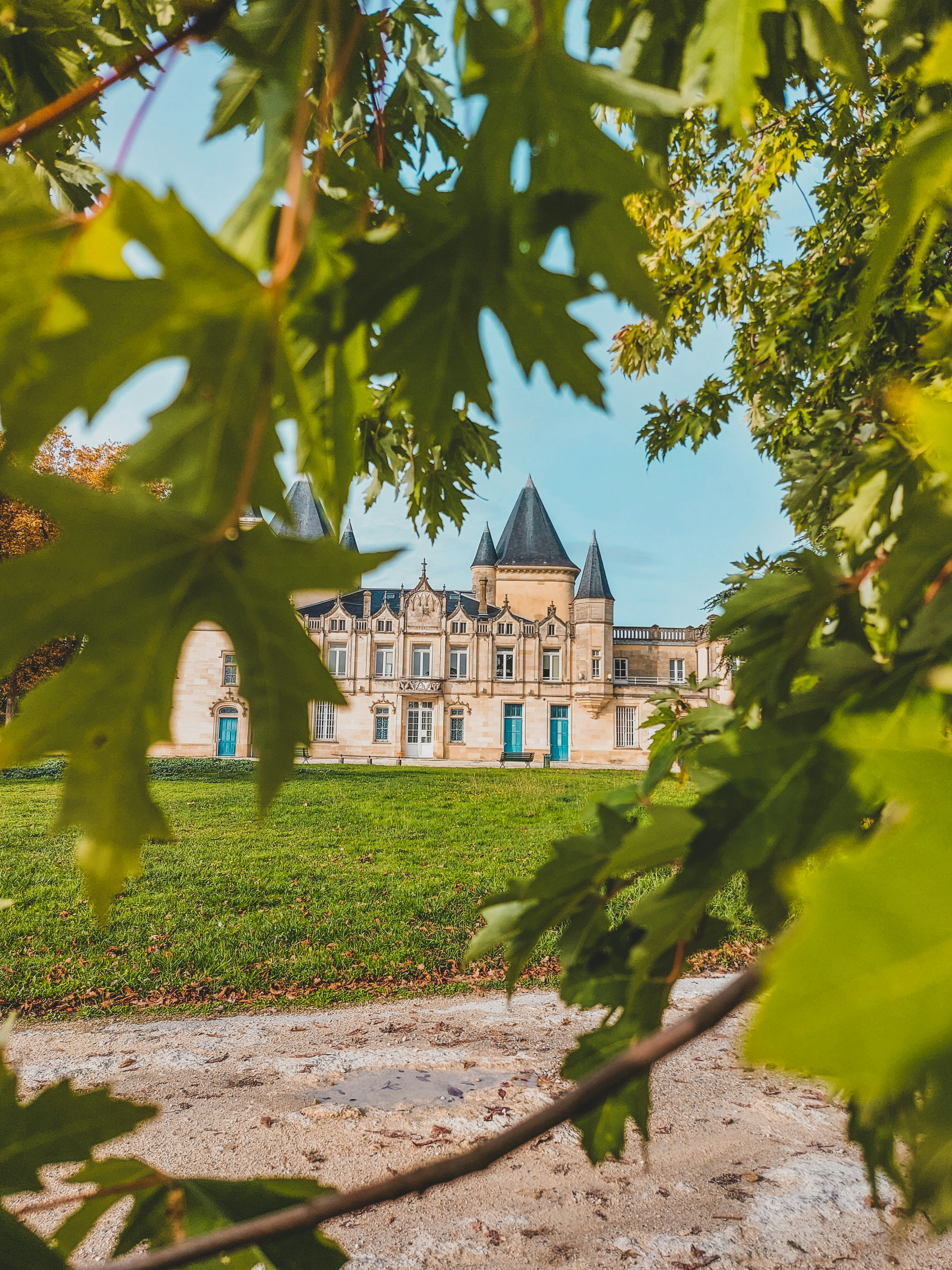
Pauillac is the beating heart of the Médoc, the celebrated peninsula stretching northward along the left bank of the Gironde estuary between the river and the Atlantic Ocean. Three of the five Bordeaux Premier Cru Classé wines are born here — Château Lafite Rothschild, Latour and Mouton Rothschild — in a mosaic of vineyards that succeed one another without interruption between river and Landes forest. The small town of Pauillac, with its harbour and riverside bistros, is the natural base for the Route des Châteaux: a journey through the finest French wine, between monumental cellars, tastings and scenery of rare elegance.