Nouvelle-Aquitaine: Bordeaux and the Arcachon Basin, the Dordogne and Périgord — NAAR
Itinerary
Giorno 1 — Bordeaux
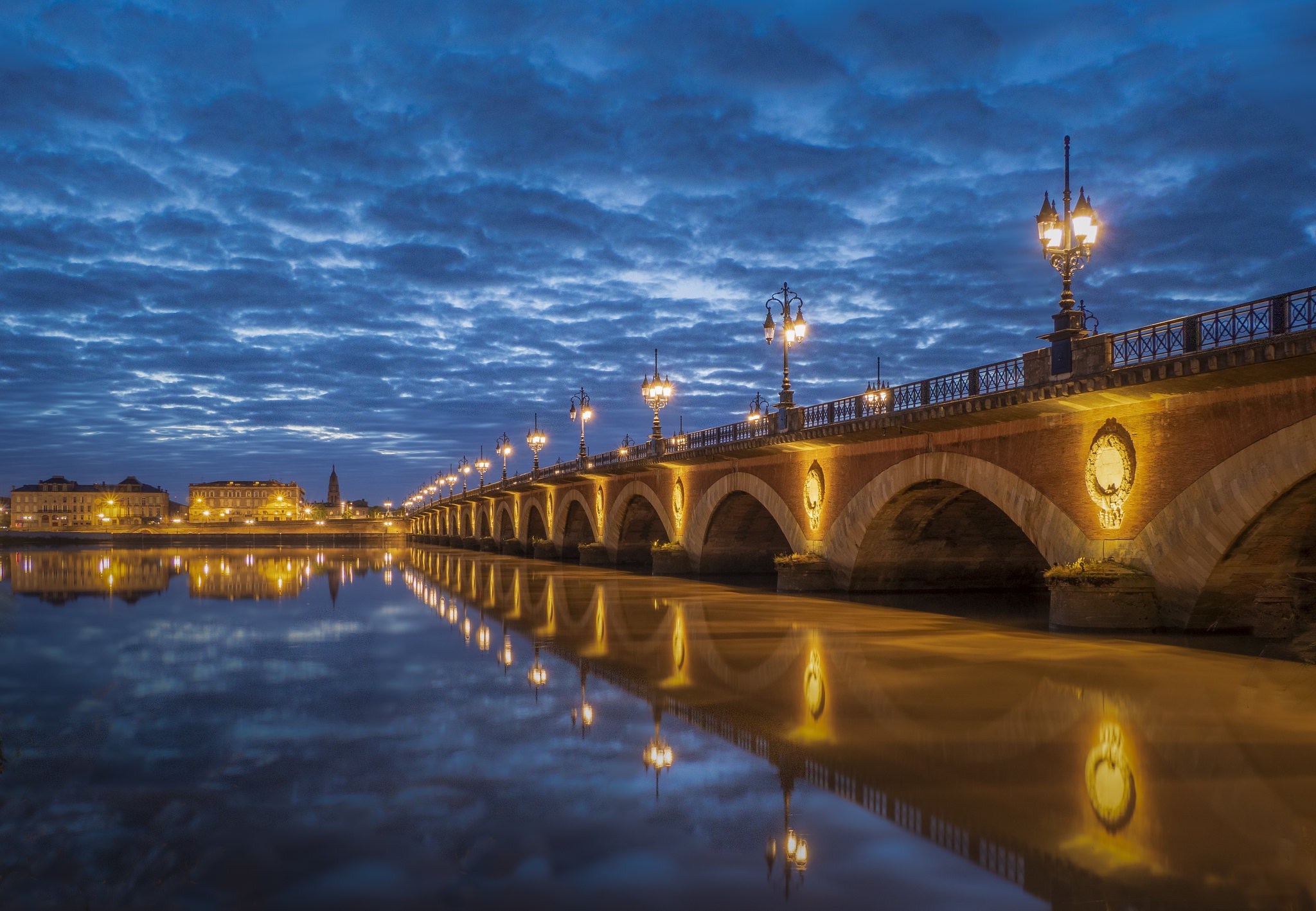
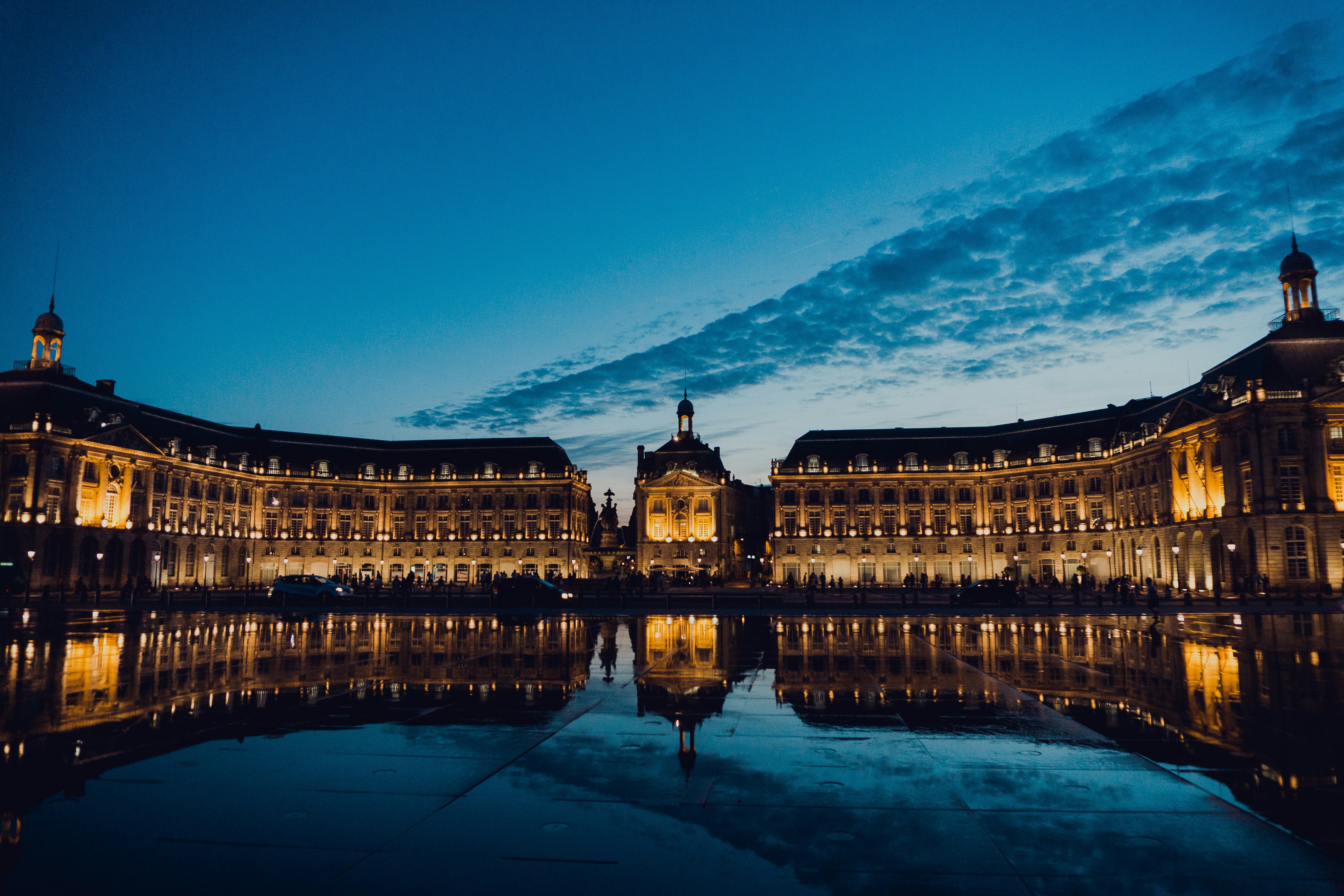
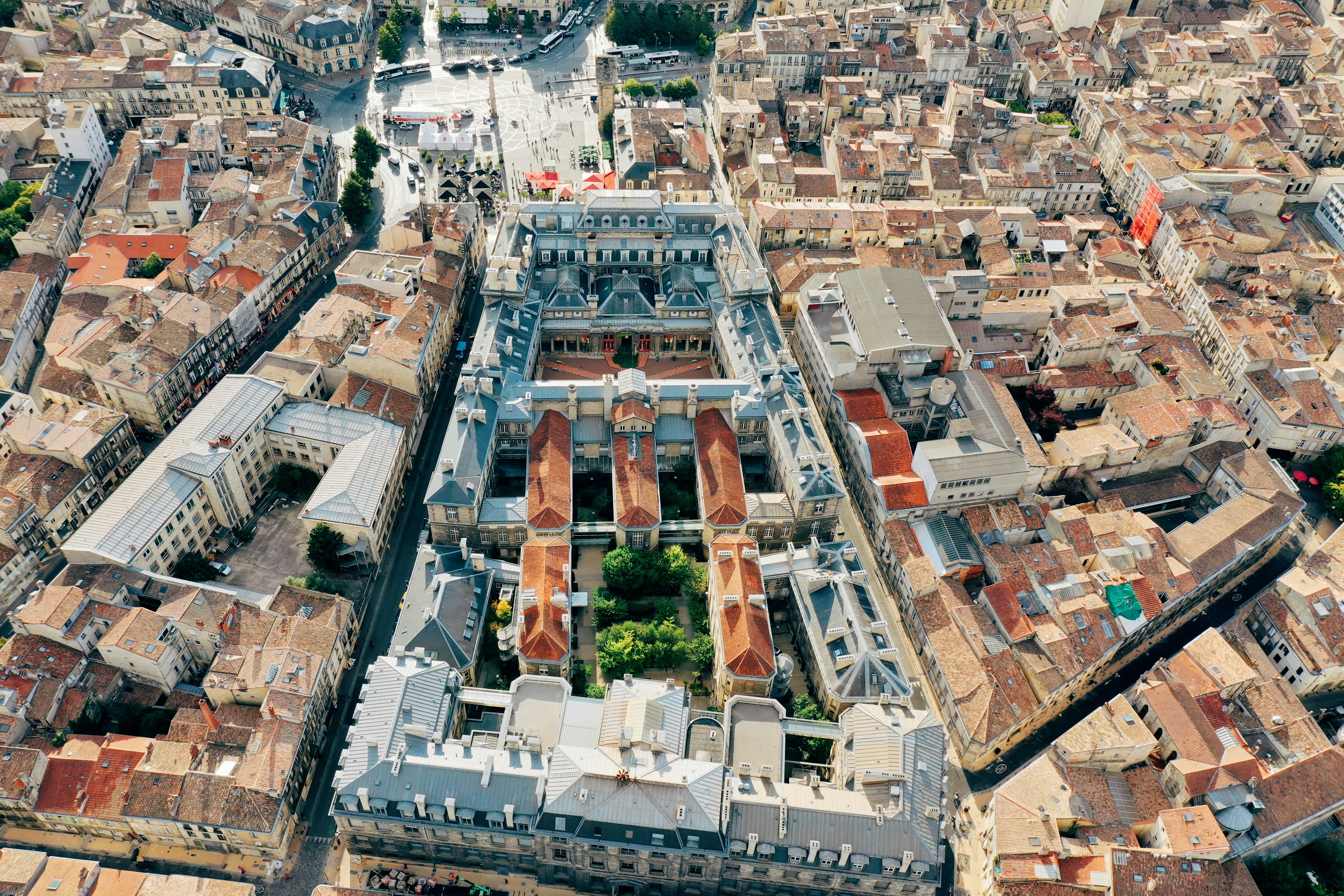
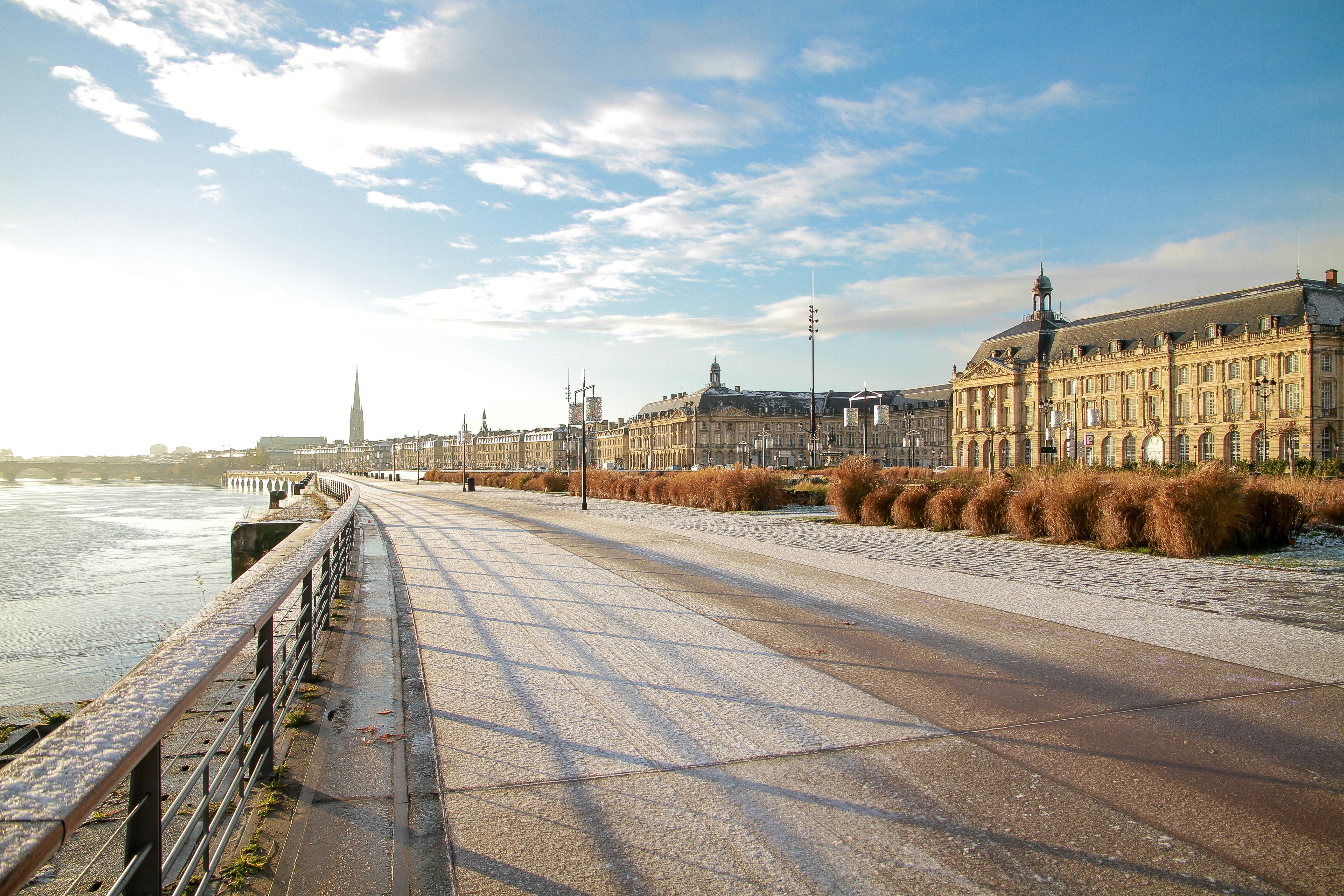
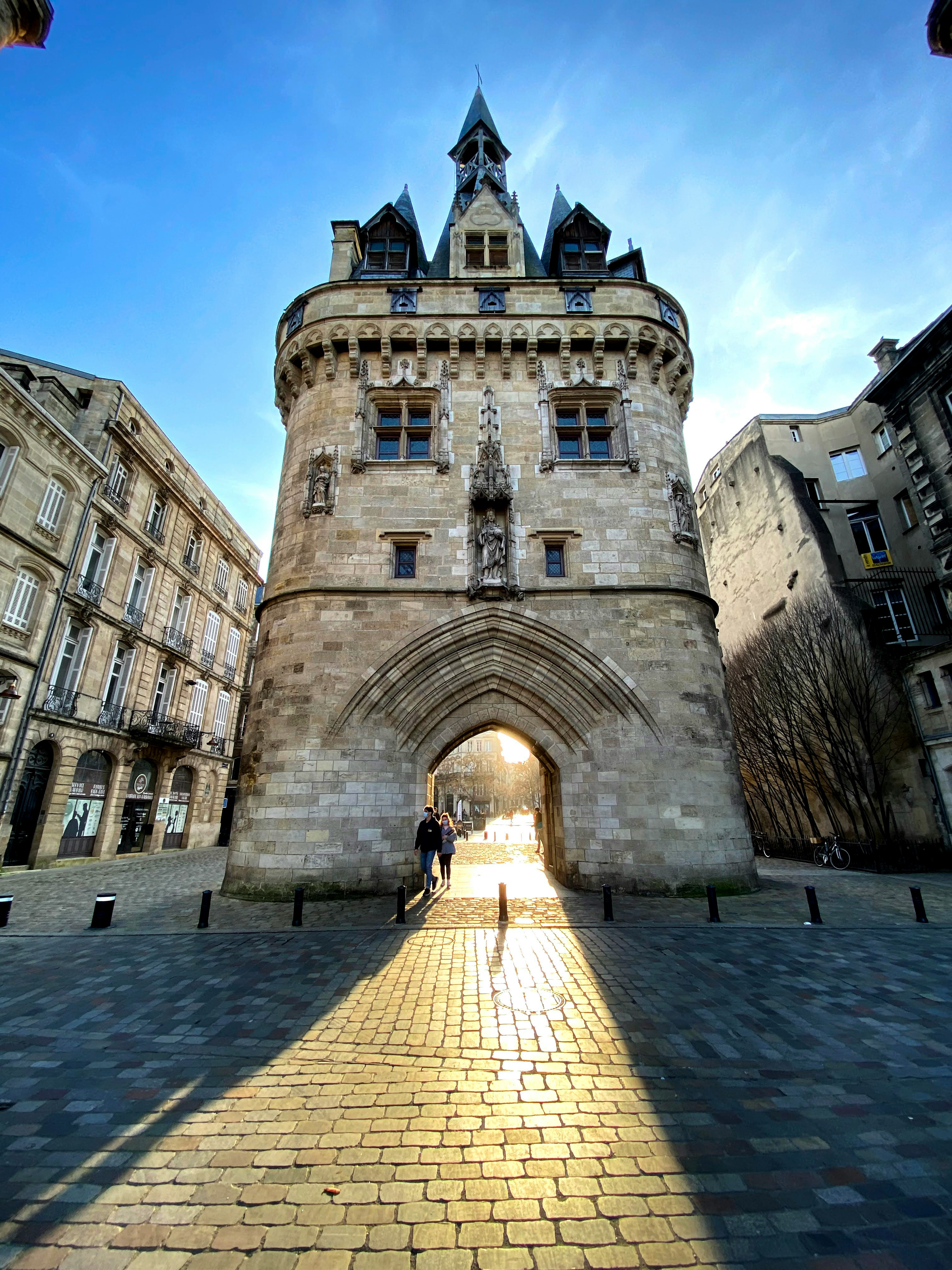
Bordeaux has built its identity on wine with the same ambition with which it built its eighteenth-century quais: the result is a city inscribed on the UNESCO World Heritage List for its architectural ensemble, where neoclassical arcades are mirrored in the Garonne in a magnificent play of light. The Place de la Bourse and the Miroir d'Eau — the world's largest reflecting pool, mirroring the façades of the nineteenth-century stock exchange — are the city's defining image. But Bordeaux is also a labyrinth of medieval lanes, markets (Marché des Capucins, the city's «belly»), wine shops and bar à vins where the great reds of Médoc, Pomerol and Saint-Émilion are poured. The Cité du Vin, a bold and scenic museum-monument dedicated to the world's wine cultures, overlooks the river. Letting oneself drift downstream on a Garonne boat at sunset is the most eloquent way of understanding why Bordeaux has become one of Europe's most coveted destinations.
Auto
Giorno 3 — Bordeaux → Sarlat-la-Canéda
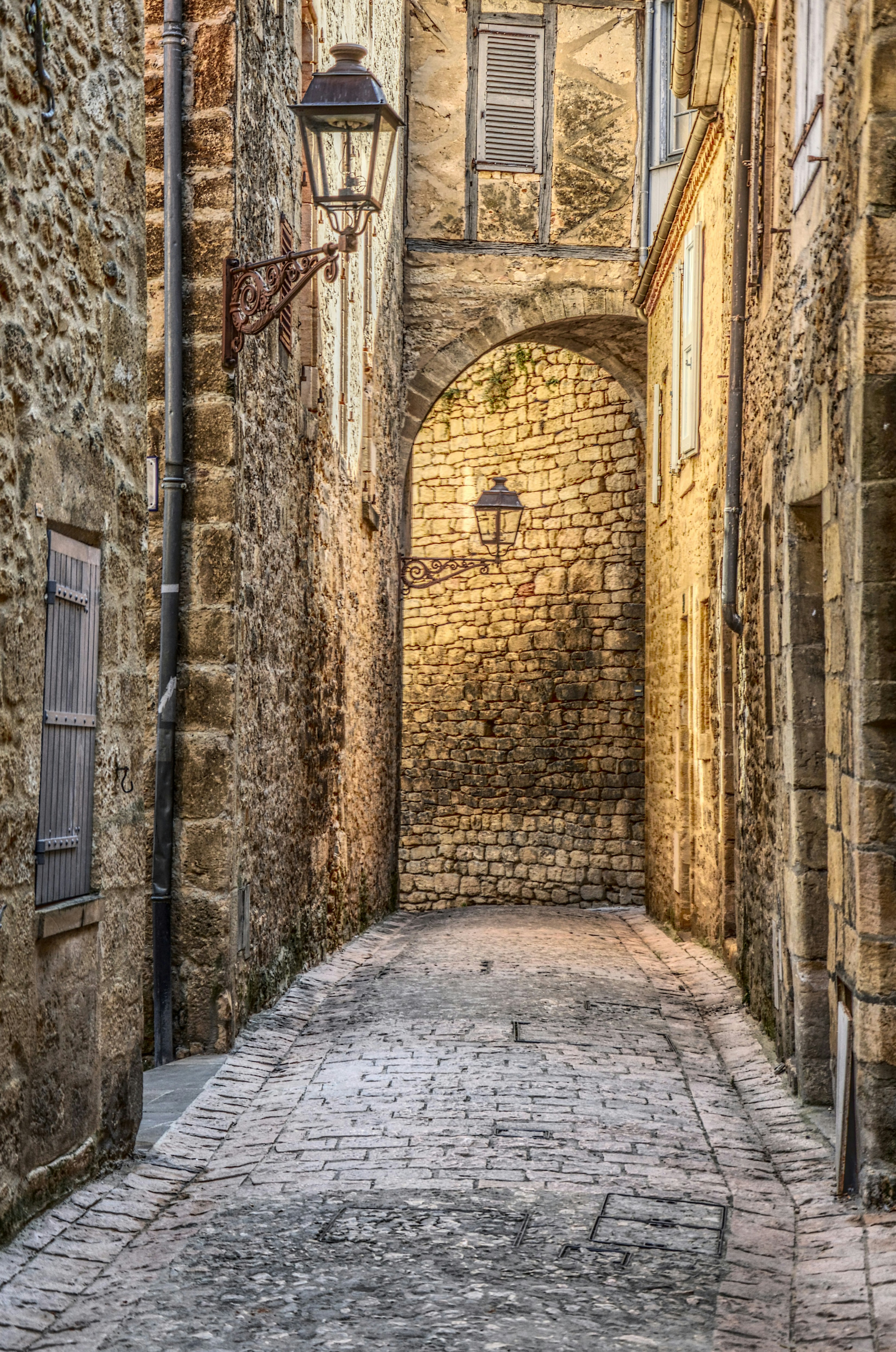
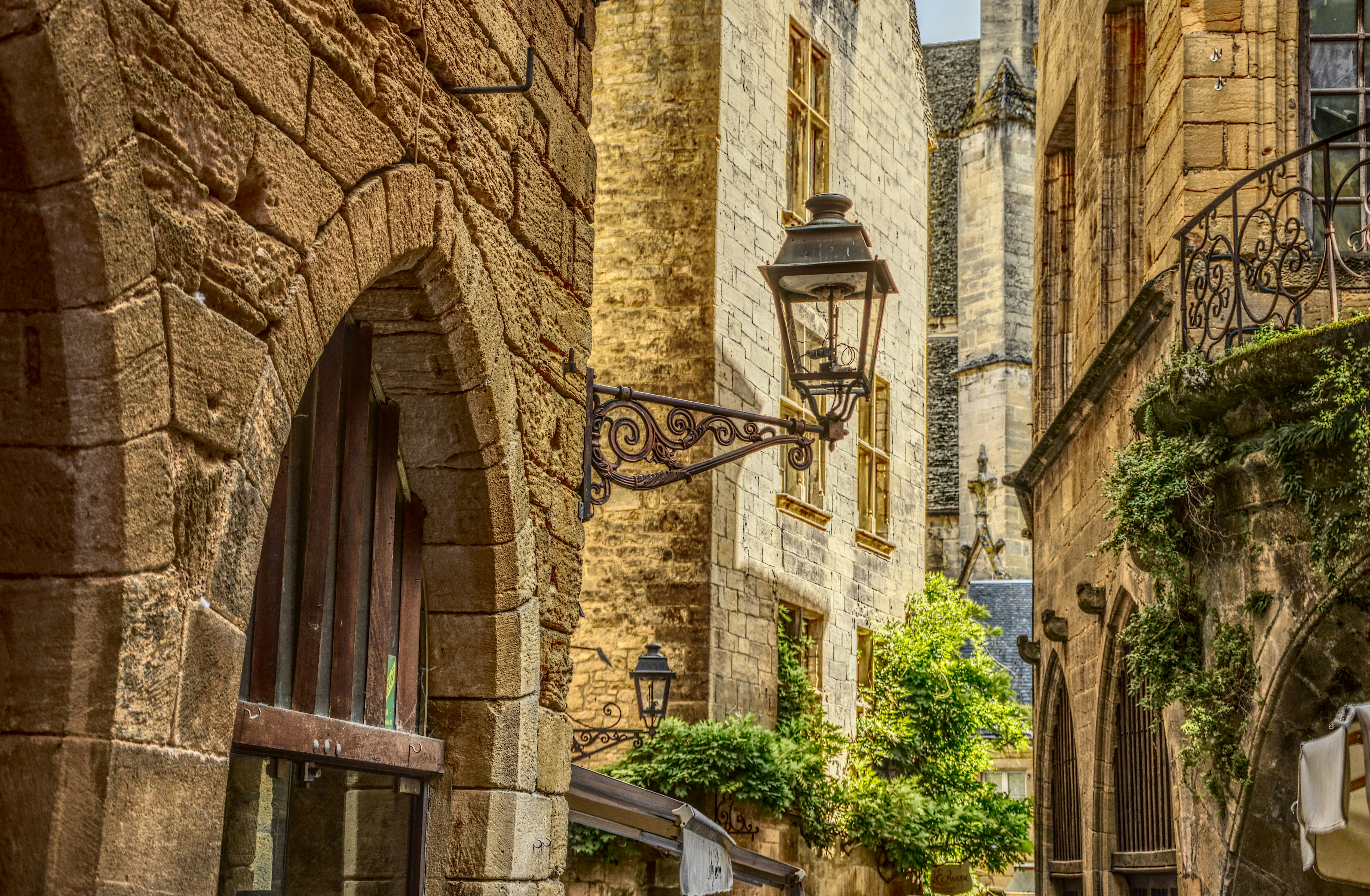
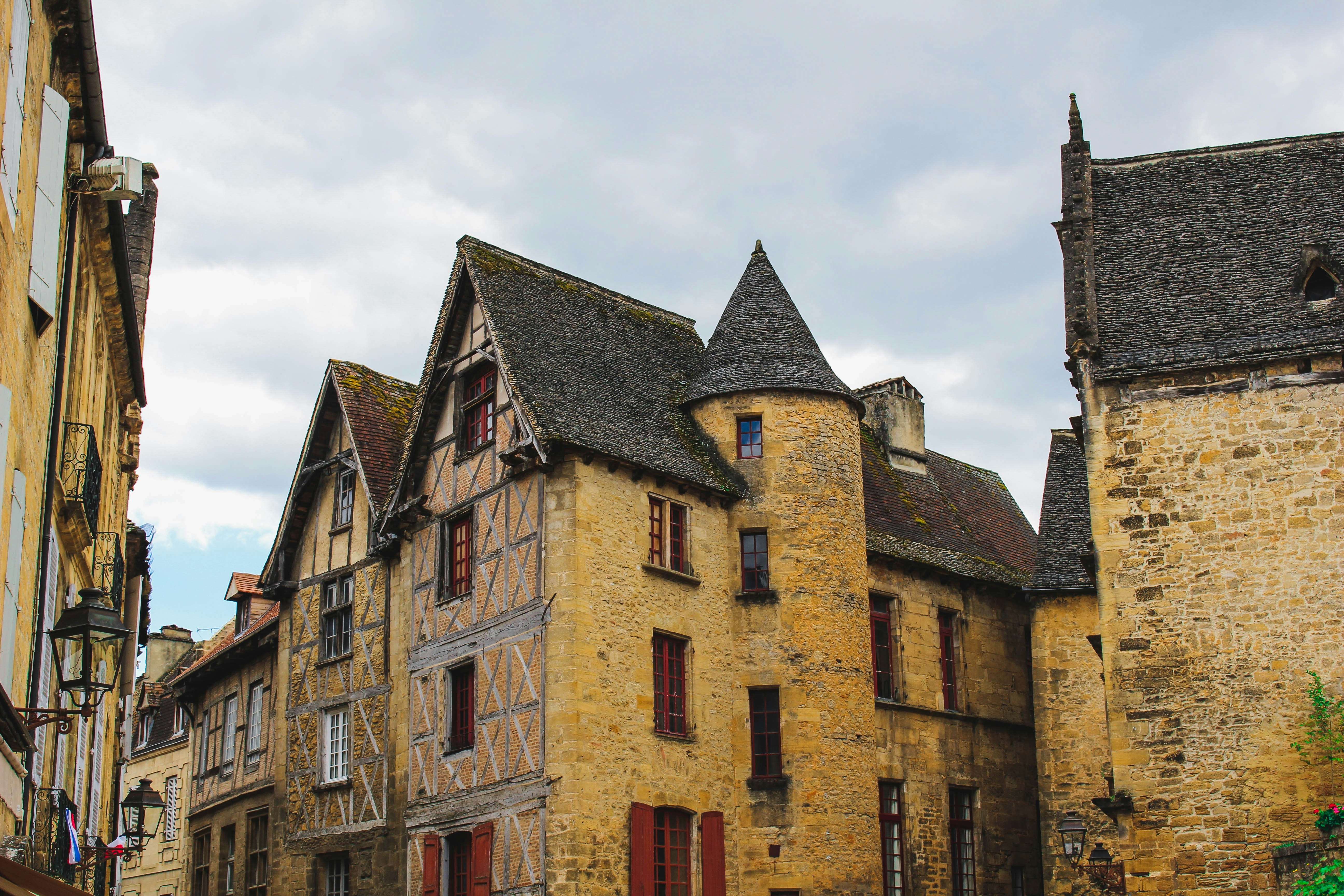
Sarlat-la-Canéda preserves the best-maintained medieval centre in the Périgord — perhaps in all of France: the golden-stone streets of the Périgord noir wind between fifteenth- and sixteenth-century hôtels particuliers, Romanesque churches and squares where every Saturday one of the country's most celebrated gastronomic markets takes place. Foie gras, black Périgord truffle, walnuts and Bergerac wine are the stars of a cuisine that speaks of rich soil and ancient rural traditions. Around the town, the Dordogne Valley is a landscape of medieval castles (Beynac, Castelnaud, La Roque-Gageac), stone villages clinging to cliffs and canoes gliding silently on the green river. The Lascaux cave — with its Palaeolithic paintings among the most important in the world, now visitable at the Lascaux IV centre — is a short distance away: a journey back in time that goes far beyond the Middle Ages.
Auto
Giorno 5 — Sarlat-la-Canéda → Perigueux
Périgueux is the capital of the Périgord and of foie gras and black truffle gastronomy, celebrated every Wednesday at the covered market on Place du Coderc. The cathedral of Saint-Front, with its five Byzantine domes evoking Venice and Byzantium, is one of southern France's most original monuments. The Gallo-Roman historic centre, with the Tower of Vesunna and the amphitheatre, layers three thousand years of history. A cultivated, food-loving city, far from mass-tourism circuits.
Altro
Giorno 6 — Perigueux → Saint Emilion
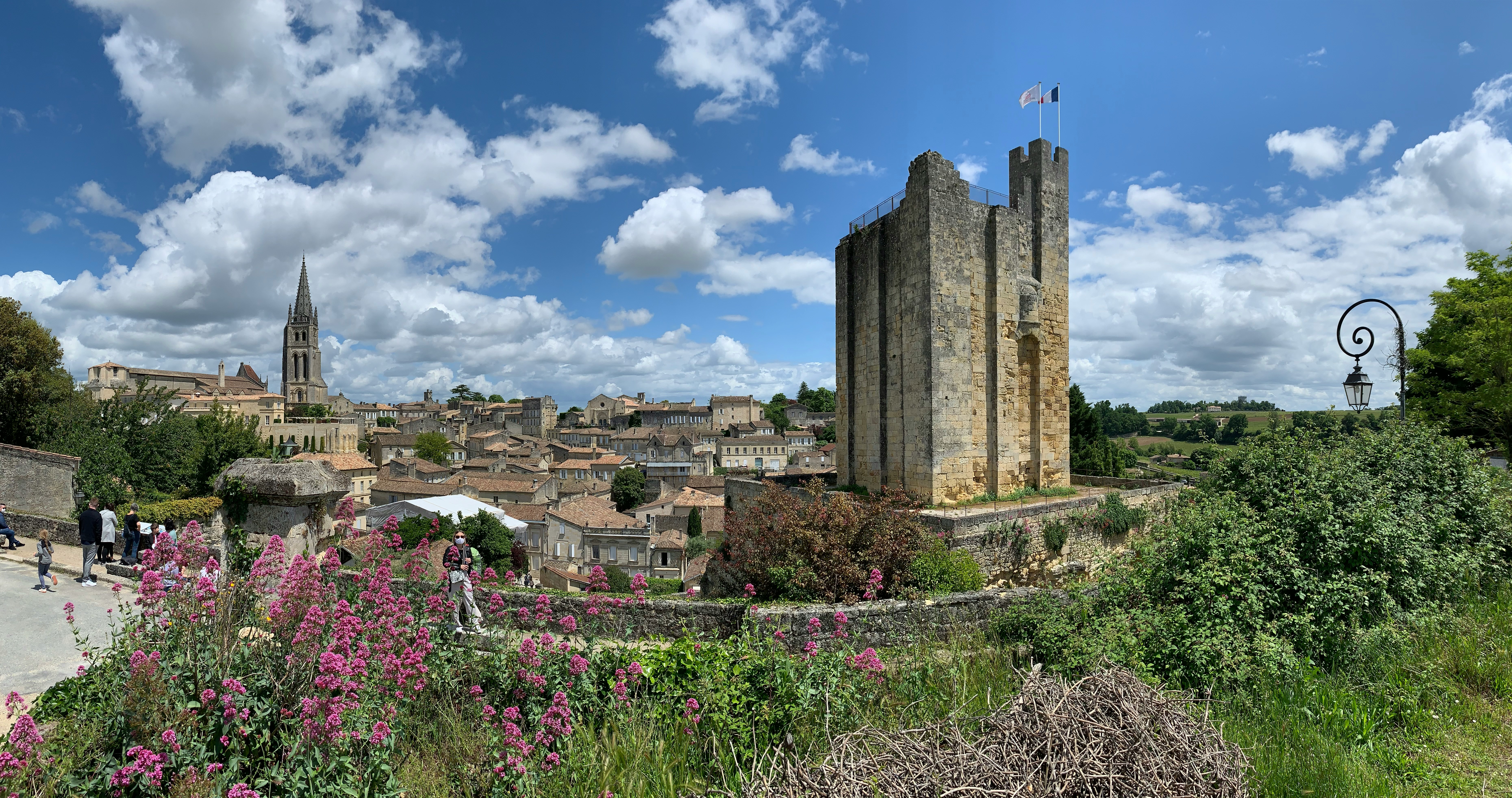
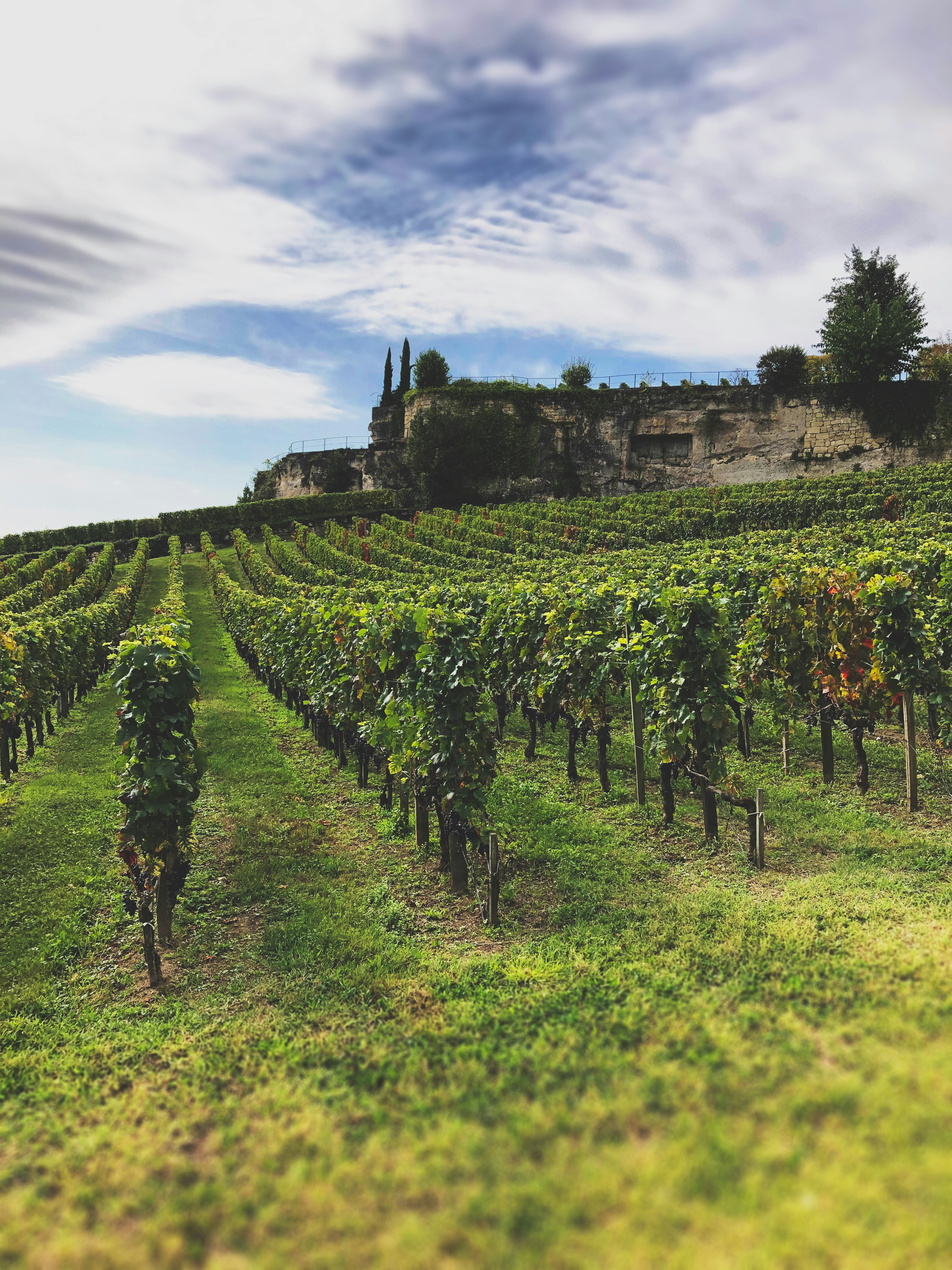
Saint-Émilion rises on a limestone plateau in the Bordelais, surrounded by vineyards producing some of the world's most celebrated red wines, classified by UNESCO as a Cultural Landscape of Vine and Wine. The medieval village — also a UNESCO World Heritage Site — is arranged around a central square with a Romanesque bell tower, stone-paved lanes and cellars carved into the rock. The monolithic church, entirely hewn from underground sandstone, is one of France's architectural rarities. Tasting a Saint-Émilion Grand Cru in the cellars of the surrounding châteaux is a ritual that transforms a visit into a fully sensory experience. Local gastronomy also offers the famous almond macarons, a speciality of the village.