Nouvelle-Aquitaine: Bordeaux and the Arcachon Basin, the Dordogne and Périgord, Gascony and Armagnac, Biarritz and the French Basque Country
Suggested Itineraries9 Giorni
Bordeaux, France
Bordeaux›Bergerac›Mont-de-Marsan›Biarritz and the surrounding area
Nouvelle-Aquitaine: Bordeaux and the Arcachon Basin, the Dordogne and Périgord, Gascony and Armagnac, Biarritz and the French Basque Country — NAAR
Itinerary
Giorno 1 — Bordeaux
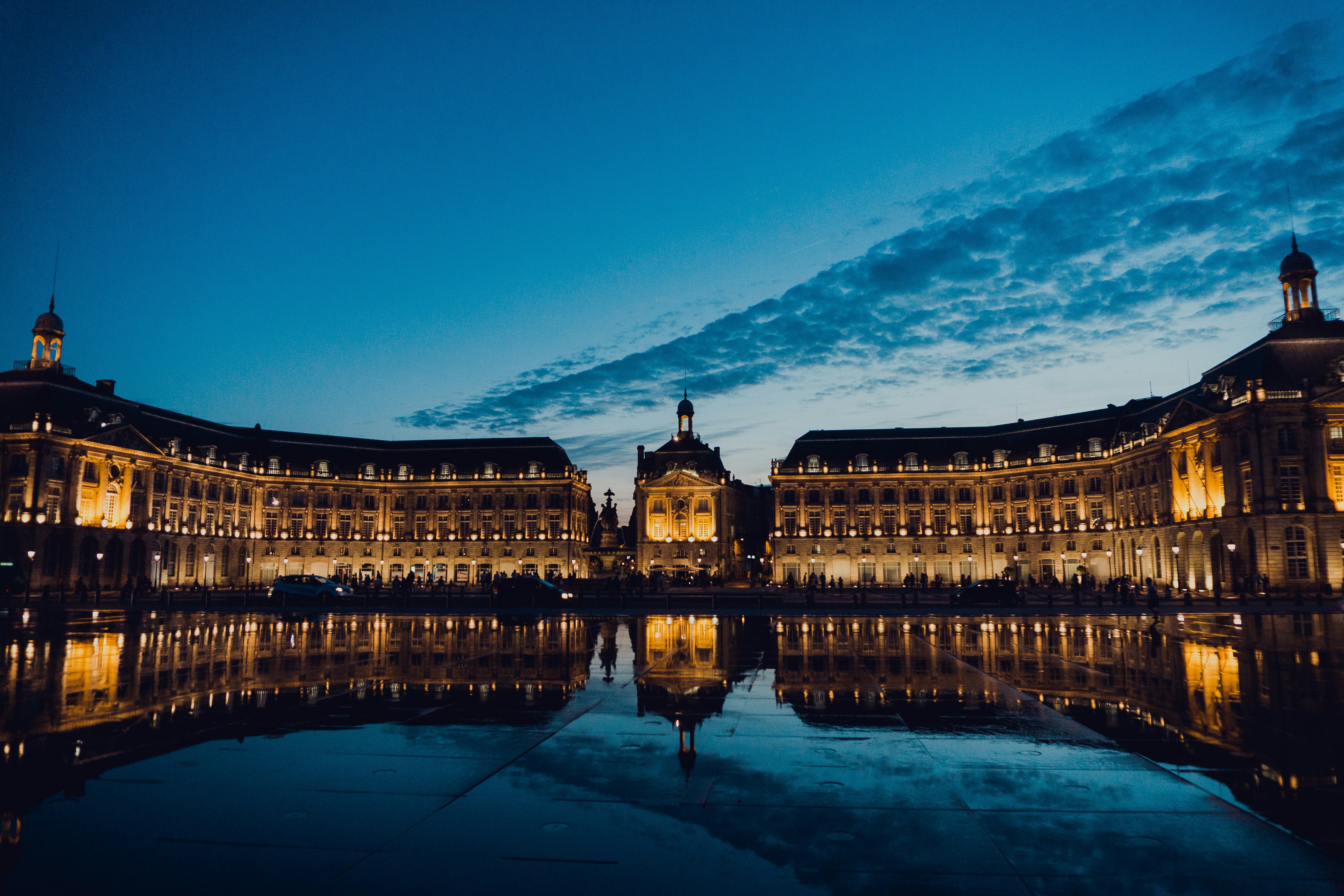
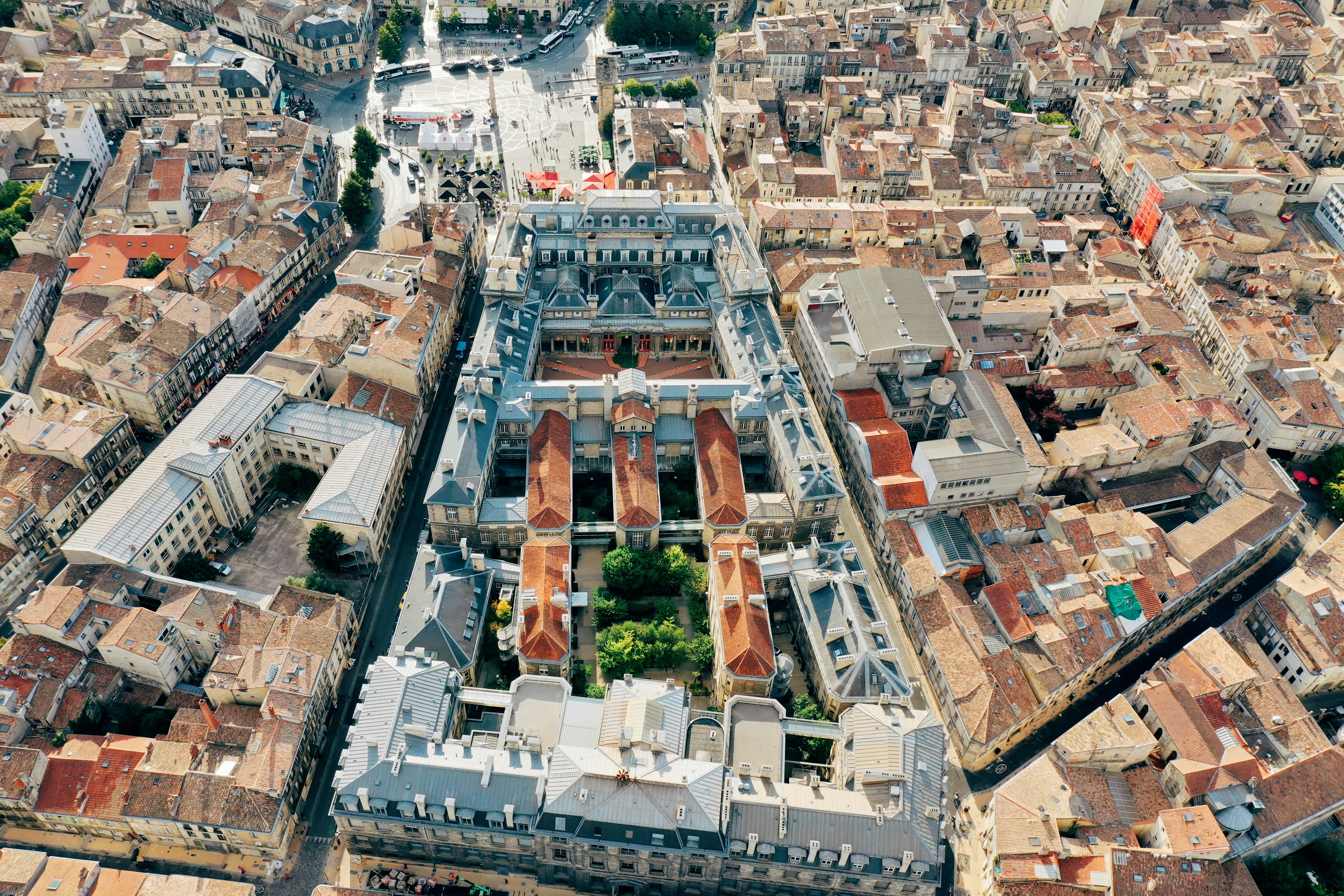
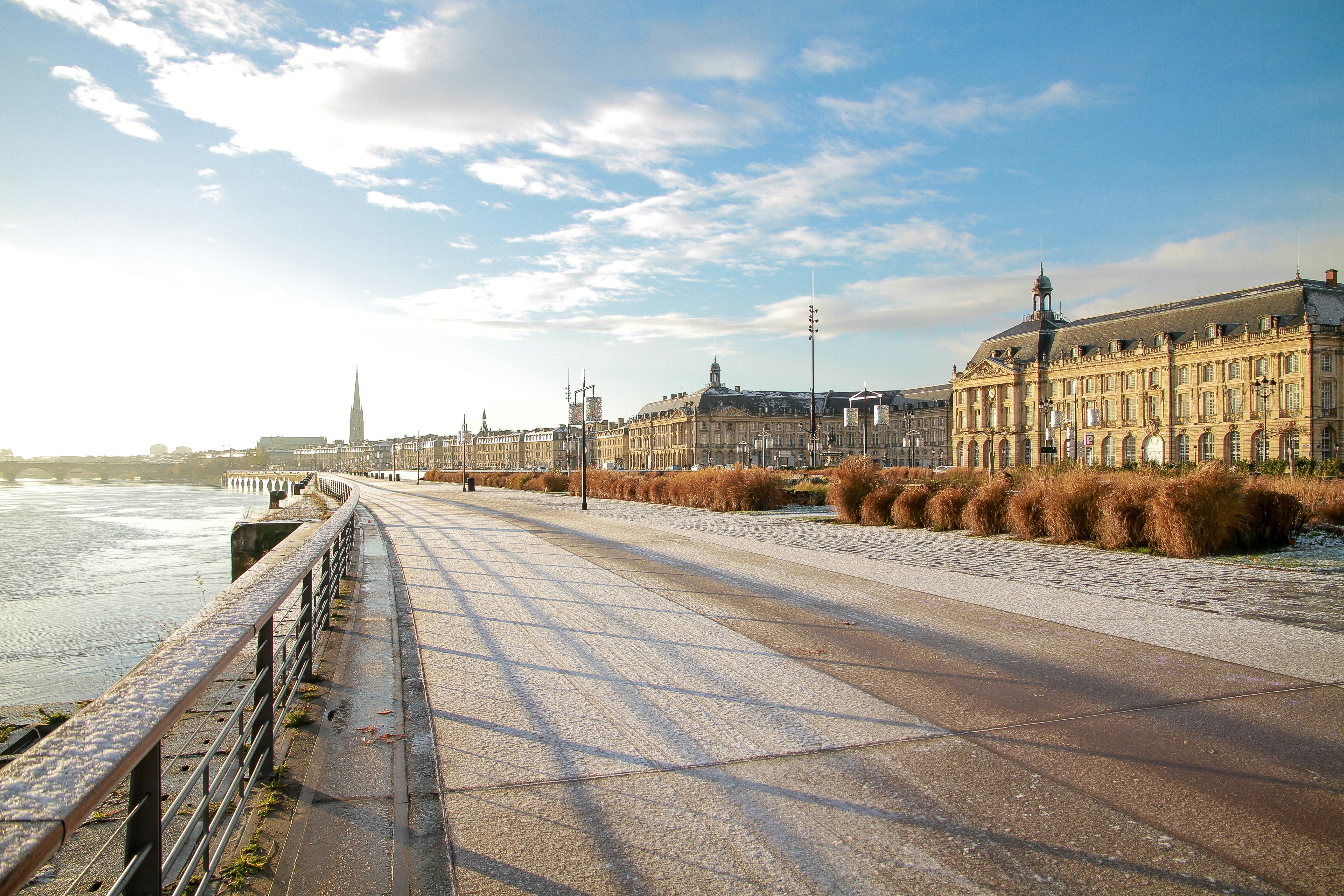
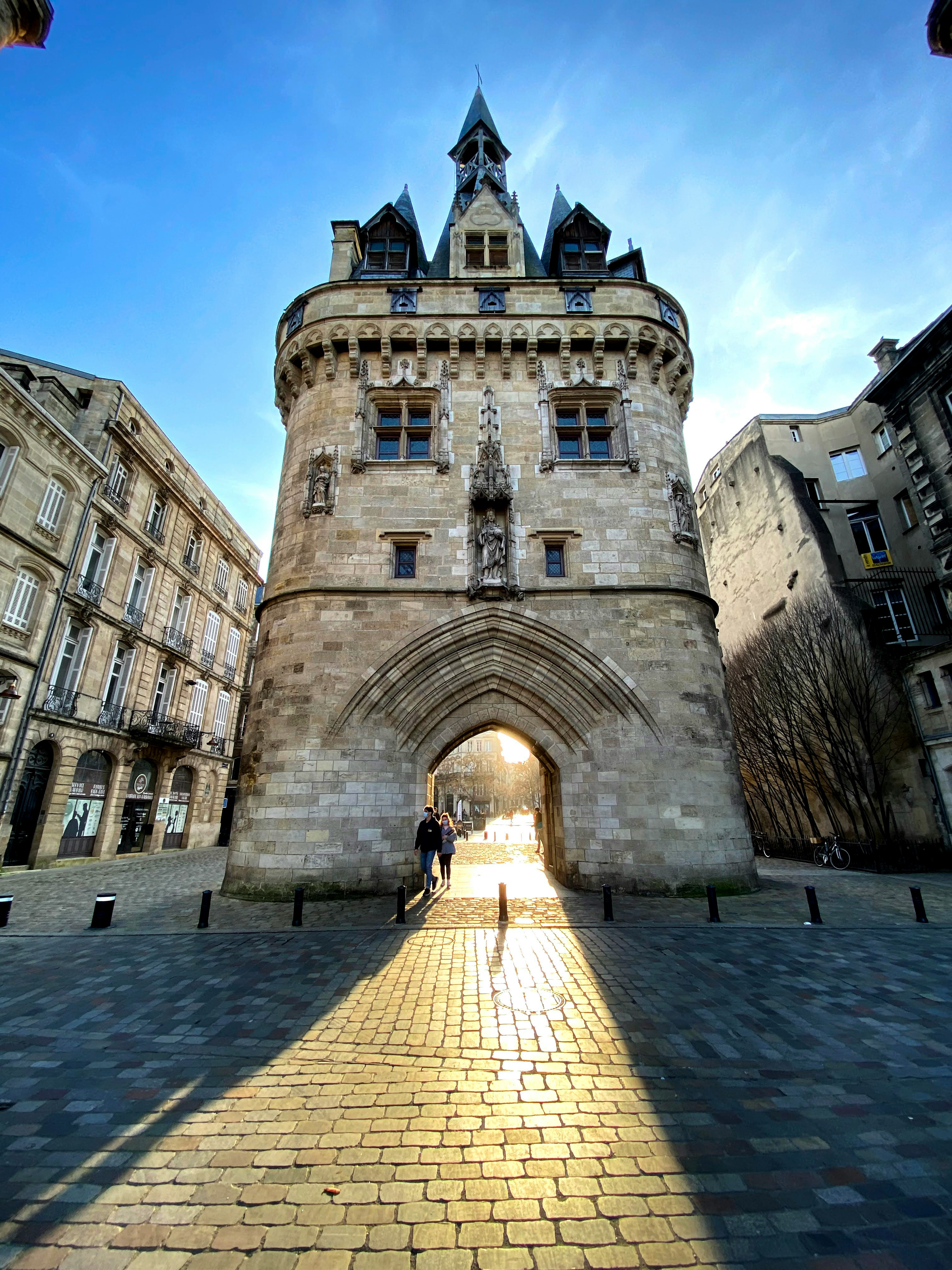
Bordeaux has built its identity on wine with the same ambition with which it built its eighteenth-century quais: the result is a city inscribed on the UNESCO World Heritage List for its architectural ensemble, where neoclassical arcades are mirrored in the Garonne in a magnificent play of light. The Place de la Bourse and the Miroir d'Eau — the world's largest reflecting pool, mirroring the façades of the nineteenth-century stock exchange — are the city's defining image. But Bordeaux is also a labyrinth of medieval lanes, markets (Marché des Capucins, the city's «belly»), wine shops and bar à vins where the great reds of Médoc, Pomerol and Saint-Émilion are poured. The Cité du Vin, a bold and scenic museum-monument dedicated to the world's wine cultures, overlooks the river. Letting oneself drift downstream on a Garonne boat at sunset is the most eloquent way of understanding why Bordeaux has become one of Europe's most coveted destinations.
Auto
Giorno 3 — Bordeaux → Bergerac
Bergerac spreads along the banks of the Dordogne in the heart of a region producing dry and sweet white wines — Bergerac, Monbazillac, Pécharmant — celebrated by connoisseurs across Europe. The pedestrianised historic centre, with the half-timbered houses of the old tanners' quarter and the cobblestone lanes of the medieval village, invites unhurried exploration. A statue of Cyrano de Bergerac stands in the main square as a nod to Edmond Rostand's famous literary character, though the real Cyrano was Parisian. The Musée du Tabac, unique in France, recounts the history of tobacco cultivation that shaped the local economy for centuries. The surrounding countryside offers medieval bastide towns, mills and wineries open to visitors.
Auto
Giorno 6 — Mont-de-Marsan → Biarritz and the surrounding area
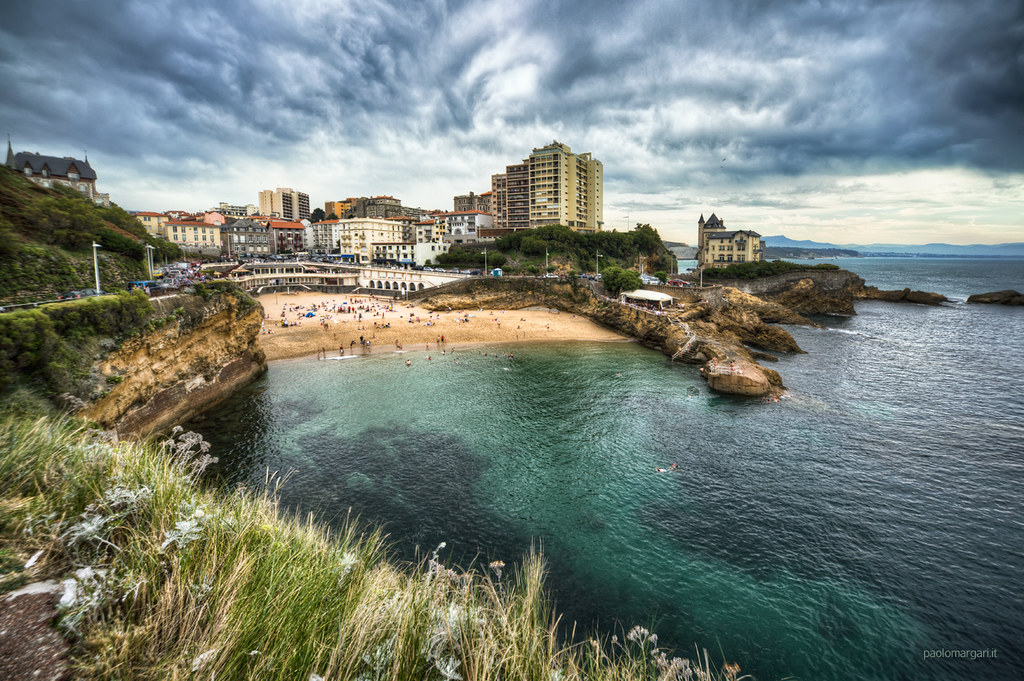
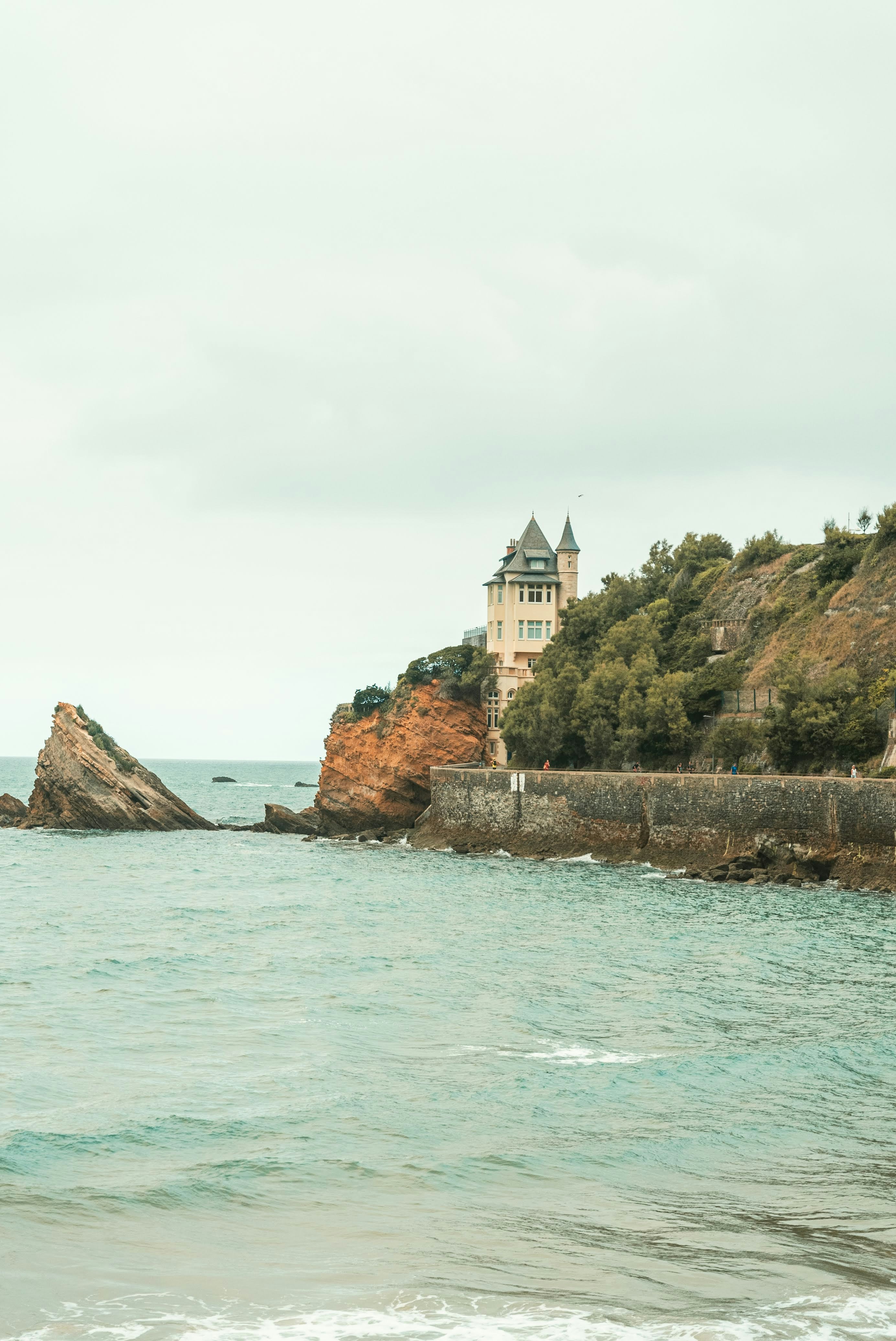
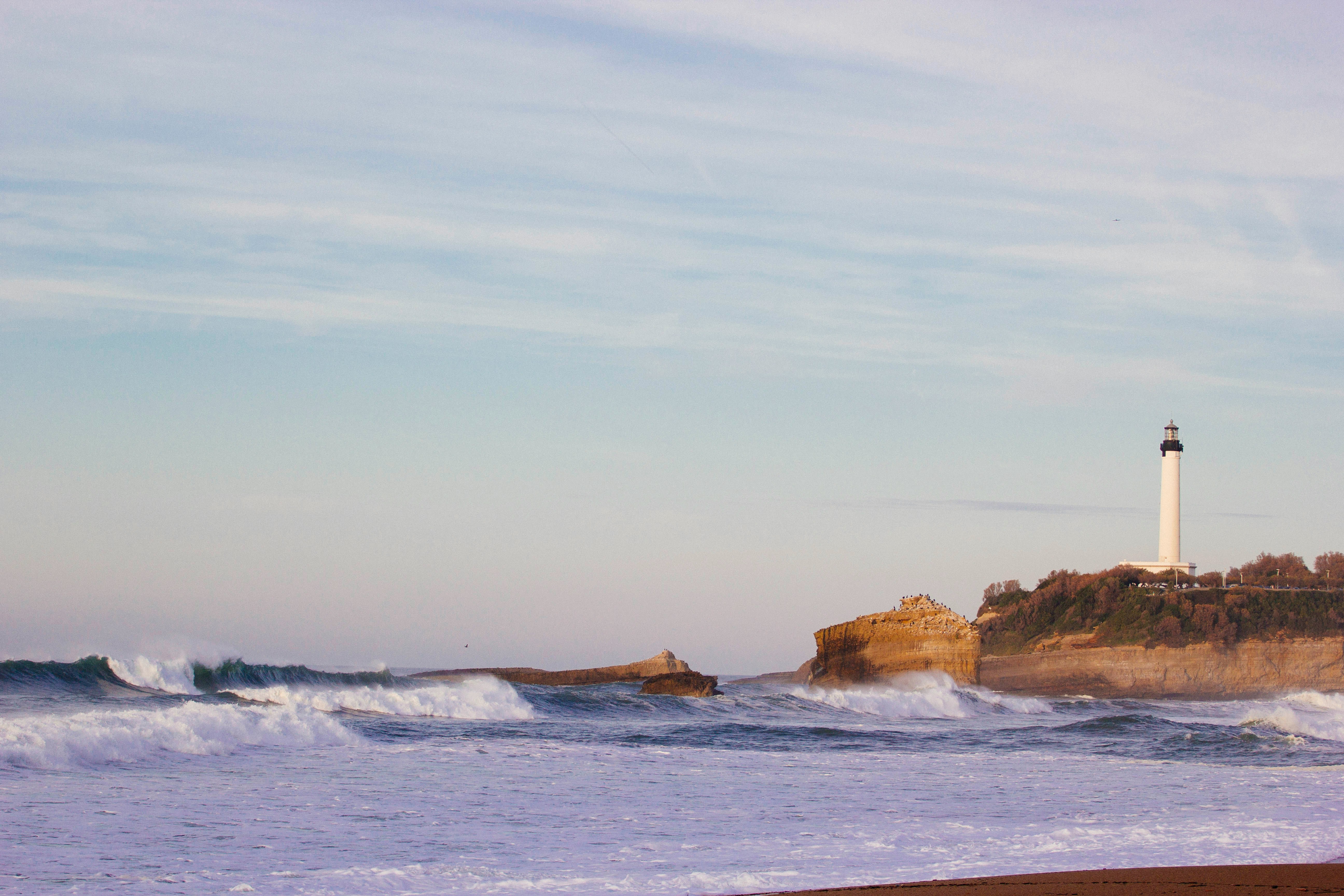
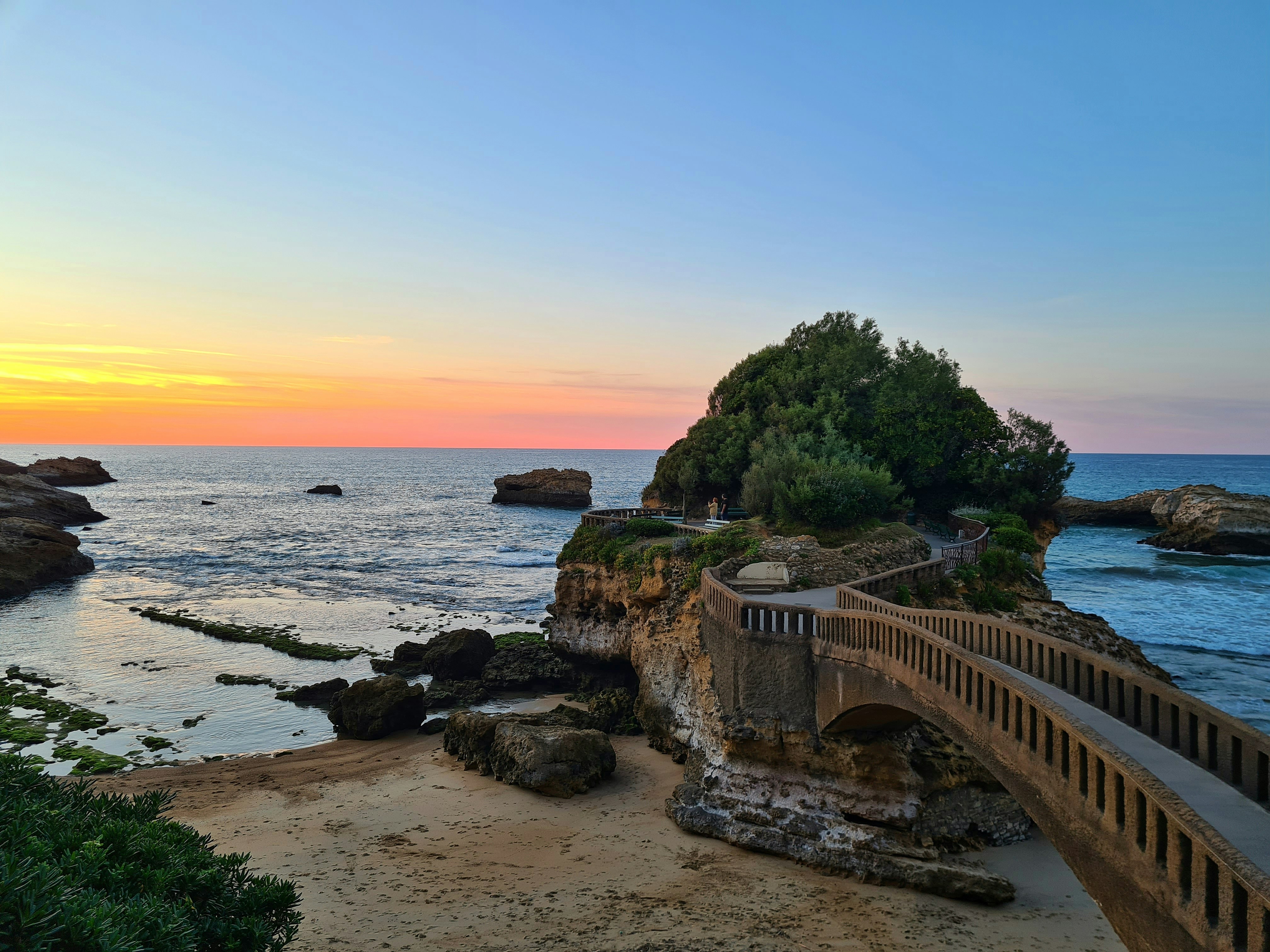
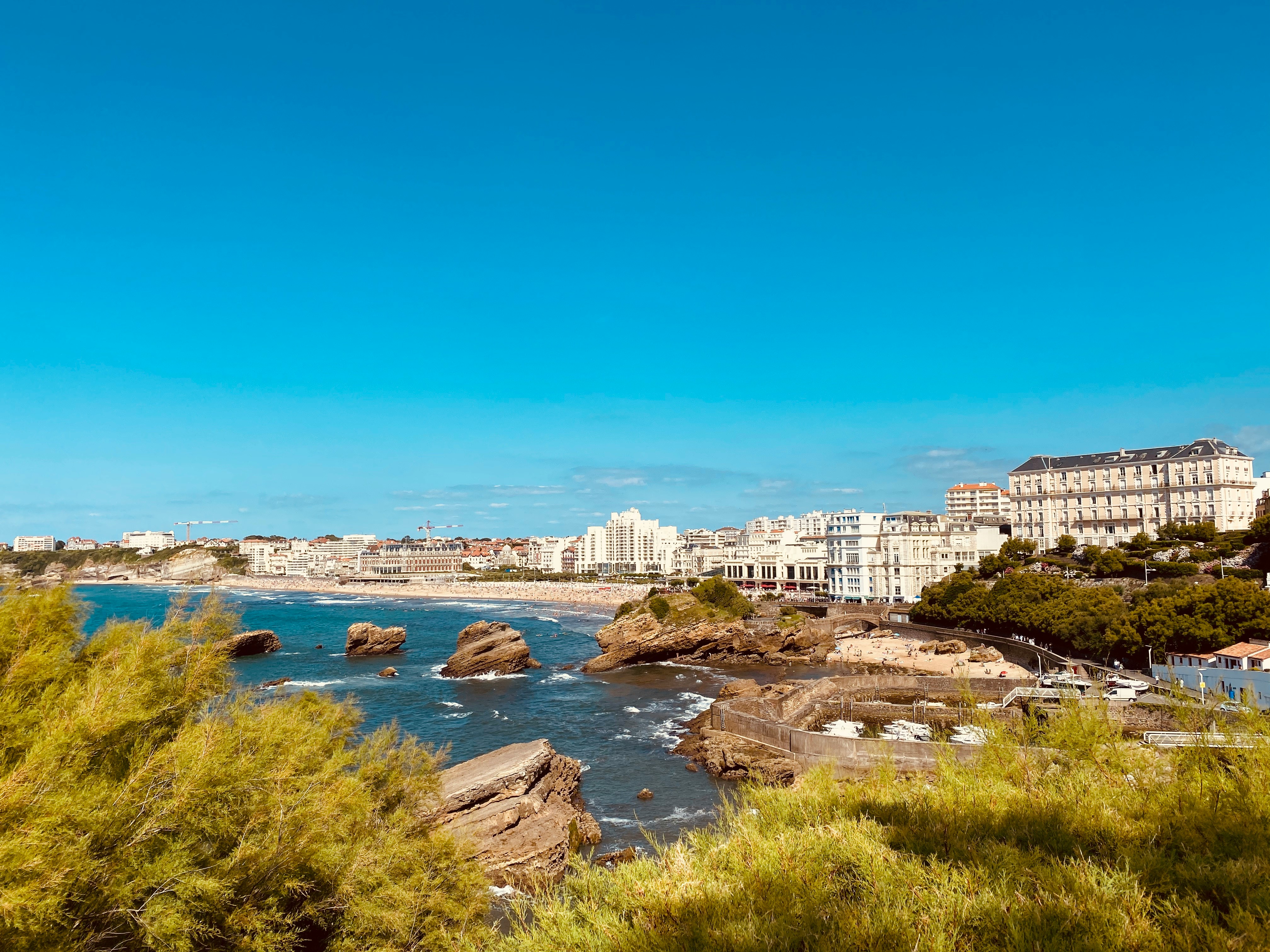
Biarritz invented the modern seaside holiday: it was Napoleon III who transformed it into an imperial resort in the mid-nineteenth century, building the palace that is today the Hôtel du Palais, and since then the city has never stopped attracting royalty, aristocrats and artists. Its beaches — the Grande Plage, Plage Miramar, Plage de la Côte des Basques — are among the most elegant on the French Atlantic coast. But Biarritz is also the European capital of surfing: the waves of the Côte des Basques, formed over a unique sand bank, draw surfers from across the world. The Rocher de la Vierge, a rock bearing a statue of the Madonna and connected to the mainland by an iron footbridge, offers the most evocative panorama of the coast. Basque cuisine — chipirones en su tinta, marmitako, gâteau basque — is found in the pintxos bars of the centre and the restaurants along the seafront.