Normandy: Impressionism, Alabaster Coast, and Flowery Coast
Suggested Itineraries6 Giorni
Paris, France
Rouen›Le Havre e Cote d'Albatre›Deauville e Côte Fleurie
Normandy: Impressionism, Alabaster Coast, and Flowery Coast — NAAR
Itinerary
Giorno 1 — Rouen
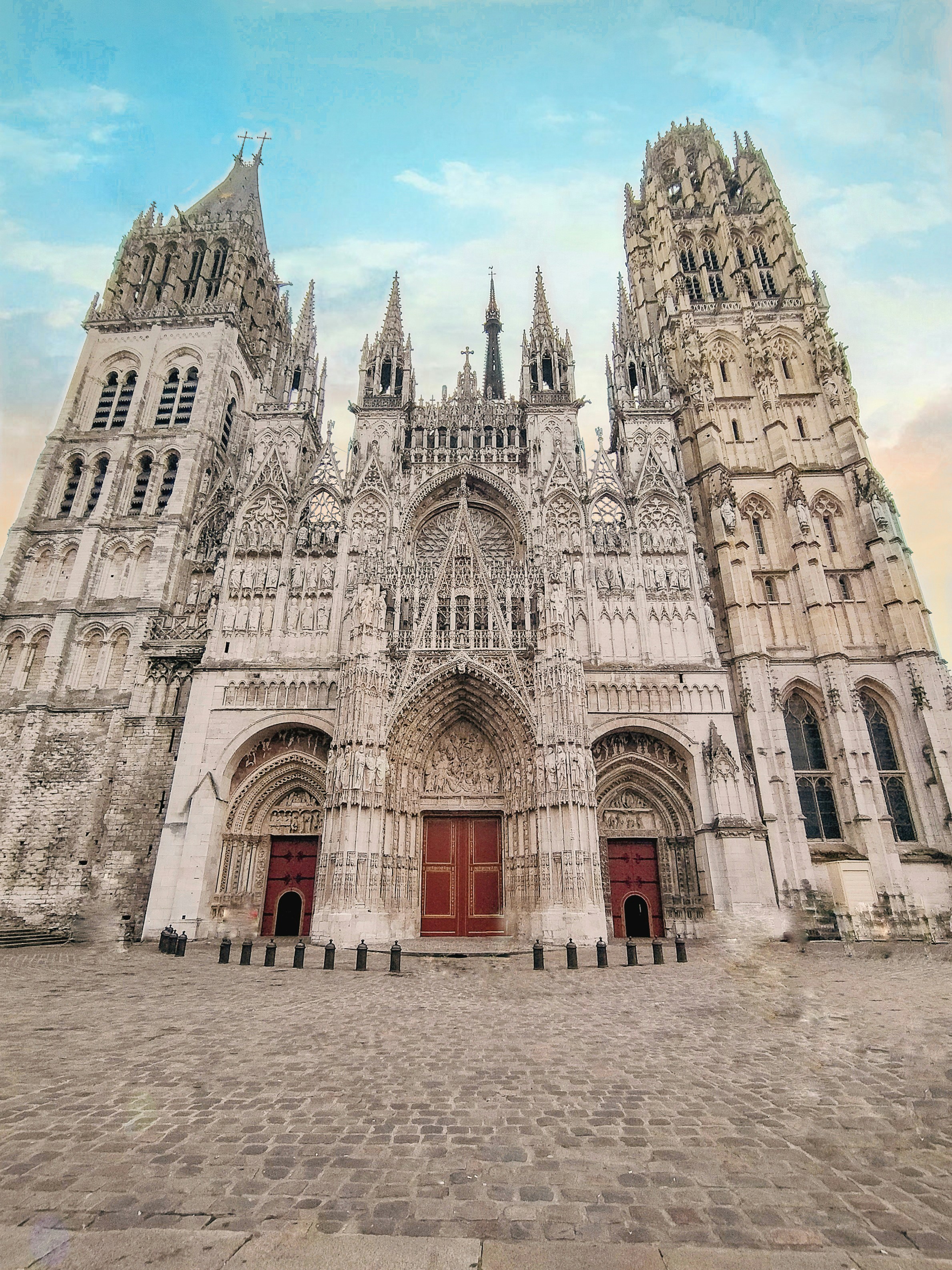
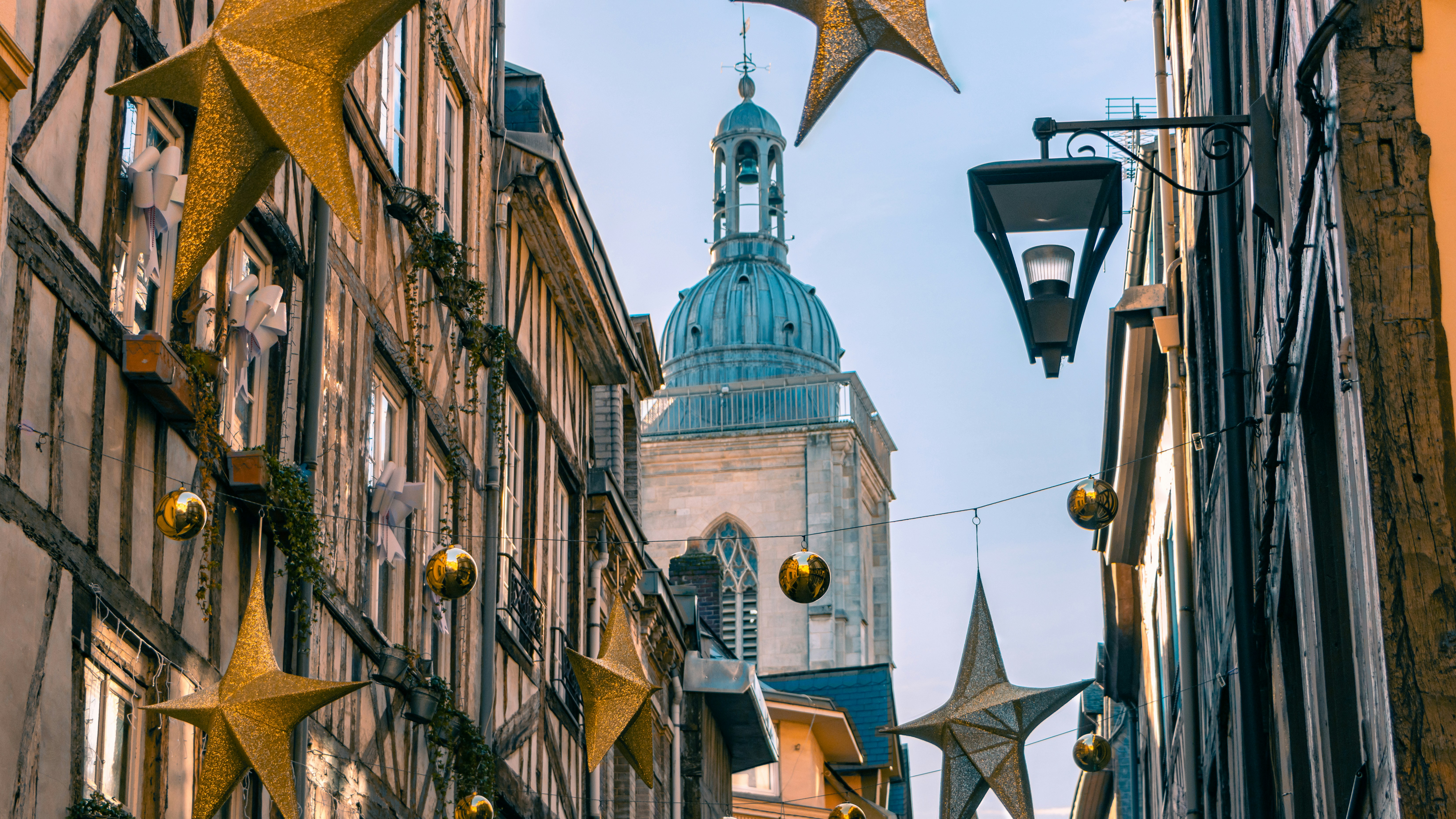
Rouen has the memory of Norman medieval life carved into the timber of its half-timbered houses: the old centre is one of the richest in France, with over two thousand colombage buildings crowding around the Cathédrale Notre-Dame — the one that Monet painted in thirty-four different versions to capture the changing light on the pink sandstone. The cathedral's cast-iron spire, the tallest in France, pierces the grey Norman sky with an almost surreal audacity. Place du Vieux-Marché is where Joan of Arc was burned at the stake in 1431: the modern church of Sainte-Jeanne-d'Arc, evocatively shaped like a flame, stands on the very spot today. The Gros-Horloge, the Renaissance astronomical clock set into an arch on Rue du Gros-Horloge, is the city's iconic symbol. The Saturday market and the brasseries around the Abbey of Saint-Ouen complete the portrait of an authentic and deeply moving Normandy.
Auto
Giorno 2 — Rouen → Le Havre e Cote d'Albatre
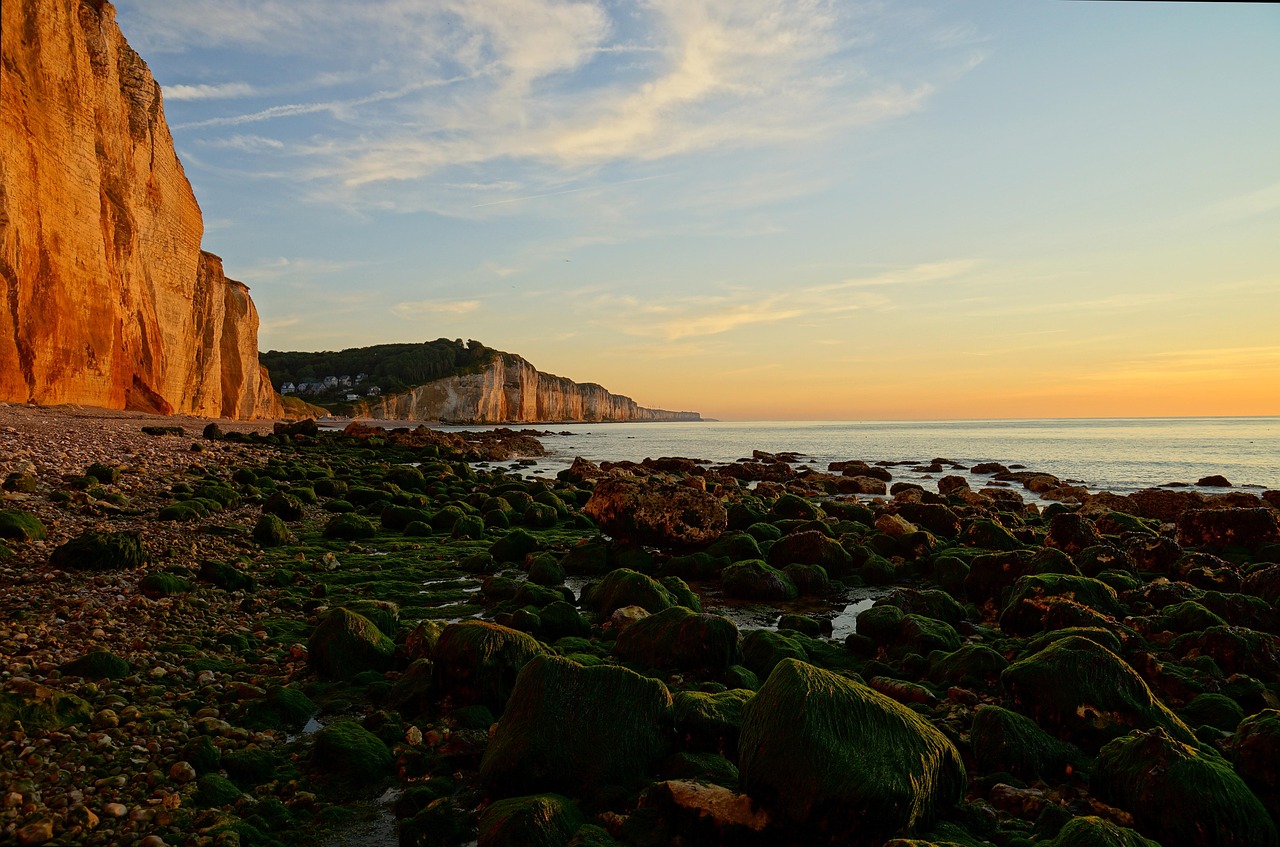
Le Havre rises like a Modernist phoenix: almost entirely destroyed by the bombings of 1944, it was rebuilt by architect Auguste Perret according to a rationalist urban plan recognised as a UNESCO World Heritage Site — the only example in the world of a modern city inscribed on that list. The broad streets, concrete colonnades and the great church of Saint-Joseph (whose 107-metre bell tower filters light like a Gothic lantern) reveal an austere and surprising beauty. North of Le Havre stretches the Côte d'Albâtre, the white chalk coast that plunges into the grey waters of the Channel between cliffs up to 100 metres high: Étretat, with its natural arches carved by the sea and immortalised by Monet and Maupassant, is the jewel of this wild and romantic coast. The seafood and smoked herrings of local markets complete the portrait of an authentic, little-visited Normandy.
Auto
Giorno 3 — Le Havre e Cote d'Albatre → Deauville e Côte Fleurie
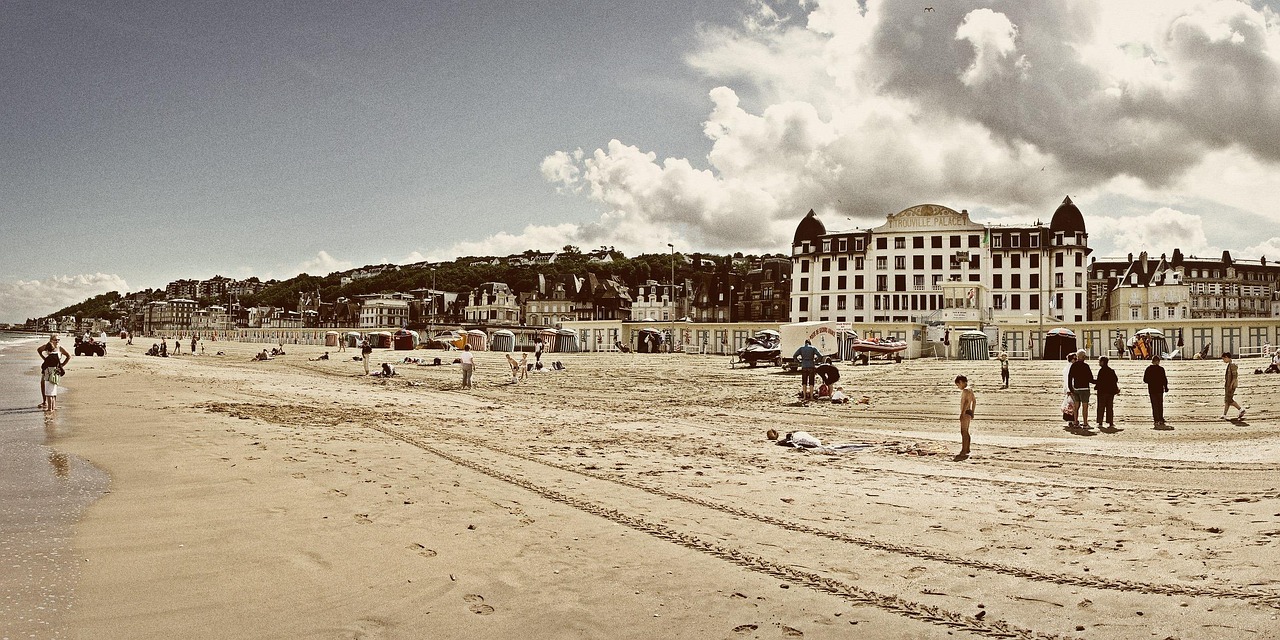
Deauville is the «21st arrondissement of Paris»: so Parisians call it as they fill its Belle Époque hotels, the Casino Barrière and the Planches — the famous boardwalk where beach huts bear the names of stars from the Festival du Cinéma Américain — every August weekend. Norman villas with their polychrome brick and slate roofs, thoroughbred racing at the racecourse, designer boutiques — everything in Deauville exudes discreet luxury and the holiday atmosphere of another era. Trouville, separated only by the Touques river, is more authentic and popular, with its fish market, fishermen's nets and a seafront of informal bistros. The Côte Fleurie stretches toward Honfleur: a picturesque fishing harbour, reflections of seventeenth-century houses on the water of the Vieux Bassin, birthplace of Impressionism and a refuge for artists to this day. A short itinerary that distils centuries of Norman charm.