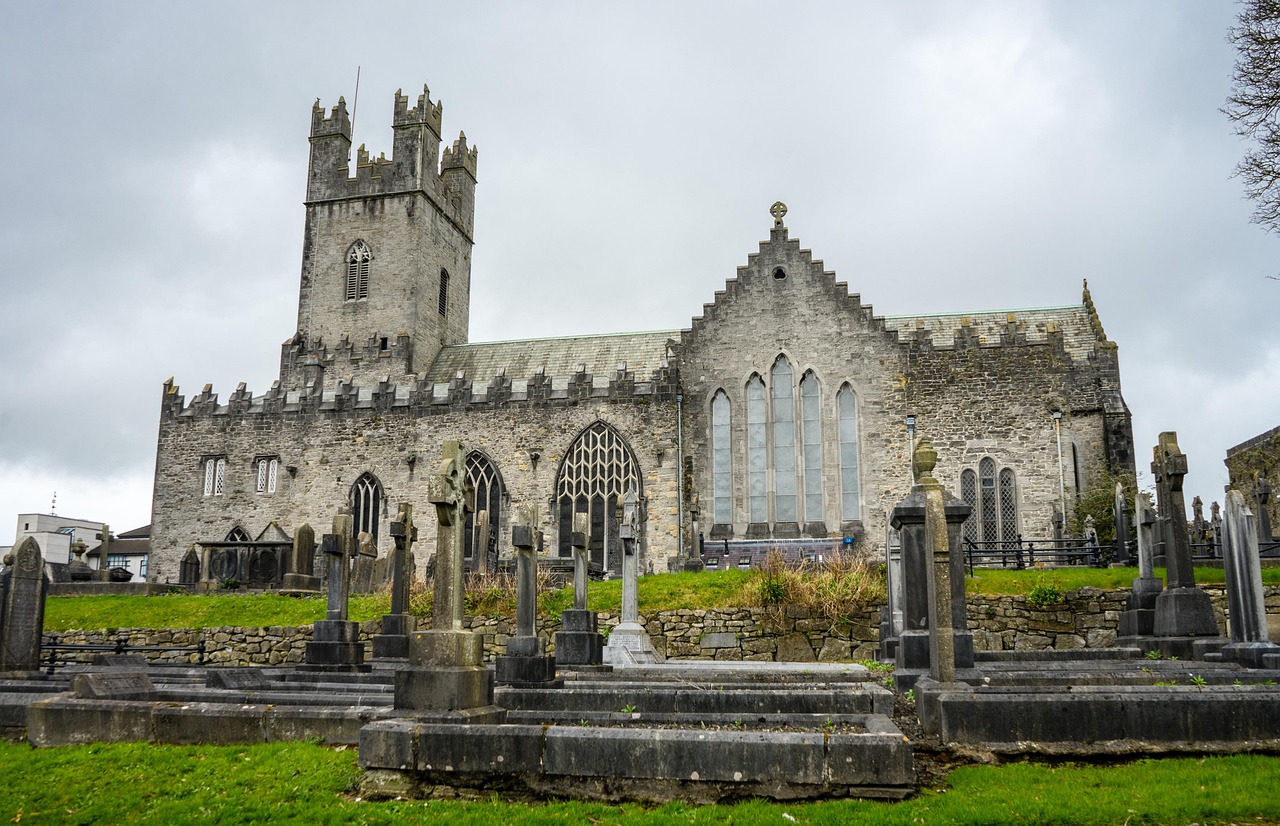
Giorno 7 — Donegal Town → Dublin
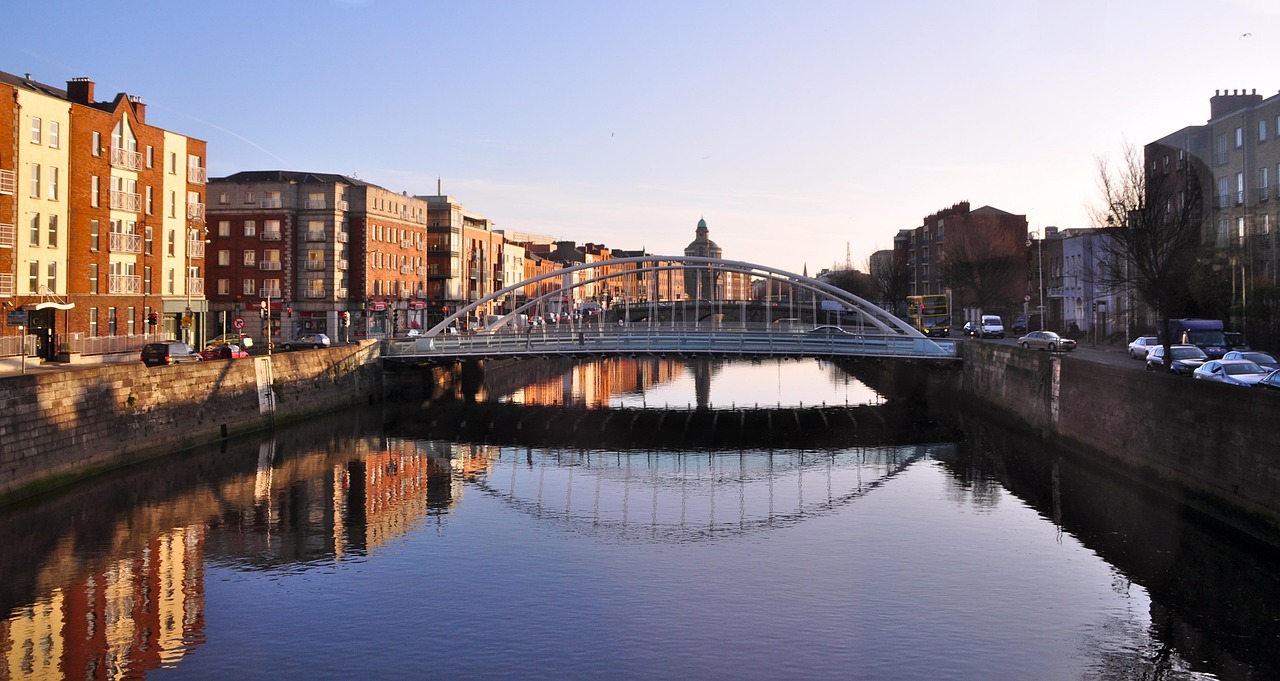
Dublin spreads along the banks of the Liffey like a city that has learned to carry its history lightly: millennia of Celtic, Viking and British heritage coexist with a contemporary vitality few European capitals can match. The historic centre gathers around Temple Bar, the medieval quarter where cobbled lanes lead to brass-fitted pubs, independent art galleries and restaurants serving a reinvented Irish cuisine. Nearby, Trinity College houses the Book of Kells, the ninth-century illuminated manuscript considered among the masterpieces of European insular art, displayed in the magnificent Old Library. Just beyond, the Georgian quarters of Merrion Square and Fitzwilliam Square offer pastel facades and lacquered doors in red, green and yellow — a colour palette that has become a symbol of the city's architectural identity. Dublin Castle, founded by the Normans in the thirteenth century and rebuilt in the Georgian era, marks the historic and political heart of the capital; alongside stand Christ Church Cathedral and St. Patrick's Cathedral, both of medieval foundation. The Guinness Storehouse, housed in the former warehouse of the St. James's Gate brewery, is among the most visited attractions in Ireland: seven floors of history and craft, crowned by the Gravity Bar with its 360-degree panoramic view over the city. The Kilmainham neighbourhood preserves the most poignant memories of the Irish independence struggle: Kilmainham Gaol, a Victorian prison turned museum, held the leaders of the 1916 Easter Rising, while the Royal Hospital is now home to the Irish Museum of Modern Art. North of the Liffey, the Smithfield markets, the Distillery Building and the colourful murals of the Liberties speak of a city in constant reinvention. Dublin is also the literary capital that gave the world Jonathan Swift, Oscar Wilde, James Joyce and Samuel Beckett: bronze portraits and Joycean walking trails — through the National Museum, the Martello Tower at Sandycove, and Bewley's on Grafton Street — offer a secular pilgrimage for literature lovers. The food scene has grown remarkably in recent years, from fish and chips at Howth harbour to Michelin-starred restaurants in the centre, taking in the fruit and cheese markets of Temple Bar along the way. The harbour at Dún Laoghaire, reachable in thirty minutes by DART, the castles of Malahide and Howth, and the bay views from Killiney Hill round out a fine set of half-day excursions. Dublin is noisy and reflective in equal measure: a city best explored on foot, pint in hand, with a pearl-grey sky for a backdrop.
_20260717142216.png)
_20260717142252.png)