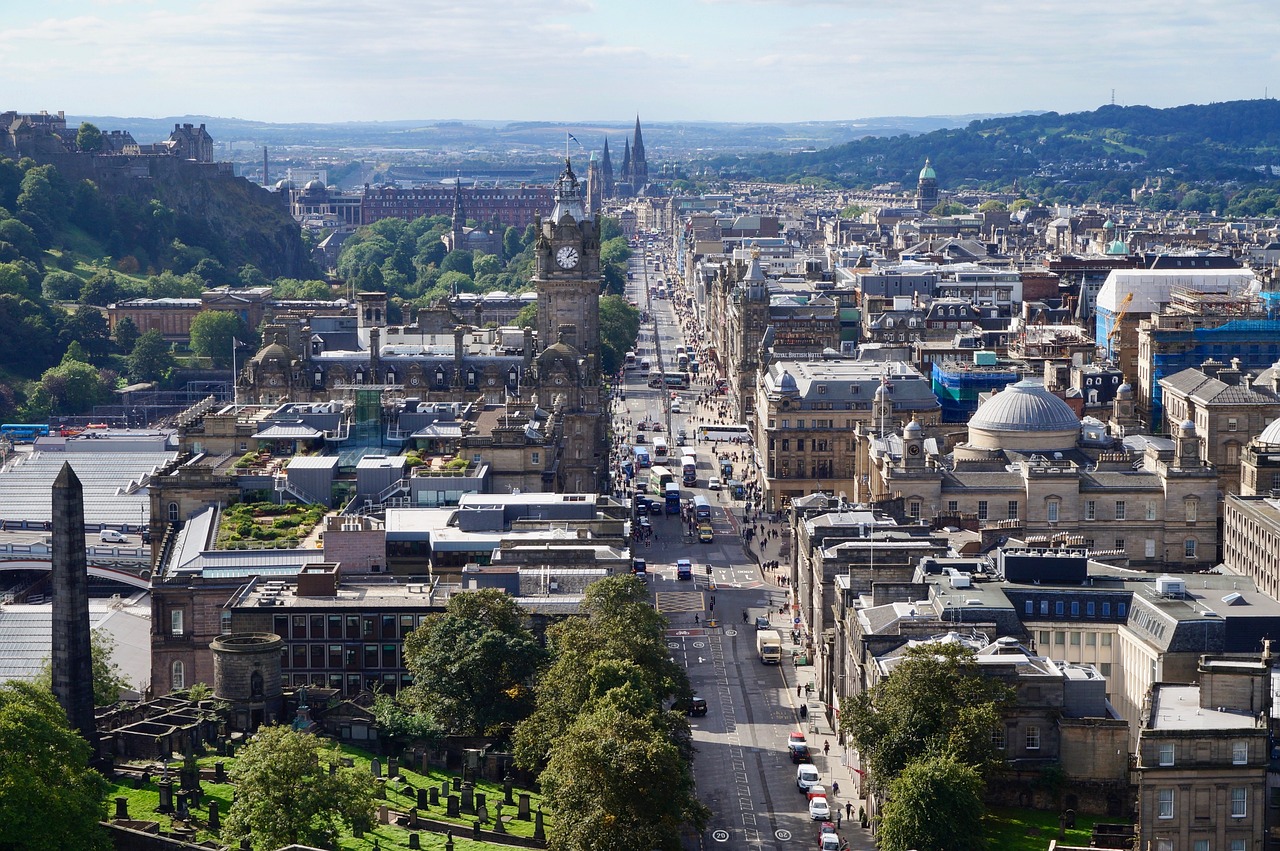
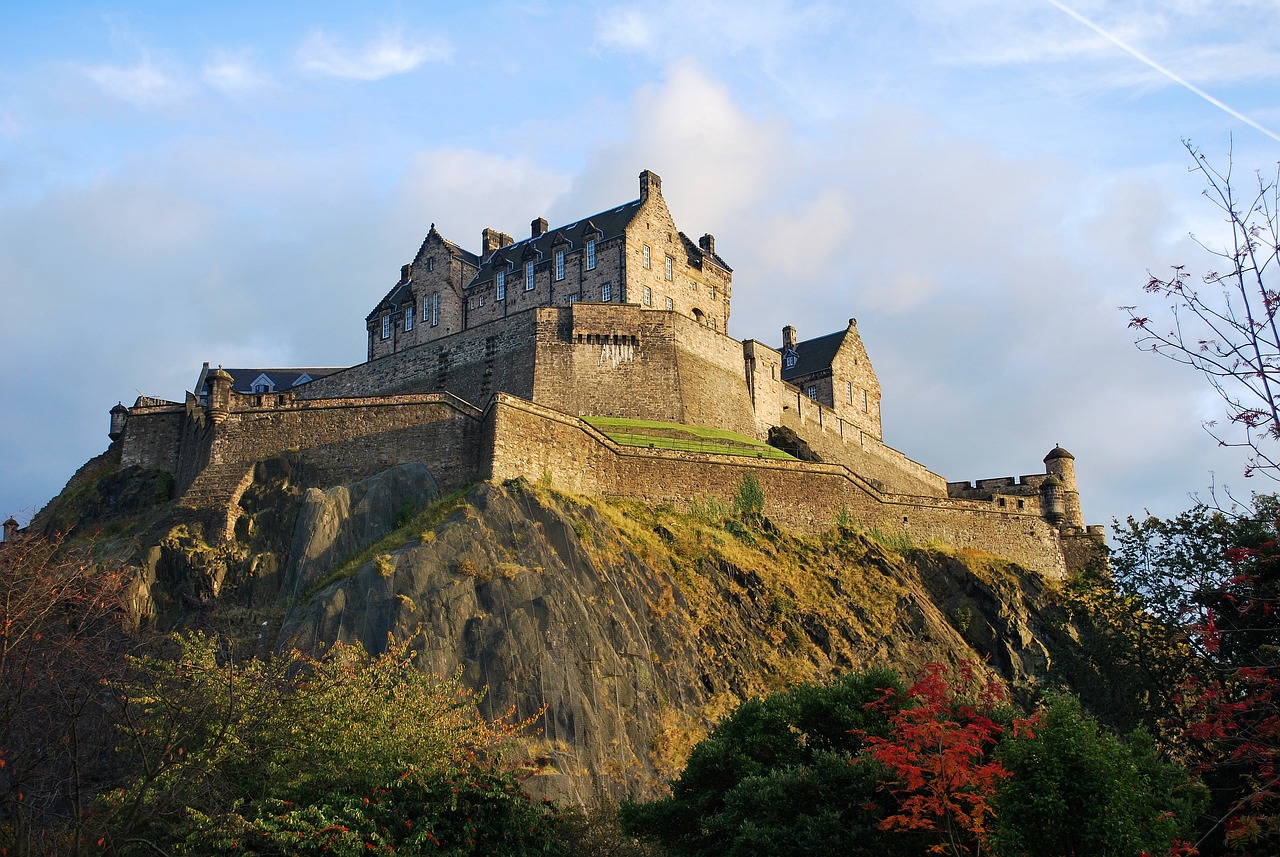
Edinburgh reveals itself as one of Europe's most dramatic capitals, poised between volcanic rock and ever-changing skies. Its Old Town and New Town together form a UNESCO World Heritage Site, two souls separated by a green valley, the Princes Street Gardens. Atop the crag stands Edinburgh Castle, a fortress guarding the Honours of Scotland and offering breathtaking views; from here the Royal Mile descends, the backbone of the old town, down to the Palace of Holyroodhouse, the sovereign's Scottish residence. Along the way open narrow alleys, the characteristic closes, St Giles' Cathedral with its stone crown, and shops of whisky and tweed. The airy, elegant Georgian New Town lines up neoclassical façades and stately George Street. Walkers can climb Arthur's Seat, an ancient volcano giving panoramas over the whole city and the Firth of Forth, or Calton Hill with the monuments that earned Edinburgh the nickname Athens of the North. The National Gallery of Scotland and the Royal Botanic Garden round out the cultural offer, while in August the city erupts with the famous Festival Fringe. The cuisine ranges from historic pubs and traditional haggis to seafood and Scotch distilleries. Within easy reach await the coastal villages of Fife and the bridges over the Forth. Edinburgh blends history, mystery and refinement in an atmosphere unlike any other.
Auto
Giorno 3 — Edinburgh → Oban
Oban looks out over a sheltered bay on Scotland's west coast, a lively port town that has earned the title of Gateway to the Isles. Its houses arc amphitheatre-like around the harbour, crowned by the curious McCaig's Tower, a rotunda inspired by the Colosseum that gives fine sea views. Famous for the freshest seafood and for its historic whisky distillery in the town centre, Oban is the departure point for ferries to the Hebrides. From here you easily reach the Isle of Mull, with the colourful houses of its capital Tobermory and landscapes of mountains and wild coasts, from which to sail to the tiny, sacred Isle of Iona, cradle of Scottish Christianity, or to Staffa with the spectacular Fingal's Cave. All around, the region of Argyll offers castles, lochs and lush forests. Oban is an ideal and evocative base for exploring the islands and seas of the western Highlands, among unspoilt nature and sea flavours.
Auto
Giorno 5 — Oban → Isle of Skye
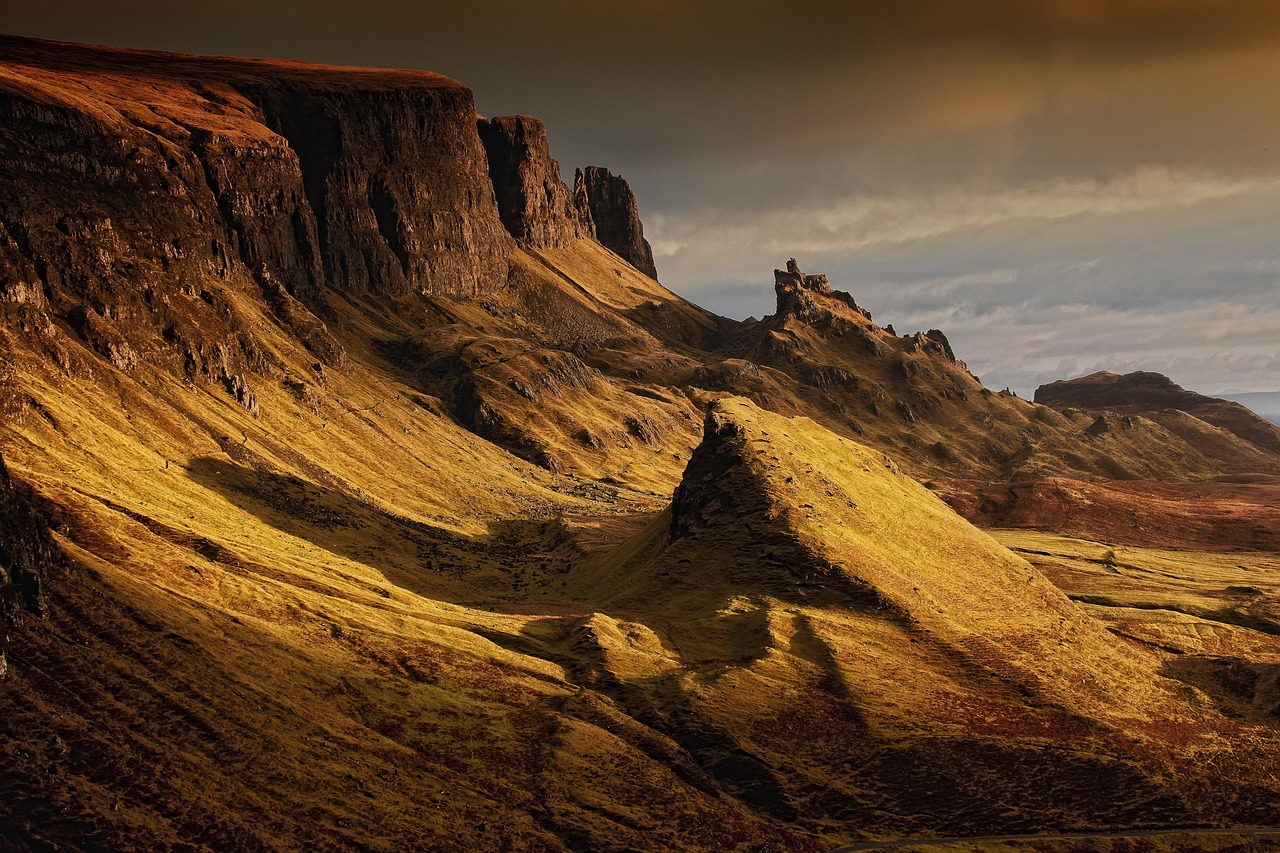
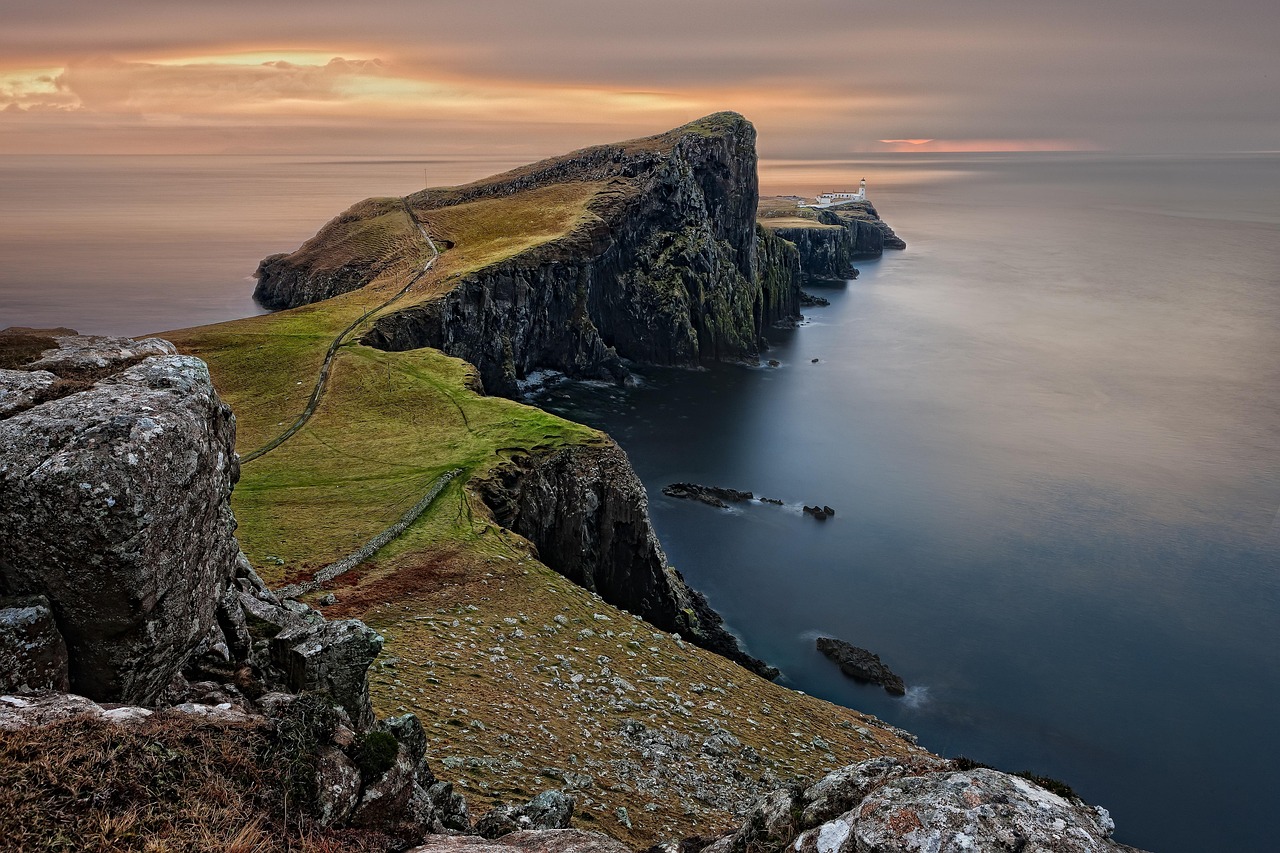
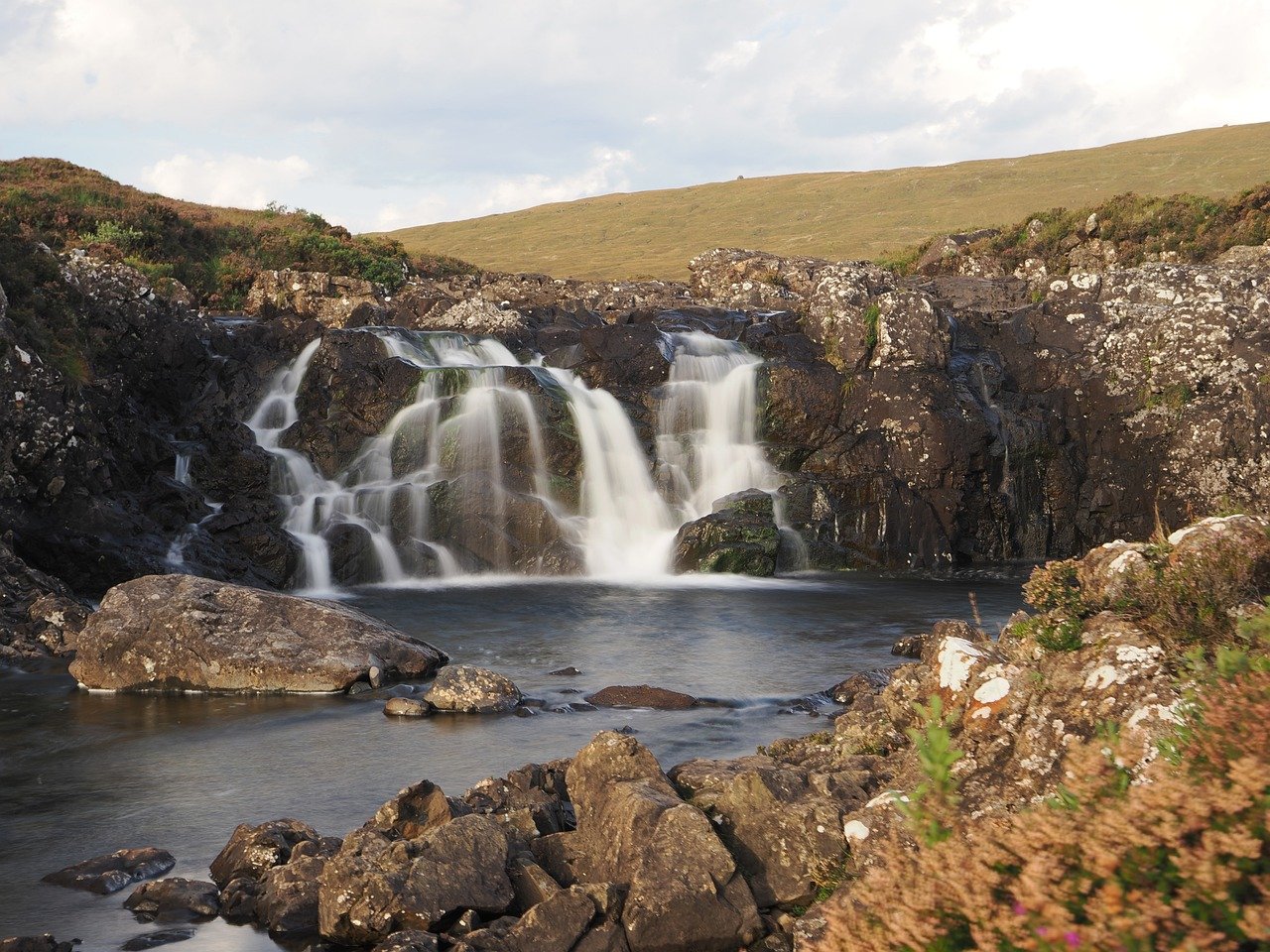
The Isle of Skye embodies the romantic dream of the Highlands, the largest and most famous of the Inner Hebrides, linked to the mainland by a bridge. Dramatic landscapes follow one another without pause: the jagged pinnacles of the Old Man of Storr, the green terraces and waterfalls of the Quiraing, the emerald pools of the Fairy Pools at the foot of the rugged Cuillin mountains, a mecca for climbers. On the north coast the lighthouse of Neist Point offers memorable ocean sunsets. The main town, Portree, with its colourful houses around the little harbour, makes an ideal base for exploring the island, while Dunvegan Castle guards centuries of MacLeod clan history. Skye is a land of Gaelic legend, whisky distilleries such as Talisker and the freshest seafood served in fishing villages. Its moors and cliffs offer unforgettable walks among wildlife and shifting skies. The Isle of Skye speaks to the soul, where nature becomes pure poetry.
Auto
Giorno 6 — Isle of Skye → Fort Augustus
Fort Augustus stands at the southern end of Loch Ness, a pretty village crossed by the spectacular flight of locks of the Caledonian Canal. The boats rising and descending the five chambers are the daily spectacle of the centre. Founded as a military fort after the Jacobite risings, it keeps the name of its past. It is the ideal base for exploring the mysterious waters of Loch Ness, in search of the legendary monster Nessie, and the surrounding Highlands. Loch cruises, pubs and walks along the canal enliven a stay. Fort Augustus is the southern gateway to Scotland's most famous loch.
Auto
Giorno 7 — Fort Augustus → Glasgow
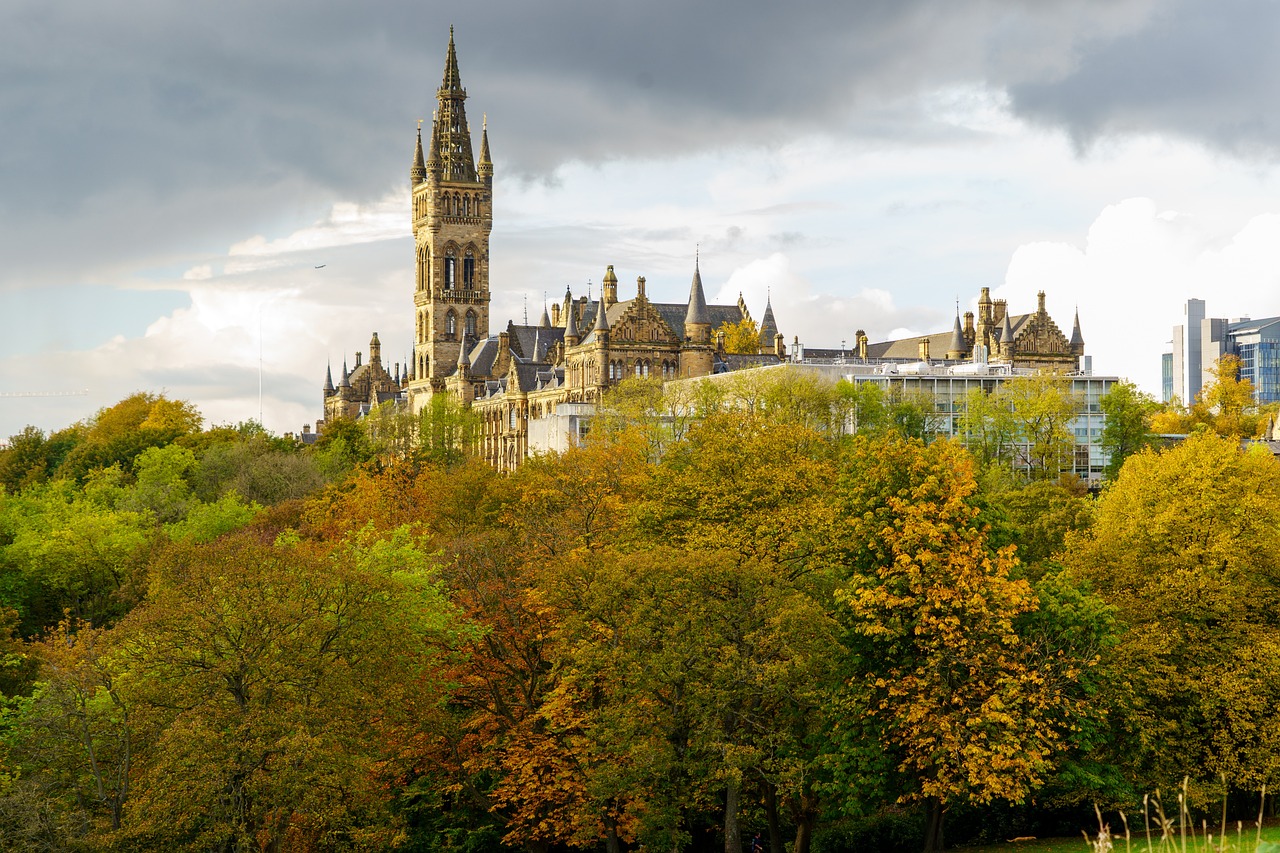
Glasgow pulses with an energy all its own, Scotland's largest city and its creative, musical soul. Once an industrial engine of the Empire, it has turned its Victorian warehouses into galleries, bars and restaurants, earning a reputation as a cultural capital. The medieval Glasgow Cathedral and the nearby Necropolis reveal its oldest face, while George Square anchors the centre with monumental architecture. Not to be missed are the Kelvingrove Art Gallery and Museum, a free treasure house of art and curiosities, and the works of Charles Rennie Mackintosh, master of the Glasgow Style who designed the celebrated School of Art and many interiors. The West End, around the University of Glasgow and the Botanic Gardens, mixes bohemian cafés and markets, while Buchanan Street is the shopping heart. The city shines after dark among pubs, live music and a lively dining scene, from curry houses to reinvented Scottish cooking. Along the regenerated River Clyde rise the Riverside Museum of transport and the modern SEC auditorium. Glasgow is also a gateway to the Highlands and the western isles, a handy base for exploring Loch Lomond just beyond the centre. Frank and welcoming, Glasgow wins visitors over with its humour, its music and a warmth that lingers.