Burgundy: art, history, landscapes, and Grand Crus
Suggested Itineraries8 Giorni
Lyon, France
Macon›Beaune›Dijon›Auxerre
Burgundy: art, history, landscapes, and Grand Crus — NAAR
Itinerary
Giorno 1 — Macon
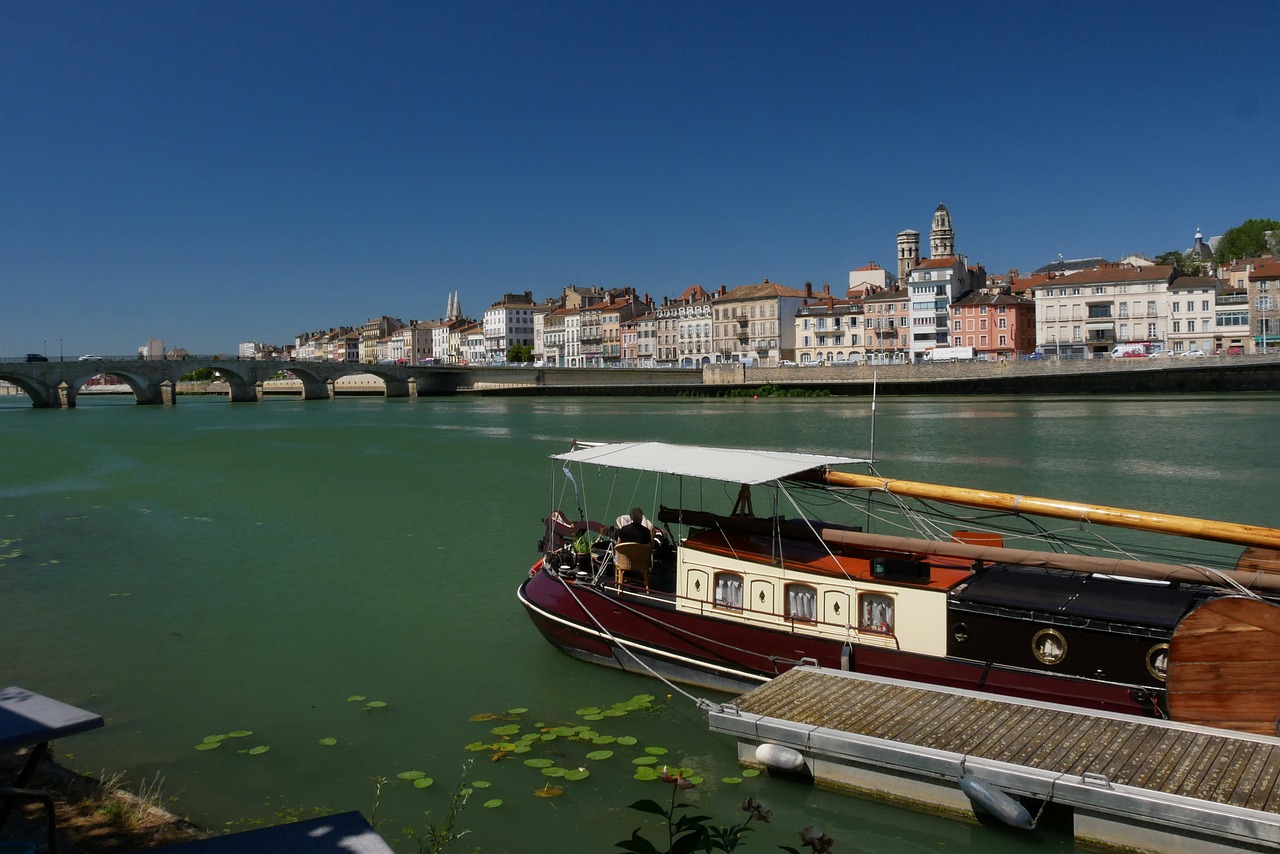
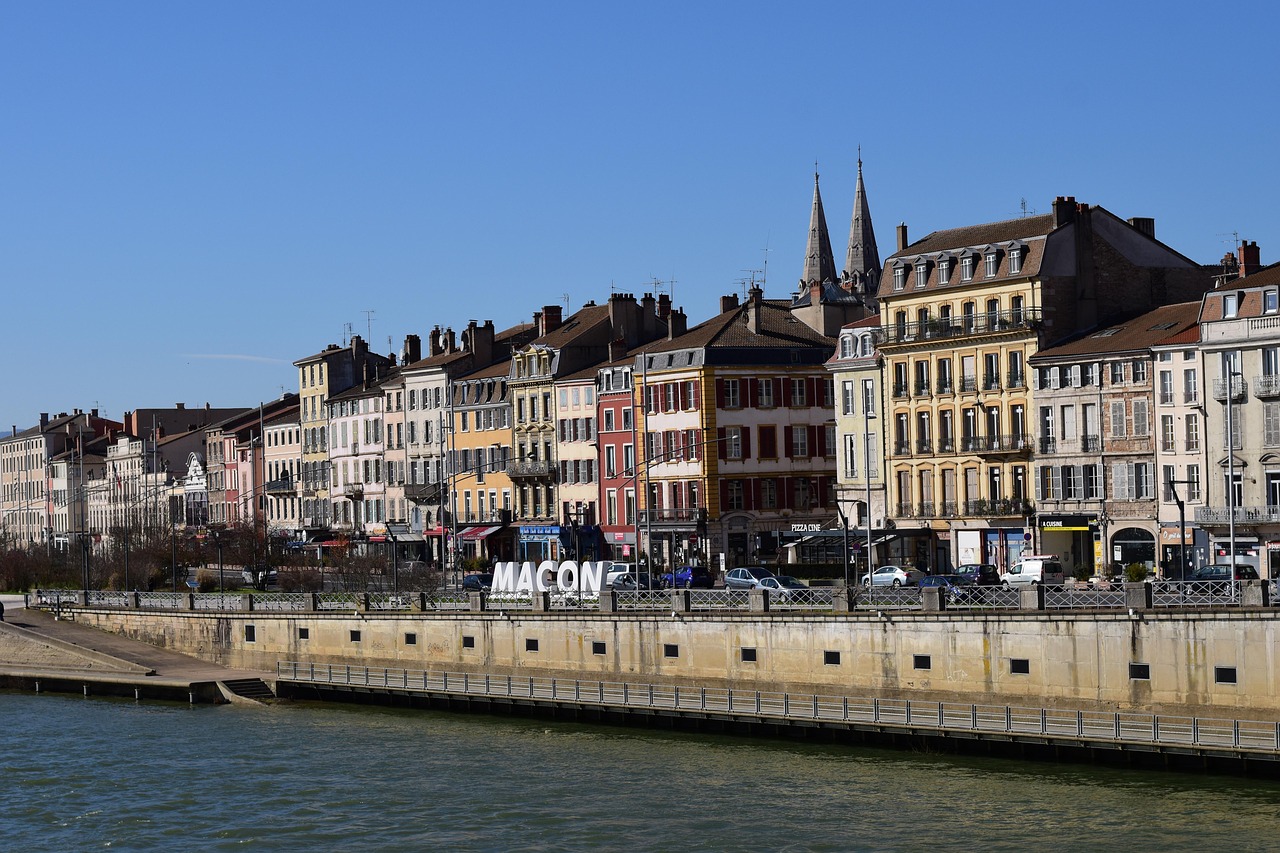
Mâcon spreads along the right bank of the Saône, the southern gateway to Burgundy and the threshold of the Beaujolais, at a point where the river slows and the light shifts with the seasons. The city has a centuries-old winemaking tradition: the white wines of the Mâconnais — Pouilly-Fuissé, Saint-Véran, Mâcon-Villages — are among the most elegant expressions of Burgundian Chardonnay. The old centre preserves several notable Romanesque buildings, while the riverside promenade is a lively strip of open markets and restaurants. Mâcon is also the birthplace of the poet Alphonse de Lamartine, and the surrounding hilly region — known as the Tuscany of the north — is a sequence of winemaking villages such as Fuissé, Vergisson and Solutré.
Auto
Giorno 2 — Macon → Beaune
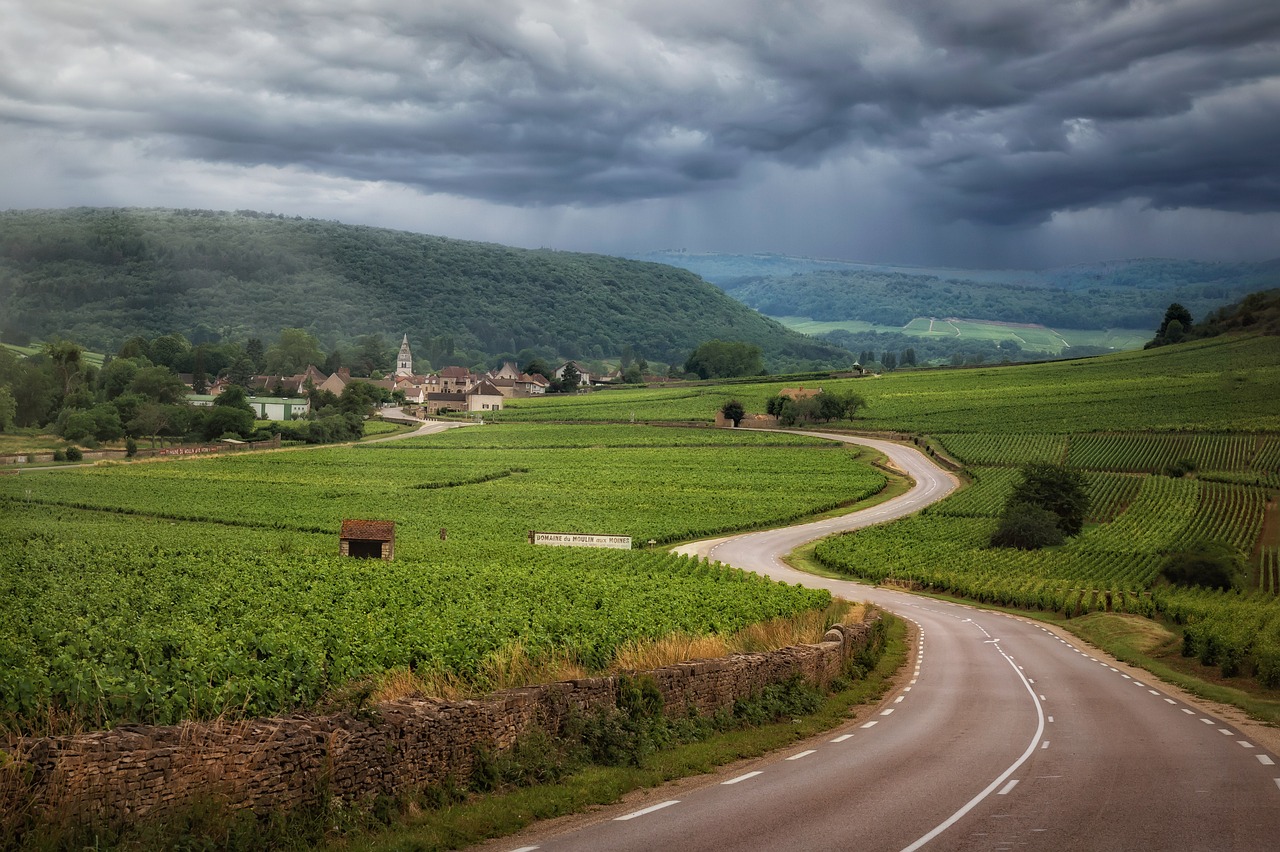
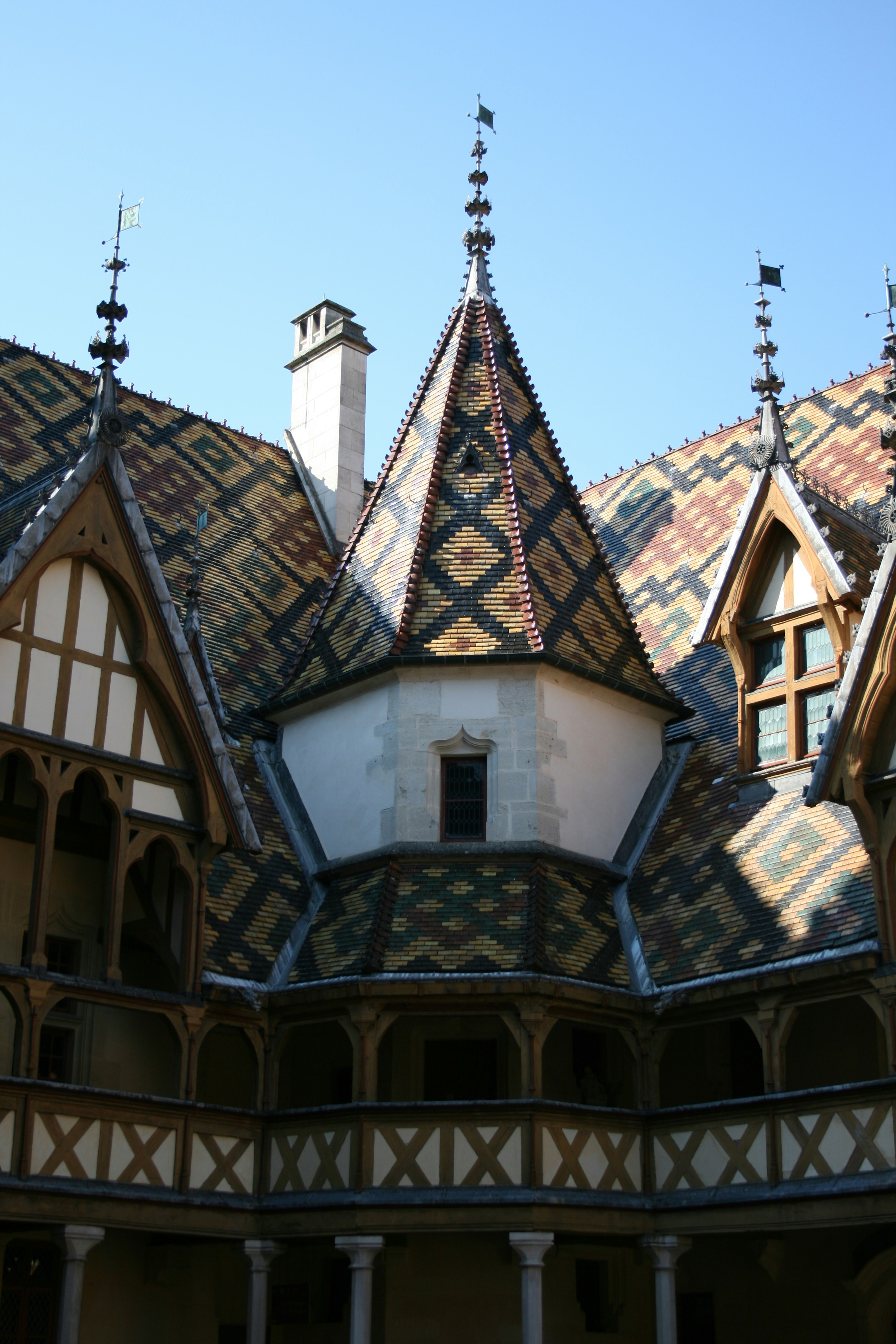
Beaune is the beating heart of Burgundy wine country, a medieval city encircled by ramparts that has preserved its historic fabric of Renaissance hôtels particuliers and cellars hewn from tufa. The Hôtel-Dieu, with its polychrome glazed tile roof, is the city's defining monument and hosts every November the world's most celebrated wine auction. The Hospices de Beaune still manage premier and grand cru vineyards on the Côte de Beaune, and tastings in the cellars are an unmissable ritual. The Route des Grands Crus leads north from here through Pommard, Volnay and Meursault. Beaune is the ideal gateway to Burgundy wines and the UNESCO-listed vineyard landscape.
Auto
Giorno 4 — Beaune → Dijon
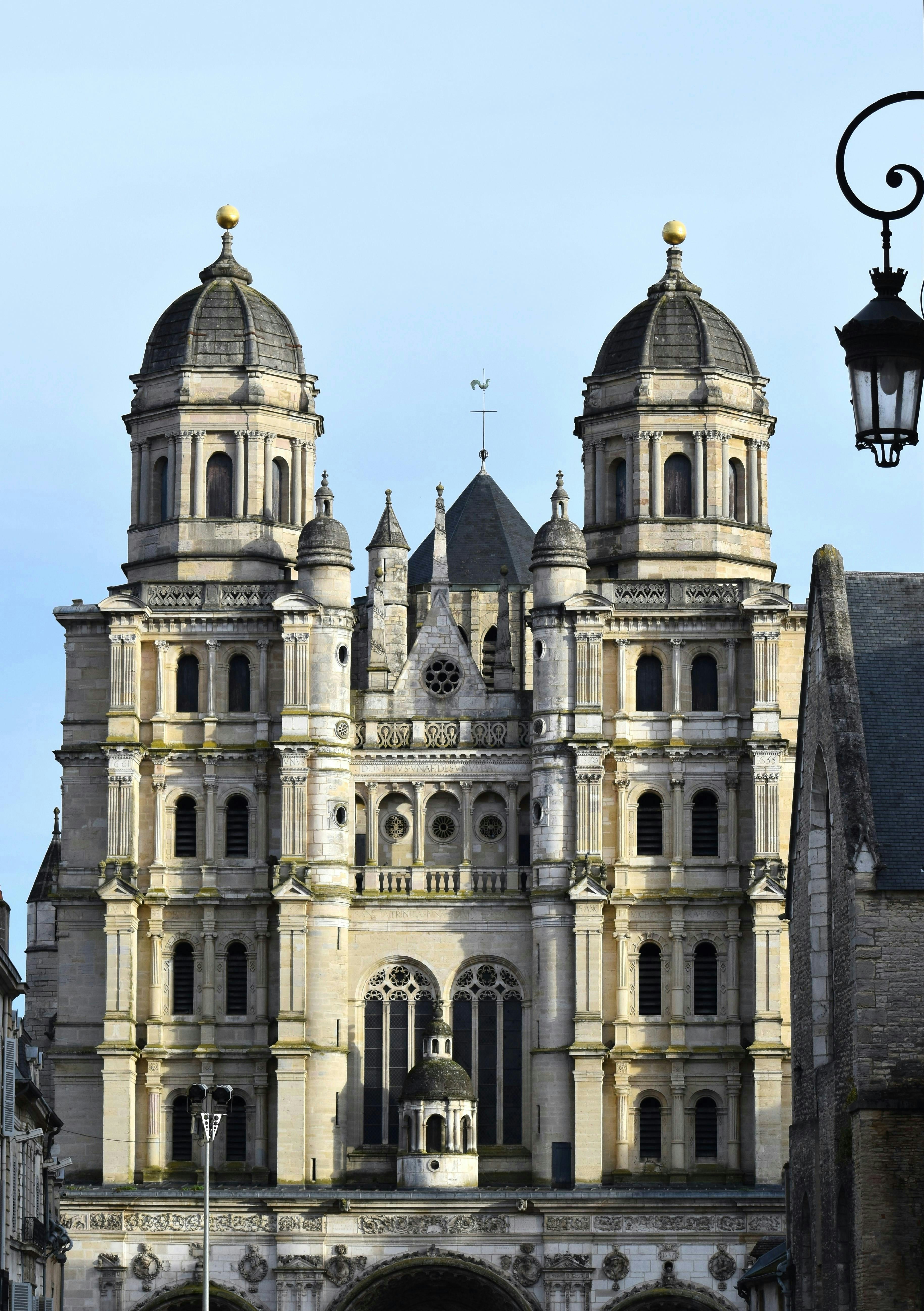
Dijon is the historic capital of Burgundy, a city of ducal palaces and rooftops patterned with glazed tiles that dot the medieval centre. Its UNESCO-listed historic district shelters the Palace of the Dukes of Burgundy, now home to the Musée des Beaux-Arts, and a maze of cobbled lanes lined with Renaissance hôtels particuliers. Gastronomy is a way of life here: Dijon mustard, Burgundy wines, pain d'épices and cassis fill the markets and speciality shops. The Côte de Nuits, with its UNESCO-listed vineyards, lies just a few kilometres away. Dijon captivates with its rare balance of medieval heritage, art and table pleasures.
Auto
Giorno 5 — Dijon → Auxerre
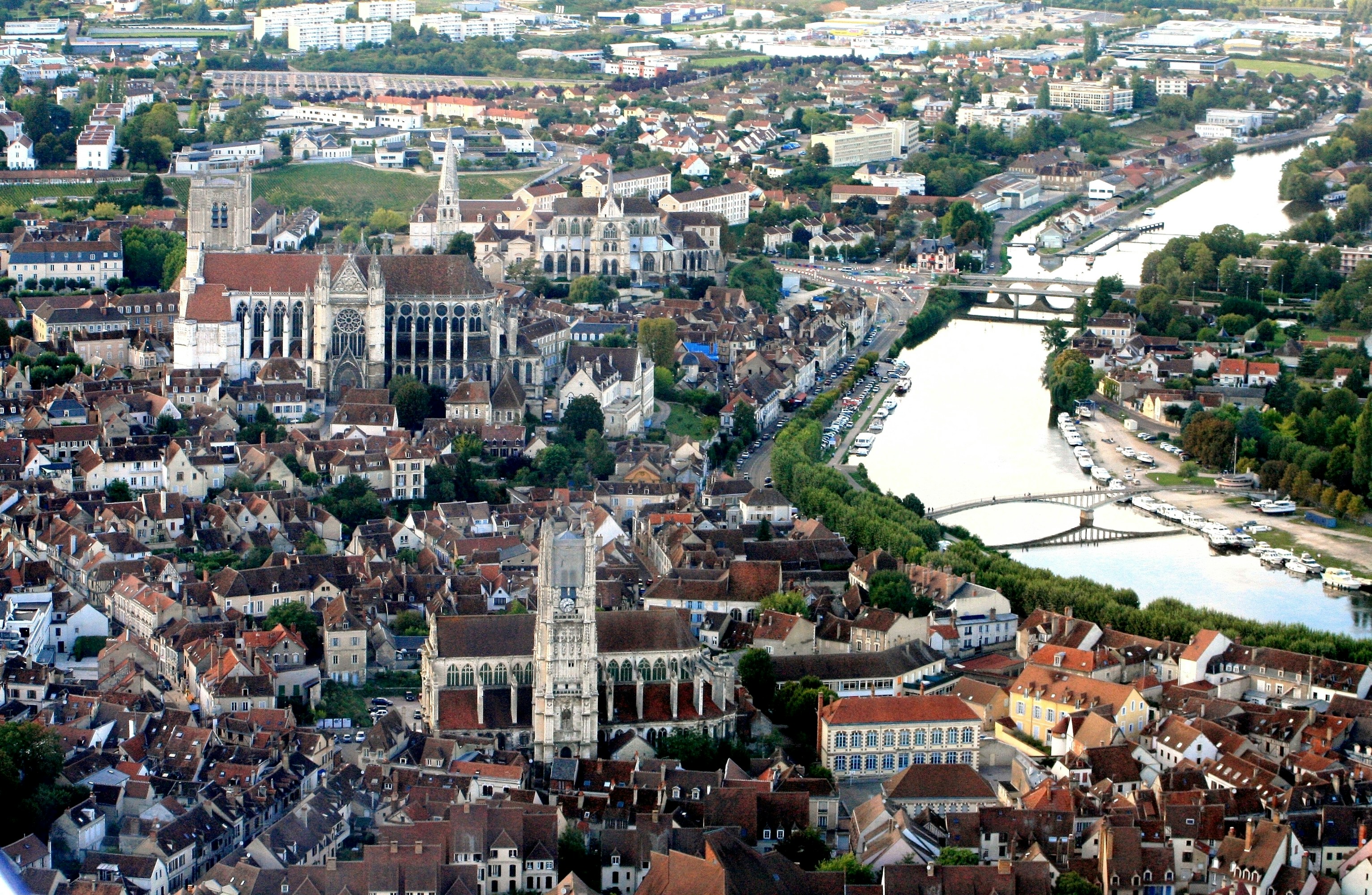
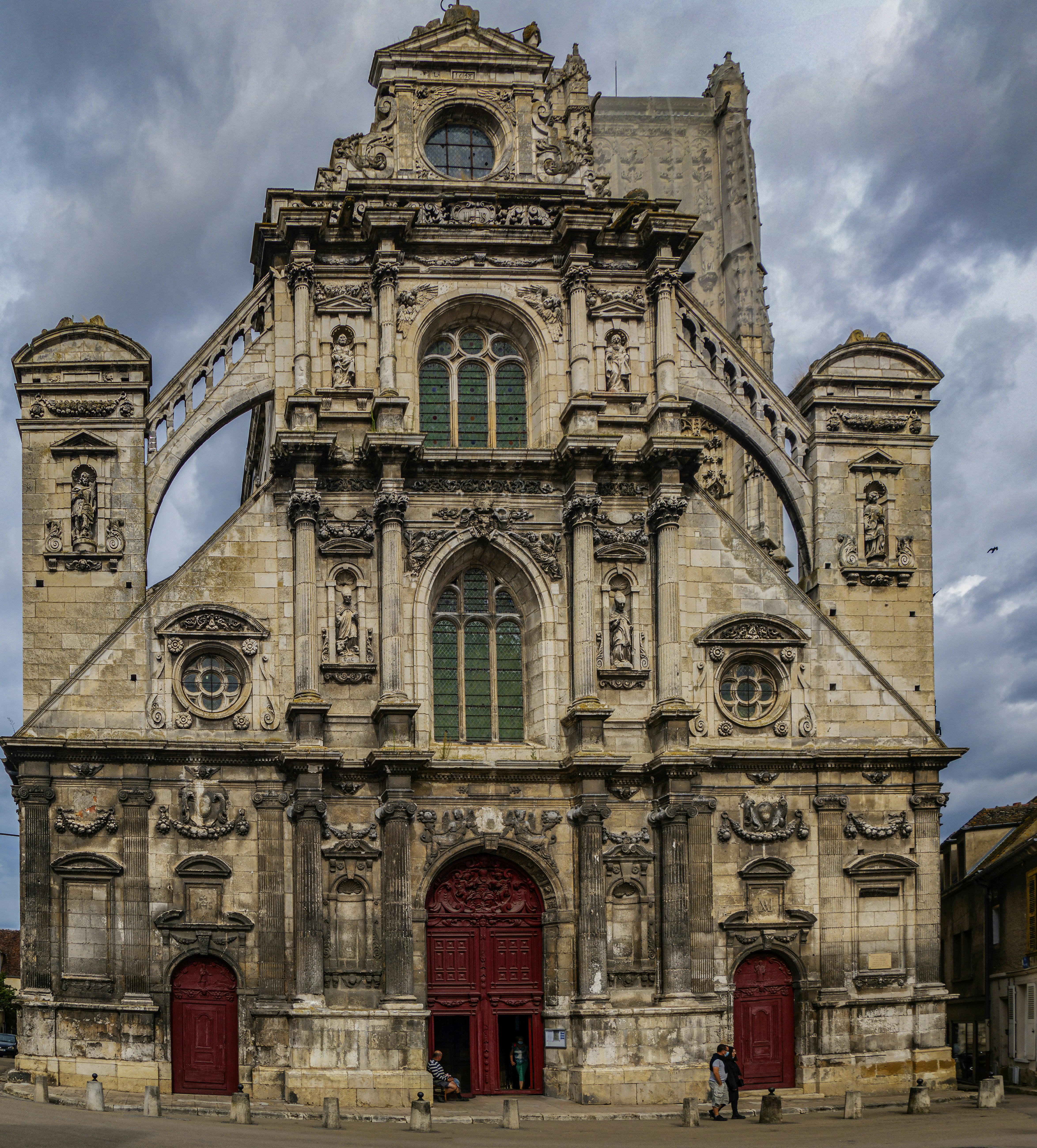
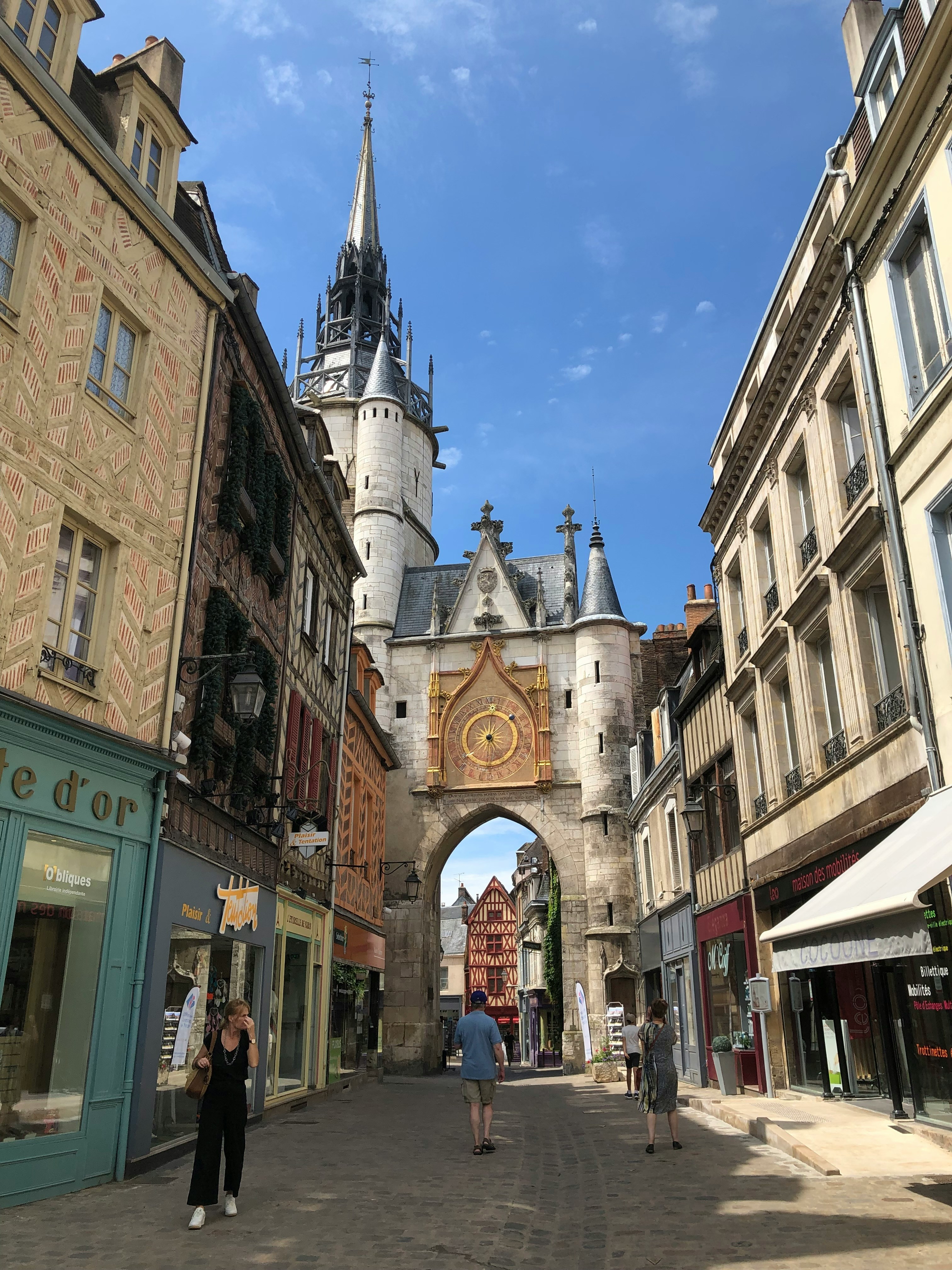
Auxerre mirrors itself in the waters of the Yonne with the quiet grace of a city that has safeguarded centuries of Burgundian history. The Gothic cathedral of Saint-Étienne dominates the skyline with its buttresses and polychrome windows, while the abbey of Saint-Germain preserves one of France's oldest Carolingian crypts. The wines of the Auxerrois, fresh and mineral, can be tasted in cellars carved into the rock along the river. A perfect base for exploring northern Burgundy.