Occitanie: Toulouse, Cahors and the Lot Valley, Figeac and the Aveyron Gorges, Tarn Gorges, Albi, Carcassonne and the Canal du Midi
Suggested Itineraries11 Giorni
Toulouse, France
Toulouse›Cahors›Figeac›Gorges du Tarn, Causses & Cévennes›Albi›Carcassonne
Riepilogo del tour
Durata11 Giorni / 10 notti
ItinerarioToulouse → Carcassonne
Tappe6 Destinazioni
Itinerario del Tour
Caricamento mappa...
Occitanie: Toulouse, Cahors and the Lot Valley, Figeac and the Aveyron Gorges, Tarn Gorges, Albi, Carcassonne and the Canal du Midi — NAAR
Itinerary
Giorno 1 — Toulouse
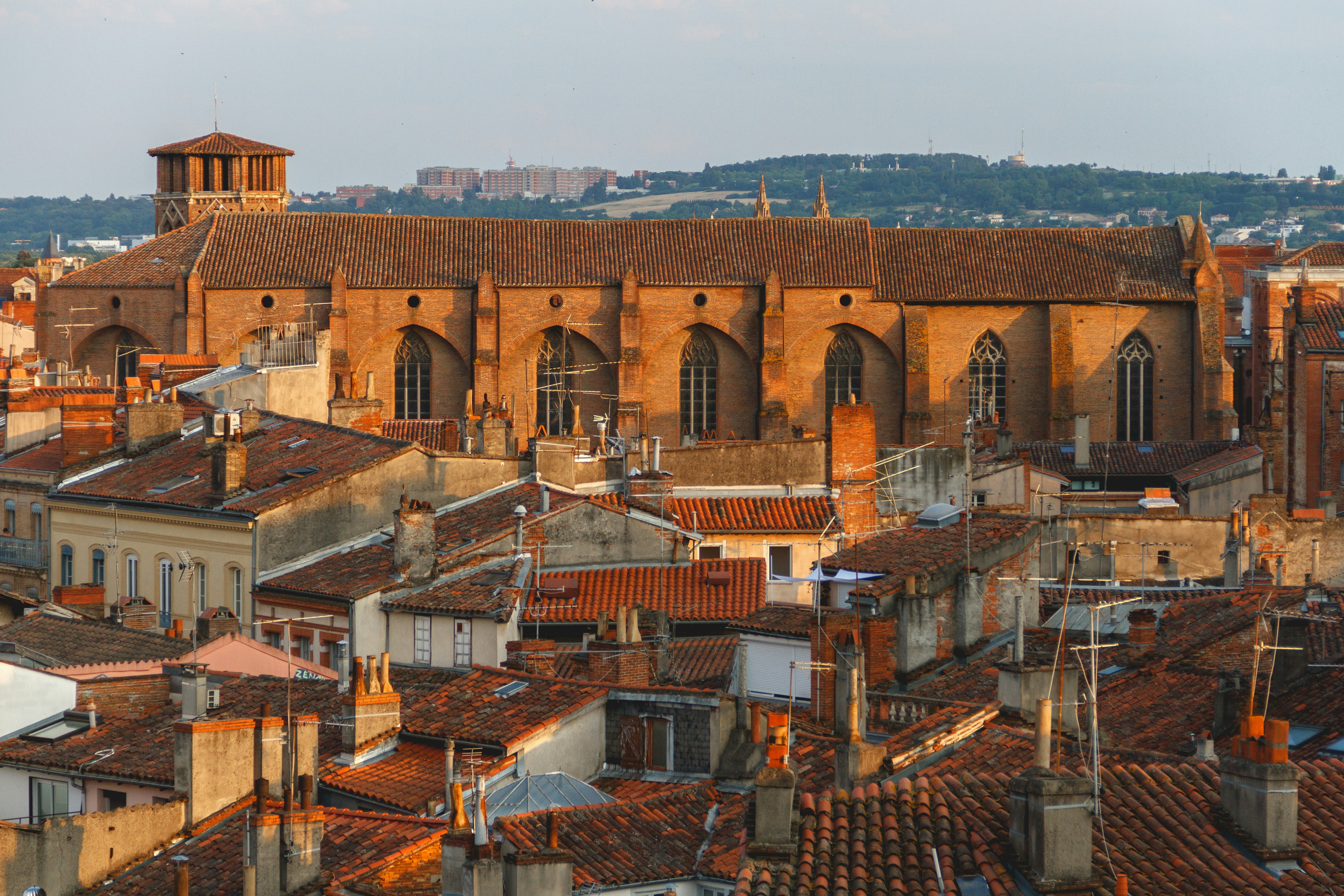
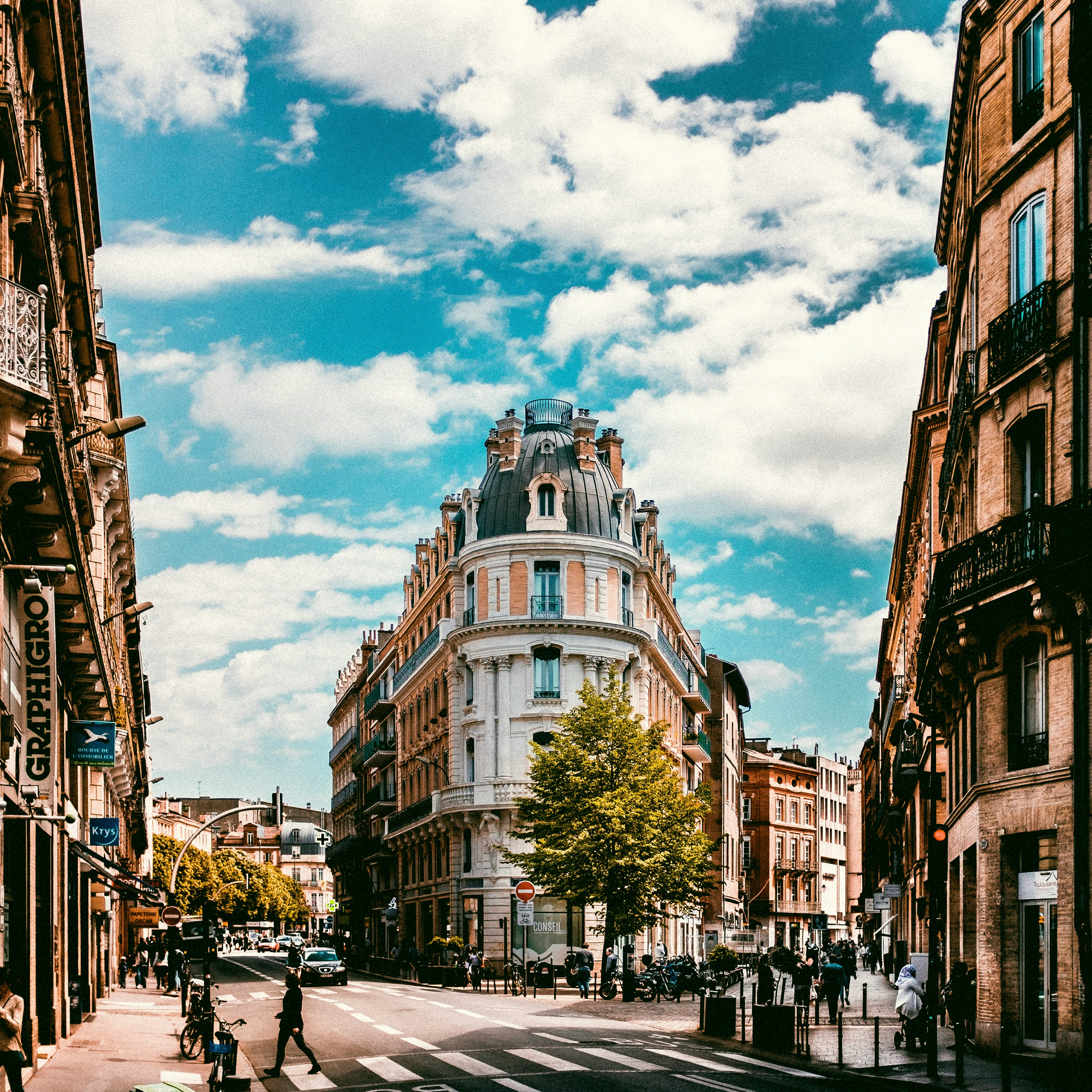
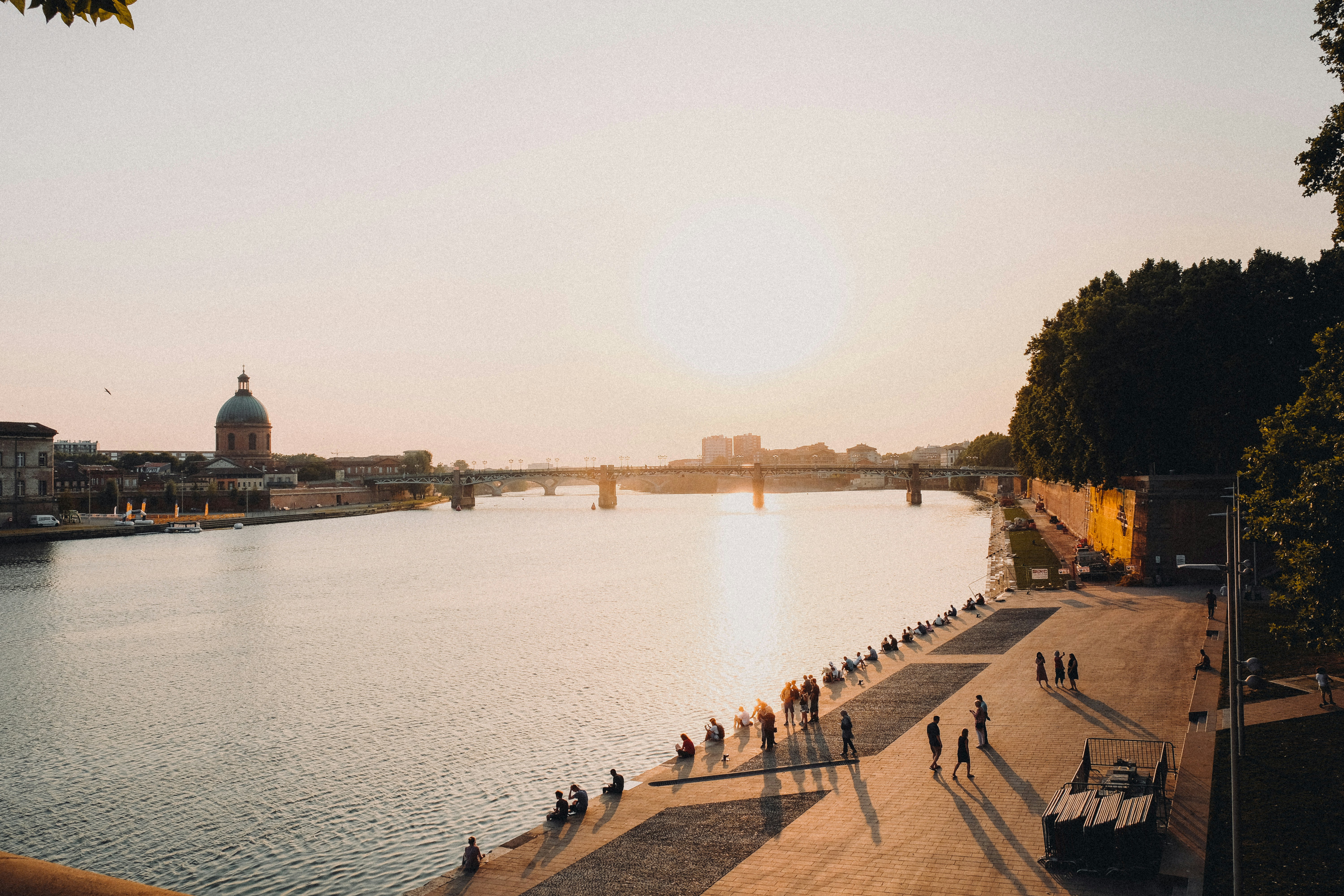
Toulouse glows with an ancient red: the fired brick from which the old city's palaces are built has earned it the nickname «Ville Rose», and at sunset this shade ignites with hues ranging from flesh-pink to burnt orange. Capital of Occitania, it is France's fourth city by population and one of its most dynamic: home to the country's most attended university campus and to the European aerospace industry (Airbus has its main facilities here), Toulouse combines tradition and technology with ease. The Basilica of Saint-Sernin is the largest Romanesque building in the world and a masterpiece on the pilgrimage road to Santiago; the Capitole — the city hall with its grand square — is the beating heart of social life. The Victor Hugo market and the bodegas on rue du Taur are fragrant with cassoulet — the region's emblematic dish, with white beans, duck confit and Toulouse sausage — and Frontonnais rosé.
Auto
Giorno 3 — Toulouse → Cahors
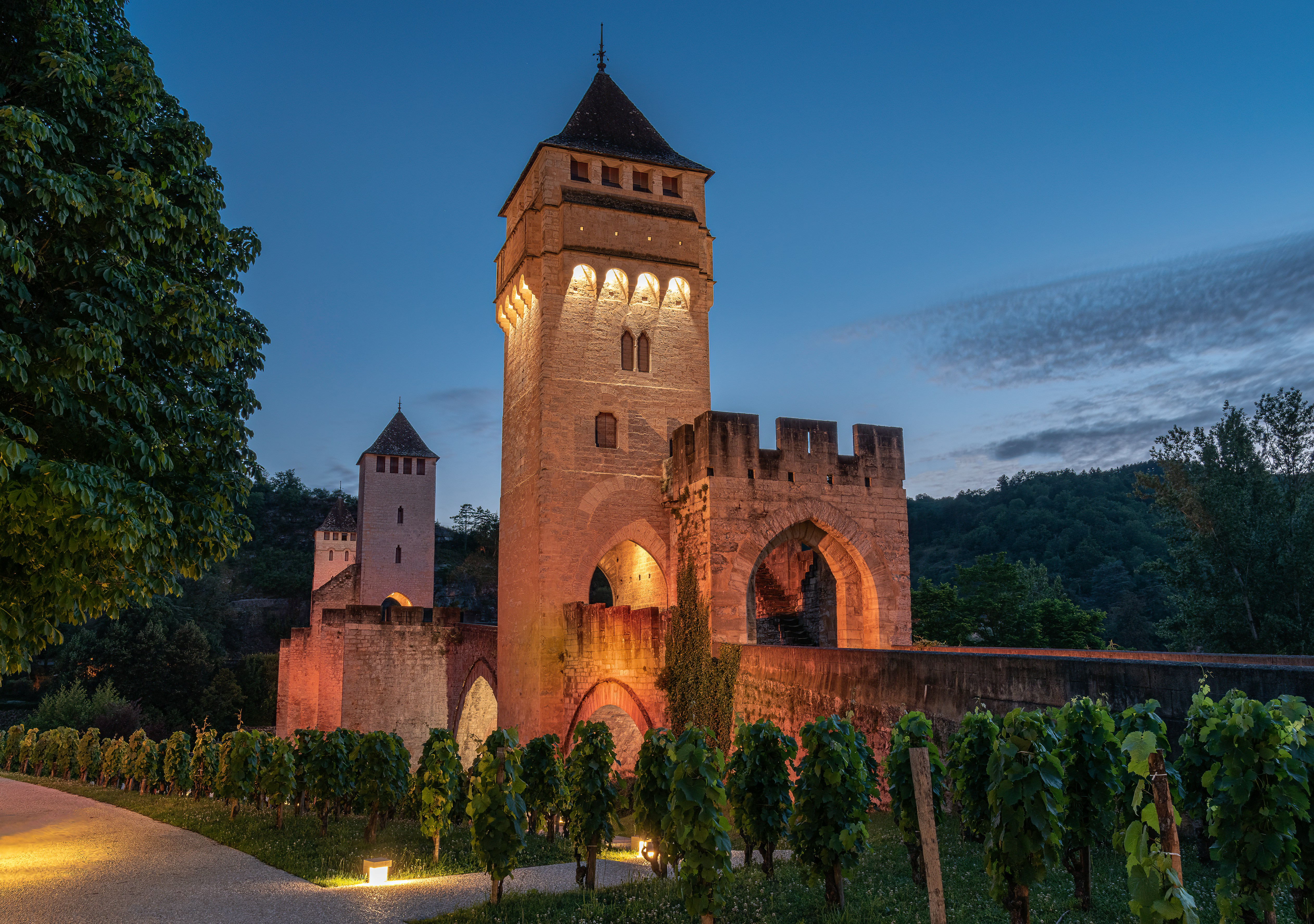
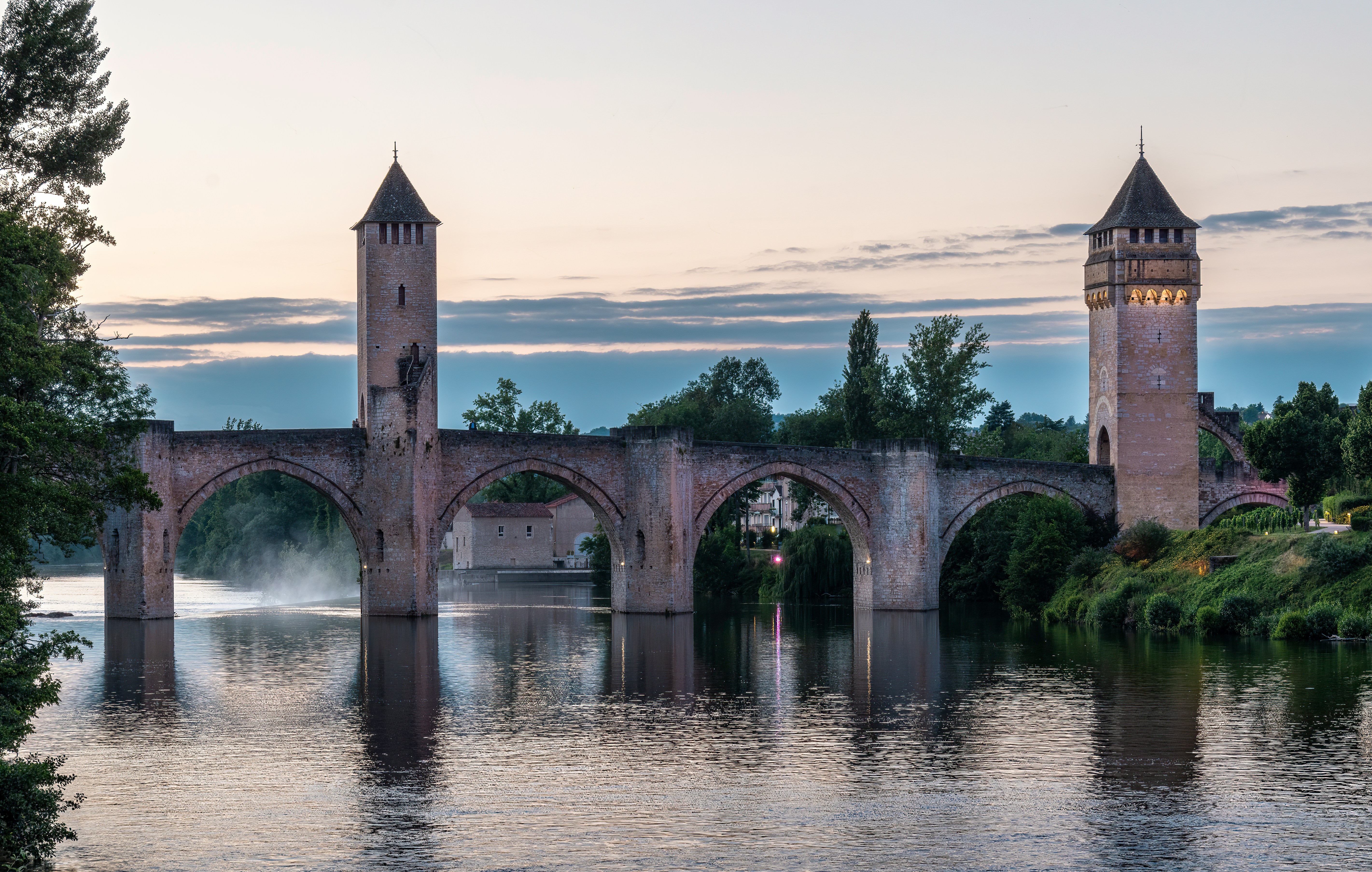
Cahors occupies an almost complete meander of the Lot river, enclosed on three sides by water like a natural fortress in the heart of the Quercy Noir. The Pont Valentré, with its three medieval towers, is the city's symbol and one of the most photographed medieval bridges in Europe. The city is celebrated for its black wine, Cahors AOC based on Malbec, considered one of the most full-bodied reds in south-western France. The Saint-Étienne cathedral features a sculpted portal of remarkable quality and quiet Romanesque cloisters. The Saturday morning market is a lively affair with black truffles from the Périgord, hazelnuts and Lot cheeses.
Auto
Giorno 4 — Cahors → Figeac
Figeac is a medieval town on the Célé river in the Lot, owing part of its worldwide fame to an illustrious native son: Jean-François Champollion, the decipherer of Egyptian hieroglyphics, was born here in 1790. His birthplace is now a museum dedicated to ancient Egypt, while the square outside is home to a giant-format copy of the Rosetta Stone, a work by Joseph Kosuth. The historic centre of pale sandstone and medieval dyeing halls (the Place des Écritures) forms one of the best-preserved medieval ensembles in Occitania. The narrow streets with their «soleilhos» — open loggia upper floors typical of this architecture — and craftsmen's workshops give the village a rare authenticity.
Auto
Giorno 8 — Gorges du Tarn, Causses & Cévennes → Albi
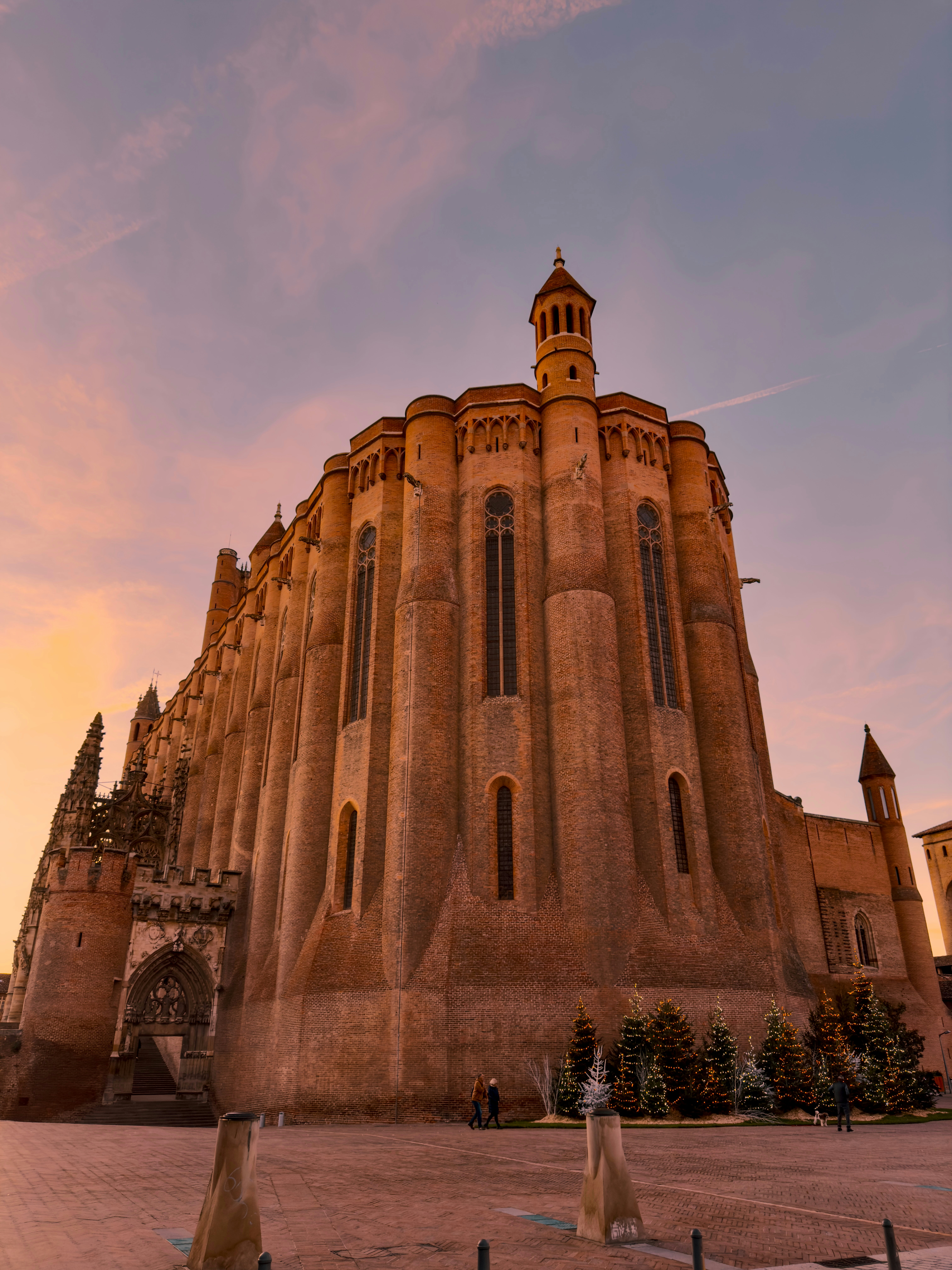
Albi rises on the banks of the Tarn like a cathedral of red brick that catches fire at sunset. The Cité épiscopale, with the fortress-cathedral of Sainte-Cécile and the Palais de la Berbie, is a UNESCO World Heritage Site and one of the most intact medieval ensembles in France. Sainte-Cécile is the largest brick cathedral in the world, its interior sheltering fifteenth-century frescoes and a Gothic choir of extraordinary refinement. The Musée Toulouse-Lautrec, housed in the Palais de la Berbie overlooking the river, holds the world's largest collection of works by the city's native artist. The lanes of the historic centre, with their shops and restaurants serving cassoulet and foie gras, complete an authentic and unforgettable experience.
Auto
Giorno 9 — Albi → Carcassonne
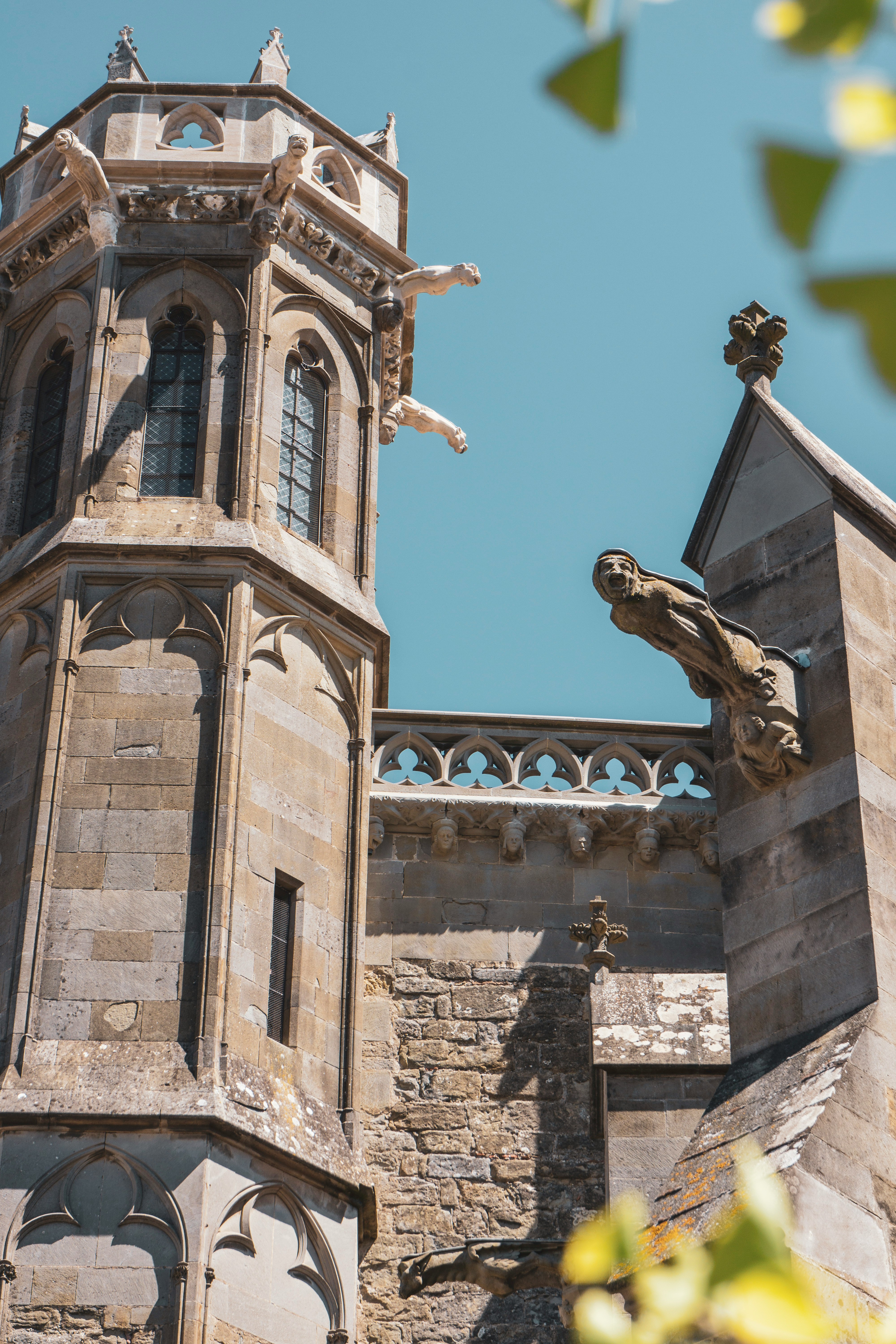
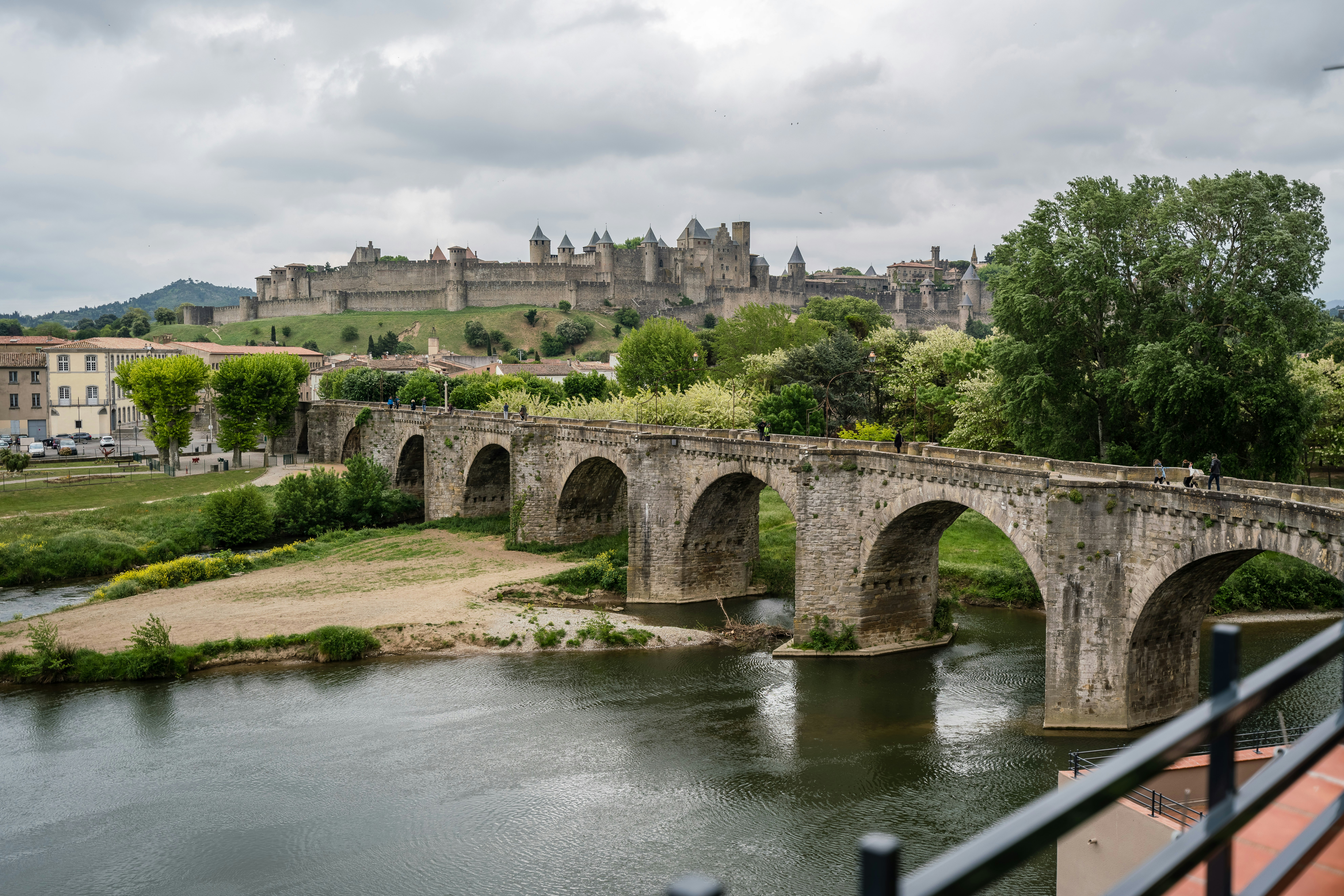
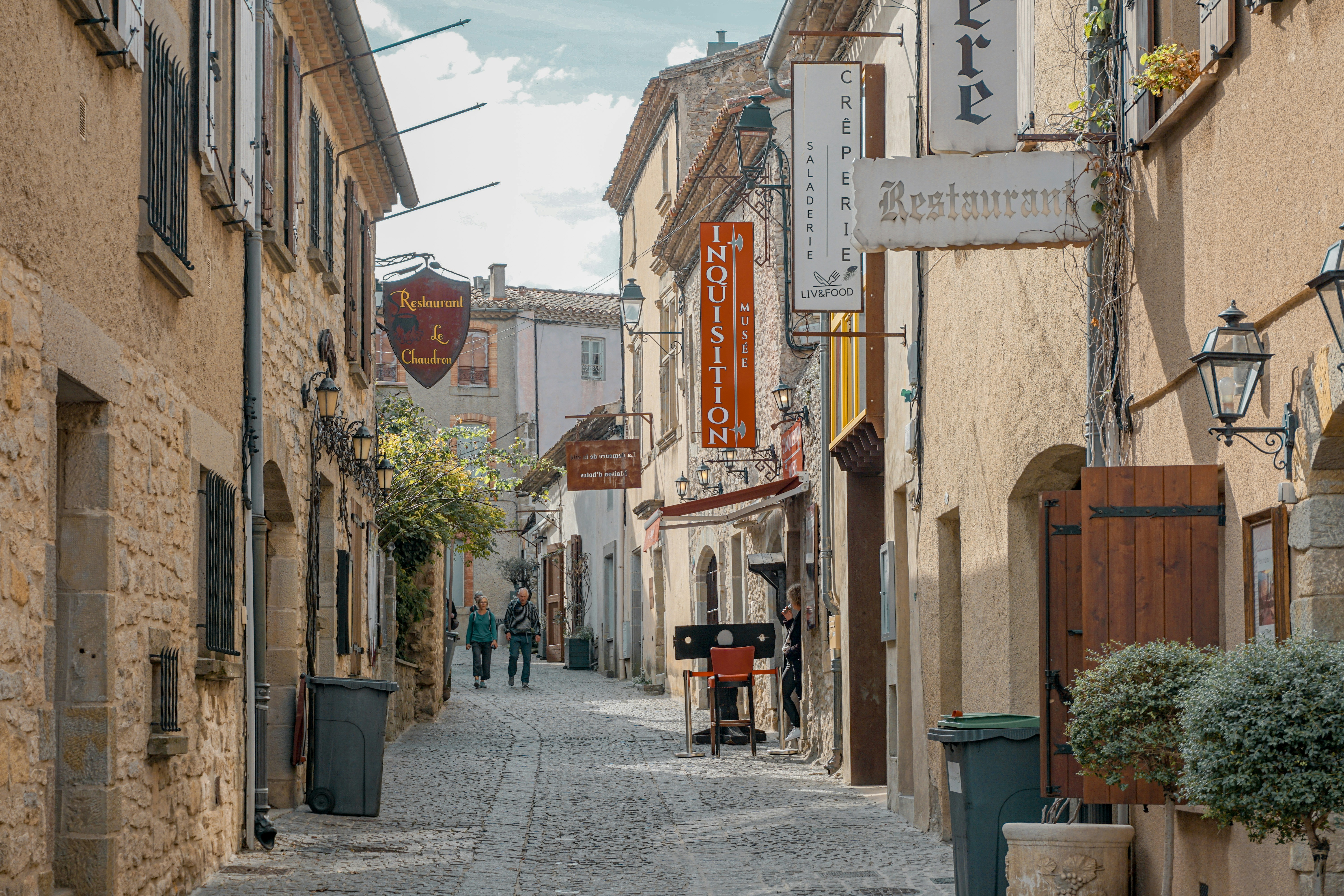
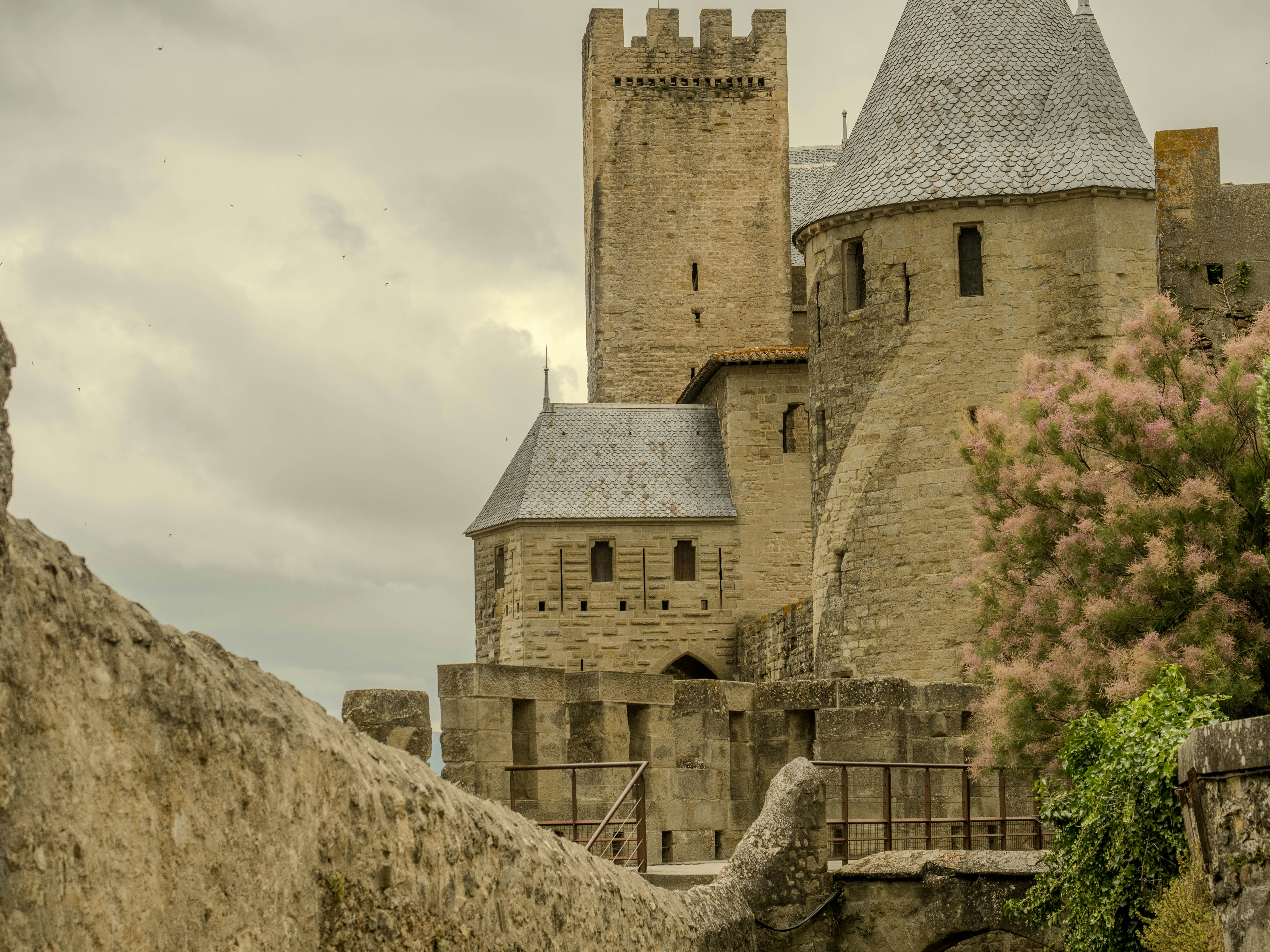
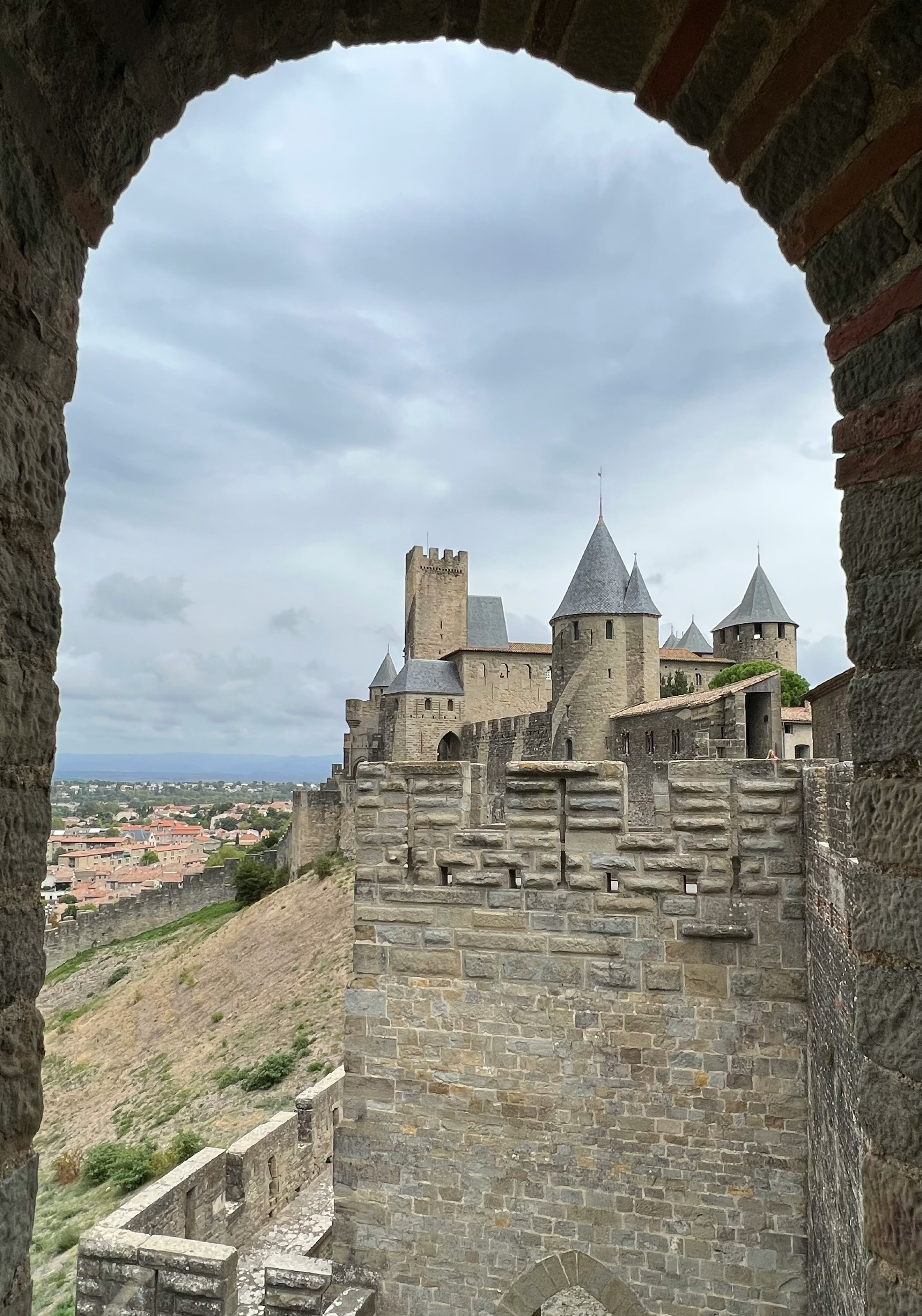
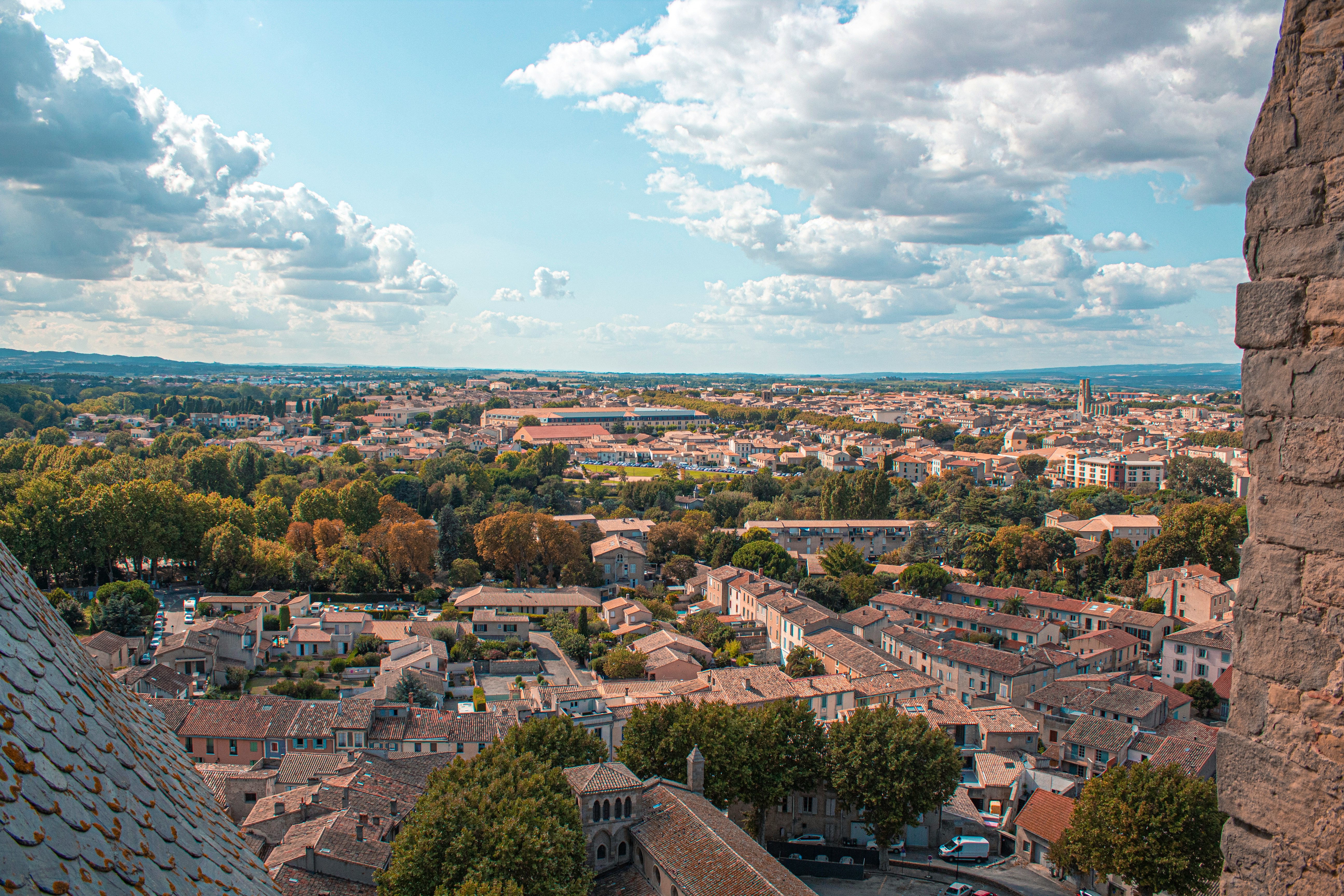
Carcassonne is a medieval city preserved intact as if in a dream: the Cité, with its 52 towers, double ring of ramparts and the Trencavel comital castle, is one of France's most visited UNESCO sites and one of the best-preserved examples of medieval military architecture in the world. Seen from outside — especially in the evening, when floodlights tinge it gold — it seems lifted from a fairy tale, but inside it thrums with life: restaurants, craft shops, the arena theatre and the Basilica of Saint-Nazaire, with its thirteenth- and fourteenth-century Gothic stained glass. The «Ville Basse», founded by Louis IX after the destruction of 1240, has its own secular charm with markets, the Canal du Midi (UNESCO Heritage) and the wines of the Corbières appellation. Carcassonne's cassoulet — white beans with duck confit, sausage and pork rind — is one of the most celebrated variants of Occitania's emblematic dish.