Occitanie: from Toulouse to Montpellier, the Mediterranean, Carcassonne and the Canal du Midi
Suggested Itineraries8 Giorni
Toulouse, France
Toulouse›Carcassonne›Narbonne›Montpellier
Occitanie: from Toulouse to Montpellier, the Mediterranean, Carcassonne and the Canal du Midi — NAAR
Itinerary
Giorno 1 — Toulouse
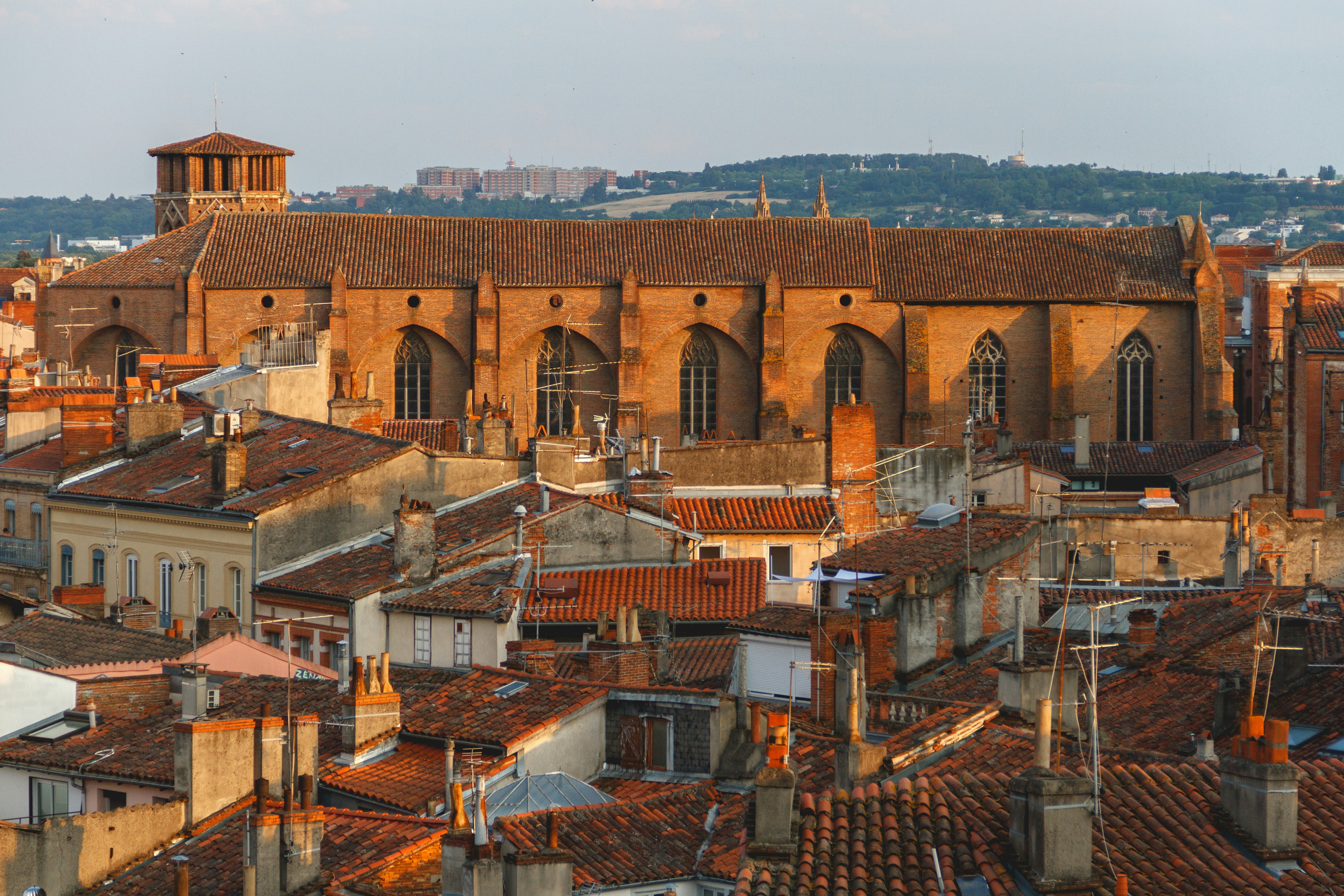
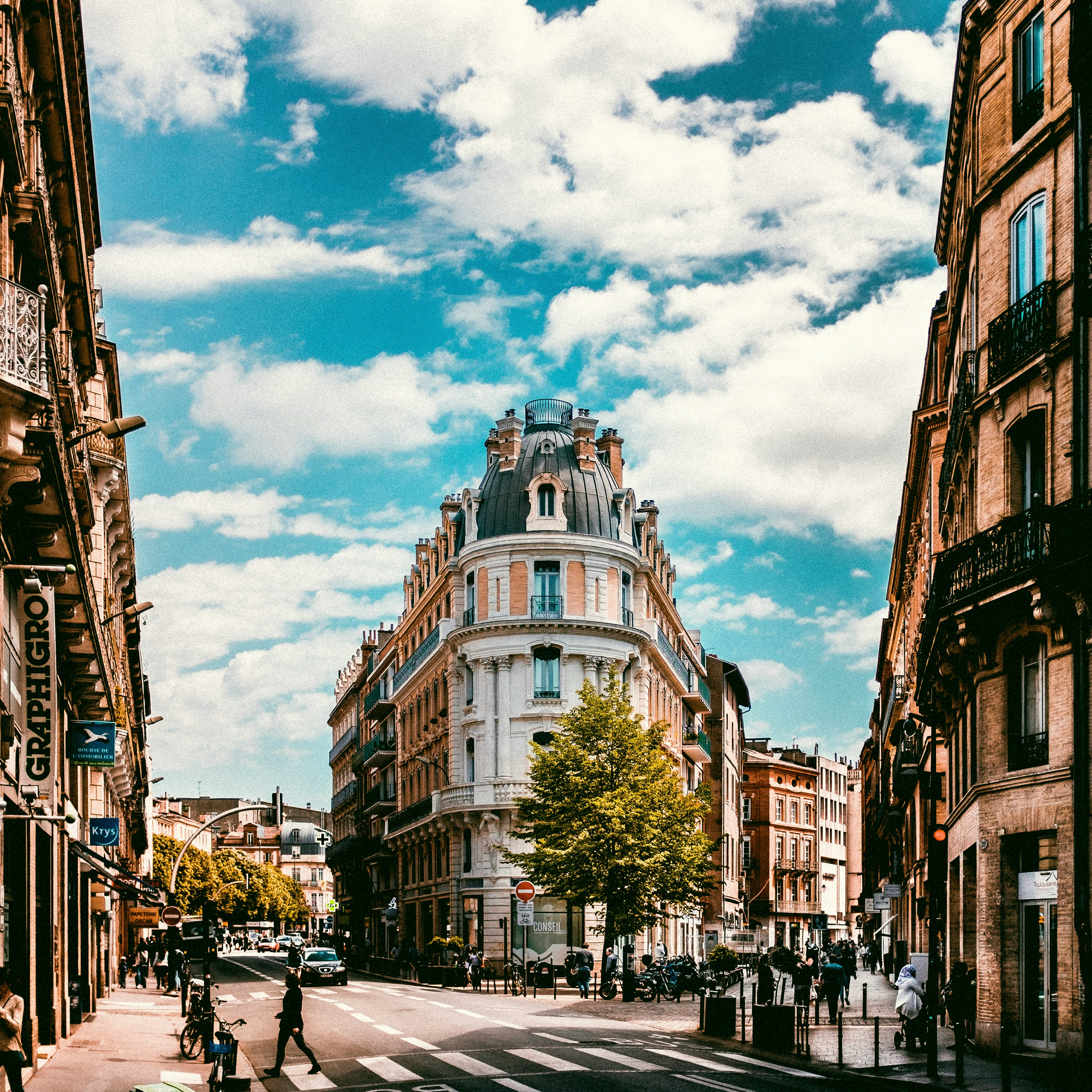
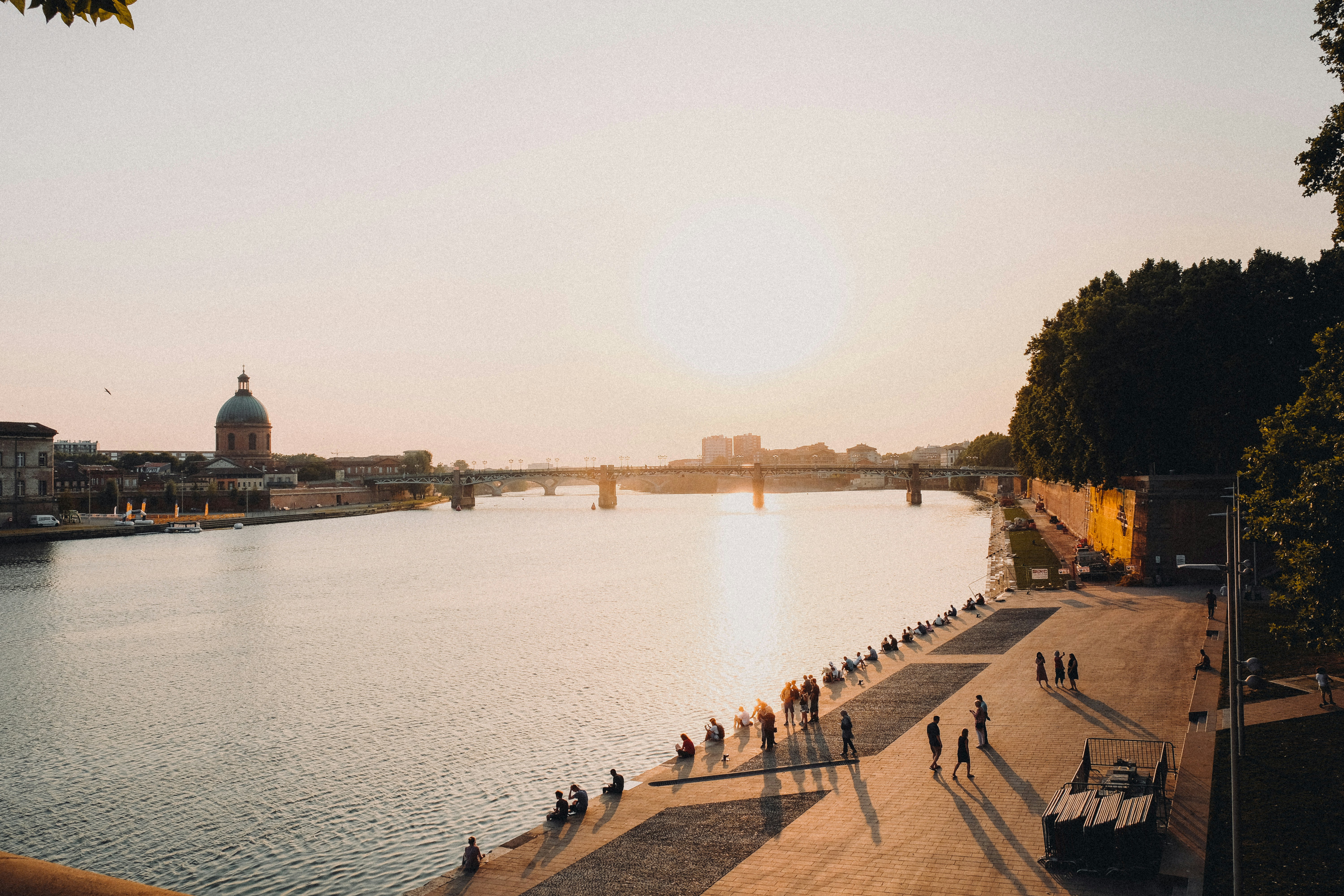
Toulouse glows with an ancient red: the fired brick from which the old city's palaces are built has earned it the nickname «Ville Rose», and at sunset this shade ignites with hues ranging from flesh-pink to burnt orange. Capital of Occitania, it is France's fourth city by population and one of its most dynamic: home to the country's most attended university campus and to the European aerospace industry (Airbus has its main facilities here), Toulouse combines tradition and technology with ease. The Basilica of Saint-Sernin is the largest Romanesque building in the world and a masterpiece on the pilgrimage road to Santiago; the Capitole — the city hall with its grand square — is the beating heart of social life. The Victor Hugo market and the bodegas on rue du Taur are fragrant with cassoulet — the region's emblematic dish, with white beans, duck confit and Toulouse sausage — and Frontonnais rosé.
Auto
Giorno 3 — Toulouse → Carcassonne
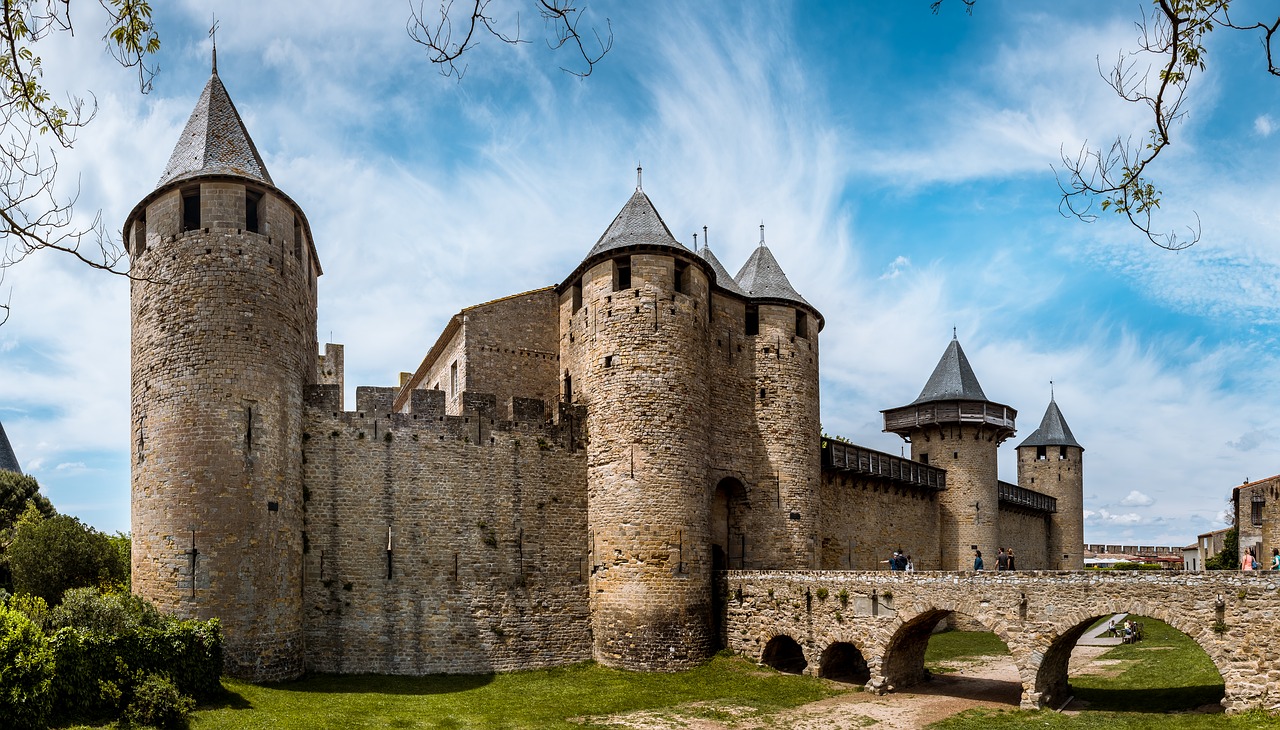
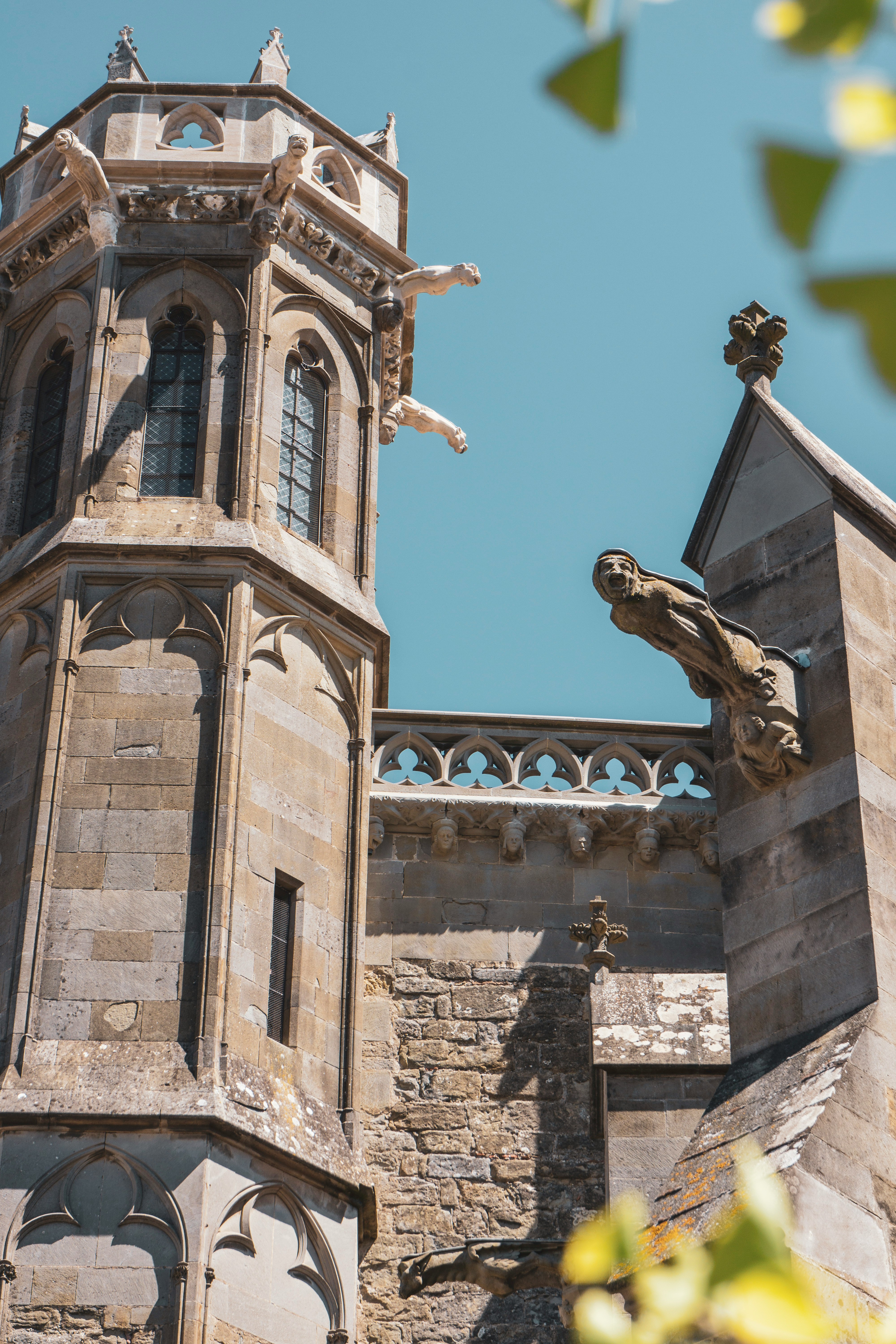
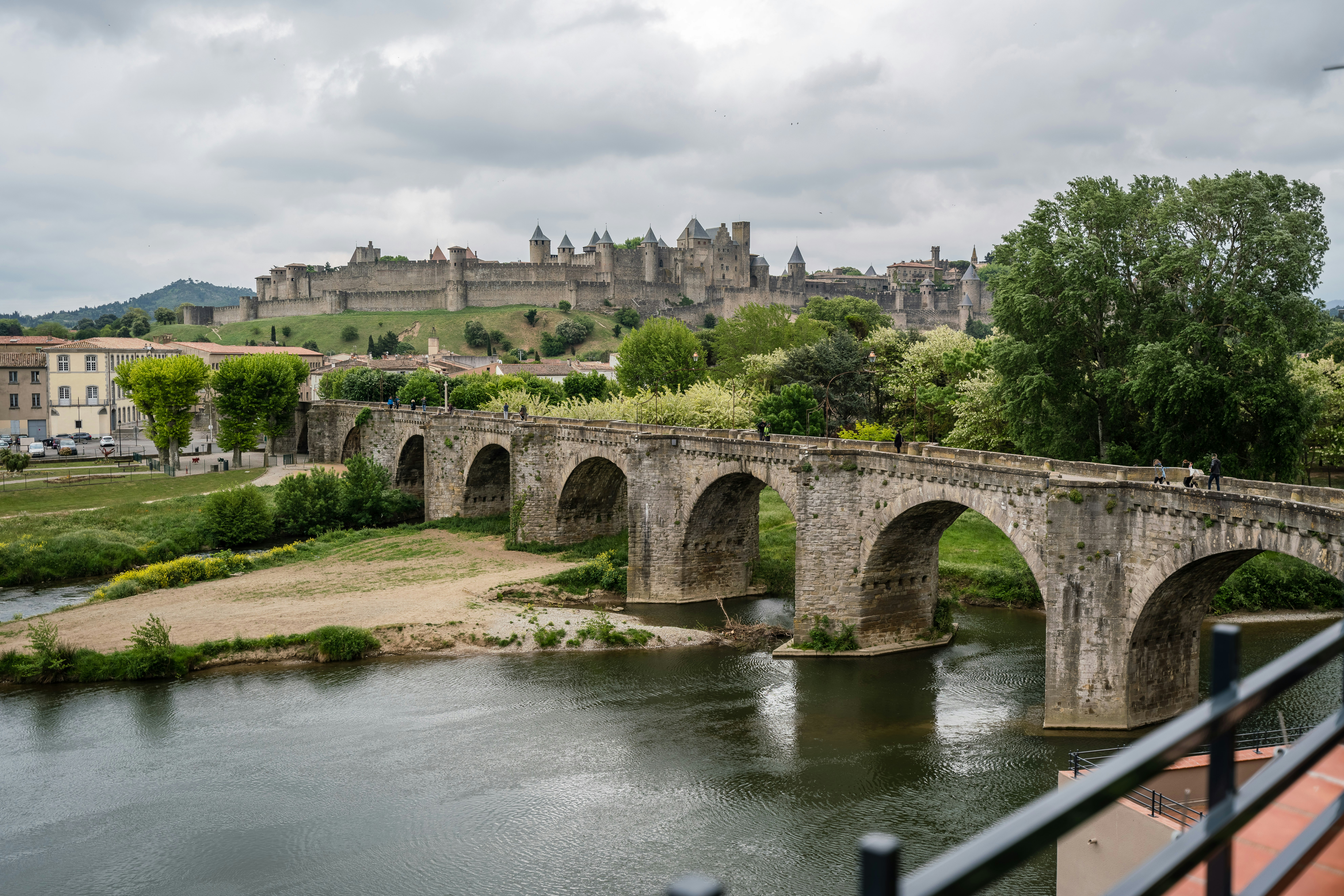
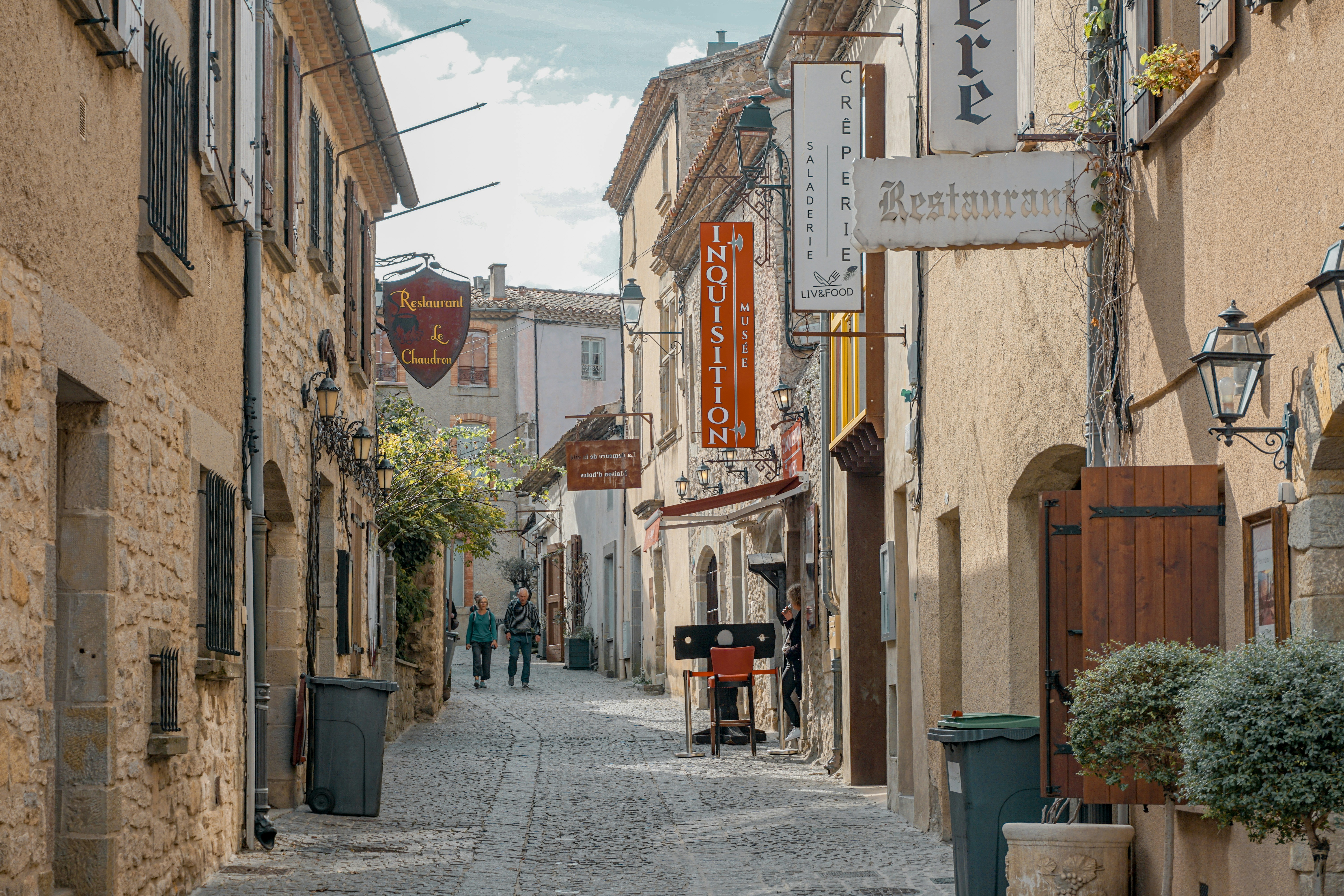
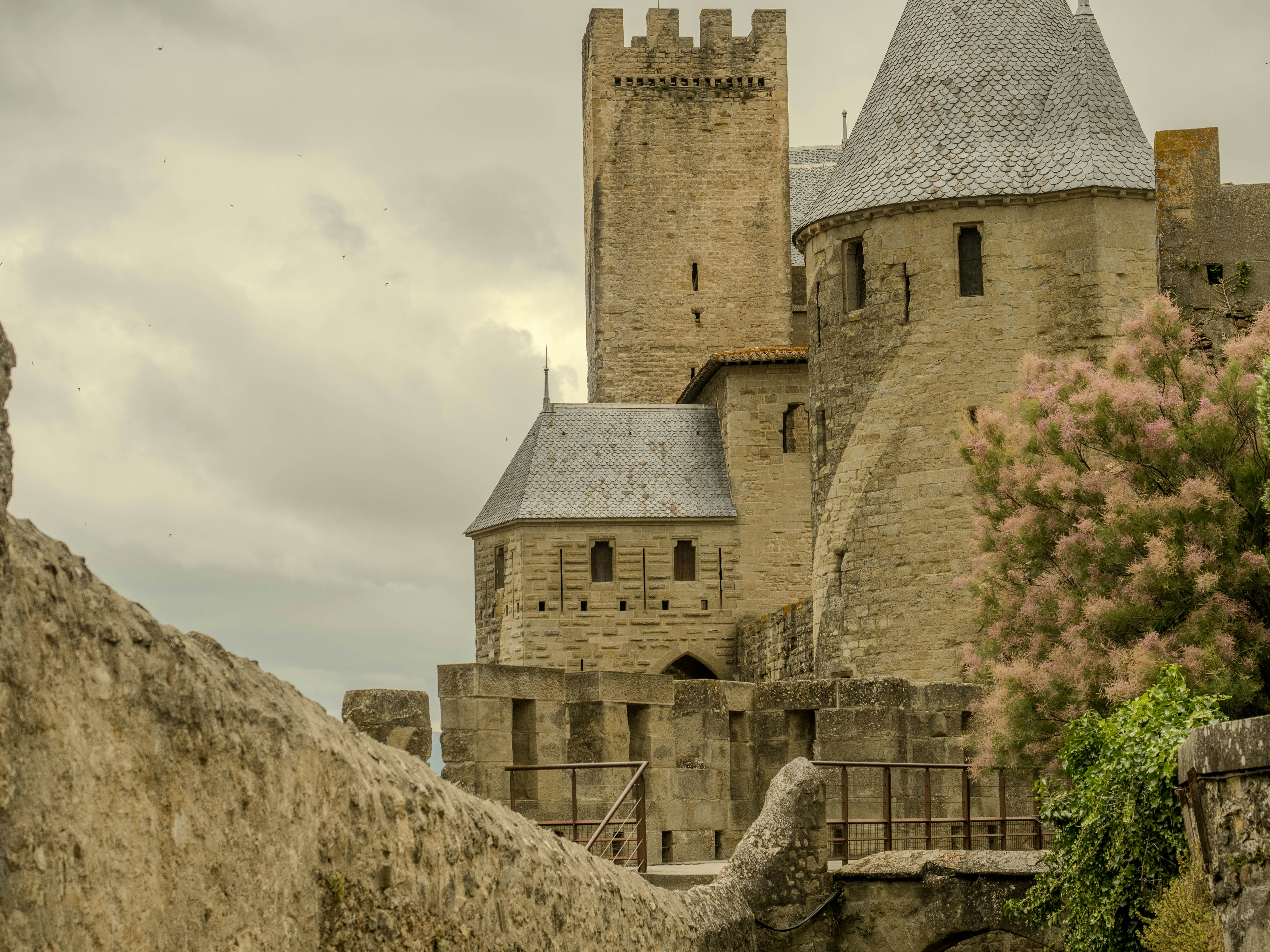
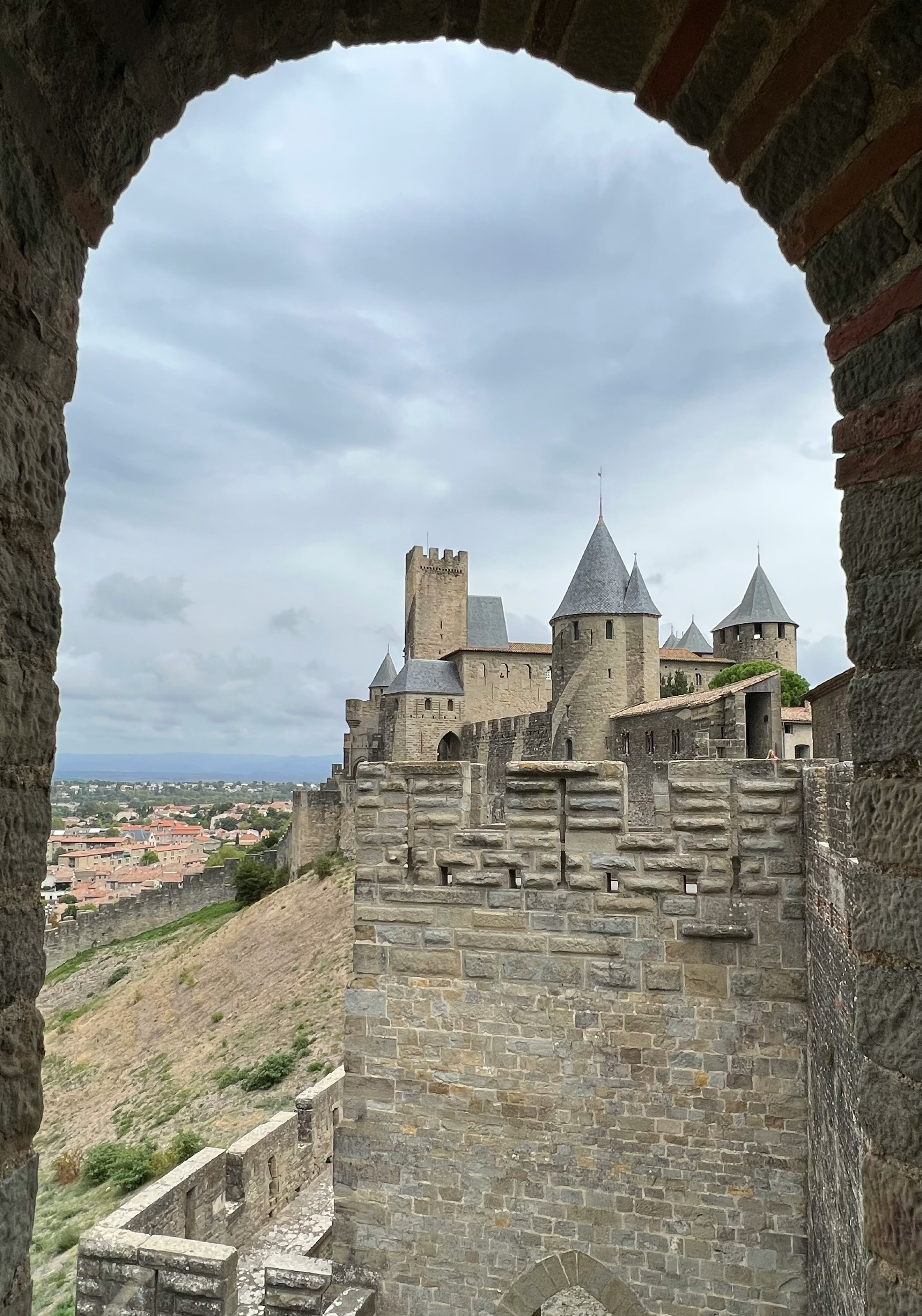
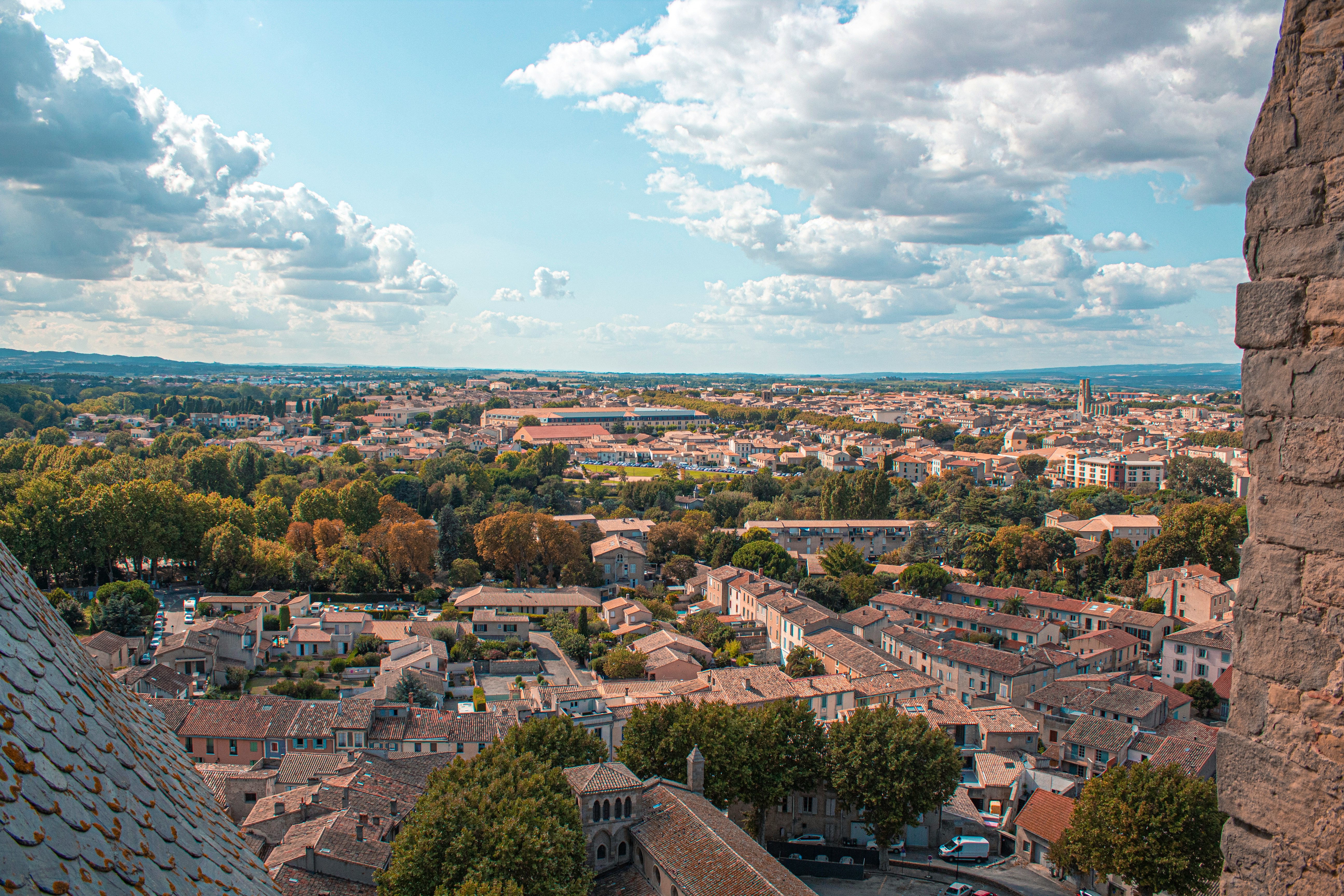
Carcassonne is a medieval city preserved intact as if in a dream: the Cité, with its 52 towers, double ring of ramparts and the Trencavel comital castle, is one of France's most visited UNESCO sites and one of the best-preserved examples of medieval military architecture in the world. Seen from outside — especially in the evening, when floodlights tinge it gold — it seems lifted from a fairy tale, but inside it thrums with life: restaurants, craft shops, the arena theatre and the Basilica of Saint-Nazaire, with its thirteenth- and fourteenth-century Gothic stained glass. The «Ville Basse», founded by Louis IX after the destruction of 1240, has its own secular charm with markets, the Canal du Midi (UNESCO Heritage) and the wines of the Corbières appellation. Carcassonne's cassoulet — white beans with duck confit, sausage and pork rind — is one of the most celebrated variants of Occitania's emblematic dish.
Auto
Giorno 4 — Carcassonne → Narbonne
Narbonne is one of the oldest cities in Gaul, founded by the Romans in 118 BC as the capital of Gallia Narbonensis, and it still bears the marks of that ancient history at every turn. The Canal de la Robine, a UNESCO World Heritage Site, winds through the historic centre creating a unique riverside atmosphere, flanked by markets and cafés. The cathedral of Saint-Just-et-Saint-Pasteur, never completed for political reasons, astonishes with its soaring Gothic choir, among the tallest in France. The Archbishop's Palace houses museums of great interest, including major collections of Roman art. Narbonne is also an ideal starting point for the wines of the Corbières, the Mediterranean beaches and the Cistercian abbeys of the hinterland.
Auto
Giorno 5 — Narbonne → Montpellier
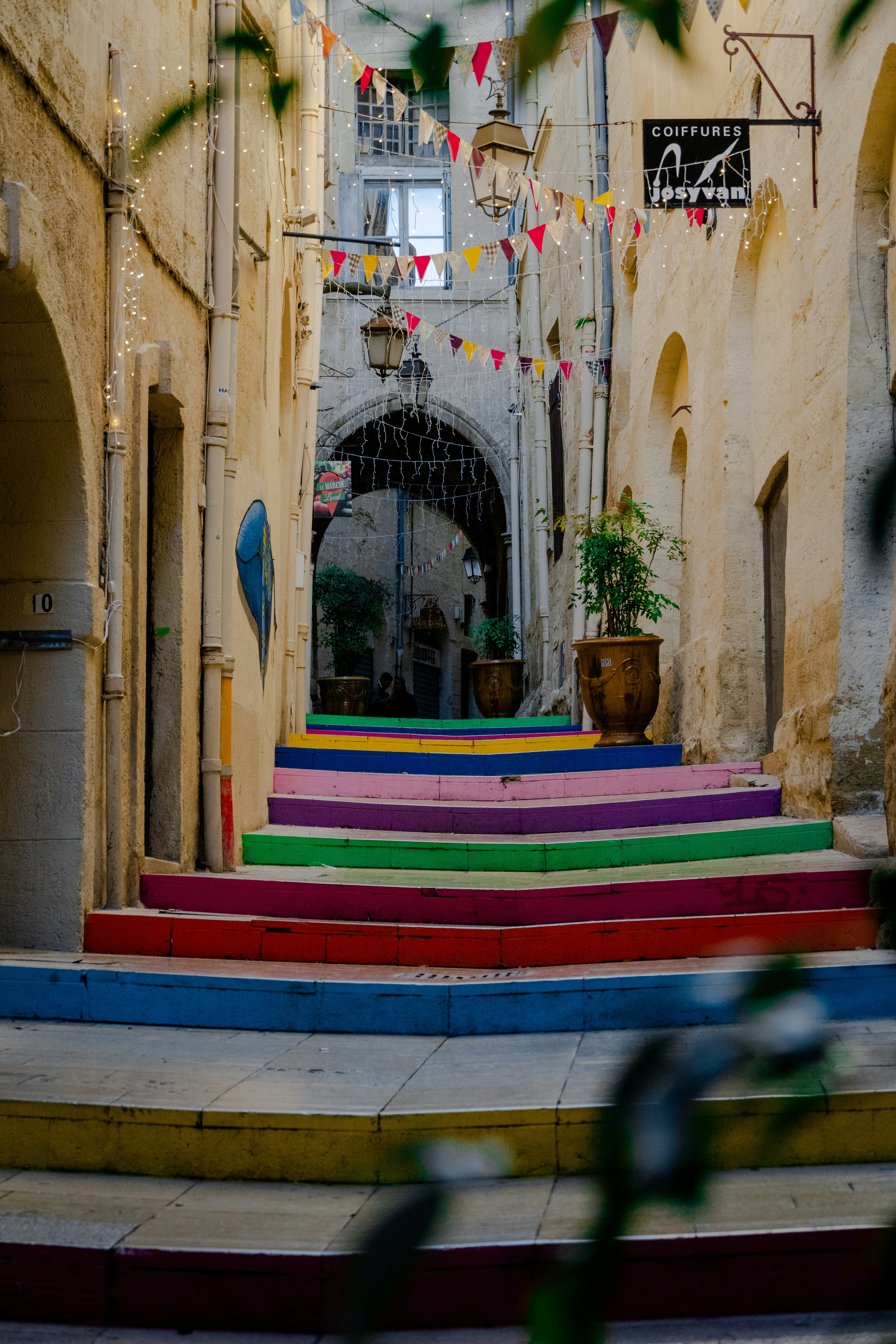
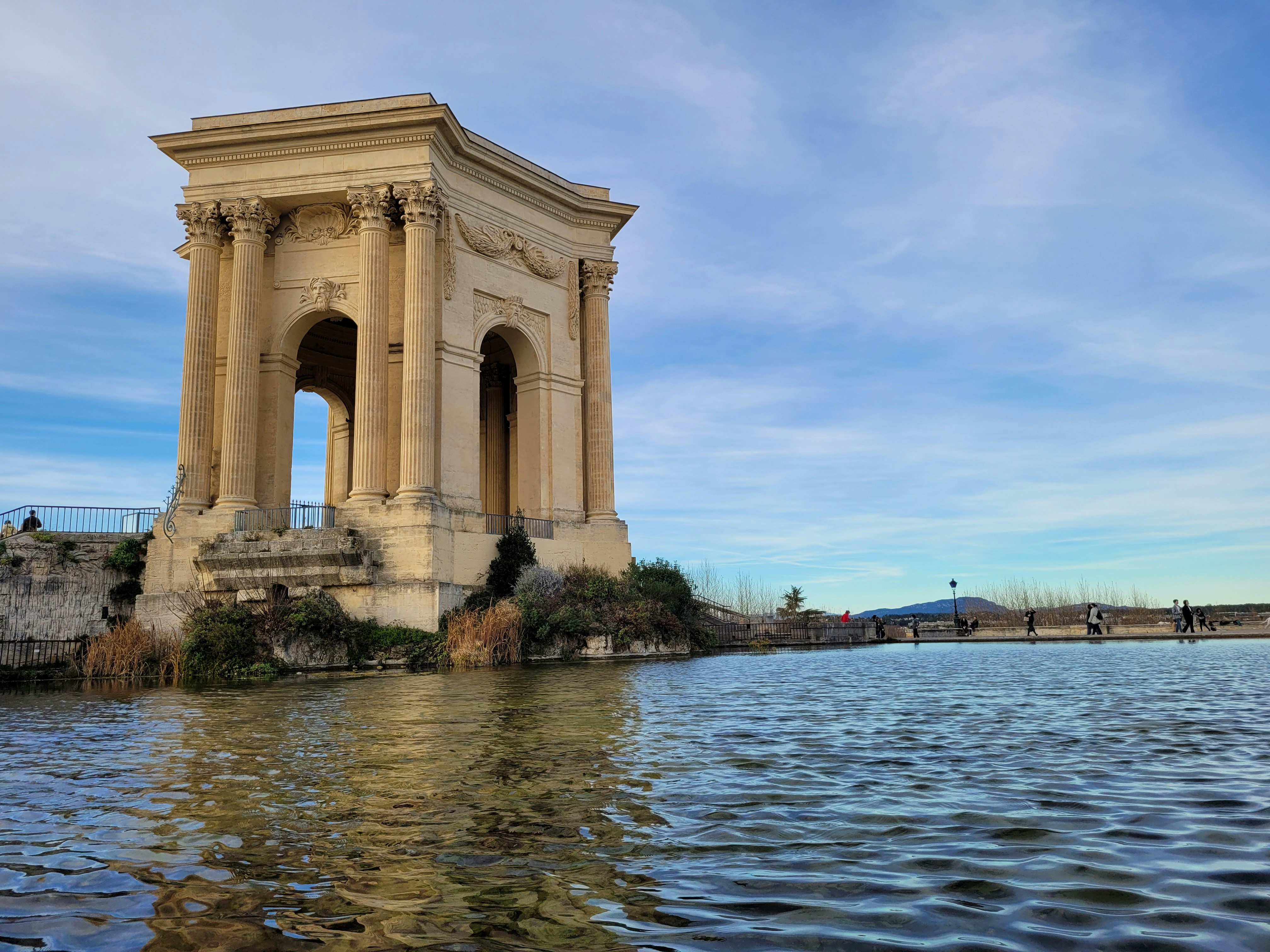
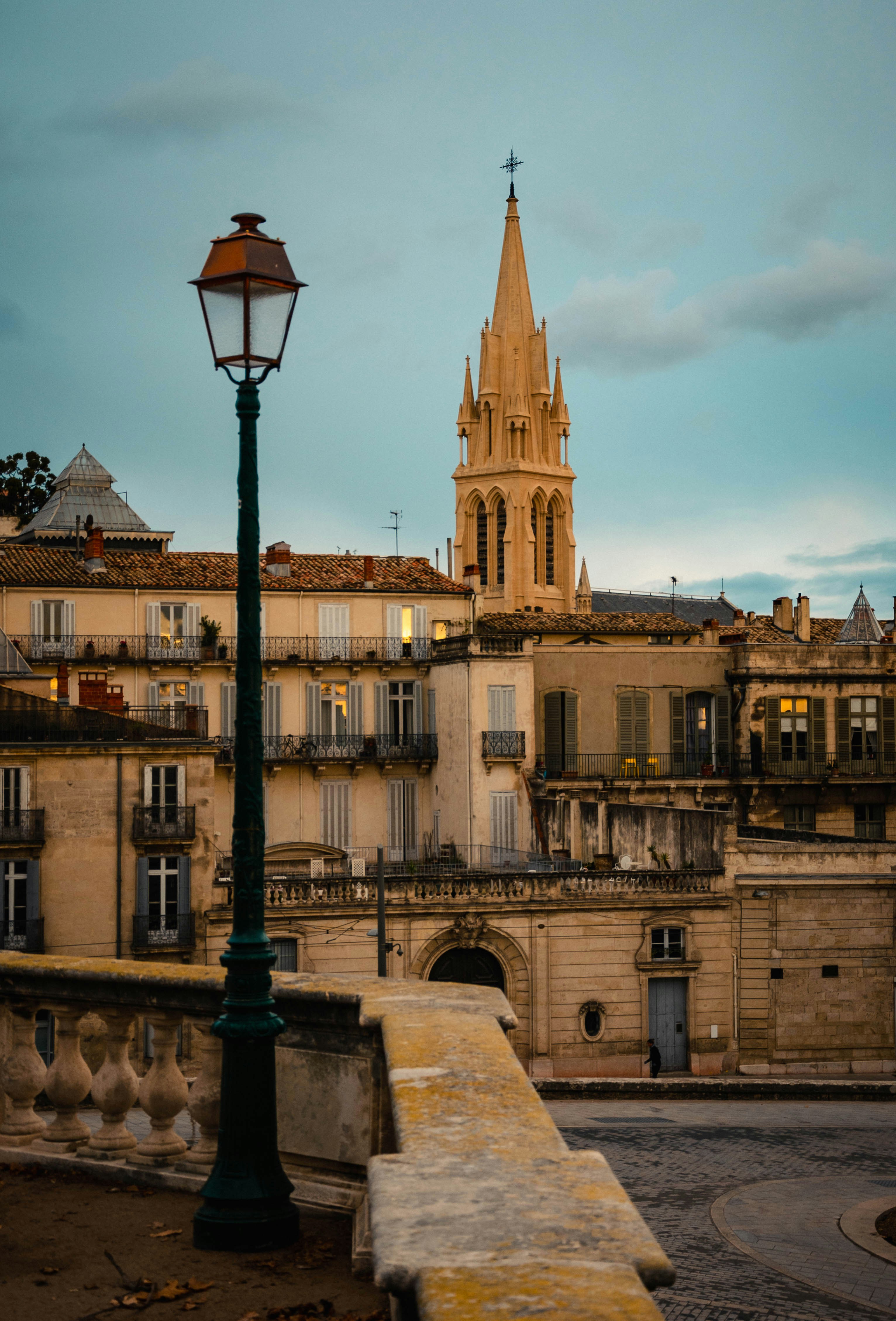
Montpellier is the youngest and most dynamic city in the South of France, a vibrant university town built around the grand Place de la Comédie and the tree-lined boulevards of the Écusson, its medieval historic centre. The medical faculty, founded in the twelfth century, is among the oldest in the world and has left its mark on the city's architecture and identity. The Antigone quarter, designed by Ricardo Bofill in the 1980s, displays the city's contemporary vocation with its neo-classical axis stretching to the Lez river. Museums, summer festivals, a rapidly evolving food scene and a modern tramway make Montpellier exceptionally liveable. The beach at Carnon and the Étang de l'Or are just a few kilometres away.