Reykjavík›Selfoss›Kirkjubæjarklaustur›Höfn›Egilsstaðir›Husavik+3 Altro
Riepilogo del tour
Durata11 Giorni / 10 notti
ItinerarioReykjavík → Reykjavík
Tappe9 Destinazioni
Itinerario del Tour
Caricamento mappa...
Grand tour of Iceland — NAAR
Itinerary
Giorno 1 — Reykjavík
Reykjavík is the world''s northernmost capital, a compact and colourful city spread between Faxaflói Bay and the snow-streaked profile of Mount Esja. The heart of city life beats along Laugavegur, the main shopping street, and through the lanes of the Old Town, where houses clad in corrugated iron painted red, yellow and turquoise crowd around Lake Tjörnin, alive with waterbirds. The skyline is dominated by Hallgrímskirkja, the Lutheran church with expressionist lines inspired by basalt columns, whose tower offers sweeping views over rooftops, sea and mountains. On the waterfront the Harpa concert hall and conference centre glitters behind a honeycomb glass façade that catches the northern light, while a little further on the Sólfar sculpture (the “Sun Voyager”) traces its steel skeleton against the fjord. Culture carries a weight out of all proportion to the city''s size: the National Museum of Iceland tells eleven centuries of history from the Vikings onward, the Reykjavík Art Museum and the studio-house of sculptor Einar Jónsson round out the picture, while live-music venues and famous cafés come alive on summer evenings, when the sun never sets. Reykjavík also runs on warm geothermal water: open-air pools such as Laugardalslaug are social institutions, and the geothermal beach at Nauthólsvík allows bathing even in winter. The city is the ideal base for the Golden Circle — Þingvellir, Geysir and the Gullfoss waterfall — and for trips in search of the northern lights or whales out in the bay. Between Nordic design, a cuisine that reinvents fish, lamb and foraged ingredients, and an outsized creative energy, Reykjavík is a vibrant gateway to the whole of Iceland.
Auto
Giorno 2 — Reykjavík → Selfoss
The main town of southern Iceland, Selfoss spreads along the banks of the Ölfusá river, crossed by a suspension bridge that has long been the town''s emblem. Grown as an agricultural and trading hub, it is today a convenient base for travellers driving Route 1 and the Golden Circle. The town centre, redeveloped around a square of buildings with façades rebuilt in traditional style, is home to cafés and shops, while all around stretch fertile plains dotted with farms and Icelandic horses. From here the Seljalandsfoss and Skógafoss waterfalls, the Geysir geothermal area and Þingvellir park are all within easy reach. Selfoss is a practical, peaceful base for exploring some of the country''s most famous natural wonders.
Auto
Giorno 3 — Selfoss → Kirkjubæjarklaustur
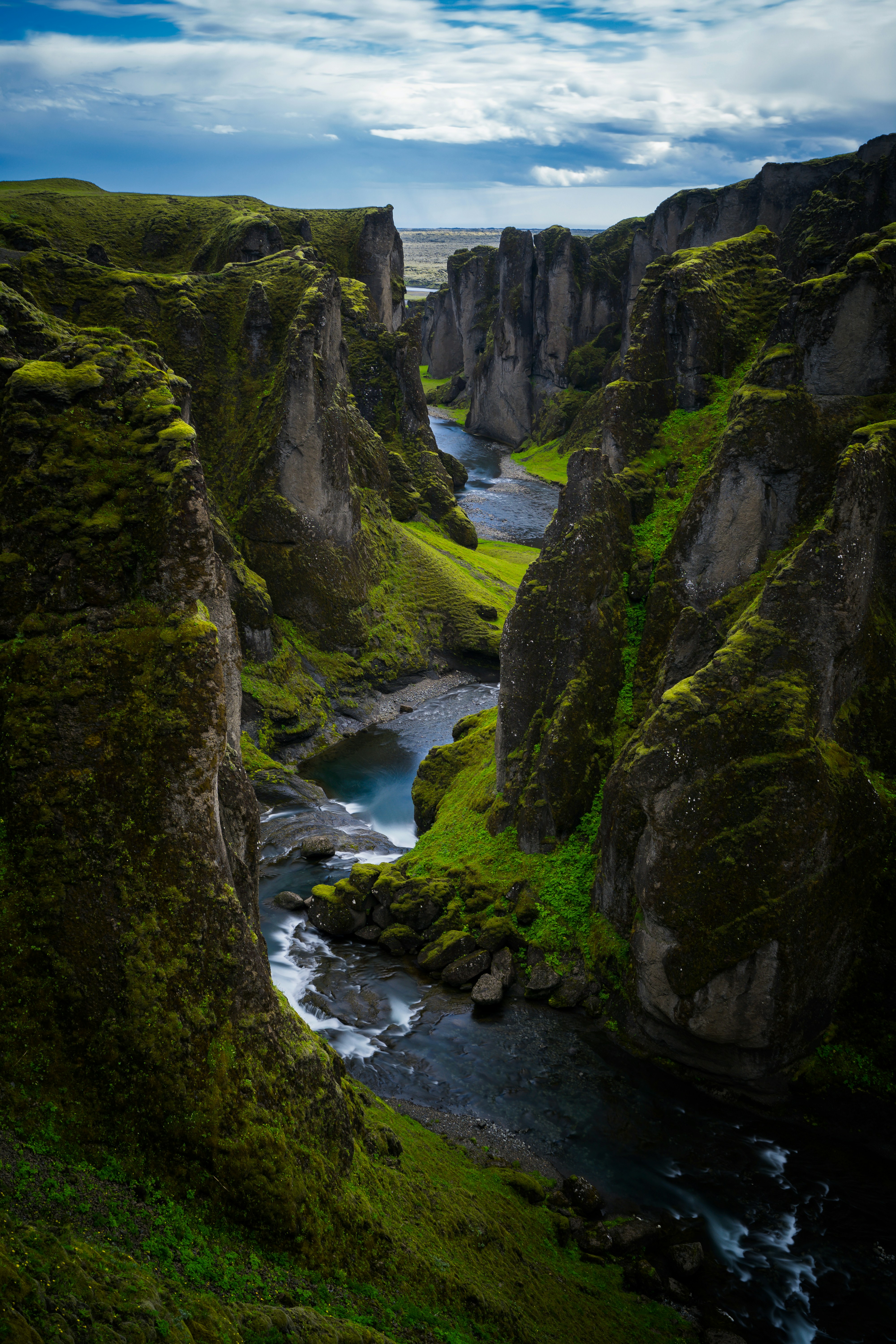
Kirkjubæjarklaustur, with its almost unpronounceable name often shortened to “Klaustur”, is a tiny village set among lava fields and waterfalls in southern Iceland, once the site of a medieval convent. Extraordinary geological curiosities cluster around it: the basalt pavement of Kirkjugólf, smoothed by time to resemble human paving, the Systrafoss waterfall and the Fjaðrárgljúfur canyon, a winding gorge of mossy walls carved by a river. The village is also the last outpost before the expanse of sand and lava of Skeiðarársandur, at the foot of Vatnajökull. Isolated and atmospheric, Klaustur is a natural stop along Route 1 between Vík and Höfn.
Auto
Giorno 4 — Kirkjubæjarklaustur → Höfn
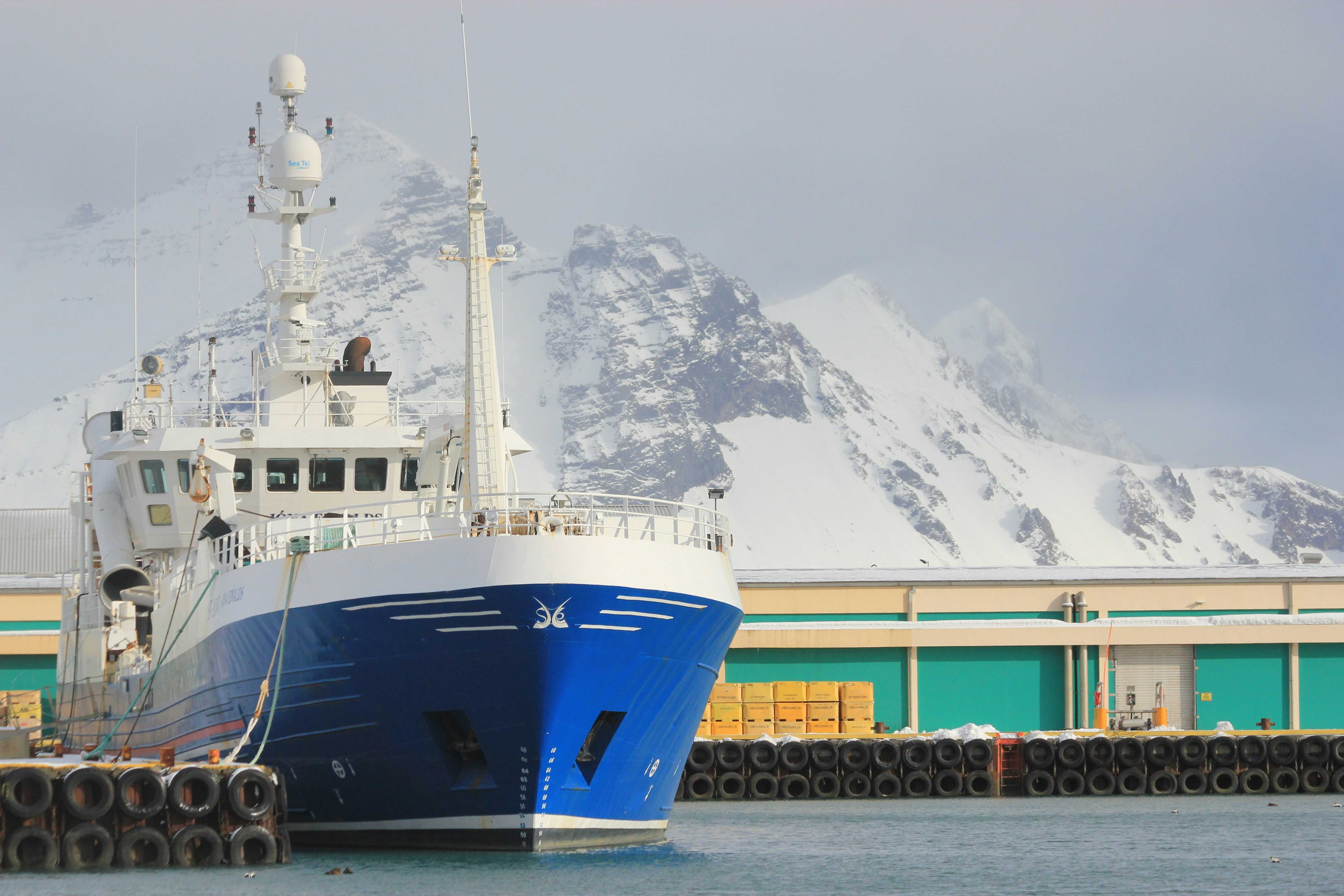
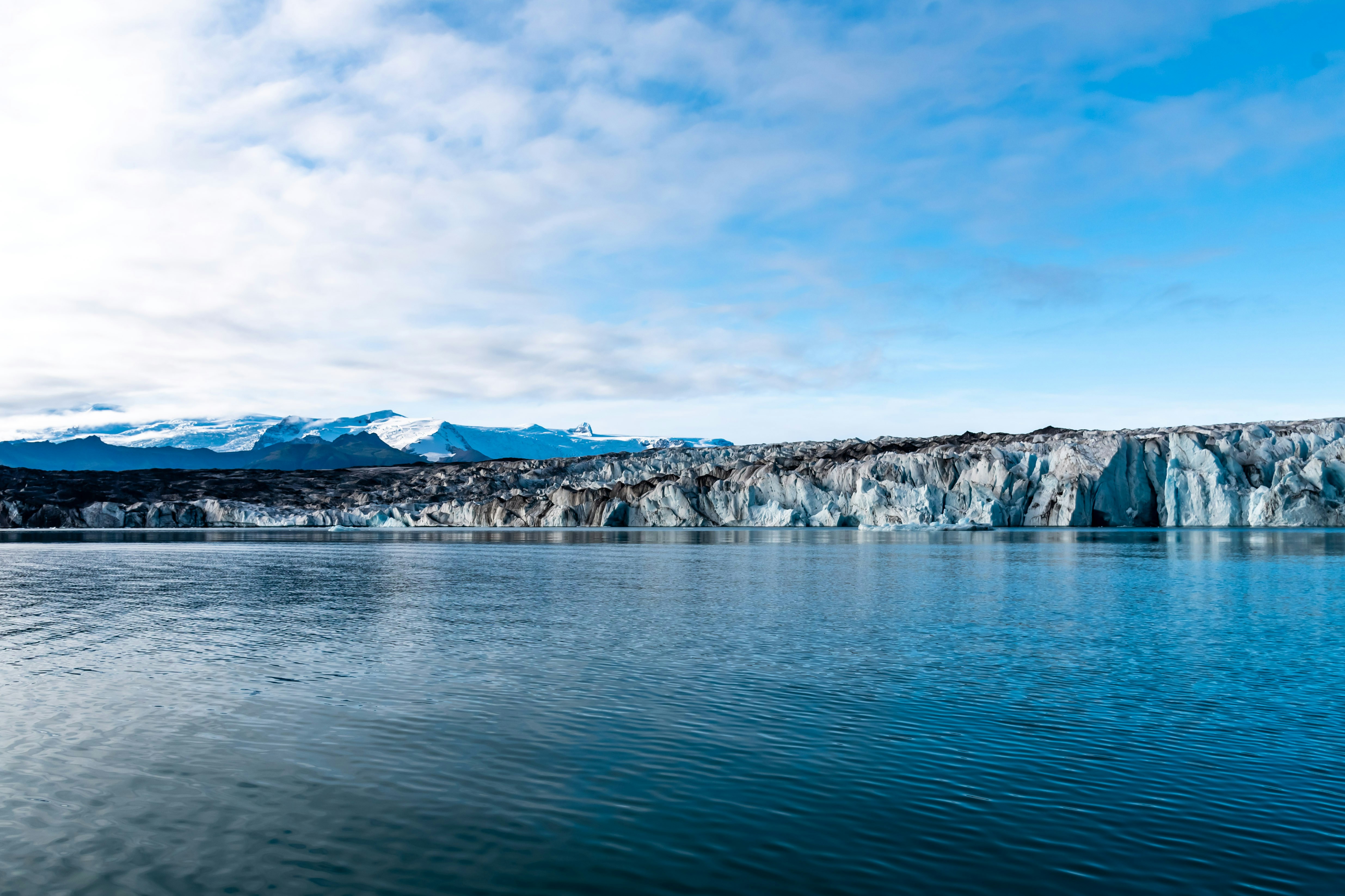
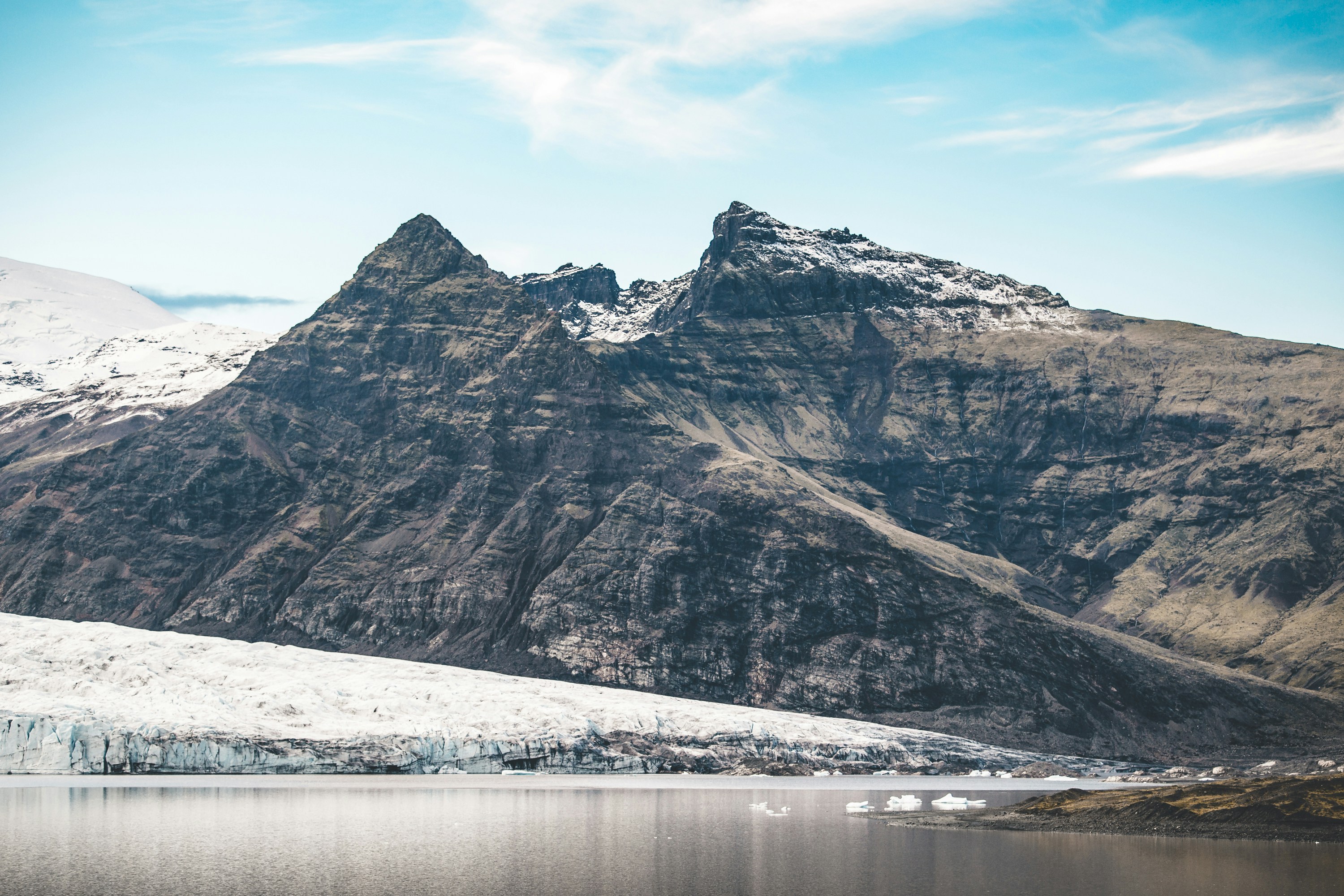
Höfn, whose name simply means “harbour”, looks out over the Hornafjörður lagoon with a dreamlike backdrop: the Vatnajökull ice cap and its glacial peaks. A lively fishing town, it is famous for its langoustine, the star of the annual Humarhátíð lobster festival. The waterfront and piers offer glimpses of the glacier mirrored in calm waters, while the harbour restaurants serve the day''s catch. Höfn is the eastern gateway to the UNESCO-listed Vatnajökull National Park and a convenient base for visiting the Jökulsárlón glacial lagoon and trying a glacier hike. Between sea and ice cap, it is a flavourful and scenic stop along Route 1.
Auto
Giorno 5 — Höfn → Egilsstaðir
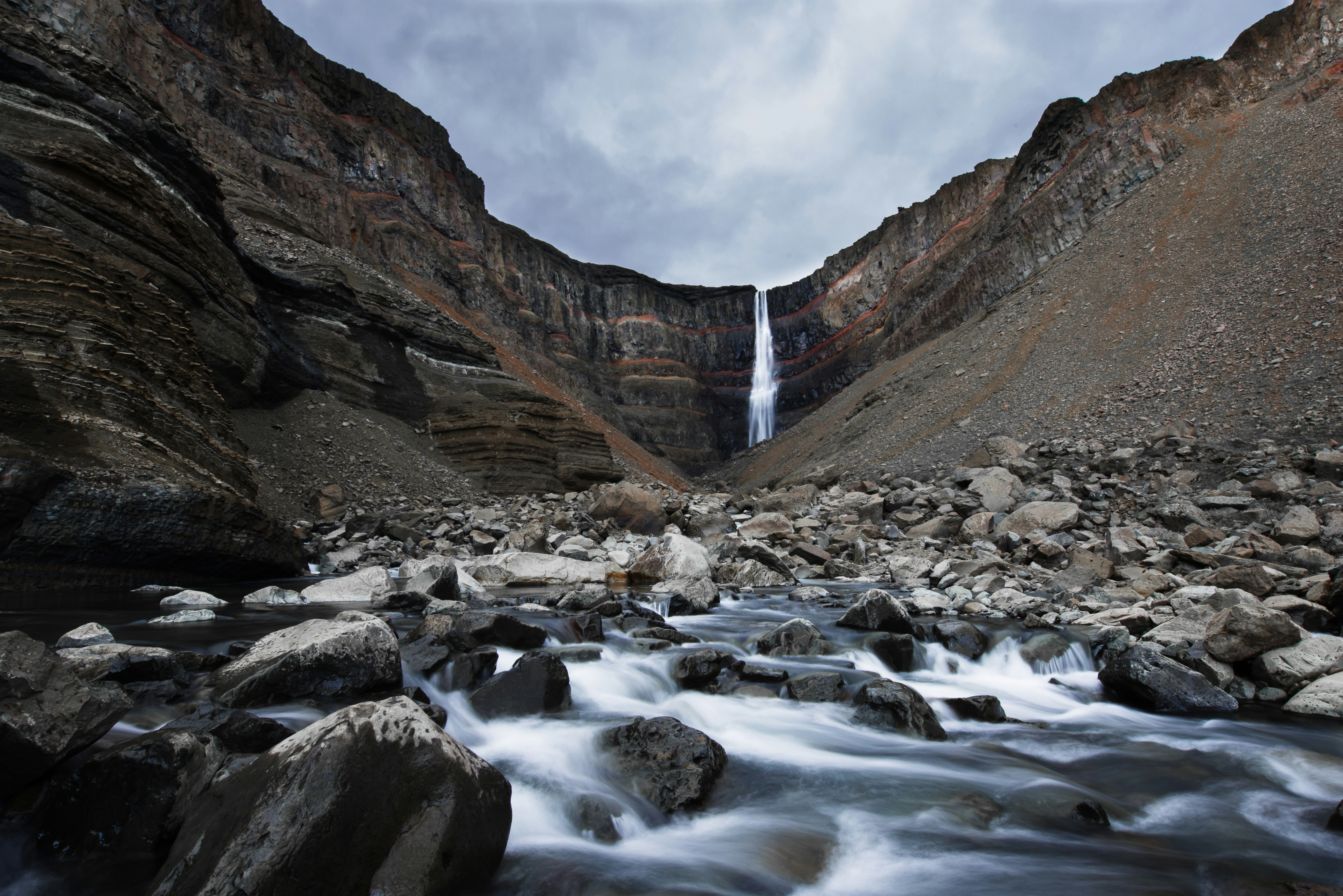
Egilsstaðir is the main town of eastern Iceland, founded relatively recently on the shores of Lake Lagarfljót, whose dark waters feed the legend of a water serpent, the Lagarfljótsormur. On the far side of the lake stretches Hallormsstaðaskógur, the country''s largest forest, a rare wooded space on an island almost without trees. A hub for regional roads and flights, the town is the gateway to the eastern fjords and their landscape of deep inlets and fishing villages. From here travellers reach the spectacular Hengifoss waterfall, with its red bands of clay, and picturesque Seyðisfjörður beyond the mountain pass. Egilsstaðir offers services, comforts and an ideal starting point for discovering Iceland''s remote east.
Auto
Giorno 6 — Egilsstaðir → Husavik
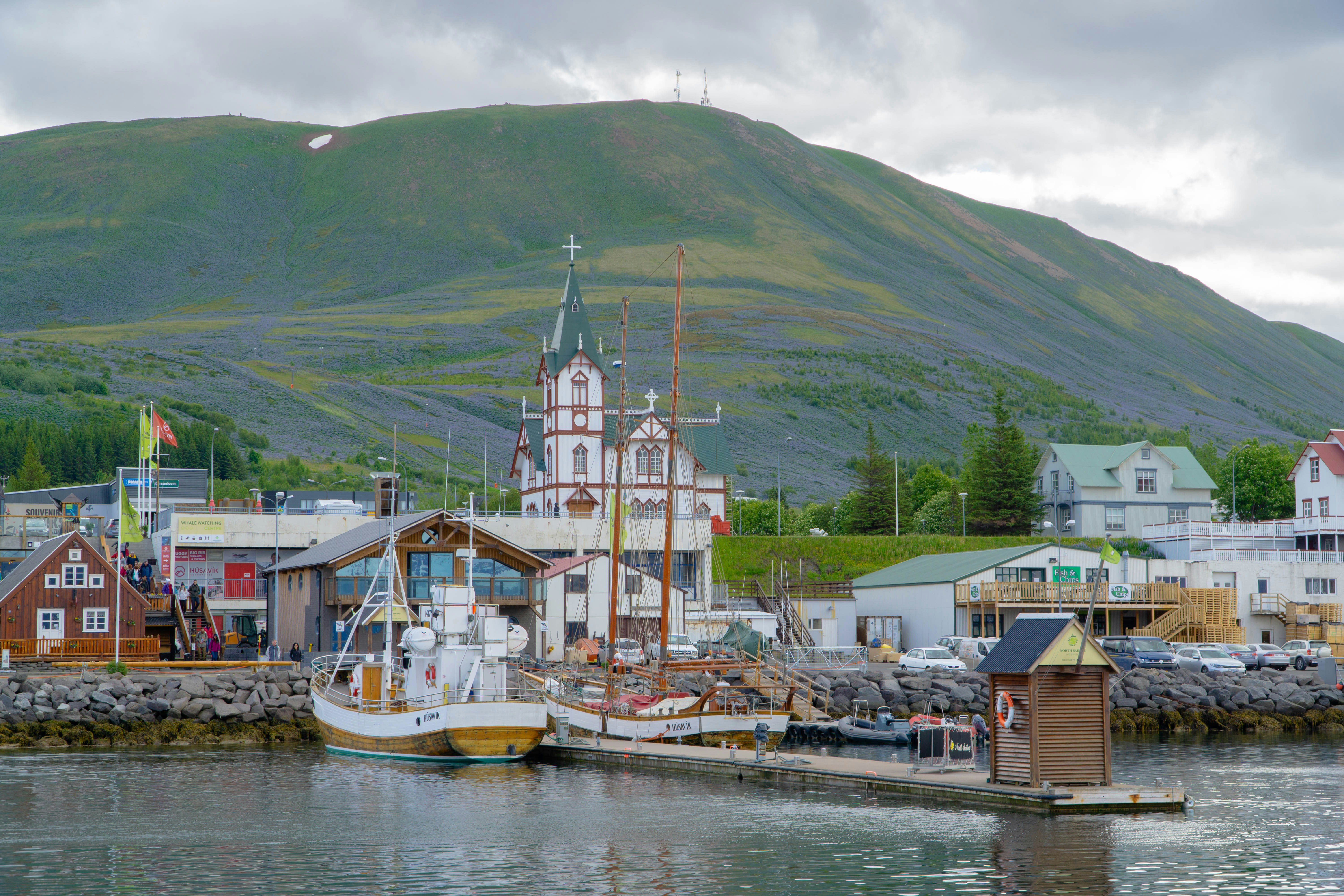
Húsavík is Iceland''s whale-watching capital, looking out over Skjálfandi Bay in the north of the country. From its charming harbour the boats set out from which, in summer, travellers spot humpbacks, fin whales and sometimes even blue whales, among the largest creatures on the planet. The waterfront is dominated by the wooden church of Húsavíkurkirkja, an elegant structure from 1907, while the Whale Museum delves into the lives of these giants of the sea. The town also boasts the panoramic GeoSea geothermal baths, perched above the ocean. Húsavík is a perfect base for reaching the Dettifoss waterfall, Lake Mývatn and the volcanic landscapes of the north. Between sea, whales and tradition, it is one of Iceland''s best-loved towns.
Auto
Giorno 7 — Husavik → Akureyri
Akureyri stands at the head of Eyjafjörður, Iceland''s longest fjord, and is the “capital of the North”, the country''s second urban area. Sheltered by mountains, it enjoys a surprisingly mild microclimate that nourishes the Lystigarðurinn botanical garden, one of the northernmost in the world, rich in Arctic and alpine species. The centre gathers cafés, shops and the church of Akureyrarkirkja, designed by the same architect as Hallgrímskirkja, which crowns the town from the top of its stairway. Akureyri is the natural base for exploring the North: the Goðafoss waterfall, Lake Mývatn with its lava fields, the whaling town of Húsavík and the ski slopes of Hlíðarfjall are all within a day''s reach. In winter the fjord offers excellent chances of the northern lights, while summer brings long hikes through green valleys and whale-watching cruises. Lively and welcoming, Akureyri combines urban comforts with grand nature.
Auto
Giorno 8 — Akureyri → Hvammstangi
Hvammstangi is a small port on Húnaflói Bay in the north-west, regarded as Iceland''s seal capital. On the nearby Vatnsnes peninsula lie some of the best vantage points for watching these mammals, which bask on the rocks a short distance from shore. The local seal centre, housed in an old trading building, explains the biology and traditions linked to these animals. The peninsula also holds the spectacular Hvítserkur, a basalt arch shaped by the sea. The village offers essential services and a calm atmosphere, away from the main tourist flows. Between seals, cliffs and Nordic silence, Hvammstangi is an authentic stop in rural Iceland.
Auto
Giorno 9 — Hvammstangi → Vesturland
Vesturland is Iceland's great western region, a mosaic of fjords, volcanoes and peninsulas reaching into the Atlantic between Reykjavik and the remote Westfjords. It is a land of sharp contrasts: the Snaefellsnes peninsula, crowned by the glacier-volcano Snaefellsjokull, is often called "Iceland in miniature" for the variety of landscapes packed into a few kilometres, from black beaches to lava fields, from mossy plains to fishing villages. Inland flow salmon-rich rivers and green valleys steeped in the old sagas, while the Hraunfossar falls seep straight out of a lava field. The coasts offer sightings of seals and seabirds, and on clear winter nights the sky flares with the northern lights. An ideal region for anyone seeking Icelandic nature in all its forms, just a few hours from the capital.