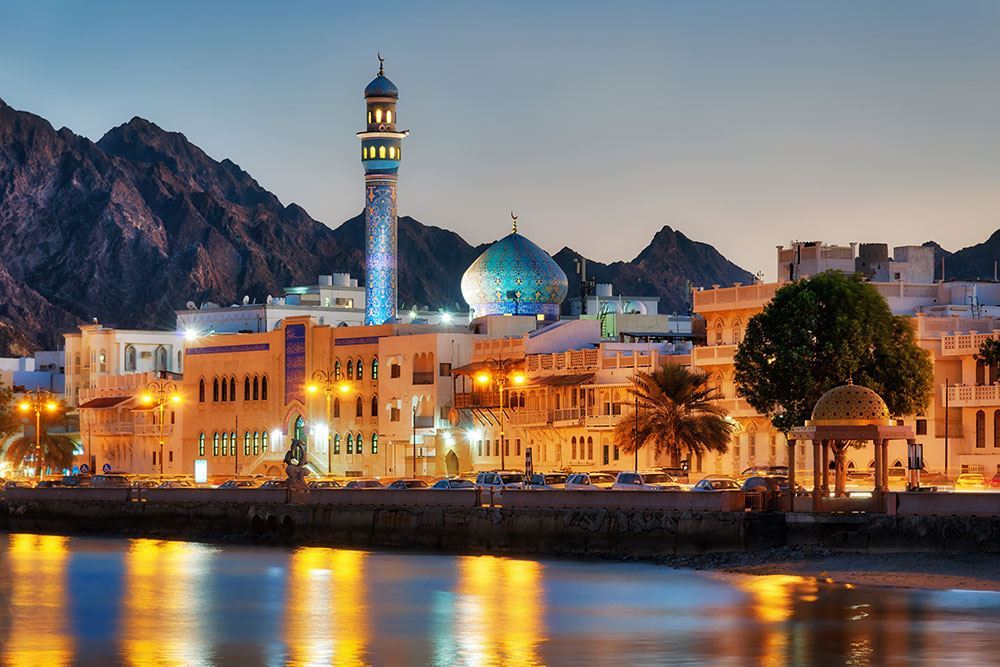
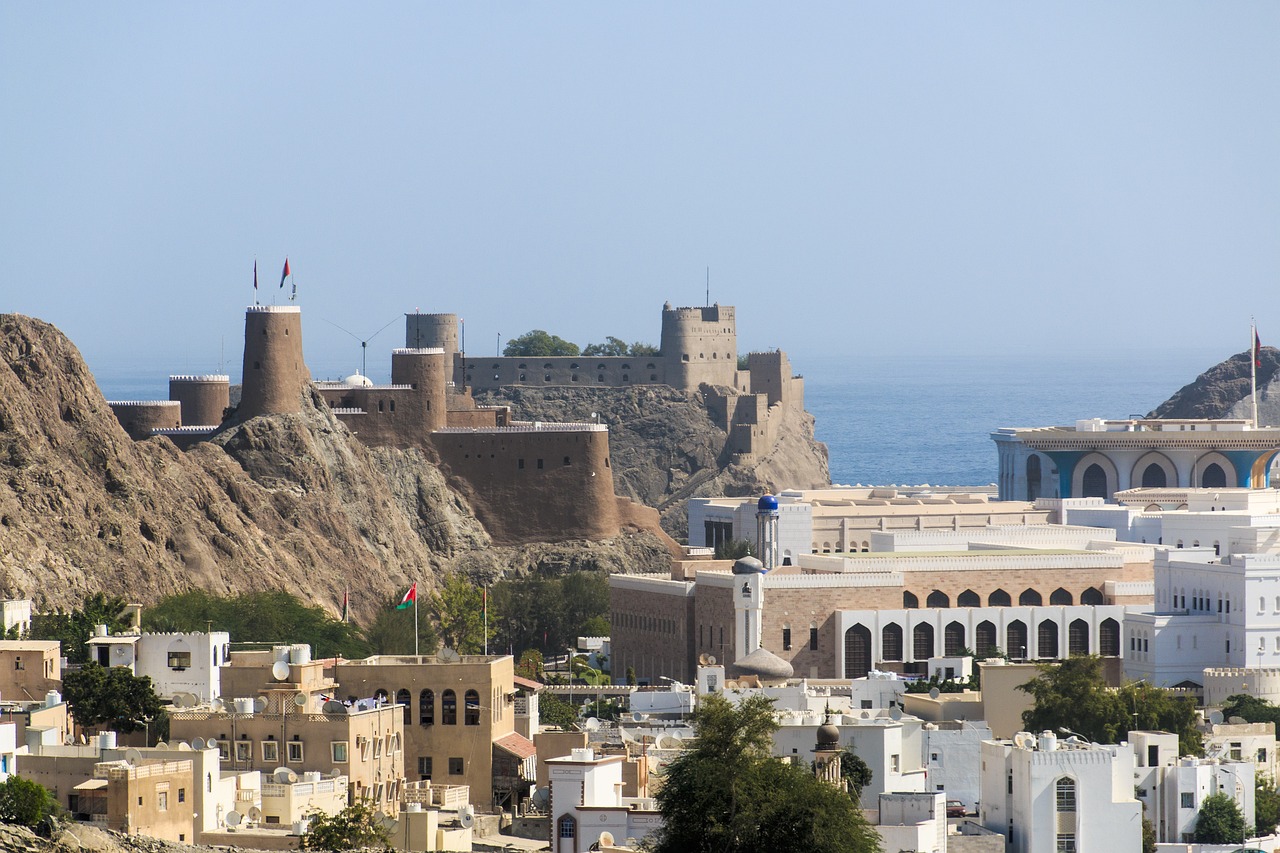
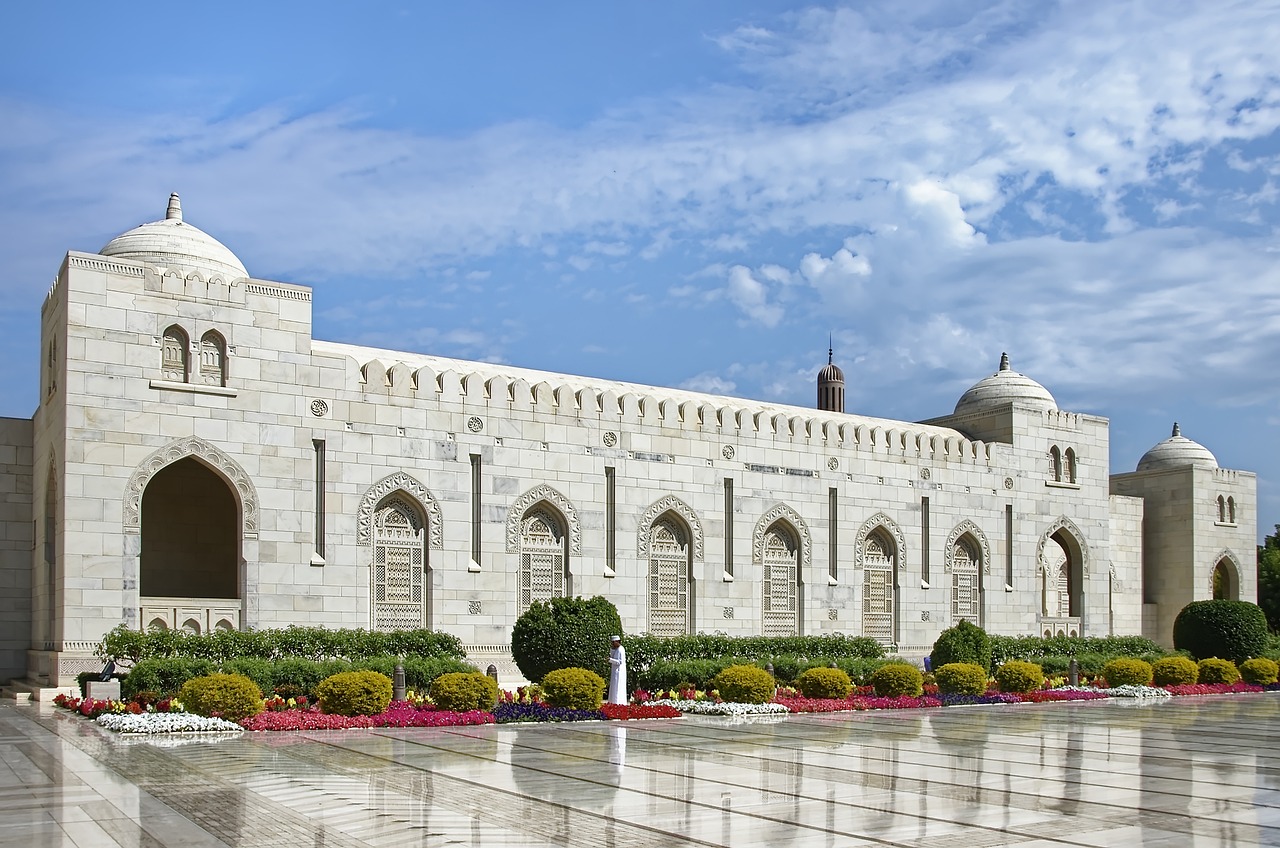
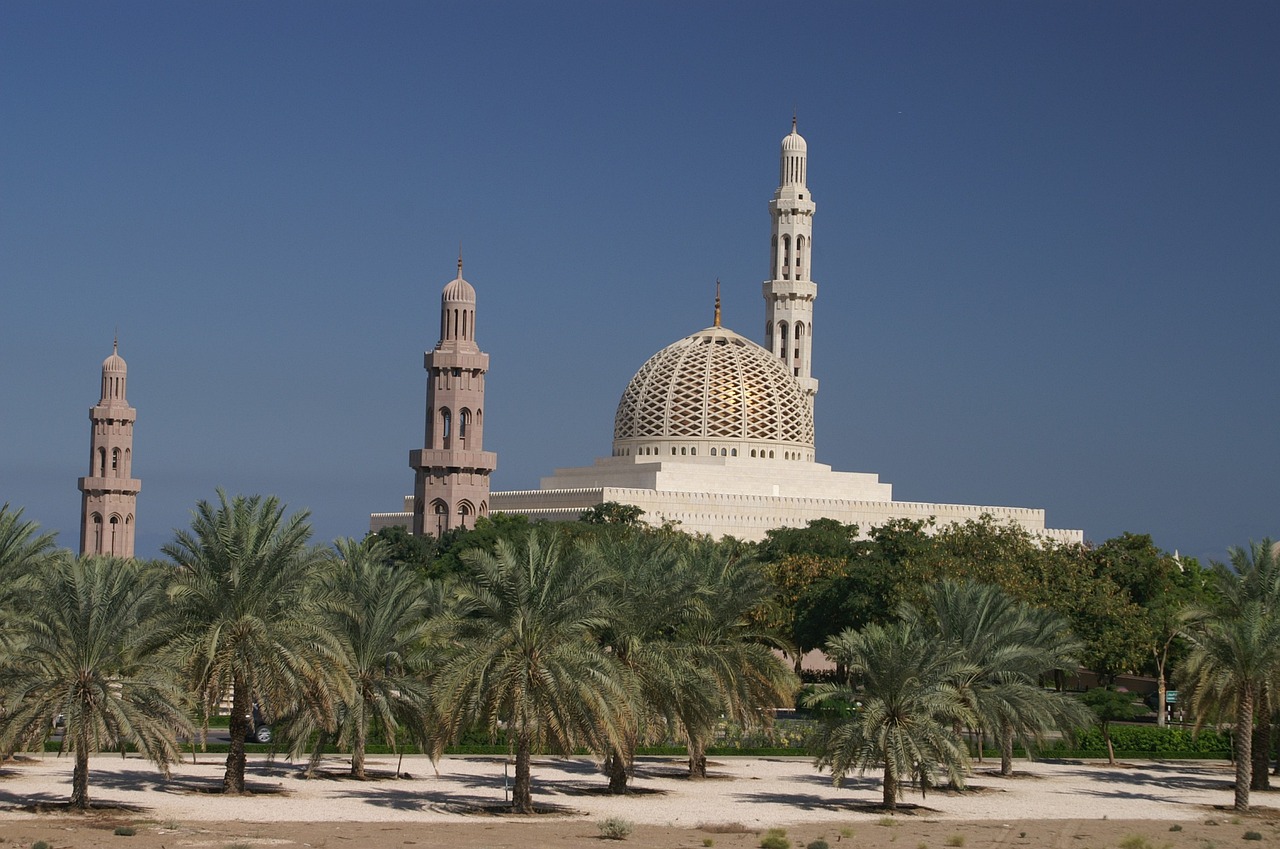
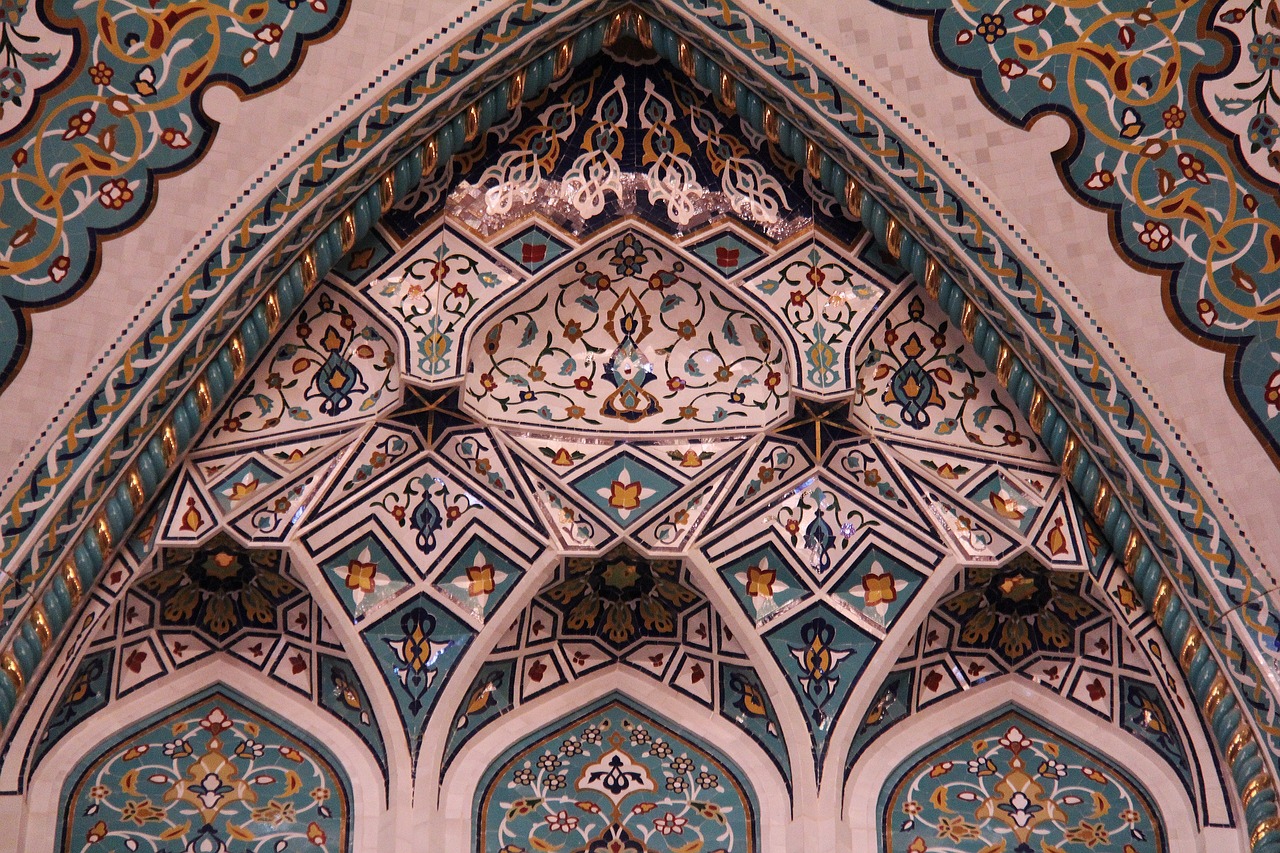
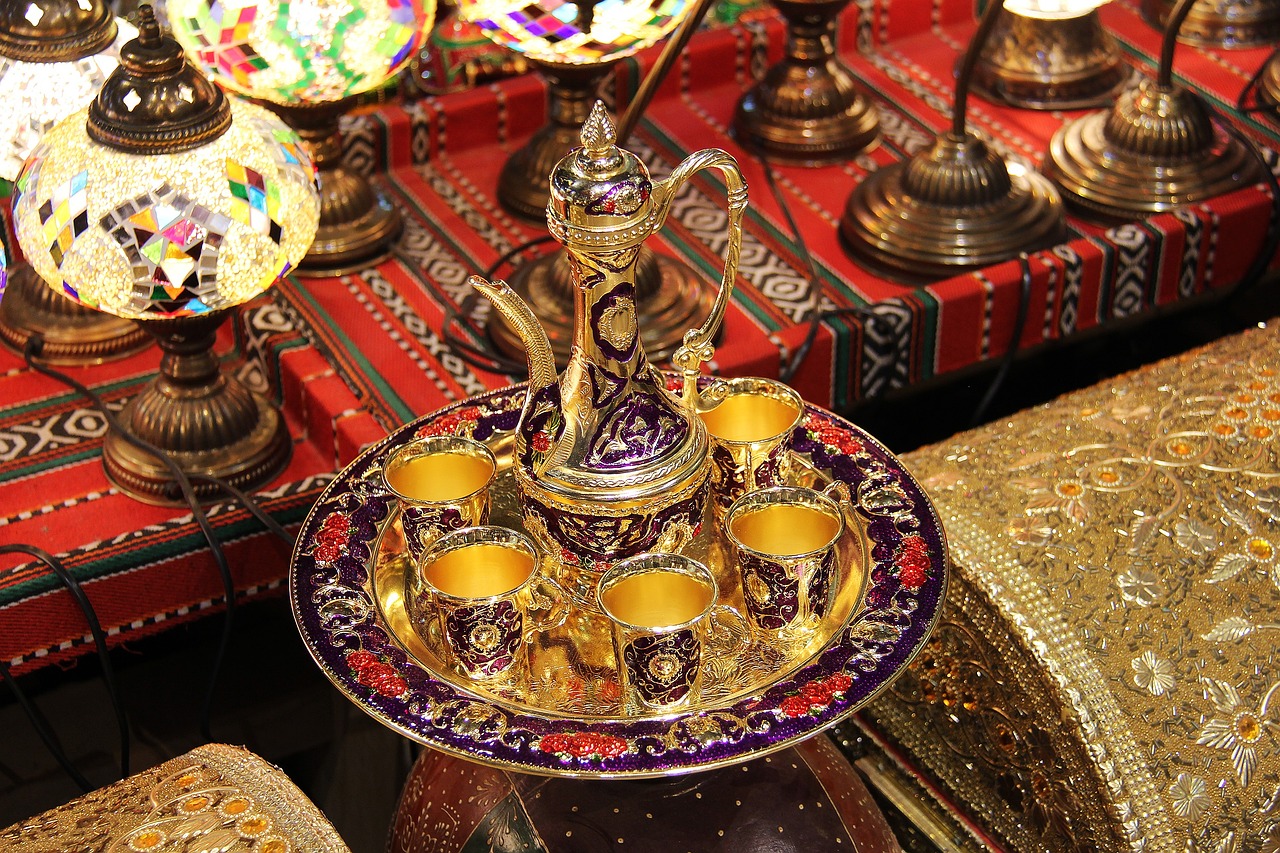
Muscat rises between the Arabian Sea and the rugged Hajar mountains, the capital of Oman where tradition and modernity coexist with grace. The city's spiritual heart is the Sultan Qaboos Grand Mosque, a marble masterpiece home to one of the largest hand-knotted carpets in the world, while the Royal Opera House reflects the Sultanate's cultural vitality. Along the Mutrah Corniche you stroll past white buildings overlooking the harbour, reaching the lively Mutrah Souq, a maze of incense-scented lanes where you can hunt for the khanjar, the curved dagger that symbolises Oman. Guarding the bay stand the Portuguese forts of Al Jalali and Al Mirani, while the Al Alam Palace and the historic Bait Al Zubair house tell the city's story. At the table, shuwa — lamb marinated and slow-cooked underground — reveals the soul of Omani cuisine. Muscat charms with its quiet poise, set between desert, sea and ancient caravan routes.
Volo
Giorno 4 — Muscat → Salalah
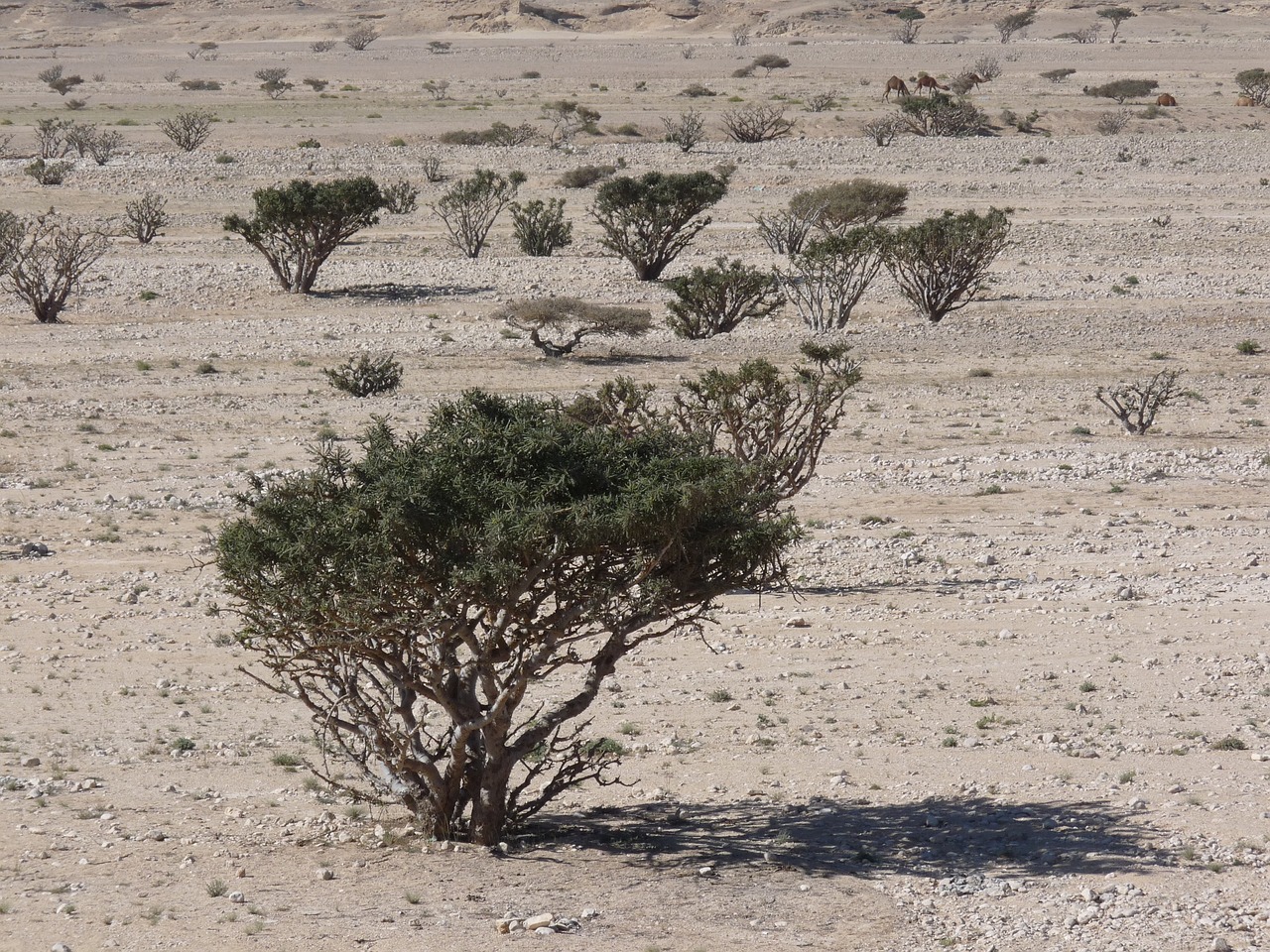
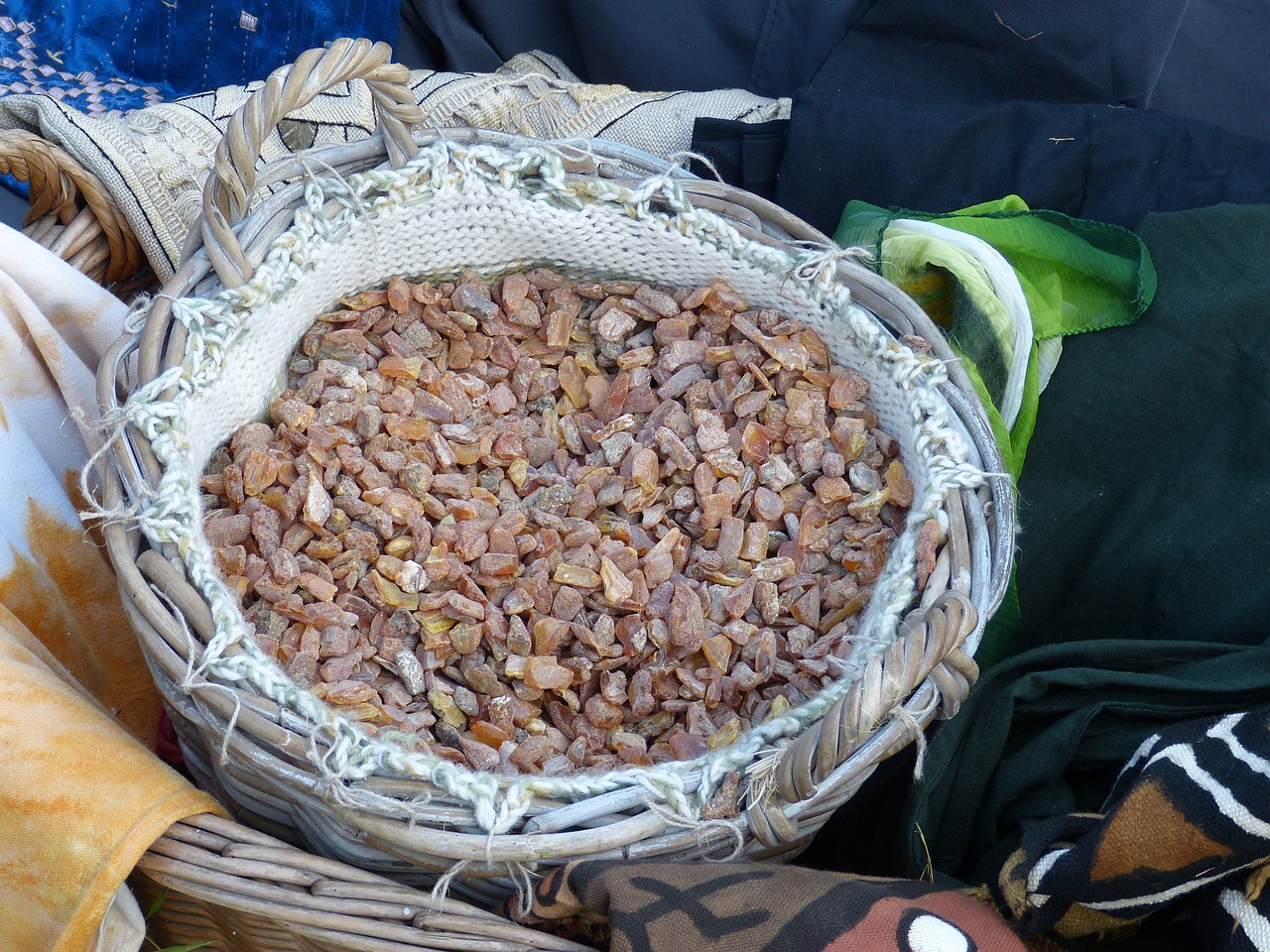
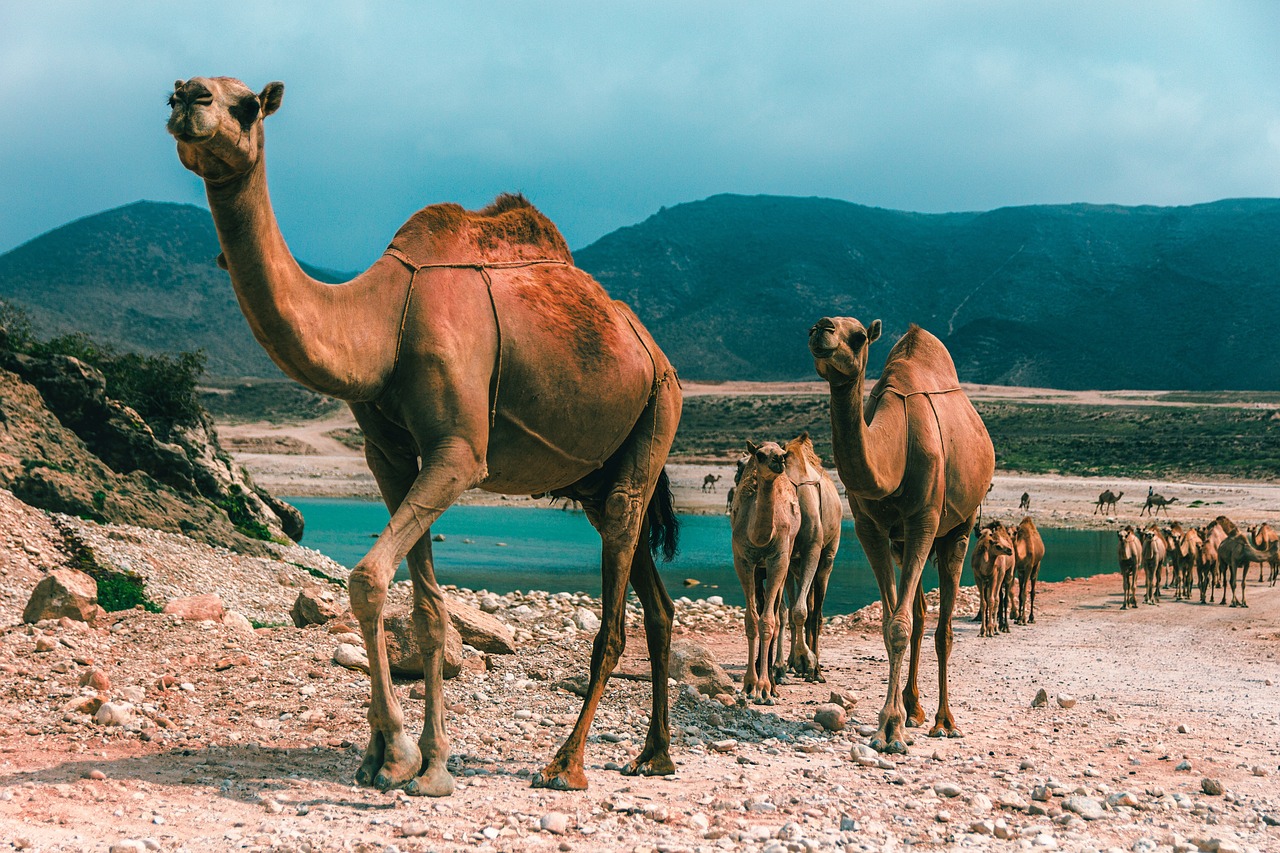
Wrapped in the unexpected green of the monsoon, Salalah is the jewel of the Dhofar region in southern Oman, a city transformed each summer when the khareef cloaks the hills in mist and lush meadows, a rare phenomenon on the Arabian Peninsula. A historic capital of the frankincense trade, it preserves sites such as Al Baleed and Sumhuram, UNESCO testimonies of the Incense Route that once linked these coasts to the Mediterranean. Its golden beaches stretch along the Arabian Sea, while inland, plantations of bananas, coconuts and papaya colour a surprisingly tropical landscape. Among markets scented with frankincense, natural springs and hidden wadis, Salalah reveals an unexpected and verdant face of Arabia, ideal for those seeking nature, history and sea in a single destination.