Rouen›Deauville e Côte Fleurie›Caen›Saint Malo›Brest›Quimper e Cornouaille+1 Altro
Riepilogo del tour
Durata12 Giorni / 11 notti
ItinerarioRouen → Vannes, Golfo di Morbihan e Quiberon
Tappe7 Destinazioni
Itinerario del Tour
Caricamento mappa...
Itinerary
Giorno 1 — Rouen
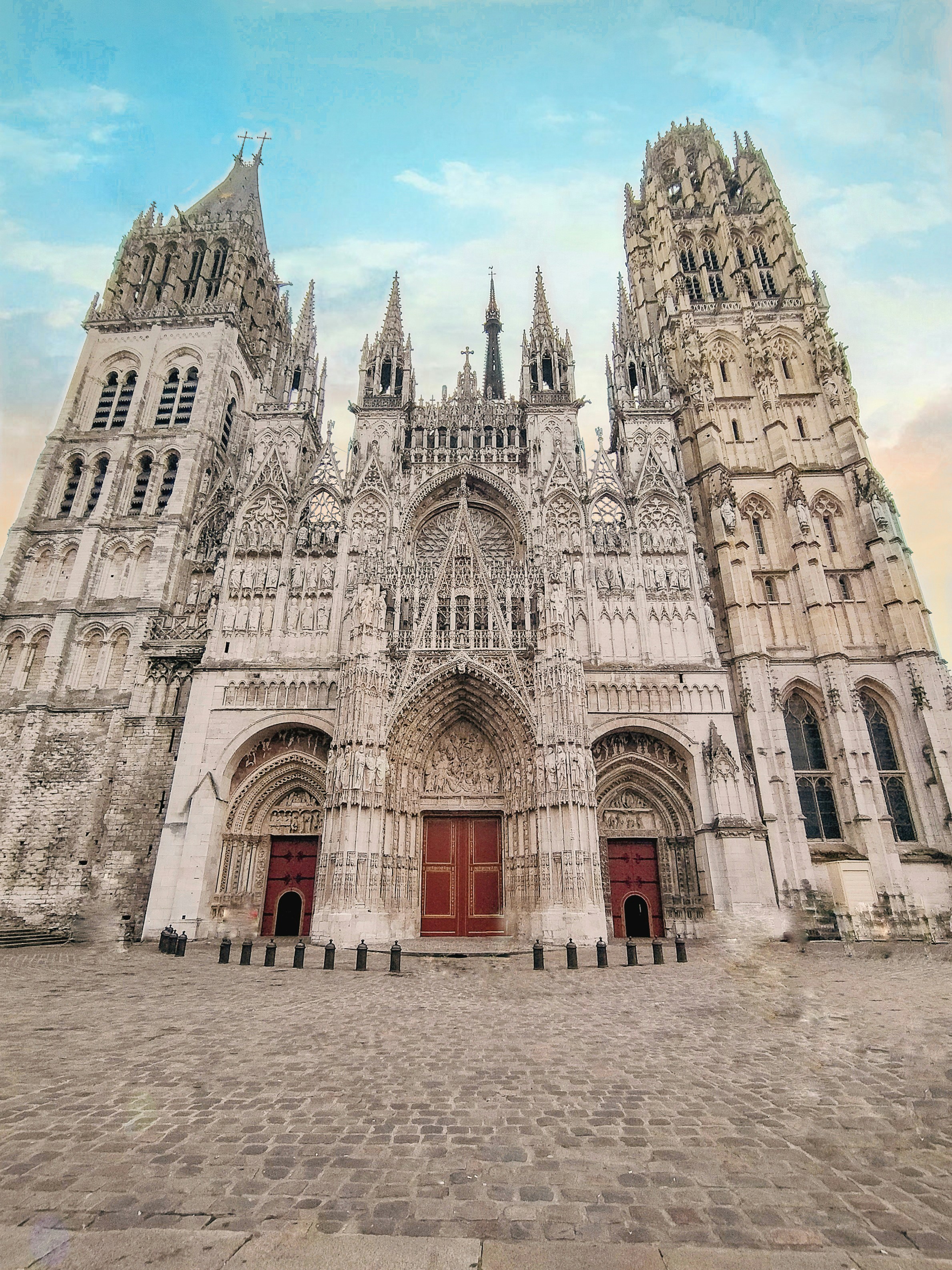
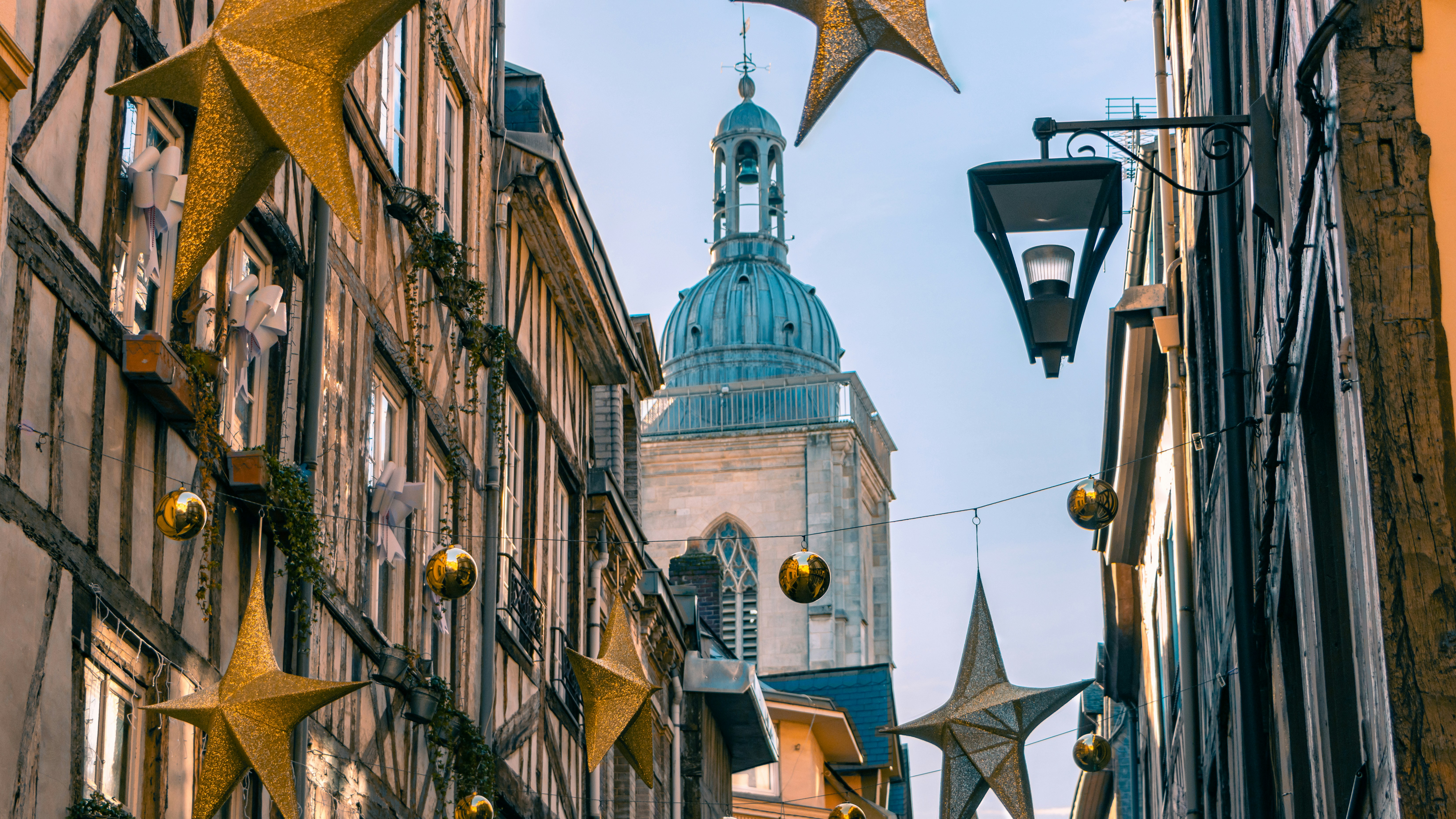
Rouen has the memory of Norman medieval life carved into the timber of its half-timbered houses: the old centre is one of the richest in France, with over two thousand colombage buildings crowding around the Cathédrale Notre-Dame — the one that Monet painted in thirty-four different versions to capture the changing light on the pink sandstone. The cathedral's cast-iron spire, the tallest in France, pierces the grey Norman sky with an almost surreal audacity. Place du Vieux-Marché is where Joan of Arc was burned at the stake in 1431: the modern church of Sainte-Jeanne-d'Arc, evocatively shaped like a flame, stands on the very spot today. The Gros-Horloge, the Renaissance astronomical clock set into an arch on Rue du Gros-Horloge, is the city's iconic symbol. The Saturday market and the brasseries around the Abbey of Saint-Ouen complete the portrait of an authentic and deeply moving Normandy.
Auto
Giorno 2 — Rouen → Deauville e Côte Fleurie
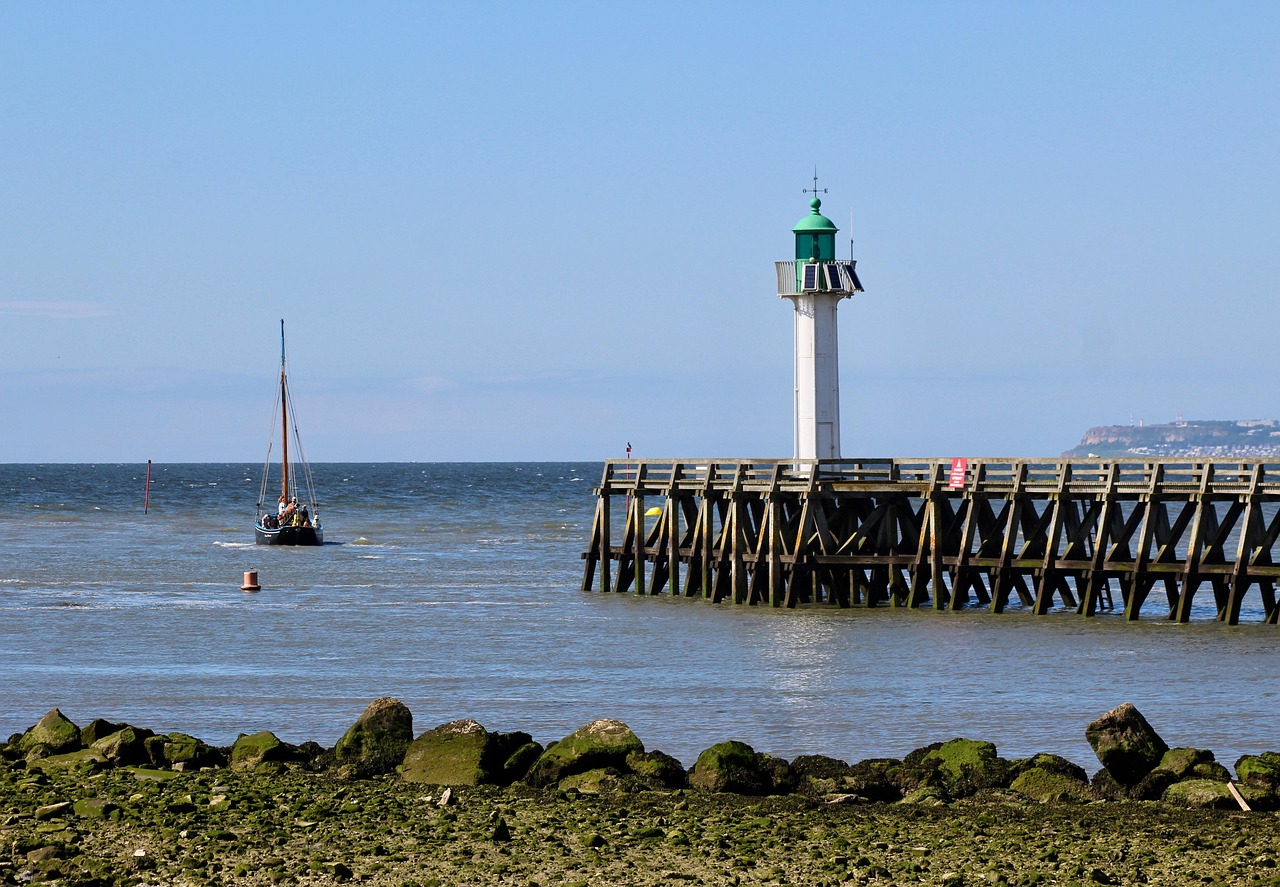
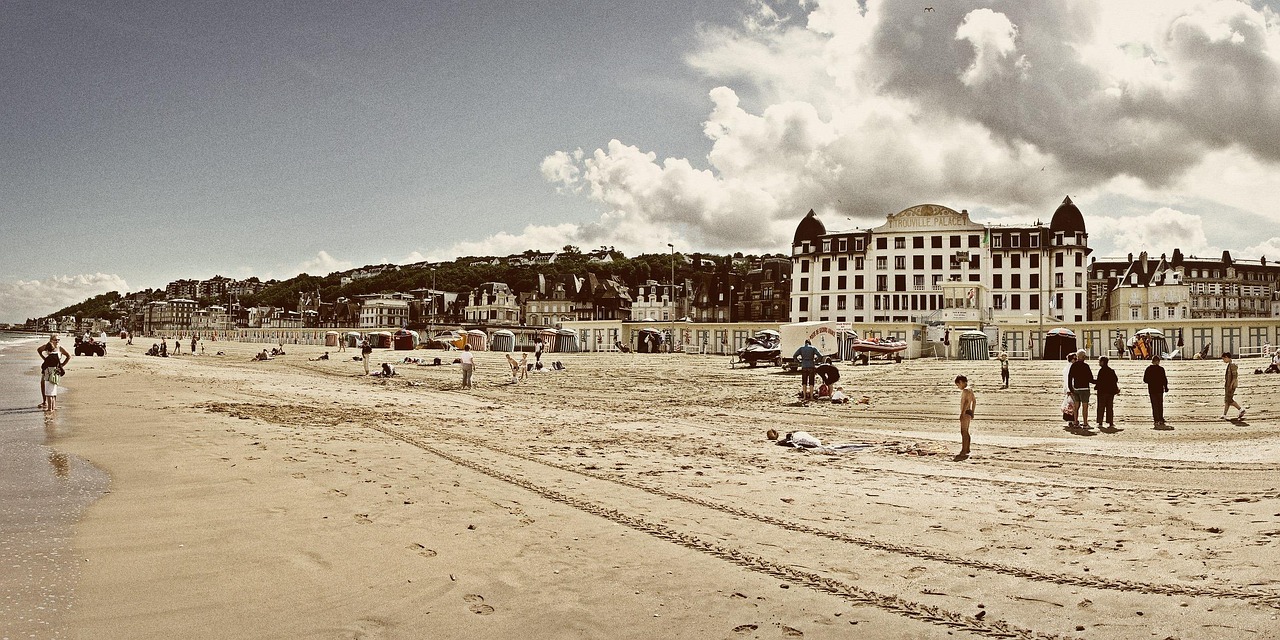
Deauville is the «21st arrondissement of Paris»: so Parisians call it as they fill its Belle Époque hotels, the Casino Barrière and the Planches — the famous boardwalk where beach huts bear the names of stars from the Festival du Cinéma Américain — every August weekend. Norman villas with their polychrome brick and slate roofs, thoroughbred racing at the racecourse, designer boutiques — everything in Deauville exudes discreet luxury and the holiday atmosphere of another era. Trouville, separated only by the Touques river, is more authentic and popular, with its fish market, fishermen's nets and a seafront of informal bistros. The Côte Fleurie stretches toward Honfleur: a picturesque fishing harbour, reflections of seventeenth-century houses on the water of the Vieux Bassin, birthplace of Impressionism and a refuge for artists to this day. A short itinerary that distils centuries of Norman charm.
Auto
Giorno 3 — Deauville e Côte Fleurie → Caen
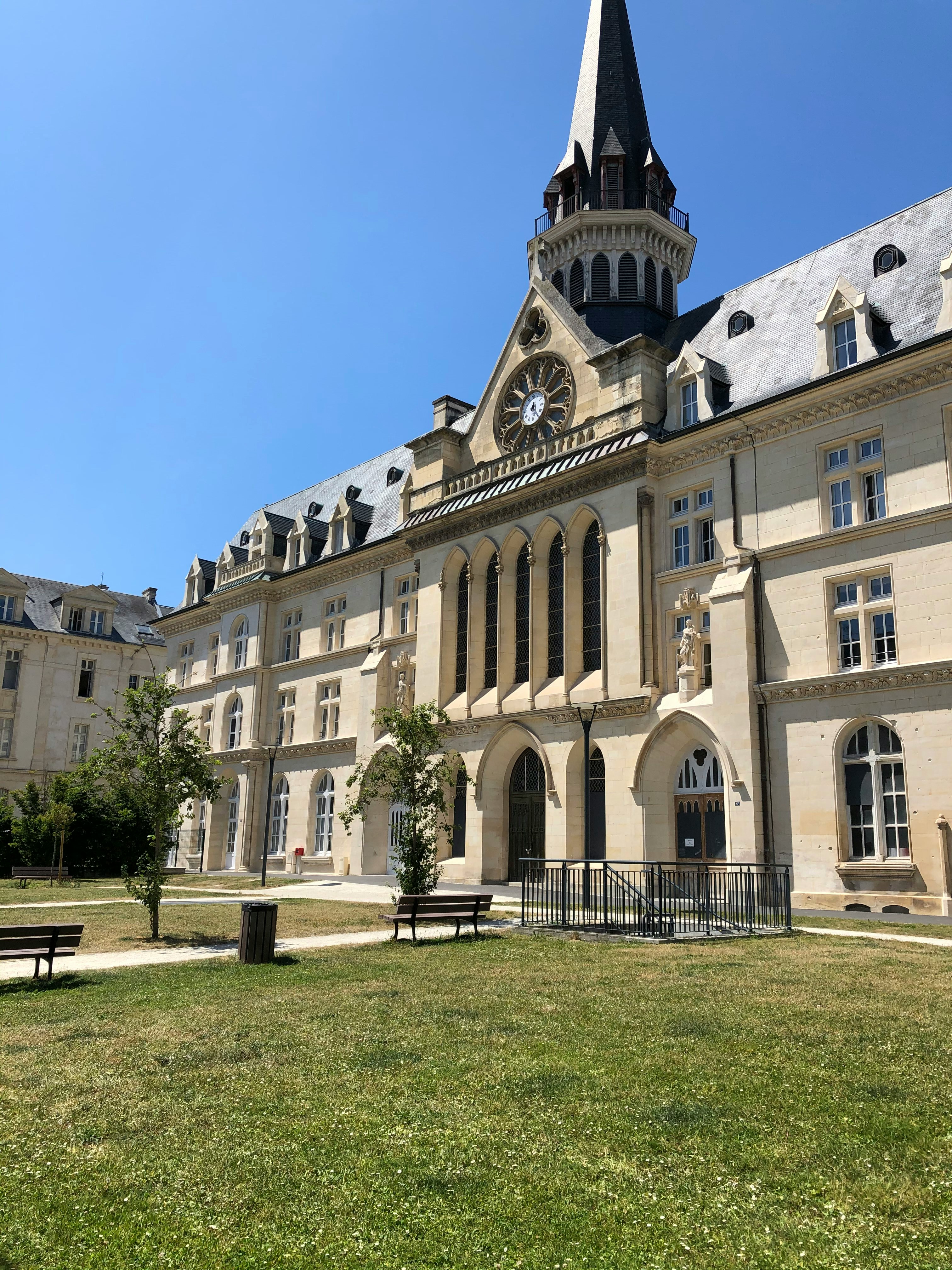
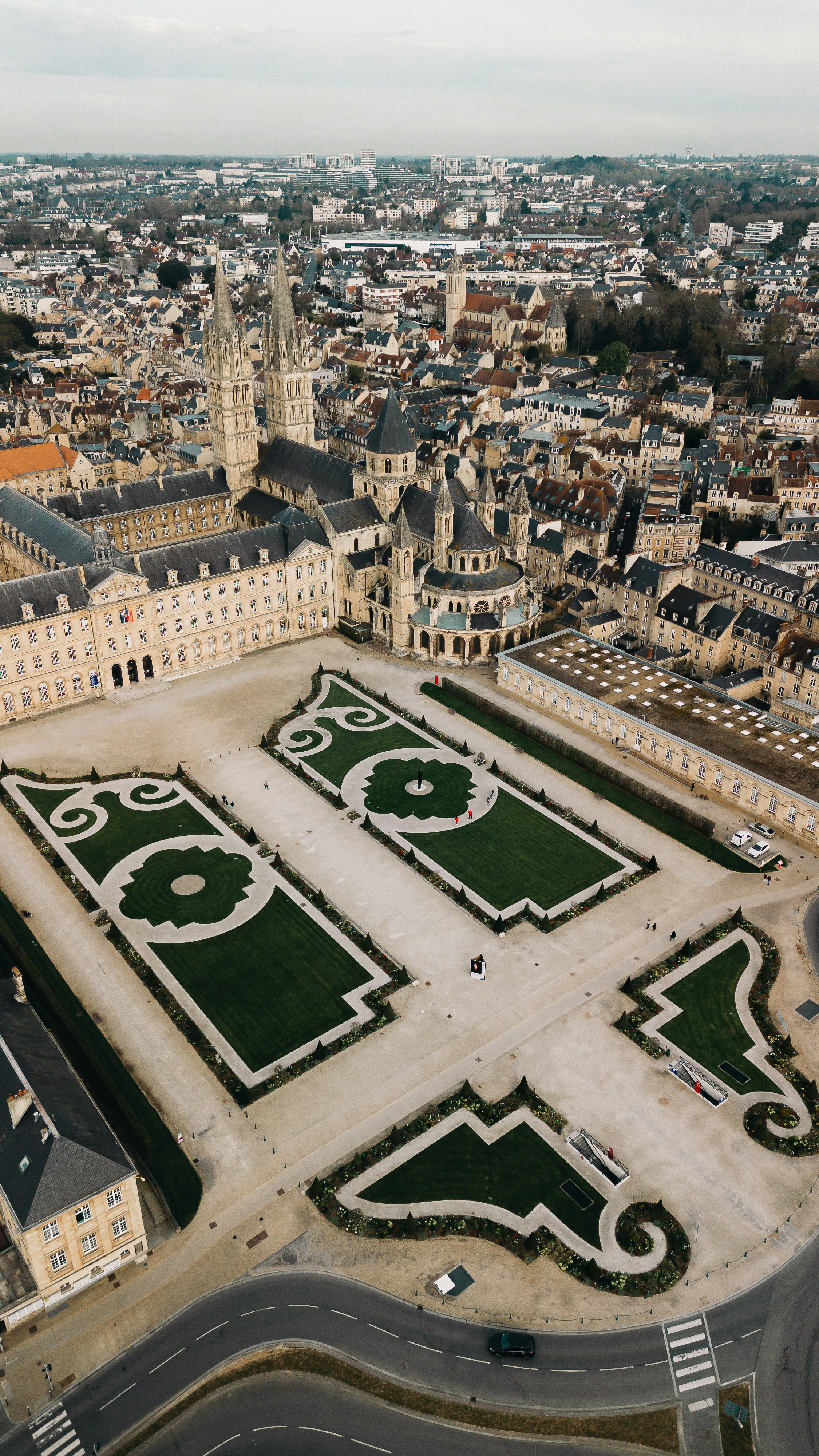
Caen spreads along the banks of the Orne, a Norman city reborn from the ashes of the Second World War with a determination written in every stone. The medieval castle built by William the Conqueror stands at its centre, its keep and ramparts sheltering two museums: the Musée de Normandie and the Musée des Beaux-Arts. The Abbaye aux Hommes and the Abbaye aux Dames, Romanesque masterpieces commissioned by William himself, mark the city's skyline. The Mémorial de Caen is one of Europe's most important museums dedicated to twentieth-century history and the meaning of peace. Caen is a city that carries the marks of history with dignity, turning them into an invitation to reflect.
Auto
Giorno 5 — Caen → Saint Malo
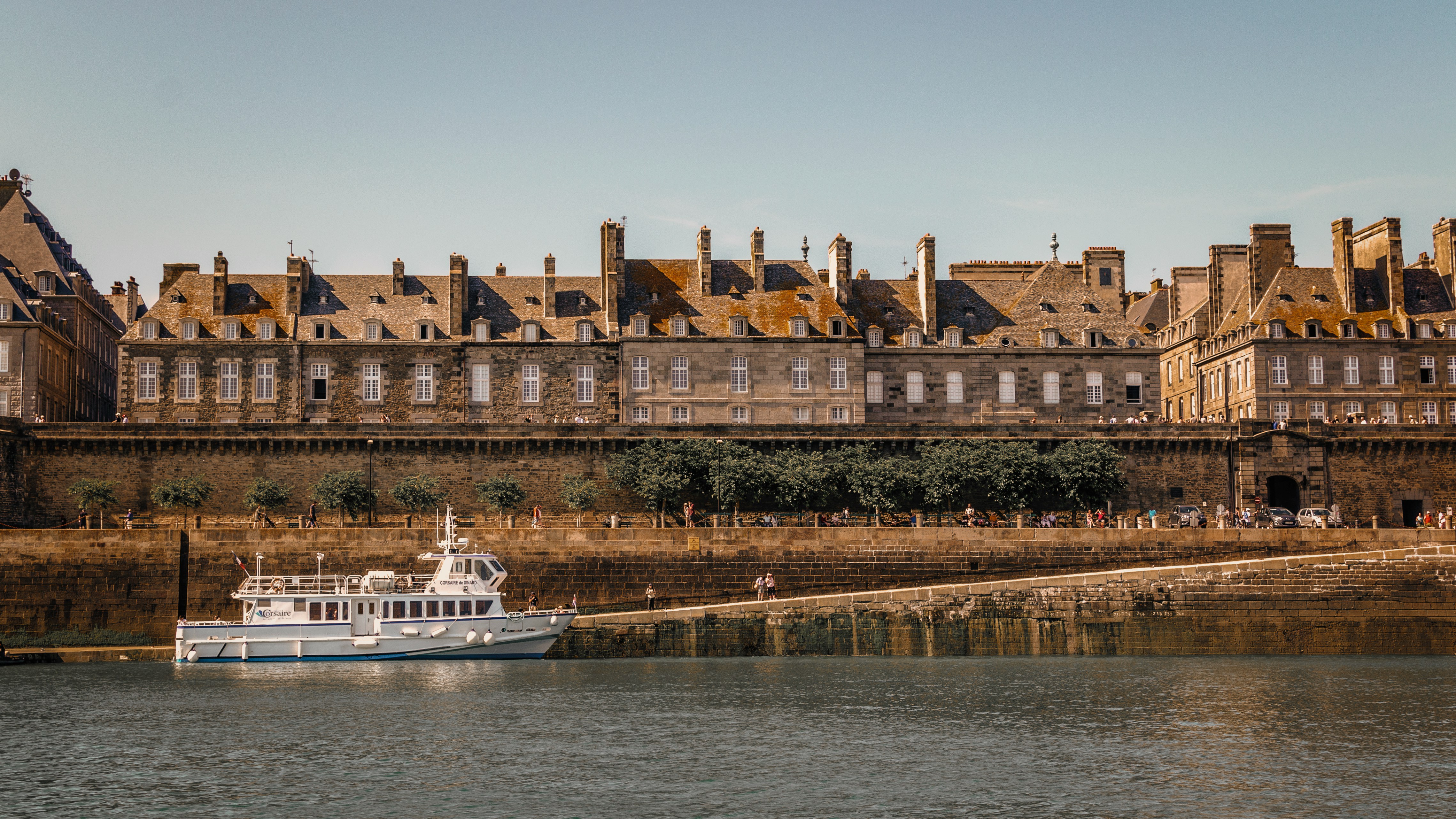
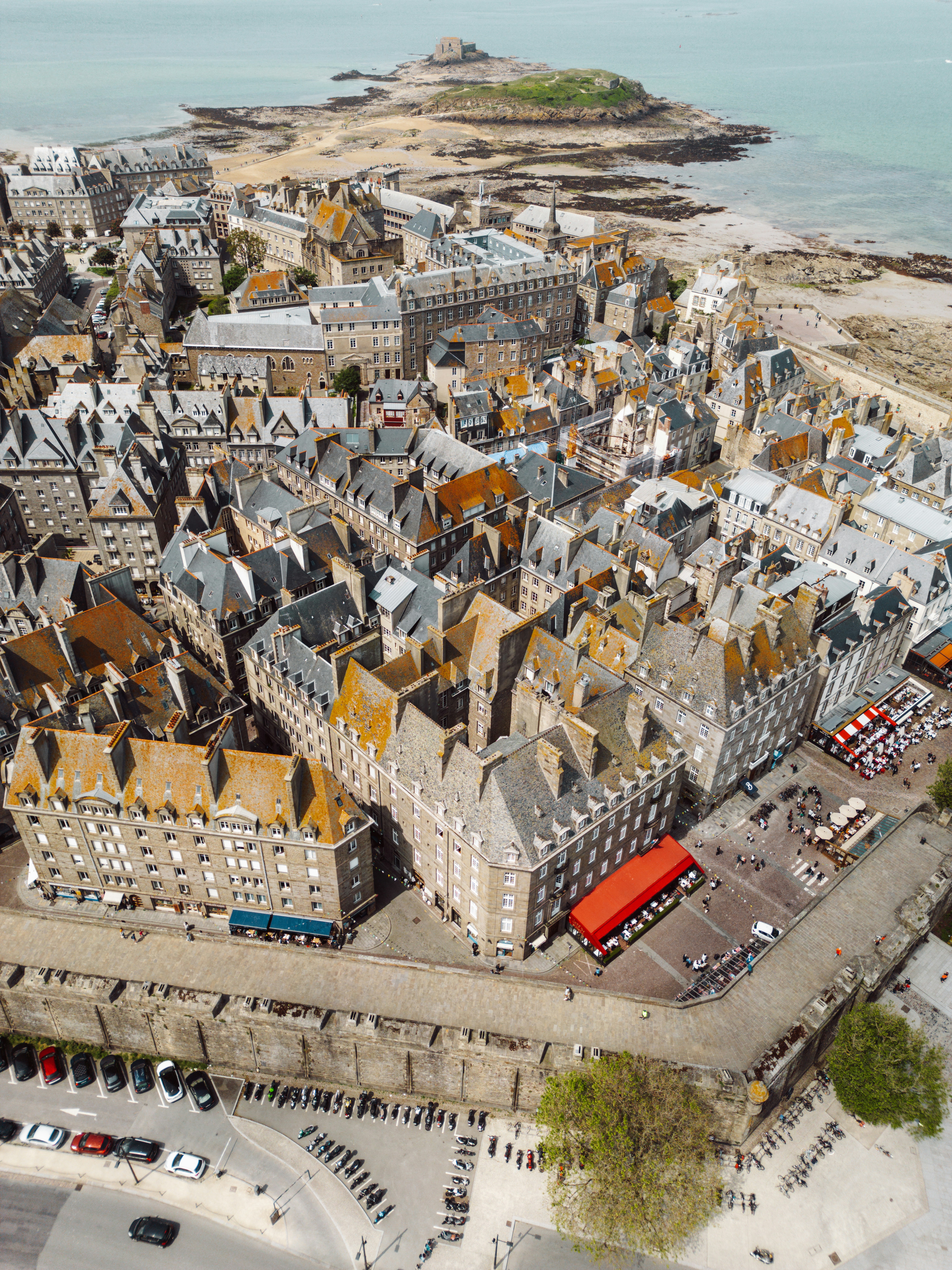
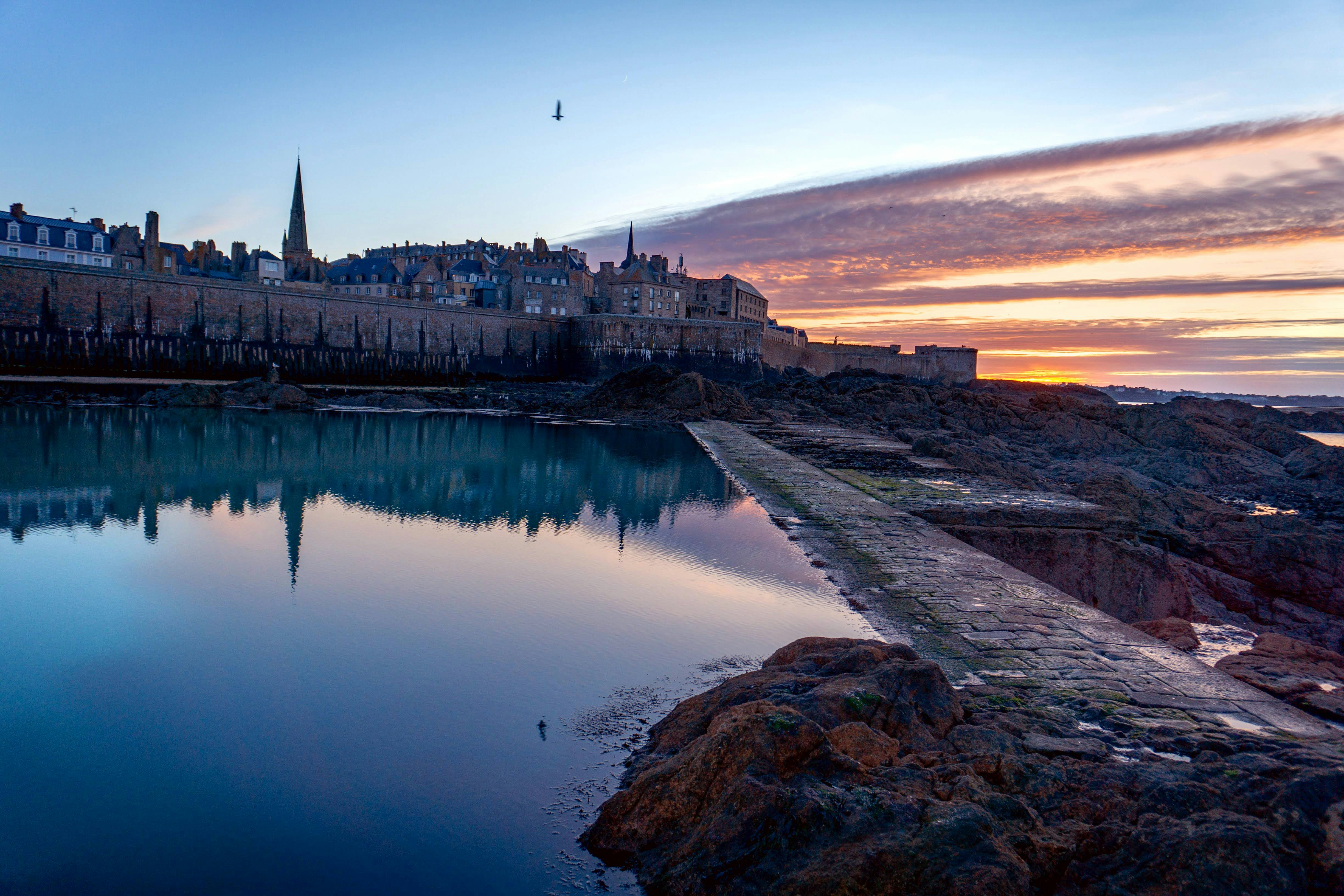
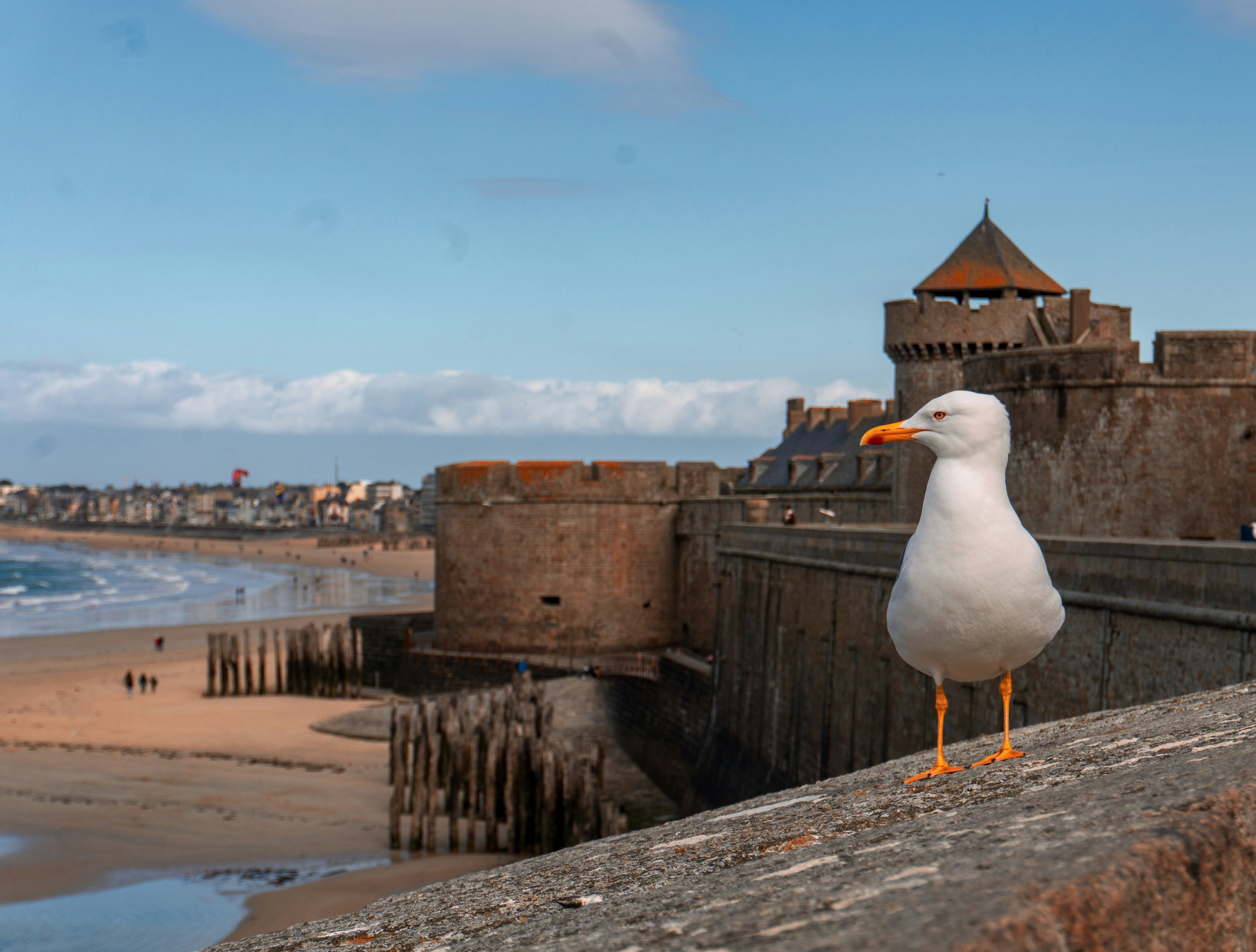
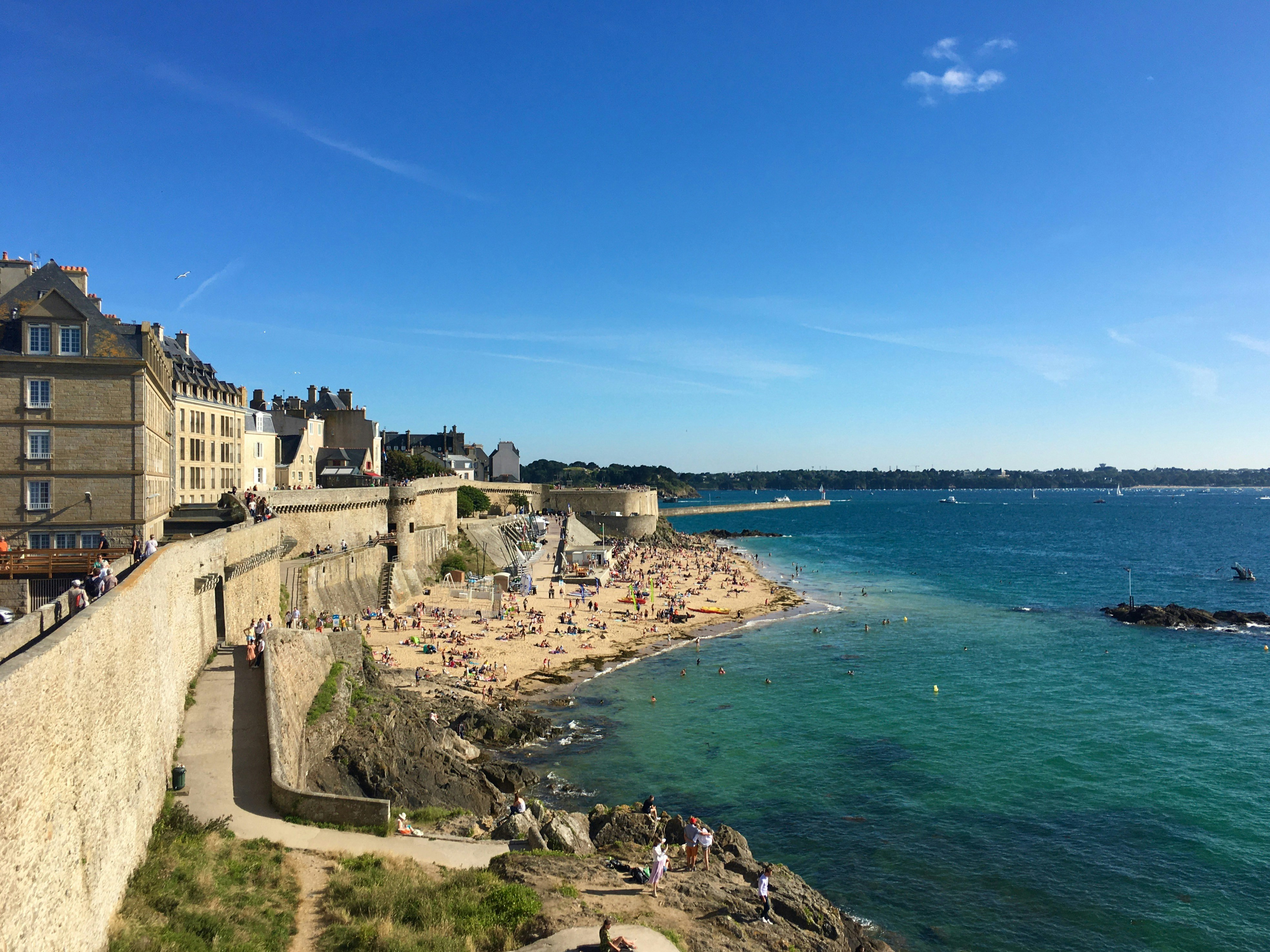
Saint-Malo thrusts into the Atlantic like a living fortress: the tall granite walls encircling the old city — the intra-muros — were built to defend the port of the corsairs who sailed from here under letters of marque from the King of France. Walking the ramparts means taking in with a single glance the open sea, the islands scattered across the bay, and the white-sand beaches revealed at low tide. Outside the walls, the Sillon beach and the Liberty casino trace an elegant seaside promenade. The Breton hinterland is easily reached: Cancale, a few kilometres away, is the capital of the Breton oyster; Dinard, across the estuary, preserves the Belle Époque villas of English families who spent their summers here. The raw, wild character of this coast — the highest tides in Europe, wind-carved cliffs — makes Saint-Malo and its surroundings a landscape experience before it is a historical one.
Auto
Giorno 7 — Saint Malo → Brest
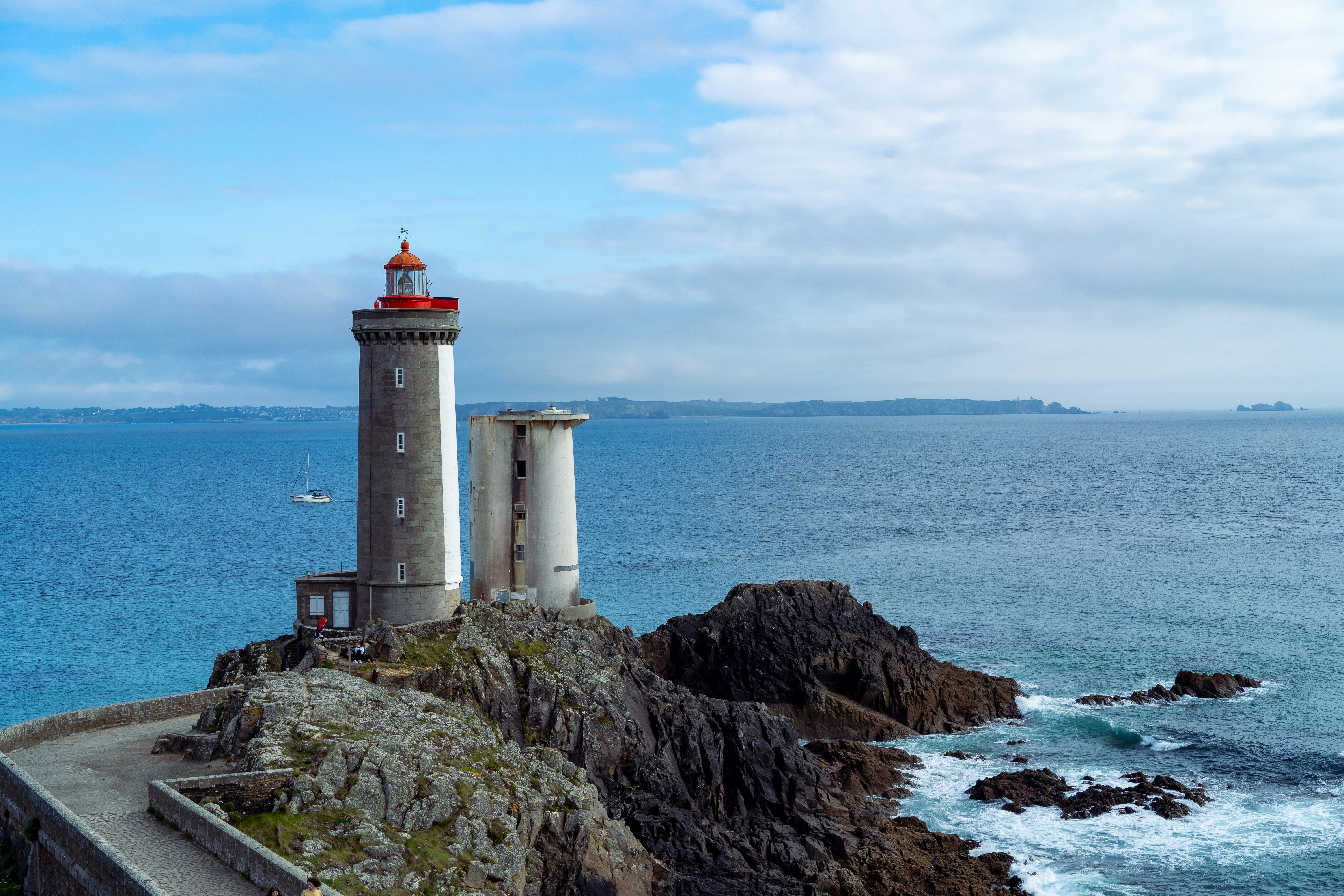
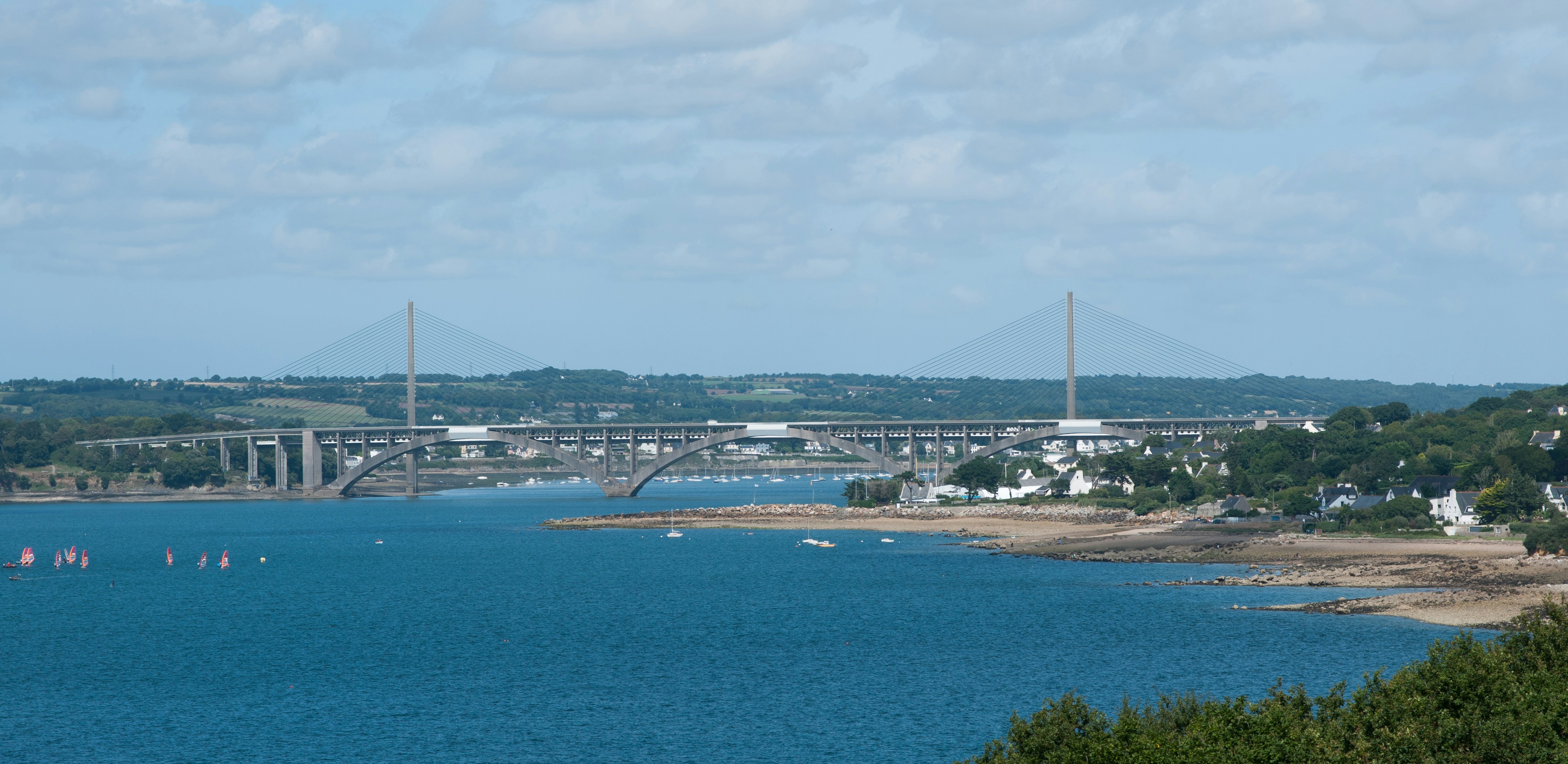
Brest and the far tip of Finistère occupy the western extremity of Brittany, where the land yields to the Atlantic wind and the jagged coastline of cliffs and lighthouses marks the end of the known world. Brest is a dynamic port city rebuilt after the war around its great military and commercial harbour, with the modern Plateau district and Océanopolis, one of Europe's largest aquariums. The Pointe du Raz, the Crozon cliffs and the island of Ouessant offer landscapes of extraordinary power. The markets overflow with seafood, lobster and salted-butter crêpes. This corner of France is for those who love wild nature, maritime tradition and sunsets over the Atlantic.
Auto
Giorno 10 — Quimper e Cornouaille → Vannes, Golfo di Morbihan e Quiberon
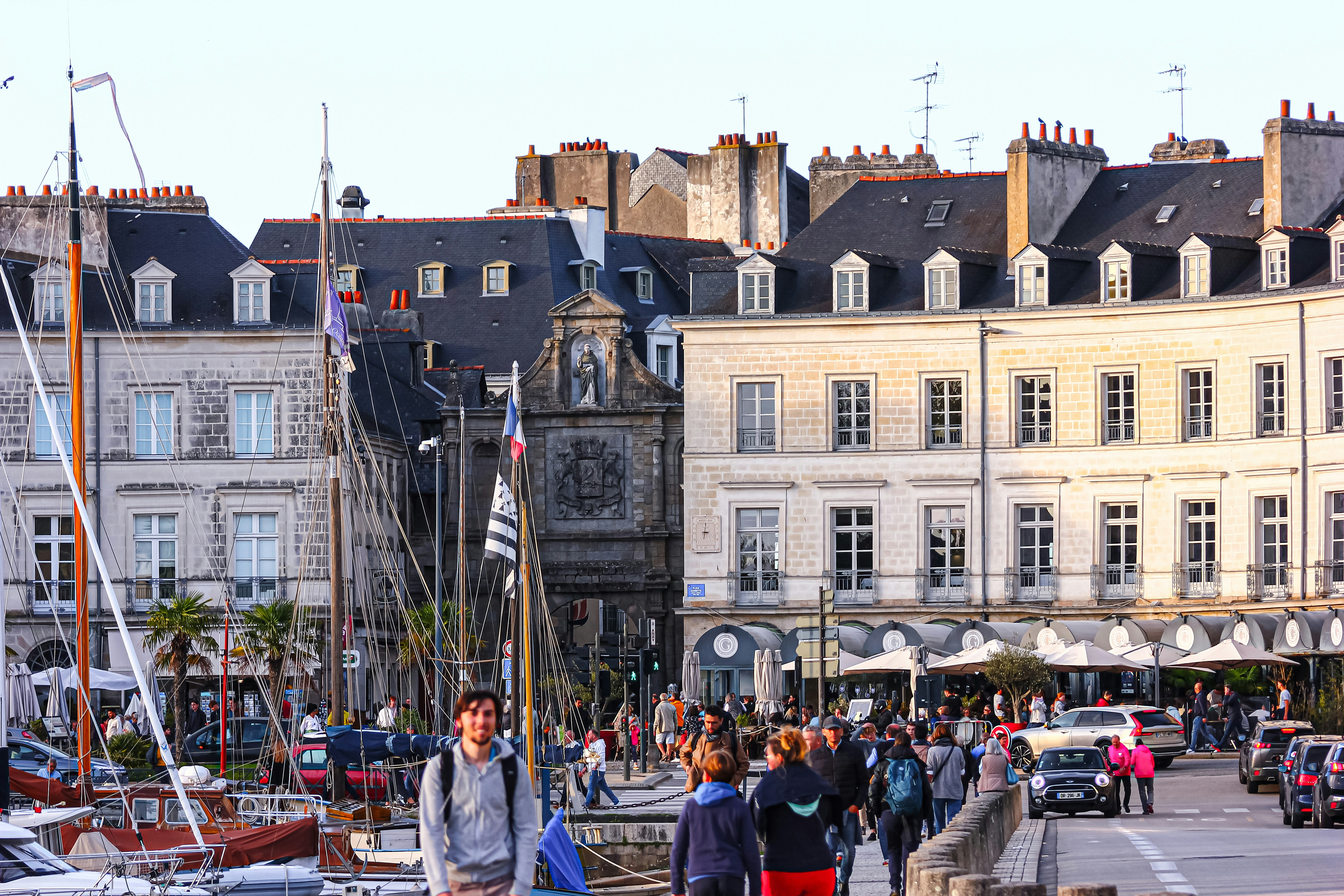
Vannes, with its intact medieval walls and canals brushing the ancient towers, is the heart of a Breton territory of extraordinary geographical complexity. The Gulf of Morbihan — an inland sea dotted with over sixty islands — creates a protected ecosystem where the light shifts with every tide and sailing boats glide past megaliths and fishing villages. The Quiberon peninsula closes this landscape to the south with its wild Atlantic beaches to the west and the calm waters of the Côte Sauvage. Oysters, buckwheat galettes and craft cider mark the rhythm of meals, while the megalithic sites of Carnac — just a few kilometres to the east — bear witness to six thousand years of human presence.