On the road of the lakes and forests of Chile and Argentina
Suggested Itineraries9 Giorni
Temuco, Chile
Pucon›San Martin de los Andes›San Carlos de Bariloche›Puyehue›Puerto Varas
On the road of the lakes and forests of Chile and Argentina — NAAR
Itinerary
Giorno 1 — Pucon
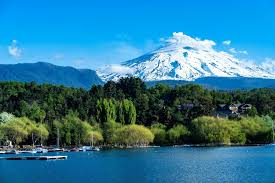
Pucón spreads along the shores of Lake Villarrica in the Araucanía region, with the Villarrica volcano — one of Chile's most active — watching over the town and emitting plumes of volcanic smoke against a landscape that alternates blue waters with Andean-Patagonian forests. Known as the «adventure capital» of southern Chile, it attracts thousands of sports enthusiasts every year for the ascent of Villarrica volcano (one of the continent's most popular volcanic treks), rafting on the Río Trancura, horse riding in national parks and kitesurfing on the lake. The natural hot springs in the surrounding area — such as the Termas Geométricas — offer thermal pools nestled in forests of ferns and monkey-puzzle trees, a perfect remedy after high-altitude exertions. In winter, the Villarrica-Pucón Ski Centre transforms the town into a ski resort with slopes open on the volcano's flanks. The centre of Pucón, with its freshwater fish restaurants, outdoor equipment shops and welcoming cafés, is the ideal logistical base for exploring Villarrica National Park and the surroundings of Lago Caburgua. A place where active adventure and relaxation alternate seamlessly.
Auto
Giorno 3 — Pucon → San Martin de los Andes
San Martín de los Andes is a refined Andean Patagonian town spread along the shores of Lago Lácar at 640 metres above sea level, in the province of Neuquén. Unlike the busier Bariloche, San Martín retains a more intimate atmosphere and a more consistent alpine-style architecture, with timber-and-stone buildings, flower-filled window boxes and tidy streets sloping down to the lake.
Parque Nacional Lanín, for which the town is the main gateway, takes its name from the imposing Lanín volcano — a near-perfect cone reaching 3,776 metres — and encompasses araucaria forests, crystal-clear lakes and trout-rich rivers that make the area renowned among fly-fishing enthusiasts. Trekking on the park's trails, mountain biking and navigating Lago Lácar to Quila Quina are the most popular summer activities. In winter, the Cerro Chapelco ski resort is among the best in the Patagonian Andes.
Auto
Giorno 4 — San Martin de los Andes → San Carlos de Bariloche
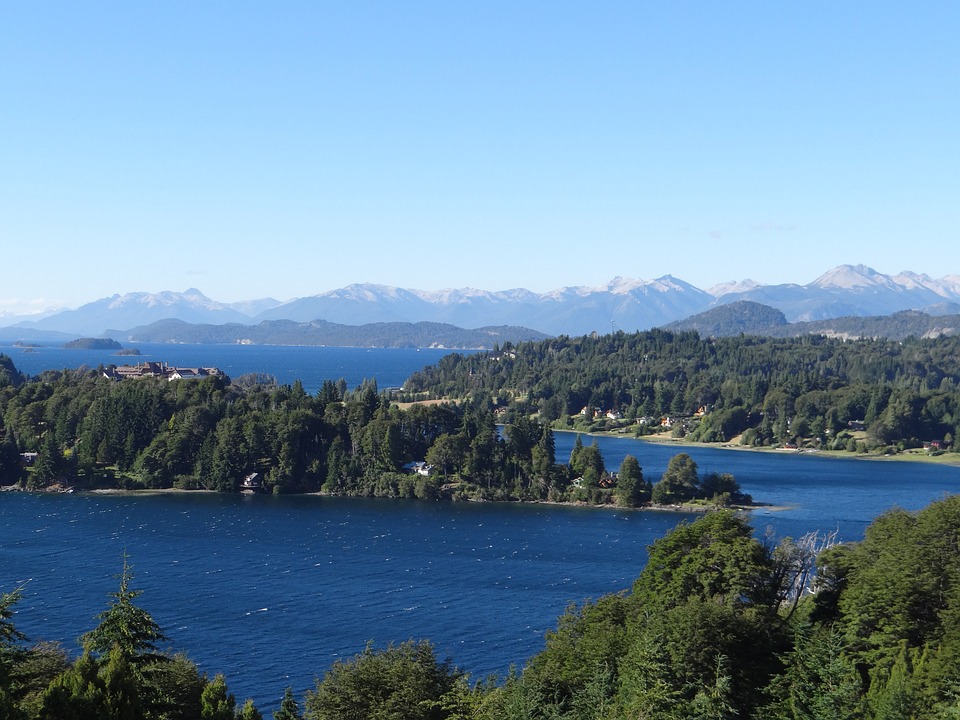
San Carlos de Bariloche is the main destination of the Argentine Andean Patagonia, spread along the southern shore of Lago Nahuel Huapi, with the Andes framing it from behind in an alpine panorama that recalls — not coincidentally — the Swiss and Bavarian landscapes that inspired the first European settlers. The city is a reference point for outdoor tourism in every season: skiing and snowboarding at the Cerro Catedral resort in winter, trekking and lake navigation in summer.
Parque Nacional Nahuel Huapi, of which Bariloche is the main gateway, is one of Argentina's oldest national parks and protects a territory of emerald-hued glacial lakes, coihue and ciruela forests, snowy peaks and volcanoes. The Circuito Chico, driveable by car or bicycle, passes through Colonia Suiza, Bahía López and Cerro López with views of the main lakes in the area. The lake-to-lake navigation towards Puerto Blest and the Cántaros waterfall is among the most evocative excursions.
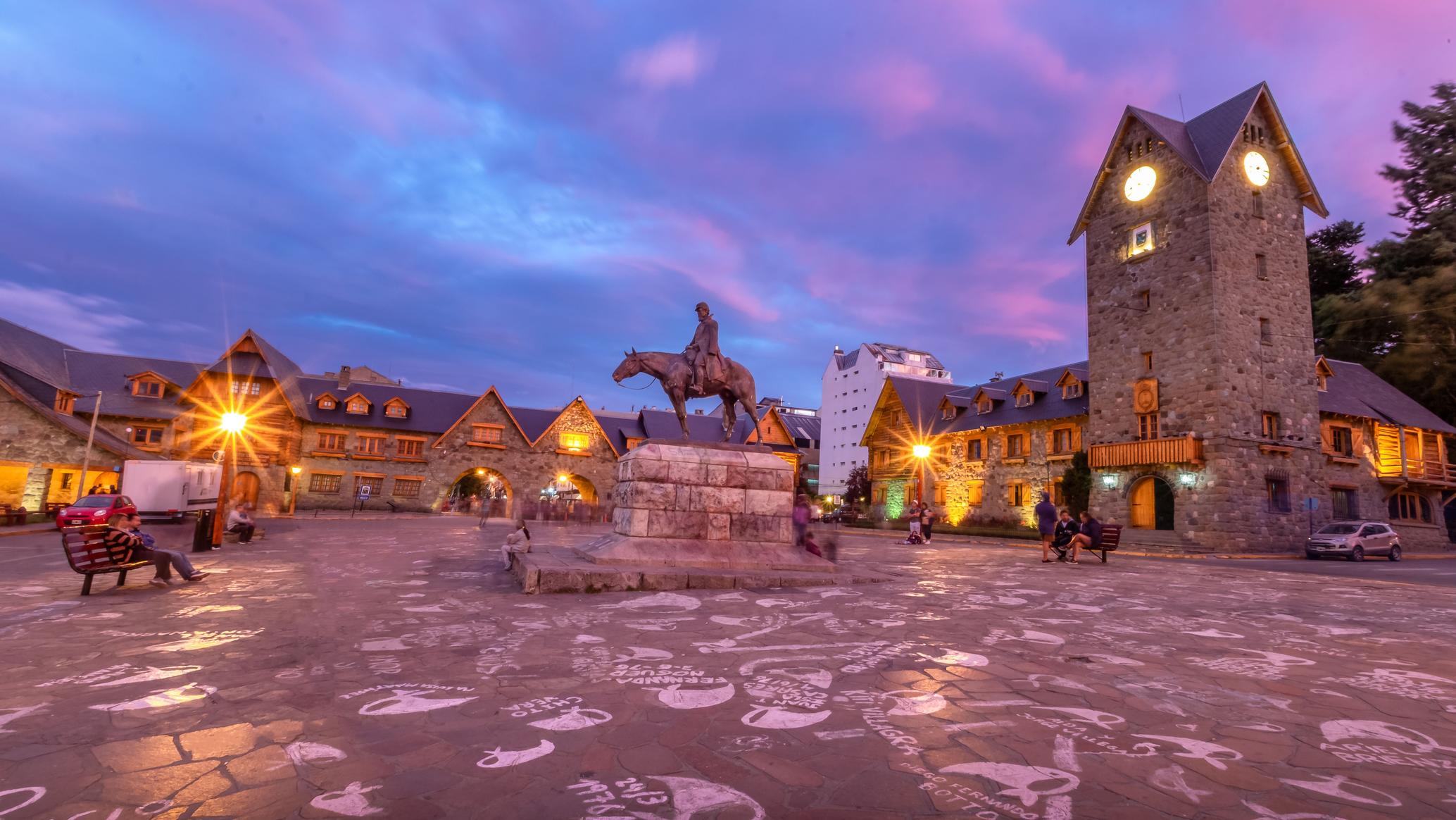
Bariloche is also famous throughout Argentina for its cioccolaterías: a Swiss and German legacy that has transformed the city into a centre of artisan chocolate production. The civic centre in volcanic basalt stone, with its clock tower reminiscent of an alpine chalet, is the heart of urban life. Meat restaurants, craft breweries and cafés with central European pastries round out the gastronomic offer.
Auto
Giorno 6 — San Carlos de Bariloche → Puyehue
Puyehue is a natural area in the Los Lagos region of the Chilean Lake District, dominated by Puyehue National Park with its volcanoes, lakes, araucaria forests and some of Chile's most famous natural hot springs. The Aguas Calientes thermal baths, nestled in a lenga forest, attract visitors of all ages for outdoor thermal bathing in the heart of Patagonian nature. The Puyehue volcano and Cordón Caulle, which erupted spectacularly in 2011 covering southern Chile and Argentina in ash, are the main geological attraction. An ideal retreat between thermal waters and primordial forests.
Auto
Giorno 7 — Puyehue → Puerto Varas
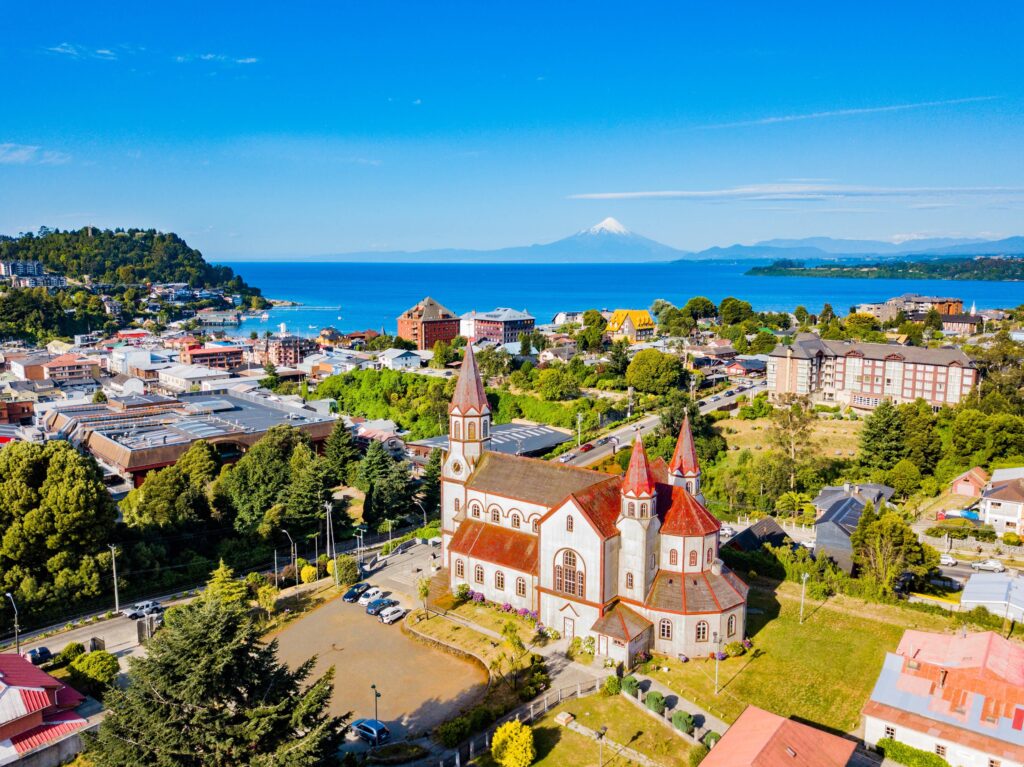
Puerto Varas is reflected in Lake Llanquihue, the second largest lake in Chile, with the Osorno and Calbuco volcanoes rising in the background like silent guardians of a picture-postcard landscape. Founded by German settlers in the second half of the nineteenth century, the town retains an unmistakably European architectural character: wooden houses with pitched roofs, climbing roses and craft breweries reminiscent of Chilean Bavaria. The waterfront is the heart of social life, with fish and shellfish restaurants, souvenir shops and a relaxed atmosphere that invites leisurely strolls. Puerto Varas is the gateway to the Chilean Lake District and the departure point for excursions to the Osorno volcano, the Salto del Petrohué and Vicente Pérez Rosales National Park, Chile's oldest. In winter, snow on the volcanoes attracts skiers; in summer, kayaking, rafting on the Río Petrohué and horse riding are the favourite activities. The town is also the northern terminus of the Carretera Austral and the southern gateway to the lake crossing to Bariloche, making it a key hub for Patagonia travellers. After excursions, Puerto Varas's gastronomic tradition offers great satisfaction: smoked salmon, apple kuchén and a craft beer served with a volcano view.