Bodø›Svolvaer›Harstad›Senja›Alta›Honningsvåg+2 Altro
Itinerary
Giorno 1 — Bodø
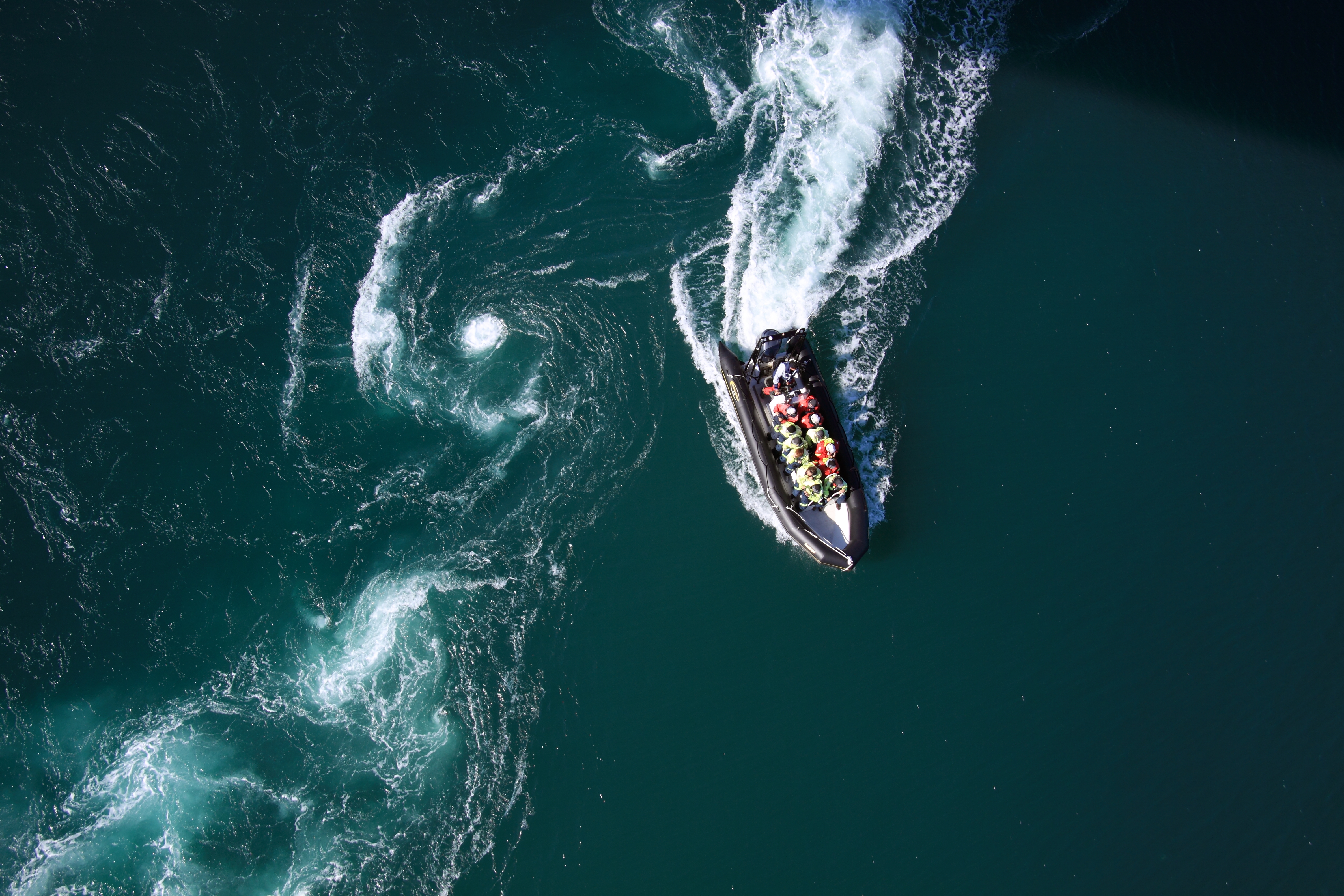
Bodø faces the sea just beyond the Arctic Circle, a dynamic, modern city surrounded by mountains, islands and endless skies. Named a European Capital of Culture, it blends a creative, contemporary spirit with the wild nature around it. Just to the south lies the Saltstraumen, regarded as the world's strongest tidal current, where vast masses of water collide to create spectacular whirlpools. The city is also the gateway to the Lofoten Islands, reachable by ferry, and offers wonderful chances to spot white-tailed eagles, admire the midnight sun and, on winter nights, the northern lights. Between culture, sea and adventure, Bodø is a surprising stop along the Arctic coast.
Auto
Giorno 2 — Bodø → Svolvaer
Svolvær is the lively capital of the Lofoten Islands, gathered around a harbour framed by jagged peaks that plunge into the sea. The beating heart of the archipelago, it is the starting point for exploring fishing villages, white beaches and spectacular fjords. From here you can set out on cruises to the striking Trollfjord, sea trips in search of white-tailed eagles and, in winter, photographic safaris for the northern lights. Above the town soars the famous Svolværgeita, the "Goat", a rocky pinnacle beloved by climbers. Among the traditional red rorbu cabins perched over the water, the drying stockfish and the summer midnight sun, Svolvær offers the most authentic essence of the Far North.
Auto
Giorno 3 — Svolvaer → Harstad
Harstad spreads across the island of Hinnøya, in the Vesterålen region, and is one of the principal towns of northern Norway, beyond the Arctic Circle. A dynamic, modern port city, it combines the energy of urban life with the wild beauty of the Arctic landscape of mountains, islands and open sea. Nearby stands the medieval church of Trondenes, one of the northernmost in Europe, and the modern Trondenes Historical Center, which recounts centuries of Viking and medieval history. The city is famous for the Festspillene i Nord-Norge, an important cultural festival, and for being an excellent base from which to admire the midnight sun in summer and the northern lights in winter. Harstad is the ideal destination for those seeking Arctic nature, culture and genuine Nordic hospitality.
Traghetto
Giorno 4 — Harstad → Senja
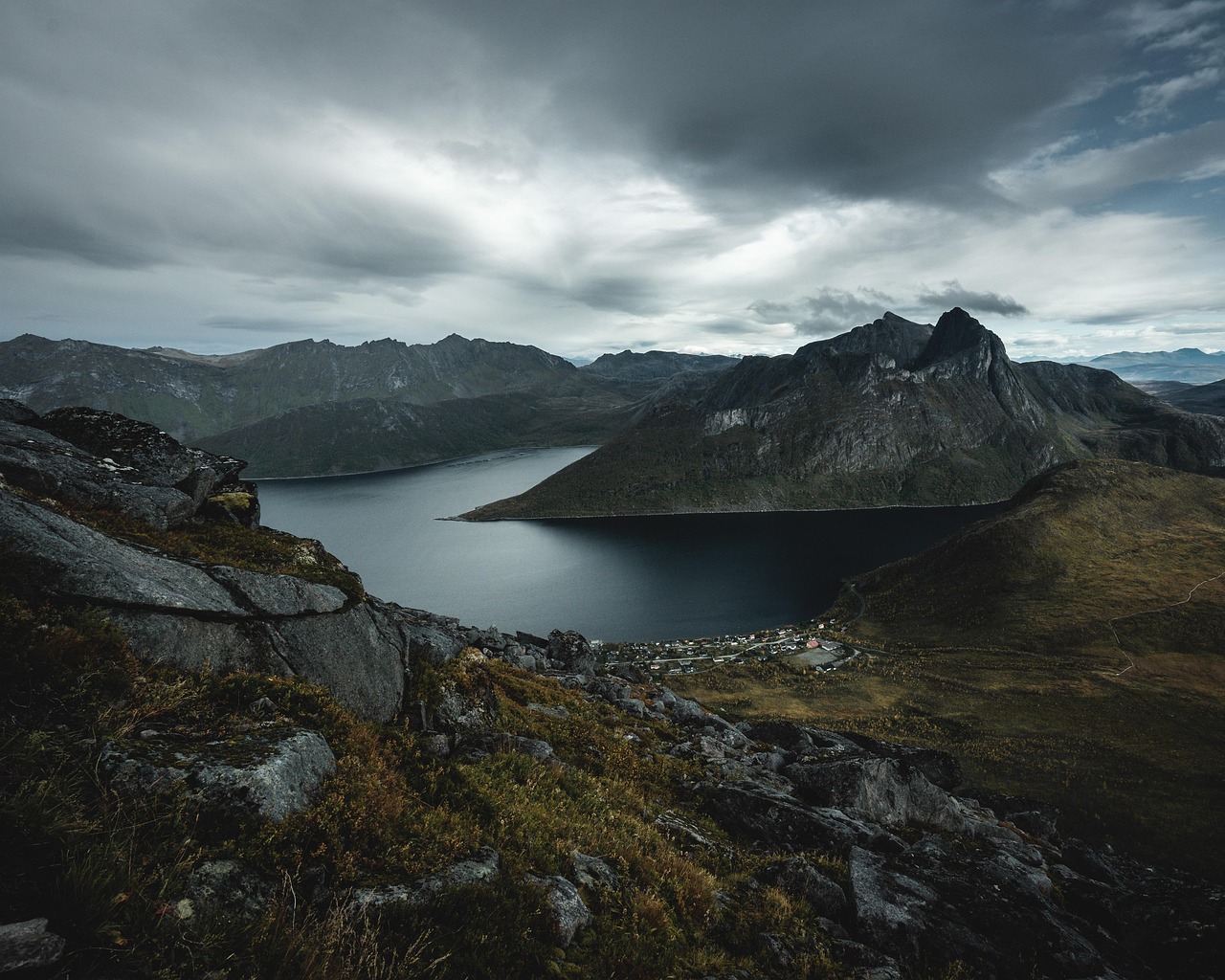
Norway's second largest island, Senja offers landscapes that distil the soul of the north into a single place: steep, jagged peaks plunging into the sea, white beaches, deep fjords and quiet fishing villages. The wild and dramatic outer coast contrasts with the gentle interior of forests and valleys, and the scenic national tourist route that crosses it reveals memorable views at every turn. Far from the busiest routes, Senja is the realm of those seeking untouched nature: hikes to summits such as Segla, whale watching, lonely beaches and, in the right months, midnight sun and northern lights. An authentic island where silence and the majesty of the landscape are the true protagonists.
Auto
Giorno 5 — Senja → Alta
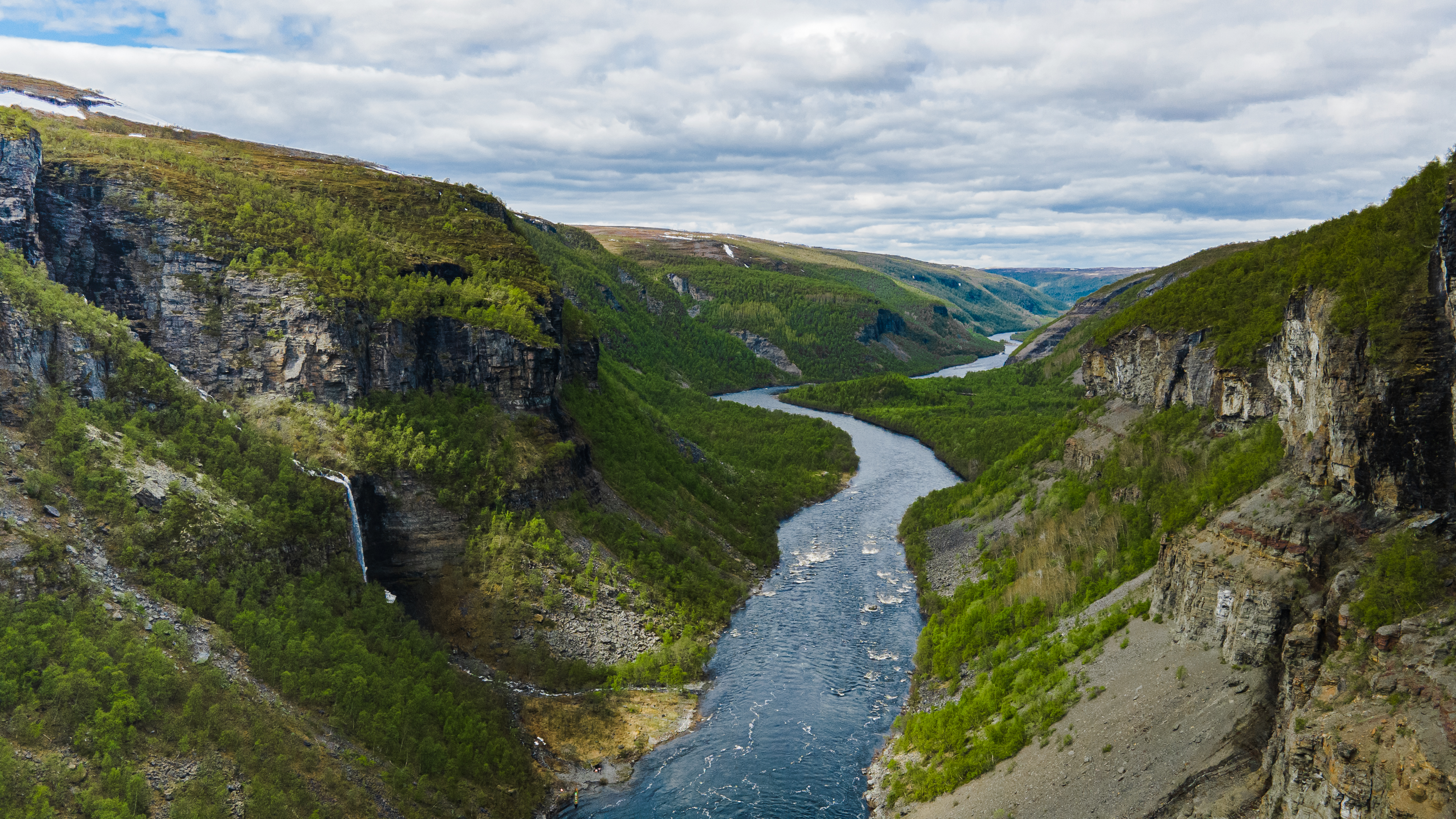
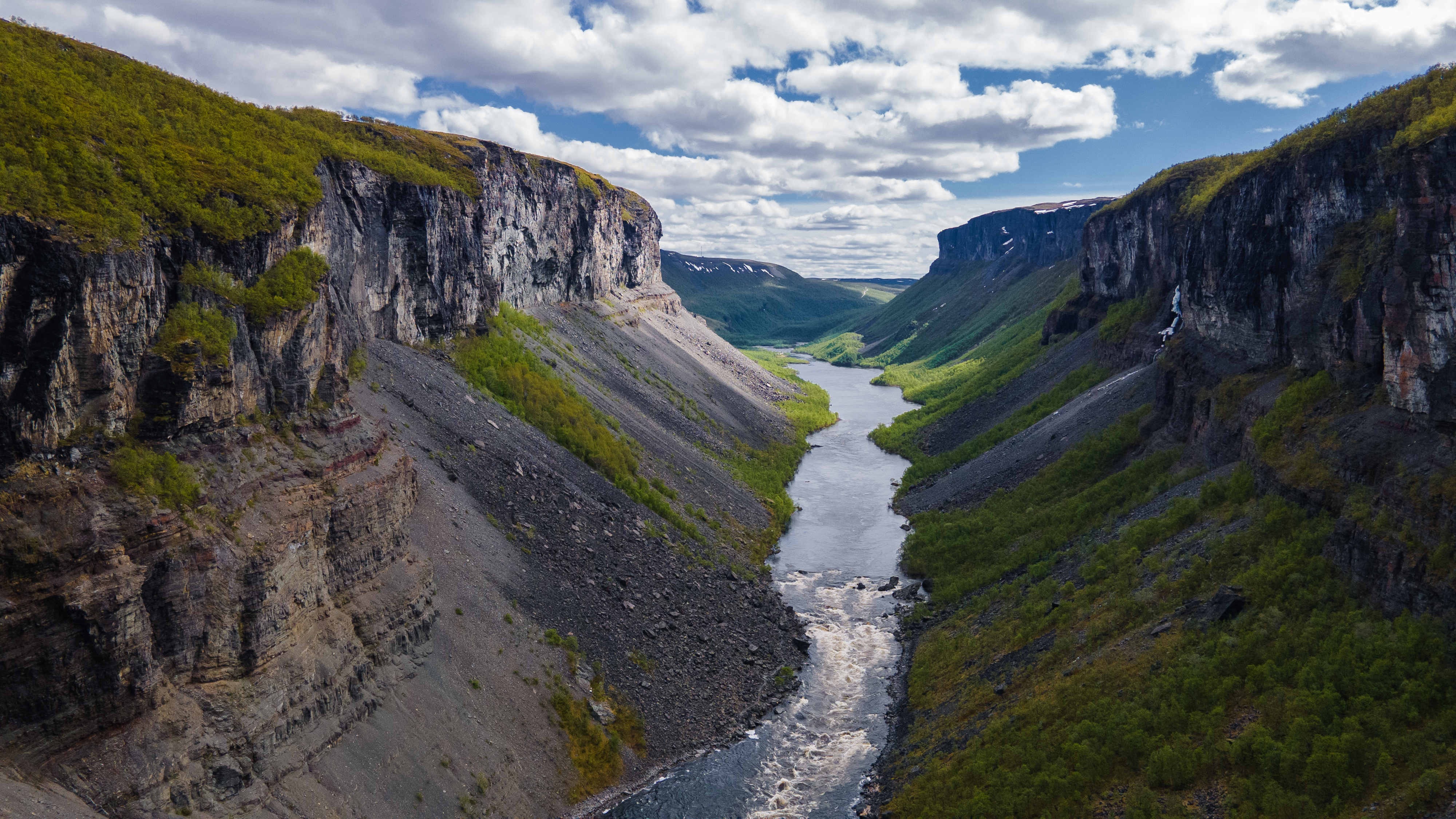
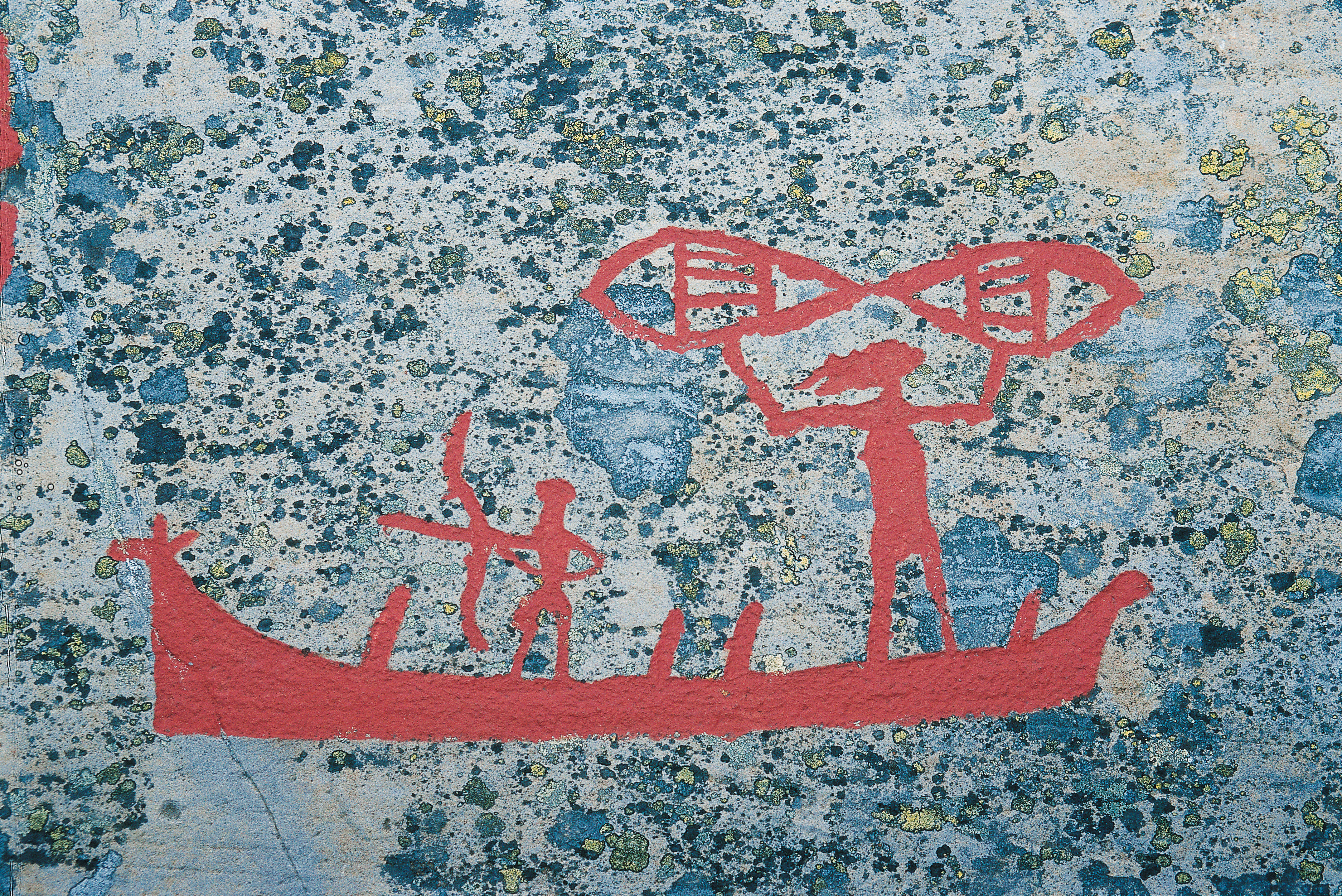
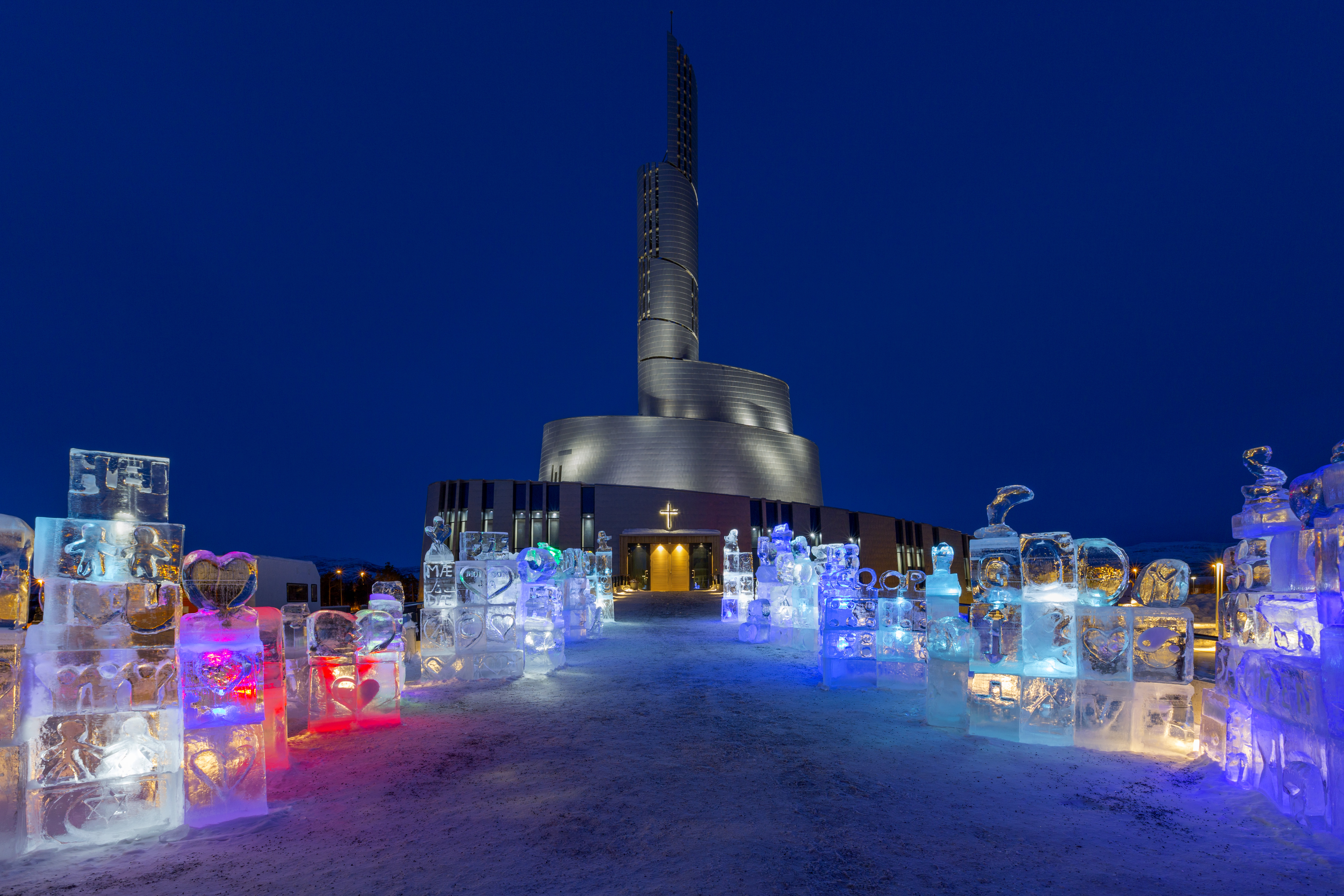
Alta spreads along the fjord of the same name in the Finnmark region, in Norway's far north, and is renowned as one of the best places in the world to admire the northern lights. It was here, in 1899, that the first observatory dedicated to studying the aurora was built. The city is also a UNESCO World Heritage Site thanks to the rock carvings of Hjemmeluft, whose thousands of figures depict the life of Arctic hunters more than six thousand years ago. In winter the land becomes a paradise for dog sledding and snowmobiling, with the chance to spend the night in an ice igloo. Between Arctic nature and ancient culture, Alta is a destination that enchants in every season.
Auto
Giorno 6 — Alta → Honningsvåg
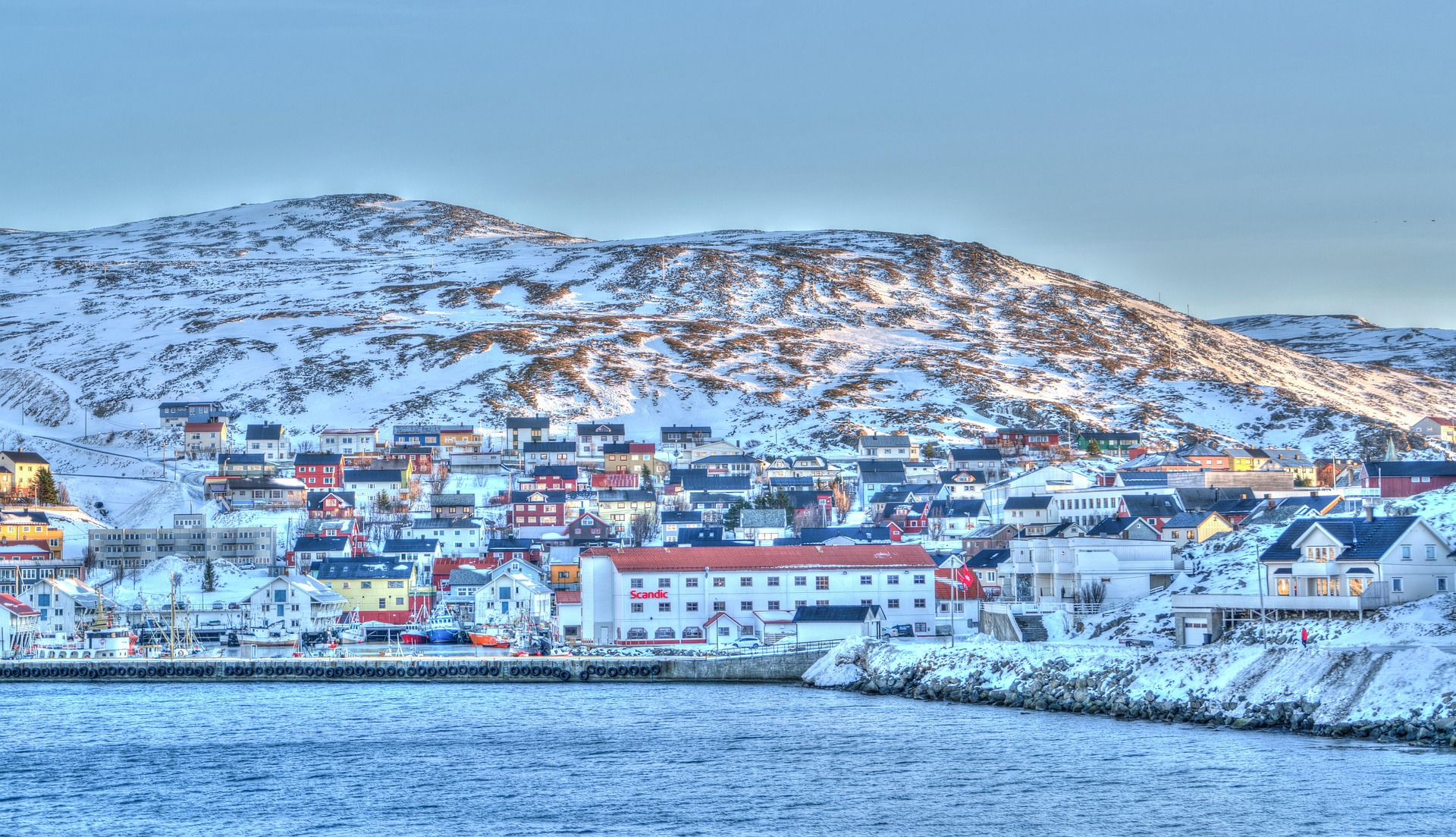
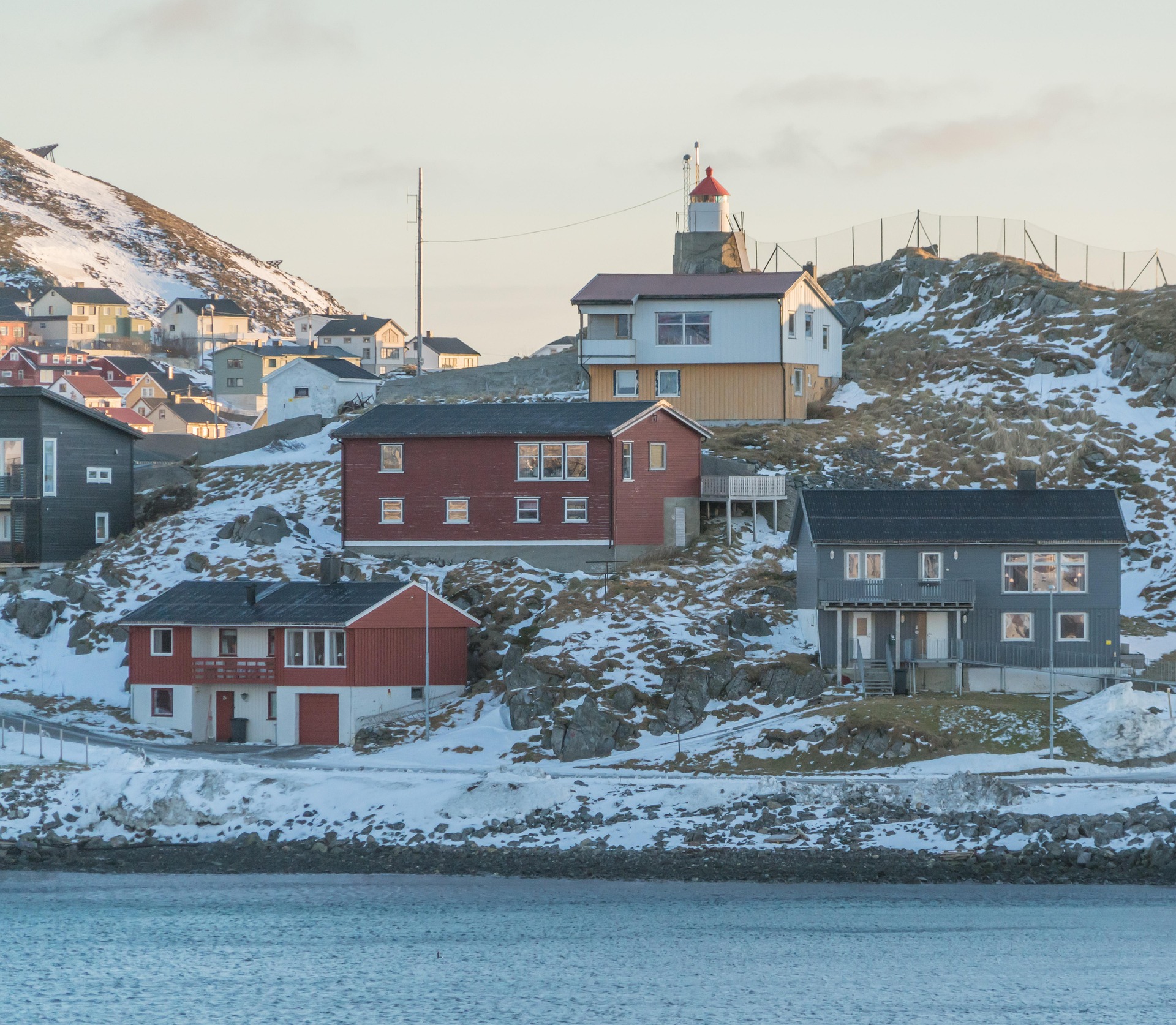
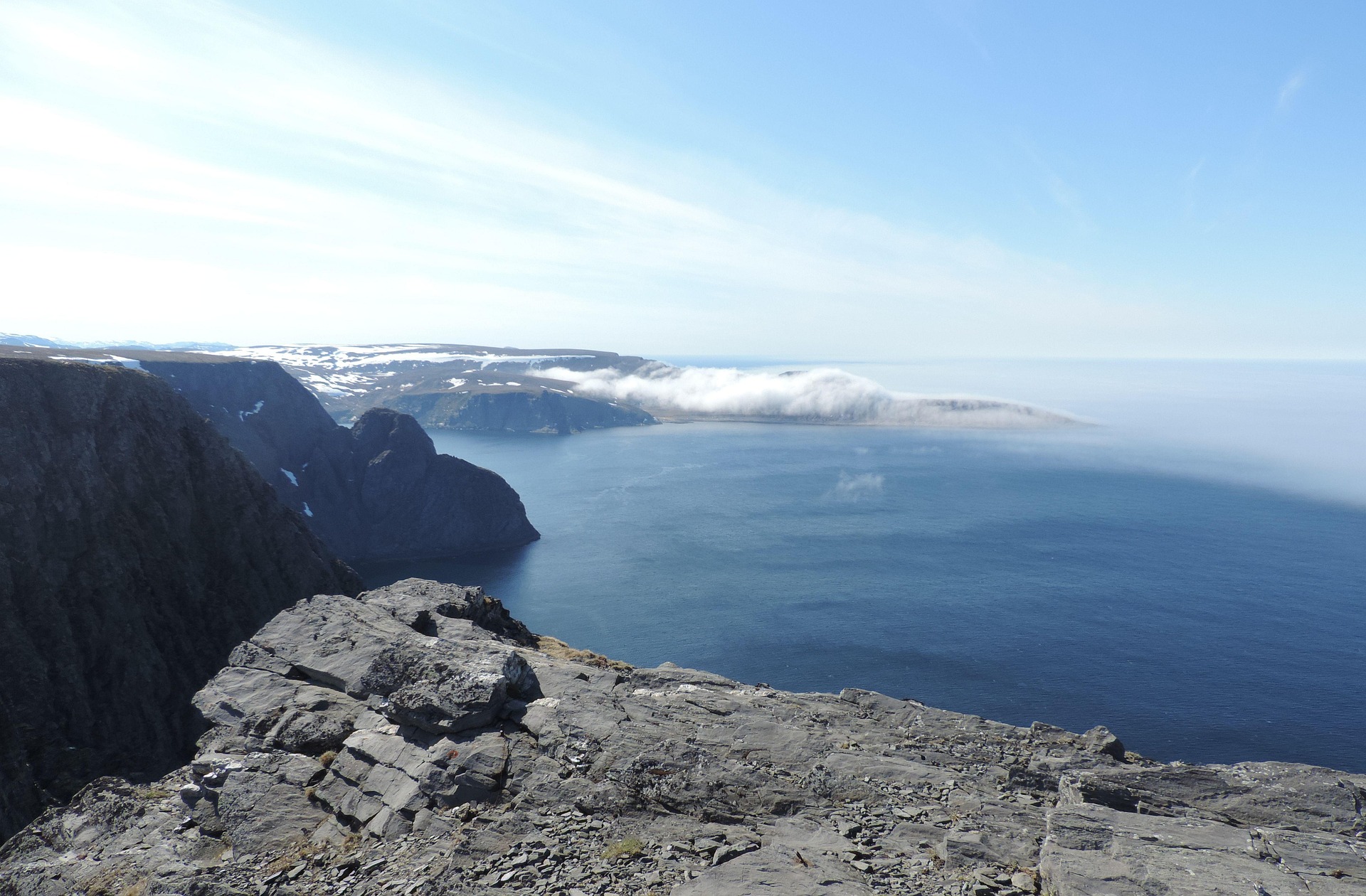
A small fishing town on the island of Magerøya, Honningsvåg is the last settlement before the North Cape, the iconic headland reaching out towards the Barents Sea at the northernmost point of continental Europe. Its harbour welcomes the Hurtigruten ships and cruises bound for the Arctic, while the colourful little houses and the church that survived the war tell of the resilience of this Finnmark community. From here travellers reach the Nordkapp plateau, where the summer midnight sun gives way, in winter, to the spectacle of the northern lights. Between wild nature, wind-battered cliffs and seabird colonies, Honningsvåg is the symbolic threshold of the far north.
Traghetto
Giorno 7 — Honningsvåg → Tromso
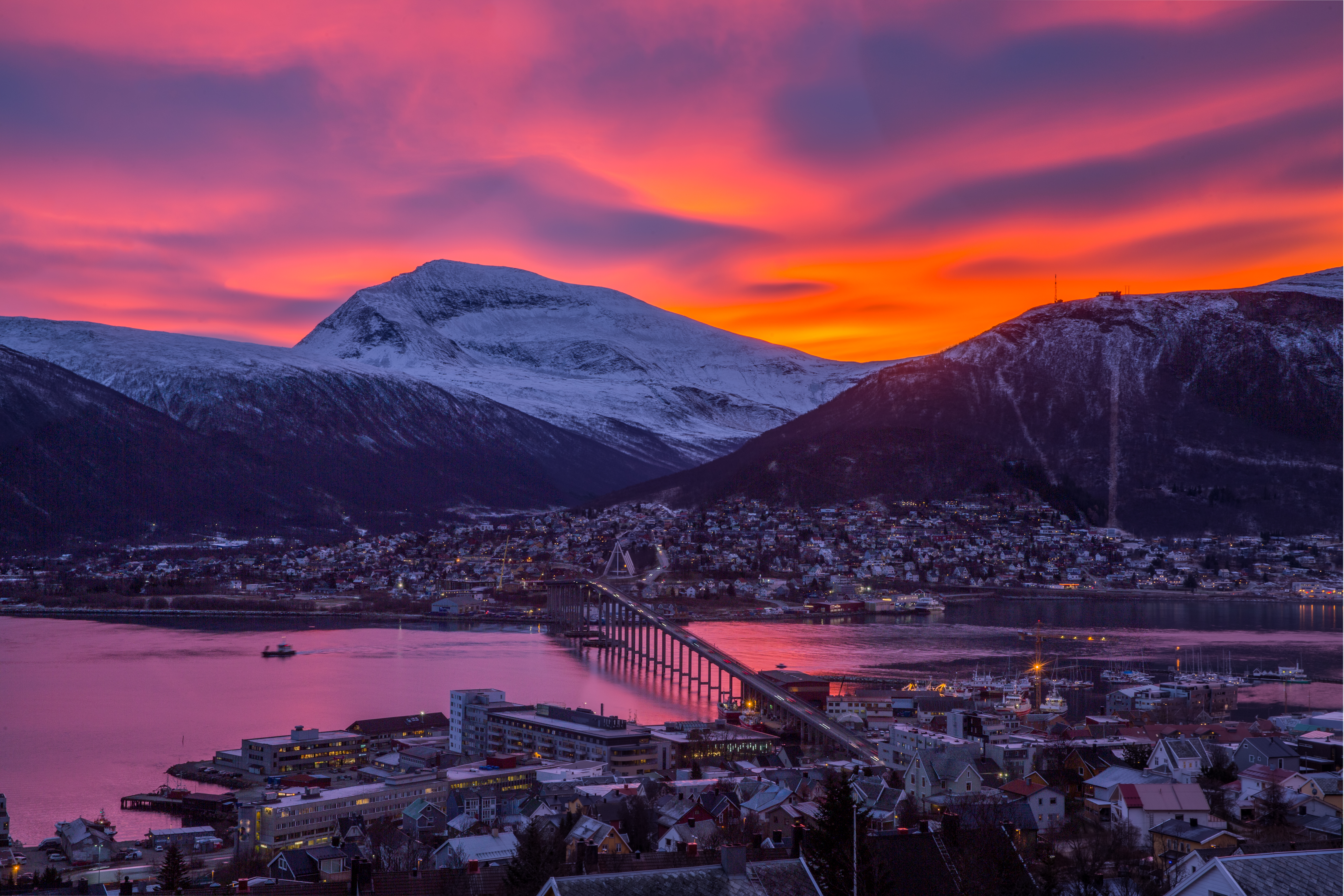
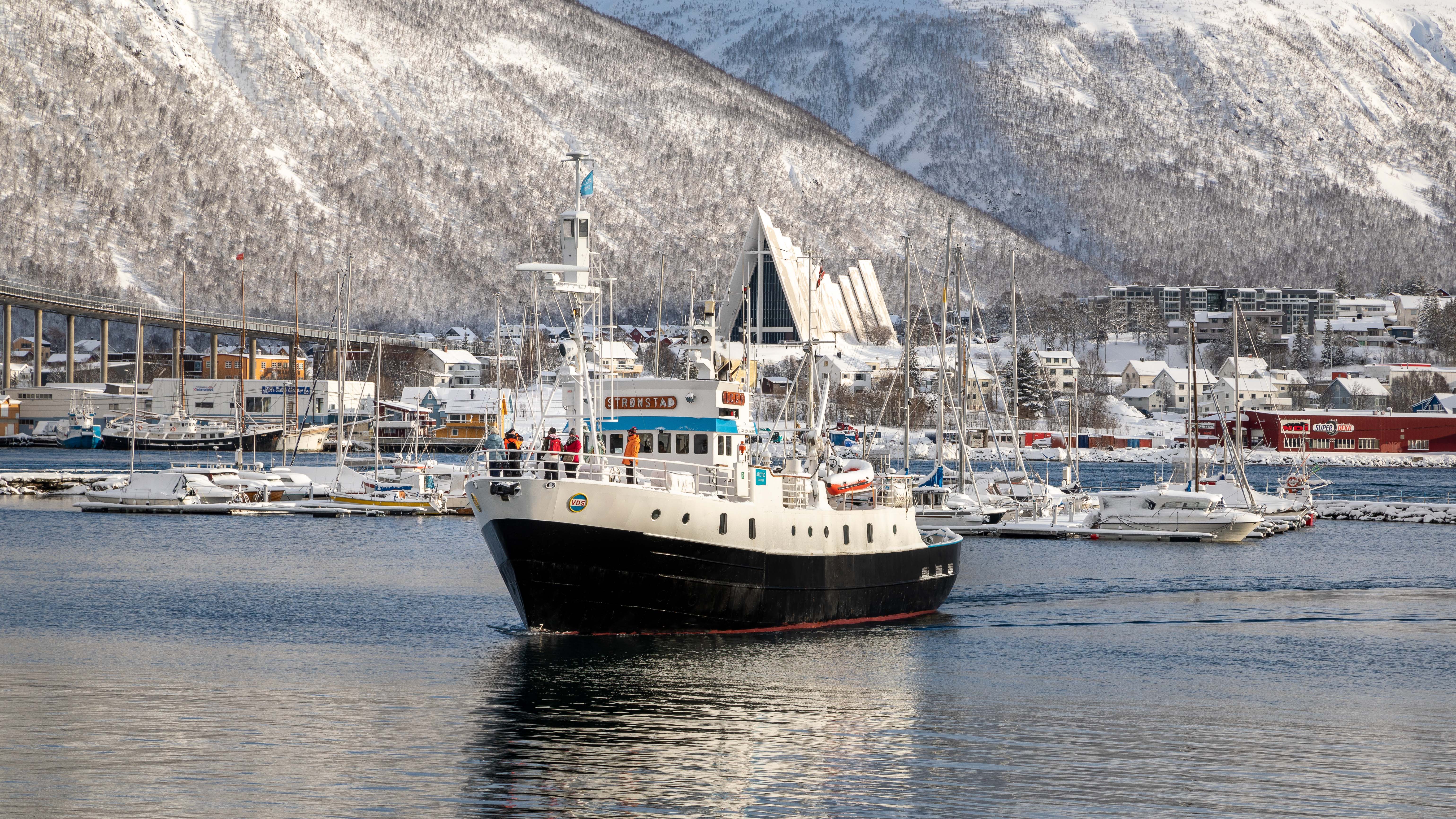
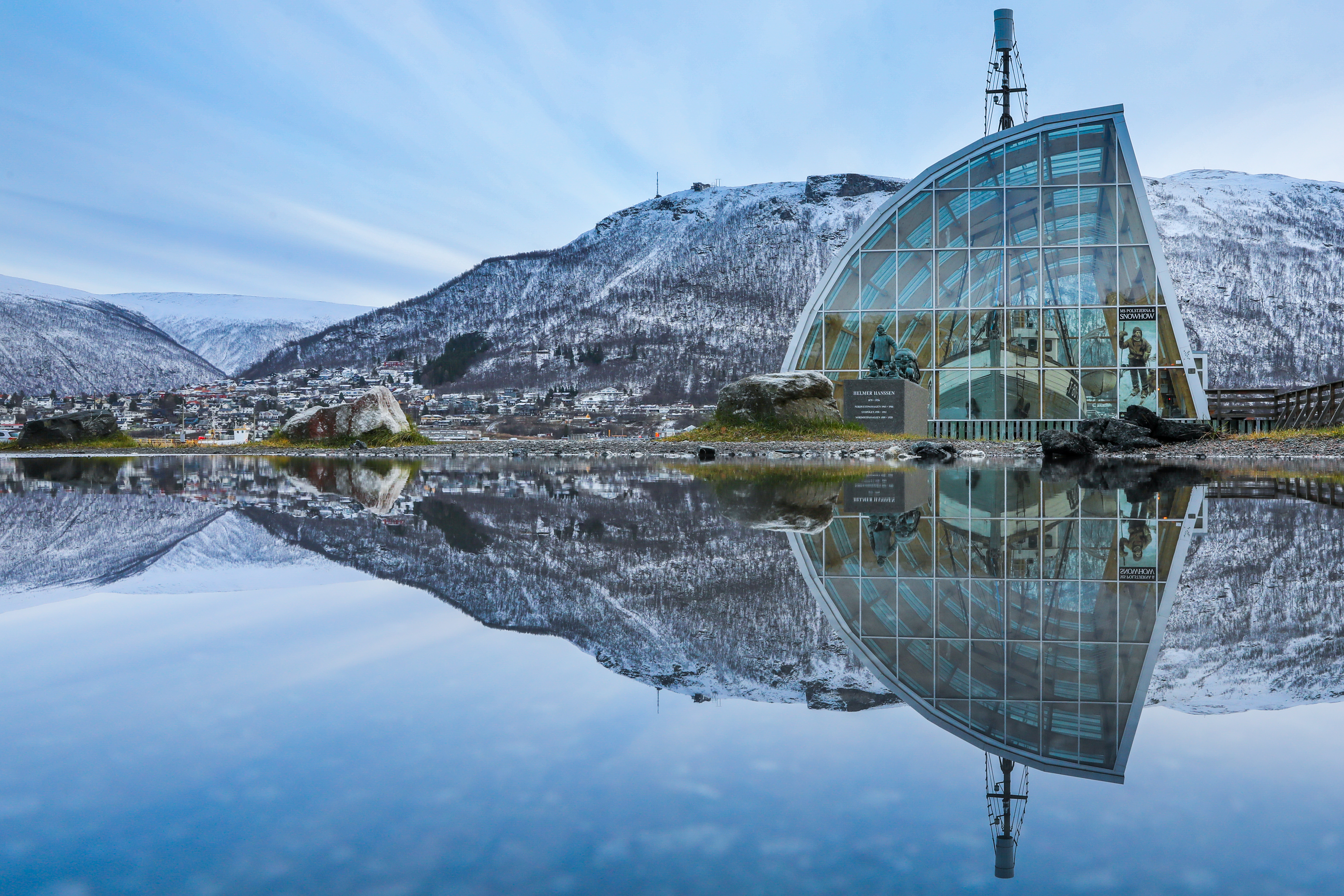
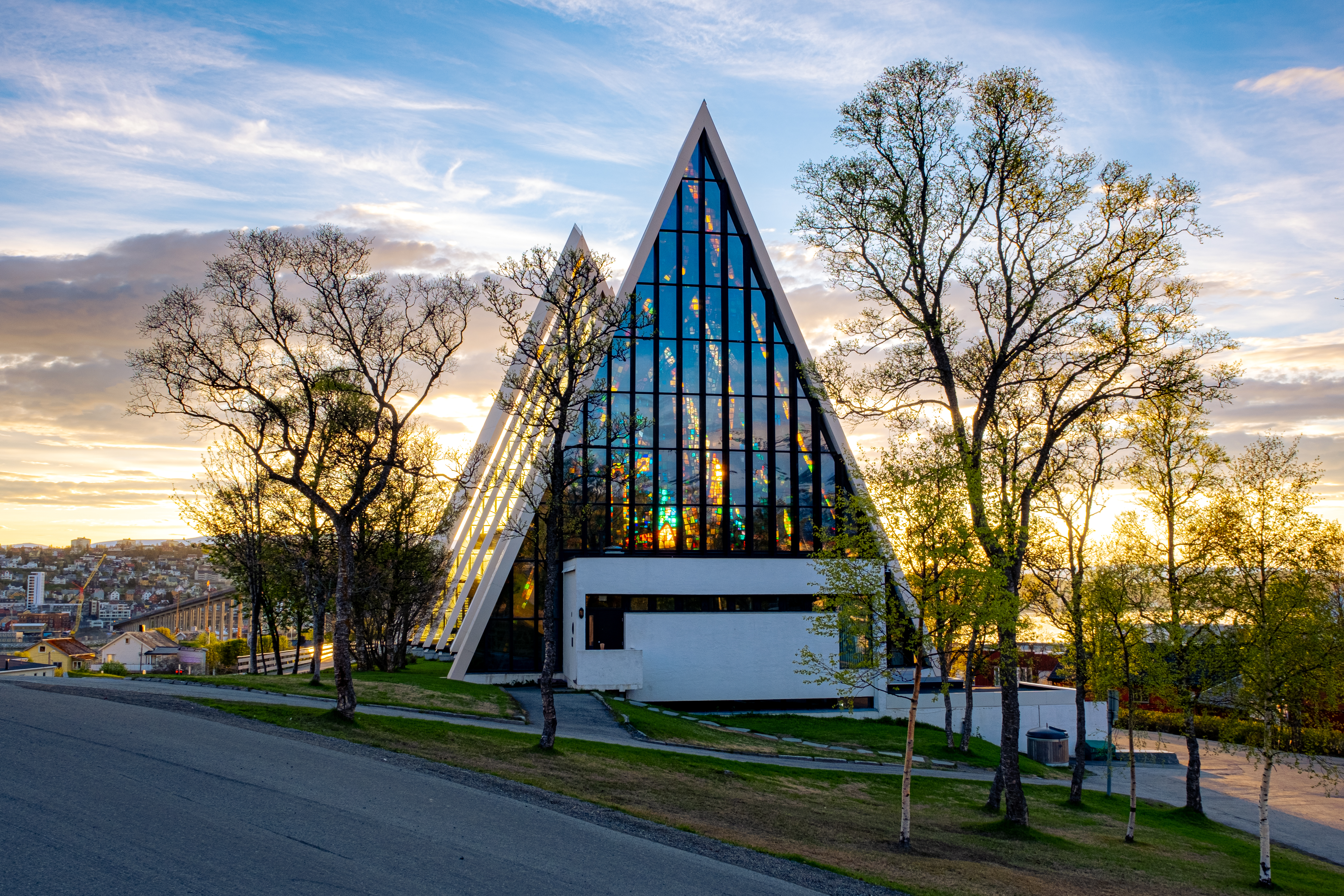
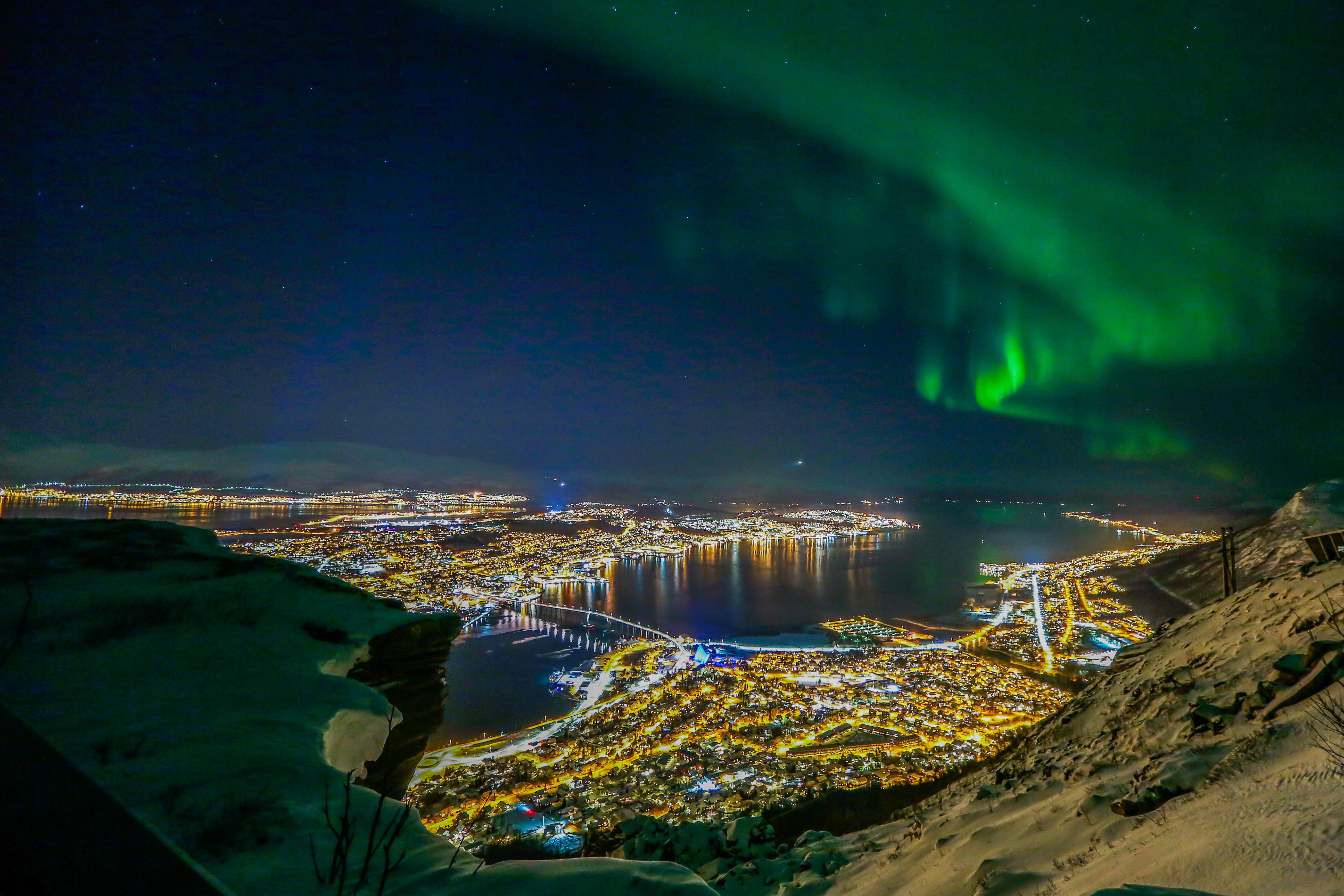
Tromsø rises on an island beyond the Arctic Circle, nicknamed the "Paris of the North" for its surprising cultural vibrancy amid landscapes of ice and snow-capped mountains. The capital of Arctic Norway, it is one of the best places in the world to admire the northern lights in winter and the midnight sun in summer. The old town holds the region's oldest wooden cathedral, while across the water stands the modern Arctic Cathedral (Ishavskatedralen) with its iceberg-shaped lines, reached by crossing the long bridge over the fjord. The Fjellheisen cable car climbs in minutes to Mount Storsteinen, from where the gaze takes in islands, fjords and peaks. Tromsø is an ideal base for dog-sledding, whale safaris and encounters with Sami culture. A vibrant city suspended between the light and darkness of the far North.
Auto
Giorno 8 — Tromso → Narvik
Narvik spreads around a deep natural harbour, ice-free all year thanks to the Gulf Stream, which is why it grew as the railway terminal for the iron ore of Kiruna. North of the Arctic Circle, the town is now a prime base for chasing the northern lights in winter and enjoying the midnight sun in summer. The cable car climbing Mount Narvikfjellet offers spectacular views over the Ofotfjord and the surrounding peaks, while the war museum recalls the fierce battles fought here in 1940. Lovers of scenic railways treasure the Ofotbanen line, which crosses gorges and plateaus to the Swedish border. Between skiing, hiking and skies lit by northern lights, Narvik is a destination that blends Arctic nature with historical memory.

_20240517162839.jpg)