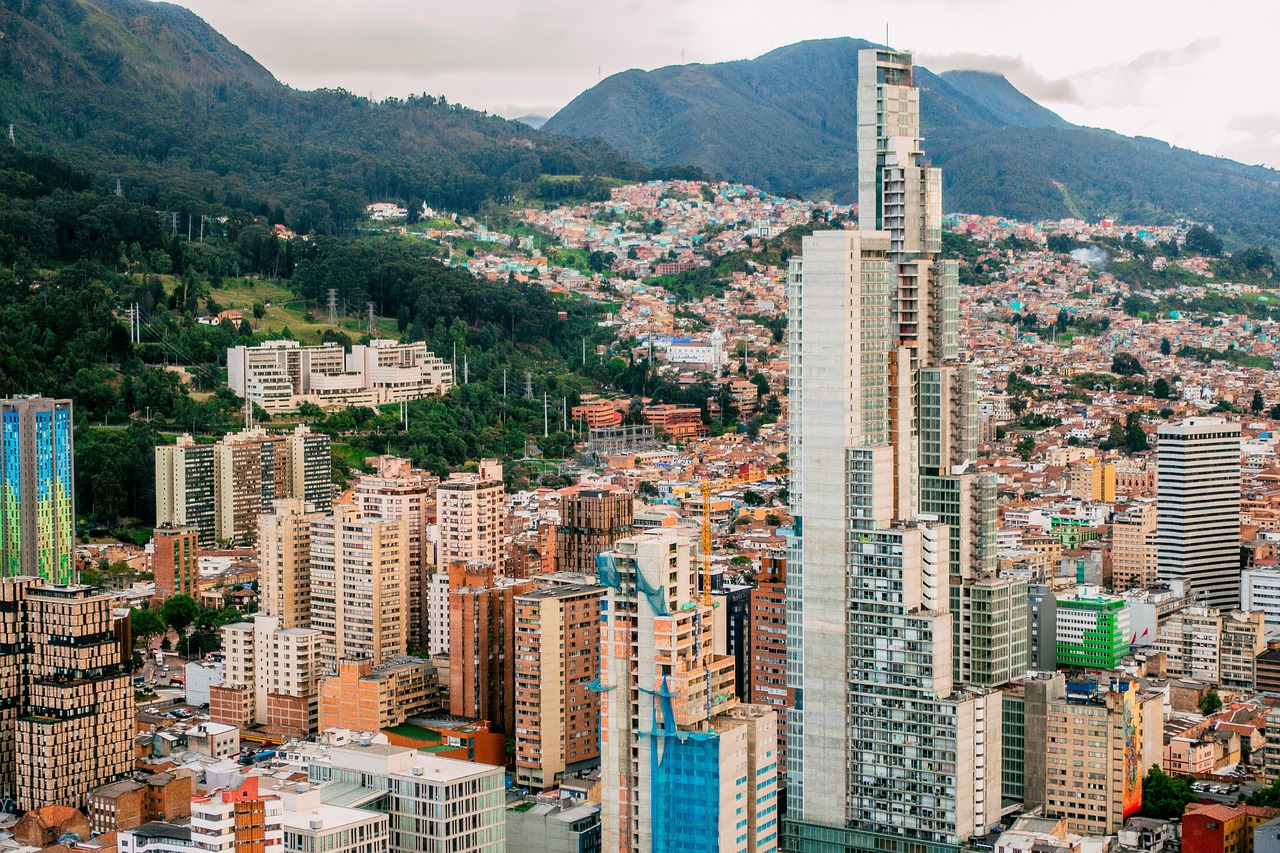
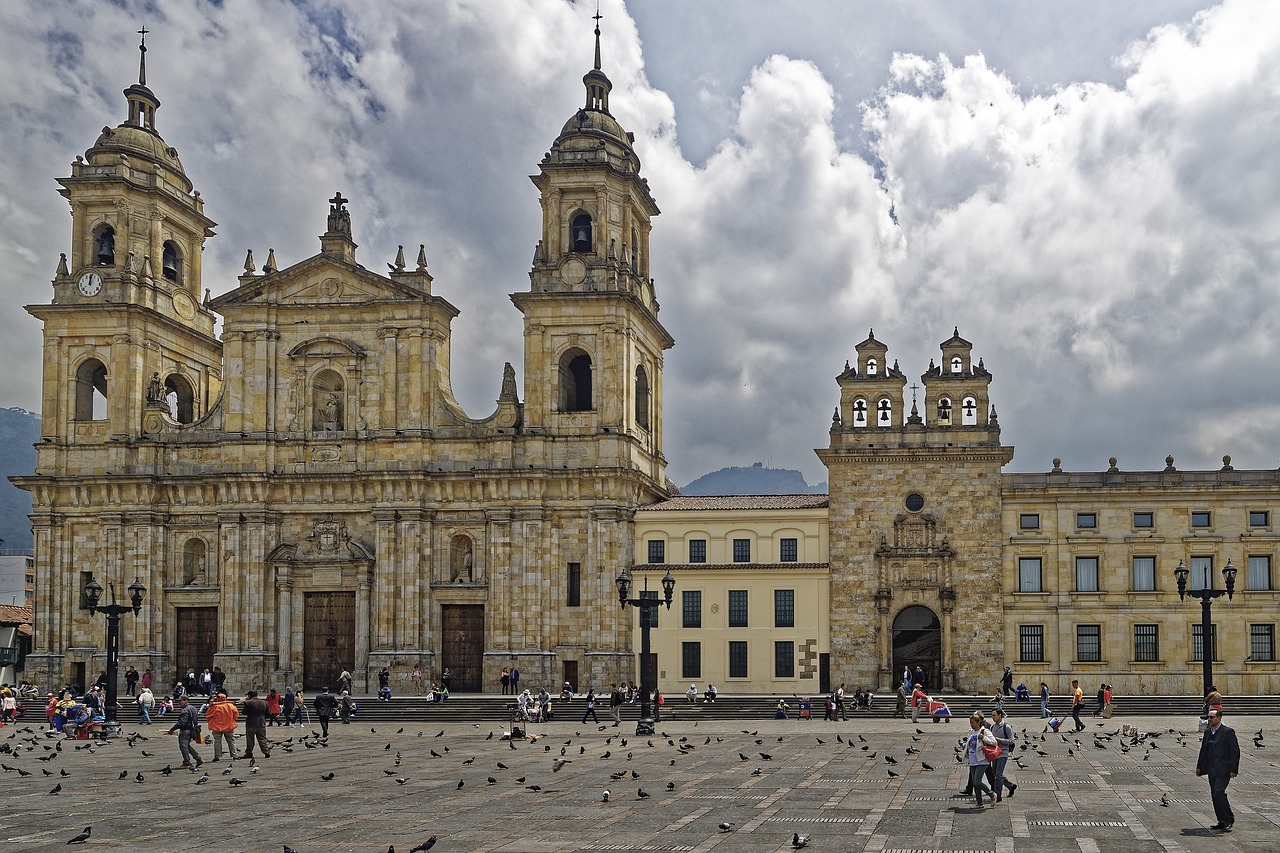
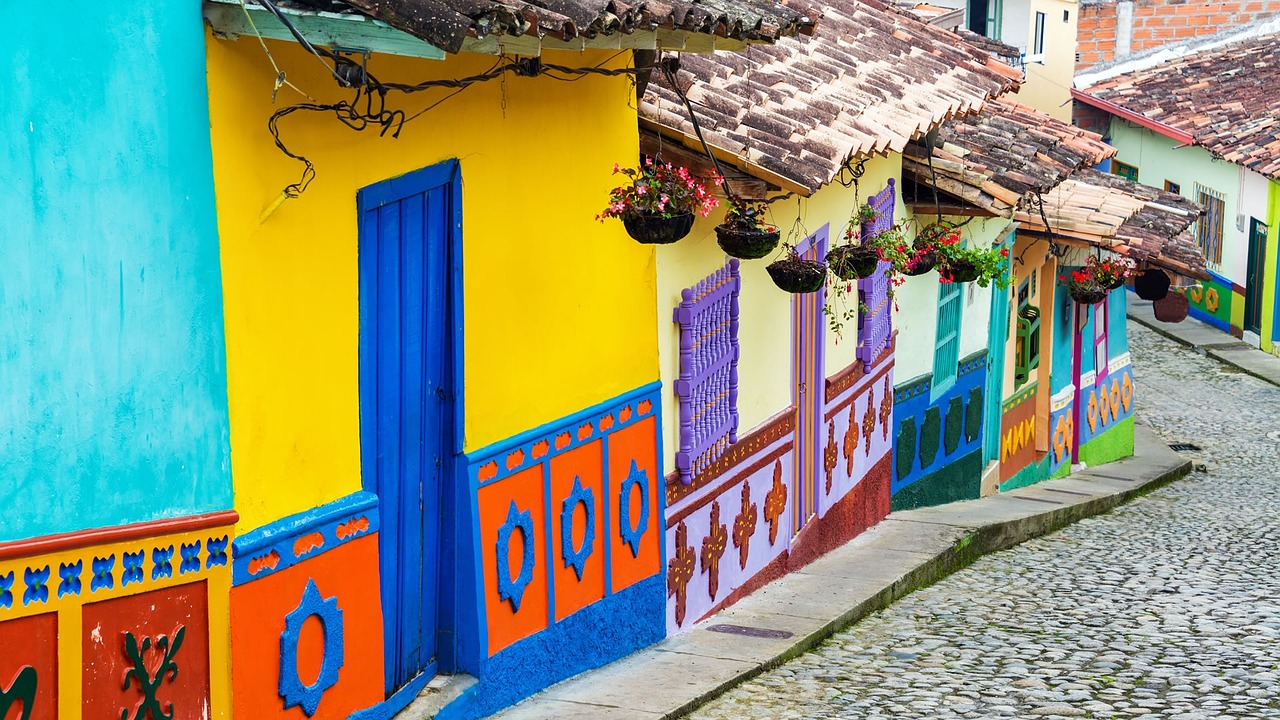
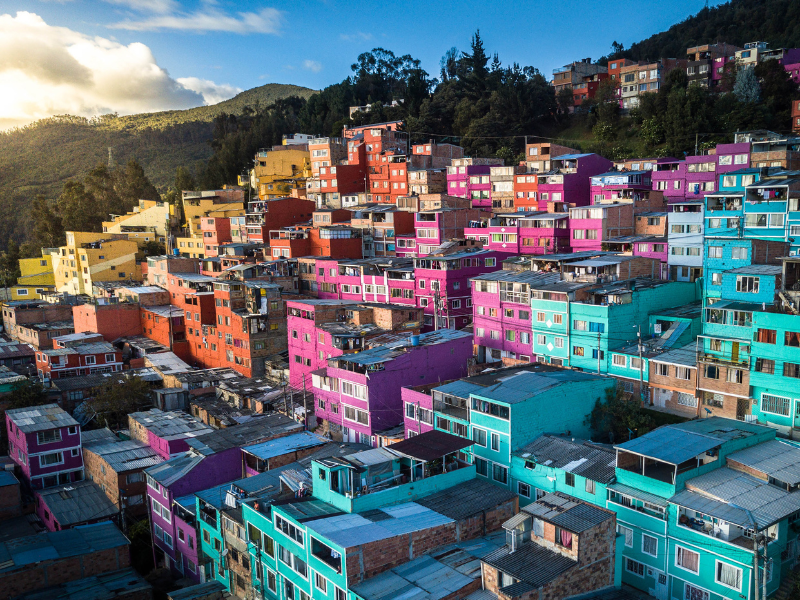
Bogotá rises at 2,600 metres on the Andean plateau, a vast and contrasting metropolis that is Colombia's political, cultural and economic heart. Its historic core is La Candelaria, a maze of cobbled streets and brightly coloured colonial houses where museums, universities and literary cafés cluster. At its centre lies Plaza de Bolívar, framed by the Catedral Primada, the Palace of Justice and the Capitolio Nacional. A short walk away stands the famed Museo del Oro, home to an extraordinary collection of pre-Columbian goldwork, and the Museo Botero, which gathers the rotund works of the great Colombian artist. Monserrate hill, reached by funicular, rewards visitors with a spectacular view over the sprawling city at the foot of the Andes. Bogotá is also dynamic and modern: the Zona G is full of fine dining, the Zona Rosa of nightlife, while on Sundays the ciclovías close the streets to traffic for cyclists and families. The cuisine ranges from ajiaco, the capital's chicken-and-potato soup, to specialities from across the country that converge here. Between altitude, art and creative energy, Bogotá reveals itself as a complex and captivating capital, the gateway to all of Colombia.
Volo
Giorno 3 — Bogota → Neiva
Neiva is the capital of the Huila department, a warm and welcoming city set along the banks of the Río Magdalena in southern Colombia. It is known above all as the base for visiting the nearby Tatacoa Desert, a striking arid expanse of red and grey earth shaped by erosion, ideal for stargazing thanks to its clear skies. The city is also tied to the tradition of the Bambuco Festival and to a regional cuisine rich in flavour. A stopover toward the Andean south and the region's archaeological sites, Neiva offers the authentic face of provincial Colombia. Between river and desert, it is the gateway to Huila.
Auto
Giorno 4 — Neiva → San Agustin
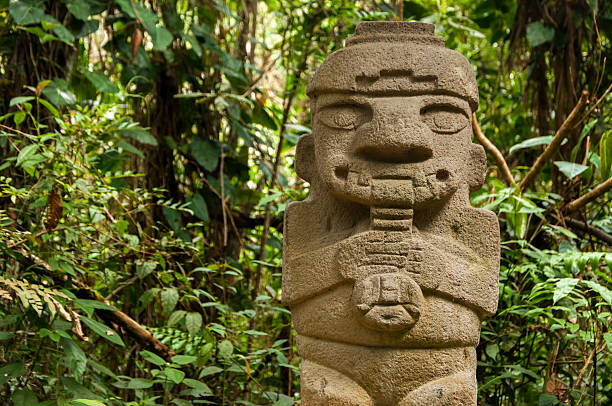
San Agustín holds Colombia's most important pre-Columbian archaeological complex, a park declared a UNESCO World Heritage Site. Scattered across green hills and forests, hundreds of monolithic stone statues depict deities, animals and mysterious figures carved by a culture that vanished over a thousand years ago. The surrounding landscape of mountains, waterfalls and the headwaters of the Río Magdalena is explored on foot or on horseback. The village offers simple, warm hospitality, an ideal base for visiting the various archaeological sites scattered across the region. Between archaeology and Andean nature, San Agustín is a journey into the continent's distant past.
Auto
Giorno 6 — San Agustin → Popayan
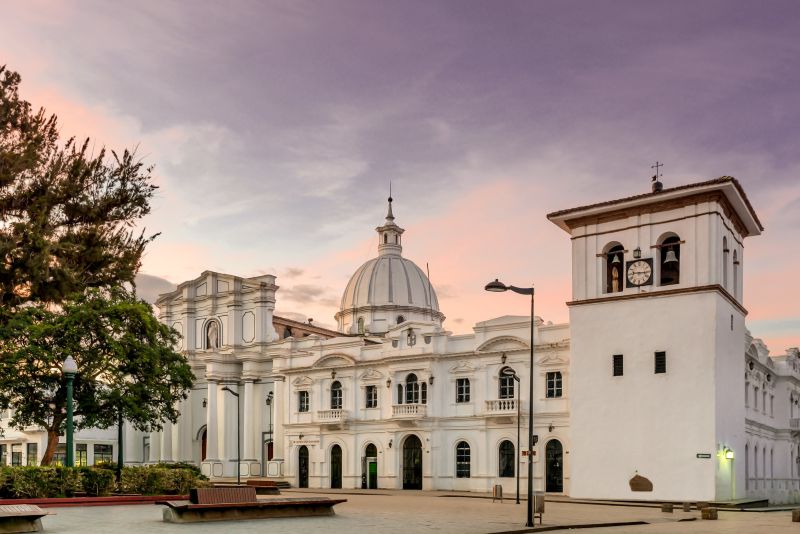
Popayán is known as "la Ciudad Blanca" for the white façades of its colonial old town, one of the best preserved in Colombia. Whitewashed churches, convents and stately homes recall a glorious past as a religious and cultural centre. Popayán's Holy Week, with its solemn processions, is famous throughout the country. The city is also renowned for its gastronomic tradition, recognised as cultural heritage. Set in the Andean south-west, it is a base for excursions to the volcanoes and archaeological sites of the region. Between colonial white and devotion, Popayán is a city of art and faith.
Volo
Giorno 8 — Popayan → Cartagena de Indias
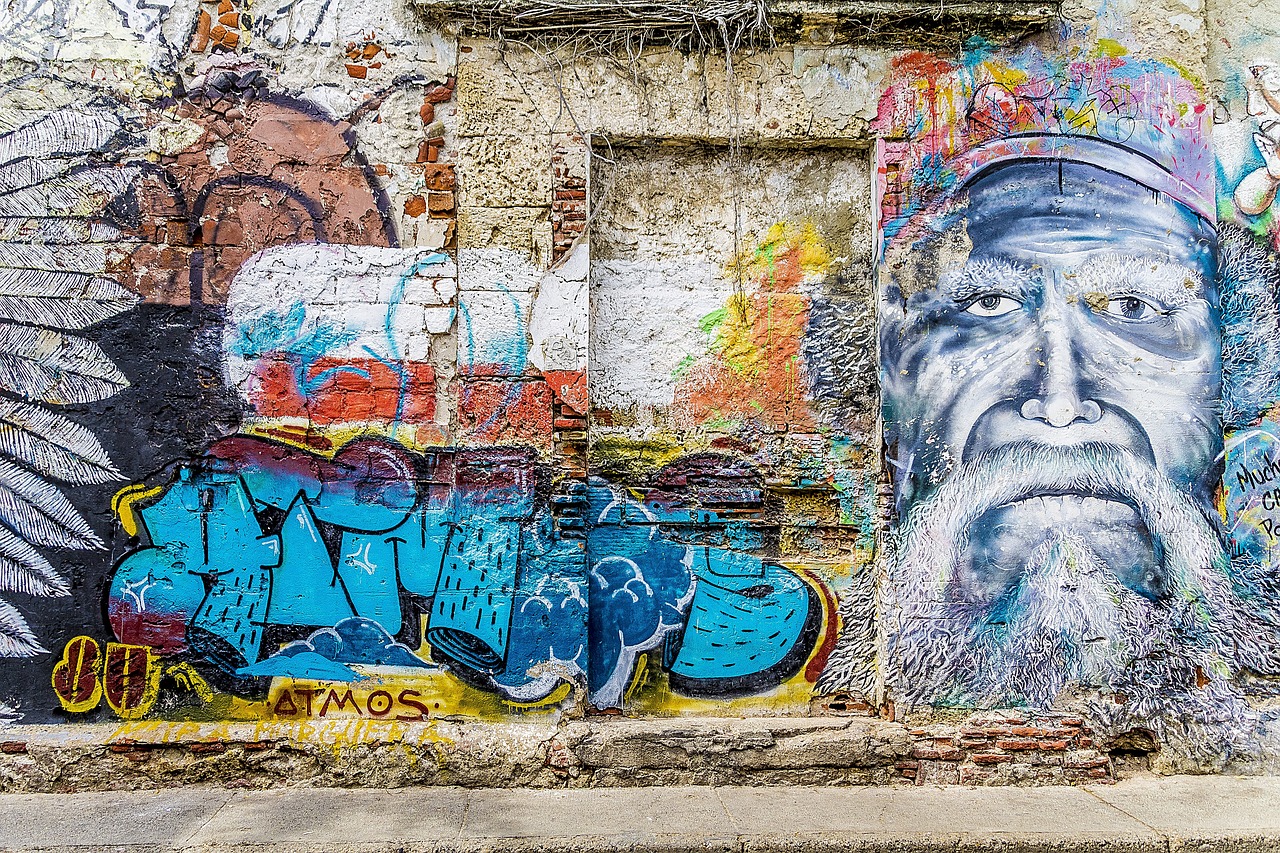
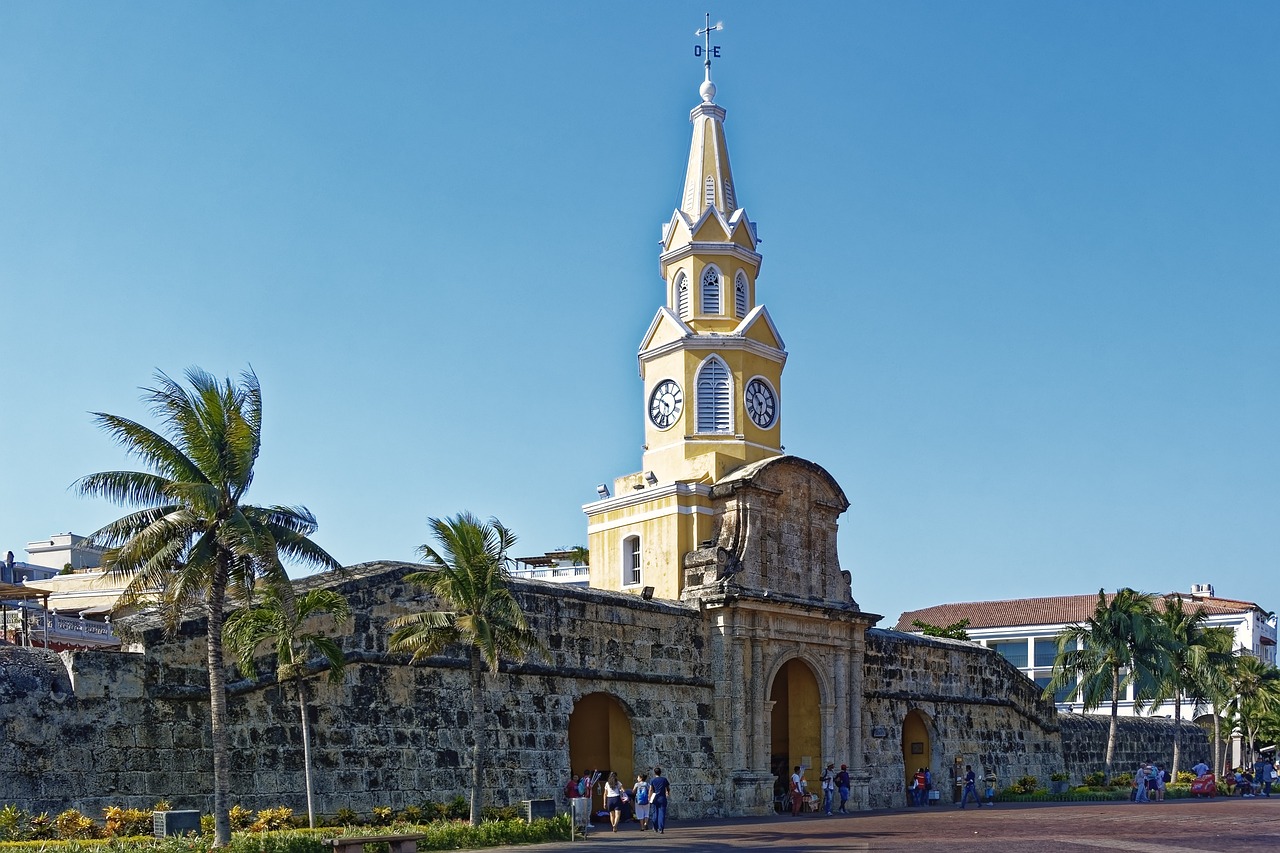
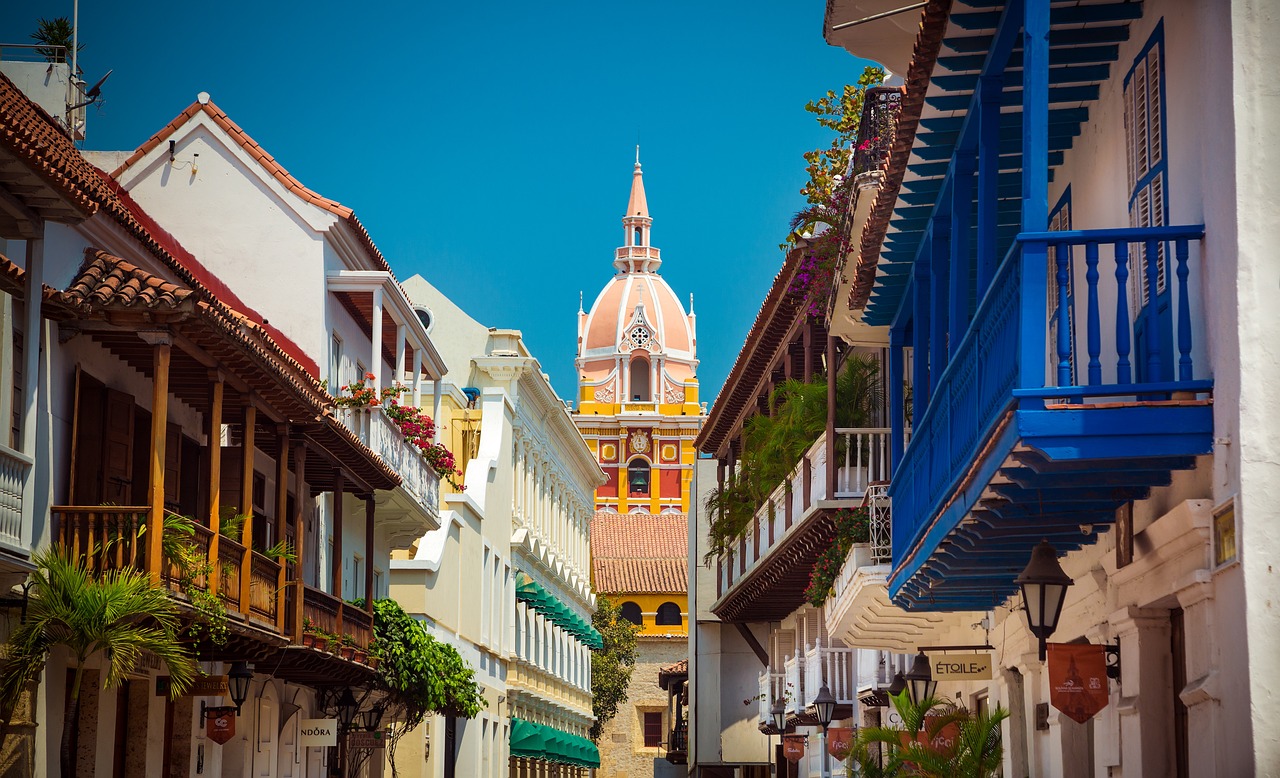
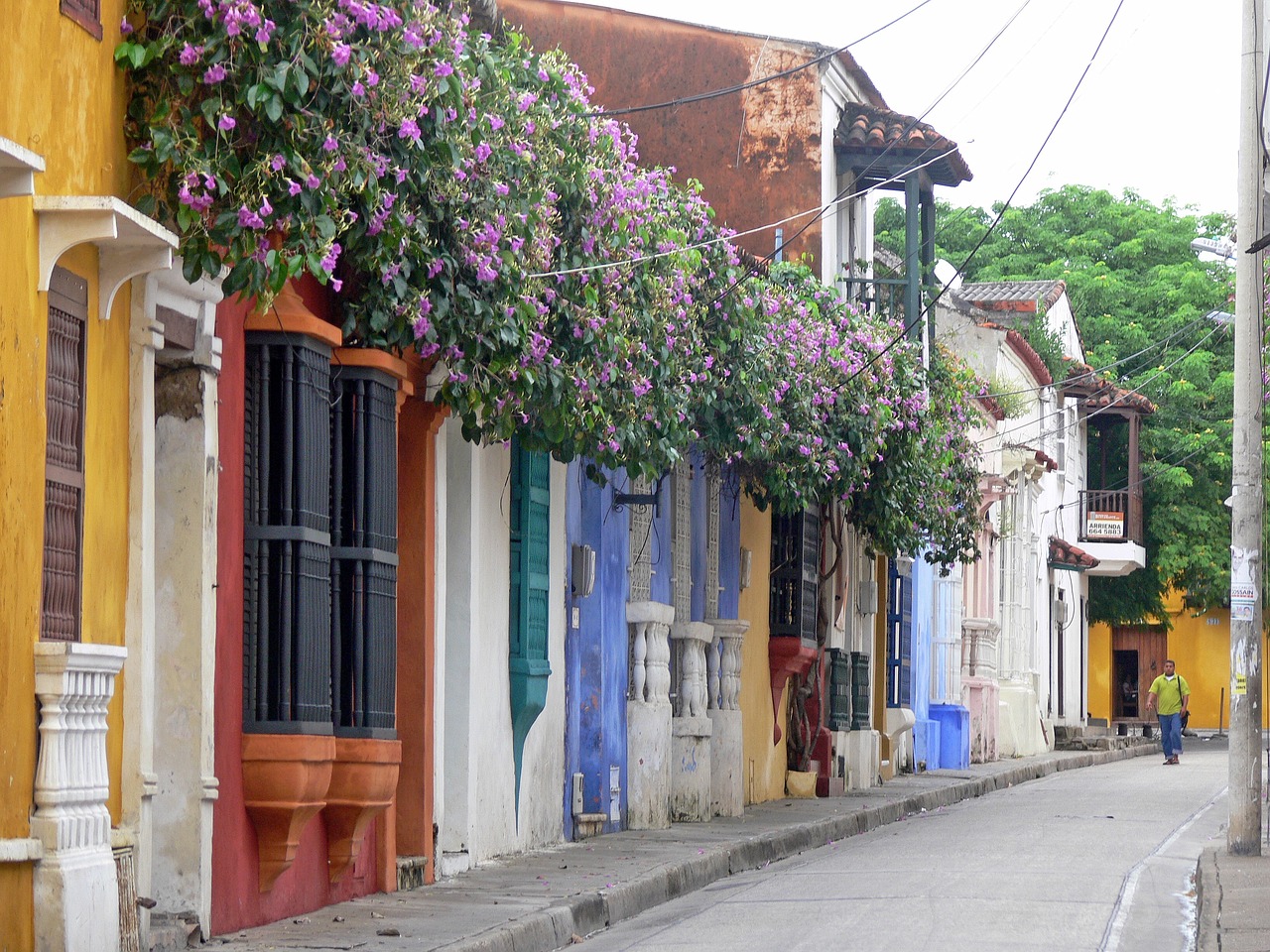
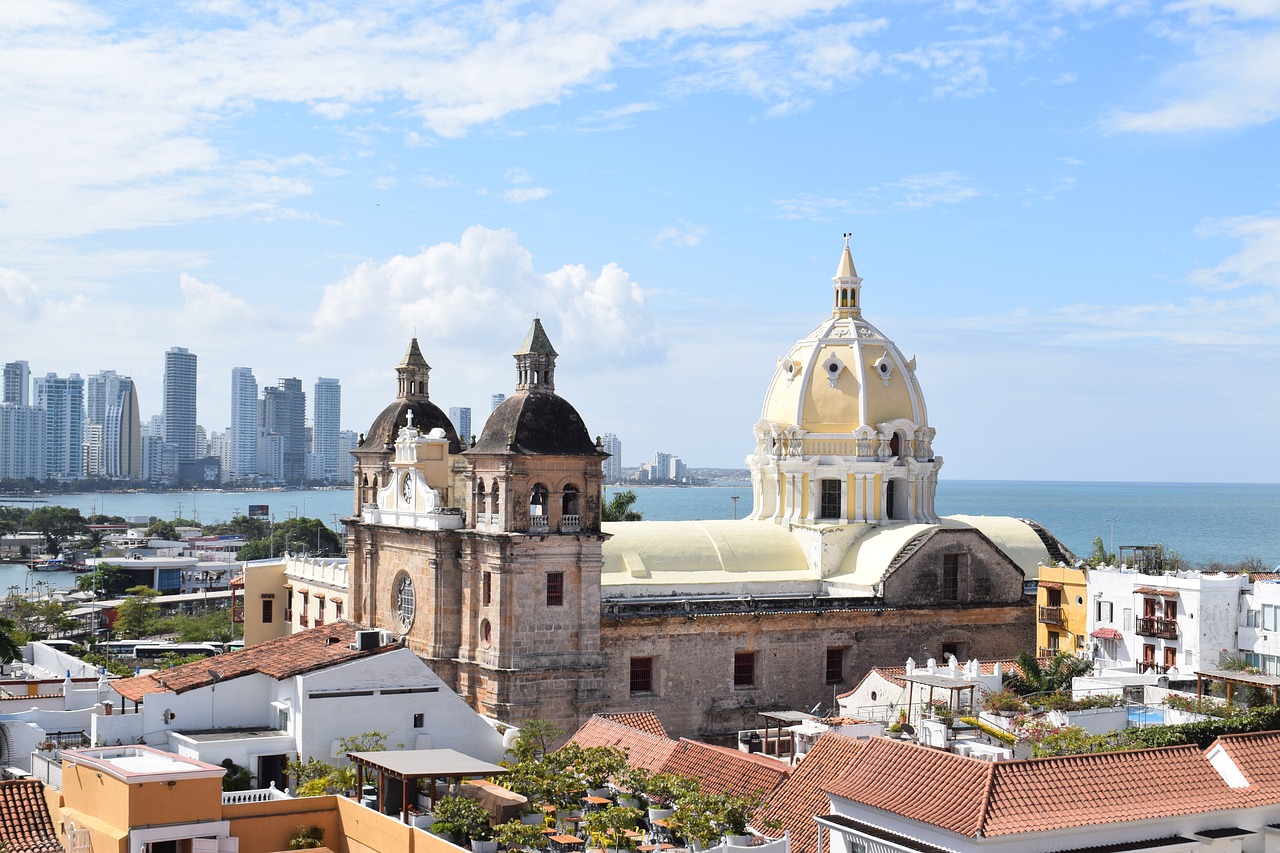
Cartagena de Indias unfolds along Colombia's Caribbean coast as one of Latin America's best-preserved colonial cities, a fortified port that for centuries guarded Spain's New World treasures. Its heart is the Ciudad Amurallada, a walled old town enclosed by mighty limestone ramparts now strolled at sunset, when the sky glows orange over the Caribbean Sea. Within the Centro Histórico, a UNESCO World Heritage Site, pastel mansions with timber balconies spill over with bougainvillea, shady squares such as Plaza Santo Domingo and Plaza de los Coches invite a pause, and stern colonial churches line the streets. The Getsemaní district, once working-class and now the city's creative soul, throbs with murals, salsa bars and courtyards alive late into the night. The skyline is dominated by Castillo San Felipe de Barajas, the largest Spanish fortress in the Americas, while La Popa hill offers sweeping views over bay and islands. Cartagena is also a gateway to beaches, from the high-rise strand of Bocagrande to the crystalline waters of the Islas del Rosario, reached by boat for days of sea and snorkelling. The cuisine blends Caribbean and African flavours, from coconut seafood to the arepas de huevo sold on street corners. With its music, warmth and timeless architecture, Cartagena remains one of the continent's most seductive destinations.