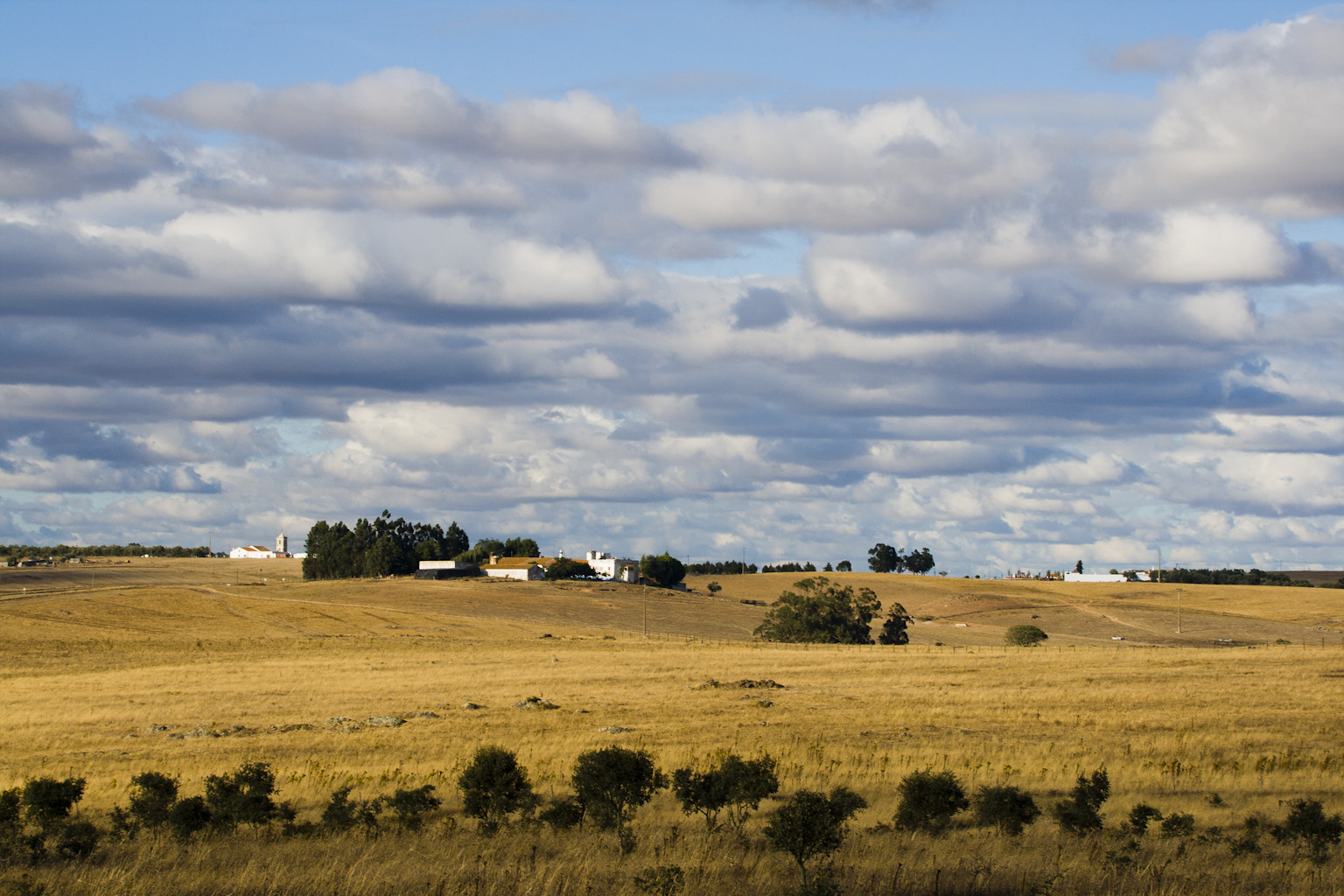
Montemor-o-Novo lies in the heart of the Alentejo, surrounded by rolling hills, olive groves, and vineyards. Dominated by the impressive ruins of its medieval castle, the town preserves a compact historic center with squares, churches, and traces of a long history spanning Roman, Islamic, and Christian periods. A cultural landmark of inland Alentejo, it combines historical heritage, rural traditions, and authentic landscapes in a peaceful and welcoming atmosphere.
Auto
Giorno 3 — Montemor-o-Novo → Beja
Beja stands in the heart of Baixo Alentejo, amid rolling plains dotted with olive groves and cereal fields that shape the region’s landscape. Known as Pax Julia during Roman times, it preserves a historic centre dominated by its castle and imposing medieval keep, one of the tallest in Portugal. Highlights include the Cathedral, the Rainha Dona Leonor Museum housed in the former Convent of Conceição, and the quiet streets enclosed by ancient walls. Local cuisine celebrates bread, olive oil and rural traditions. Beja offers an authentic introduction to the spirit of Alentejo.
Auto
Giorno 4 — Beja → Melides
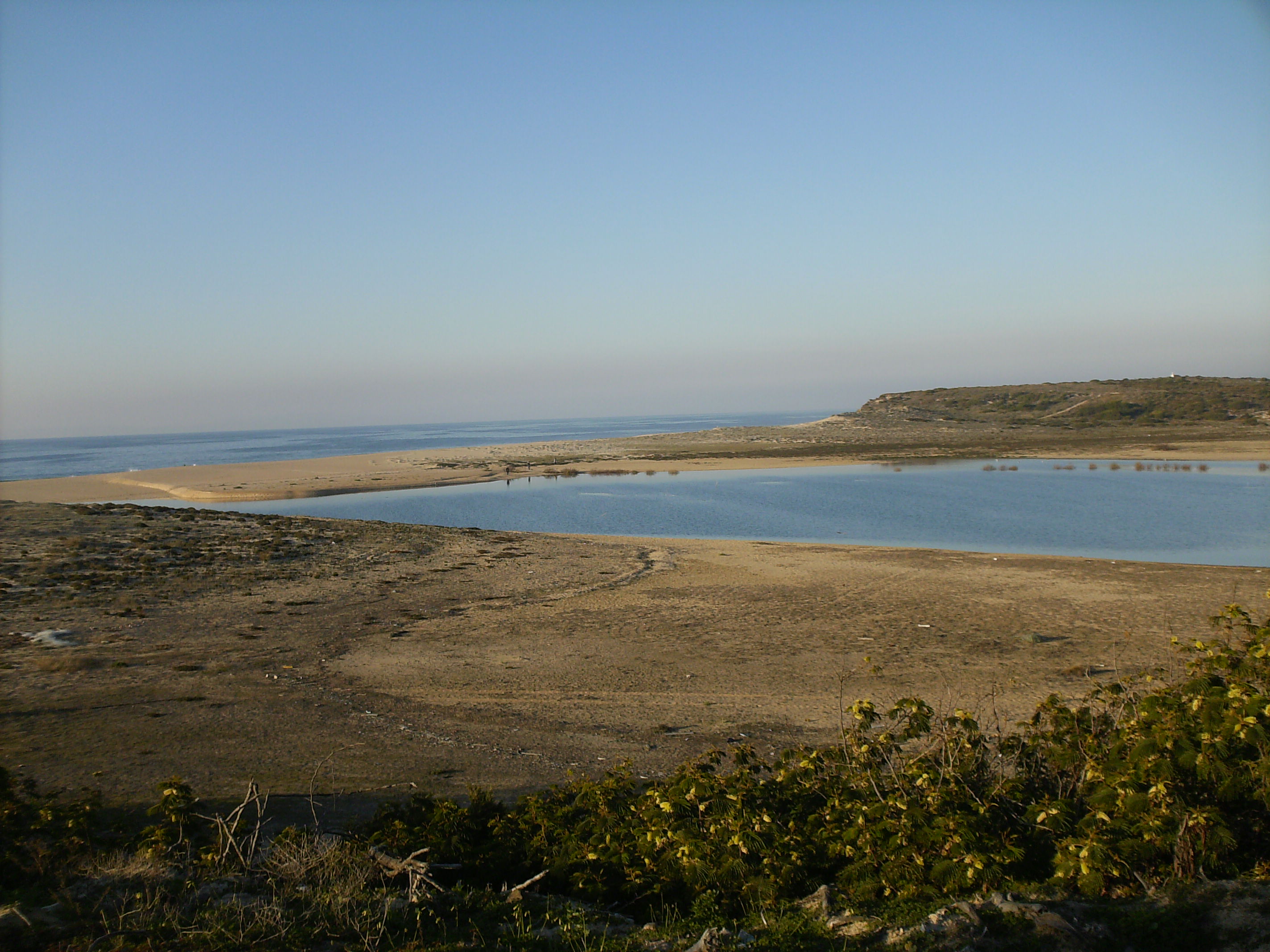
Melides is a peaceful village in the Alentejo, surrounded by pine forests, rolling hills, and rural landscapes just a short distance from the Atlantic Ocean. The area is known for its long sandy beach and the Melides Lagoon, an important natural habitat rich in biodiversity. The village retains the authentic character of the Alentejo, with whitewashed houses and a relaxed pace of life. Melides combines nature, coastline, and local traditions in one of Portugal’s most charming coastal settings.