Individual train travel with a Japan Rail Pass in 2nd class, and some collective visits with local guides.
in English
departures are guaranteed (min 2 participants). Subject to availability
max 10 participants
include meals (v. the fee includes)
Itinerary
Giorno 1 — Tokyo
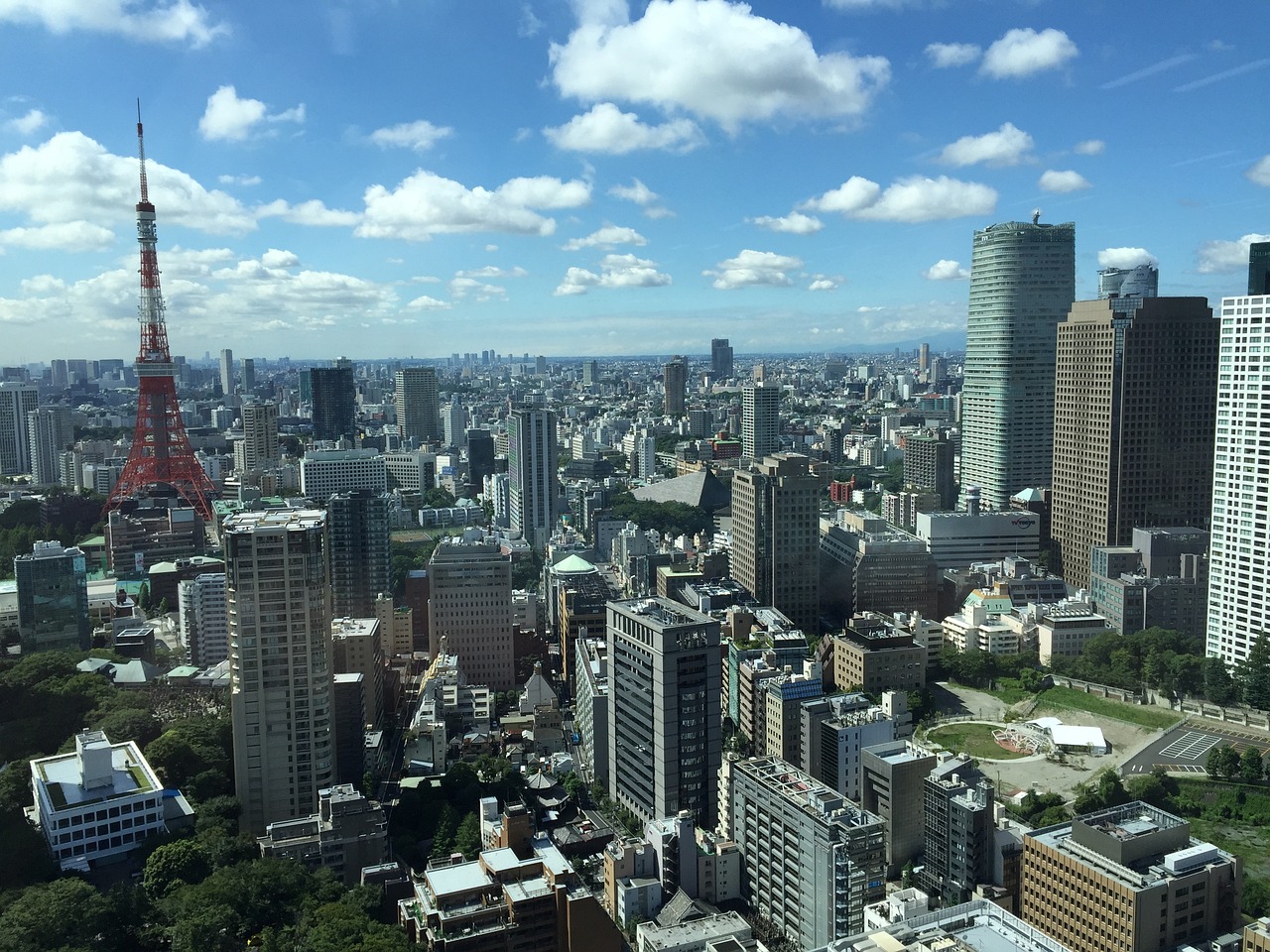
Welcome in Italian upon arrival and transfer to the hotel using public transportation accompanied by an assistant who will provide information for the validation of the Japan Rail Pass already in your possession, and for any reservations., The room is available starting from 15., the rest of the day available, Tokyo is a unique, surprising, elusive city. Those who have never seen it and expect an exotic oriental city are disappointed: Tokyo appears as a modern and chaotic megalopolis, densely packed with buildings - space is precious - a true asphalt jungle without a common thread, without the monuments, avenues, and typical buildings of large cities. But appearances are deceiving. The history and atmosphere of Tokyo are revealed in the details of its neighborhoods; unexpected beauty is found in its interiors; vibrancy is found in its rich cultural life, in its museums among the best in the world, in the daily life of a constantly moving people.,
Giorno 2 — Tokyo
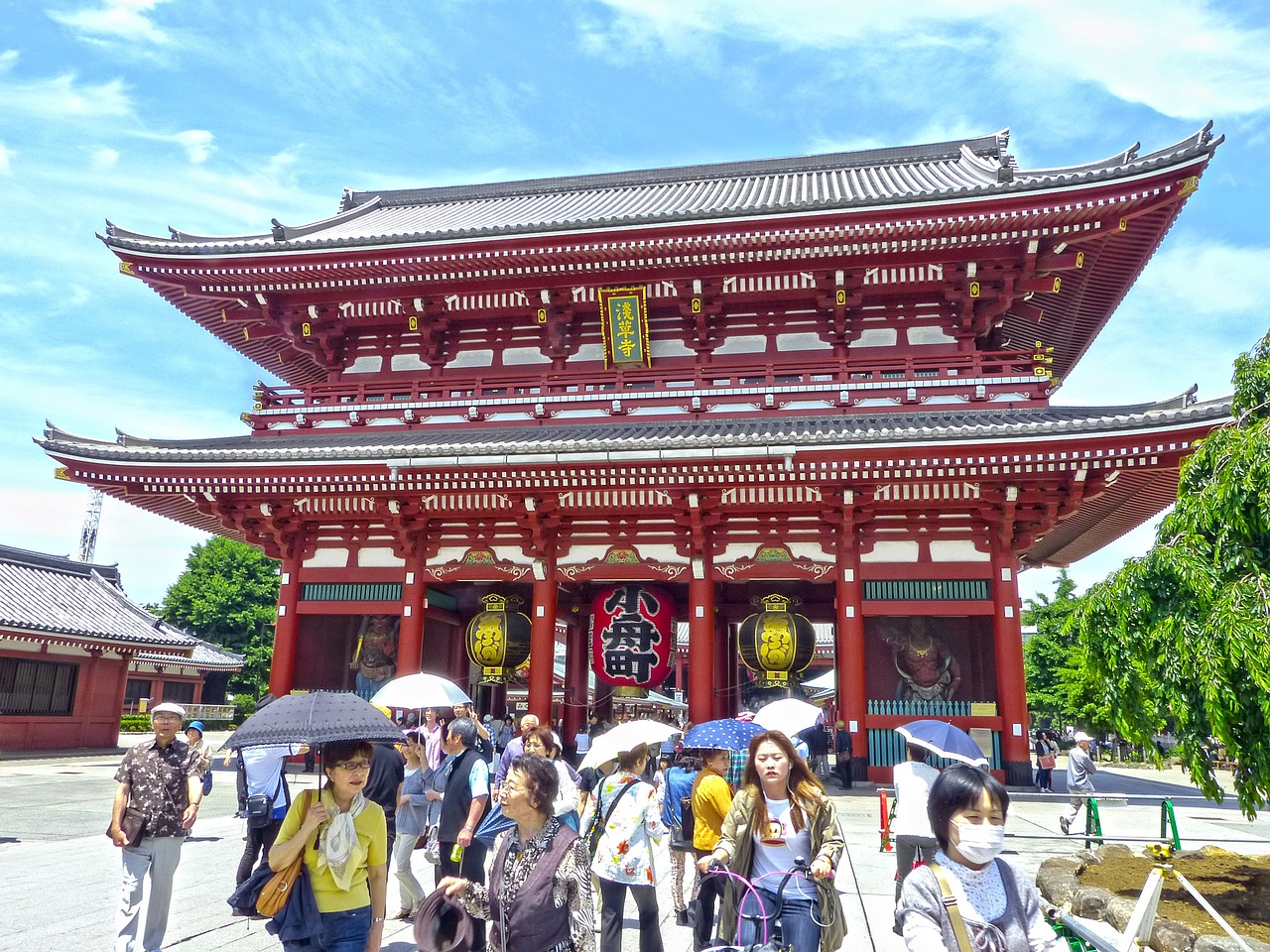
Breakfast, day dedicated to visiting the city with an Italian-speaking guide and public transportation, The tour starts at 9 and ends at 17., meeting with the guide at the hotel, Let’s begin with a splendid view of the megalopolis from the Bunkyo Civic Center observatory (closed since March 1, 2025, replaced by the Caretta Shiodome “Sky View”). Next, we’ll visit the Edo Fukagawa Museum, which features a life-size reconstruction of daily life in that area during the Edo period. Then we’ll take you to the charming Asakusa district, home to the 7th-century Senso-ji Temple — the oldest in the city — and the long Nakamise-dori street lined with traditional shops. Finally, we’ll enjoy a walk through the Ginza district, where our tour concludes, available evening
Giorno 3 — Tokyo
Breakfast, free day, available evening ***OPTIONAL ACTIVITIES*** (see supplements) - CANNOT BE PURCHASED ON SITE
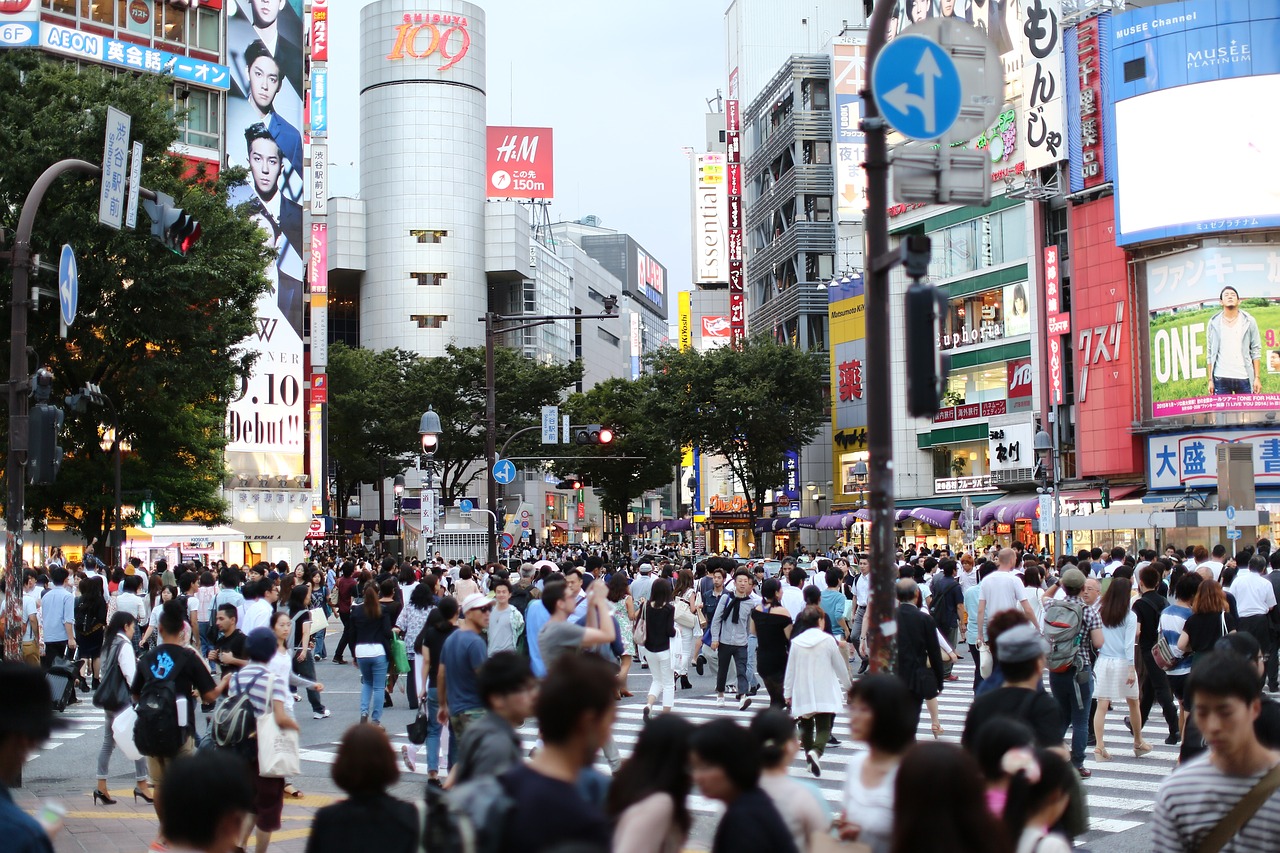
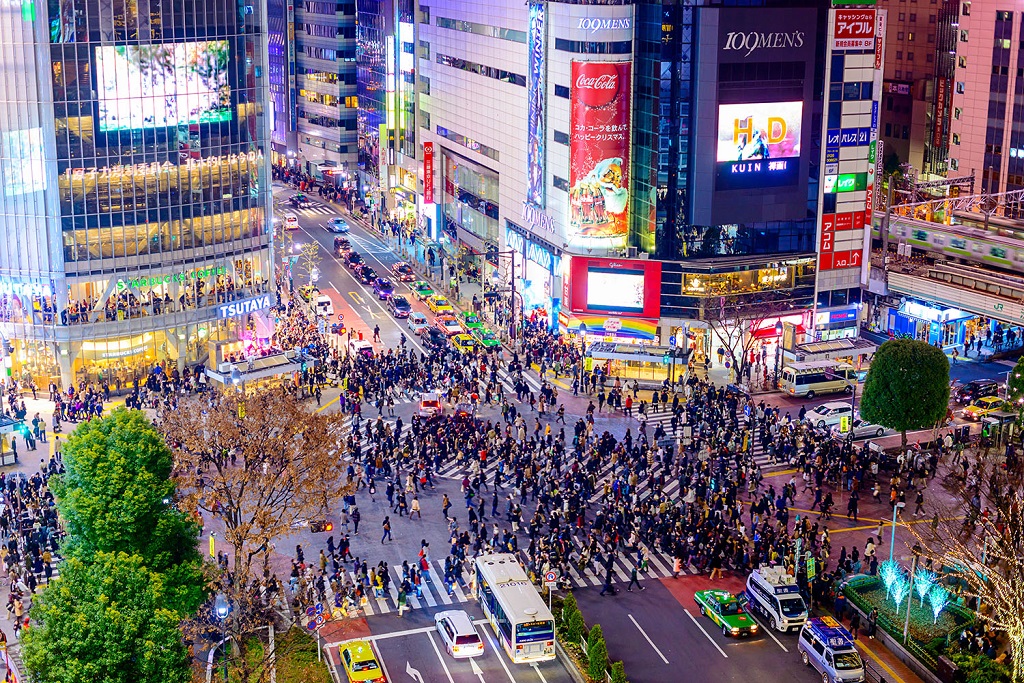
The day will begin with a visit to the Tsukiji Fish Market, specifically the outer market. Although a new fish market location has recently been established, the original site remains active, lively, and full of excellent eateries serving and selling delicious fresh seafood. The tour will then continue to the charming Yanaka district, particularly the picturesque Yanaka Ginza Street, famous for its local restaurants, street food stalls, and small shops, where one can still experience the atmosphere of a bygone era. Finally, transfer to the popular Shibuya district, renowned for its impressive intersection, said to be the busiest pedestrian crossing in the world. Meals not included,
Treno
Giorno 4 — Tokyo → Kanazawa
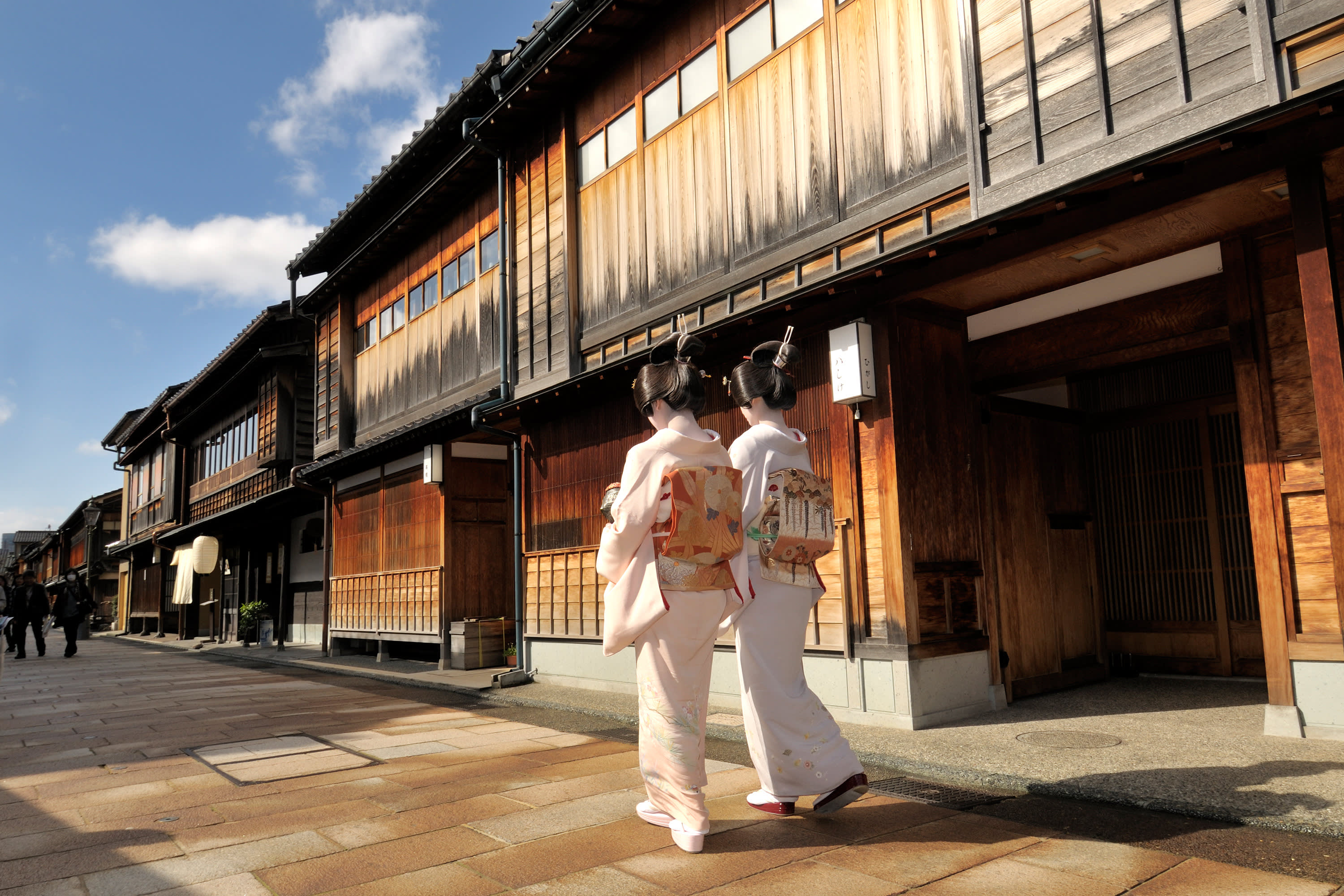
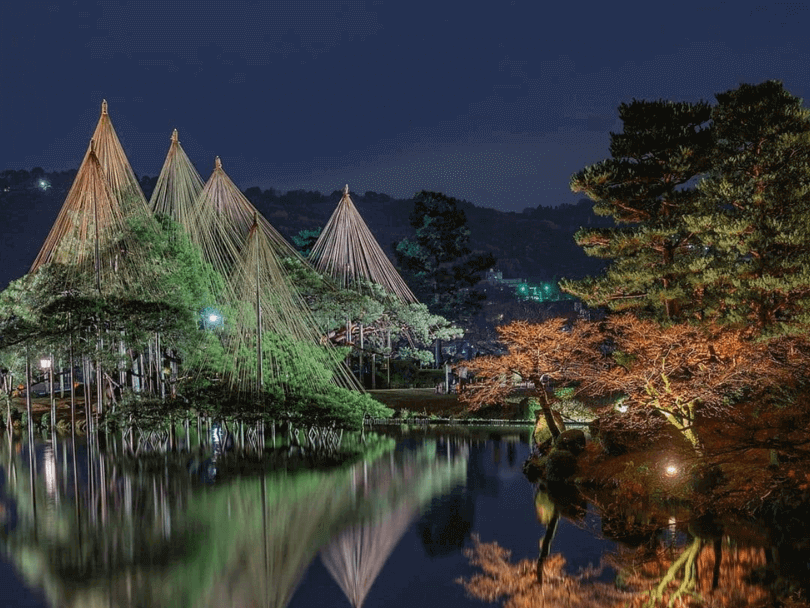
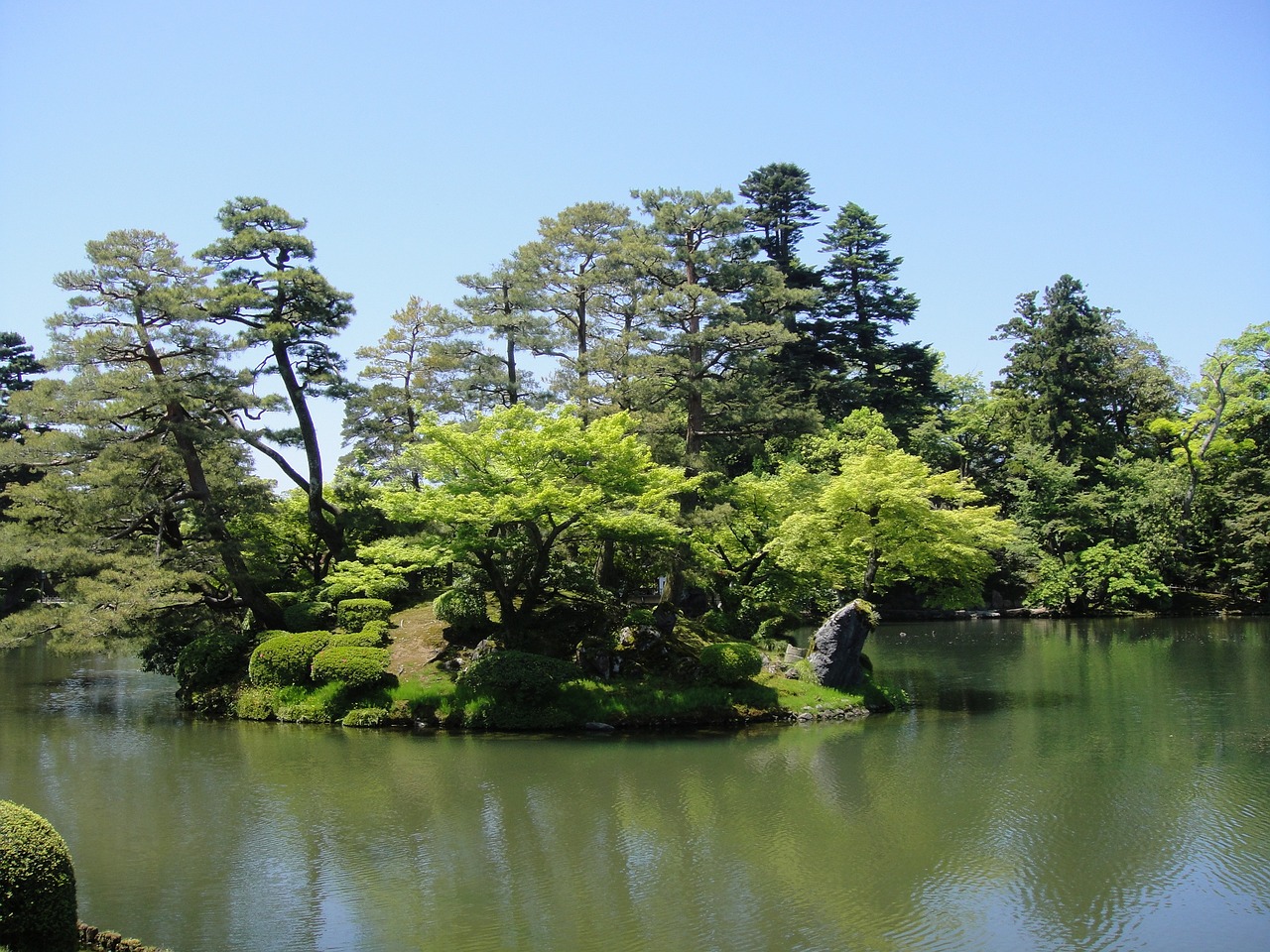
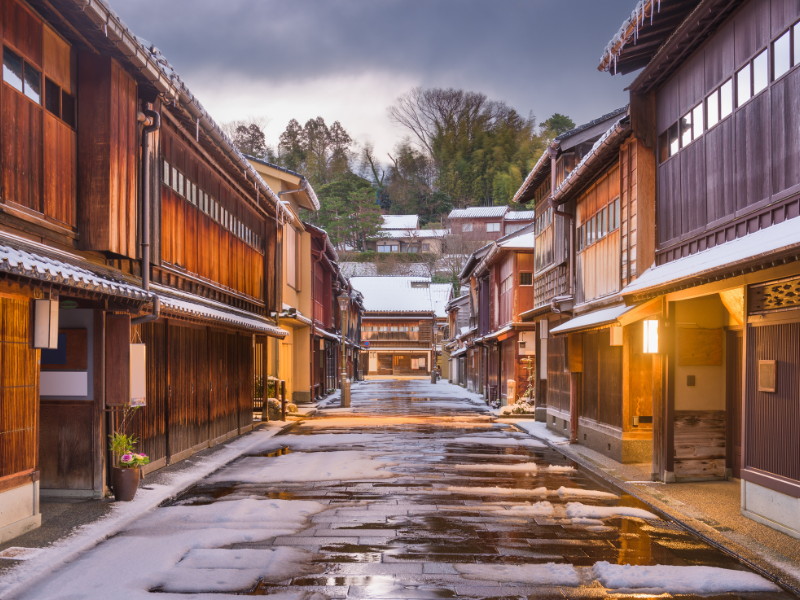
Breakfast, You leave your main luggage at the hotel in Kanazawa at the luggage counter by 7,30 and you only bring the necessary items for the night to in a carry-on bag., The main luggage will be transported separately from Kanazawa to Takayama., free day, transfer from Kanazawa to by high-speed train, duration 2,5 hours approximately, we recommend visiting Kanazawa, Growing up in the 15th century around an imposing feudal castle, by the 19th century Kanazawa had become the fourth largest city in Japan, located in one of the country's wealthiest provinces. Escaping the destruction of World War II, Kanazawa still preserves the charming neighborhoods with samurai houses and geisha tea houses, Edo-era canals and winding streets, which are delightful to explore., The main attraction of the city is Kenroku-en, one of the three most beautiful gardens in Japan; you can also visit Nomura House, the simple and elegant home of a samurai, surrounded by a beautiful garden, in the old district of the city., available evening,
Auto
Giorno 5 — Kanazawa → Takayama
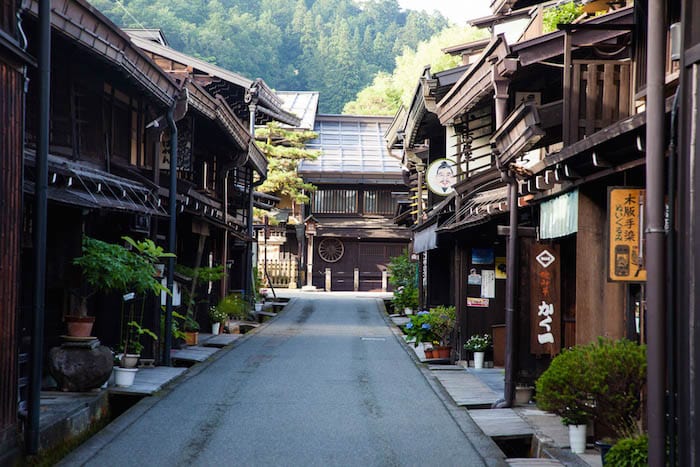
Breakfast, free day, departure for by local bus, The picturesque villages of the Shirakawa-gō region had remained practically unchanged for centuries until the second half of the 20th century in a rapidly modernizing Japan; but the exodus from the countryside in the 1960s had put their survival at risk. In 1995, Shirakawa-gō and Gokayama were declared UNESCO World Heritage Sites. The characteristic architecture of the villages and their idyllic location in valleys surrounded by forests and mountains enchant numerous visitors., continuation by local bus to Takayama, In the central Japanese Alps, Takayama was a famous center for skilled carpenters, employed by emperors to build temples and palaces in Kyoto and Nara. Today, the main attractions are the old merchant houses lined along the streets, temples and shrines, as well as shops selling local specialties: sake, sculptures made of yew and cypress wood, and lacquerware called shunkei-nuri., The luggage will be found at the hotel., You will spend the night in a typical ryokan; dinner and the room are in Japanese style.,
Treno
Giorno 6 — Takayama → Hiroshima
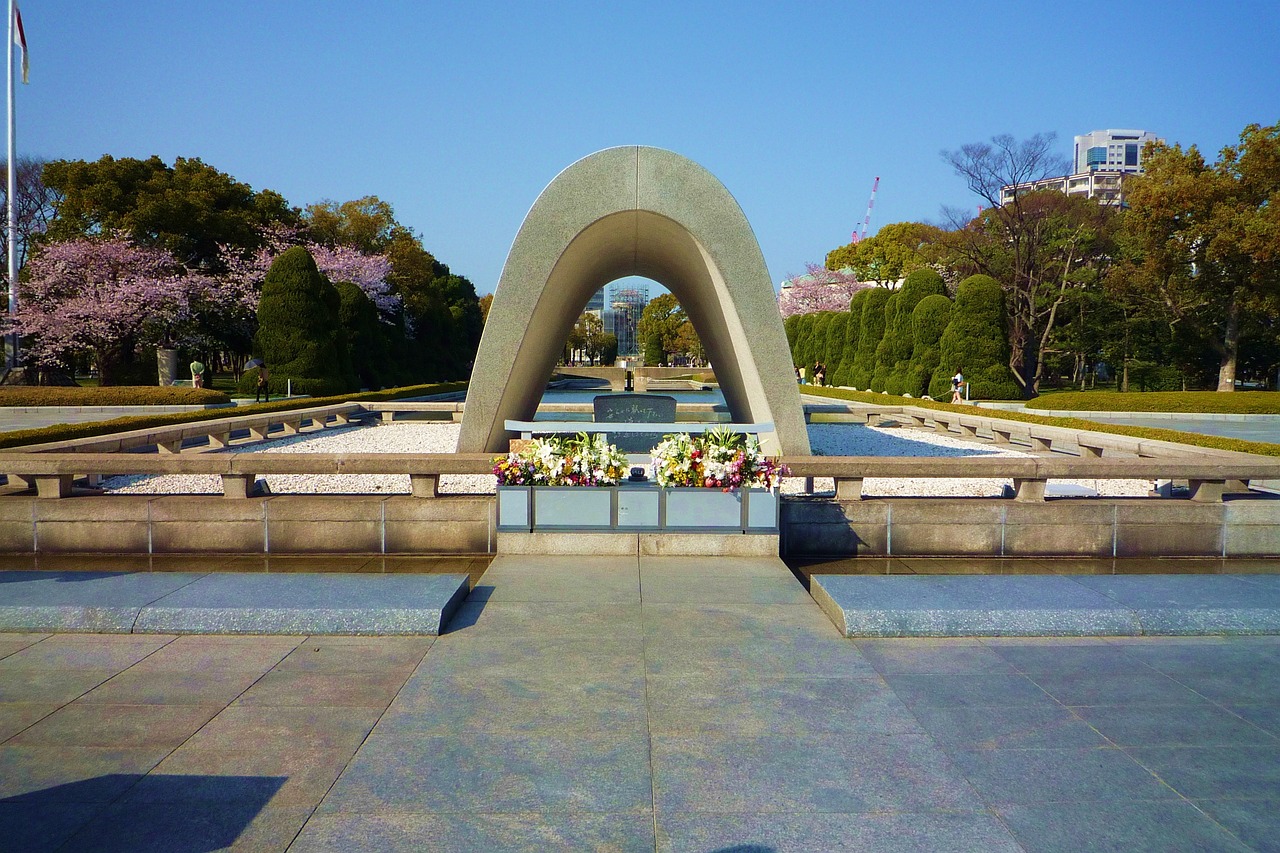
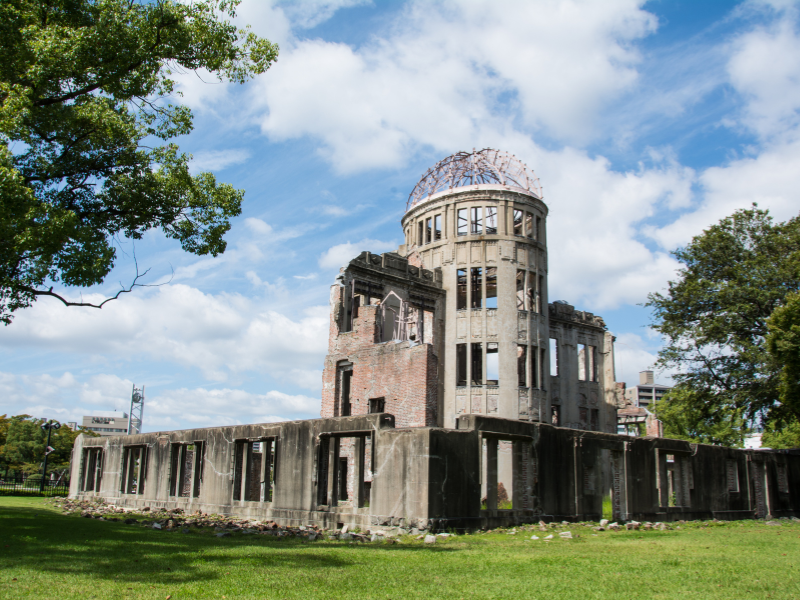
Breakfast, You leave your main luggage at the hotel in Hiroshima and only bring the necessary items for the nights at Hiroshima in a carry-on bag., The main luggage will be transported separately from Hiroshima to Kyoto., free day, Before departure, visit the morning markets and the Takayama Jinya palace, the seat of the Tokugawa shogunate government until 1868, which is particularly interesting., transfer by express train and high-speed train from Hiroshima to with a change at, The name Hiroshima instantly recalls the atomic devastation of that fateful August 6, 1945, and in remembrance of that terrifying event, millions of people visit the Peace Memorial Park and Museum every year, as well as the only structure that remained standing after the explosion of the A-bomb, the Genbaku Dome, a UNESCO World Heritage site., available evening,
Giorno 7 — Hiroshima
Breakfast, free day, we recommend visiting Hiroshima e Miyajima, The enchanting inland sea and the northern San'in coast with delightful villages and a virtually untouched landscape are the main attractions of the region, but it is above all the contemporary history that brings visitors to Hiroshima, the target of the first atomic bomb. Less than an hour away is Miyajima, the site of the ancient Itsukushima-jinja temple: the view from the torii gate in the waters in front of the temple is rightly one of the most celebrated in Japan., available evening,
Treno
Giorno 8 — Hiroshima → Kyoto
Breakfast, free day, departure by high-speed train to Kyoto, Recommended stopover in Himeji. Himeji Castle is the most impressive of the twelve feudal fortresses miraculously survived the bombings of World War II, perhaps the most beautiful castle in all of Japan. A UNESCO World Heritage Site, Himeji was the backdrop for the film "007 - You Only Live Twice" and the film "The Last Samurai" with Tom Cruise. In the immediate vicinity is Koko-en, the beautiful garden at the foot of the castle, where the samurai's residences were once located; in fact, there are nine small separate gardens, each with different types of plants according to the Edo tradition: a special and enchanting place. Note: Visiting Himeji Castle cannot be booked in advance: there may be long waiting times for tickets. There is a ticket that also includes a visit to the gardens., continuation by high-speed train to, available evening,
Giorno 9 — Kyoto
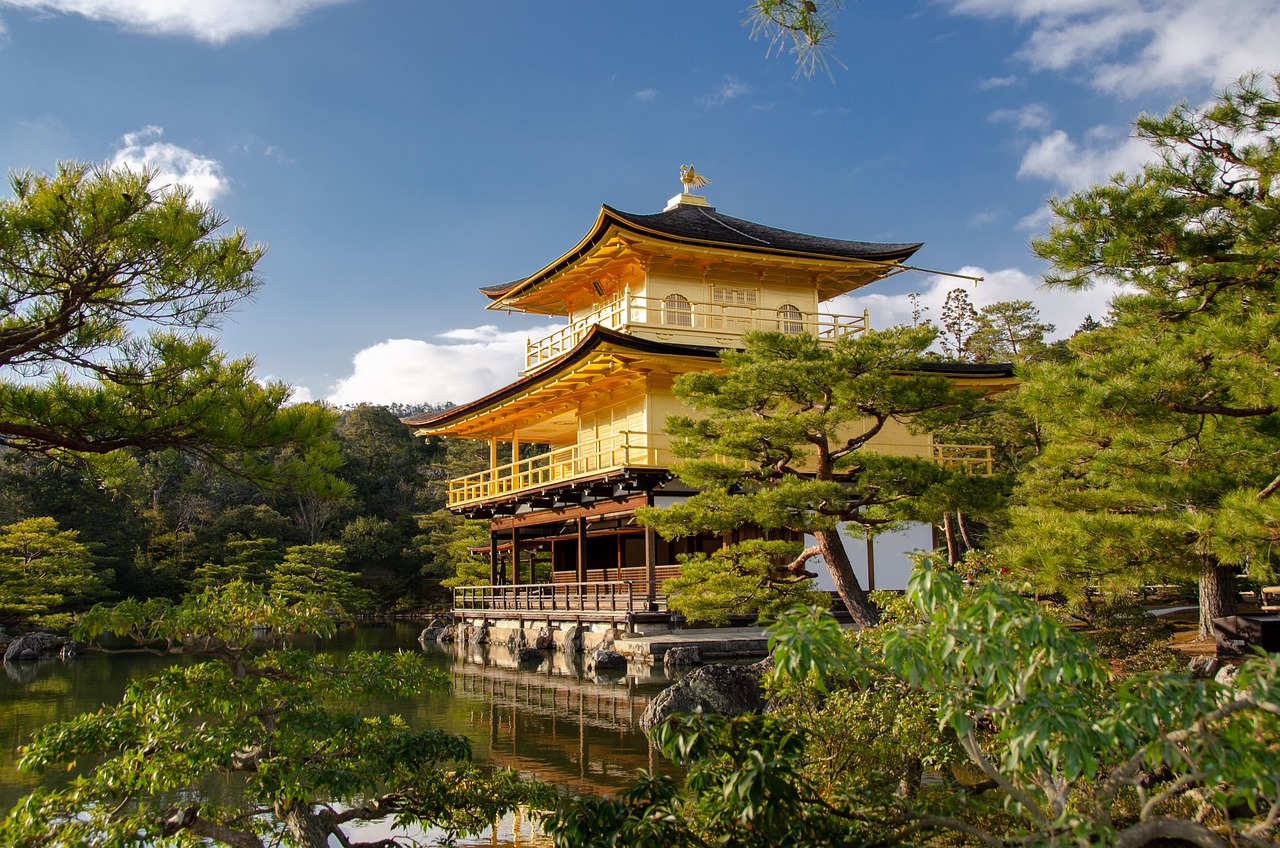
Breakfast, day dedicated to visiting the city with an Italian-speaking guide and public transportation, The tour starts at 9 and ends at 17., meeting with the guide at the hotel, Highlights of the visit: the Kiyomizu Temple, famous throughout Japan for the magnificent view it offers from the main hall (which may be partially covered for restoration from March 2017), the spectacular Golden Pavilion of Kinkaku-ji, the Ryoanji Zen Garden, a UNESCO World Heritage Site, the Sanjusangendo Temple, famous for its thousand golden wooden statues of Kannon, the Buddhist goddess of mercy., I will return to the hotel in the late afternoon., available evening,
Giorno 10 — Kyoto
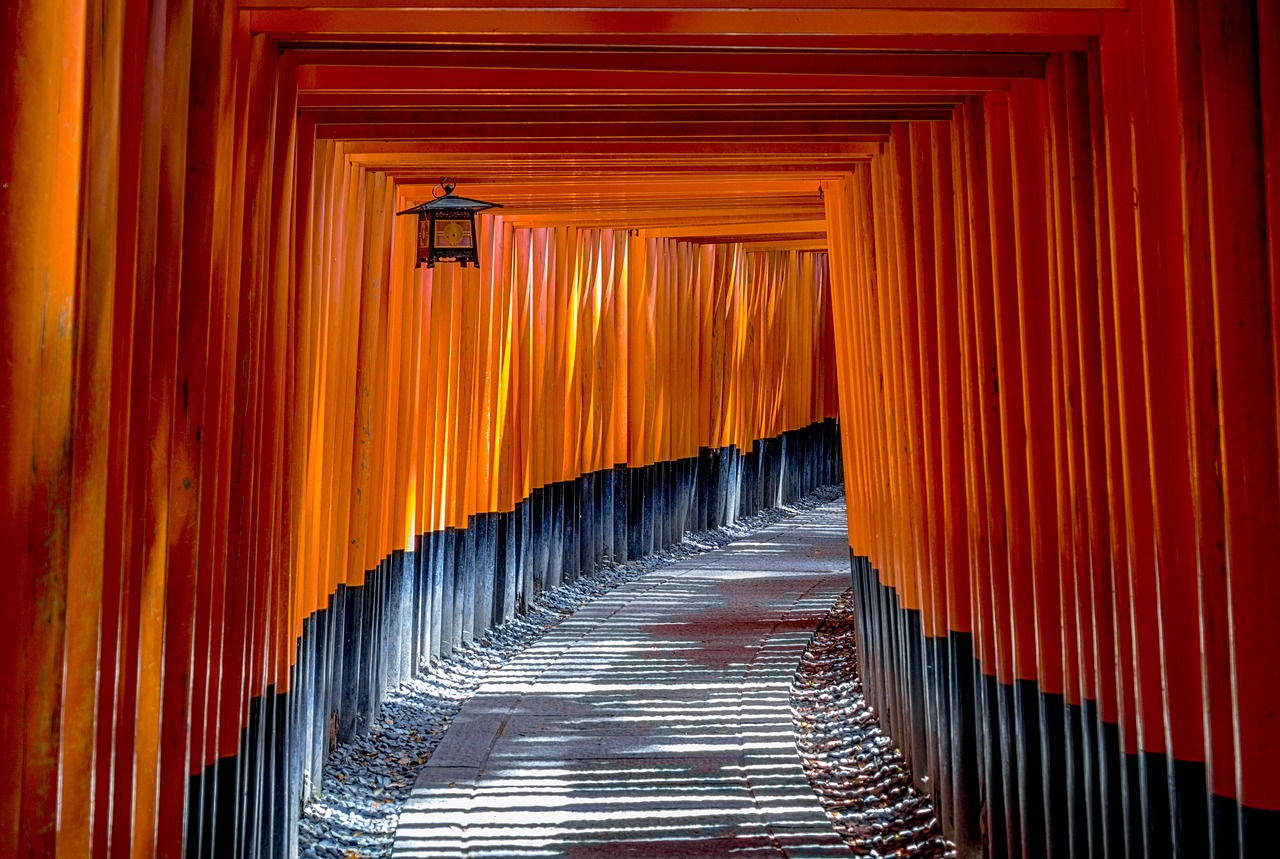
Breakfast, day dedicated to visiting Nara e Fushimi with an Italian-speaking guide, At 9 am, meeting with the Italian-speaking guide at the hotel. The tour ends around 7 pm. Transfer to Kyoto station and departure for Nara by train. About 50 km separate Kyoto from Nara, the oldest capital of Japan, the cradle of Japanese civilization, with magnificent temples and artworks that have remained intact over the centuries. The main attraction is undoubtedly the monumental bronze Buddha of Tōdai-ji. A pleasant walk through the deer park and along a path lined with three thousand bronze lanterns leads to Kasuga Taisha, the most sacred Shinto temple. On the way back to Kyoto, a stop at the charming Fushimi Inari Shrine dedicated to the deity of rice, with thousands of red "torii" (sacred gates) marking the entrance and forming a tunnel., return to the hotel, available evening,
Giorno 11 — Kyoto
Breakfast, The room is available until 11.00., free transfer to the airport, end of the tour,
Notes
LUGGAGE: One soft bag per person, maximum 20 kg, is allowed. The organizing company reserves the right to refuse overweight luggage and does not accept responsibility for damaged or lost luggage or personal belongings., ROOMS: a double room refers to a room with two beds; the double bed is not commonly used in Japan and some hotels do not have them, so it cannot be guaranteed at the time of booking; triple rooms are always double rooms with an additional bed, often smaller than the two existing beds; triple rooms are subject to availability at the time of booking; single rooms can be very small. Requests for smoking rooms, connecting rooms, adjacent rooms, high or low floors, etc., are always on request, never guaranteed.
TRAVEL DOCUMENTS: Participants must ensure before departure that they have the necessary and valid documentation for entry into the countries visited during the tour.
HOTEL, CHECK-IN: as a rule, rooms are assigned starting from 2-3 pm; any early check-in is at the hotel's discretion. The request for a guaranteed early assignment requires booking an extra night prior to arrival.
HOTEL, CHECK-OUT: The room must be vacated in the morning, by the time indicated by the hotel; the surcharge for late check-out is equal to an extra night.
HOTEL FINAL LIST: indicated in the travel documents
HOTEL / ITINERARY, CHANGES: The organizing company reserves the right to modify the itinerary and/or hotels with others of similar or higher category, means of transportation, etc., if required by unforeseen circumstances and necessary for the safety and normal continuation of the trip. Furthermore, when it is not possible to accommodate all participants in the same hotel, the group will be divided among different hotels of equal category.
MEALS: not included unless specified.
REFUNDS: There are no refunds for parts of the tour or excursions not carried out due to force majeure; in any case, no refund is due to the customer who decides to interrupt the trip or stay.
STOP IN KAMAKURA OR HAKONE: To add a stop in Kamakura to your trip between Tokyo and Kyoto, you can take a JR Yokosuka Tokaido train from Tokyo to Yokohama, then a JR Yokosuka train to Kamakura, and return to Yokohama to catch the Hikari Shinkansen to Kyoto. For Hakone, you can get off at Odawara station and purchase the 2-day Hakone Free Pass, which includes transfers to/from Odawara station, a cruise on the lake, and the cable cars. From Odawara, you can then take the Shinkansen to Kyoto., RYOKAN: A journey back in time. Nothing recreates the atmosphere, beauty, and simplicity of ancient Japan better than these wooden inns with sliding paper doors, perfect gardens, delicious meals, and a rejuvenating immersion in hot springs. Typically, ryokans are small, one or two-story buildings with about ten rooms. There is also a hybrid, Western version, where only the rooms are in Japanese style, not the building. The schedule is strict: you arrive between 3 and 5 pm, dinner is served between 5 and 7 pm, and the next day you check out by 8 am. In ryokans, only Japanese is spoken, you enter without shoes, and you sleep on the floor. The person who welcomes you, usually a woman in a kimono, offers you plastic slippers and accompanies you to your room, where the first thing you will notice is the absence of a bed: a futon, which serves as a blanket and mattress, is unrolled on a traditional straw mat (tatami) of standard size (90 cm x 180 cm). After a hot cup of tea, you can appreciate the peace and solitude, and maybe the view of a beautiful garden. Some ryokans have rooms with private bathrooms, otherwise, you can immerse yourself in the communal hot spring (onsen) outside and then wear the provided cotton kimono (yukata). But the highlight of the stay is the kaiseki dinner, an elaborate presentation with many tiny dishes of garden vegetables, raw fish (sashimi), cooked or grilled fish, tempura, and regional specialties. Each preparation is a small work of art. You can order beer or sake (never included). The next morning, when you wake up, breakfast will consist of fish, vegetable broth, dried seaweed, rice, and other dishes. Fresh and rejuvenated, you will be ready to continue your journey.,
Starts from
11 days / 12 nights - from Tokyo to Kyoto,
Meals
Legend: B breakfast, D dinner,
Price includes
Accommodation at the scheduled hotel (or similar), meals: breakfasts, dinners, Local guide/assistant in Italian during the tour, except on free days., airport/hotel transfer with shuttle bus and Italian-speaking assistant, Guide to local places in Italian for visiting Tokyo and Kyoto
When visiting Tokyo and Kyoto, it's important to explore the local places that truly capture the essence of these cities. Here are some recommendations for local spots to visit:
Tokyo:
1. Asakusa: This historic district is home to the famous Senso-ji Temple and Nakamise Shopping Street. Immerse yourself in traditional Japanese culture and try local street food.
2. Harajuku: Known for its vibrant fashion and youth culture, Harajuku is a must-visit for shopping and people-watching. Don't miss Takeshita Street and the iconic Meiji Shrine.
3. Tsukiji Fish Market: Experience the hustle and bustle of one of the world's largest fish markets. Enjoy fresh seafood and witness the famous tuna auction.
4. Shinjuku Gyoen National Garden: Escape the city's chaos and relax in this beautiful garden. It's the perfect spot for a picnic or a leisurely stroll.
5. Odaiba: This futuristic entertainment district offers stunning views of Tokyo Bay. Visit the teamLab Borderless digital art museum and enjoy shopping and dining.
Kyoto:
1. Fushimi Inari Taisha: Explore the iconic red torii gates that lead to the Fushimi Inari Shrine. Take a hike up the mountain for breathtaking views of Kyoto.
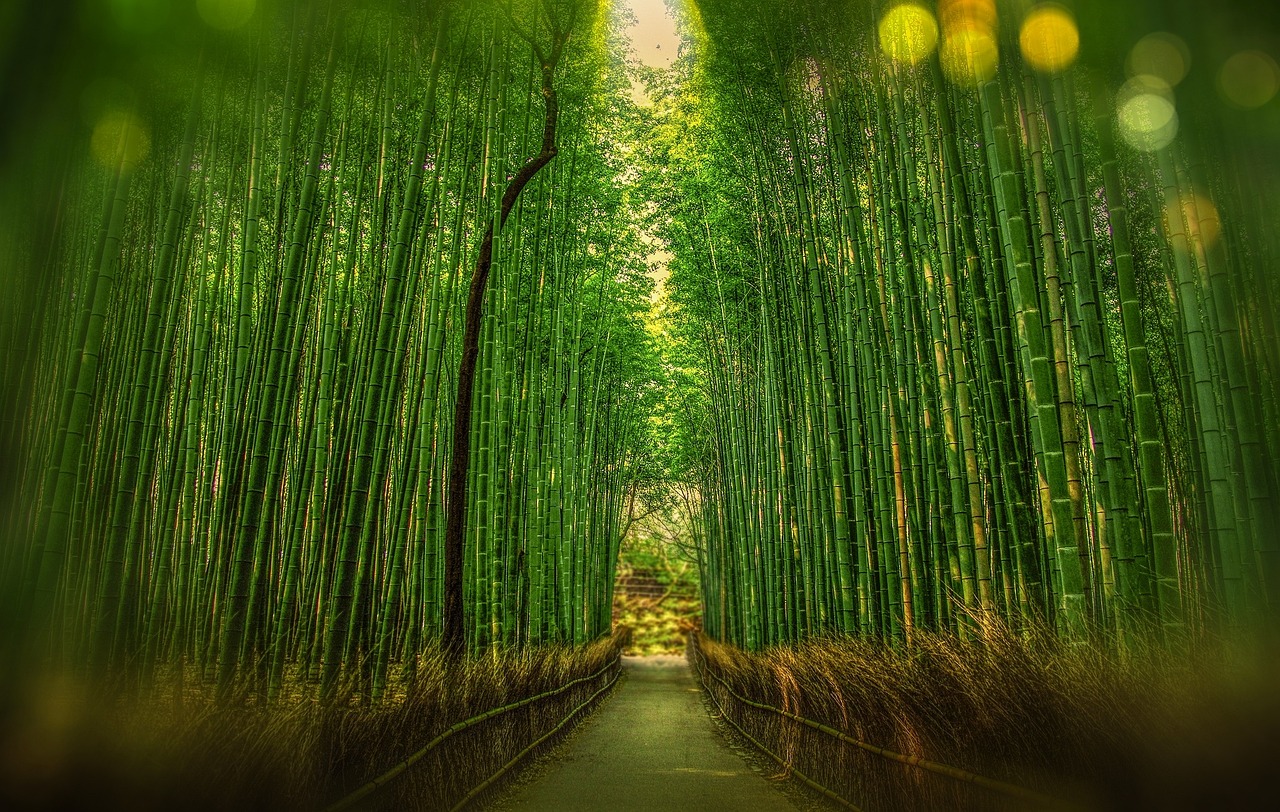
2. Arashiyama Bamboo Grove: Walk through the enchanting bamboo forest in Arashiyama. Don't forget to visit the nearby Tenryu-ji Temple and the famous Togetsukyo Bridge.
3. Kinkaku-ji (Golden Pavilion): Admire the stunning golden temple surrounded by a beautiful garden. It's one of Kyoto's most iconic landmarks.
4. Gion District: Experience the traditional atmosphere of Kyoto in Gion. Spot geishas, visit historic tea houses, and explore the charming streets.
5. Nijo Castle: Step back in time and visit this UNESCO World Heritage Site. Explore the beautiful gardens and the famous "nightingale floors" that chirp when walked upon.
These are just a few of the many local places to visit in Tokyo and Kyoto. Remember to immerse yourself in the local culture, try traditional cuisine, and enjoy the unique experiences each city has to offer., Japan Rail Pass 7 days, 2nd class for travel: Tokyo-Kyoto, airport-hotel., Separate transportation of one piece of luggage (max 20 kg) per person from Tokyo to Takayama and from Takayama to Kyoto.,
Price does not include
Opening fee and Zero Risk coverage, medical-luggage-cancellation insurance, airport transfer. Unmentioned meals, beverages and extras in general, tip, flights and airport taxes, everything not expressly mentioned in "The fee includes",
Important notes
Before departure, you will receive the Japan Rail Pass along with the itinerary and the final list of hotels. Train reservations will be made locally., flight from Osaka Kansai (not included): it is necessary to book flights departing after 08.30 hours.. The hotels included in the tour are located very close to the train stations., If there are no other participants, the scheduled visits will be conducted on a private basis Types of hotels available
Standard category
Tokyo: Sunshine City Prince Hotel
Kanazawa: New Grand Hotel Premier
Takayama: Hoshokaku (Ryokan)
Hiroshima: The Knot
Kyoto: Elcient Kyoto
Superior category
Tokyo: Metropolitan Tokyo Ikebukuro
Kanazawa: New Grand Hotel Premier
Takayama: Hoshokaku (Ryokan)
Hiroshima: Rihga Royal Hiroshima
Kyoto: Miyako Hachijo,
_20260505144824.png)
_20260505144824.png)
_20260505144514.png)
_20260505143525.png)
_20260505143526.png)
