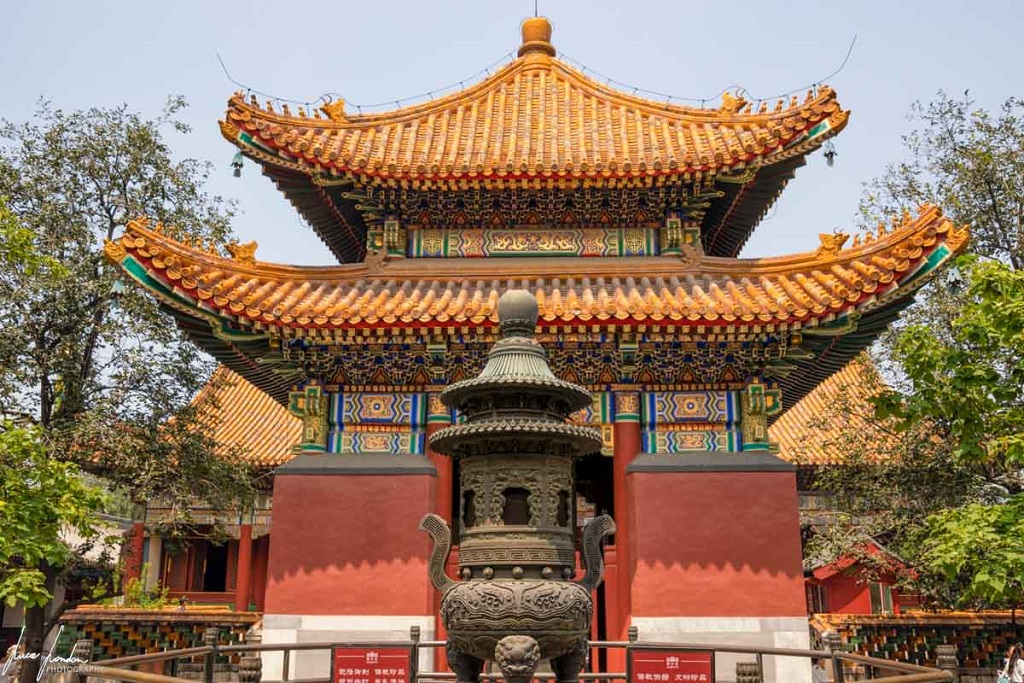
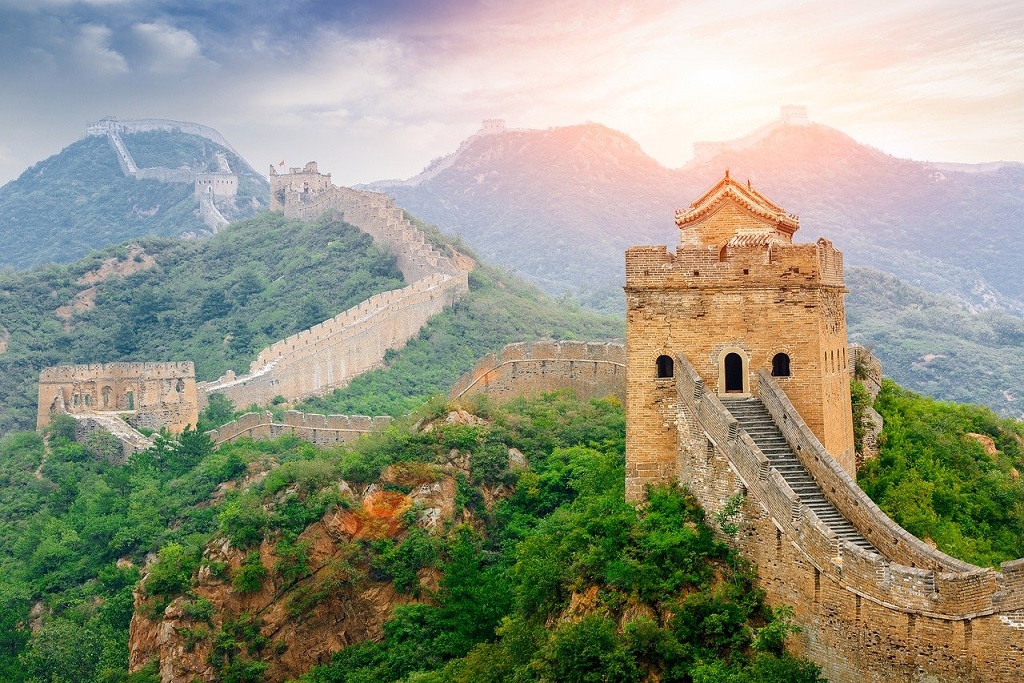
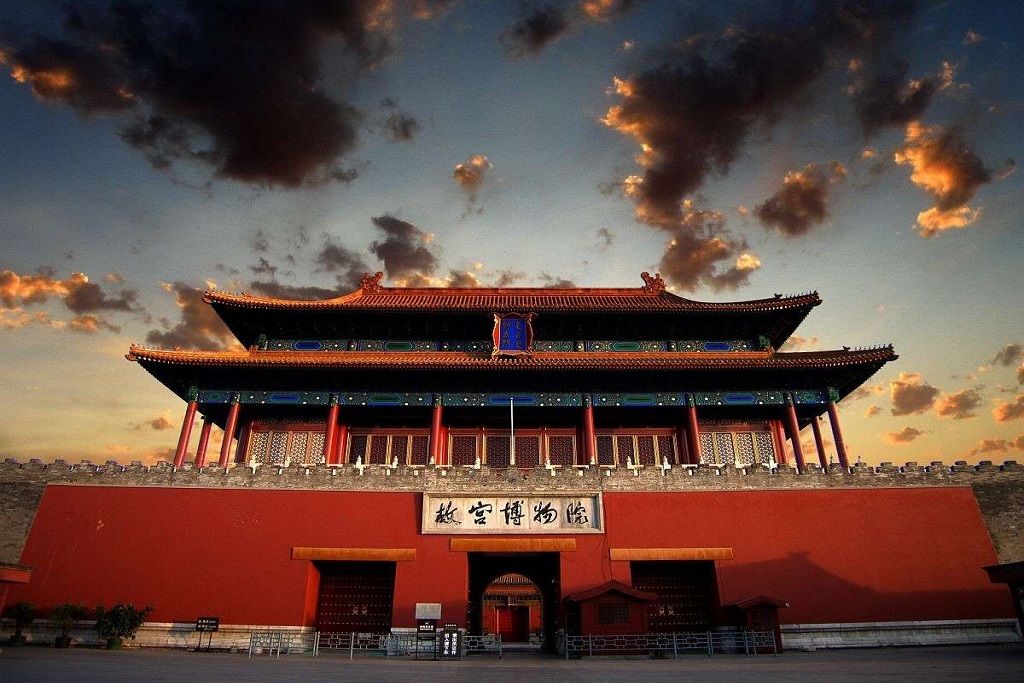
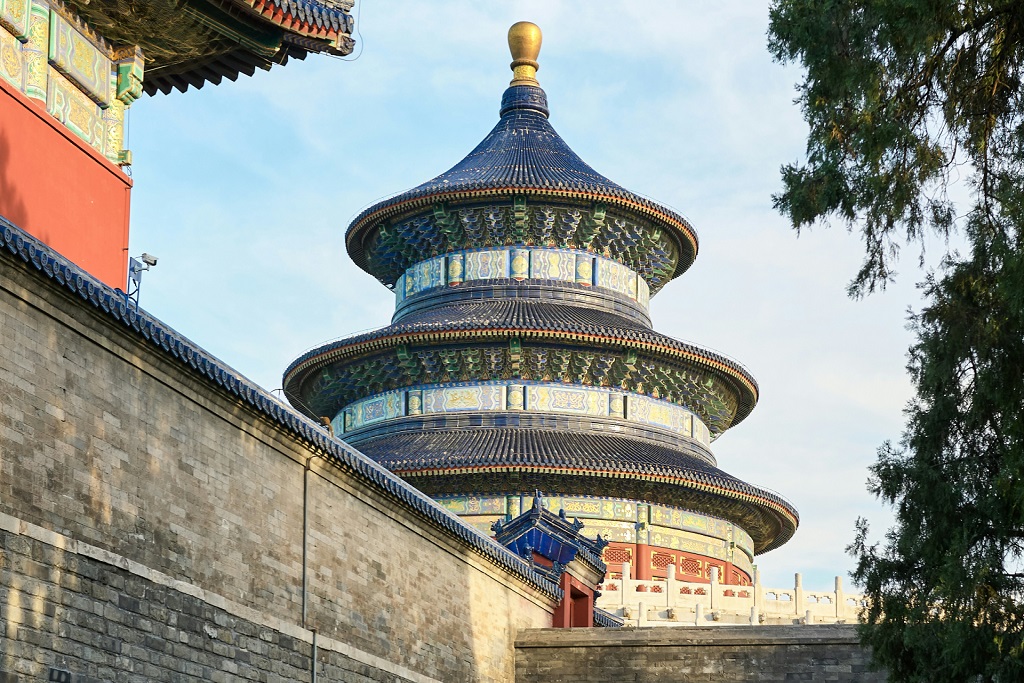
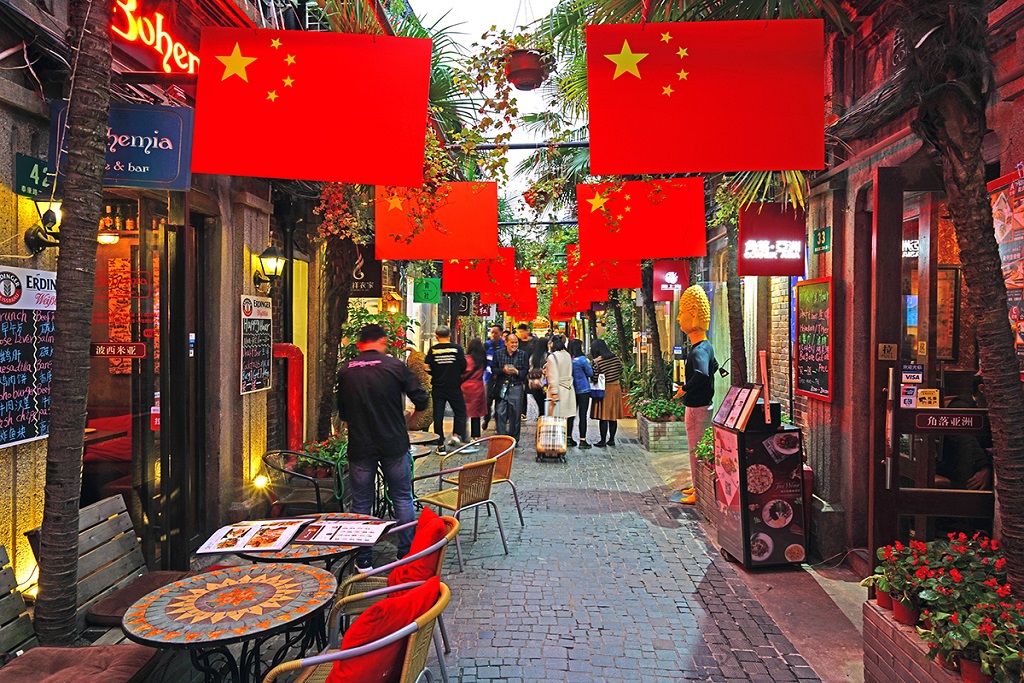
Beijing, China's millennia-old capital, weaves imperial grandeur with the energy of a modern metropolis. The city's heart is Tian'anmen Square, one of the largest in the world, which opens onto the Forbidden City (Gùgōng), an immense imperial palace with golden roofs that was the emperors' residence for five centuries. Nearby stand the harmonious Temple of Heaven (Tiāntán), a masterpiece of architectural balance, and the Summer Palace (Yíhéyuán) with its gardens and Kunming Lake. From the traditional alleys, the hutong, you discover the most authentic Beijing of courtyards, workshops and markets. A short distance from the city rises the Great Wall, snaking over the mountains in spectacular sections such as Mutianyu and Badaling. The cuisine offers Peking duck, the capital's signature dish. Between imperial history, temples and modernity, Beijing is a fascinating gateway to Chinese civilisation, to be explored between past and present.
Treno
Giorno 4 — Beijing → Xi'an
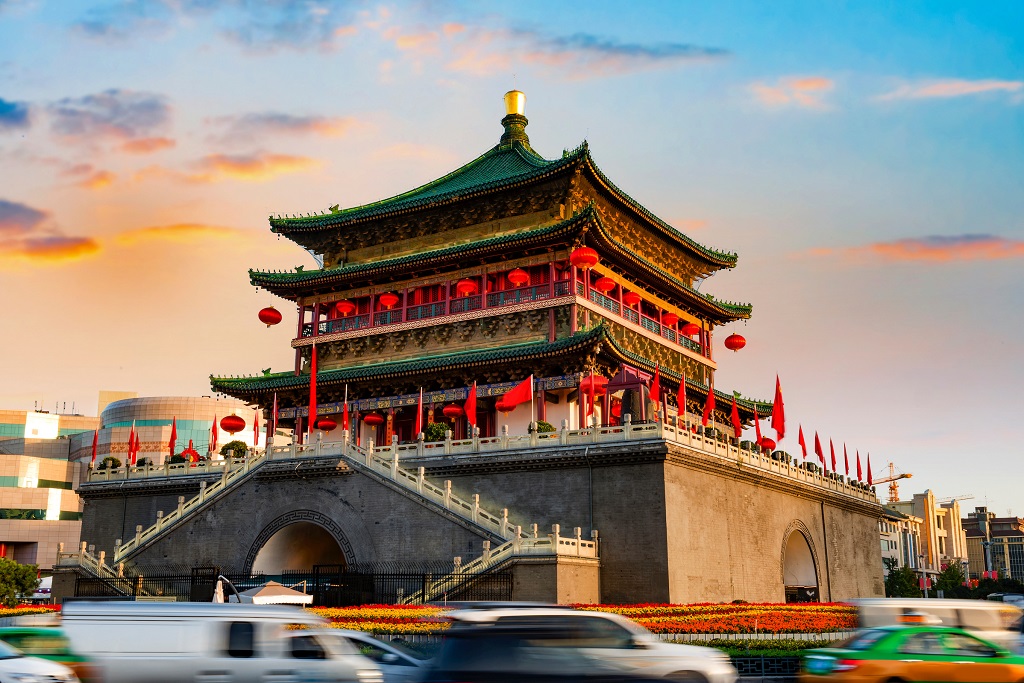
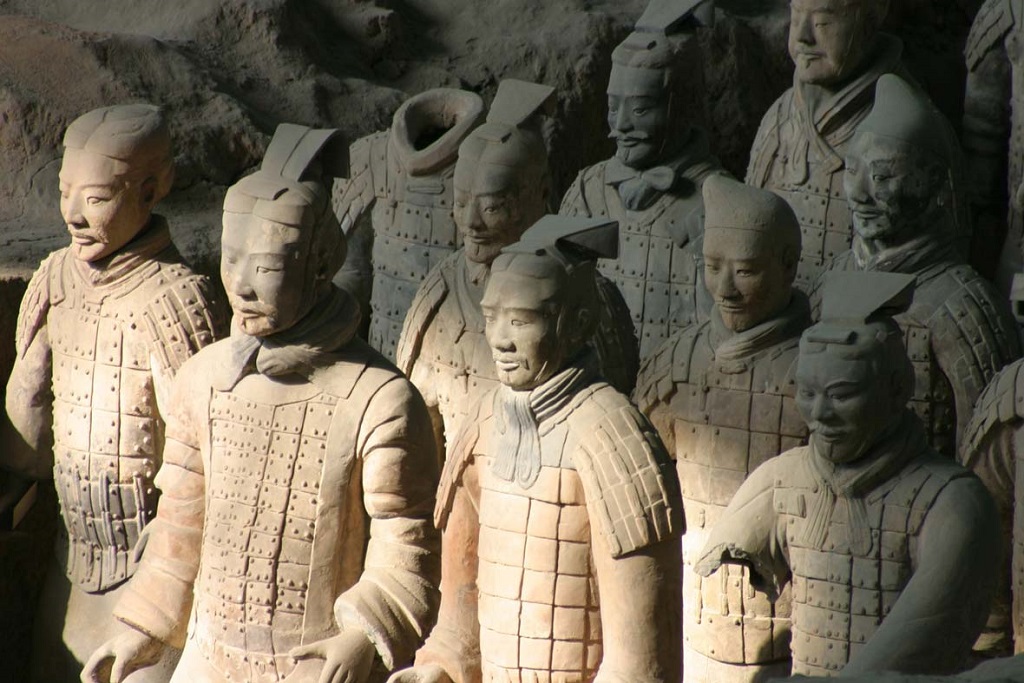
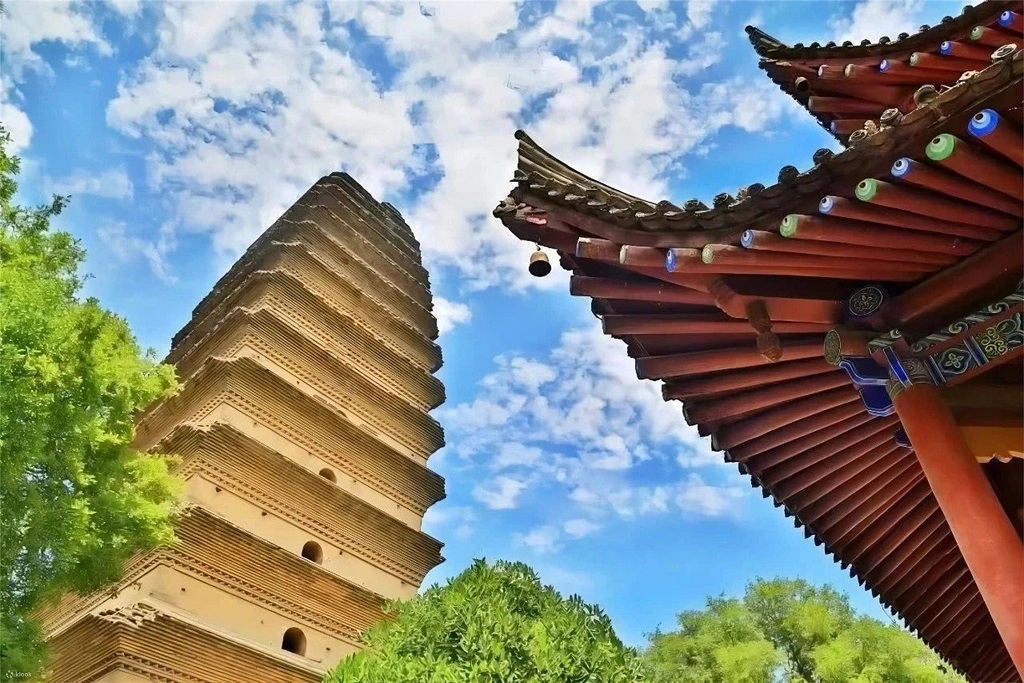
Xian is one of China's most historic cities, the ancient capital of numerous dynasties and the eastern starting point of the Silk Road. Its worldwide fame is tied to the Terracotta Army, thousands of life-sized warrior statues made to guard the tomb of the first emperor, one of the most extraordinary archaeological discoveries of the 20th century. The city preserves imposing walls, among the best preserved in the country, which can be walked or cycled. In the centre stand the Bell Tower, the Great Wild Goose Pagoda and the lively Muslim Quarter, with its market fragrant with spices and street food. Xian is also renowned for its culinary tradition, from biang biang noodles to skewers. Between archaeology, ancient walls and living culture, Xian offers a journey into the heart of imperial Chinese history.
Volo
Giorno 6 — Xi'an → Guilin
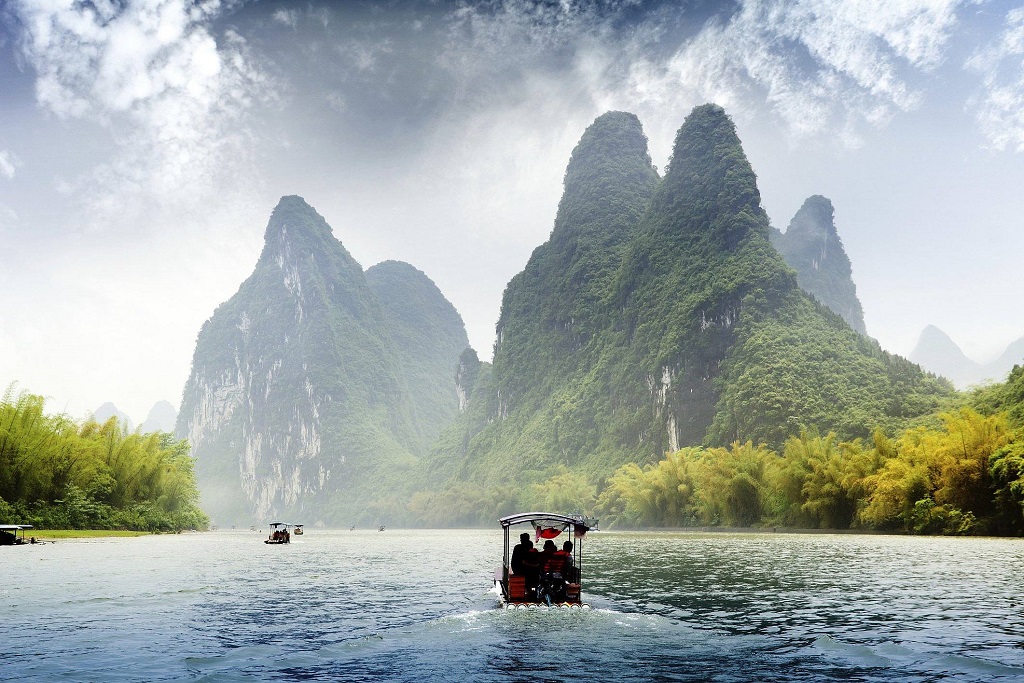
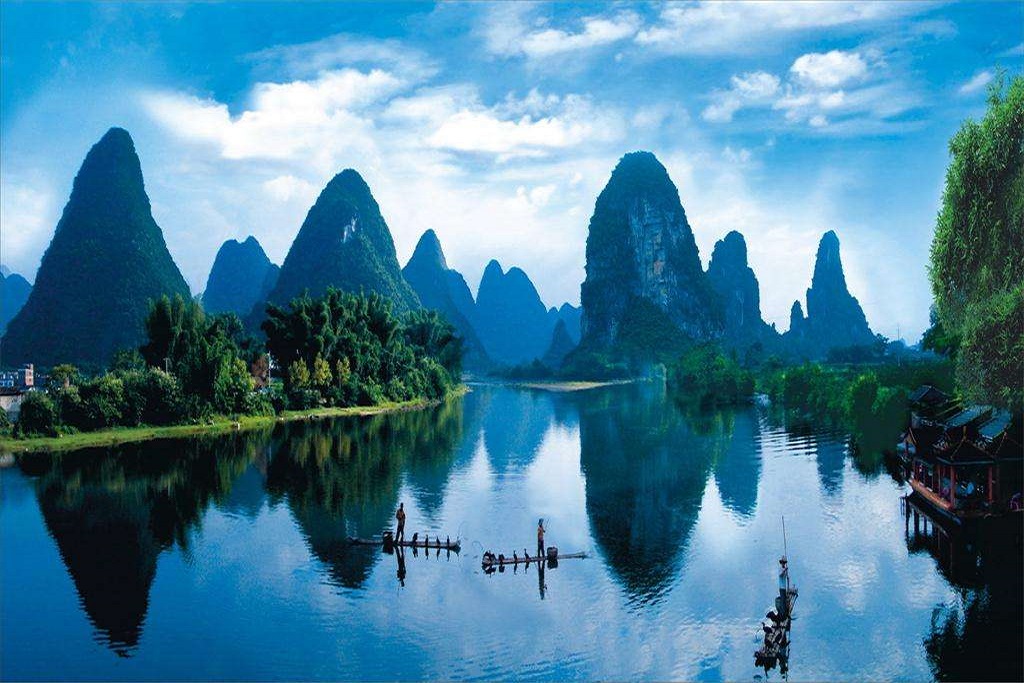
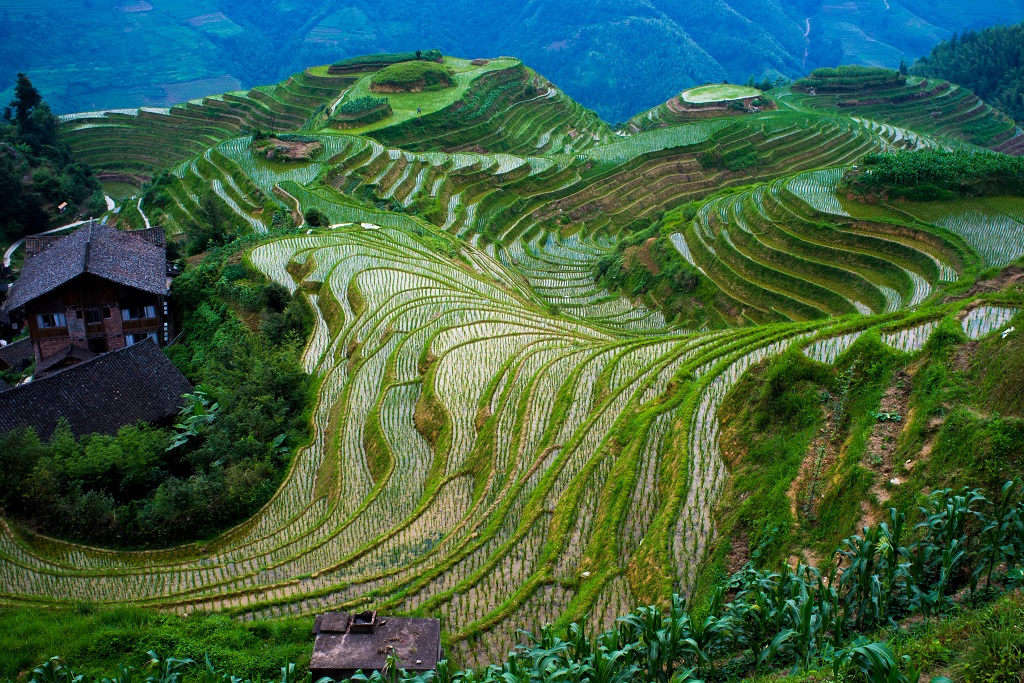
Guilin is famous for one of China's most iconic landscapes, where the distinctive pinnacle-shaped karst hills rise like green sculptures among rivers and rice paddies. The city is the starting point for the spectacular cruise along the Li River (Lijiang) to Yangshuo, a journey among mist-wrapped mountains that has inspired centuries of Chinese painting and poetry. In the city centre lie picturesque lakes, the Reed Flute Caves with their illuminated formations, and panoramic hills. The surroundings offer terraced rice fields and rural villages. Guilin's scenery, among the most photographed in the country, embodies the very idea of picturesque, poetic China. Guilin is an unmissable stop for those seeking nature, rivers and postcard landscapes.
Volo
Giorno 8 — Guilin → Shanghai
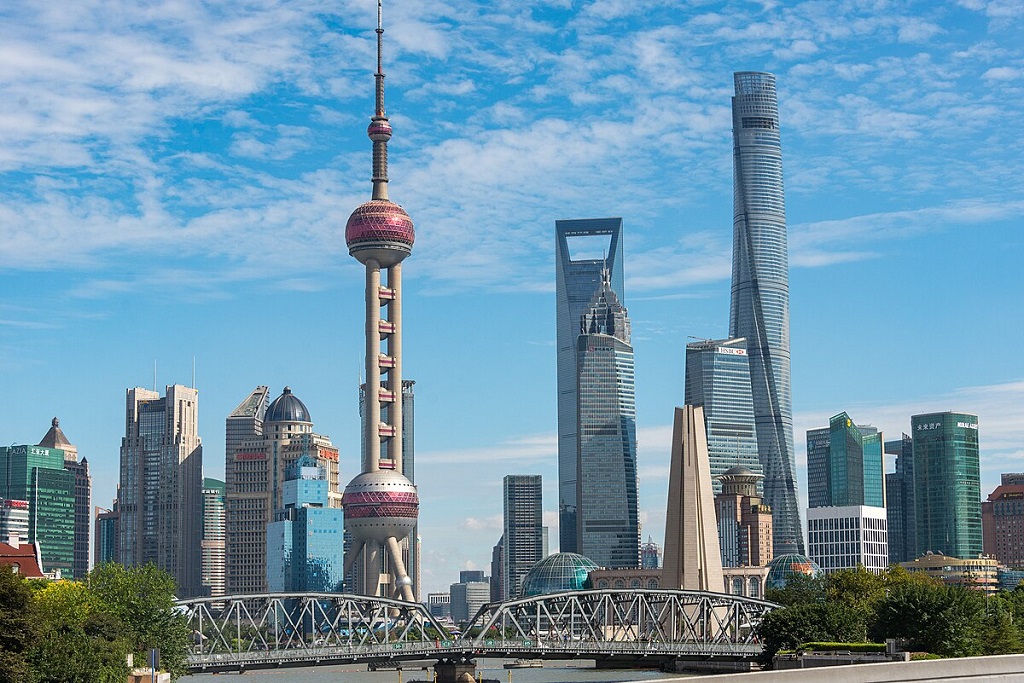
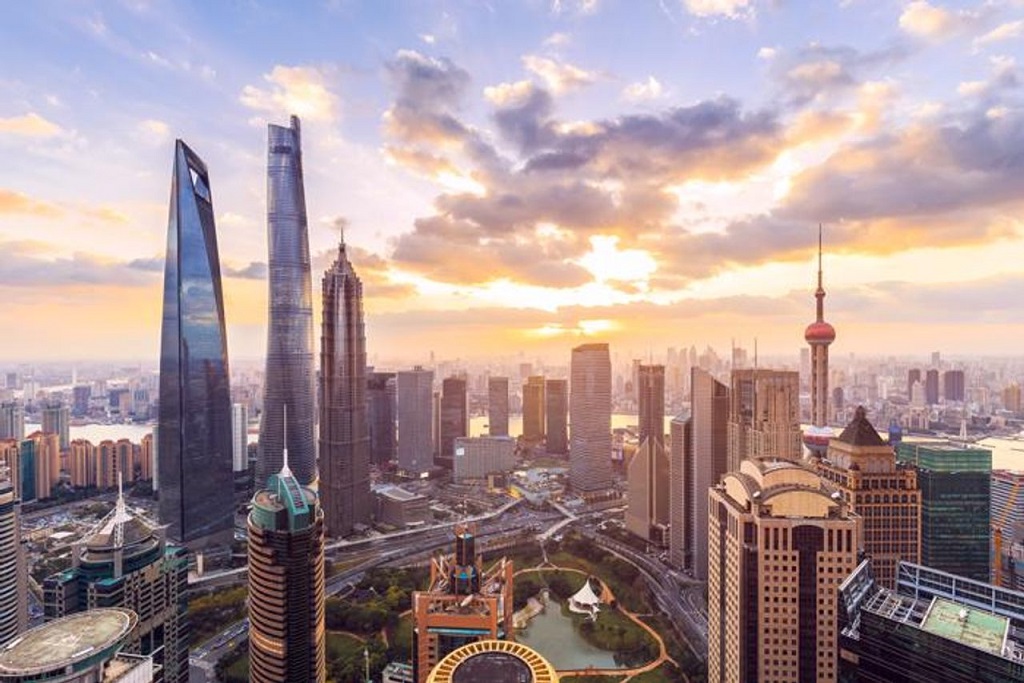
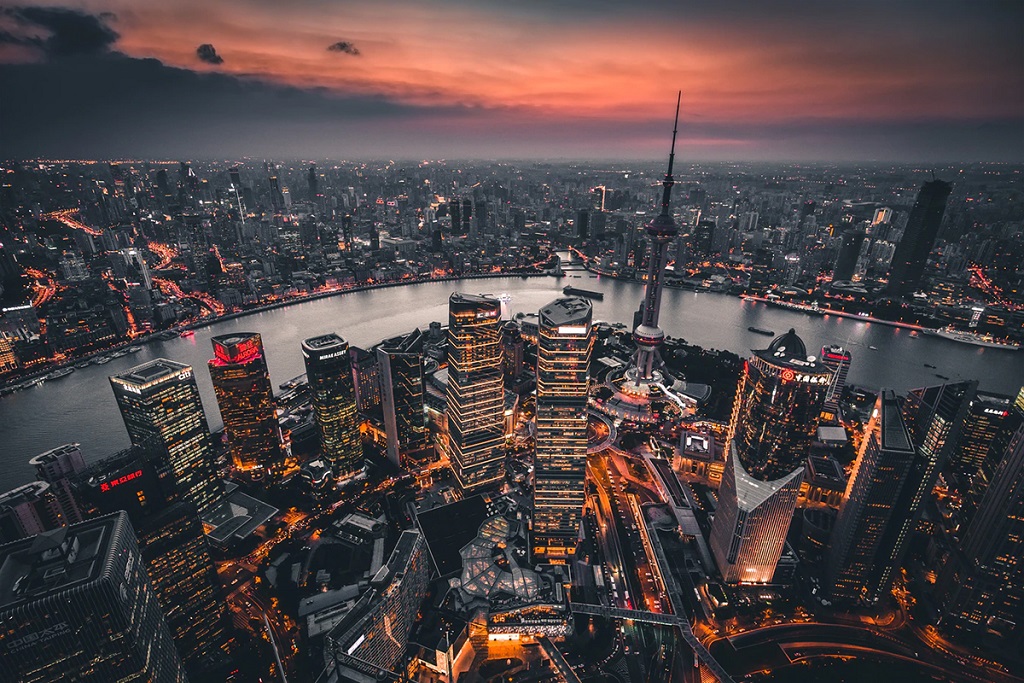
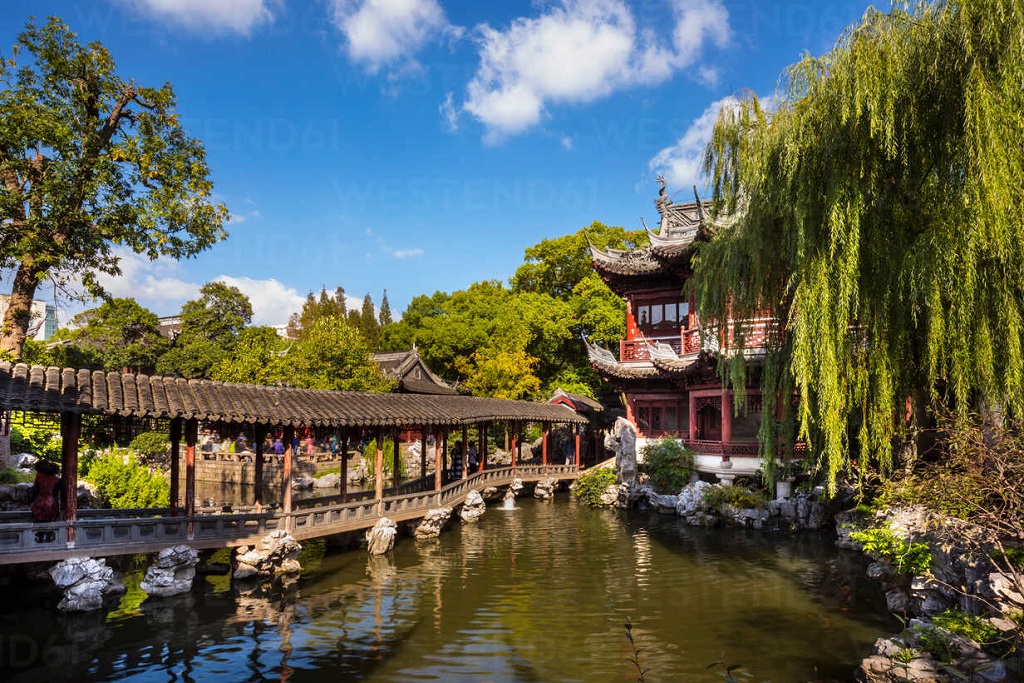
Shanghai presents itself as China's most cosmopolitan and futuristic metropolis, where colonial heritage and architectural avant-garde coexist along the banks of the Huangpu River. The famous Bund is lined with elegant early-twentieth-century European-style buildings, while across the water the Pudong district flaunts a futuristic skyline, dominated by the Oriental Pearl Tower and the soaring Shanghai Tower. At the heart of the old town, the Yuyuan Garden offers an oasis of pavilions, ponds and rocks in perfect classical Chinese style. The districts of the former French Concession, with their tree-lined avenues, cafés and boutiques, recall a cosmopolitan past, while Nanjing Road throbs with commercial life. The cuisine ranges from xiaolongbao, delicate broth-filled dumplings, to international fare. Between skyscrapers, history and refinement, Shanghai is the showcase of contemporary China, vibrant and ever-changing.
Volo
Giorno 10 — Shanghai → Hong Kong
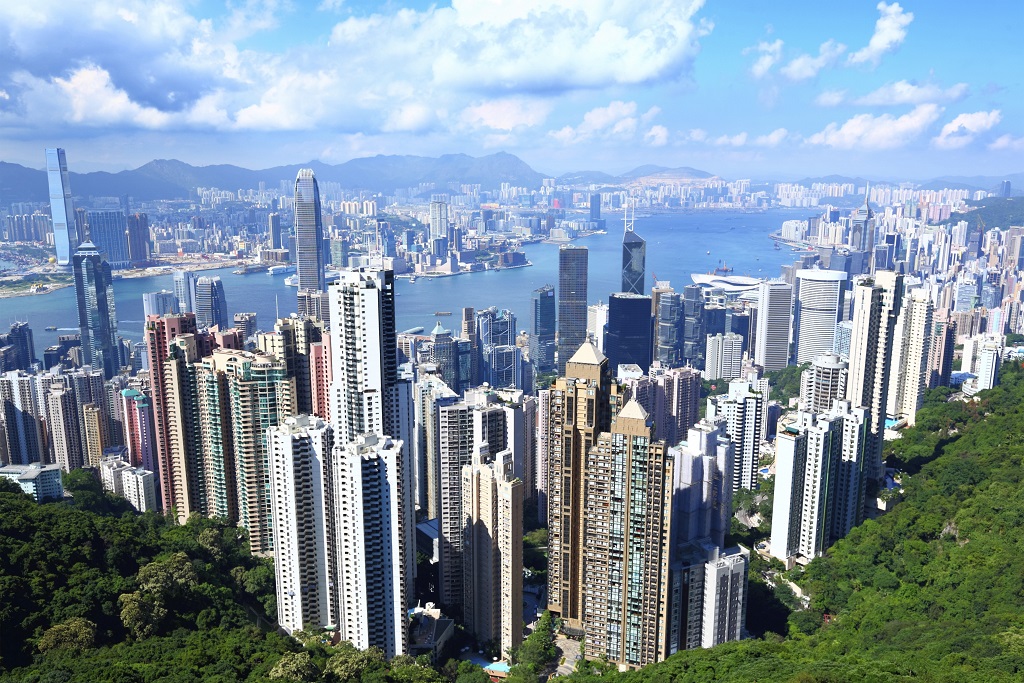
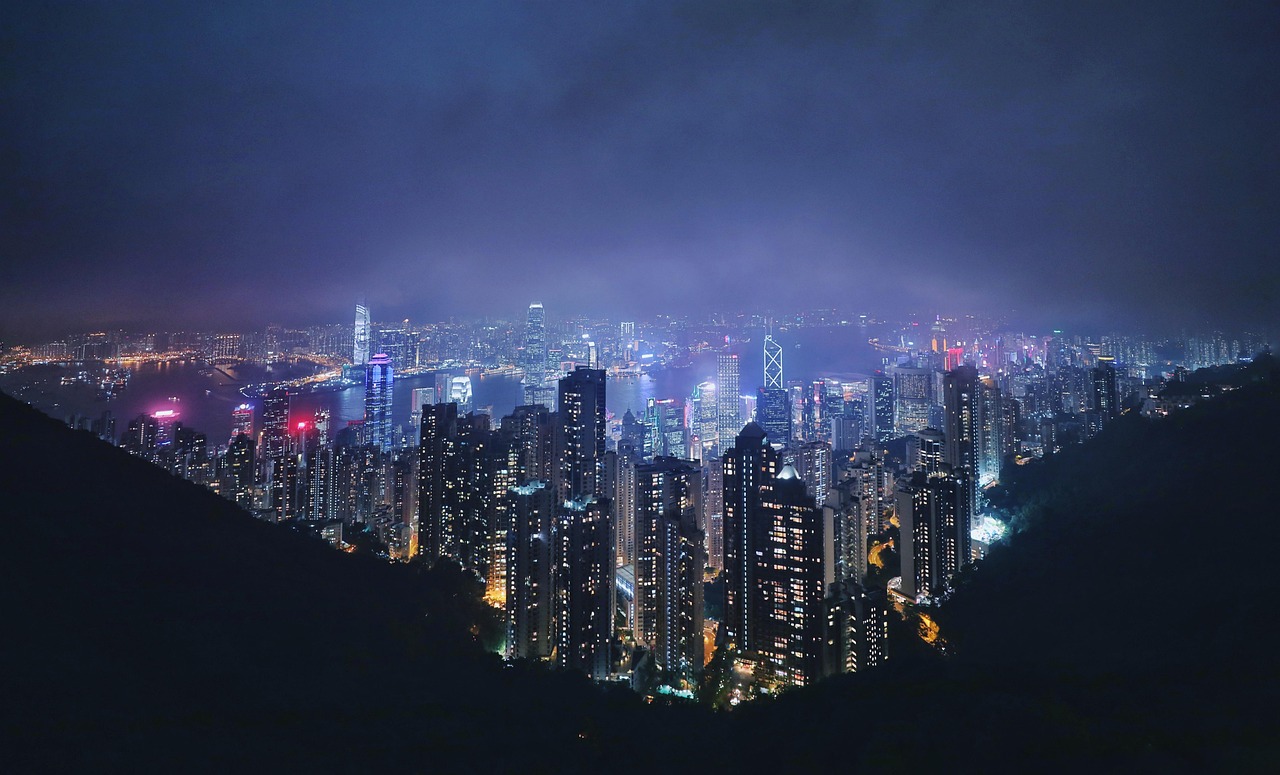
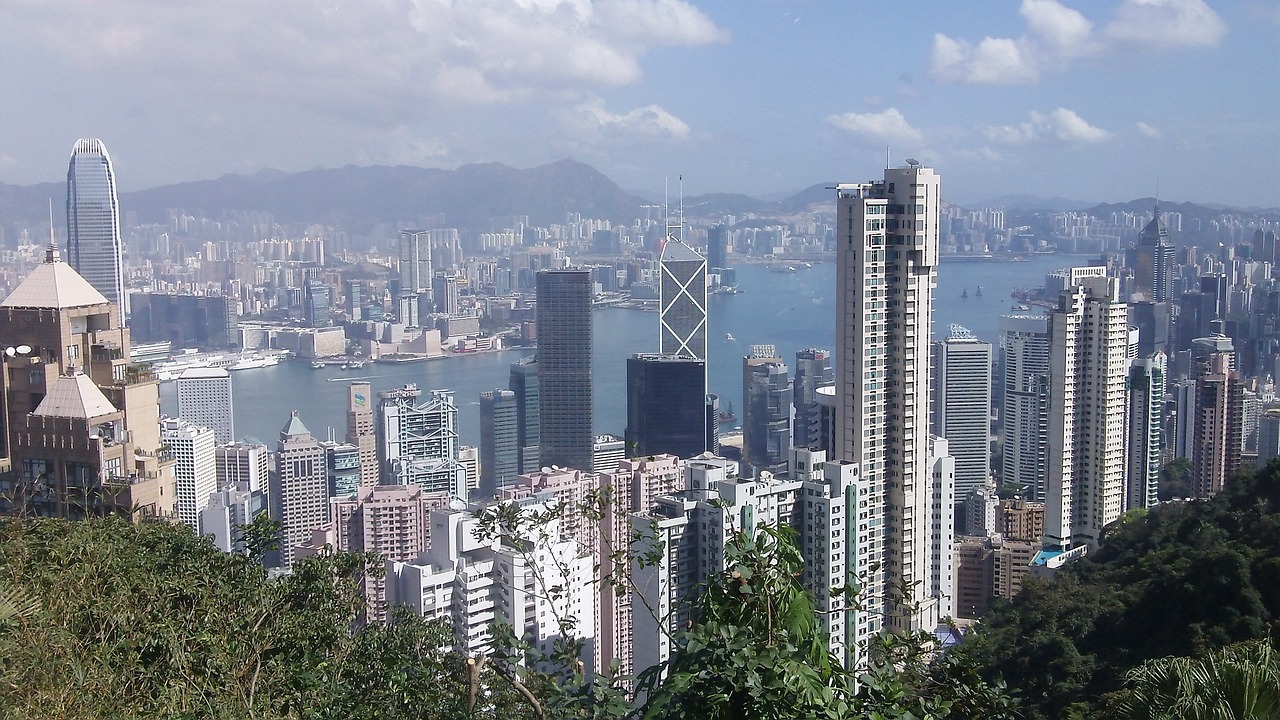
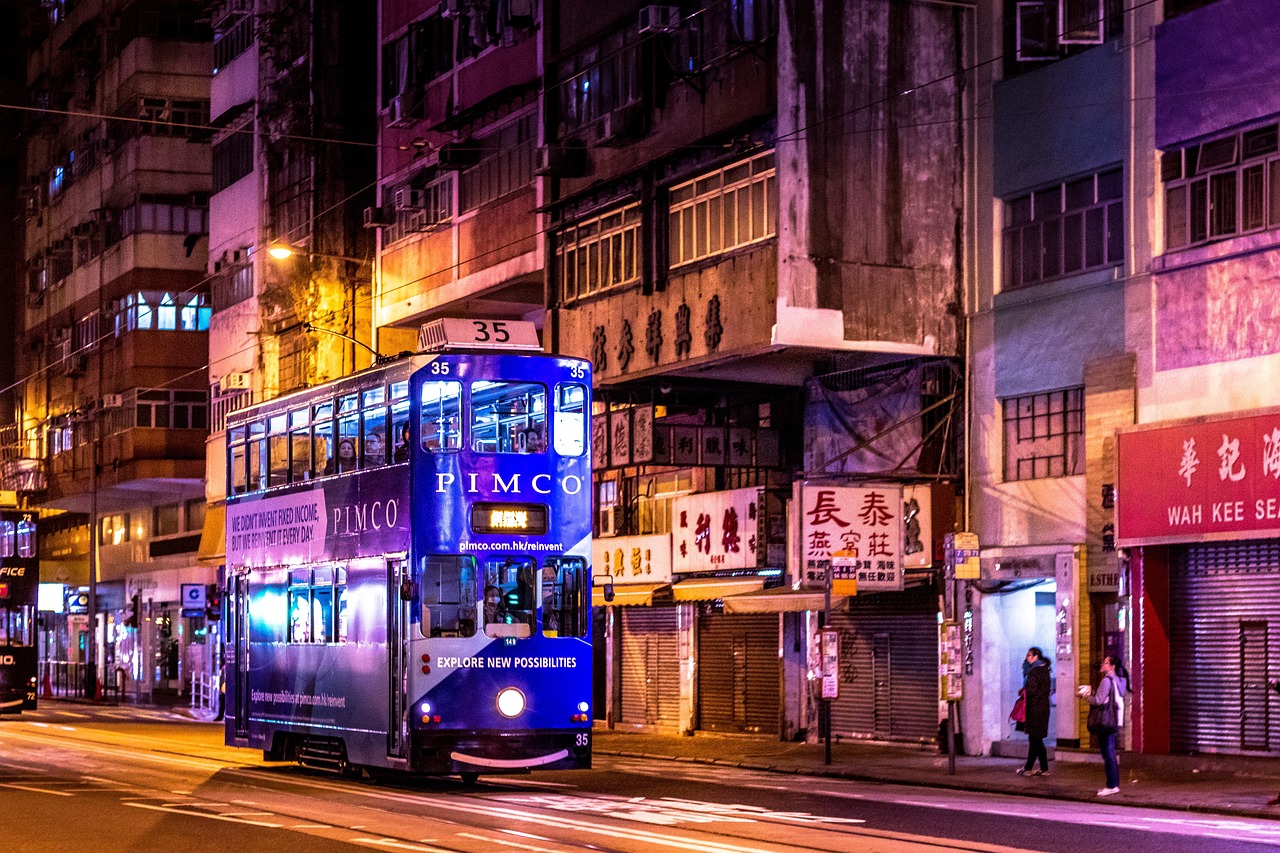
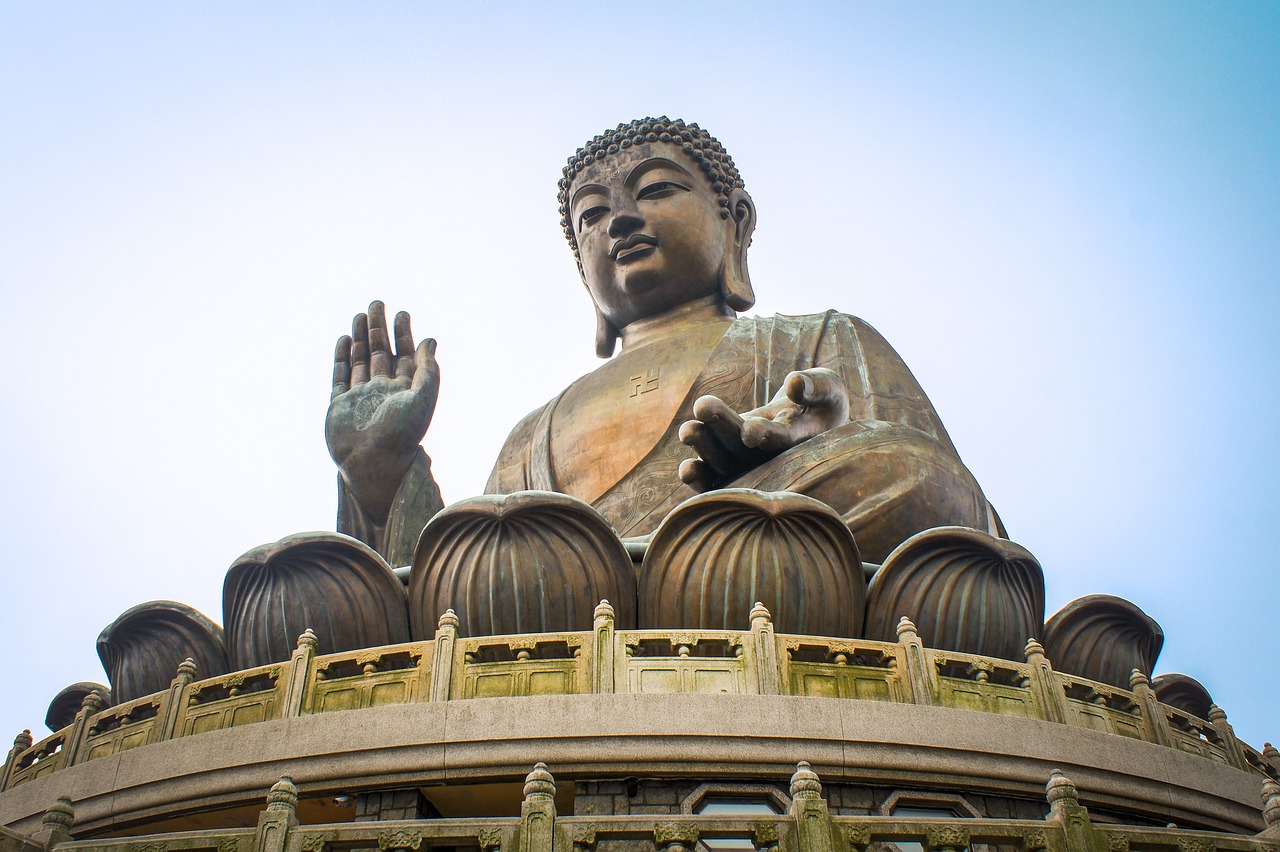
Hong Kong is one of the most extraordinary metropolises on the planet, a place where vertiginous skyscrapers are reflected in the waters of Victoria Harbour and tropical forests cover the hillsides just outside the city. The skyline of Kowloon and Hong Kong Island is among the most photographed in the world, and the spectacle is as overwhelming by day — when the Star Ferry crosses the harbour — as by night, during the Symphony of Lights that illuminates the skyline every evening. The nerve centre is the Central District, where investment banks and colonial British buildings coexist with Michelin-starred restaurants and shopping malls; the Peak Tram climbs in minutes to Victoria Peak, offering a 360° panorama over the bay and surrounding islands. Wan Chai and Mong Kok harbour unforgettable open-air markets — the Ladies' Market, the Temple Street Night Market — where the range spans electronics to spices, fabrics to handicrafts. The Sheung Wan neighbourhood and Hollywood Road are the territory of art galleries, Chinese antiques and Taoist temples such as Man Mo Temple. Hong Kong cuisine is an entire universe: from morning dim sum restaurants — where carts circulate laden with har gow and siu mai — to street food stalls in popular districts, through to the fine Cantonese dining that has made the city one of the world's gastronomic capitals. The islands of Lantau, Lamma and Cheung Chau offer a respite from metropolitan frenzy: fishing villages, quiet beaches, the Tian Tan Giant Buddha on the Ngong Ping plateau. Hong Kong is also the natural jumping-off point for excursions to Macau and for crossing into mainland China via the Shenzhen border. A city that stays with you.