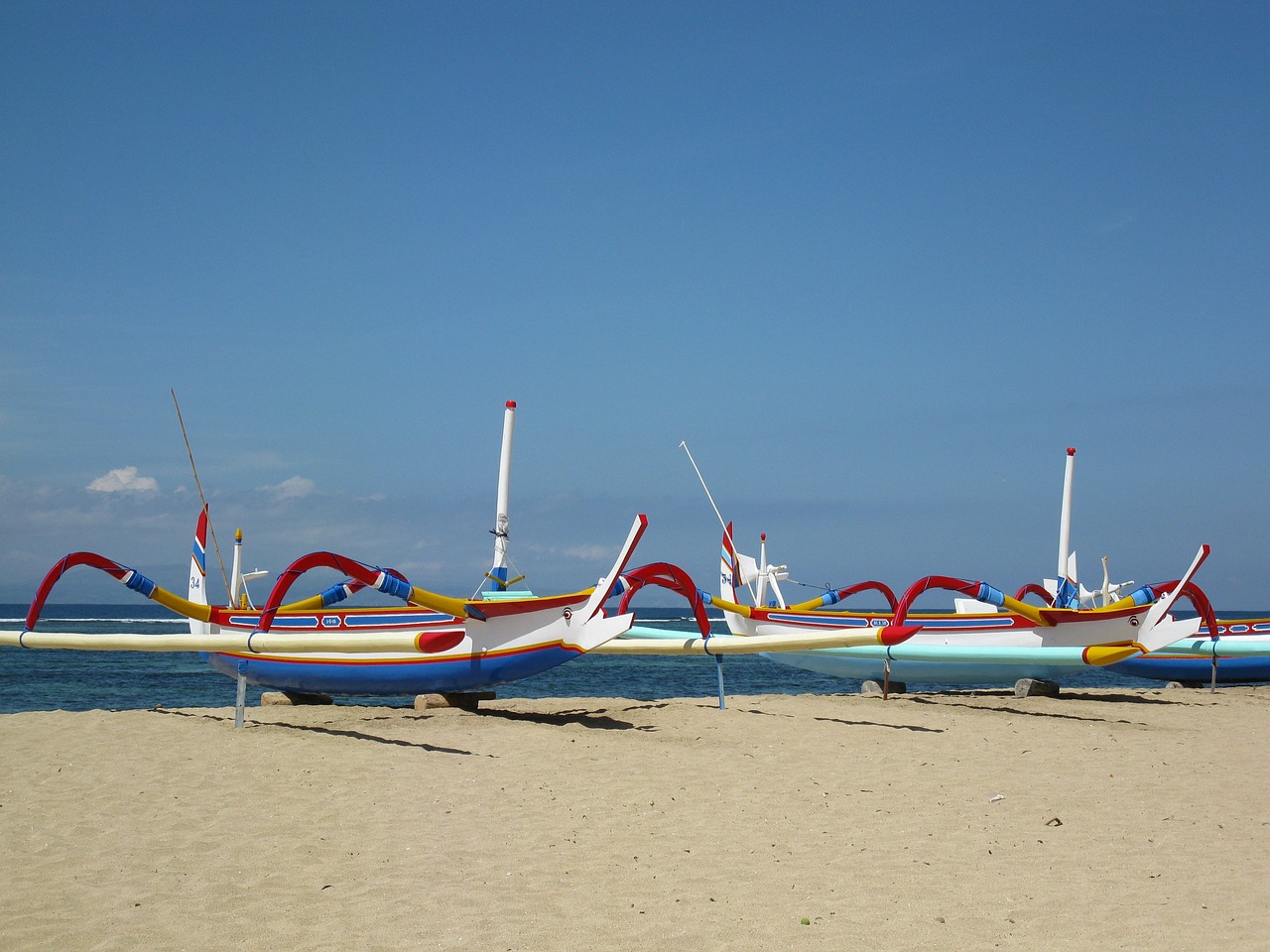
Sanur holds the most authentic and peaceful soul of Bali's eastern coast, a beach resort of long standing facing calm reef-sheltered waters, ideal for families and for those seeking relaxation. A seafront promenade several kilometres long runs alongside the beach, dotted with historic hotels, cafés and restaurants, and offers memorable sunrises over the Indian Ocean. Its laid-back atmosphere and shallow waters make Sanur perfect for swimming, kayaking and windsurfing, or for setting off by boat to the nearby islands of Nusa Lembongan and Nusa Penida. Nearby, the Le Mayeur Museum — home of the Belgian painter who immortalised Bali — and the temples and markets that bear witness to everyday Balinese life are well worth a visit. With its gentle pace and old-world charm, Sanur is the ideal destination for a serene seaside holiday in touch with local culture.
Auto
Giorno 3 — Sanur → Ubud
Ubud rises among the terraced rice fields and rainforests of Bali's mountainous heart, long recognised as the island's cultural and spiritual capital. Far from the beaches of the south, it draws travellers seeking art, wellbeing and a more authentic Bali of temples, sacred dances and drifting incense.
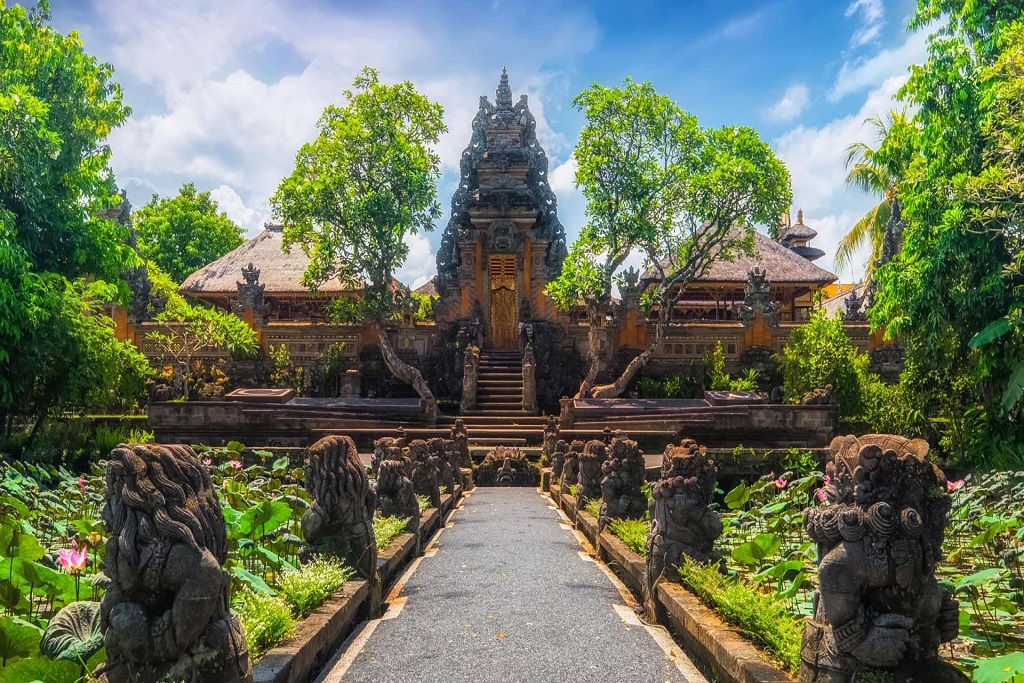
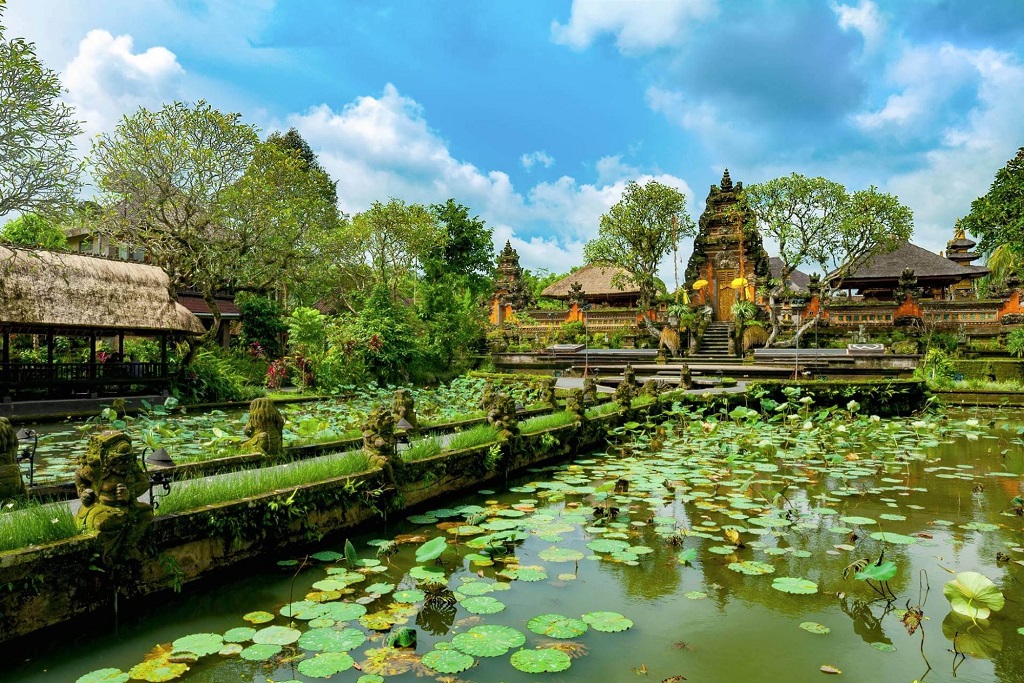
The town's heart beats around Jalan Raya Ubud and the covered art market, where textiles, wood carvings and paintings blend into everyday life. Nearby stands Puri Saren Agung, the royal palace still inhabited by the ruling family, which hosts evening performances of traditional dance such as the Legong and the thunderous Kecak, sung by dozens of male voices. Along Jalan Monkey Forest lies the Sacred Monkey Forest Sanctuary, a sacred grove home to macaques and dotted with moss-covered temples. Just outside the centre, Pura Taman Saraswati enchants with its lotus pond, while the nearby Pura Tirta Empul, a sacred spring where Balinese purify themselves in the waters, and the rock-cut complex of Goa Gajah (the Elephant Cave) tell the region's long spiritual story.
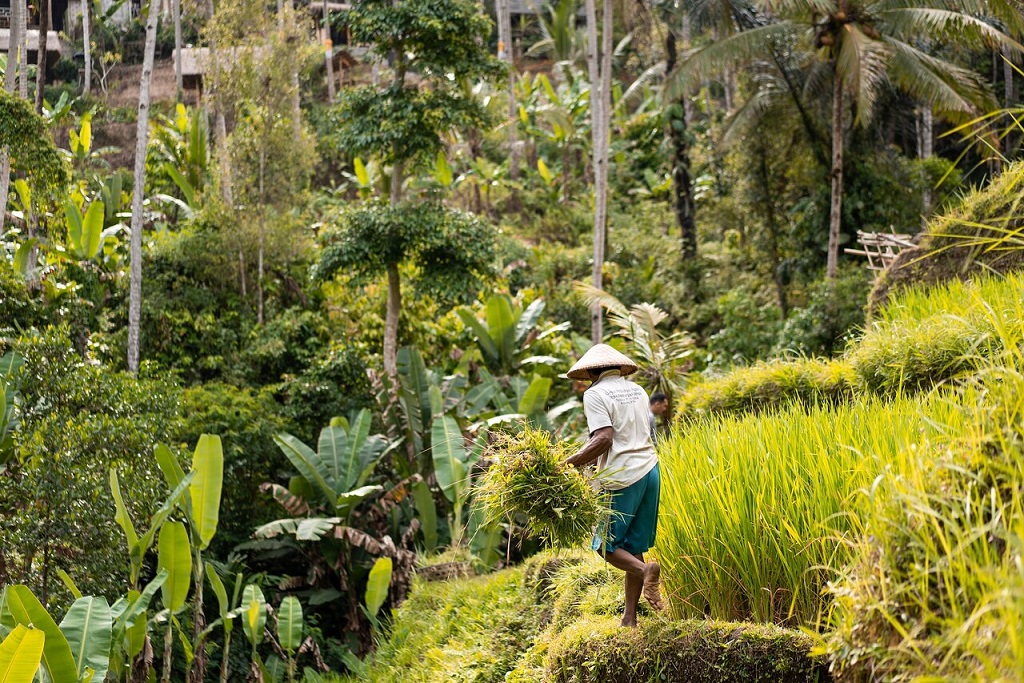
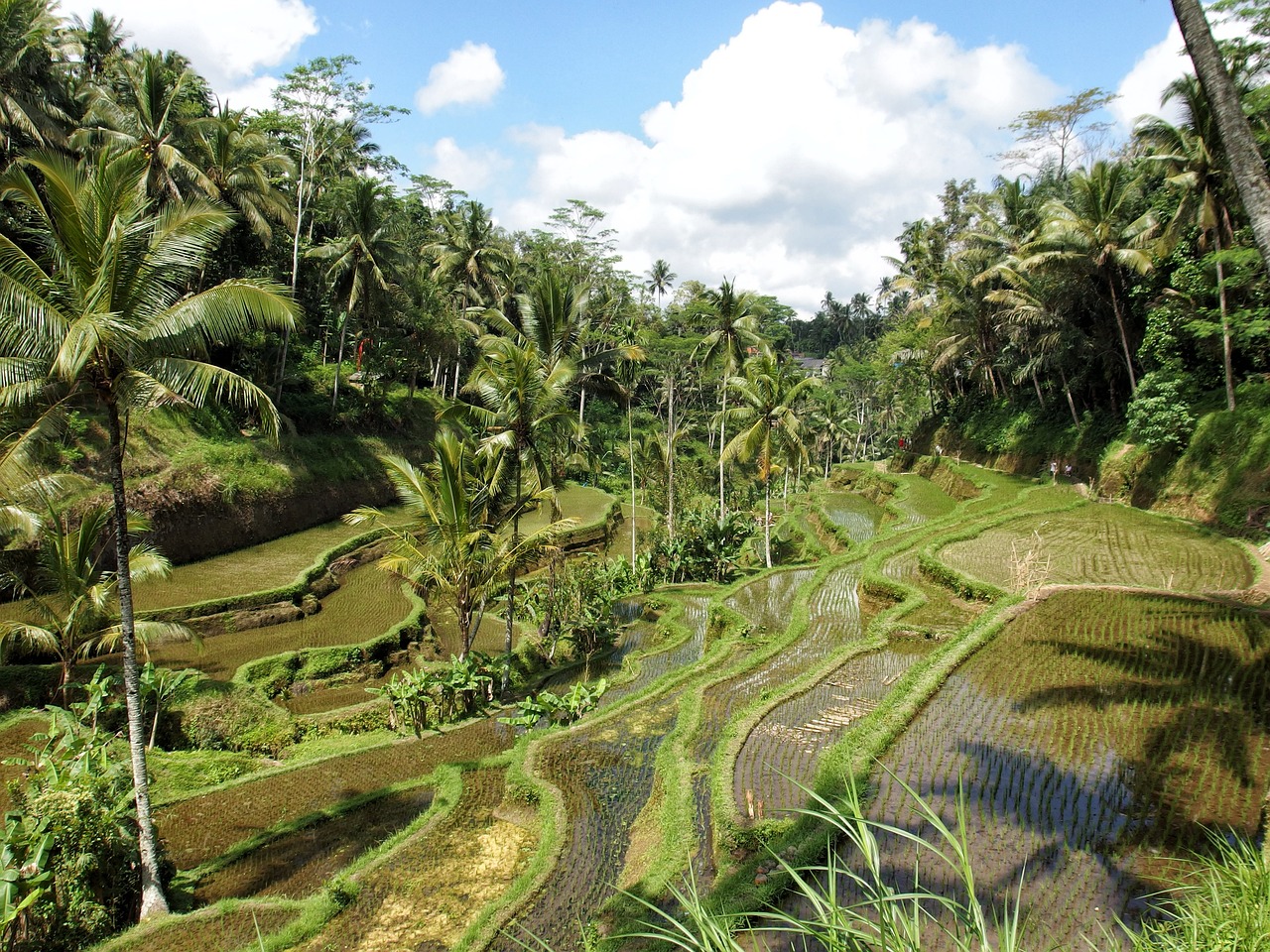
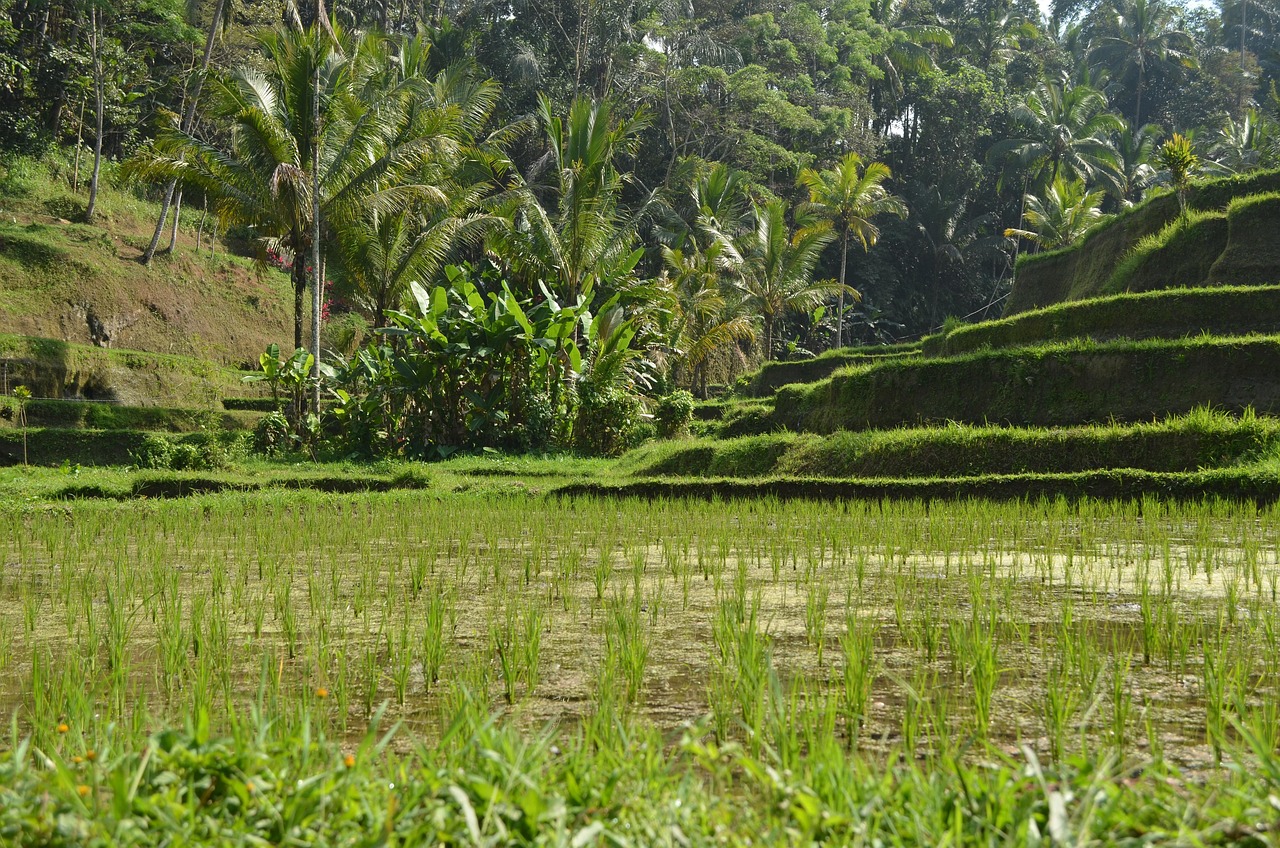
Around Ubud the landscape unfolds into some of Bali's most famous scenery: the terraced rice paddies of Tegallalang, shaped by the ancient subak irrigation system recognised by UNESCO, and the artisan villages of Mas, Celuk and Batuan, specialising in carving, silverwork and painting. Days may begin with a sunrise yoga class, a stroll along the Campuhan Ridge Walk through green hills, or a Balinese cooking class amid spices, sambal and babi guling. Further north lie excursions to the Tegenungan waterfalls and the volcanoes, while jungle-set cafés and refined spas complete the unhurried mood.
Ubud is best experienced slowly, guided by the sound of gamelan and the endless green of the rice fields.
Traghetto
Giorno 6 — Ubud → Gili Trawangan
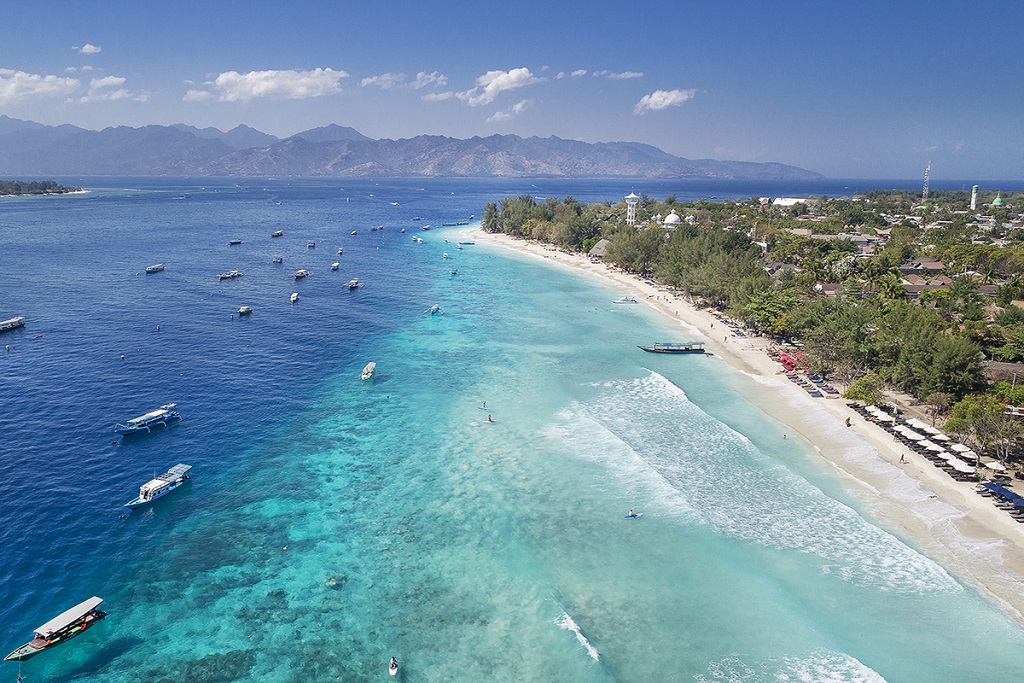
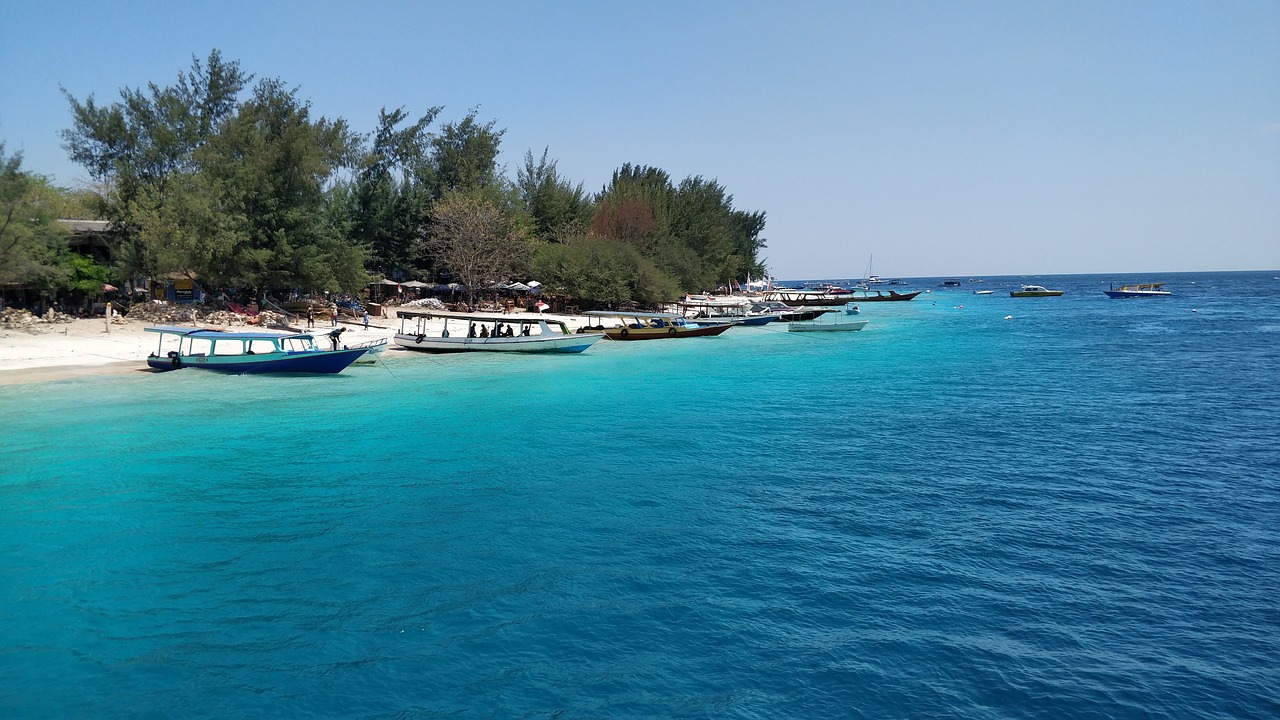
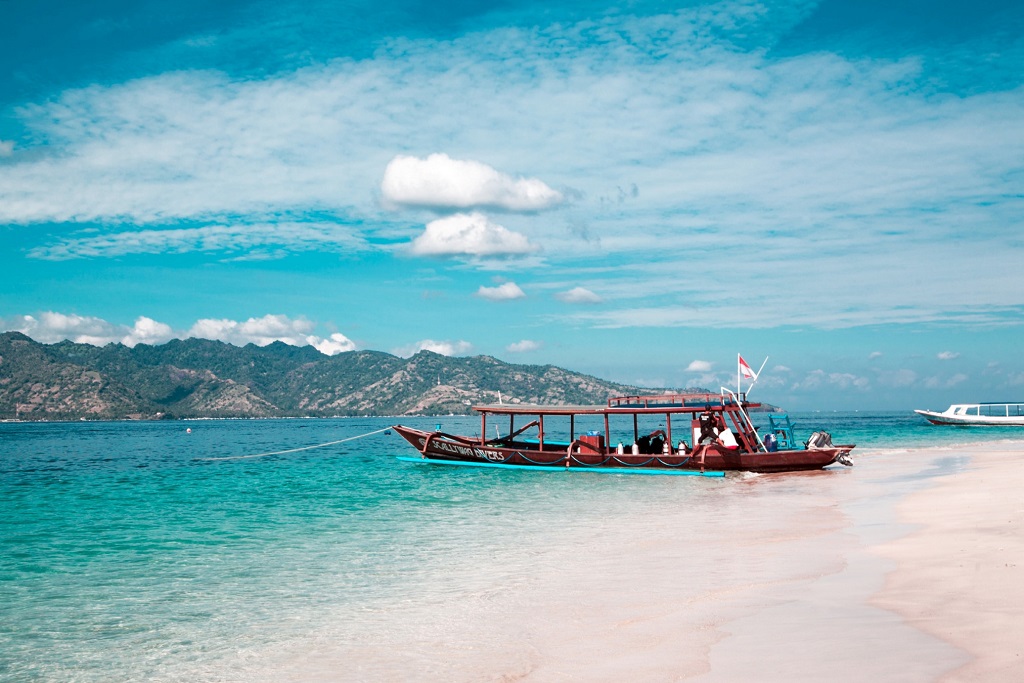
Gili Trawangan is the largest and liveliest of the three Gili Islands, a small tropical paradise off the north-western coast of Lombok, where no cars or motorbikes are allowed and you get around on foot, by bicycle or aboard the distinctive cidomo, the local horse-drawn carts. White-sand beaches and turquoise waters ring the island, which boasts some of the finest seabeds in the archipelago: snorkelling and diving bring encounters with sea turtles, coral and tropical fish. The eastern shore concentrates bars, restaurants and a renowned nightlife, while the western coast offers quiet spots perfect for watching the sunset, with the silhouette of Bali's Mount Agung on the horizon. Yoga classes, boat trips to the sister islands of Gili Meno and Gili Air, and fresh seafood round out the experience. Gili Trawangan is the perfect destination for crystal-clear waters, a laid-back vibe and a convivial spirit.