Giorno 2 — Siem Reap (Angkor)
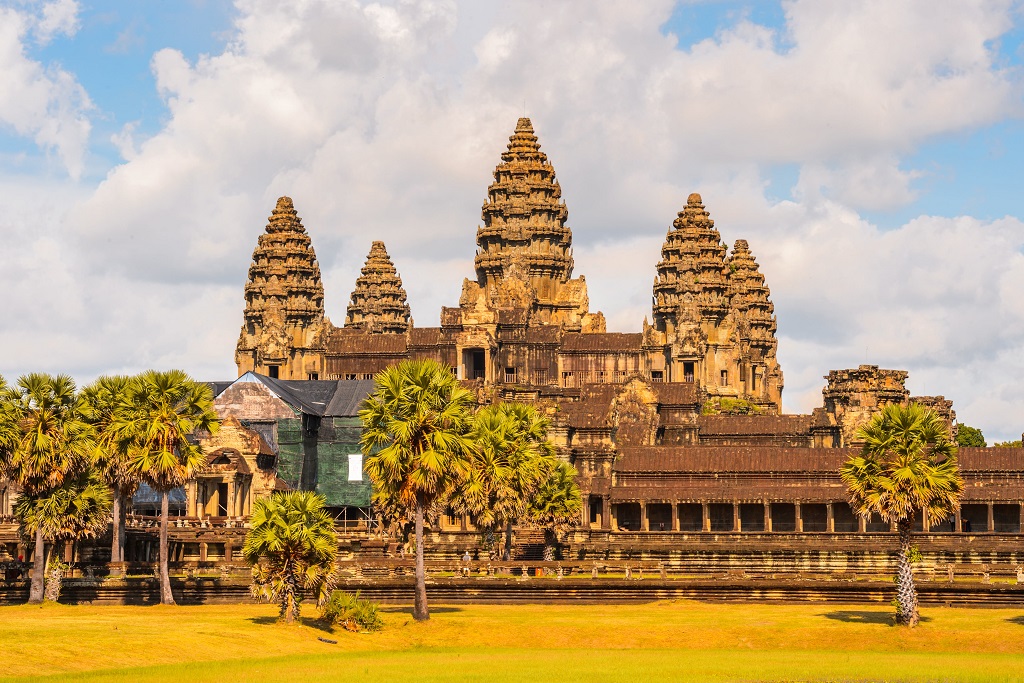
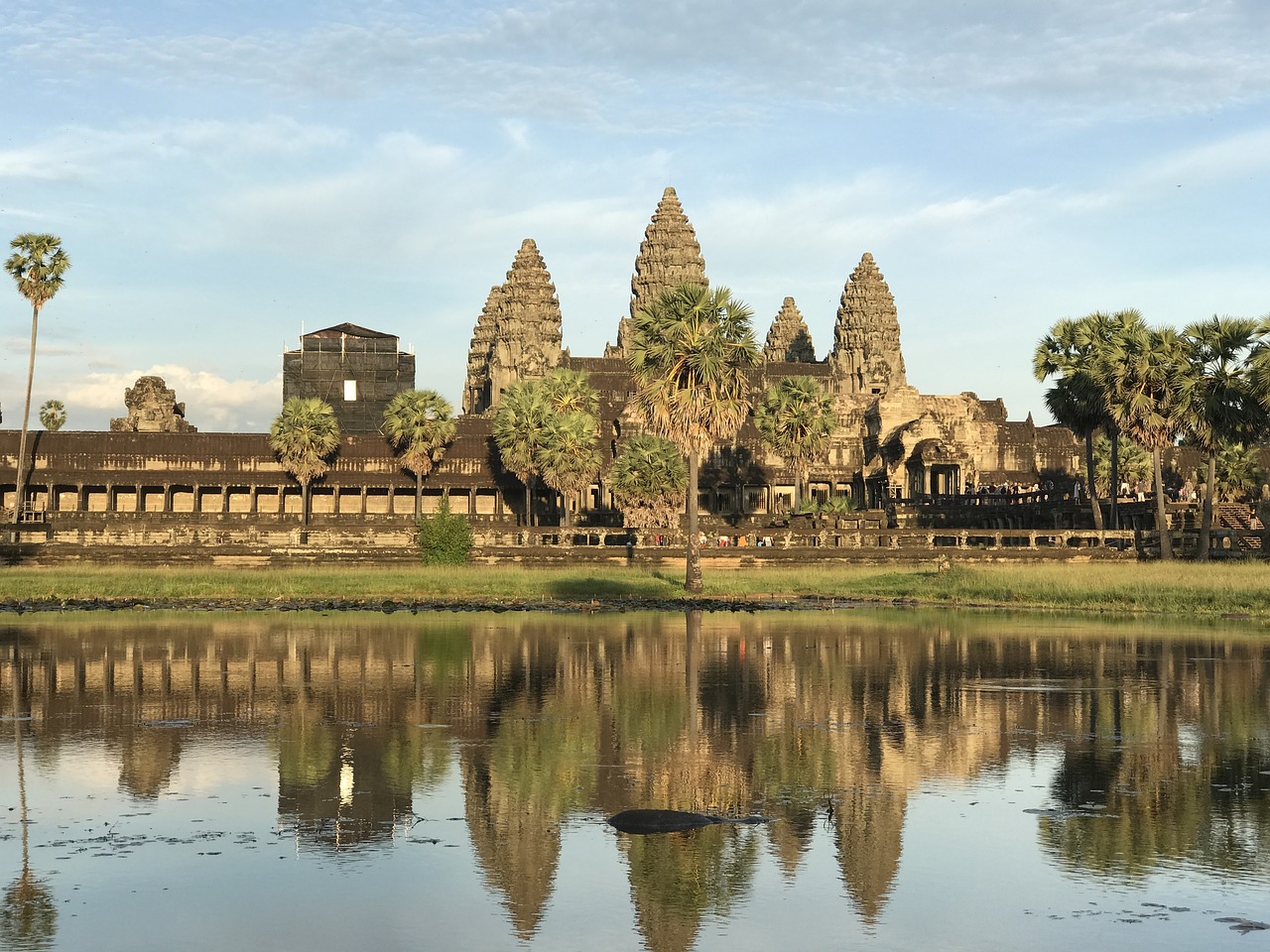
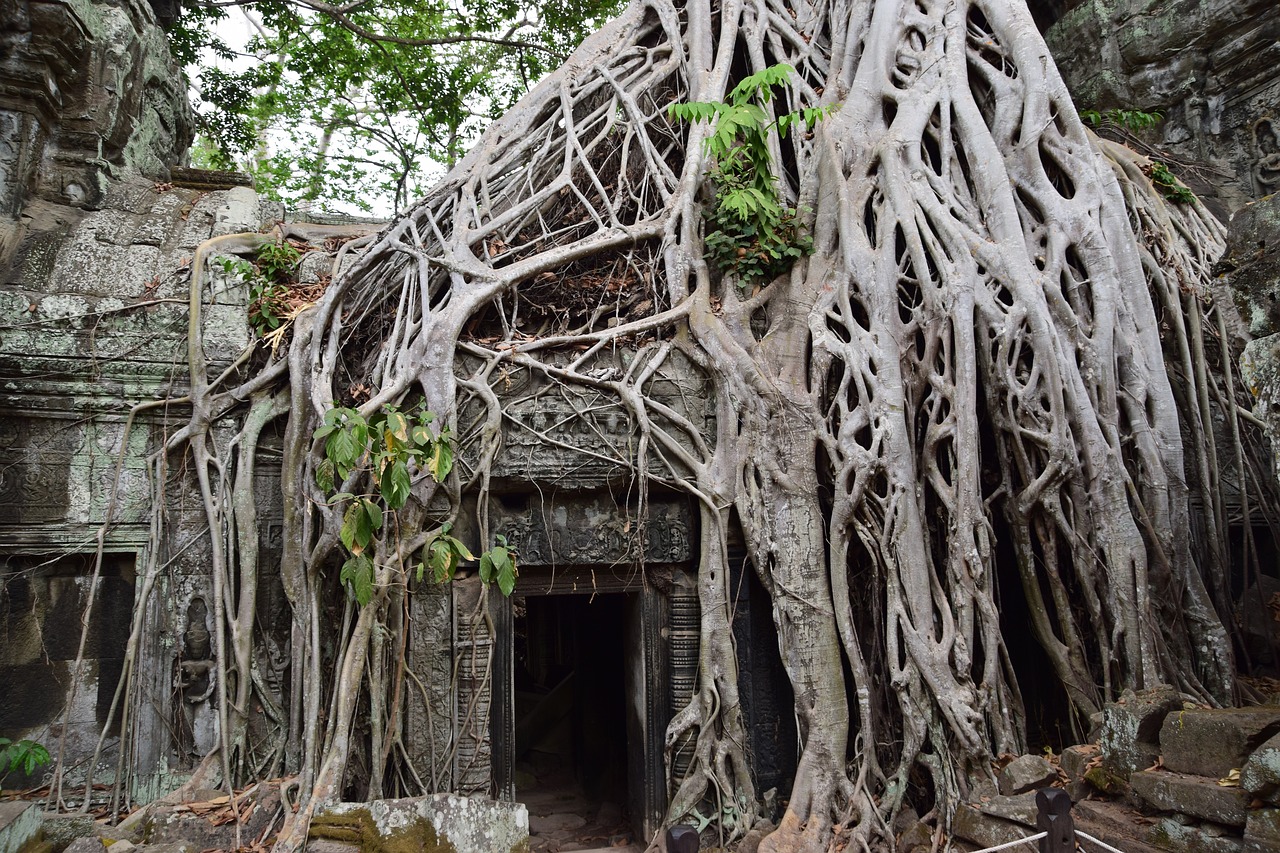
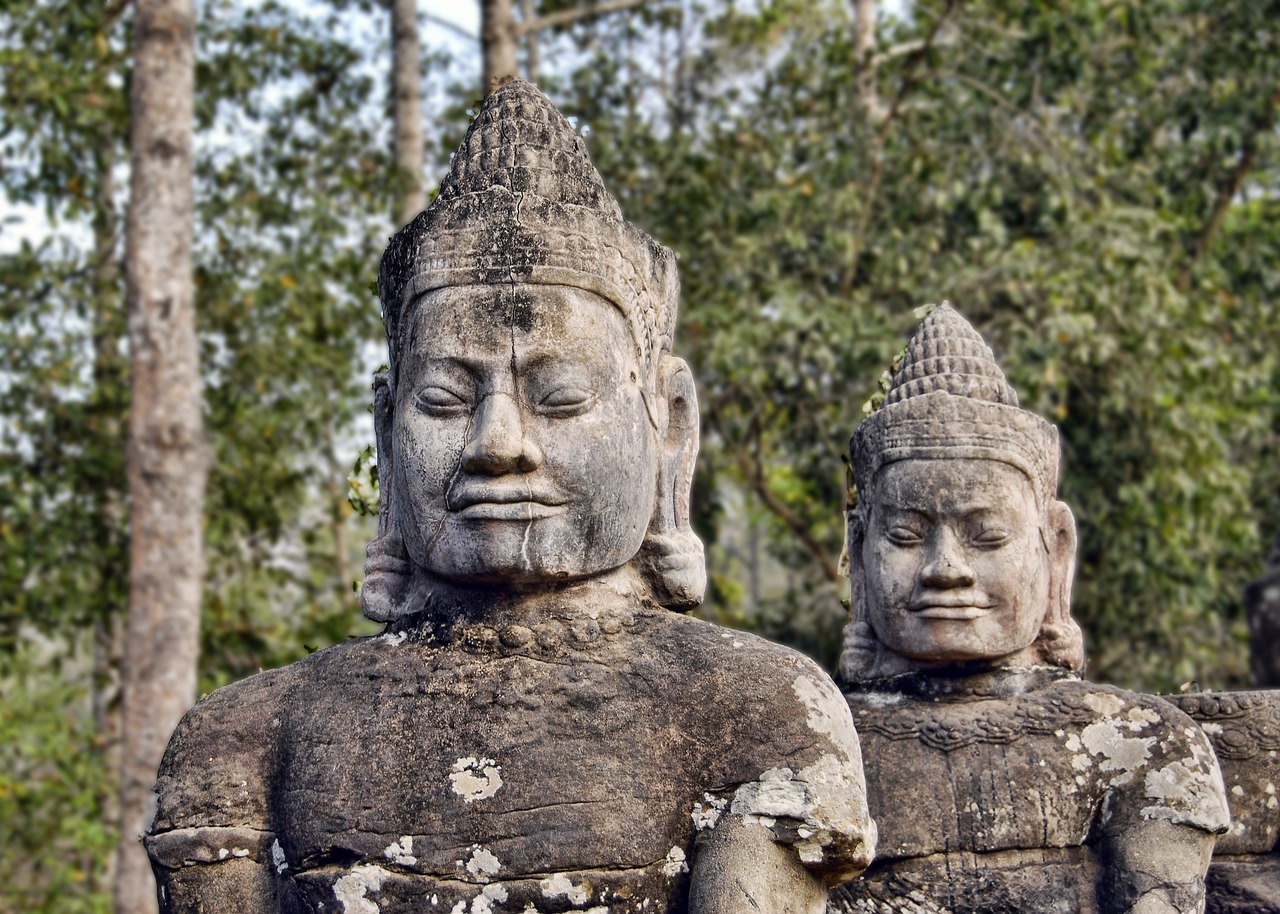
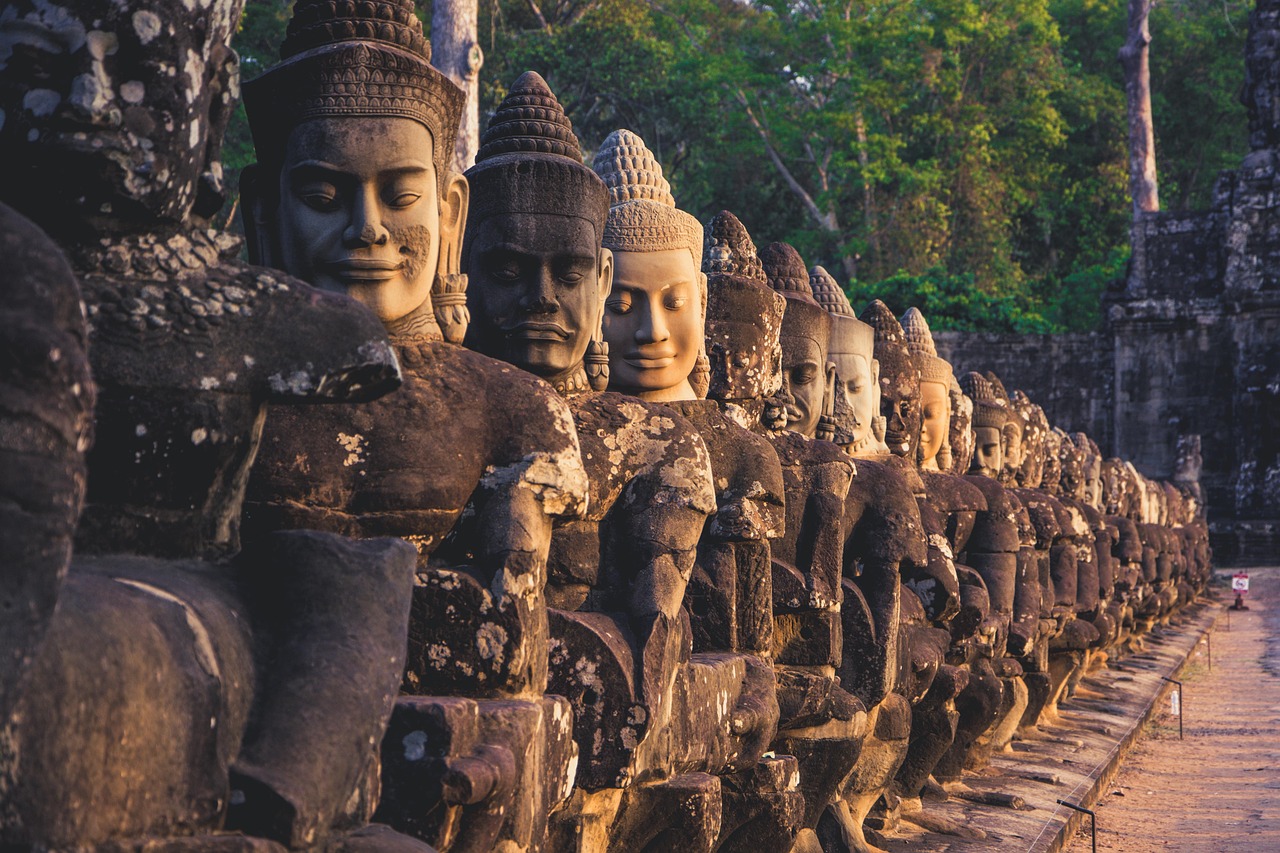
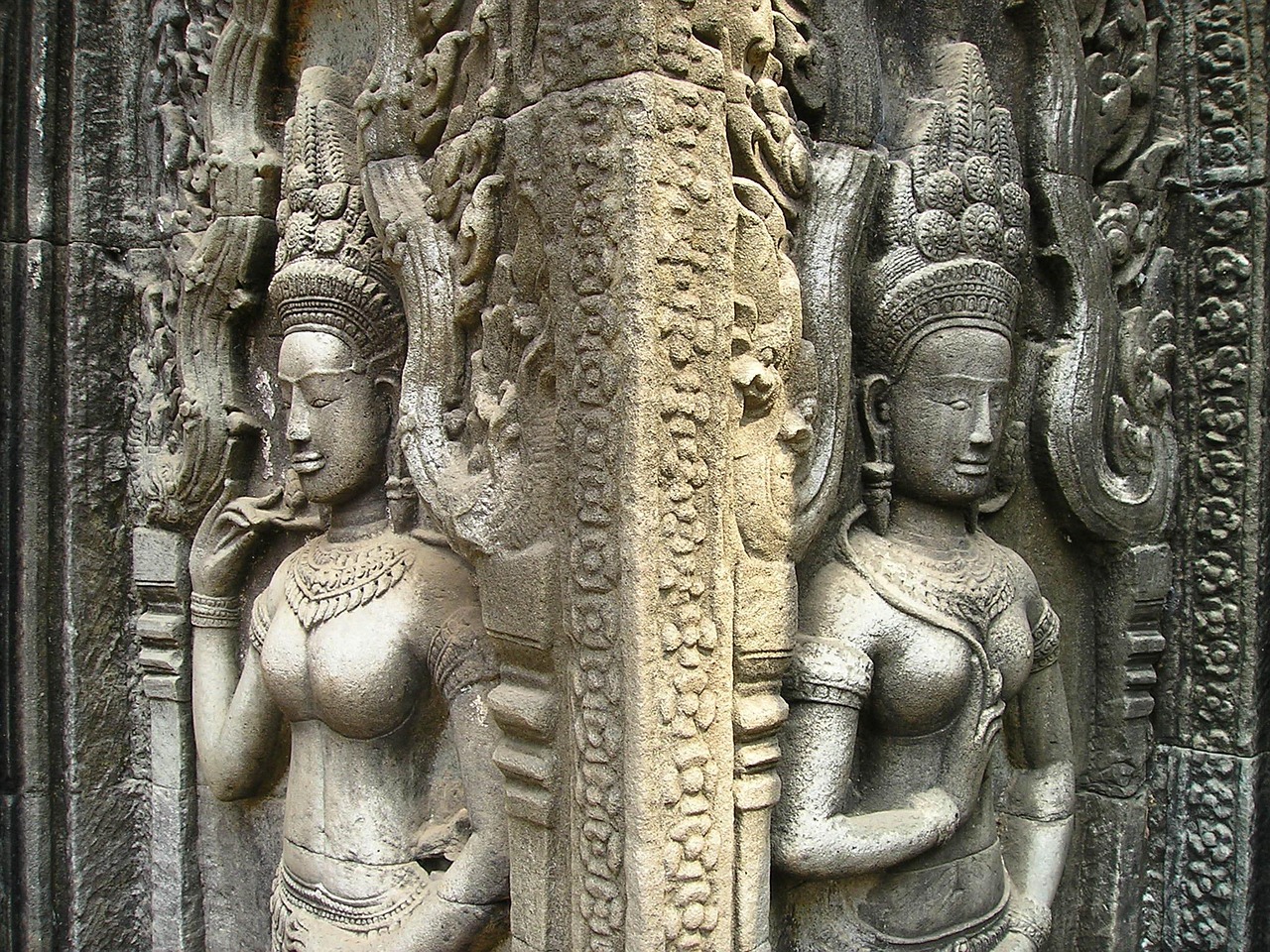
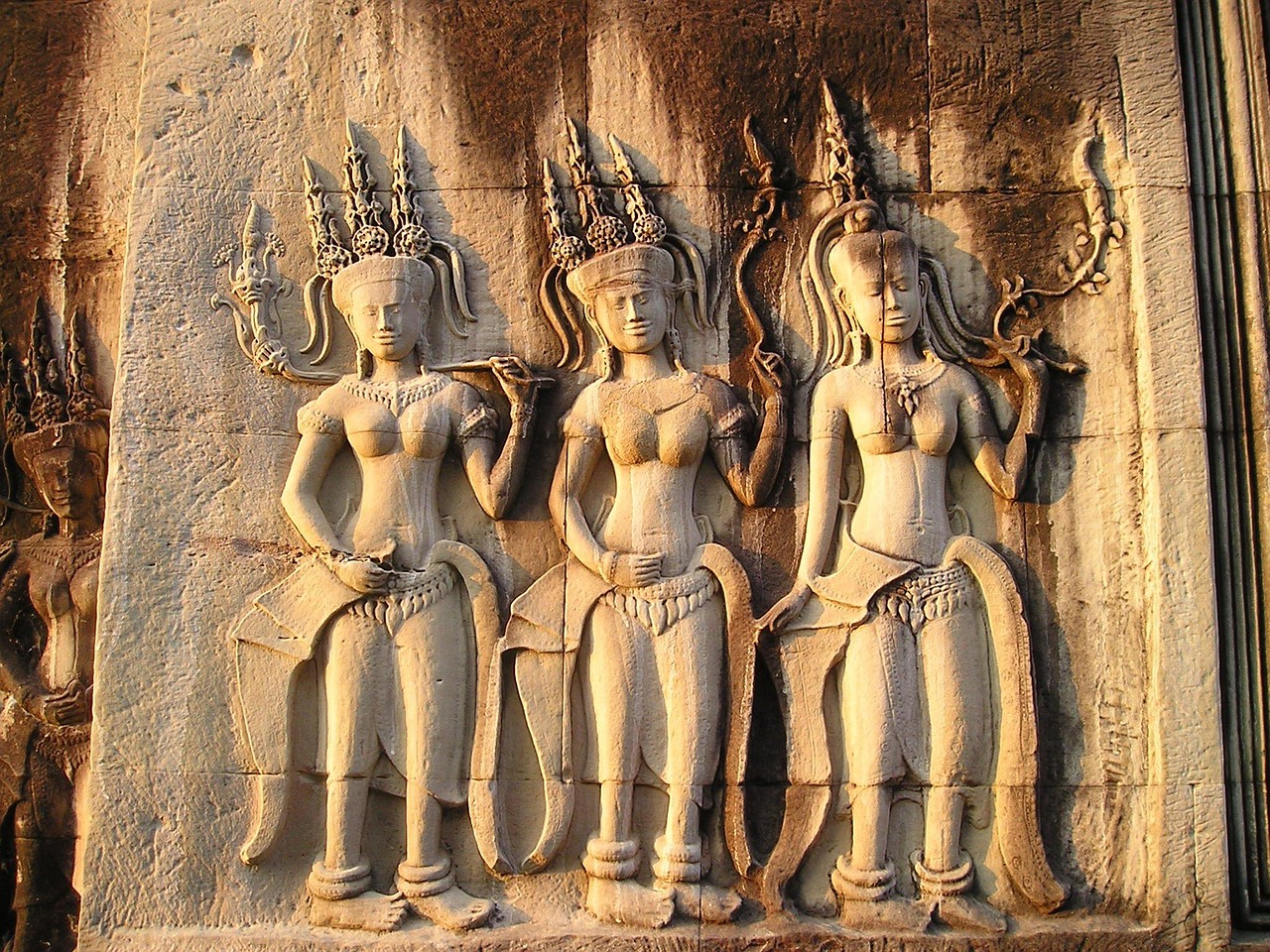
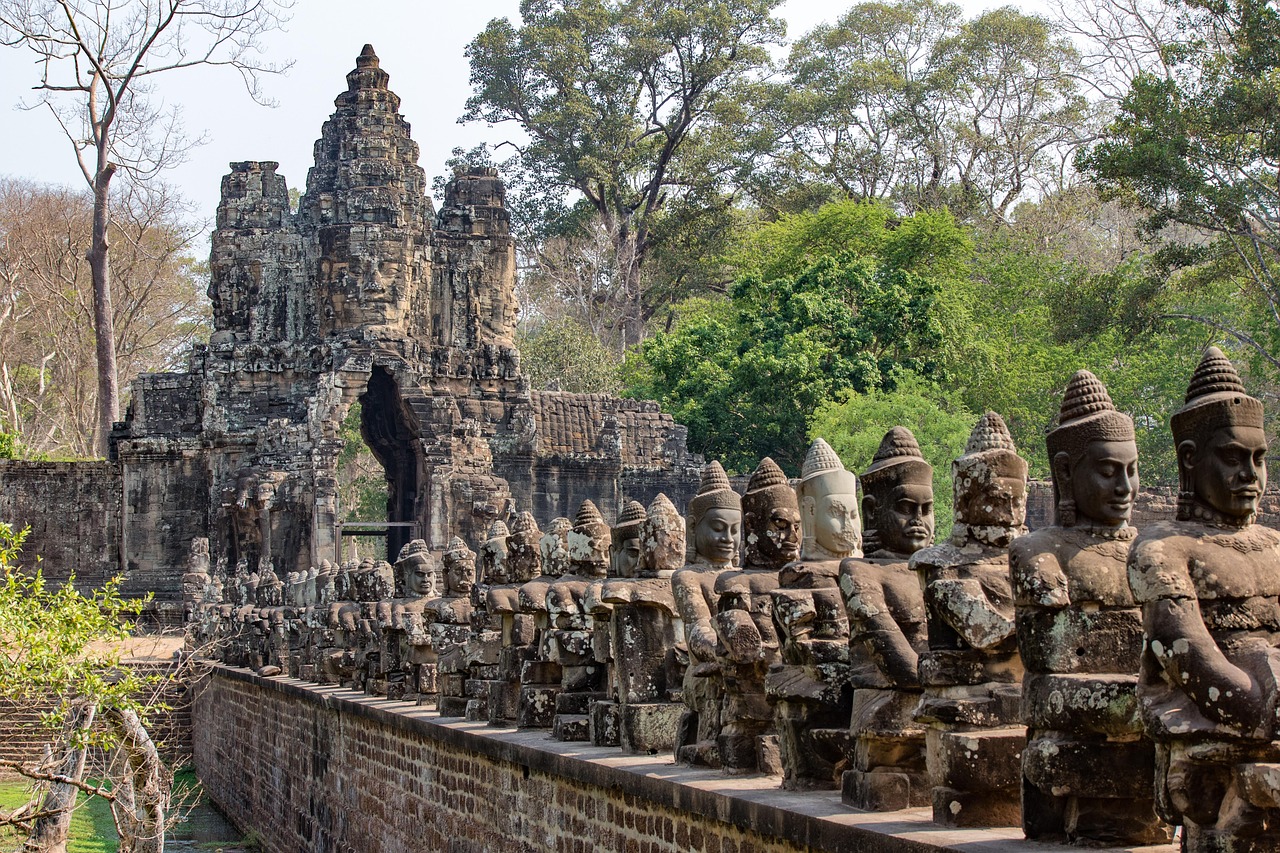
Breakfast, full day tour of Angkor, First of all, you can see Prasat Kravan, a Hindu temple, one of the oldest monuments in Angkor (10th century) and one of the most beautiful. Then, you continue to the royal pool of Sra Srang, 800 m x 400 m, particularly picturesque at sunrise, and then to the other immense artificial basin of Yasodharatataka (modern name East Baray), which measures 7.5 km x 1.8 km and is now dry. Built in the 10th century and fed by the Siem Reap River, it could hold up to 50 million cubic meters of water. The purpose of these basins is unknown. According to some scholars, they were used for irrigation, while others believe they had a purely symbolic purpose, representing the oceans of creation that surrounded the sacred Mount Meru, the abode of Hindu gods. A little further south, you can admire the majestic five towers of Pre Rup, a colossal "temple-mountain" with grand proportions., lunch at a restaurant, In the afternoon, the visit is completed., Today a World Heritage Site, the city of Angkor flourished between the 9th and 15th centuries. Recent satellite photos have shown that Angkor is the largest pre-industrial city in the world, with an elaborate system of roads and canals that connected an inhabited area of at least one thousand square kilometers, at the center of which stood the famous group of temples; it is estimated that the area housed around one million inhabitants. The history of Angkor begins shortly after the year 800, when the Khmer king Jayavarman II proclaimed Cambodia's independence from Java. In the following three hundred years, between 900 and 1200, the Khmer Empire produced some of the most magnificent architectural masterpieces in the world. Contemporary with the Notre Dame Cathedral, Angkor Wat is the main temple complex, a symbol of Cambodia and the splendid Middle Ages of Southeast Asia. It was built between 1113 and 1150 by King Suryavarman II as his personal mausoleum. Breaking with tradition, the temple is dedicated to the Hindu god Vishnu instead of Shiva and depicts Hindu cosmology: the central towers represent Mount Meru, the abode of the gods, the outer walls the mountains that enclose the world, and the enormous artificial basin the ocean beyond the mountains. After the death of King Suryavarman II, a period of war followed with the neighboring kingdom of Champa (now southern Vietnam), which led to the destruction and looting of the capital Yasodharapura., I will return to the hotel in the late afternoon., dinner free,