Brasile Essenziale: Rio, Iguassù e Salvador — NAAR
Itinerary
Giorno 1 — Rio de Janeiro
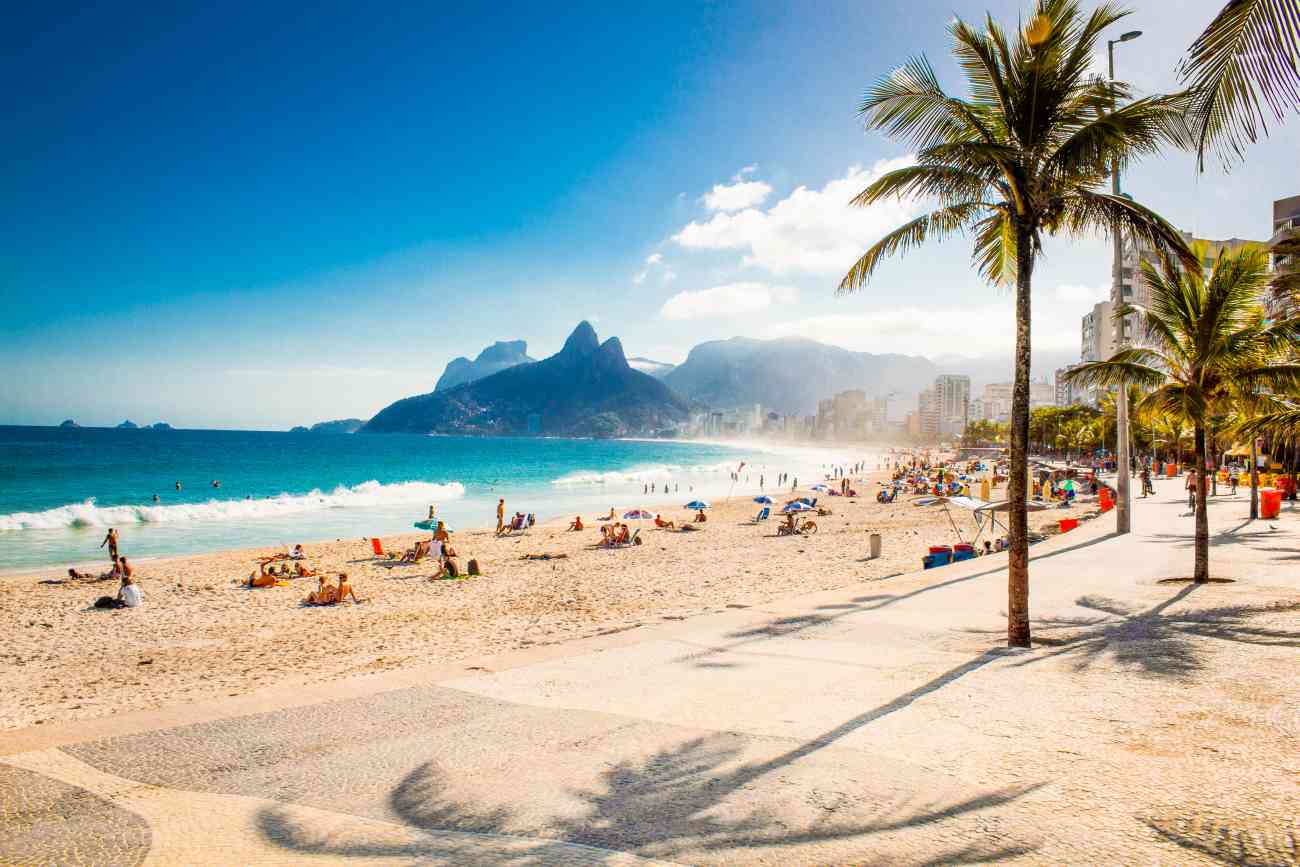
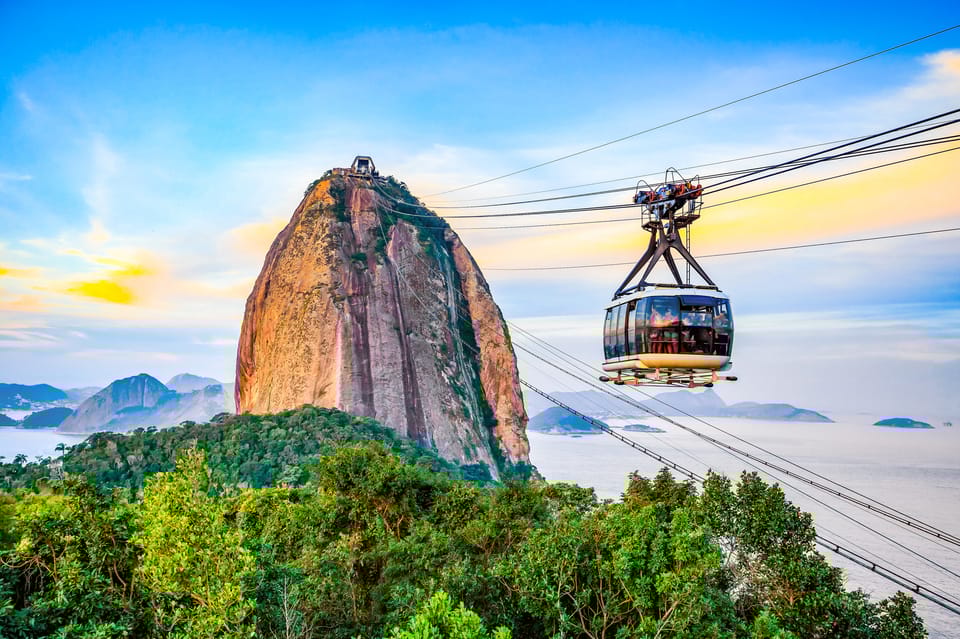
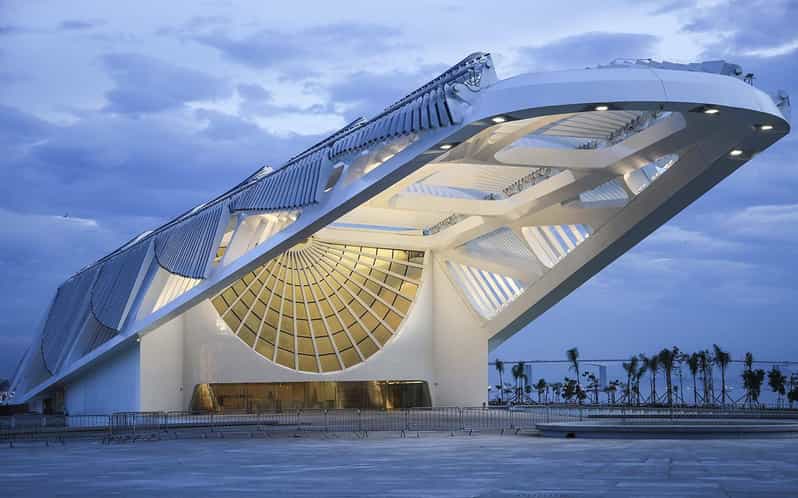
Rio de Janeiro unfolds along a jagged coastline where mountains cloaked in Atlantic rainforest plunge straight into the ocean, in one of the most spectacular urban settings on Earth. The "Cidade Maravilhosa" thrives on the contrast between the rhythm of its beaches and the grandeur of its geography. Its symbolic heart is Corcovado, crowned by the statue of Christ the Redeemer (Cristo Redentor) watching over the city with open arms, while the Pão de Açúcar (Sugarloaf Mountain) is reached by cable car for a sweeping view across Guanabara Bay. At its feet stretch the famous beaches of Copacabana and Ipanema, with their wave-patterned Portuguese mosaic promenades, kiosks, beach football and the unmistakable sunset from Arpoador. The historic centre preserves a colonial and imperial legacy: the Theatro Municipal, the colourful Selarón Steps and the bohemian neighbourhood of Santa Teresa, explored aboard the old tram (bondinho) among artists' studios and period villas. The Jardim Botânico and the urban Tijuca Forest offer lush natural escapes minutes from downtown, while the modern Museu do Amanhã has reshaped the revitalised port. Rio is also a capital of Brazilian popular culture: the samba born in its terreiros, the world's most famous Carnival with its parades at the Sambódromo, and live music in Lapa beneath the arches of the aqueduct. Its cuisine blends feijoada, churrasco, fresh seafood and the ritual of açaí and caipirinha. From here the coastal villages of Búzios and the islands of Angra dos Reis are within easy reach. Rio de Janeiro is not merely visited: it is lived, between sea, mountains and the irrepressible joie de vivre of its carioca people.
Volo
Giorno 4 — Rio de Janeiro → Foz do Iguaçu
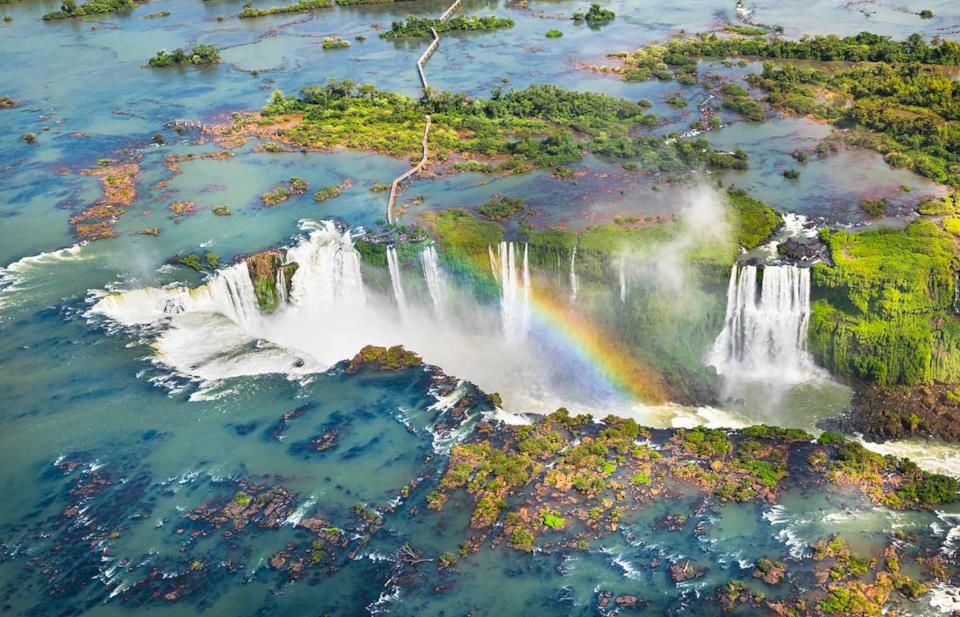
Foz do Iguaçu lies at Brazil's far western frontier, where the Iguaçu River plunges into one of the planet's most spectacular natural displays. The Cataratas do Iguaçu, more than 270 waterfalls framed by Atlantic rainforest, are admired from the walkways of the Parque Nacional do Iguaçu, a UNESCO World Heritage Site, all the way to the dizzying Garganta do Diabo (Devil's Throat). The Brazilian side offers the sweeping panoramic view of the falls, while nearby the Parque das Aves reveals toucans and macaws among aviaries set in lush vegetation. Not far away, the Itaipu dam stands as a testament to human ingenuity beside nature's raw power, and the meeting point of Brazil, Argentina and Paraguay lends the allure of the triple border. Iguaçu lingers in memory as the roar of water suspended between sky and forest.
Volo
Giorno 6 — Foz do Iguaçu → Salvador
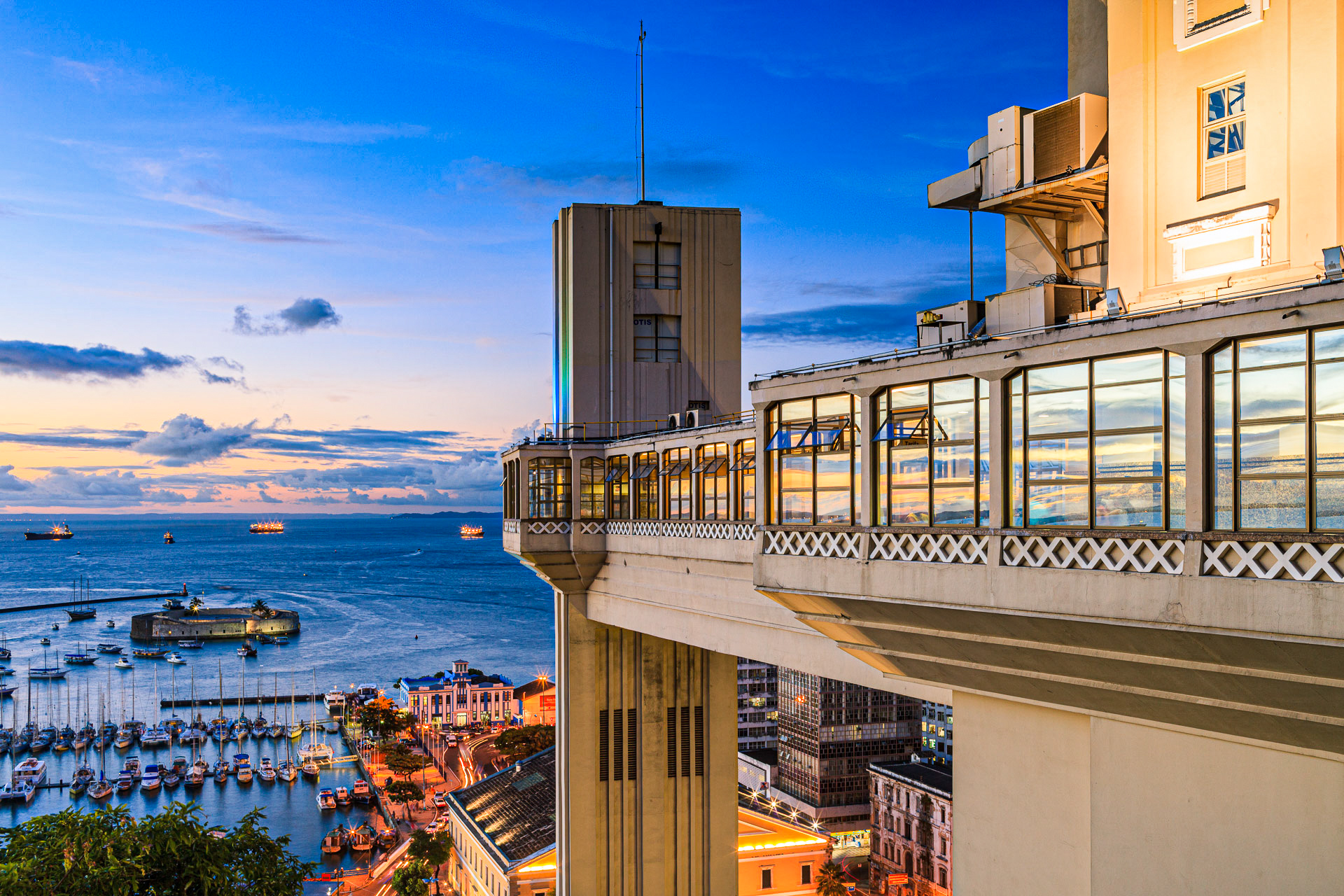
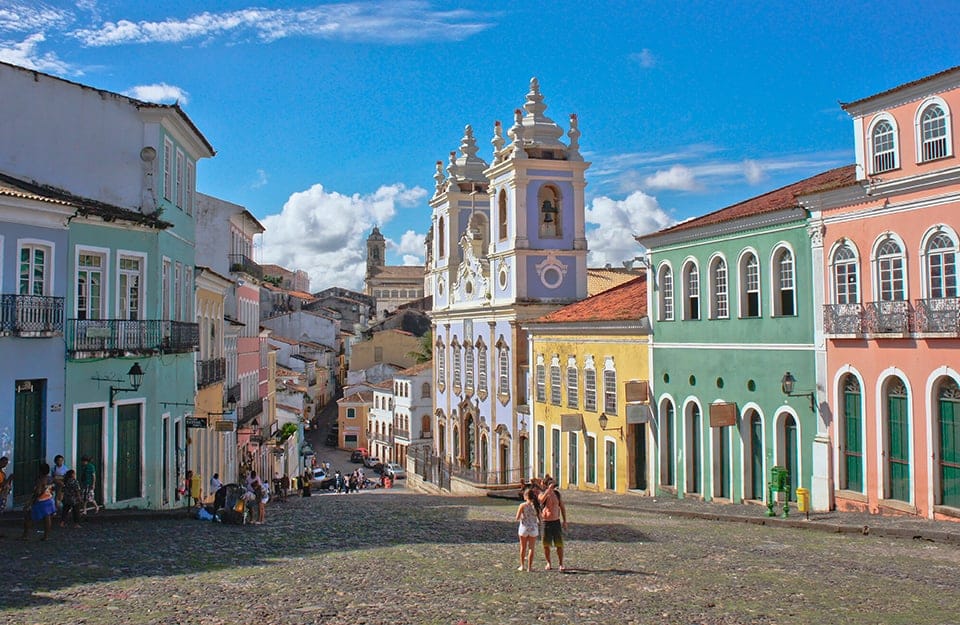
Salvador da Bahìa holds the African soul of Brazil, set on the bay of Todos os Santos along the northeastern coast. The heart of this identity is the Pelourinho, a UNESCO World Heritage historic centre — a maze of cobbled lanes and pastel-coloured mansions crowned by the gold-encrusted Baroque church of São Francisco. The Elevador Lacerda links the upper and lower town, while the drumming of Afro-Brazilian groups such as Olodum sets the rhythm of daily life. The city thrives on capoeira, candomblé and a spiced cuisine of acarajé, moqueca and palm oil. The beaches of Porto da Barra and the lighthouse complete a visit. Salvador unfolds through faith, rhythm and colour, the spiritual capital of an authentic, exhilarating Brazil.