Giorno 2 — Dambulla
Breakfast, departure for Sigiriya, in the morning visit to Sigiriya, It is a UNESCO World Heritage Site, built by King Kashyapa (473–491 AD). The Lion’s Rock is a citadel of extraordinary beauty, rising 200 metres above the forest. It is the innermost fortress of a 70-hectare fortified city. The base of the fort is surrounded by a moat, a rampart and a vast garden. The frescoes, which once depicted 500 women (now only 19 remain), are located in a protected area of the fort near a spiral staircase and are the main attraction. Many of them were lost because they were painted over when the rock became a monastery, so as not to disturb meditation. The frescoes are painted on plaster using earth pigments.
Sigiriya is not a ‘difficult and impossible’ climb, but it is certainly a hike that requires a fair amount of activity and a minimum level of physical fitness. If there are people with physical limitations, disabled visitors or pregnant women, the climb is not recommended. It is important to bear in mind that there are 1,200 steps to the top.
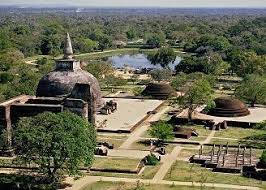
Generally speaking, the visit takes 2–3 hours, depending on each person’s fitness level. The site opens at 7 am and closes at 5.30 pm. The best time to climb is definitely in the morning or late afternoon, when visitor numbers are at their lowest and temperatures are cooler. We recommend light, comfortable clothing and definitely trainers., lunch at a restaurant, In the afternoon, a visit to Polonnaruwa, Sri Lanka’s second ancient capital. Built between the 11th and 12th centuries AD, the city is a UNESCO World Heritage Site. Here you can visit the ruins of the Royal Palace and the ‘Gal Viharaya’ (three magnificent statues of the Buddha in standing, sitting and reclining positions, carved from the rock). Also marvellous are the Audience Hall, the Lotus Bath, the statue of Polonnaruwa (12th century) and Lake “Parakrama Samudra”, built by King Parakramabahu the Great. There are also ruins of famous places of worship such as the Shiva Temple, Lankatileka, Watadage, Galpotha, the Kiri Vihare Dagoba and the remains of what was originally the Temple of the Tooth. The tour also includes a stop at a wood carving centre. At the end of the tour, transfer to Dambulla, a journey of approximately 1½ hours (65 km)., dinner at the hotel,
_20260413095945.png)
_20260413095945.png)
_20260413095945.png)
_20260504181639.png)
