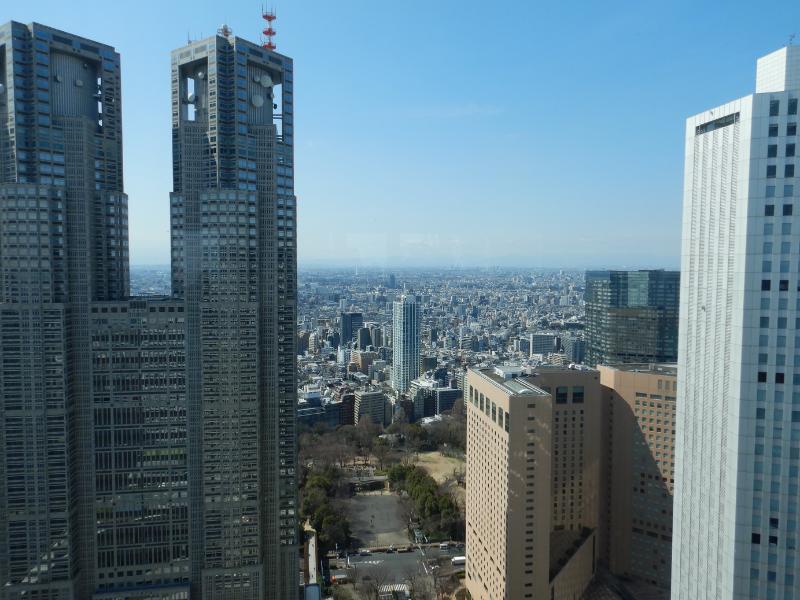
Giorno 4 — Tokyo → Kyoto
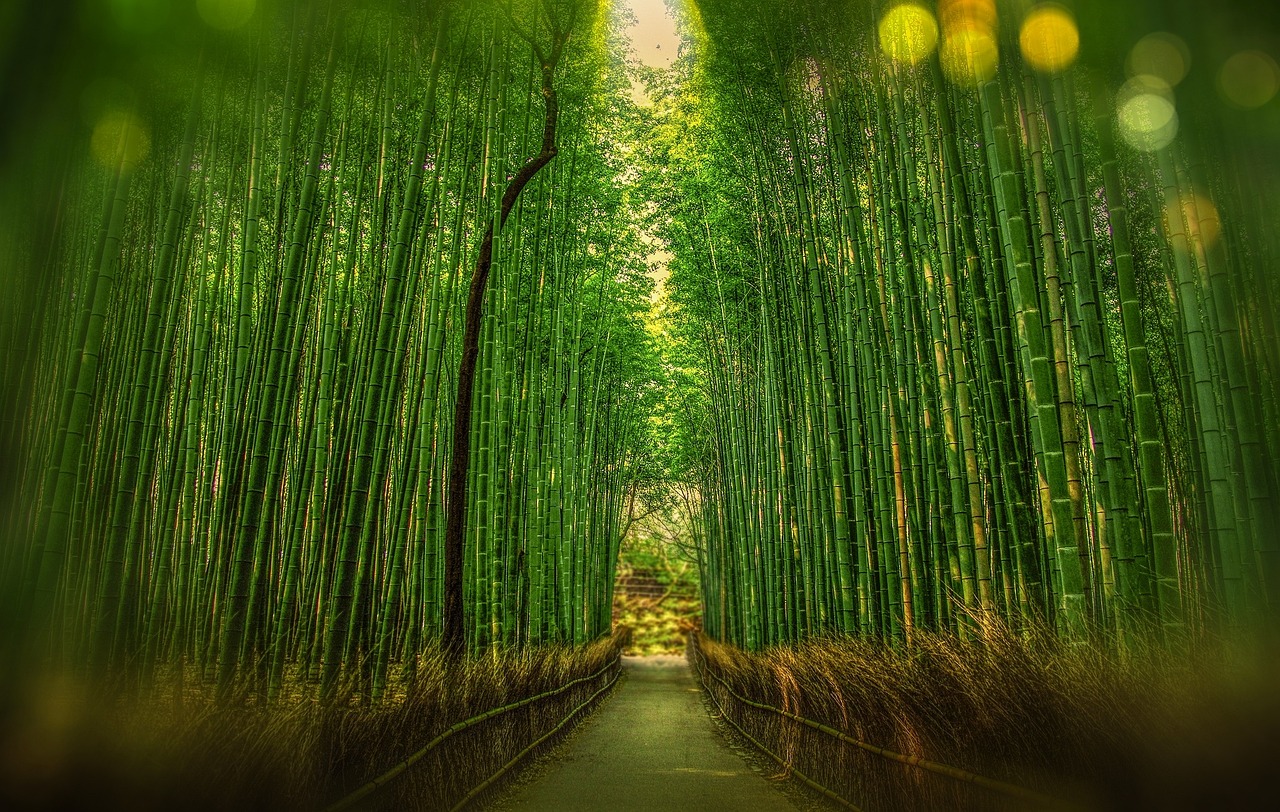
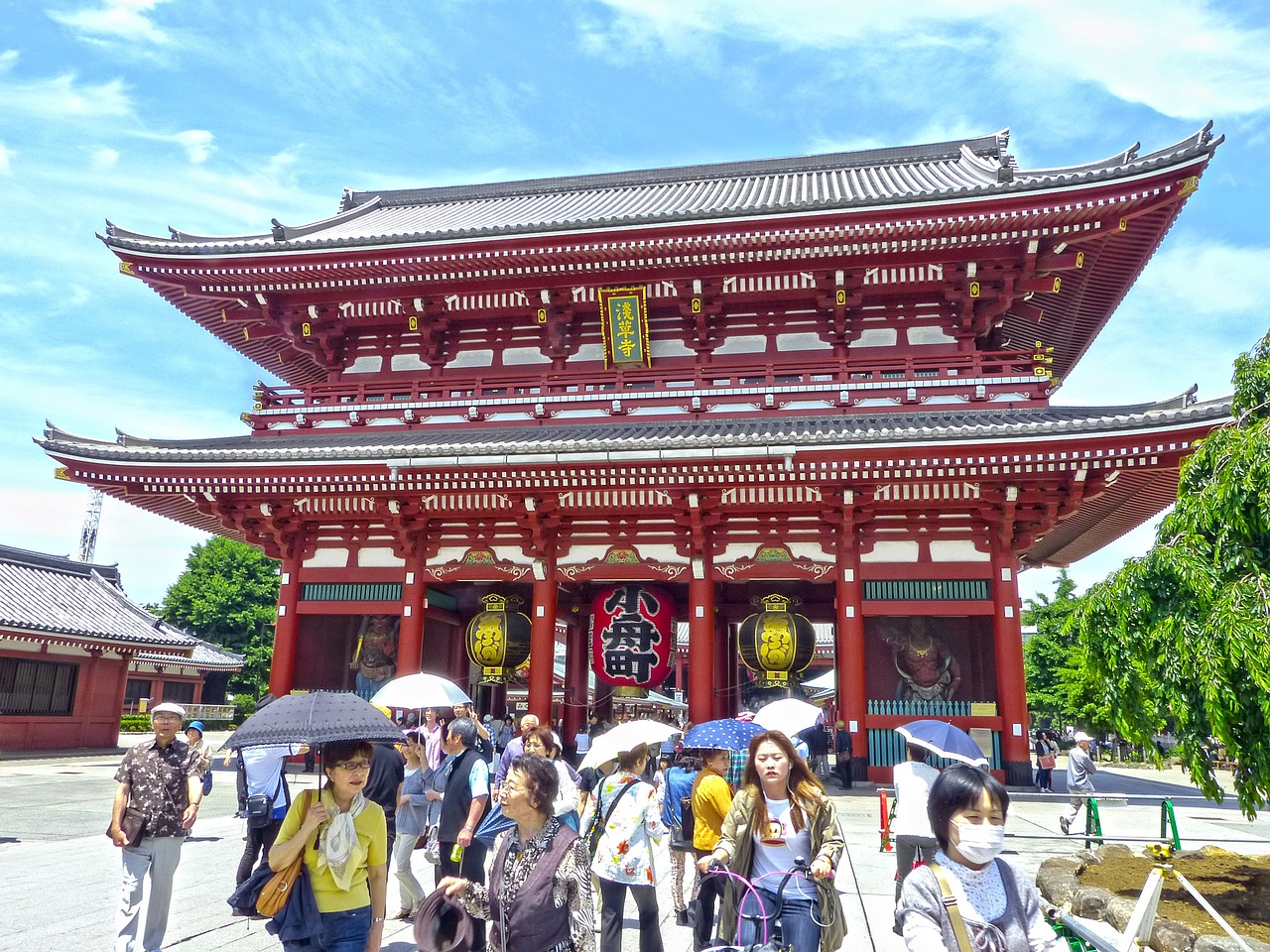
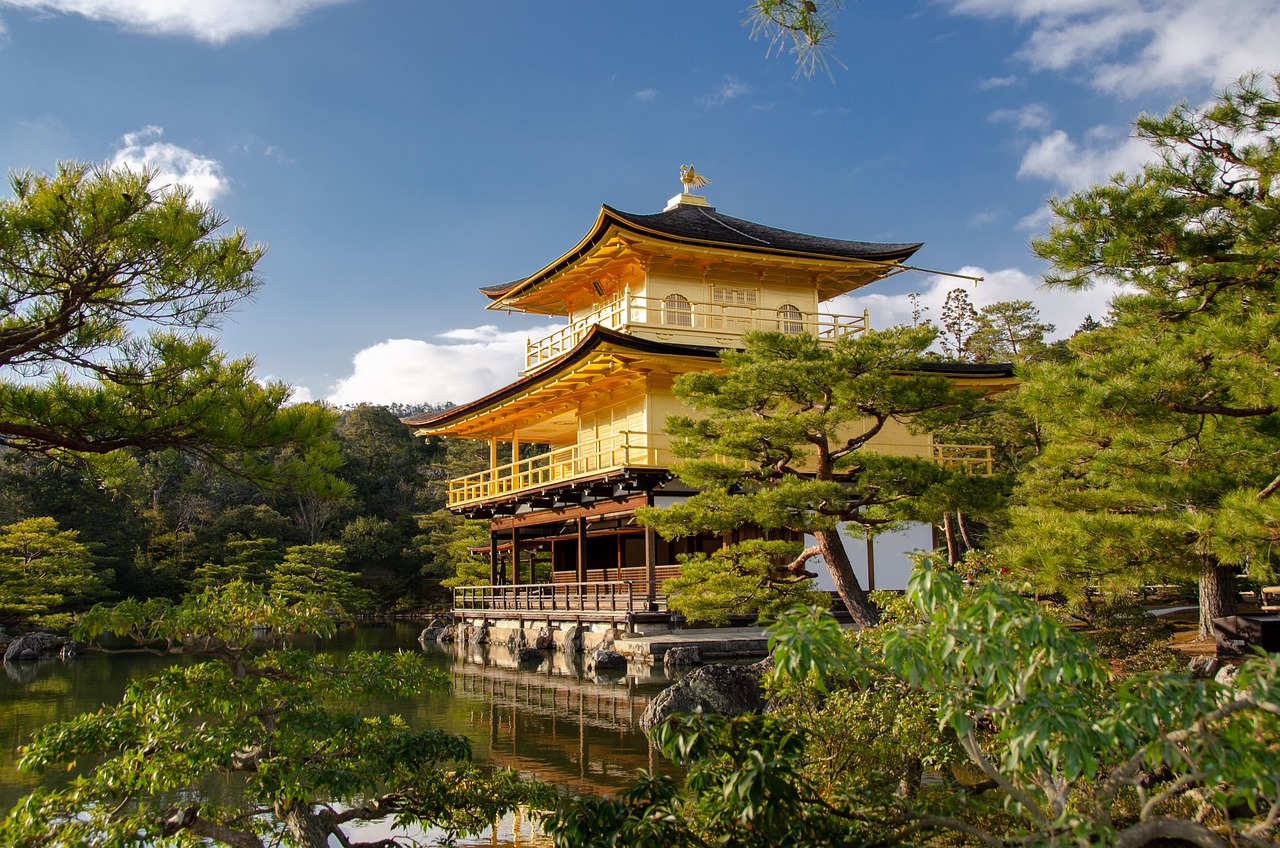
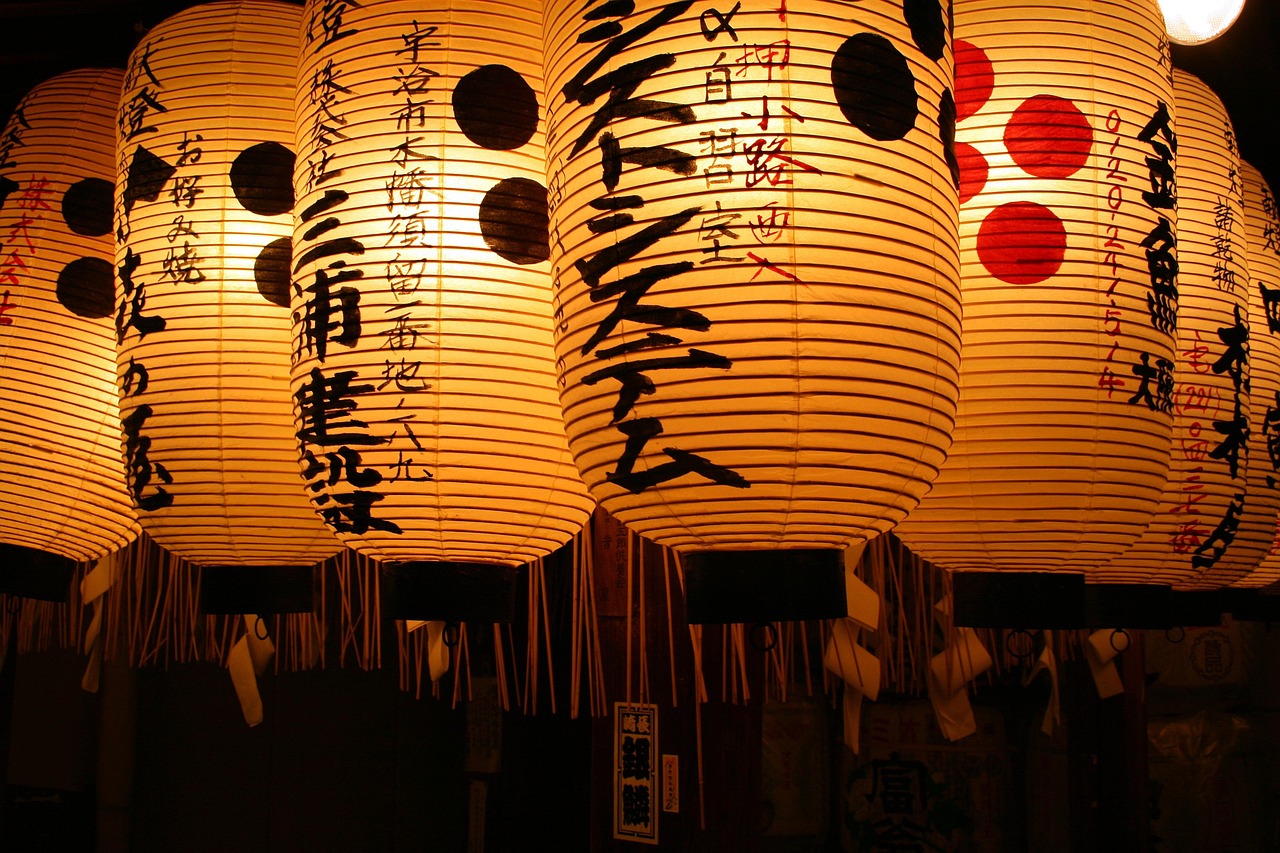
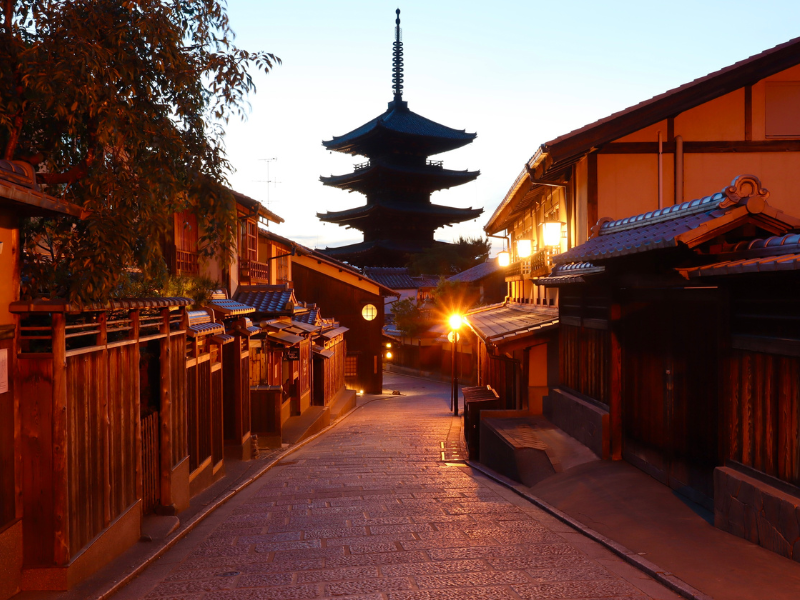
Breakfast, departure from the hotel at 7:50, An English language assistant will accompany you to the Tokyo station, but not during the train journey., The main luggage will be transported separately from Kyoto to ., The luggage is shipped via courier, with next-day delivery; it is necessary to have a carry-on bag with the essentials for the night., departure by high-speed train to, duration 2:15 hours approximately, I will arrive at 11:15., Welcome upon arrival and city tour with an Italian-speaking guide and public transportation., Upon arrival, the skyscrapers will leave you perplexed: a modern city! Instead, the heart of Kyoto is the Japan you imagine: geishas and tea houses, zen gardens and cherry trees, a gateway to the mysterious past of the Land of the Rising Sun. Not only is this ancient capital significant for its history, but it is also the only major Japanese city spared from the destruction of World War II, and therefore it is rich in temples, shrines, imperial palaces, gardens, and traditional wooden houses: many of which are UNESCO World Heritage Sites. Kyoto also has the highest concentration of artisans in the country. So, not only the temples, but also the scenes of everyday life make it an exceptional city., Located in northwestern Kyoto, Arashiyama attracts many visitors for its world-famous bamboo forest and beautiful scenery that changes with the seasons. The area is dotted with temples, ancient imperial villas and famous historical sites, many of which are National Treasures or have been designated as World Heritage Sites. Visit Tenryuji Temple and the bamboo forest. Return to Kyoto and visit Kinkaku-ji Temple, known as the Golden Pavilion, one of Japan's most iconic temples. Located in northern Kyoto, it is famous for its beautiful three-storey building entirely covered in gold leaf, which is elegantly reflected in the Kyōko-chi (“Mirror Pond”). Originally built in 1397 as a villa for Shōgun Ashikaga Yoshimitsu, it was later converted into a Rinzai Zen temple. Each floor of the pavilion represents a different architectural style (imperial, samurai, Zen). Its garden, designed according to the principles of Japanese aesthetics, is a perfect example of harmony between nature and spirituality. A UNESCO World Heritage Site, it is one of the most photographed and visited places in the entire country.
Translated with DeepL.com (free version), hotel accommodation, available evening, accommodation,
_20260505143525.png)
_20260505143526.png)
_20260505143526.png)
_20260505140955.png)
_20260505140955.png)