Giorno 7 — Swakopmund → Damaraland
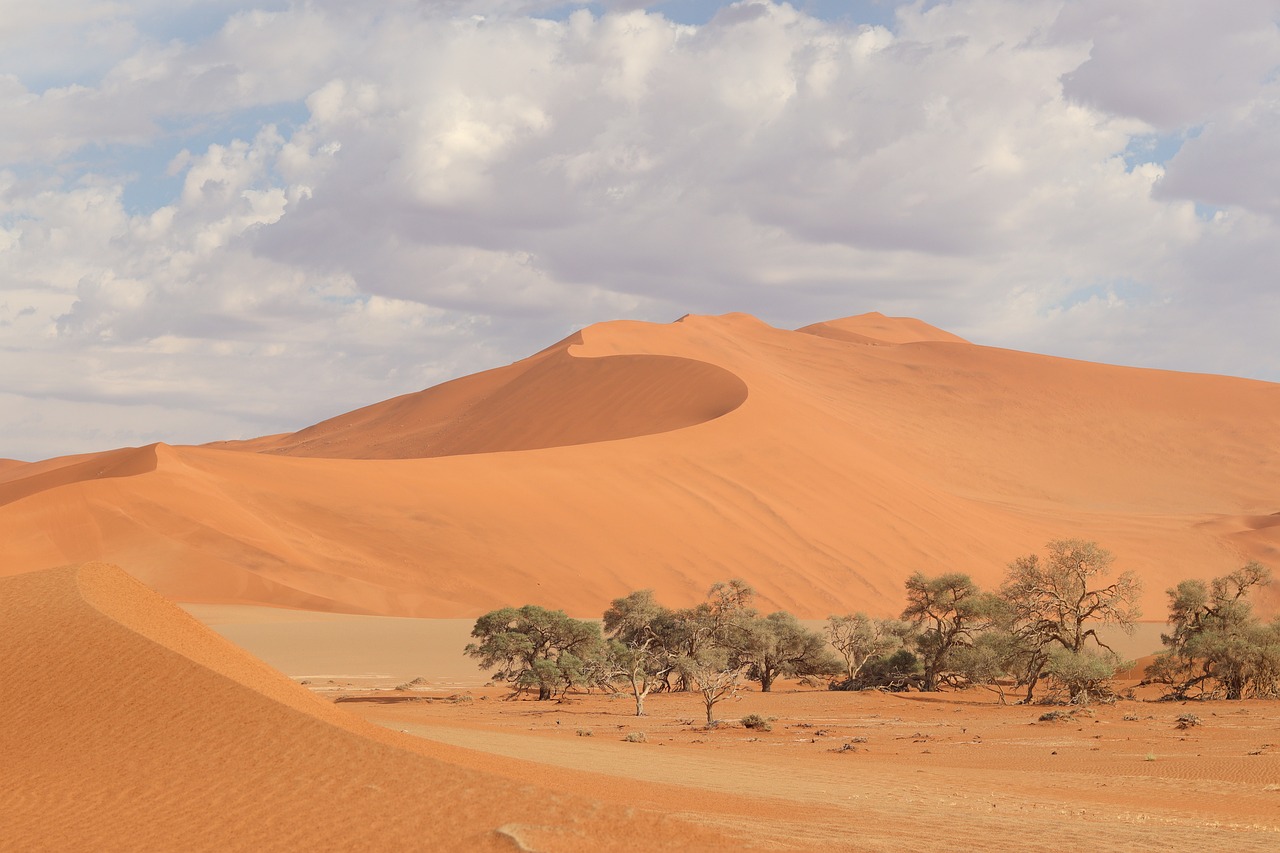
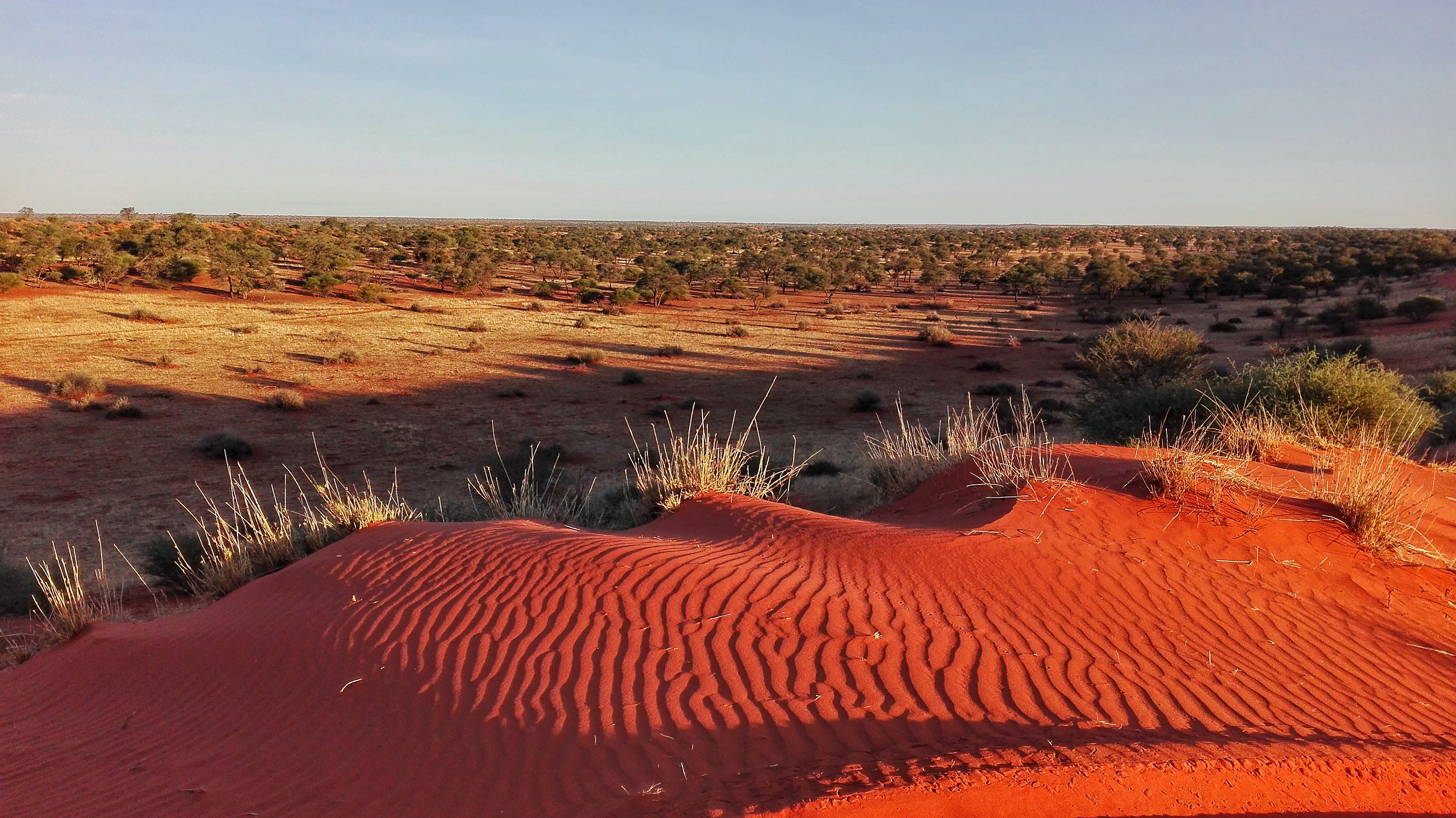
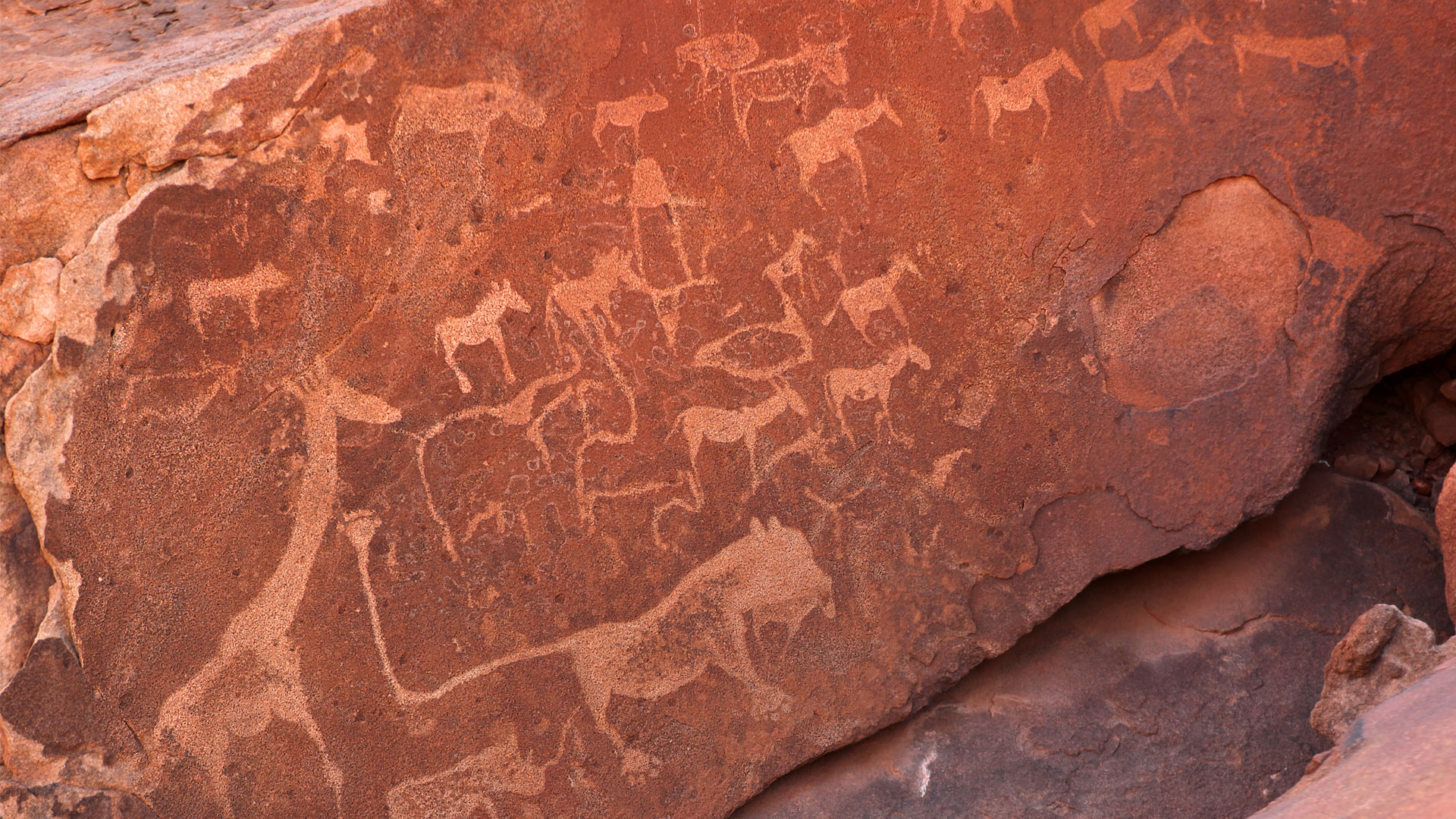
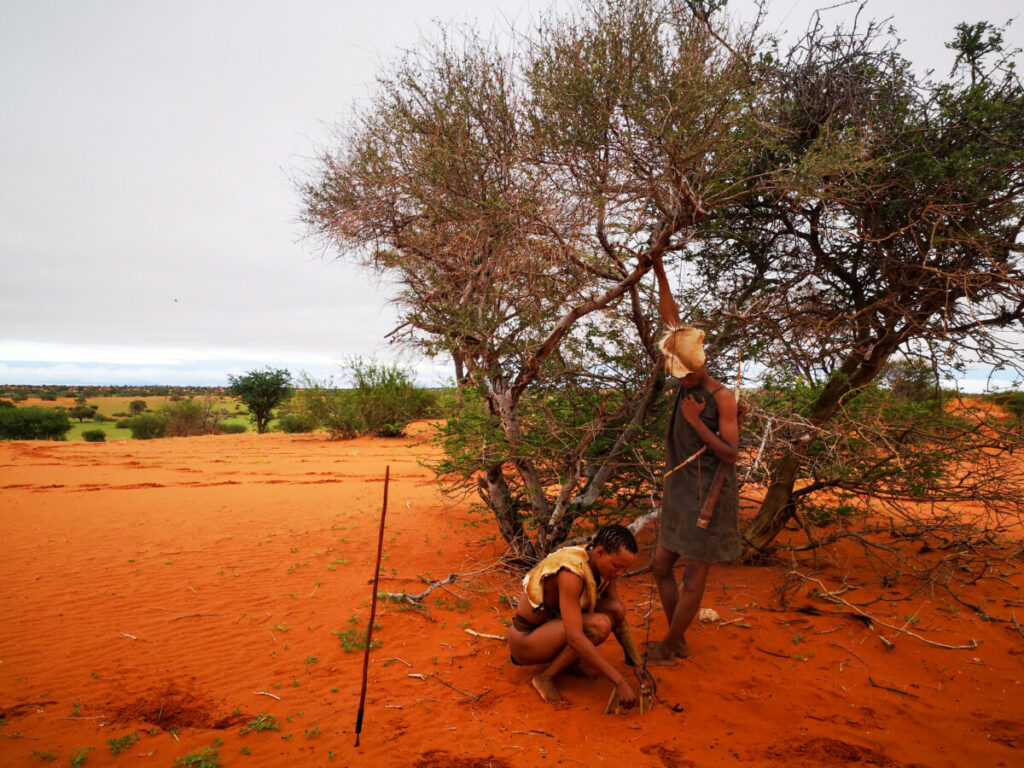
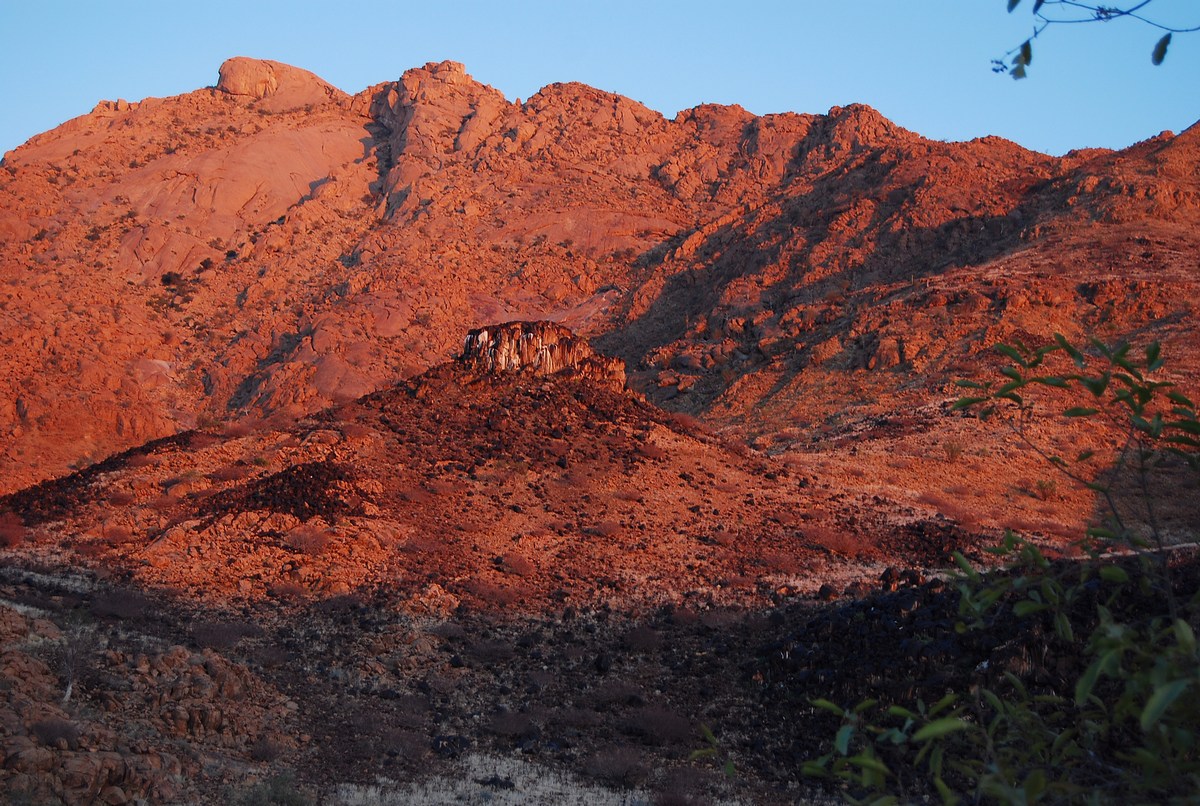
Breakfast, You first follow the coastal road, passing through the fishing village of Wlotzkasbaken and the town of Henties Bay, then turning inland through the flat savannah of Damaraland interrupted by the vast massif of Brandberg, the country's highest mountain at 2,579 meters, in an area of great natural and archaeological value. You arrive at Twyfelfontein, a UNESCO World Heritage Site, with over two thousand rock engravings dating back to the late Stone Age. The rock formations and remnants of prehistoric volcanic activity are also very interesting., An hour-long walk to admire the rock paintings of the Bushmen; then you reach the petrified forest, about 50 km away, with enormous petrified tree trunks up to 34 m long and 6 m in diameter, dating back approximately 260 million years ago., lunch break at, in the afternoon, continuation to, Damaraland is a semi-desert region located in the northwest of Namibia, bordered by the Skeleton Coast to the north, Kaokoland to the northwest, Etosha National Park to the east, and the Namib Desert to the south. It is characterized by a rocky and hilly landscape, with scattered human settlements and sparse vegetation. In this region, you can find some of the oldest and most fascinating geological formations on the African continent, such as the Brandberg, the highest mountain in Namibia, also known as the "Mountain of Fire," and Twyfelfontein, a UNESCO World Heritage site famous for its prehistoric rock engravings.
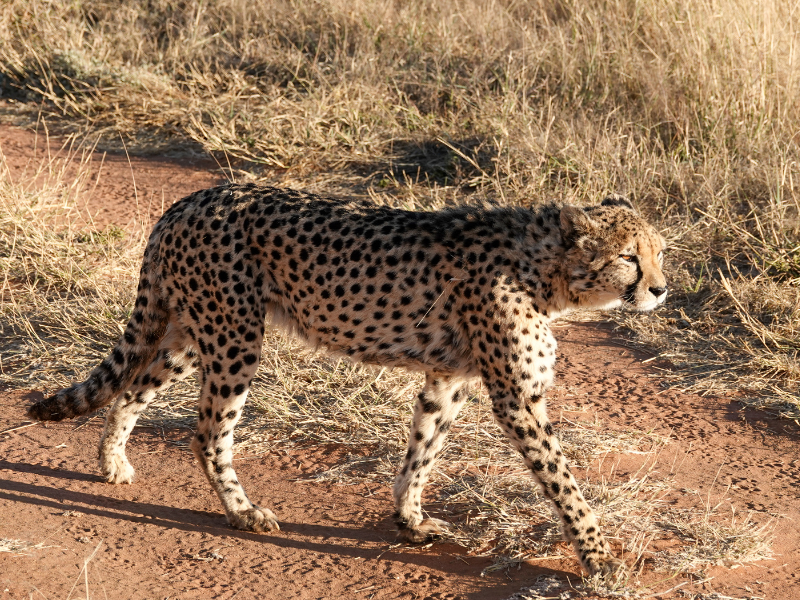
Damaraland is also home to several species of wildlife, including desert elephants, oryx, giraffes, mountain zebras, and black rhinos, which have adapted to life in a dry and often rugged environment. The region is an ideal destination for nature lovers and hikers., dinner in the lodge, accommodation da Morena Pousada,
_20260415122218.png)
_20260415122219.png)
_20260415122220.png)
_20260415122220.png)