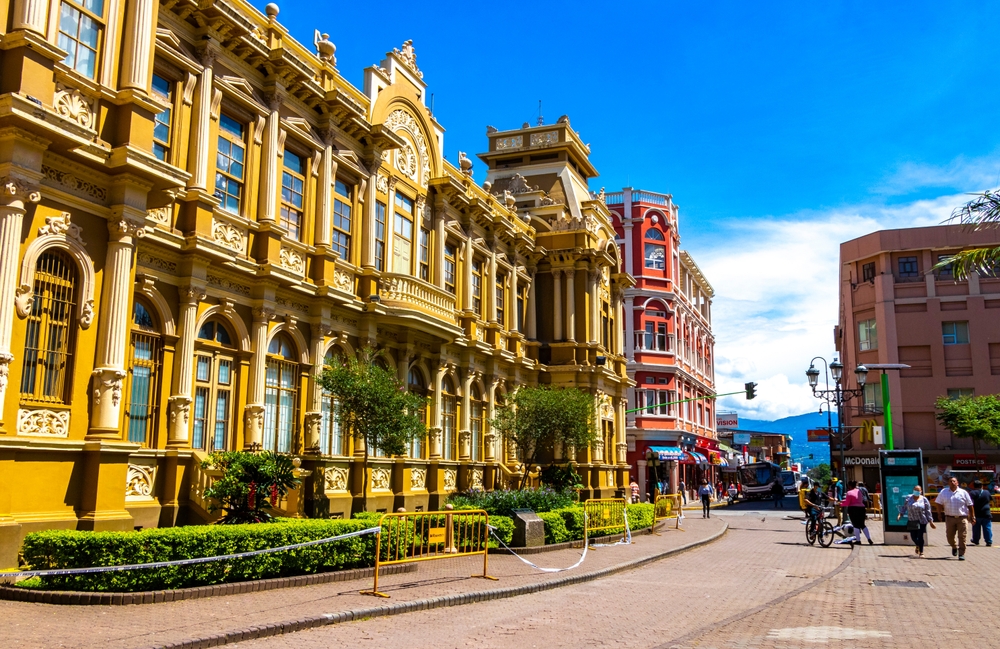
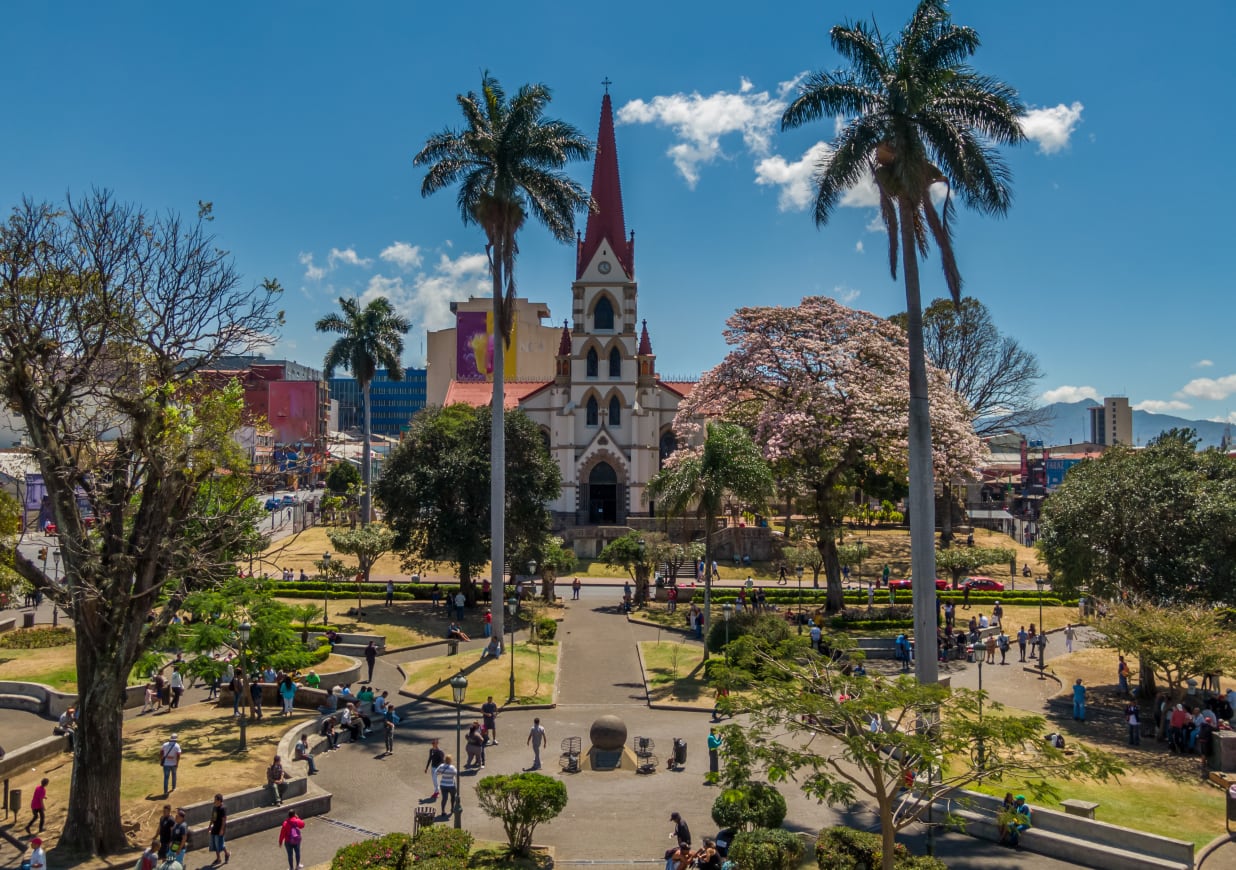
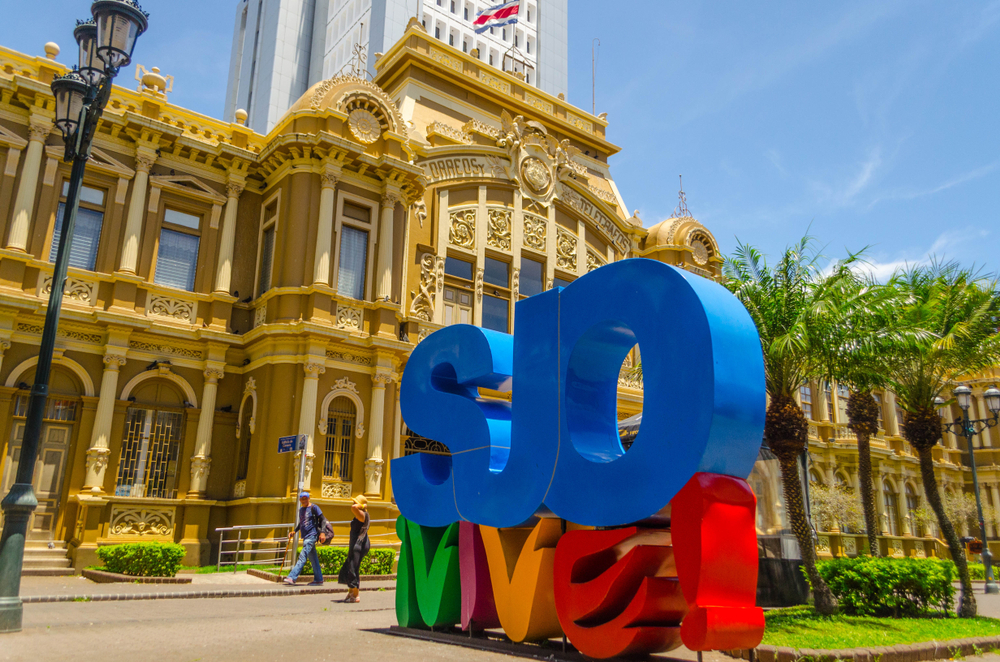
San José is the starting point of almost every journey through Costa Rica: a capital set at over 1,100 metres in the fertile Central Valley, ringed by an amphitheatre of green mountains and volcanoes. The city trades less on monumental beauty than on the lively, authentic atmosphere of tico life. Its historic core revolves around the Teatro Nacional, a late-nineteenth-century neoclassical gem with marble interiors and frescoes, facing the Plaza de la Cultura. A few steps away stand the Museo del Oro Precolombino, home to a remarkable collection of gold artefacts from indigenous cultures, and the Museo Nacional, housed in the former Bellavista barracks. The Museo del Jade displays the world’s largest collection of pre-Columbian jade, while the Mercado Central teems with stalls, sodas and the scents of coffee and tropical fruit. The pedestrian Avenida Central gathers the commercial bustle, and the neighbourhoods of Barrio Amón and Escalante, with their historic houses, cafés and restaurants, tell the story of a more contemporary, creative San José. The city is an easy base for excursions to the Poás and Irazú volcanoes, the coffee plantations and the valley villages. San José is an urban gateway to the country: practical, welcoming and best discovered one neighbourhood at a time before plunging into nature.
Auto
Giorno 2 — San Jose → Punta Cocles
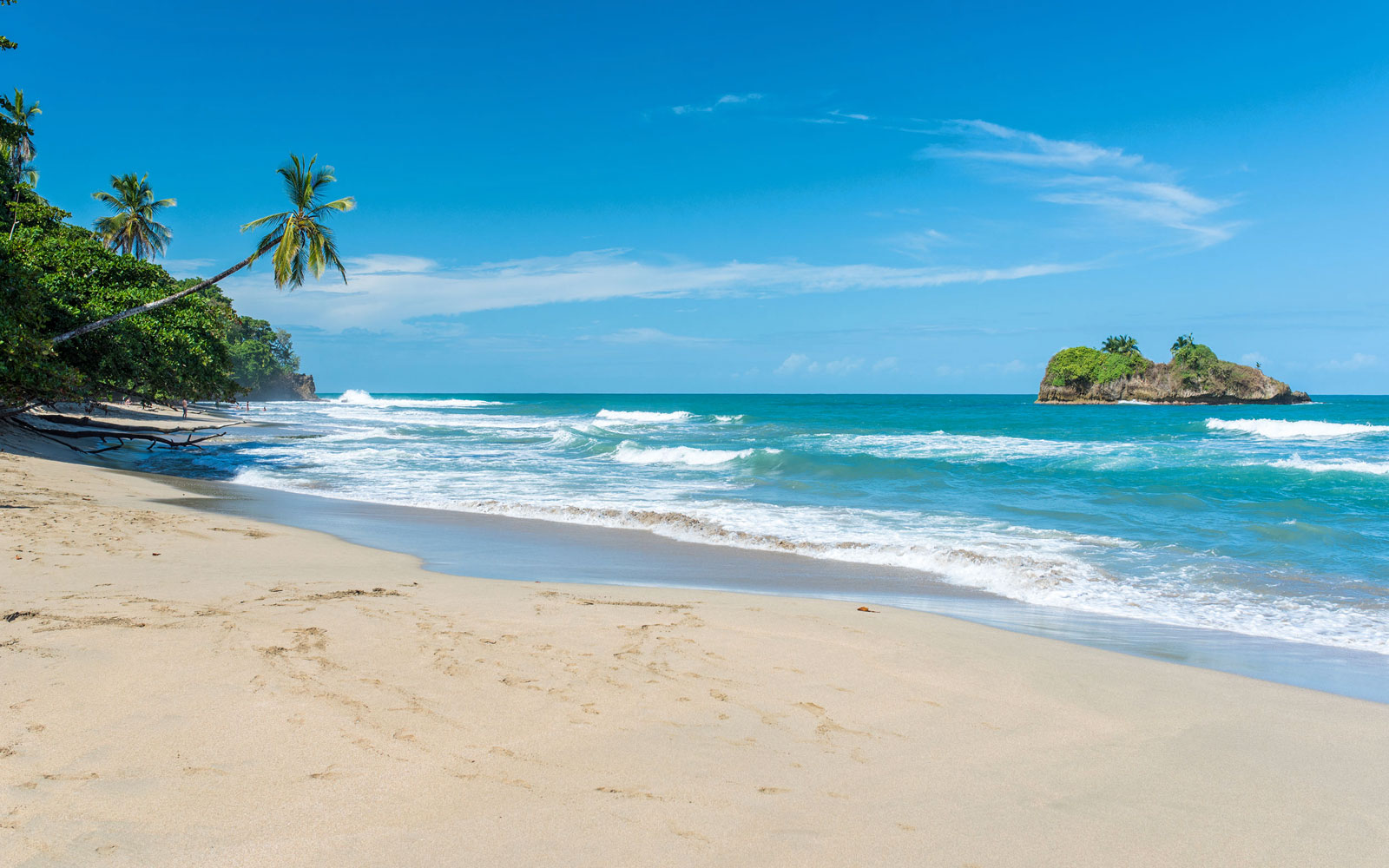
Punta Cocles sits on the southern Caribbean side, just south of Puerto Viejo, where the rainforest meets golden-sand beaches and warm water. It is one of the calmest and greenest parts of the coast: lodges and small resorts hide in the vegetation a few steps from the shore, in an intimate atmosphere steeped in nature. The beaches of Playa Cocles and Playa Chiquita offer swimming, surf and long walks, while nearby you can visit the sloth sanctuary, wildlife rescue centres and the trails of the Refugio Nacional de Vida Silvestre Gandoca-Manzanillo, rich in mangroves and coral reefs. The region’s Afro-Caribbean culture comes through in the spiced cuisine, the reggae and the slow rhythm of local life. Punta Cocles is the perfect retreat for those seeking nature, beach and the laid-back soul of the Costa Rican Caribbean.
Auto
Giorno 5 — Punta Cocles → Vulcano Arenal
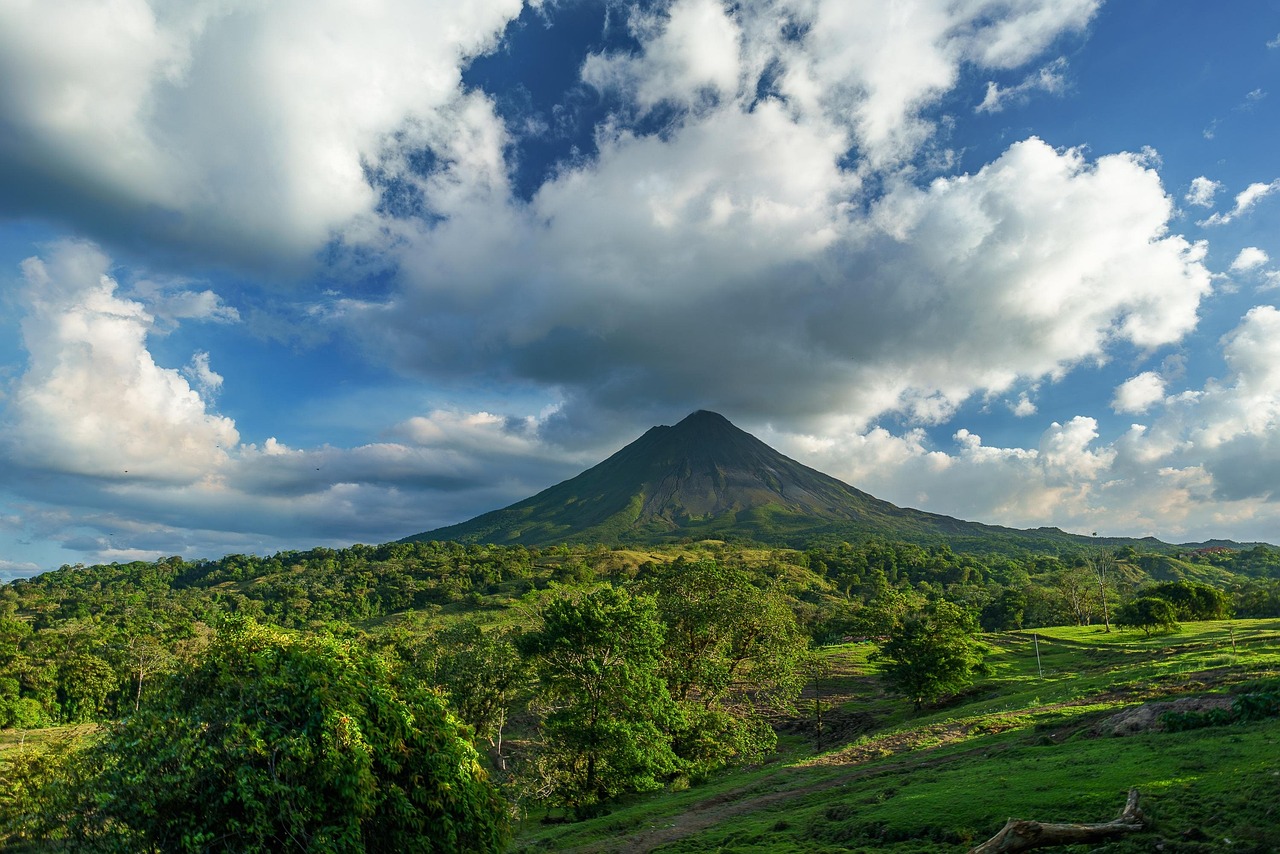
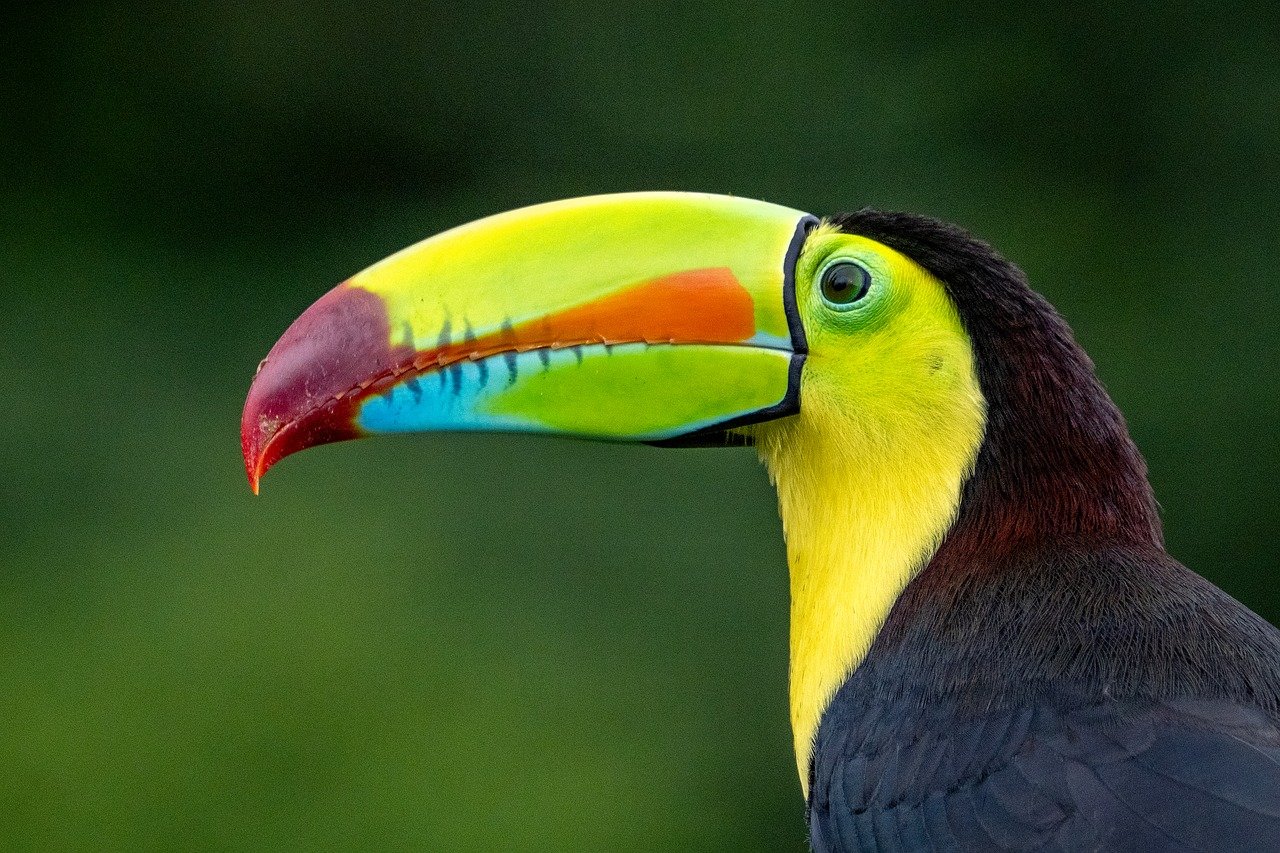
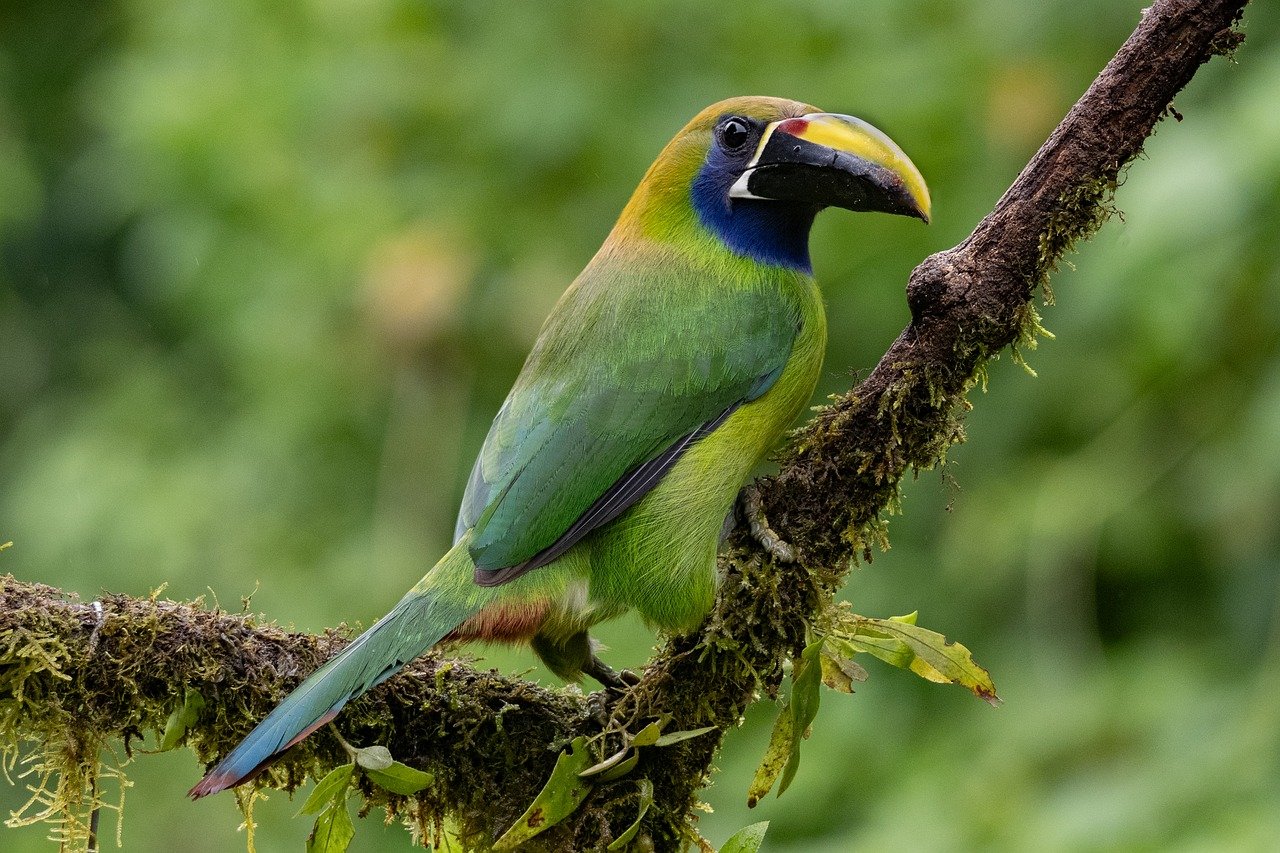
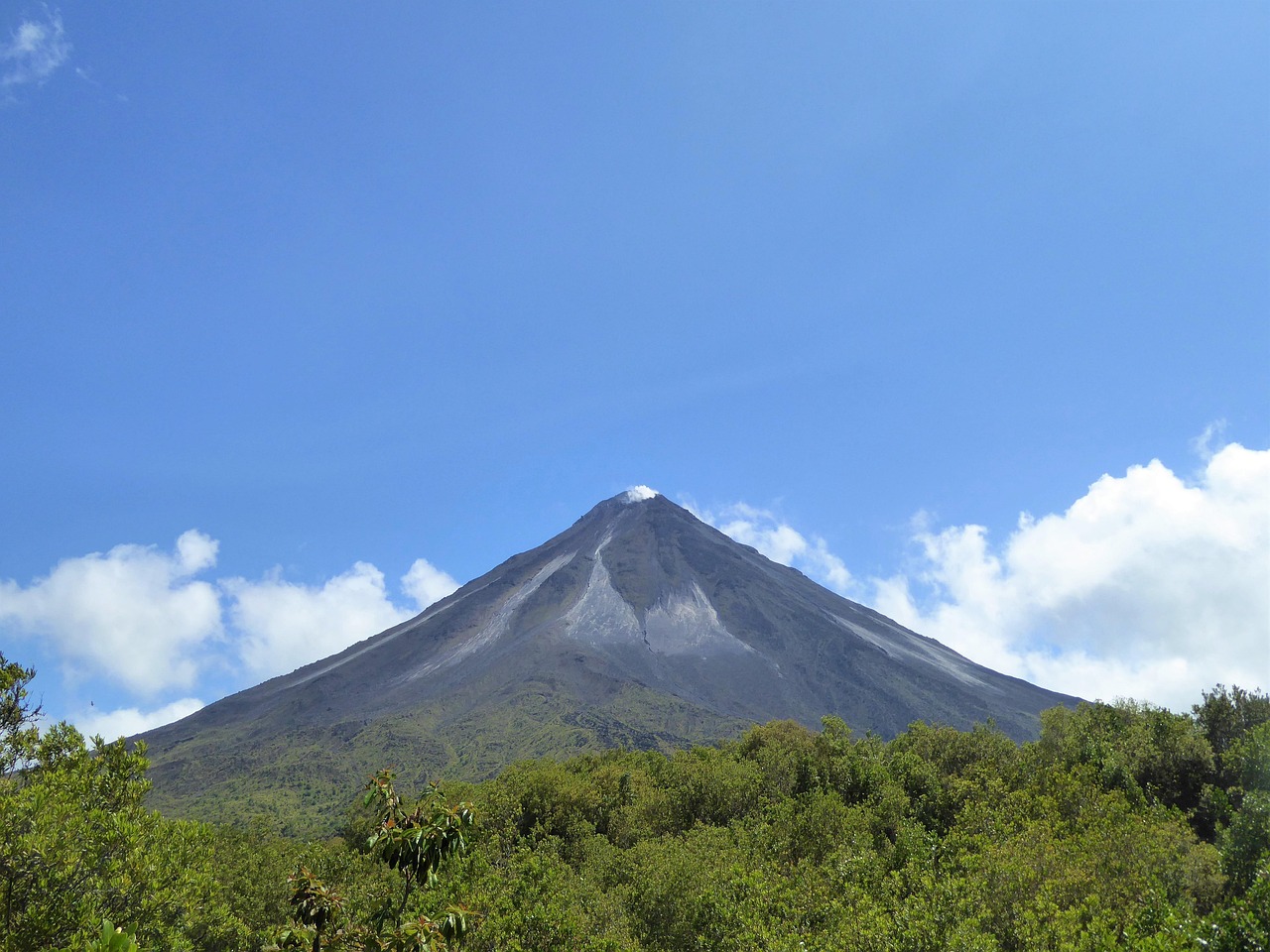
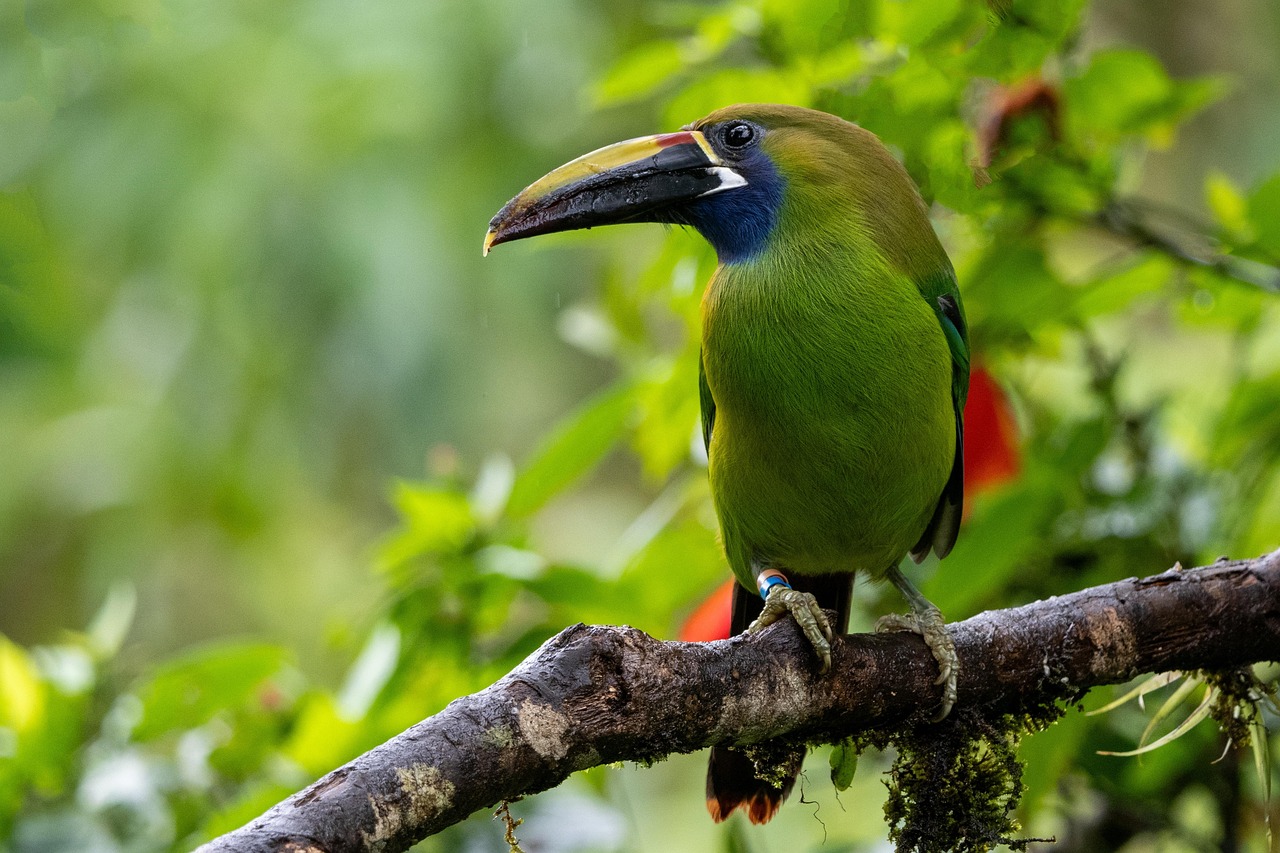
A near-geometric cone rising more than 1,600 metres above the northern lowlands, the Volcán Arenal traces the perfect silhouette many people picture when they think of Costa Rica, mirrored in the lake that shares its name. For decades it was one of the country’s most active volcanoes, with glowing lava visible at night; today it has entered a resting phase, yet it remains the heart of one of the most beloved stops on any Costa Rican itinerary. All around stretches the Parque Nacional Volcán Arenal, where trails cross old lava flows now reclaimed by forest and open onto viewpoints framing the cone. The region’s true soul, though, lies in its hot springs: water heated by the volcanic subsoil feeds dozens of natural pools and thermal resorts — from Tabacón to simpler baths — where you can unwind at dusk with the volcano as a backdrop. The days fill easily: hanging bridges through the rainforest canopy, rafting down the Río Balsa or the Sarapiquí, ziplines above the treetops, horseback rides and a walk to the La Fortuna waterfall, which plunges over seventy metres into an emerald pool. Wildlife is generous: sloths, toucans, capuchin monkeys and hundreds of bird species inhabit the woods. The nearby town of La Fortuna serves as a base, with tico restaurants, family sodas and outfitters for every activity. Arenal is the perfect distillation of the Costa Rican experience: powerful nature, warm water rising from the earth and adventure within easy reach.
Auto
Giorno 7 — Vulcano Arenal → Playa Tamarindo
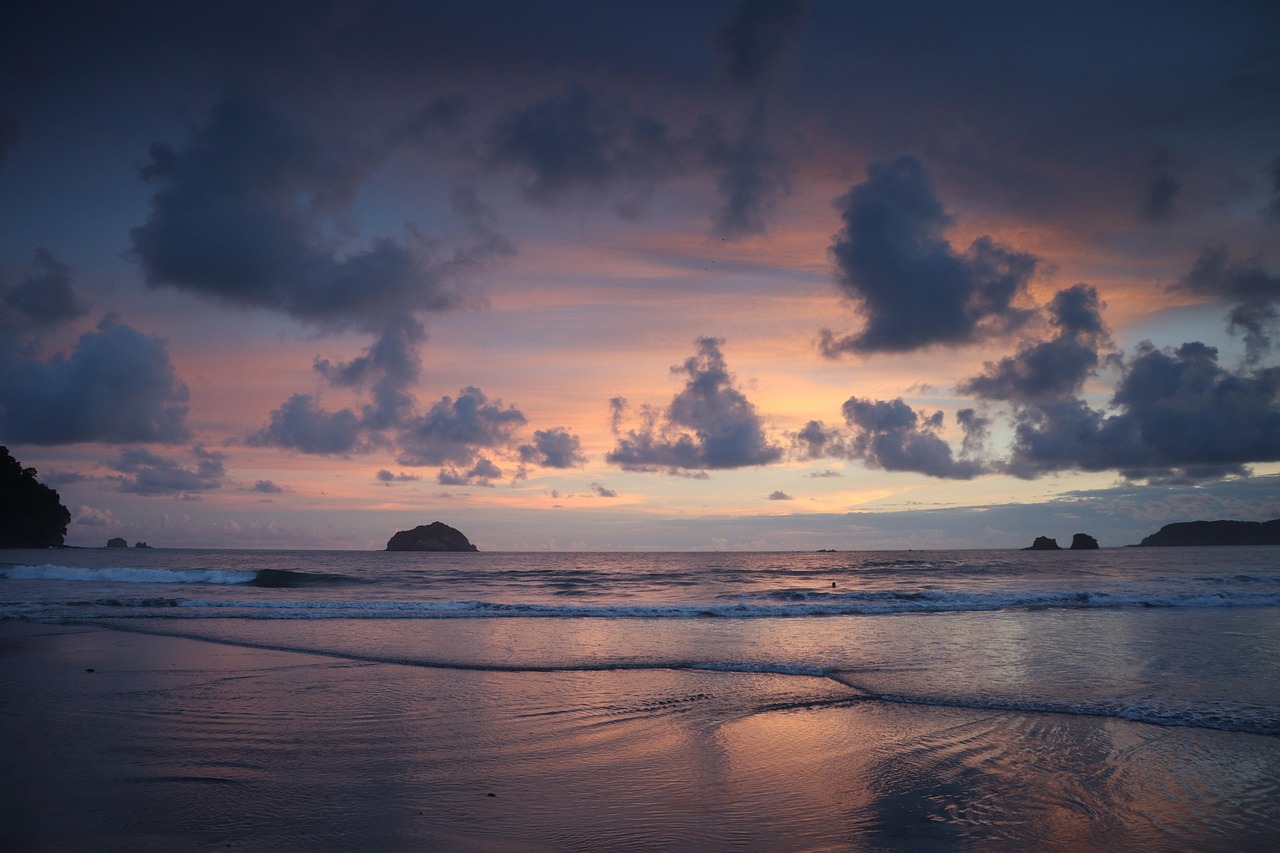
The journey from Arenal Volcano to Playa Tamarindo offers a trip through the spectacular natural beauty of Costa Rica, from rainforest landscapes to the stunning beaches of the Pacific Ocean. A key stop along the route is Palo Verde National Park, a vast protected area that hosts a rich variety of natural habitats and wildlife. Here, visitors can hike, observe birds and wildlife, and enjoy the region’s natural beauty. Playa Tamarindo is the liveliest beach on the Nicoya Peninsula, once a fishing village and now the surf capital of Costa Rica’s northern Pacific. The long sweep of golden sand, washed by steady waves suited to every level, has turned the village into a buzzing seaside town with surf schools, international restaurants, beach bars and some of the most spirited nightlife on the coast. At sunset the bay glows gold and the boards and hammocks fill up. Beyond the waves, Tamarindo is an ideal base for exploring nearby: the mangrove estuary that separates it from Playa Grande, part of the Parque Nacional Marino Las Baulas, is a nesting ground for the leatherback turtle, and on the right nights you can watch the nesting. Boat tours, snorkelling, sport fishing and trips to quieter beaches complete the picture. Tamarindo blends comfort, atmosphere and waves: the natural choice for those seeking sea, sport and energy on the Guanacaste coast.