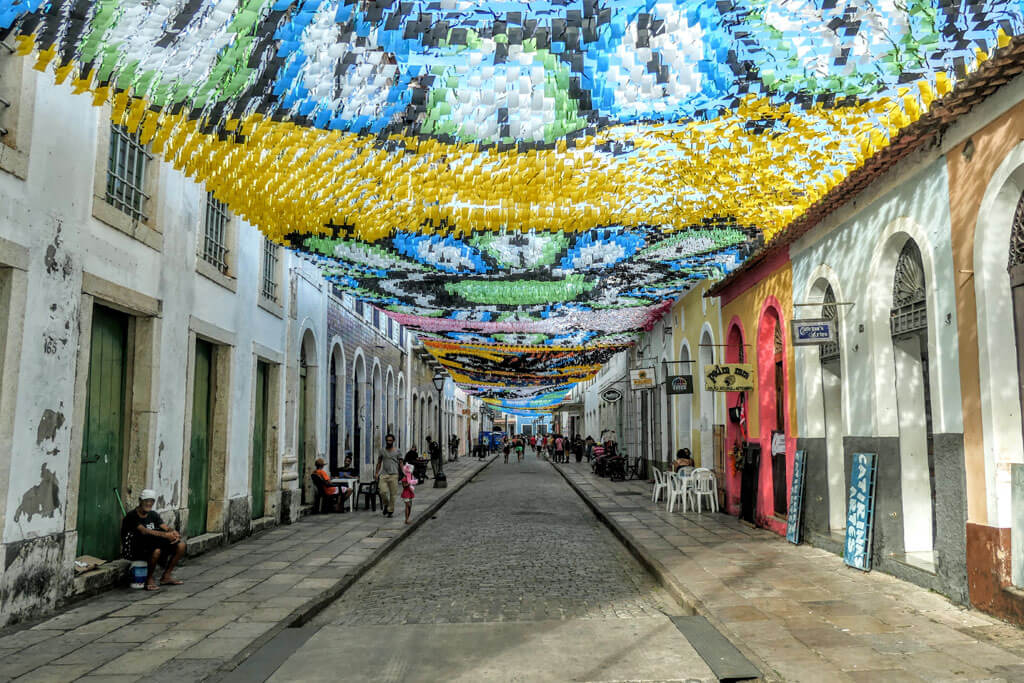
São Luís rises on an island along the coast of Maranhão, in northeastern Brazil, and ranks among the country's most evocative colonial cities. Its historic centre, a UNESCO World Heritage Site, preserves hundreds of mansions clad in Portuguese azulejo tiles, cobbled lanes and shady squares where the local reggae music — which has put down deep roots here — still echoes. Among the pastel façades of the Projeto Reviver, time seems suspended, marked by drumbeats during the Bumba Meu Boi festivals. Maranhense cuisine brings fresh fish, shrimp and the celebrated arroz de cuxá to the table. The gateway to the Lençóis Maranhenses, São Luís blends colonial heritage and tropical warmth in a singular embrace.
Auto
Giorno 2 — Sao Luis → Barreirinhas
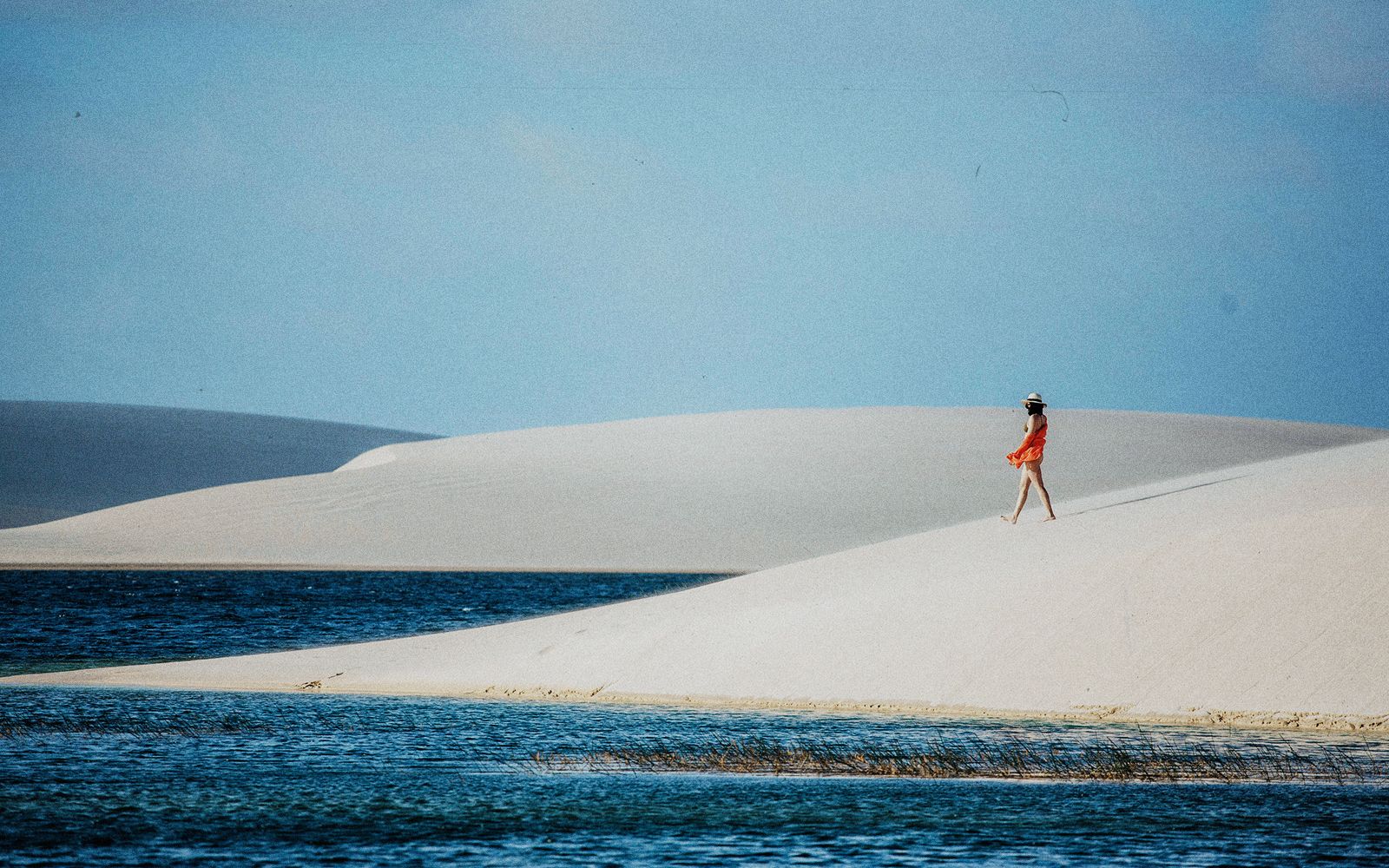
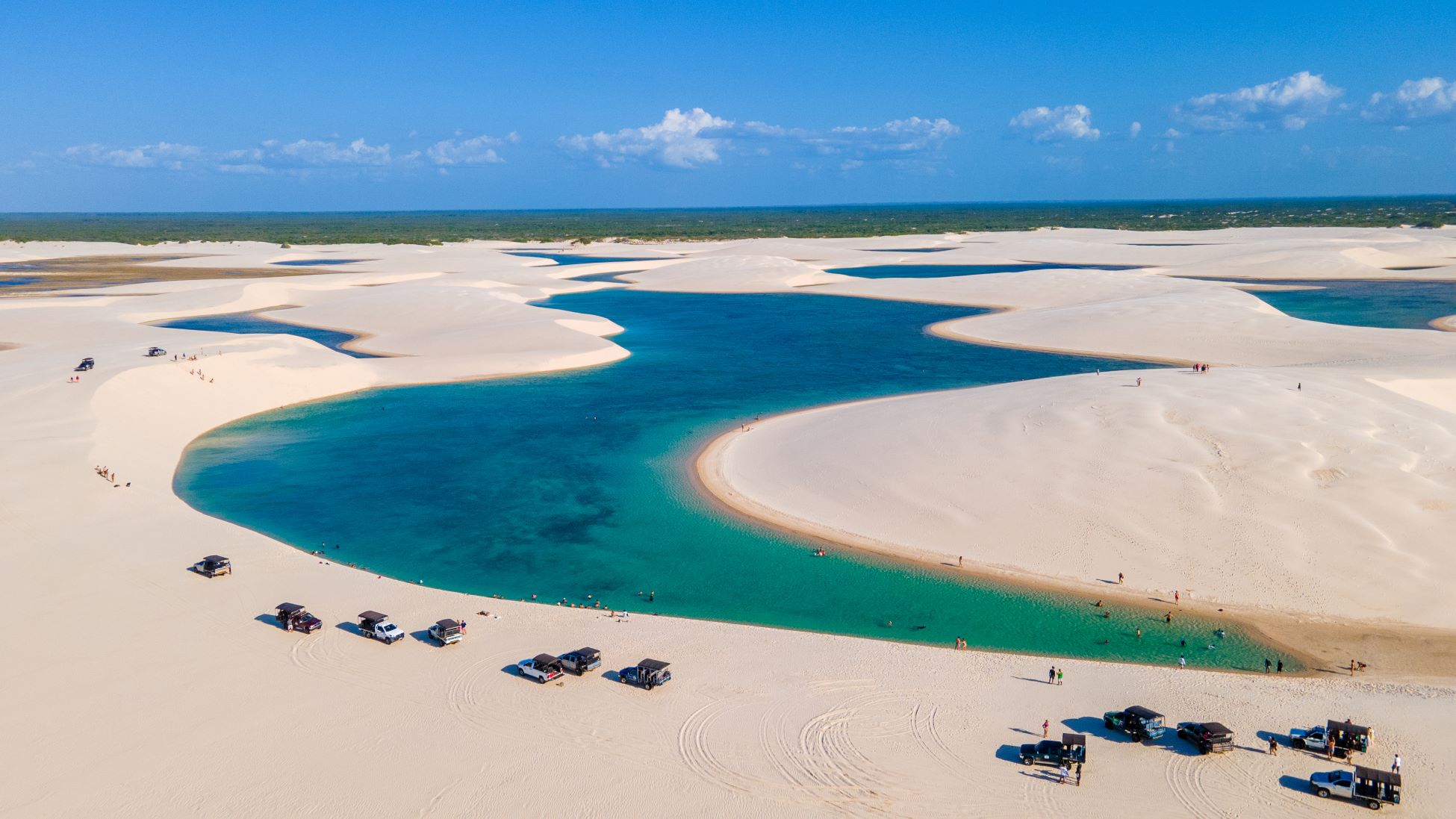
Barreirinhas stretches along the banks of the Rio Preguiças and is the main gateway to Lençóis Maranhenses National Park, the famous desert of white dunes dotted with turquoise lagoons. From this lively town in Maranhão, four-wheel-drive vehicles cross the sand toward the Lençóis and boats head up the river through mangroves and small fishing villages. River excursions lead to viewpoints, stretches of forest and secluded beaches where the Preguiças meets the ocean, while in the rainy seasons the lagoons fill with water to create one of Brazil's most astonishing landscapes. A hub of services and local life, Barreirinhas offers restaurants, markets and riverside hospitality, serving as a convenient base for exploring one of the country's most captivating natural parks. Barreirinhas is the starting point for a journey through desert, river and sea.
Auto
Giorno 3 — Barreirinhas → Atins
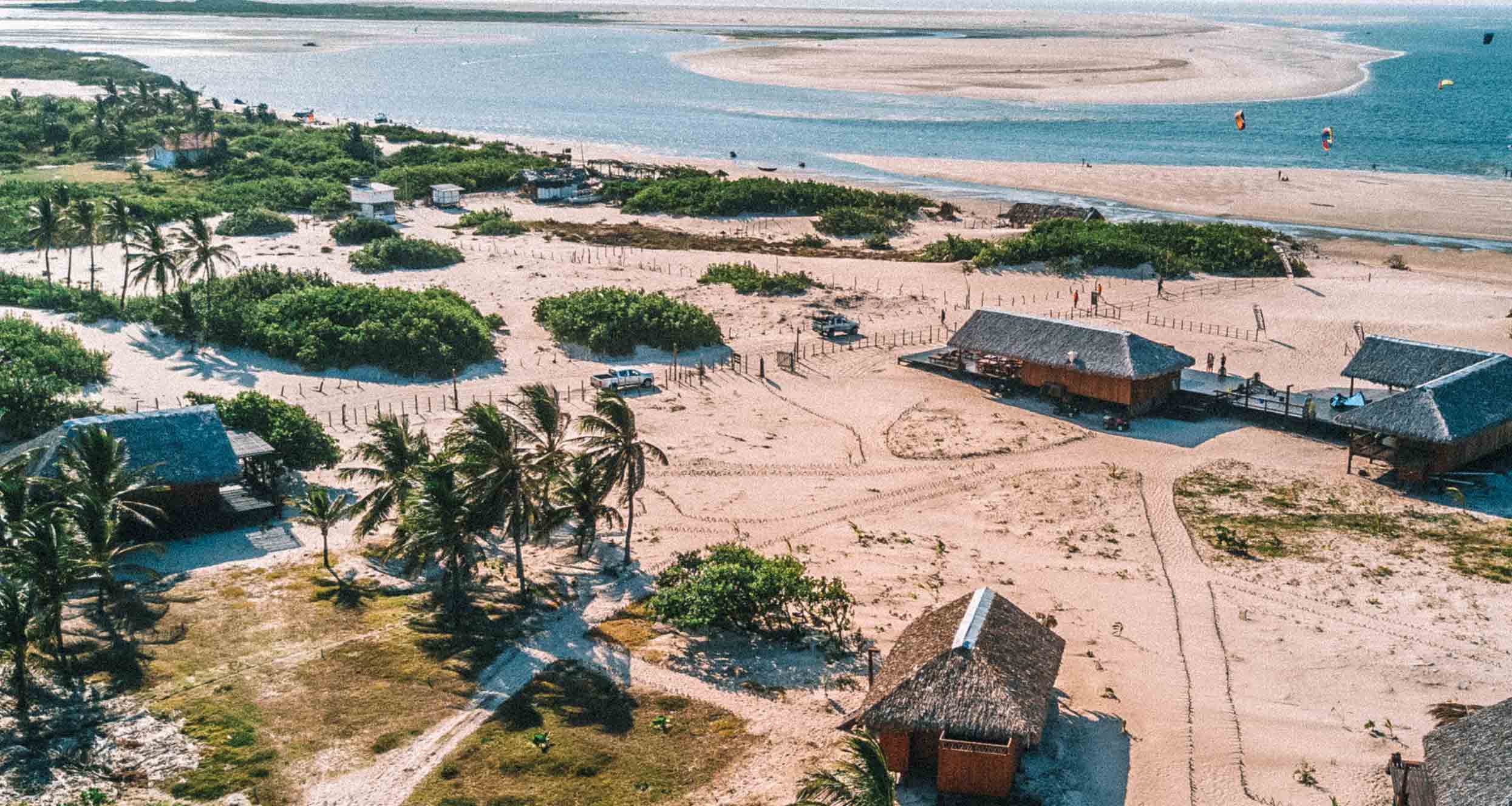
Atins lies at the gateway to Lençóis Maranhenses National Park, where the Rio Preguiças meets the Atlantic in a remote corner of Maranhão. Once a simple fishing village, it keeps its unpaved sand streets and an unhurried rhythm that has become its charm: you reach it by four-wheel drive or boat, and move around on foot among low houses and hammocks. From here, excursions set off toward the white dunes and rainwater lagoons of the Lençóis, the natural spectacle that made this coast famous. Steady winds have turned Atins into a favourite for kitesurfers, while the calm river waters invite sunset cruises and stops at small fresh-fish restaurants. Atins is the ideal retreat for those seeking nature, silence and a Brazil far from the crowded routes.
Auto
Giorno 5 — Atins → Parnaiba
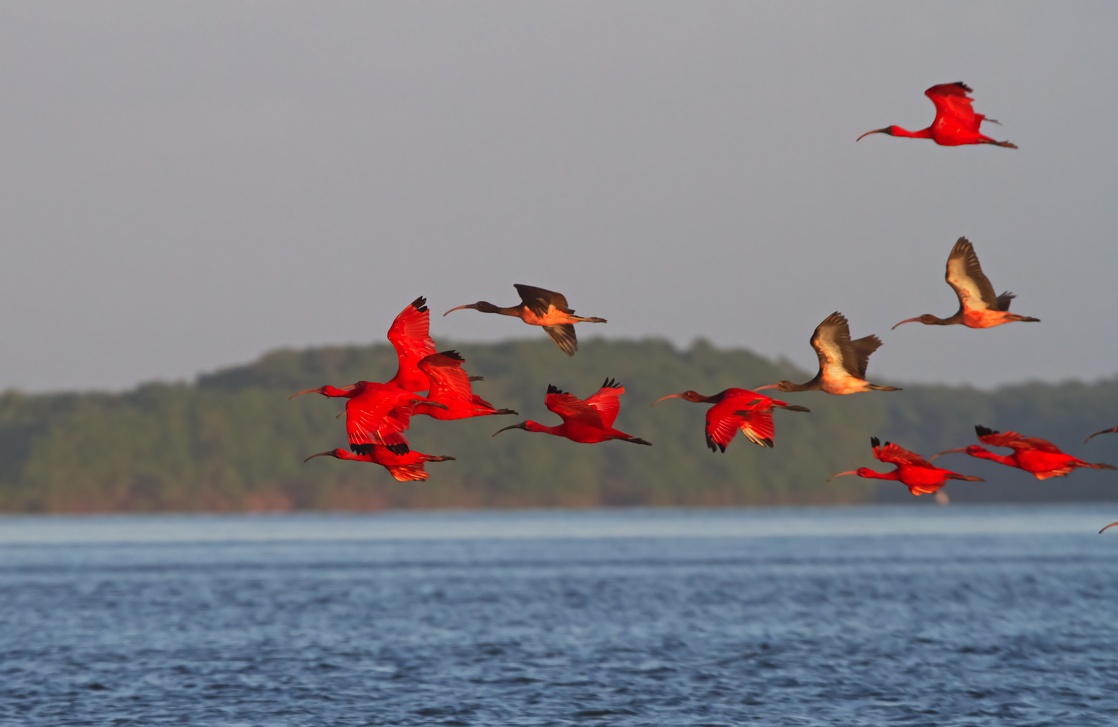
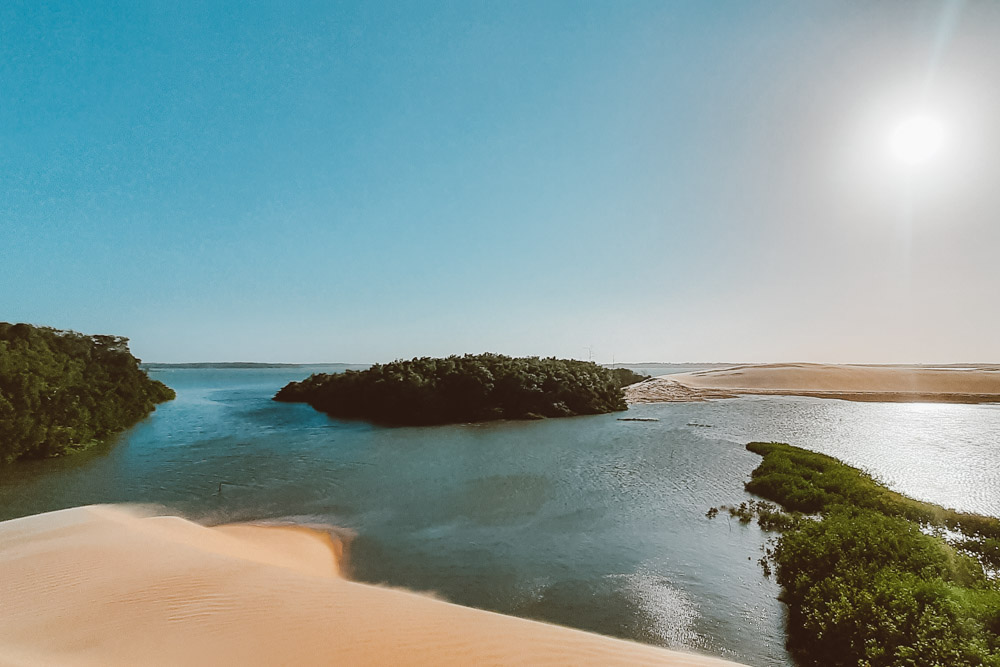
Parnaíba, in the state of Piauí, sits beside the delta of the river of the same name, a maze of channels, islands and mangroves that opens onto the ocean—one of the few river deltas in the world that flow directly into the sea. A lively port town with a commercial past, it is the gateway to the Delta do Parnaíba, where boat trips reveal shifting dunes, lagoons and wildlife rich in birds and crabs. From here you can also reach the wild beaches of the coastline and the Lençóis area, with its landscapes of sand. A destination for lovers of unspoilt nature and scenery off the beaten track.
Auto
Giorno 6 — Parnaiba → Jericoacoara
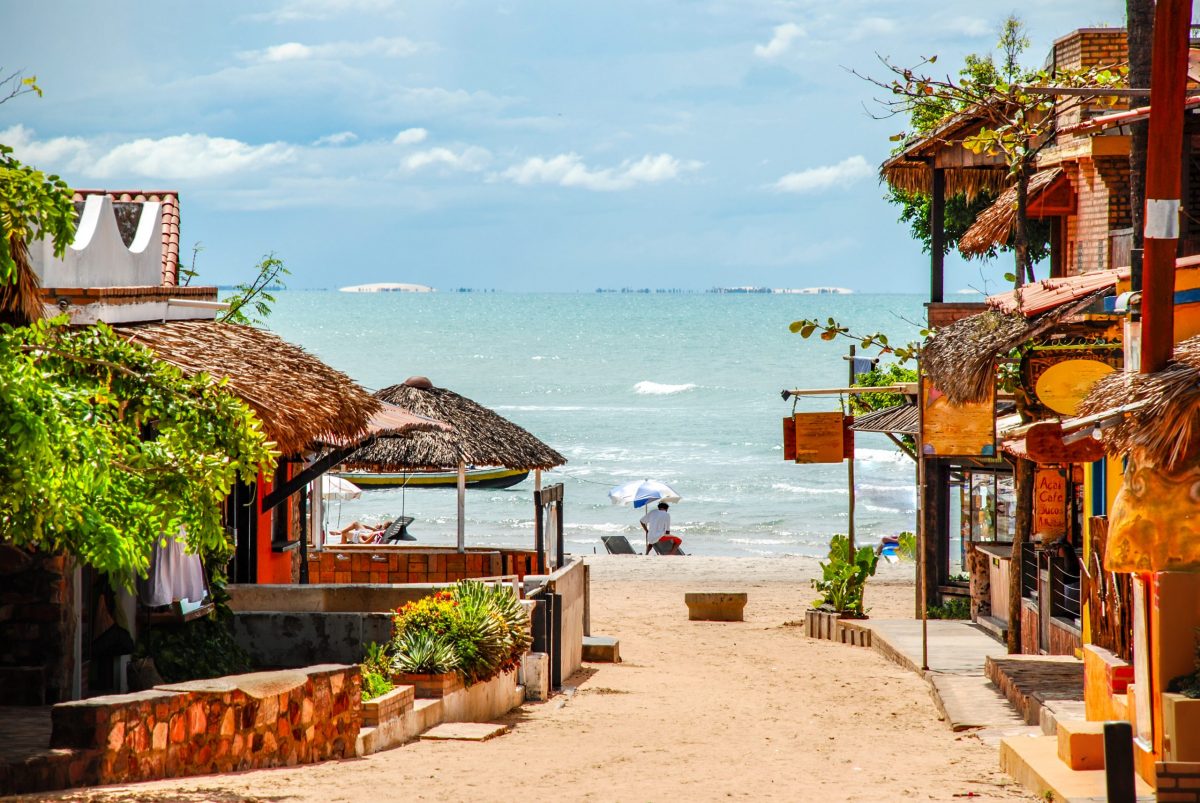
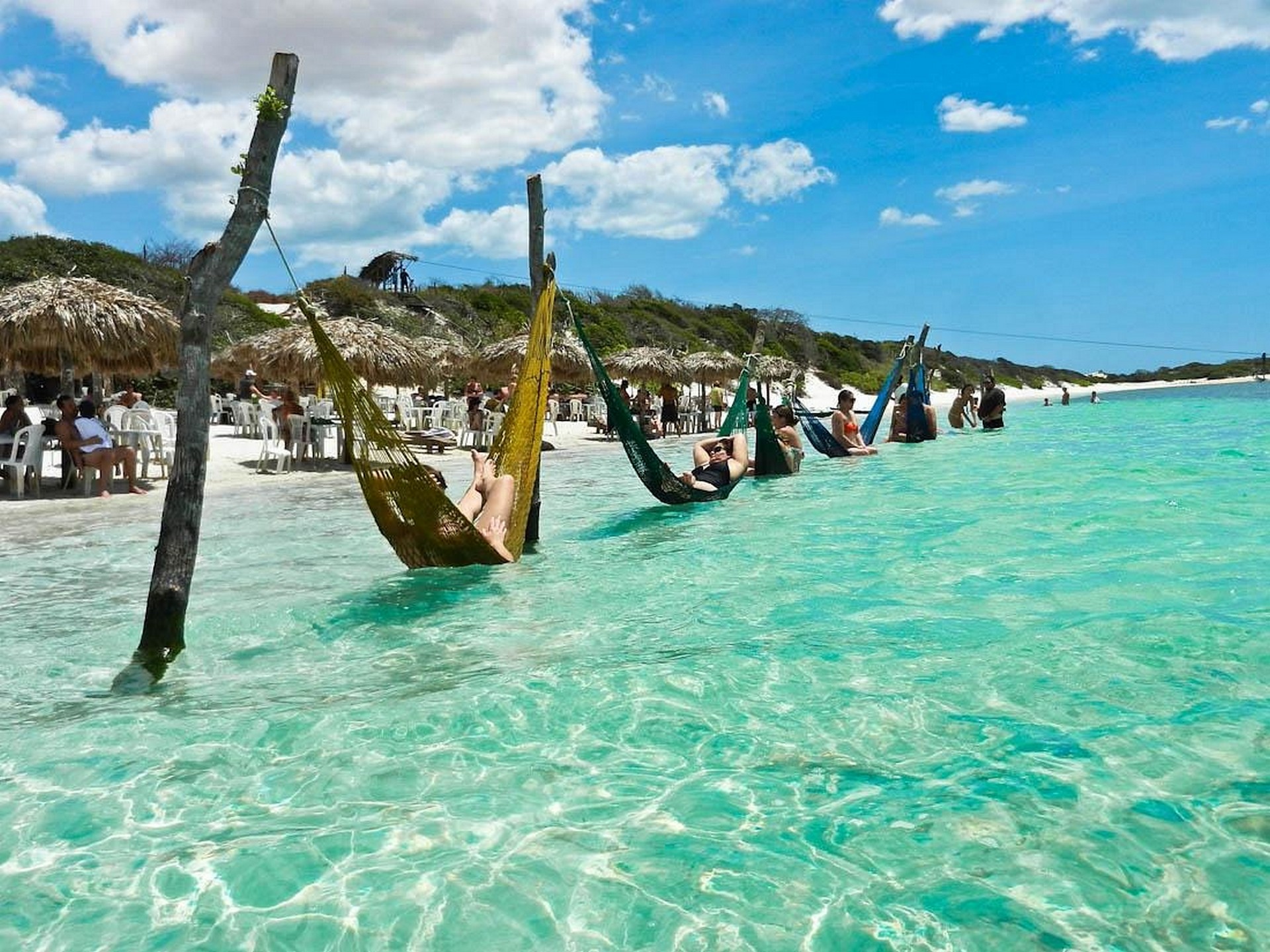
Golden dunes, emerald lagoons and not a single paved road: Jericoacoara is a former fishing village lost in northeastern Brazil, reachable only by off-road vehicle across the sand. Its streets are packed earth and sand, lit in the evening by soft lamps that make it one of the rare places without public lighting. Each day people climb the great Duna do Pôr do Sol to watch the sunset, while kitesurfers harness the steady winds that made the spot famous. Nearby, Lagoa do Paraíso and Lagoa Azul invite you to float in their warm waters, lounging on hammocks set in the shallows. Jericoacoara enchants with its wild simplicity, a refuge for souls seeking nature, wind and freedom.
Auto
Giorno 8 — Jericoacoara → Fortaleza
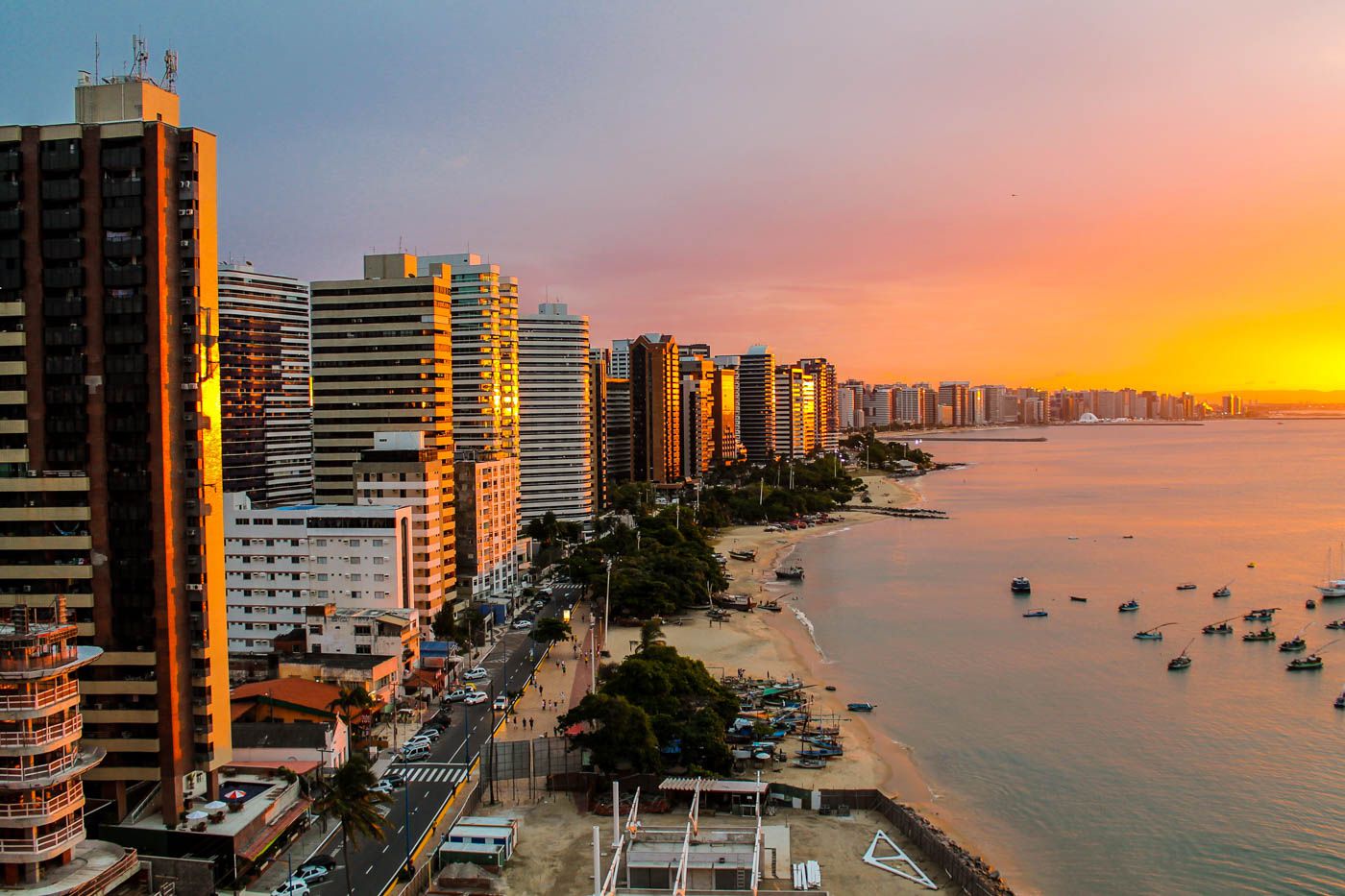
Fortaleza opens onto the Atlantic as one of the liveliest cities of northeastern Brazil, capital of Ceará state. Its long sweep of urban beaches — from the bustling Praia de Iracema to the touristy Praia do Futuro, famed for the barracas where you feast on crab and fried fish — sets the rhythm of local life. Along the shore, the handicrafts market and the Centro Cultural Dragão do Mar express the city's creative soul. From here, excursions head out to Ceará's wilder beaches, such as Canoa Quebrada with its red cliffs and Cumbuco with the dunes where you can ride buggies and kitesurf. In the evening, forró sets everyone dancing to the accordion's beat. Fortaleza welcomes you with tropical warmth and the inexhaustible energy of the sea.