Giorno 6 — Phayao → Chiang Rai
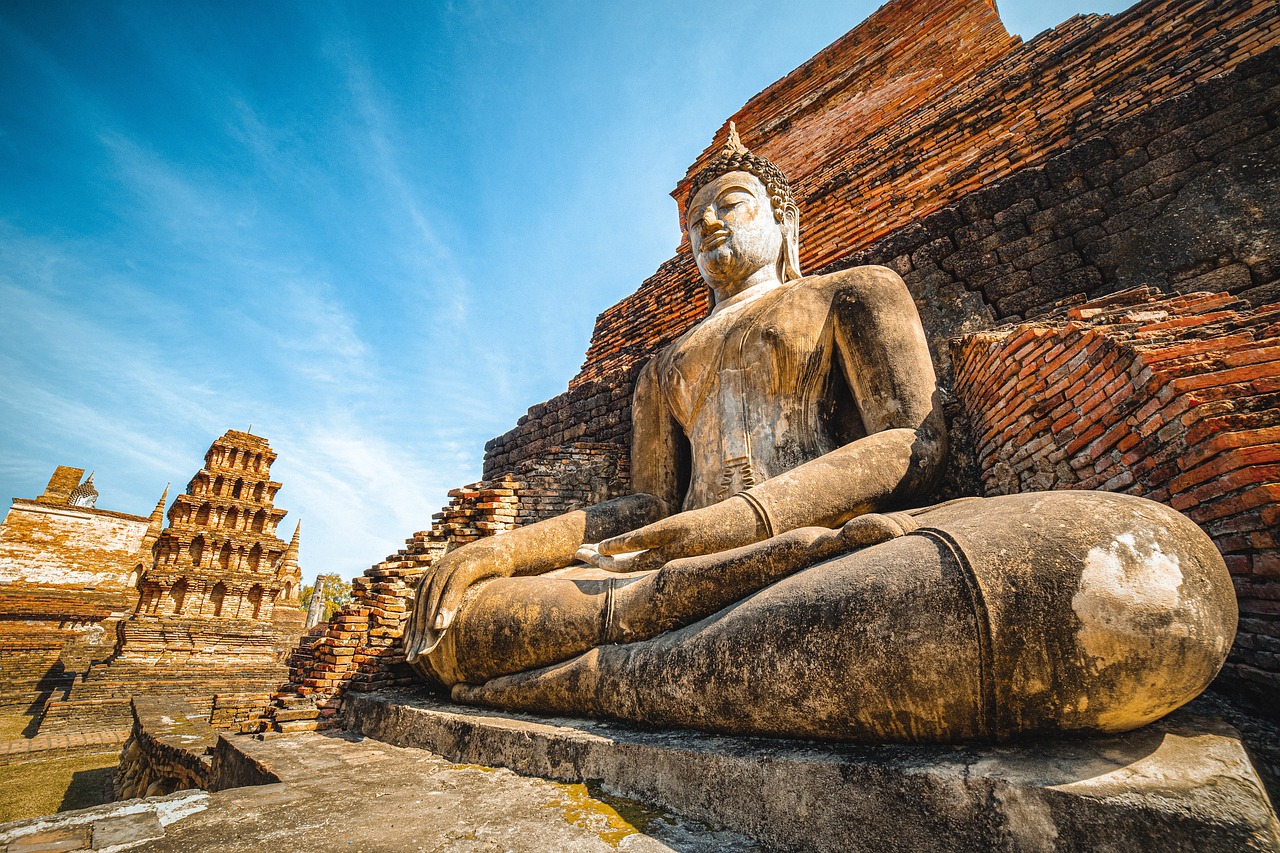
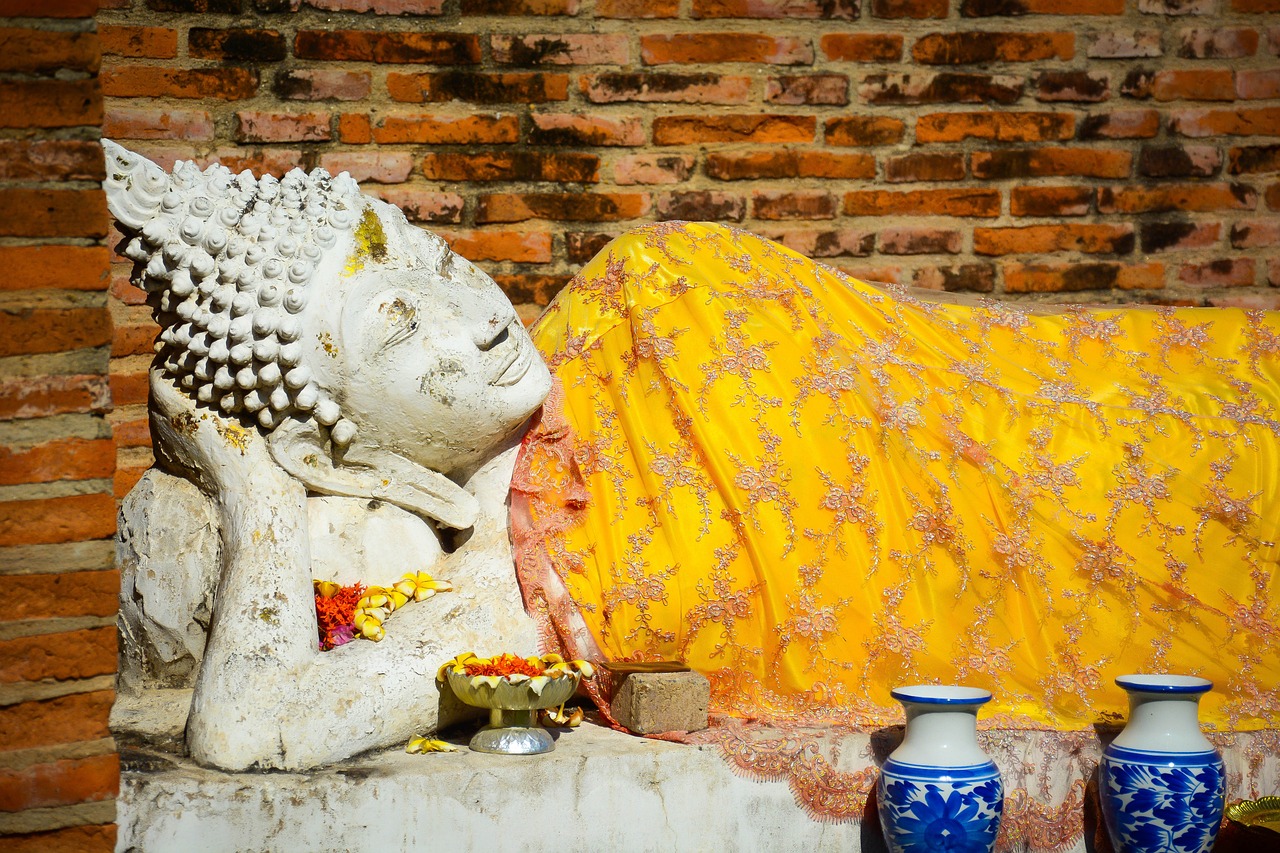
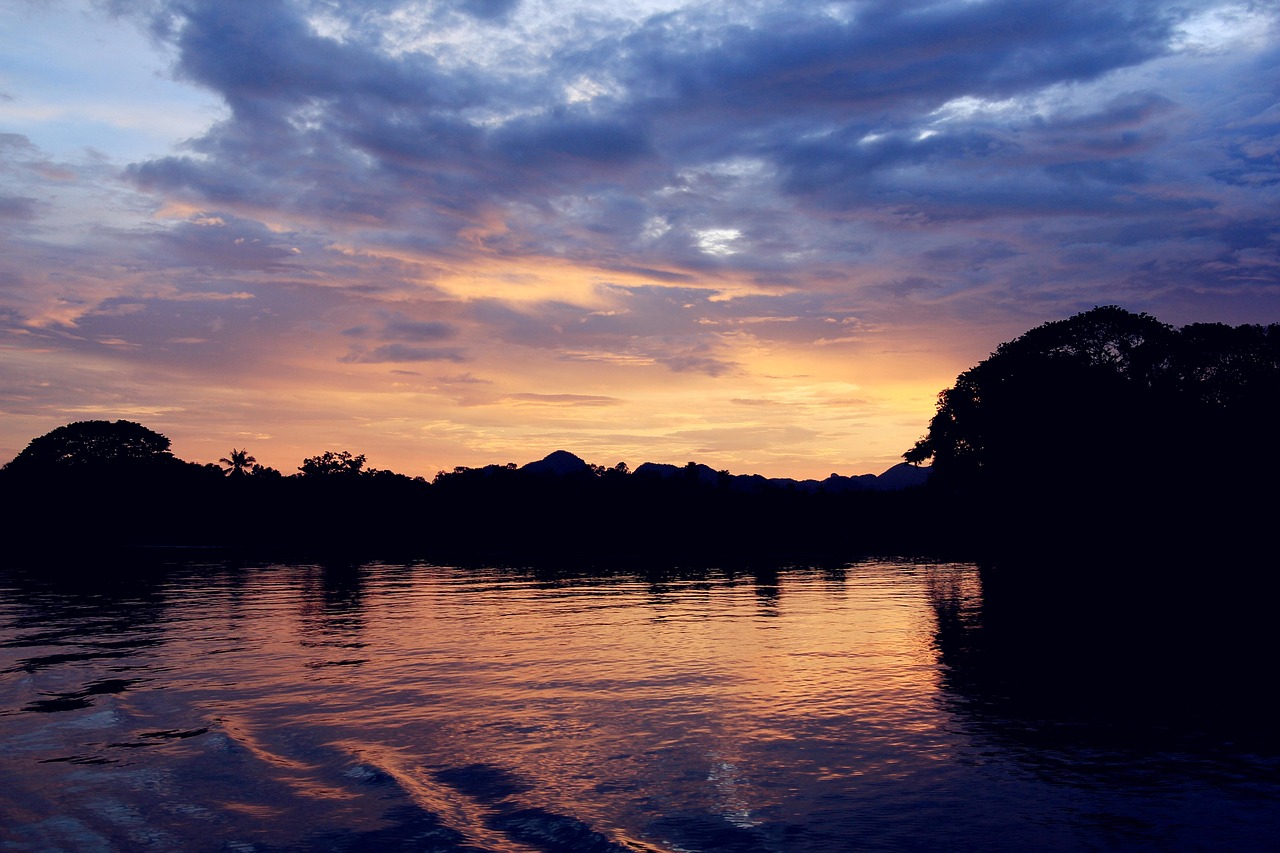
Km 250. At 07:15 departure for the embarkation pier (2 km). You will witness the offering to novice monks (Taak Bat) at the pier in the city center. Participants may personally purchase the Sangkatan on site. Afterwards, boarding small paddle boats operated by local fishermen to reach a small islet in the middle of the lake, where the ancient statue of the Buddha of Tilok Aram is located.
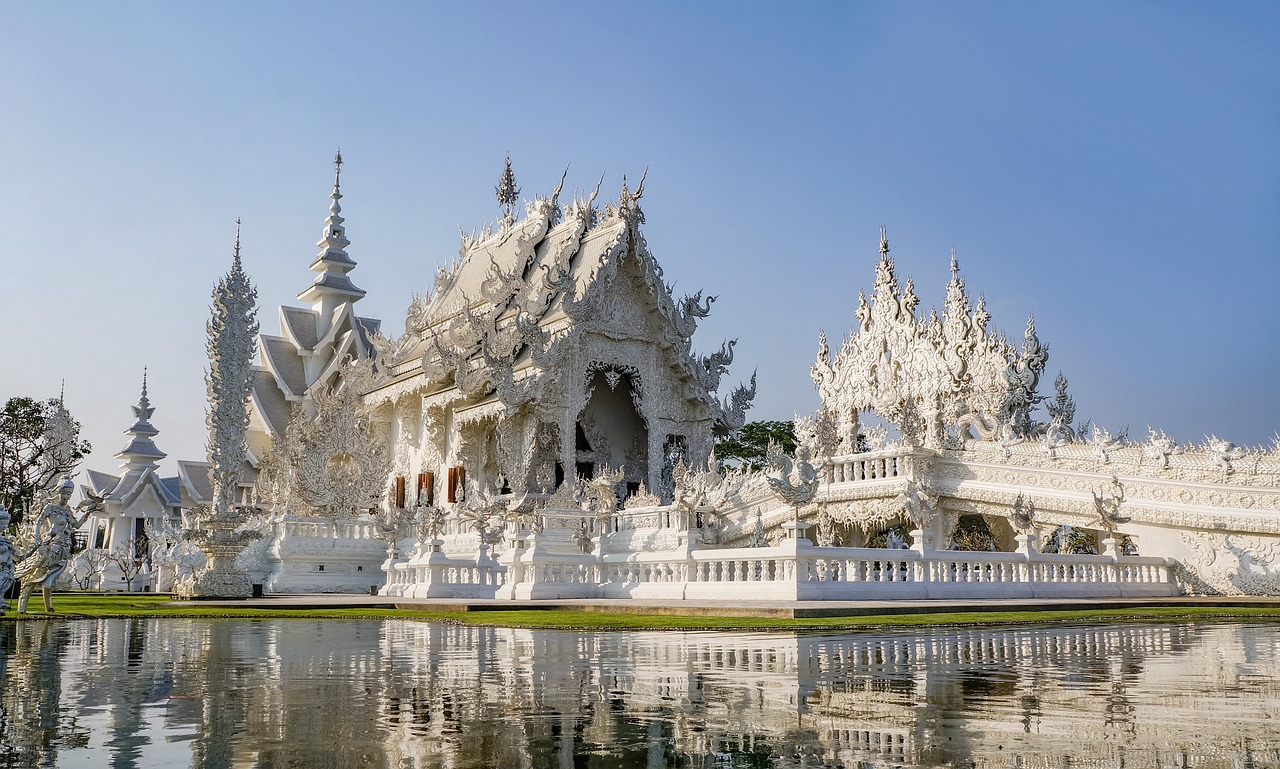
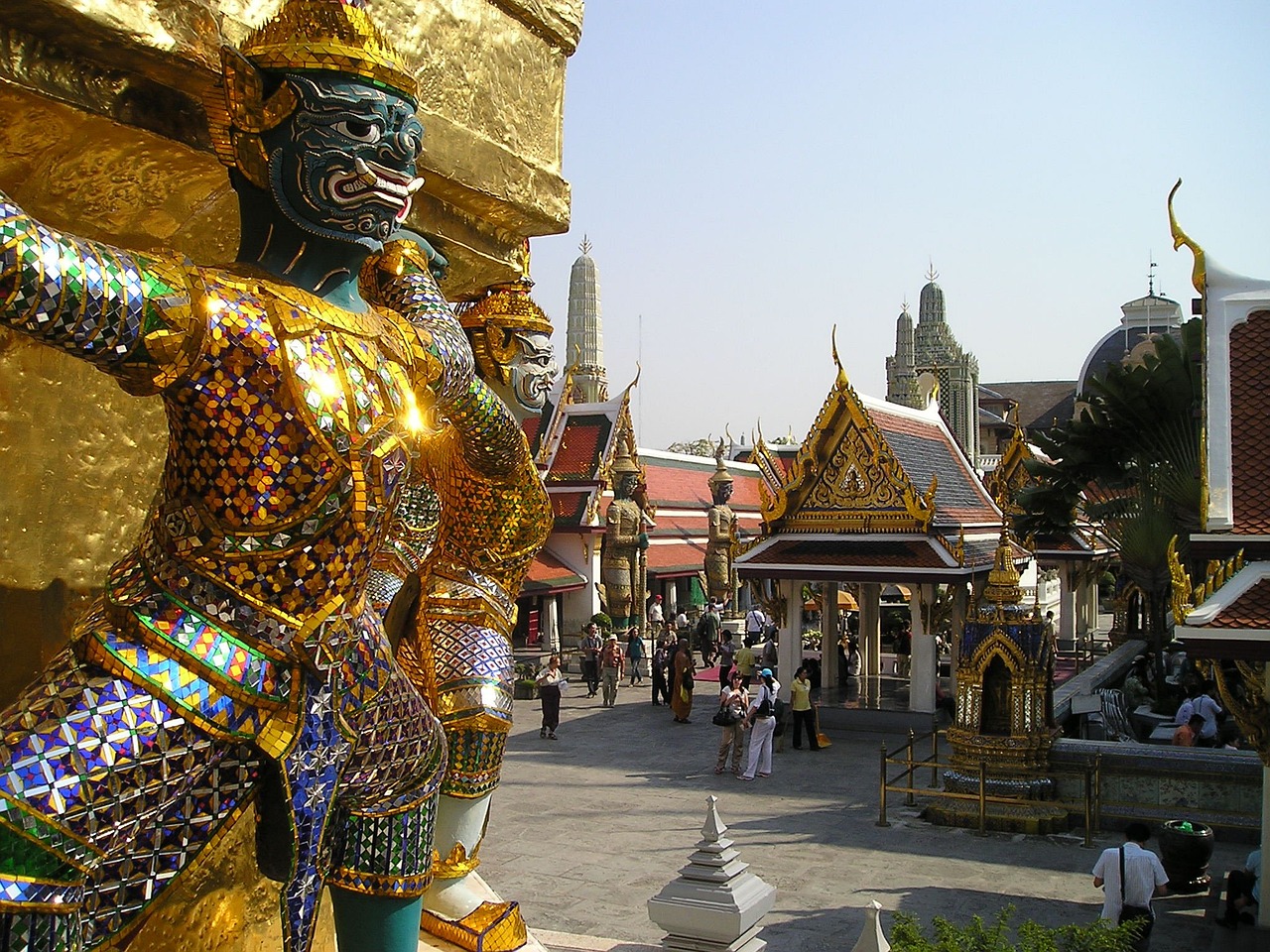
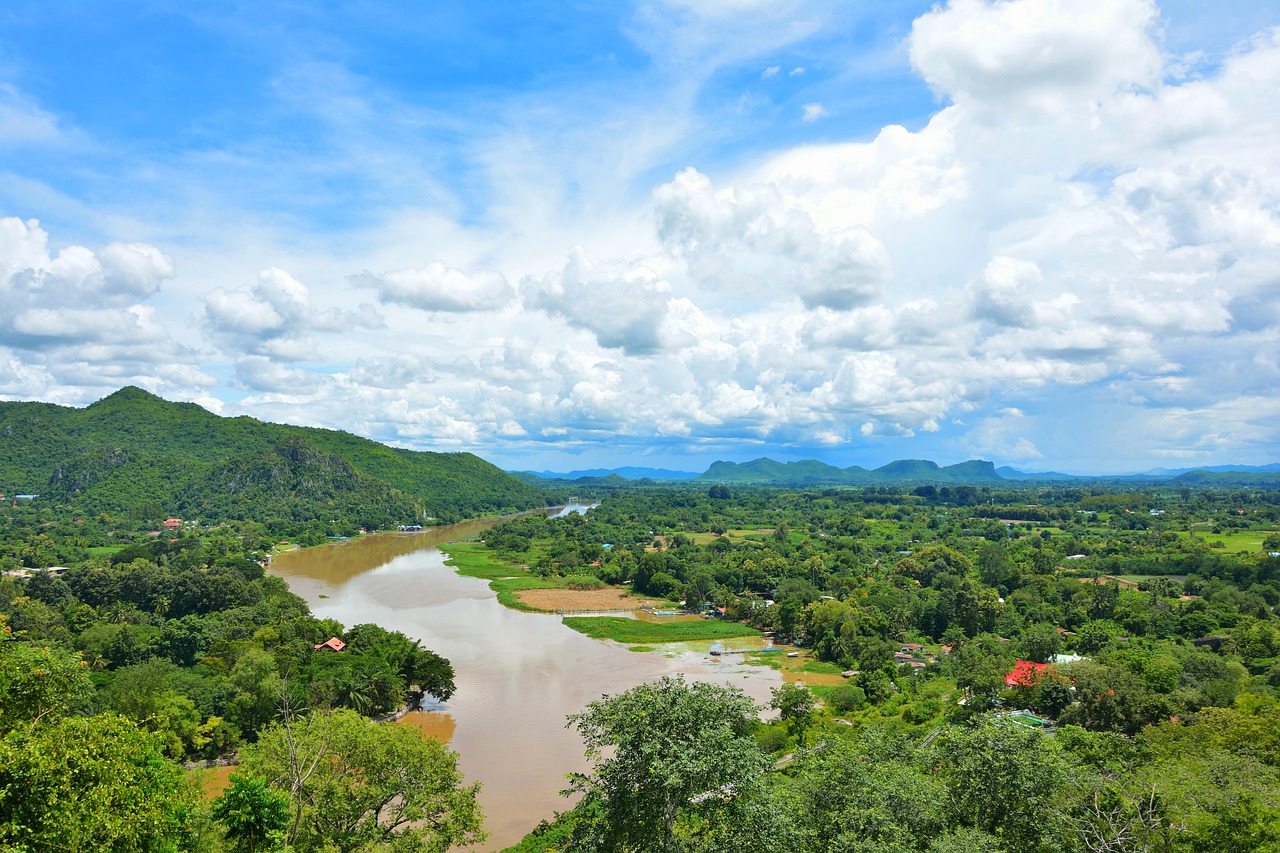
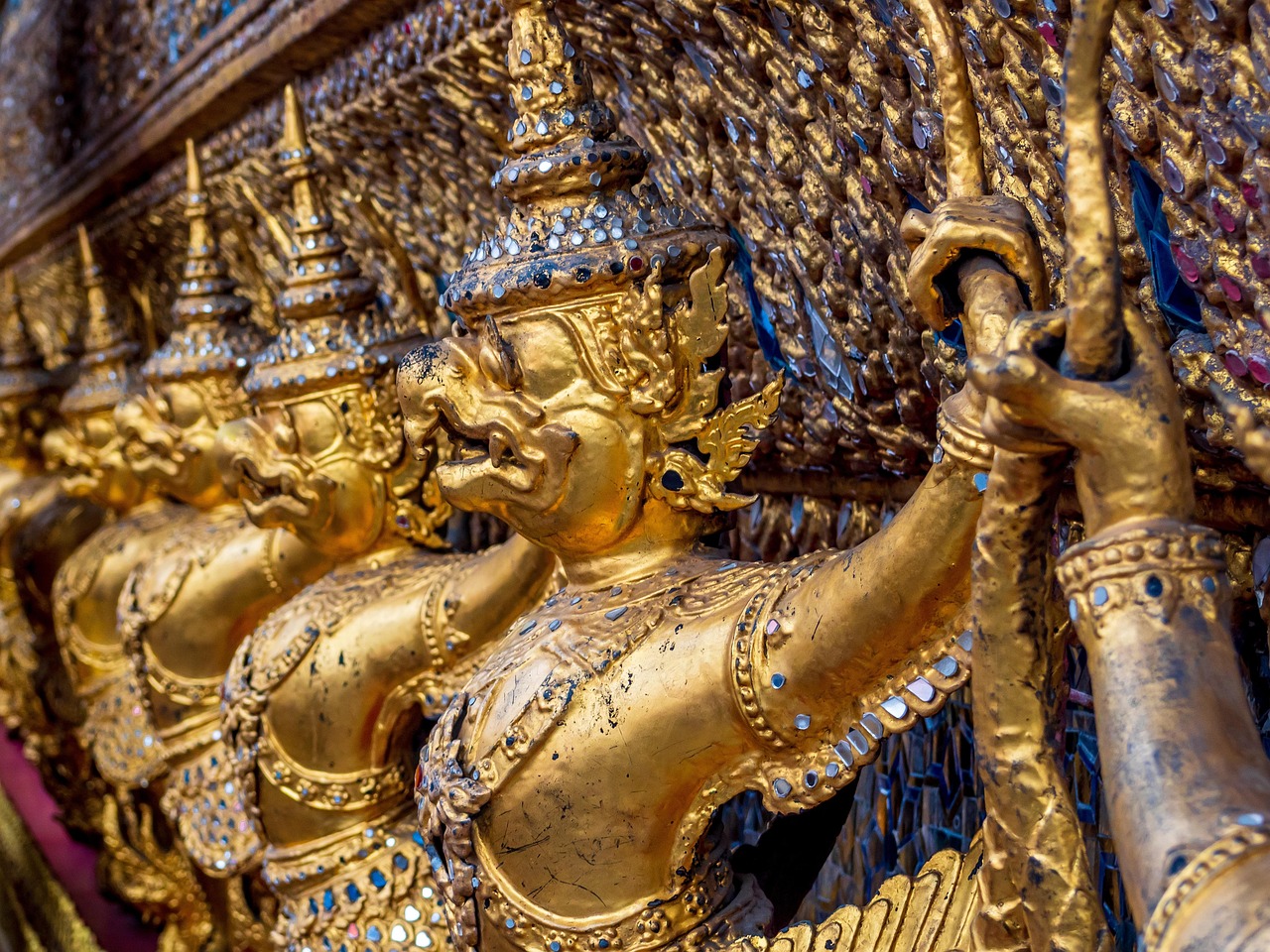
(Note: during the dry season, the water level may not be high enough to allow the boat trip. The excursion may also be canceled in case of bad weather or high waves.) At 08:40 return to the hotel for breakfast. At 09:30 check-out and departure for Chiang Rai. Arrival at around 11:15 at Wat Rong Seua Ten, or the “Blue Temple,” a contemporary work by the artist Putha Kabkaew. Psychedelic effects, colossal statues depicting menacing Yak—Buddhist demons—and mythological animals such as the Makara capture the visitor’s attention. At 11:45 departure from the city heading further north, toward the tripoint border area. Before you stretches a vast plain cultivated with rice and tropical fruit, crossed by the main tributaries of the Mekong, the great river that flows down from the Himalayas and runs through all of Southeast Asia to the China Sea. Here the Mekong is in its middle–lower course and represents a major trade artery for local populations. This is one of the most active and dynamic ethnic and commercial crossroads in Asia. Cultural interaction has encouraged the blending of traditions and folk knowledge. In this area there are mountain communities alongside Chinese, Lao, and Burmese groups. Many of these settlements lie on the slopes of Mount Mae Salong, near the border with Myanmar. The road leading to the summit is dotted with meeting places, such as the traditional Mae Salong Nai market, where it is not uncommon to encounter people of various ethnicities still wearing their traditional costumes. This is also the land of Khao Soi, a delicious curry soup rich in coconut milk and spices. From the market, the journey continues into the countryside to reach Ahsa, a local farmstay where we will be hosted to discover how this succulent dish is prepared. Khao Soi will also be the basis of today’s lunch. The farmstay is immersed in nature, set in a rice field surrounded by hills, offering a glimpse of daily life in the countryside of Northern Thailand. The farmer grows rubber trees, owns buffalo—once used for fieldwork before the arrival of tractors—and, depending on the season, sows and harvests a variety of tropical fruits. Animal husbandry and agriculture are always surrounded by jungle, which forms the backdrop to everyday life and with which the peoples of the North have coexisted for centuries. After lunch, you will proceed to the “Golden Triangle,” the border area where the three countries meet. Visit the local museum, which traces the history of poppy cultivation and opium production. The confluence of the rivers can be admired from the top of the hill that hosts the ancient place of worship now known as Phrathat Doi Pu Khao. At the end of the visit, return to Chiang Rai. Dinner at leisure and overnight stay., accommodation The Mantrini,